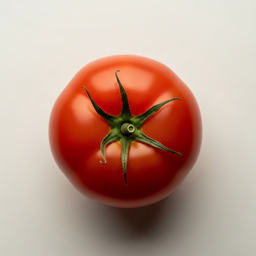
Tomato
The Lycopene Bomb
What is this ingredient?
The tomato (Solanum lycopersicum) is botanically a fruit (a berry), but is used culinarily as a vegetable. It belongs to the nightshade family (Solanaceae), along with potatoes, eggplants and peppers. Originally from South America, the tomato was long mistrusted in Europe because it was thought to be poisonous (due to its relation to deadly nightshade). Now we know that only the green parts are toxic. Tomatoes are very low in calories because they are 95% water.
How does it taste?
Sweet-tart and juicy with deep umami. Ripe tomatoes are aromatic and full-flavored.
Pairs well with:
Pairs well with basilmozzarellaolive oilgarlic and oregano.
Did you know...?
- Tomatoes were considered poisonous in Europe for centuries due to their relation to nightshade.
- Botanically the tomato is a fruit, but the US Supreme Court classified it as a vegetable in 1893.
- There are more than 10,000 varieties of tomatoes worldwide.
Nutritional Value & Energy
Per 100g
Tomato is low in calories thanks to natural nutrients .
Per 100g
Minerals
Vitamins
Omega-3 fatty acids
More nutrients
B-Vitamins
Trace Minerals
What's in a serving?
1 serving
Tomato naturally contains vitamin c (14 mg per 100 g).
% of daily reference intake (DRI)
EU-approved nutrition claims
This ingredient contains nutrients for which EFSA-authorized health claims exist (at nutrient level, not ingredient-specific).
Approved health claims (EU)
Vitamin_c EU 432/2012
Vitamin C contributes to the normal function of the immune system
Contains 14mg/100g (threshold: ≥12mg/100g)
Vitamin_c EU 432/2012
Vitamin C contributes to the reduction of tiredness and fatigue
Contains 14mg/100g (threshold: ≥12mg/100g)
Vitamin_c EU 432/2012
Vitamin C contributes to normal collagen formation for the normal function of skin
Contains 14mg/100g (threshold: ≥12mg/100g)
Vitamin_c EU 432/2012
Vitamin C contributes to normal collagen formation for the normal function of blood vessels
Contains 14mg/100g (threshold: ≥12mg/100g)
Vitamin_c EU 432/2012
Vitamin C contributes to normal collagen formation for the normal function of bones
Contains 14mg/100g (threshold: ≥12mg/100g)
Vitamin_c EU 432/2012
Vitamin C contributes to normal collagen formation for the normal function of cartilage
Contains 14mg/100g (threshold: ≥12mg/100g)
Vitamin_c EU 432/2012
Vitamin C contributes to normal collagen formation for the normal function of gums
Contains 14mg/100g (threshold: ≥12mg/100g)
Vitamin_c EU 432/2012
Vitamin C contributes to normal collagen formation for the normal function of teeth
Contains 14mg/100g (threshold: ≥12mg/100g)
Vitamin_c EU 432/2012
Vitamin C contributes to normal energy-yielding metabolism
Contains 14mg/100g (threshold: ≥12mg/100g)
Vitamin_c EU 432/2012
Vitamin C contributes to normal functioning of the nervous system
Contains 14mg/100g (threshold: ≥12mg/100g)
Vitamin_c EU 432/2012
Vitamin C contributes to normal psychological function
Contains 14mg/100g (threshold: ≥12mg/100g)
Vitamin_c EU 432/2012
Vitamin C contributes to the protection of cells from oxidative stress
Contains 14mg/100g (threshold: ≥12mg/100g)
Vitamin_c EU 432/2012
Vitamin C contributes to the regeneration of the reduced form of vitamin E
Contains 14mg/100g (threshold: ≥12mg/100g)
Vitamin_c EU 432/2012
Vitamin C increases iron absorption
Contains 14mg/100g (threshold: ≥12mg/100g)
Vitamin_c EU 432/2012
Vitamin C contributes to maintain the normal function of the immune system during and after intense physical exercise
Contains 14mg/100g (threshold: ≥12mg/100g)
What's being researched?
Lycopene and oxidative stress protection
Lycopene in tomatoes is being studied for potential protective effects against oxidative stress. Heating significantly increases bioavailability. Promising observational studies, but more randomized research is needed.
Supported by: [4] Fielding (2005) , [1] Story (2010) , [2] Giovannucci E (1999)
Lycopene and cardiovascular research
The relationship between tomato consumption and cardiovascular parameters is being actively studied. Meta-analyses suggest possible associations with reduced cardiovascular risk factors.
Supported by: [1] Story (2010) , [4] Fielding (2005)
Lycopene and skin UV protection
Lycopene-rich diets are being studied for potential protection against UV skin damage. Some clinical studies show a mild increase in the minimal erythemal dose.
Supported by: [3] Stahl (2001)
Good Combinations (Synergy)
Combine tomato smartly to enhance the effect:
Tomato 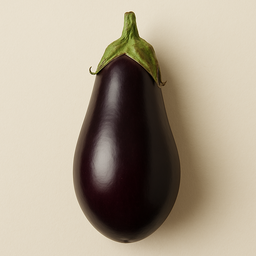 Eggplant
 Nasunin + lycopene: complementary carotenoid-polyphenol pathways
Technical: Nasunin (eggplant) and lycopene (tomato) work through different mechanisms. Nasunin chelates iron, influencing lipid peroxidation, while lycopene quenches singlet oxygen. Studies show combined polyphenols and carotenoids work synergistically — the combination works through complementary mechanisms. With olive oil, both are optimally absorbed.
What does this mean for you? Parmigiana, ratatouille, zaalouk — Mediterranean and North African dishes always combine eggplant, tomato and olive oil. Culinary tradition backed by science.
Tomato 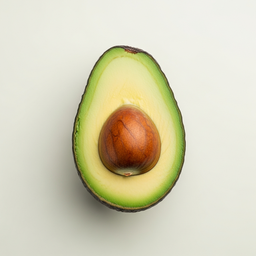 Avocado
 2.6x more lycopene absorption from salad/salsa
Technical: Tomatoes contain lycopene (3-8mg per 100g), a fat-soluble carotenoid with extremely low bioavailability without a fat carrier (<5%). Avocado contains 15g mono-unsaturated fats per 100g that stimulate micelle formation in the gut. Studies show 2.6x higher lycopene absorption when tomato is combined with avocado. Avocado also contains glutathione — a master antioxidant.
What does this mean for you? Guacamole with tomato, avocado toast with tomato, or a caprese with avocado — all these combinations ensure you absorb up to 2.6x more lycopene. Without fat, the lycopene literally slides right through your body.
Tomato 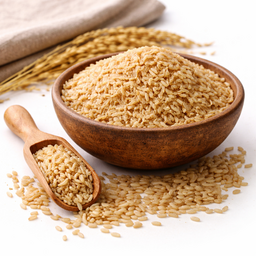 Brown Rice
 Vitamin C from tomato increases iron absorption from brown rice
Technical: Brown rice contains 0.8mg iron per 100g plus phytic acid. Tomato provides 14mg vitamin C per 100g that reduces Fe³⁺ to Fe²⁺ and bypasses phytate binding.
What does this mean for you? Serve brown rice with tomato sauce or roasted tomatoes. Classic combination in Mediterranean rice dishes.
Tomato 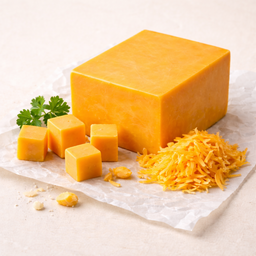 Cheddar
 Cheddar fat increases lycopene absorption from tomato by 4x
Technical: Cheddar contains 33g fat per 100g (highest of all hard cheeses) that dissolves lycopene from tomato (3-7mg/100g). Lycopene is a carotenoid with the strongest singlet oxygen quenching capacity (2x stronger than beta-carotene). Without fat only 10-15% is absorbed; with fat this rises to 40-60% (4x improvement). Cooking tomatoes breaks down cell walls for better lycopene release. Cheddar's calcium (720mg/100g) does NOT interfere with lycopene.
What does this mean for you? Cheddar tomato soup, grilled cheese with tomato or cheddar on pizza — all classics are scientifically smart. The cheddar fat ensures you absorb 4x more lycopene.
Tomato 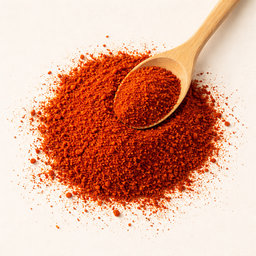 Chili Powder
 Capsaicin increases lycopene absorption and enhances antioxidant action
Technical: Chili powder's capsaicin temporarily increases intestinal permeability, allowing lycopene (3-7mg/100g in tomato) to be better absorbed. Tomato's lycopene and chili's capsaicin are both carotenoid-like antioxidants that work synergistically: lycopene neutralizes singlet oxygen, capsaicin inhibits lipid peroxidation. The combination offers broader antioxidant protection than either alone. Salsa (tomato + chili) is botanically optimized.
What does this mean for you? Salsa, arrabbiata sauce or tomato soup with chili is scientifically a top combination. The chili makes lycopene from tomatoes more available to your body.
Tomato 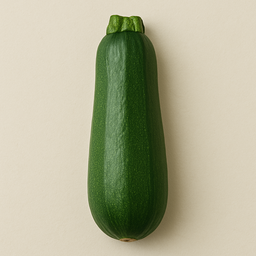 Zucchini
 Lutein + lycopene: complementary carotenoids
Technical: Zucchini contains 2125μg lutein+zeaxanthin per 100g. Lutein and zeaxanthin are xanthophyll carotenoids filtering blue light in the eye's macula. Tomato contains 2573μg lycopene per 100g — a carotenoid neutralizing singlet oxygen. Together they provide two categories of carotenoids active in different tissues.
What does this mean for you? Ratatouille (zucchini + tomato + olive oil) combines two carotenoid families. Lutein from zucchini is active in the macula, lycopene from tomato in the cardiovascular system. Add olive oil — carotenoids are fat-soluble.
Tomato 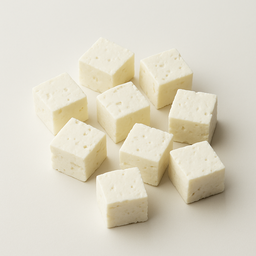 Feta Cheese
 Greek salad synergy - fat for lycopene absorption
Technical: Tomato contains lycopene, a carotenoid that is fat-soluble. Feta contains 21g fat per 100g that dissolves lycopene and promotes micelle formation in the gut, increasing absorption up to 4x. Feta's calcium (493mg/100g) — calcium contributes to the maintenance of normal bones (EFSA-approved). The Greek salad is a scientifically optimal combination.
What does this mean for you? Always combine feta with tomato (and olive oil) — exactly like in a Greek salad. The fat from feta ensures you absorb 4x more lycopene.
Tomato 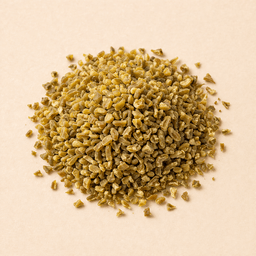 Freekeh
 Complementary carotenoid support: lutein + lycopene
Lutein accumulates in macula for eye protection, lycopene protects cardiovascular system
Technical: Lutein from freekeh concentrates in the macula. Lycopene from tomato is a powerful fat-soluble antioxidant. Both carotenoids work complementarily in different tissues.
What does this mean for you? Freekeh with tomato sauce combines two carotenoids that work complementarily. Add olive oil for the best absorption of both fat-soluble compounds.
Tomato 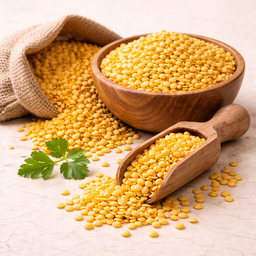 Yellow lentils
 Tomato increases iron absorption from lentils
Technical: Tomatoes contain both vitamin C (14mg/100g) and citric acid, which together reduce non-heme iron from yellow lentils to the absorbable Fe²⁺ form. The citric acid chelates iron and keeps it soluble in the intestine.
What does this mean for you? Tarka dal with tomato is not just tasty — the tomato triples iron absorption from the lentils. A classic Indian combination with scientific basis.
Tomato 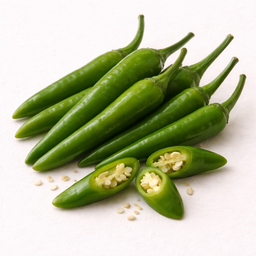 Green Chili Pepper
 Vitamin C regenerates lycopene and provides complementary bioactive coverage
Technical: Green pepper provides 80mg vitamin C per 100g — a water-soluble compound that regenerates oxidized lycopene via electron transfer. Tomato provides 2573μg lycopene as fat-soluble compound. Vitamin C restores oxidized lycopene to its active form. Together they provide bioactive coverage in both water and fat phases.
What does this mean for you? Green pepper with tomato (classic in Hungarian and Mexican cuisine) combines a water-soluble and fat-soluble compound. Vitamin C from pepper keeps tomato's lycopene in its active form.
Tomato 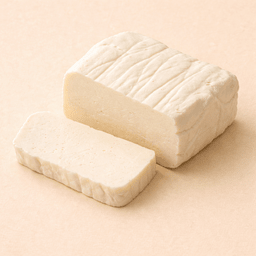 Halloumi Cheese
 Fat from halloumi increases lycopene absorption from tomato up to 4x
Technical: Halloumi contains 24g fat per 100g, of which 17g saturated. Lycopene from tomato is a fat-soluble carotenoid with bioavailability of only 10-15% without fat. The fat in halloumi promotes micelle formation in the small intestine, efficiently packaging lycopene for absorption. Heating (grilling) tomato breaks down cell walls and further increases lycopene release.
What does this mean for you? Grilled halloumi with roasted tomatoes is a Mediterranean culinary classic — the fat in the cheese ensures you absorb up to 4x more lycopene from the tomato.
Tomato 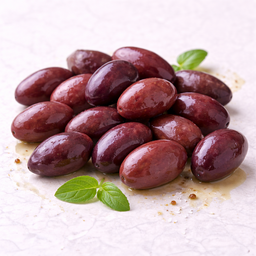 Kalamata Olives
 Three polyphenol pathways in one Greek salad
Technical: Kalamata olives contain hydroxytyrosol (3.5mg/100g) and oleuropein — polyphenols from the phenol class. Tomato provides lycopene (2573μg/100g), a carotenoid. Oregano contains carvacrol and thymol, terpene compounds. This trio forms a polyphenol-carotenoid-terpene complex working through three different biochemical pathways.
What does this mean for you? Greek salad (tomato, olives, oregano) is a culinary classic combining three entirely different categories of bioactive compounds. Each ingredient delivers a different type of polyphenol — broader together than apart.
Tomato 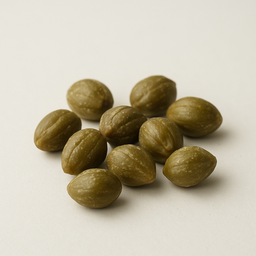 Capers
 Quercetin + lycopene for dual antioxidant action
Technical: Capers contain 180-230mg quercetin per 100g — the highest of all foods. Tomato provides lycopene (3-7mg/100g), a carotenoid that neutralizes singlet oxygen. Quercetin and lycopene work in different phases: quercetin is hydrophilic (aqueous phase antioxidant), lycopene is lipophilic (lipid phase antioxidant). Together they cover the complete antioxidant spectrum. The combination appears in Sicilian cuisine (caponata, pasta alla norma).
What does this mean for you? Sprinkle capers over tomato sauce, bruschetta or salad. The combination is a Sicilian secret — maximum antioxidant protection with minimal effort.
Tomato 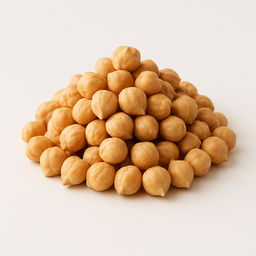 Chickpeas
 Tomato increases iron absorption from chickpeas
Technical: Chickpeas contain 2.9mg non-heme iron per 100g. Tomatoes provide 14mg vitamin C per 100g plus citric acid and malic acid — organic acids that also contribute to iron absorption. When heated, lycopene content in tomatoes increases (up to 4x), while vitamin C is partially lost. The organic acids remain intact and support iron absorption.
What does this mean for you? Cook chickpeas in tomato sauce — this is the basis of chana masala (India), leblebi (Tunisia) and Spanish garbanzos. The tomato sauce not only enriches the flavor but also increases iron absorption. Add lemon juice for extra boost.
Tomato 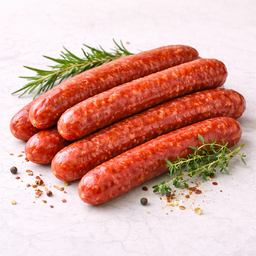 Merguez
 Fat increases lycopene absorption while vitamin C optimizes iron uptake
Technical: Merguez contains 15-20g fat per 100g that absorbs lipophilic lycopene from tomato (3-9mg/100g) 400-500% better. Lycopene is among the effective carotenoid antioxidants against singlet oxygen. Vitamin C in tomato (13.7mg/100g) increases non-heme iron absorption by 300%. Complementary mechanisms optimize both nutrient uptake. Antioxidants in tomato balance the saturated fat in merguez.
What does this mean for you? Cook merguez and serve with cooked tomatoes (cooking increases lycopene by 35%). The tomato maximizes nutrient absorption and balances the fatty meat. Add basil and onion for extra benefits.
Tomato 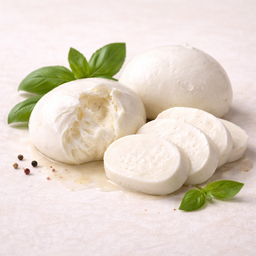 Mozzarella
 Caprese: fat + lycopene + eugenol synergy
Technical: Mozzarella contains 22g fat per 100g that dissolves lycopene from tomato — lycopene is fat-soluble and poorly absorbed without fat (absorption increases up to 4x). Basil adds eugenol, a COX-2 modulator, plus vitamin K. The Caprese salad combines three synergistic pathways in one dish.
What does this mean for you? A Caprese salad (mozzarella + tomato + basil + olive oil) is scientifically smart. The cheese helps absorb lycopene, the basil adds bioactive terpenes — Italian food at its best.
Tomato 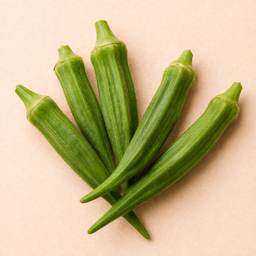 Okra
Okra Complementary lipid pathways via bile acid binding and LDL oxidation modulation
Okra soluble fibers bind bile acids and inhibit lipogenesis via SREBP1c (PMID: 23606408)
Technical: Okra mucilage binds 35% of bile acids in the gut (comparable to chitosan), causing the liver to convert cholesterol into new bile acids — influencing lipid metabolism. Tomato lycopene (2573μg/100g) modulates LDL oxidation. Together they work complementarily through two lipid pathways: okra influences lipid metabolism quantitatively, tomato modulates LDL oxidation.
What does this mean for you? Okra stewed with tomato (like in gumbo or bamia) combines two complementary lipid pathways. The bile acid binding from okra and LDL oxidation modulation from tomato work through different biochemical mechanisms.
Tomato 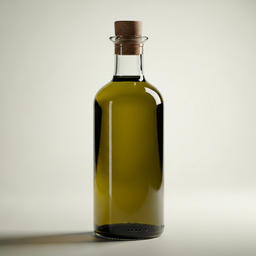 Olive Oil
 Mediterranean golden rule: fat increases lycopene absorption 4x
Fat significantly increases lycopene bioavailability (PMID: 15927929)
Technical: Tomatoes contain lycopene (3-7mg per 100g), a carotenoid with strong antioxidant action. Lycopene is fat-soluble with only 10-15% absorption without fat. Olive oil increases this to 40-60% (2.5-4x improvement). Cooking further increases lycopene bioavailability.
What does this mean for you? Always add olive oil to tomato dishes — sauces, salads, bruschetta. This is why Mediterranean cuisine is so healthy. Cooked tomatoes with olive oil = maximum lycopene.
Tomato 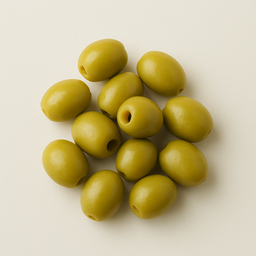 Olives
 Fat-rich olives increase lycopene absorption from tomato
Technical: Olives contain 15-20% mono-unsaturated fat that increases lycopene (fat-soluble carotenoid) absorption from tomatoes by 2-4x. Olives also contain hydroxytyrosol, a powerful antioxidant that works synergistically with lycopene.
What does this mean for you? Add olives to your tomato salad or bruschetta. The Mediterranean tradition is based on centuries of culinary wisdom and science.
Tomato 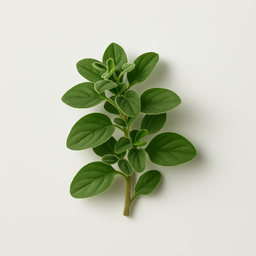 Oregano
 Mediterranean synergy - antioxidants stabilize lycopene
Böhm V et al. (2002) in Journal of Nutrition showed that antioxidants improve lycopene stability.
Technical: Oregano's antioxidants (rosmanol, carvacrol, thymol) protect lycopene from tomato against thermal degradation during cooking. Lycopene is heat-labile but released from cell walls by heating. The herbs act as an antioxidant shield: they scavenge free radicals that would break down lycopene.
What does this mean for you? Add oregano to tomato sauce during cooking. The oregano protects the lycopene while heat releases it — that's why Italian tomato sauce with oregano is so healthy.
Tomato 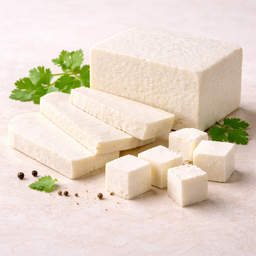 Paneer
 Palak paneer: calcium + iron with vitamin C
Technical: Paneer provides 18g protein and 321mg calcium per 100g. Spinach contains 2.7mg iron and 194μg folate. Tomato adds vitamin C that reduces Fe³⁺ (non-heme iron) to Fe²⁺, increasing iron absorption 3-6x. Paneer's calcium and spinach's iron are absorbed via different transporters, so they don't compete. Classic Indian nutritional wisdom.
What does this mean for you? Palak paneer with tomato is a nutritionally well-composed meal. The paneer gives protein and calcium, the spinach iron and folate, the tomato ensures the iron is properly absorbed.
Tomato 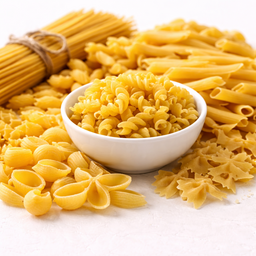 Pasta (Dried)
 Carbohydrates increase lycopene absorption from tomato 2.5x
Technical: Tomatoes contain lycopene, a powerful antioxidant that is 4x better absorbed when heated. The carbohydrates in pasta increase insulin response, which improves carotenoid absorption. Additionally, olive oil (standard in pasta sauces) provides extra fat for lycopene absorption.
What does this mean for you? Pasta with tomato sauce is nutritionally smart! Cook the tomatoes at least 15 minutes for optimal lycopene availability. Always add olive oil.
Tomato 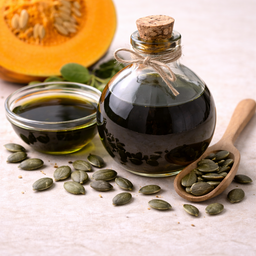 Pumpkin Seed Oil
 Phytosterols + carotenoids: delta-7-sterols dissolve fat-soluble pigments
Technical: Pumpkin seed oil contains 265mg phytosterols per 100ml (beta-sitosterol dominant), which influence 5-alpha-reductase and are involved in DHT metabolism. The dark green oil (chlorophyll A and B) dissolves lycopene from tomato (3-7mg/100g) and lutein from spinach (12,198μg/100g). Phytosterols compete with cholesterol for intestinal absorption, influencing lipid metabolism.
What does this mean for you? Drizzle pumpkin seed oil over a spinach-tomato salad. The oil increases your carotenoid absorption thanks to the fat-rich medium. The deep nutty flavor makes it a full dressing on its own.
Tomato 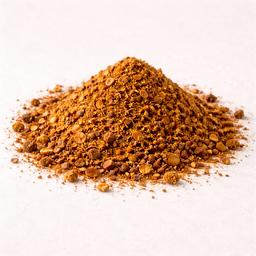 Ras el Hanout
 Spice mix stimulates gut absorption of lycopene and vitamins
Technical: Ras el hanout contains piperine (from black pepper) that inhibits P-glycoprotein and increases intestinal permeability for nutrients. Capsaicin (from chili pepper) enlarges the absorption surface via TRPV1 activation. Tomato's lycopene (3-7mg/100g) and vitamin C (14mg) are better absorbed as a result. In tagine (slow-cooked) lycopene from tomato is also thermally released, doubling bioavailability.
What does this mean for you? Moroccan tagine with tomato and ras el hanout is one of the most optimized dishes for nutrient absorption. Slow cooking maximizes extraction of active compounds from both spices and tomato.
Tomato 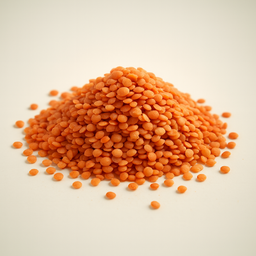 Red Lentils
 Tomato increases iron absorption from lentils
Technical: Red lentils contain 3.3mg non-heme iron per 100g. Tomatoes provide vitamin C (14mg per 100g) plus citric acid and malic acid that promote iron absorption. When slow-cooked (stew/dal), tomatoes concentrate, increasing organic acid content. This is the basis of Indian dal — one of the most nutritious plant-based dishes.
What does this mean for you? Cook red lentils with fresh or canned tomatoes for a nutritious dal. The tomatoes increase iron absorption, and cooking the lentils makes them softer and more digestible. Add turmeric and cumin for an authentic Indian result.
Tomato 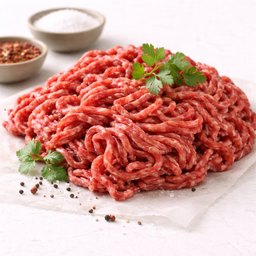 Ground Beef
 Triple synergy: iron + vitamin C + lycopene for energy and heart
Technical: Ground beef contains 2.7mg heme iron per 100g (15% RDI) with 20-30% bioavailability. Vitamin C in tomato (13.7mg/100g) increases iron absorption by 300-400% via Fe³⁺→Fe²⁺ reduction. Simultaneously, fat in ground beef (10-20g/100g) increases lycopene absorption (3-9mg/100g tomato) by 400%. Triple synergy: iron for hemoglobin/ATP production, vitamin C for collagen/immunity, lycopene for antioxidant protection.
What does this mean for you? Bolognese, chili con carne or meatballs in tomato sauce — all these classics are scientifically optimal. Cook tomatoes 30+ minutes to increase lycopene by 35%. Add basil and garlic.
Tomato 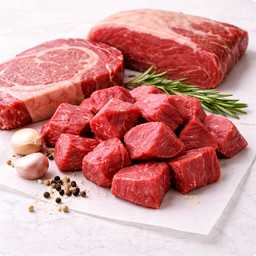 Beef
Beef Lycopene + iron: antioxidant protection with iron absorption
Technical: Tomatoes contain lycopene, a powerful carotenoid antioxidant that is better absorbed when heated (4x after 30 min cooking). Beef contains heme iron (2.6mg/100g) and zinc (4.8mg/100g). The vitamin C in tomato (14mg) improves iron absorption, while lycopene protects fats in beef from oxidation.
What does this mean for you? Stews with beef and tomatoes (Italian ragù, Hungarian goulash) are nutritionally optimal. Simmer at least 30 minutes for maximum lycopene availability.
Tomato 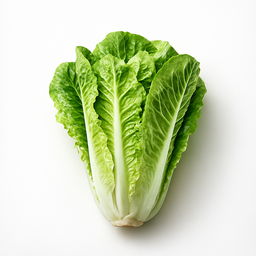 Lettuce (Romaine)
 Lutein + lycopene: complementary carotenoids in two phases
Technical: Lettuce contains 1730μg lutein per 100g — a xanthophyll carotenoid filtering blue light in the macula. Tomato contains 2573μg lycopene — a carotenoid neutralizing singlet oxygen. These carotenoids work through different mechanisms and are active in different tissues. With olive oil both are optimally absorbed.
What does this mean for you? A salad of lettuce and tomato with olive oil dressing combines two carotenoid families. Lutein from lettuce is active in the macula, lycopene from tomato in the cardiovascular system. Without dressing you barely absorb anything — fat is essential.
Tomato 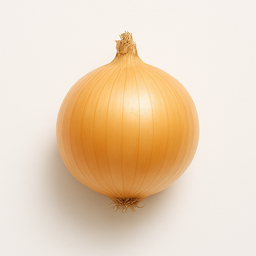 Onion
Onion Quercetin + lycopene: synergistic polyphenol-carotenoid combination
Technical: Quercetin from onion (20-40mg/100g) and lycopene from tomato (2573μg/100g) work through different mechanisms. Quercetin chelates metal ions and modulates lipid peroxidation, lycopene quenches singlet oxygen. Combined polyphenols and carotenoids work synergistically — the combination works through complementary mechanisms.
What does this mean for you? Tomato sauce with onion is the base of nearly every Mediterranean cuisine — and rightly so. Quercetin and lycopene enhance each other's action through complementary biochemical pathways. Cooking in olive oil makes carotenoids more absorbable.
Tomato 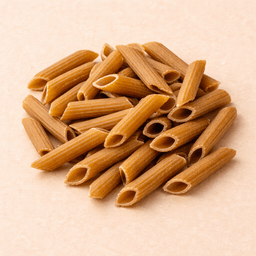 Whole wheat pasta
 Selenium + lycopene for dual antioxidant support
Technical: Whole wheat pasta contains 63ug selenium per 100g (115% RDA), a trace element essential for glutathione peroxidase — the most important intracellular antioxidant enzyme. Tomato provides lycopene (3mg/100g cooked), a carotenoid that neutralizes free radicals. Together they offer intracellular (selenium/glutathione) + extracellular (lycopene) antioxidant support.
What does this mean for you? Pasta pomodoro with whole wheat pasta is more than comfort food — it delivers dual antioxidant support. The selenium in the wheat + the lycopene in the tomato work complementarily.
Tomato 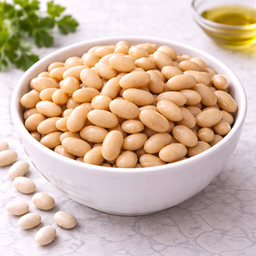 White Beans (Cannellini)
 Protein + lycopene: versatile nutritional combination
Technical: White beans provide 21g protein per 100g with high lysine (1.4g). Tomato provides lycopene (2573μg/100g), a potent carotenoid. White bean fiber (6.3g/100g) also feeds Faecalibacterium prausnitzii producing butyrate. Tomato's vitamin C (14mg) improves iron absorption from beans.
What does this mean for you? White beans in tomato sauce (cassoulet, ribollita, baked beans) is a timeless combination with protein, lycopene and fiber. Tomato also makes bean iron more absorbable.
Tomato 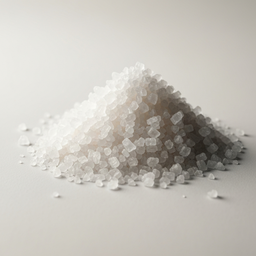 Sea Salt
 Minerals improve flavor perception and electrolyte balance
Technical: Sea salt contains trace minerals (magnesium, potassium, calcium) besides sodium. Tomato is rich in potassium (237mg/100g) and lycopene. Avocado adds magnesium (29mg) and potassium (485mg). Together they form a broad electrolyte profile: sodium (salt) + potassium (tomato/avocado) + magnesium (avocado) — essential for fluid balance and nerve function.
What does this mean for you? Sprinkle tomato and avocado with a pinch of sea salt. This is more than flavor — the minerals complement each other for a complete electrolyte balance.
Tomato 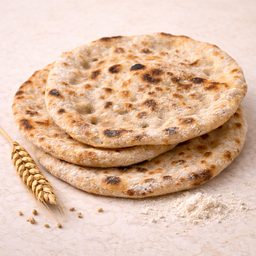 Sourdough Flatbread
 Reduced phytic acid enhances lycopene and mineral absorption
Technical: Sourdough fermentation activates phytase enzymes that break down phytic acid — the main anti-nutrient in grains that blocks mineral absorption. With significantly less phytate, iron and zinc from the tomato (vitamin C 14mg, lycopene 3mg) are better absorbed.
What does this mean for you? Sourdough bread with tomato is more nutritious than regular bread with tomato — the fermentation process makes minerals available that phytic acid would otherwise block.
Recipes with Tomato
Discover delicious recipes featuring tomato:
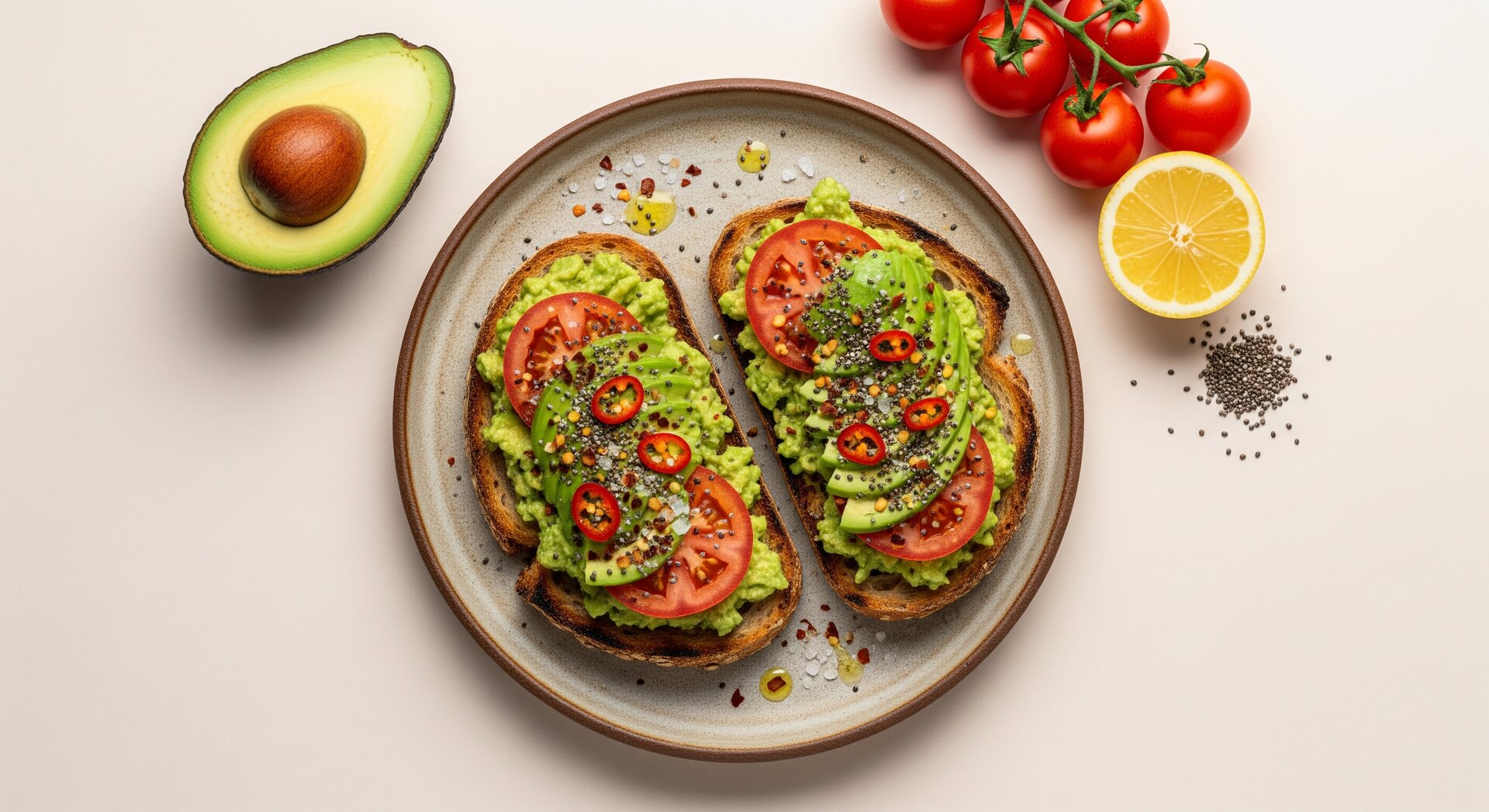 Avocado Toast with Chia Seeds 10 min Whole grain toast with creamy avocado, tomato and chia seeds
  340 kcal
  8g protein 1 synergies
 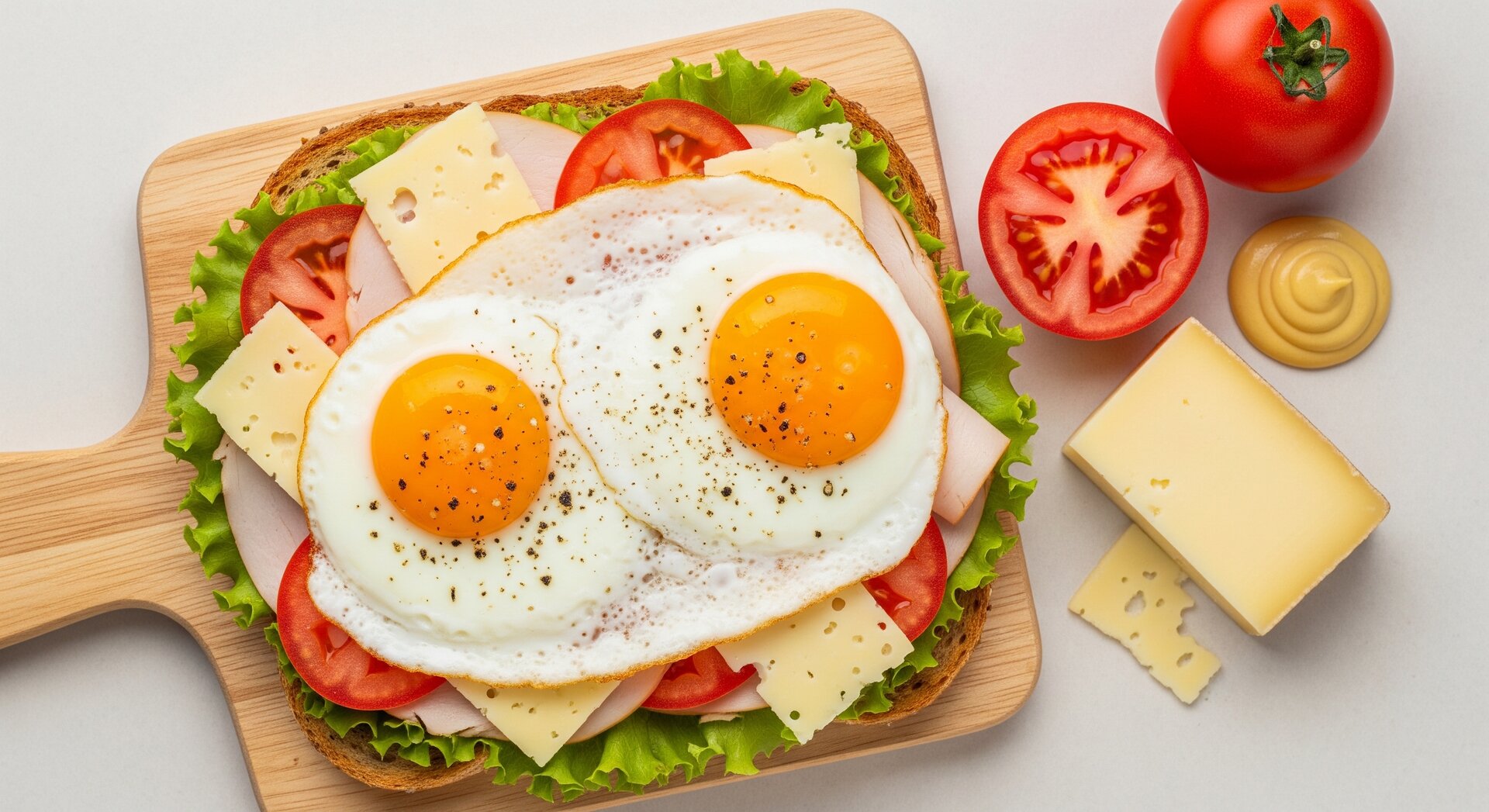 Belgian Uitsmijter with Aged Cheese and Tomato 18 min Classic Belgian lunch with fried egg and aged cheese 823 kcal 55g protein 2 synergies
 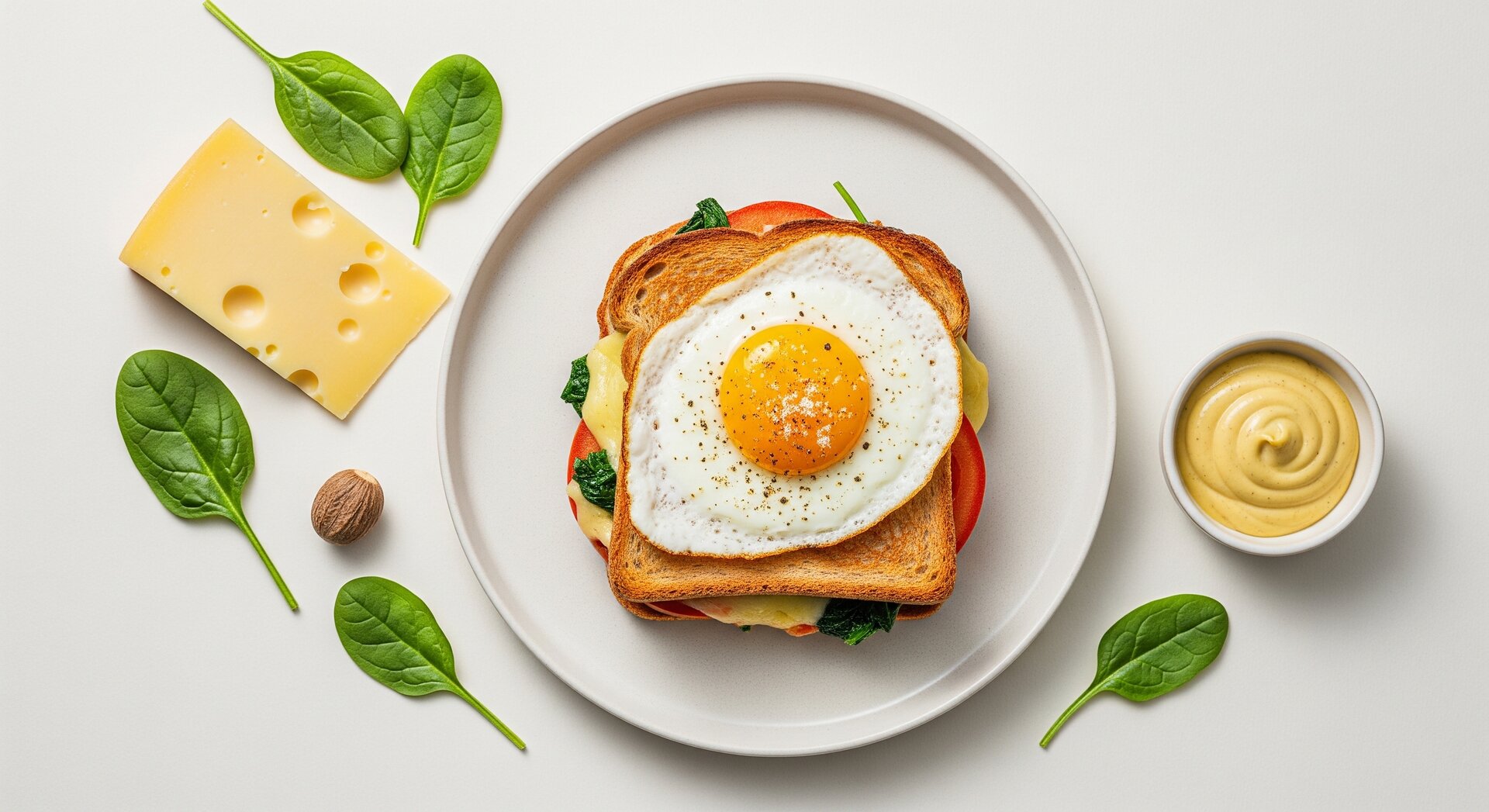 Belgian Whole Wheat Croque with Egg and Vegetables 17 min Belgian croque-madame with spinach and tomato 410 kcal 25g protein 1 synergies
 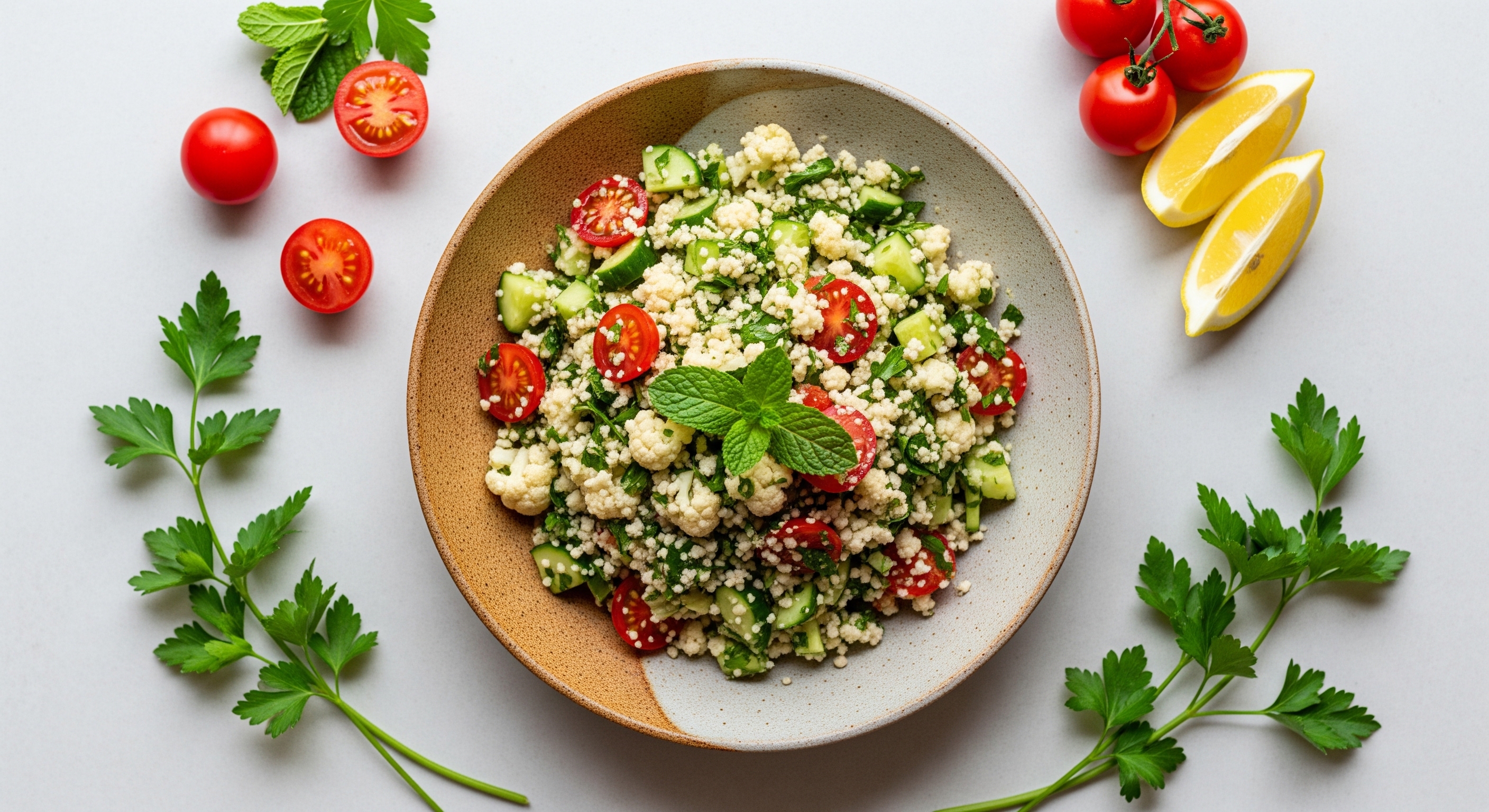 Cauliflower Tabbouleh with Parsley and Mint 20 min Fresh, herby and light 130 kcal 2.5g protein 3 synergies
 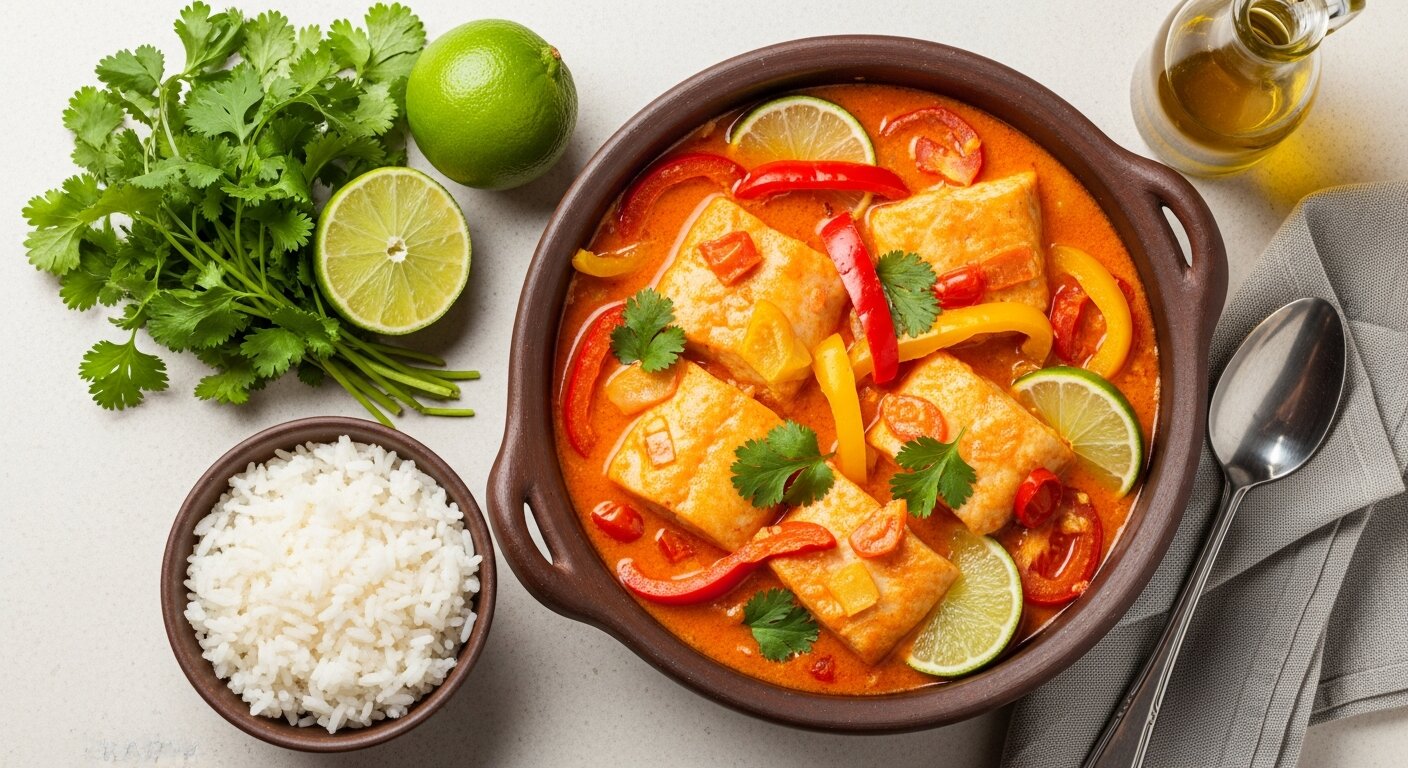 Brazilian Moqueca with White Fish 45 min Creamy coconut fish stew with bell peppers, tomato and lime 420 kcal 32g protein 2 synergies
 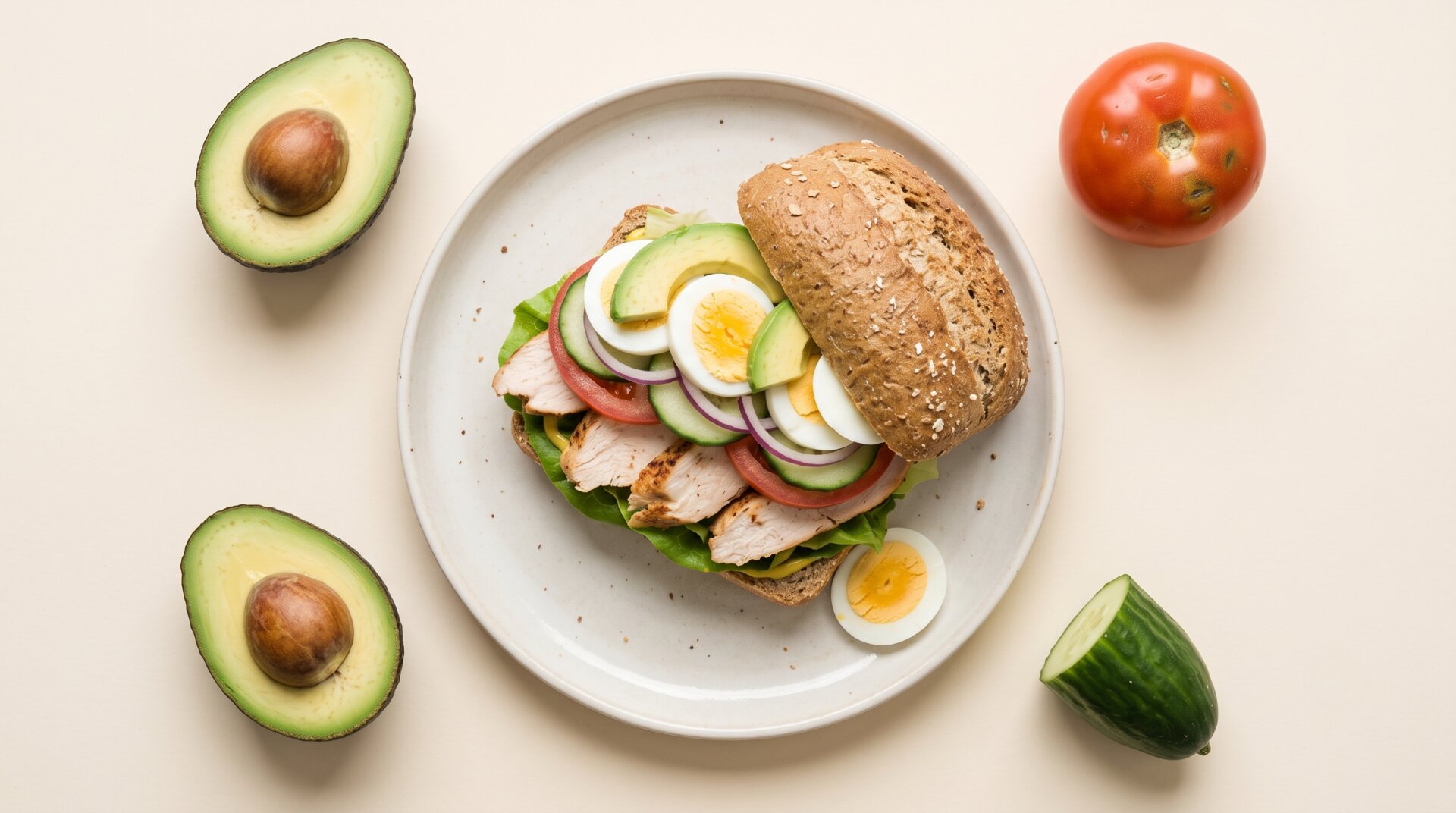 Deluxe Healthy Sandwich with Chicken and Avocado 30 min Dutch healthy sandwich with chicken, avocado and egg 764 kcal 54g protein 2 synergies
  In the Kitchen
Storage
Location:Pantry
Shelf life:5-7 dagen (rijp), 1-2 weken (onrijp)
Store at room temperature for best flavor. Refrigerate only very ripe tomatoes to prevent spoilage.
Preparation
Cooking increases lycopene absorption by 4x. Add a splash of olive oil — this helps the fat-soluble nutrients come into their own.
Conversions
Substitutes
Smart preparation
1Score a cross in the bottom and blanch 30 seconds to peel.
2Store tomatoes at room temperature with the stem facing down.
Why?
Stem facing down slows moisture loss and spoilage.
3Add a pinch of sugar to tomato sauce to balance the acidity.
Caution / Warnings
Tomato is very safe, but there are scientific considerations:
Heartburn (Reflux/GERD) Moderate
Tomatoes are acidic (citric and malic acid) - for people with reflux this is one of the biggest triggers
Advice:
Avoid tomatoes or limit intake with reflux symptoms
Histamine Intolerance Moderate
Tomatoes are rich in histamine and can trigger the body to release more histamine
Advice:
Especially avoid canned/processed tomatoes if experiencing skin rash, headache or stomach pain
Gout Moderate
Studies link high tomato consumption to elevated uric acid levels
Advice:
Limit intake if sensitive to gout attacks
Arthritis (Nightshade Debate) Mild
There's a theory that nightshades worsen joint pain due to solanine. Evidence is limited and anecdotal
Advice:
If you have joint issues, try avoiding tomatoes for 2 weeks to test if it makes a difference
The 'Heat Rule' (Cooked > Raw) Mild
In raw tomatoes, lycopene is 'locked' in cell walls. Heating breaks open cell walls and changes lycopene structure (from trans to cis)
Advice:
Tomato puree, sauce and soup are healthier (lycopene-wise) than raw tomatoes. A pizza with lots of tomato sauce and olive oil is an excellent source!
Traditional use
Indigenous
Aztec food crop
The Aztecs cultivated tomatoes (tomatl) for centuries before the Spanish conquest, using them in sauces and as food. In Europe, the tomato was initially considered poisonous.
Summary
The tomato is the protector of the prostate and skin. Contrary to what you might expect, processed tomato (puree, sauce, soup) is often healthier than fresh fruit, because heat releases the super-antioxidant lycopene. Never forget the splash of olive oil, otherwise the properties slide right out of your body.