- Easy
- 10 min
- 2 serv.
- 9 synergies
- Now at its best: Tomato
Toasted whole grain bread with a thick layer of mashed avocado, tomato slices, chia seeds and a hint of red pepper. Simple, filling and ready in ten minutes.
Avocado toast is the dish the whole world mocks, until they make one themselves and understand why it never went away. It starts with bread so hot from the toaster you can barely hold it — golden, crisp, with that toasted grain smell that wakes your stomach. Over that you go with a fork and a ripe avocado: not a purée but a rough, chunky spread where you can still see the texture, with lemon juice cutting through the richness and a pinch of sea salt opening everything up. Tomato slices lay down a layer of freshness, the chia seeds add their subtle crunch, and the red pepper flakes sting just enough to hold your attention. A drizzle of olive oil over everything, and then that first bite: crisp bread, cool creamy avocado, juicy tomato, and the heat of the pepper building slowly.
- 5
- min prep
- 5
- min cook
- 10
- min total
Nutritional Synergies
This recipe combines ingredients that enhance each other:
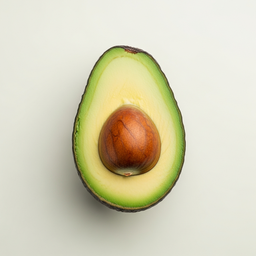 Ripe avocados
 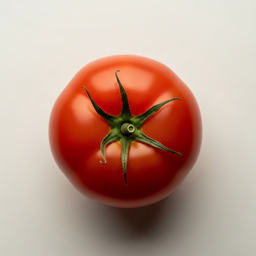 Tomato
 2.6x more lycopene absorption from salad/salsa
Technical: Tomatoes contain lycopene (3-8mg per 100g), a fat-soluble carotenoid with extremely low bioavailability without a fat carrier (<5%). Avocado contains 15g mono-unsaturated fats per 100g that stimulate micelle formation in the gut. Studies show 2.6x higher lycopene absorption when tomato is combined with avocado. Avocado also contains glutathione — a master antioxidant.
What does this mean for you? Guacamole with tomato, avocado toast with tomato, or a caprese with avocado — all these combinations ensure you absorb up to 2.6x more lycopene. Without fat, the lycopene literally slides right through your body.
Immune SystemSkin & Hair
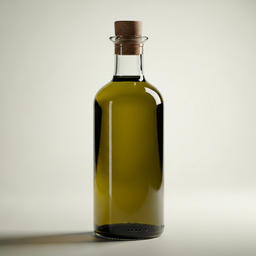 Olive oil Tomato
 Mediterranean golden rule: fat increases lycopene absorption 4x
Fat significantly increases lycopene bioavailability (PMID: 15927929)
Technical: Tomatoes contain lycopene (3-7mg per 100g), a carotenoid with strong antioxidant action. Lycopene is fat-soluble with only 10-15% absorption without fat. Olive oil increases this to 40-60% (2.5-4x improvement). Cooking further increases lycopene bioavailability.
What does this mean for you? Always add olive oil to tomato dishes — sauces, salads, bruschetta. This is why Mediterranean cuisine is so healthy. Cooked tomatoes with olive oil = maximum lycopene.
HeartSkin & Hair
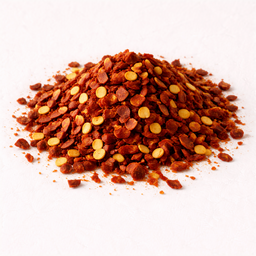 Red pepper flakes Ripe avocados
 Fats dampen burning and increase capsaicin absorption
Technical: Capsaicin from red pepper flakes binds to fat molecules in avocado and olive oil, reducing burning on the stomach lining (casein in milk works the same way). Simultaneously, fat increases capsaicin bioavailability 2-3x, enhancing thermogenic action via TRPV1 activation.
What does this mean for you? Sprinkle avocado toast with red pepper flakes. The avocado fat dampens the burning but strengthens the thermogenic effect — less heat, more results.
Weight LossAnti-inflammatory
Red pepper flakes Olive oil Capsaicin dissolved in fat for prolonged thermogenesis
Technical: Capsaicin is fat-soluble and is absorbed 3x better in olive oil than without fat. Dissolved in oil, capsaicin is released more gradually in the GI tract, extending the thermogenic response from 30 minutes to 2-3 hours. Olive oil's oleocanthal enhances capsaicin's analgesic effect via shared TRPV1 pathway activation. This is the basis of 'olio al peperoncino' — Italian chili flake oil.
What does this mean for you? Make your own peperoncino oil: steep red pepper flakes in extra virgin olive oil. Use as finishing oil over pizza, pasta or soup for prolonged thermogenic action.
Weight LossAnti-inflammatory
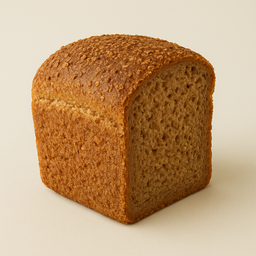 Whole grain bread Ripe avocados
 Whole grain fiber + avocado fat for lasting satiety
Technical: Whole grain bread provides 7g fiber per 100g (soluble and insoluble) plus B-vitamins. Avocado offers 15g monounsaturated fats and 485mg potassium per 100g. Studies show avocado with carbohydrate-rich meals extends the feeling of satiety.
What does this mean for you? Whole grain toast with avocado — a popular breakfast that is scientifically supported. The fiber from the bread + the fats from the avocado keep you satiated longer than bread alone.
Weight LossBlood SugarEnergy
Whole grain bread Olive oil Whole grain polyphenols + oleocanthal for double bioactive action
Technical: Whole grain bread contains ferulic acid and alkylresorcinols — polyphenols found in wheat bran that act as antioxidants. Extra virgin olive oil contains oleocanthal (which influences COX enzymes) and hydroxytyrosol. The combination offers complementary bioactive action: ferulic acid scavenges free radicals, oleocanthal influences eicosanoid metabolism.
What does this mean for you? Whole grain bread with extra virgin olive oil is the foundation of Mediterranean cuisine — a combination that has existed for millennia. The polyphenols from both sources reinforce each other.
Anti-inflammatoryHeart
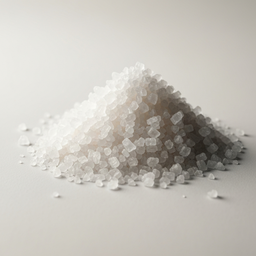 Sea salt Ripe avocados
 Minerals improve flavor perception and electrolyte balance
Technical: Sea salt contains trace minerals (magnesium, potassium, calcium) besides sodium. Tomato is rich in potassium (237mg/100g) and lycopene. Avocado adds magnesium (29mg) and potassium (485mg). Together they form a broad electrolyte profile: sodium (salt) + potassium (tomato/avocado) + magnesium (avocado) — essential for fluid balance and nerve function.
What does this mean for you? Sprinkle tomato and avocado with a pinch of sea salt. This is more than flavor — the minerals complement each other for a complete electrolyte balance.
HeartEnergy
Sea salt Tomato Minerals improve flavor perception and electrolyte balance
Technical: Sea salt contains trace minerals (magnesium, potassium, calcium) besides sodium. Tomato is rich in potassium (237mg/100g) and lycopene. Avocado adds magnesium (29mg) and potassium (485mg). Together they form a broad electrolyte profile: sodium (salt) + potassium (tomato/avocado) + magnesium (avocado) — essential for fluid balance and nerve function.
What does this mean for you? Sprinkle tomato and avocado with a pinch of sea salt. This is more than flavor — the minerals complement each other for a complete electrolyte balance.
HeartEnergy
Sea salt Olive oil Minerals + polyphenols for cellular balance
Technical: Sea salt's sodium is essential for the sodium-potassium pump (Na+/K+-ATPase) that regulates every body cell. Olive oil's oleuropein and hydroxytyrosol provide antioxidant protection for cell membranes. The combination supports cell integrity: sea salt regulates ion balance, olive oil protects the membrane. In Mediterranean cuisine, coarse sea salt + olive oil is the most basic flavor profile.
What does this mean for you? Freshly ground sea salt with extra virgin olive oil is the simplest and most nutritious finishing of any dish. The combination provides the basic needs of your cells: minerals for function, polyphenols for protection.
HeartGeneral Wellness
Instructions
- 1 Toast the bread until golden and crisp.
Nutrition per serving
Indicative values per serving.
Timing & Suitability
Tags & Diet
Allergens: Gluten