Sea Salt
Unrefined salt from evaporated seawater, with a salty mineral taste
What is this ingredient?
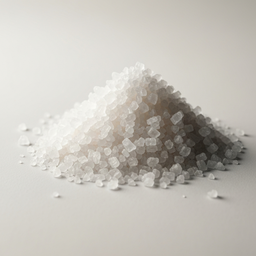
Sea salt is obtained by evaporating seawater in shallow basins or salt pans. Unlike highly refined table salt, sea salt often retains a small amount of minerals and trace elements from the sea, although those amounts are more relevant for culinary character than for nutrition.
Its taste depends on origin, crystal size, moisture and processing. Coarse sea salt gives a crunchy bite as a finishing salt, while fine sea salt dissolves easily in cooking water, doughs, sauces and marinades. Because salt tastes very concentrated, dosing matters: start small, taste, and season in layers.
Varieties such as Celtic sea salt (grey), fleur de sel and pink Himalayan salt differ mainly in texture, color, moisture and mineral-like nuance. Mineral content varies by product, but the amounts are usually small in normal portions.
How does it taste?
Cleanly salty with a mineral, slightly sweet ocean-like note.
Pairs well with:
Pairs well with chocolatecarameltomatoavocado and watermelon.
Varieties
Celtic Sea Salt (Grey)
Hand-harvested from Breton coastal waters. Grey color from clay minerals. Moist and mineral-rich with earthy flavor.
Himalayan Salt (Pink)
Ancient salt from Pakistani mines. Pink from iron oxide. Known for its color and crystal structure; trace elements occur in small amounts.
Fleur de Sel
The 'flower of salt': thin crystal layers that form on the water surface. Delicate, crunchy and best used as a finishing salt.
Unrefined White Sea Salt
Standard sea salt without extra refining. Keeps a neutral color and a clean salty taste, with small amounts of natural minerals.
Did you know...?
- Sea salt is obtained by evaporating seawater, a method used in coastal regions for thousands of years.
- Fleur de sel, the fine layer that forms on top of salt pans, is traditionally harvested by hand.
Nutritional Value & Energy
Per 100g
Sea Salt is low in calories thanks to natural nutrients .
Per 100g
Minerals
Vitamins
Omega-3 fatty acids
More nutrients
Trace Minerals
EU-approved nutrition claims
There are currently no EFSA-authorized health claims specific to sea salt.
What's being researched?
Minerals in sea salt versus table salt
Sea salt can contain small amounts of trace elements that vary by origin and processing. In normal portions, those amounts are usually low; the main culinary differences are mostly grain size, moisture, texture and flavor nuance.
Supported by: [2] Bigiani A (2020) , [1] Bath SC (2024)
Good Combinations (Synergy)
Combine sea salt smartly to enhance the effect:
Sea Salt 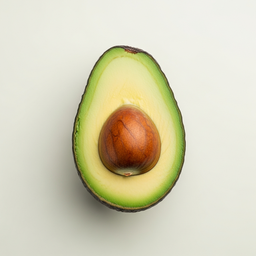 Avocado
 Minerals improve flavor perception and electrolyte balance
Technical: Sea salt contains trace minerals (magnesium, potassium, calcium) besides sodium. Tomato is rich in potassium (237mg/100g) and lycopene. Avocado adds magnesium (29mg) and potassium (485mg). Together they form a broad electrolyte profile: sodium (salt) + potassium (tomato/avocado) + magnesium (avocado) — essential for fluid balance and nerve function.
What does this mean for you? Sprinkle tomato and avocado with a pinch of sea salt. This is more than flavor — the minerals complement each other for a complete electrolyte balance.
Sea Salt 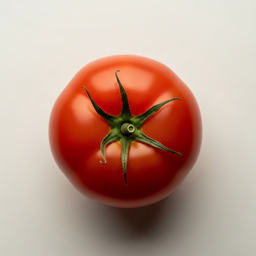 Tomato
 Minerals improve flavor perception and electrolyte balance
Technical: Sea salt contains trace minerals (magnesium, potassium, calcium) besides sodium. Tomato is rich in potassium (237mg/100g) and lycopene. Avocado adds magnesium (29mg) and potassium (485mg). Together they form a broad electrolyte profile: sodium (salt) + potassium (tomato/avocado) + magnesium (avocado) — essential for fluid balance and nerve function.
What does this mean for you? Sprinkle tomato and avocado with a pinch of sea salt. This is more than flavor — the minerals complement each other for a complete electrolyte balance.
Sea Salt 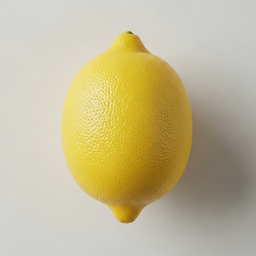 Lemon
Lemon Trace minerals + vitamin C for electrolytes and immune system
Technical: Unrefined sea salt contains 80+ trace elements (magnesium 0.5%, potassium 0.4%, calcium 0.1%, plus iodine, zinc, selenium in trace amounts) alongside sodium. Lemon's vitamin C improves absorption of non-heme iron and zinc from sea salt. Sodium + potassium together regulate cellular osmosis. Vitamin C is also essential for collagen synthesis where sea salt minerals serve as cofactors.
What does this mean for you? A glass of warm water with a pinch of unrefined sea salt and lemon juice in the morning is an effective hydration ritual. The minerals + vitamin C start your day with good electrolyte balance.
Sea Salt 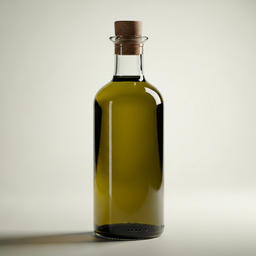 Olive Oil
 Minerals + polyphenols for cellular balance
Technical: Sea salt's sodium is essential for the sodium-potassium pump (Na+/K+-ATPase) that regulates every body cell. Olive oil's oleuropein and hydroxytyrosol provide antioxidant protection for cell membranes. The combination supports cell integrity: sea salt regulates ion balance, olive oil protects the membrane. In Mediterranean cuisine, coarse sea salt + olive oil is the most basic flavor profile.
What does this mean for you? Freshly ground sea salt with extra virgin olive oil is the simplest and most nutritious finishing of any dish. The combination provides the basic needs of your cells: minerals for function, polyphenols for protection.
Recipes with Sea Salt
Discover delicious recipes featuring sea salt:
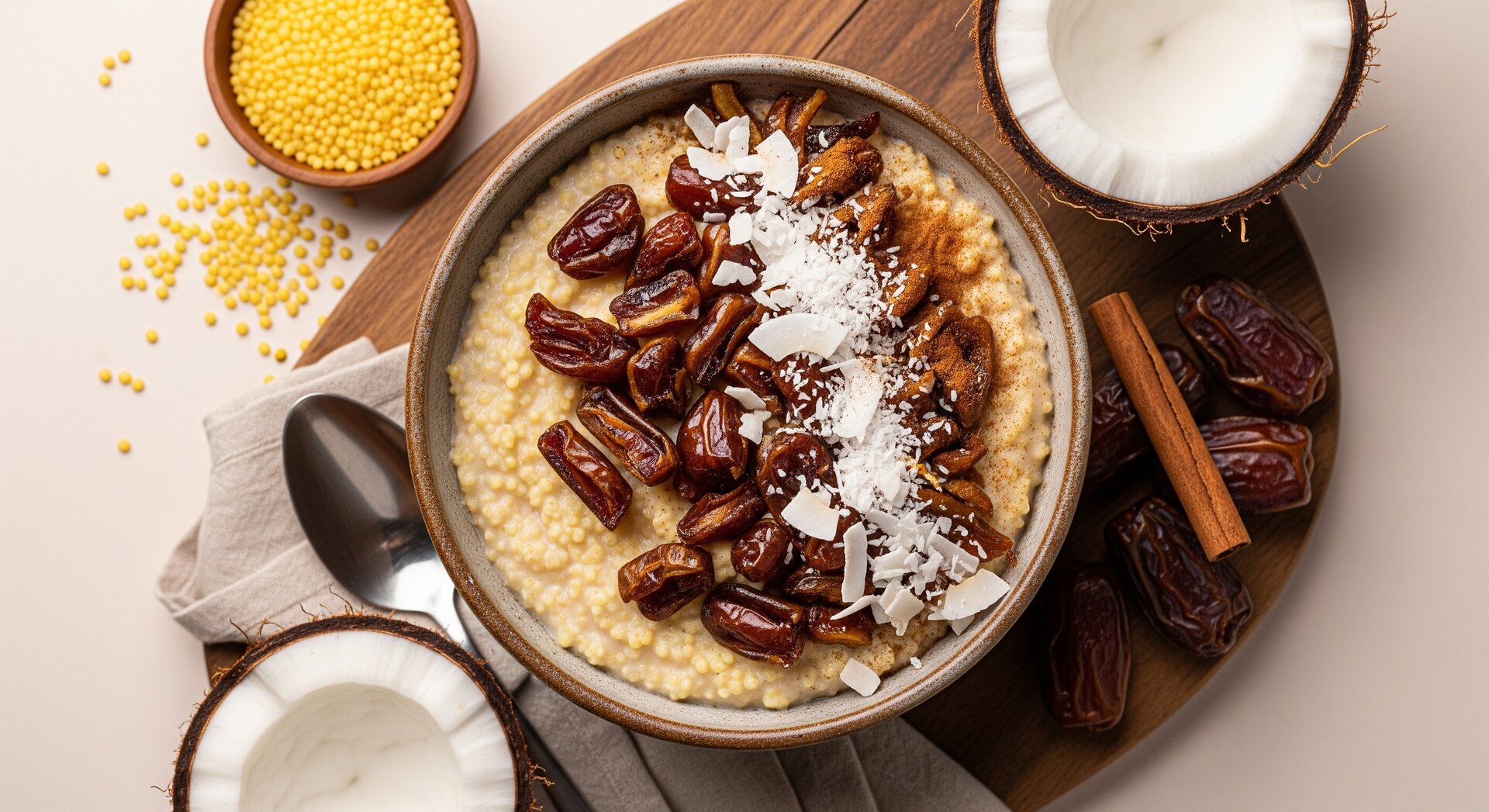 African Millet Porridge with Coconut and Dates 30 min Gluten-free porridge with coconut milk, Medjool dates and cinnamon
  828 kcal
  14g protein 1 synergies
 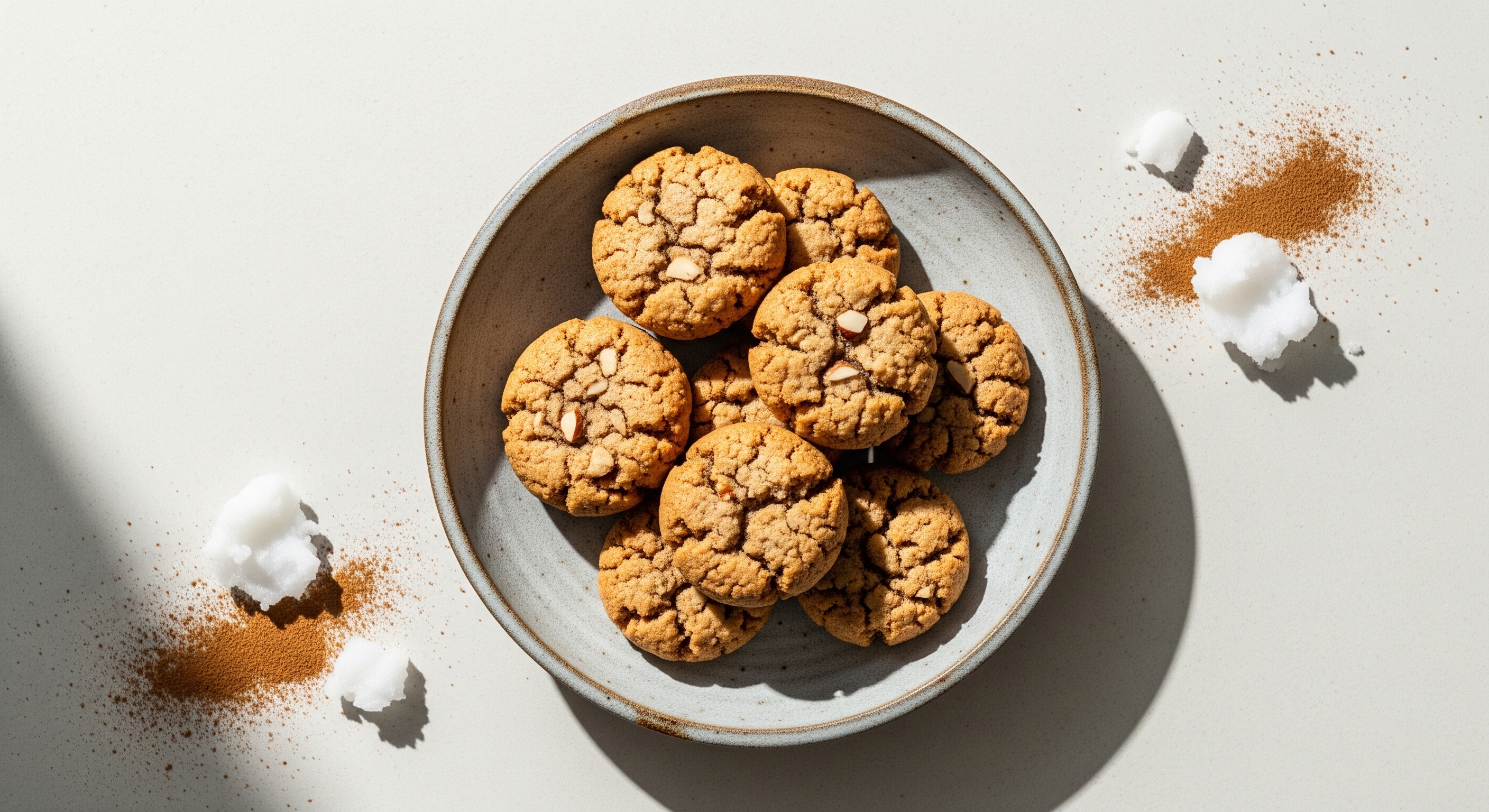 Almond Cinnamon Cookies (Keto) 22 min Crispy cookies with almond flour and warm cinnamon, ready in 20 minutes 120 kcal 4g protein 1 synergies
  Almond Cinnamon Cookies with Coconut 22 min Crisp at the edges, soft inside 165 kcal 5g protein 2 synergies
 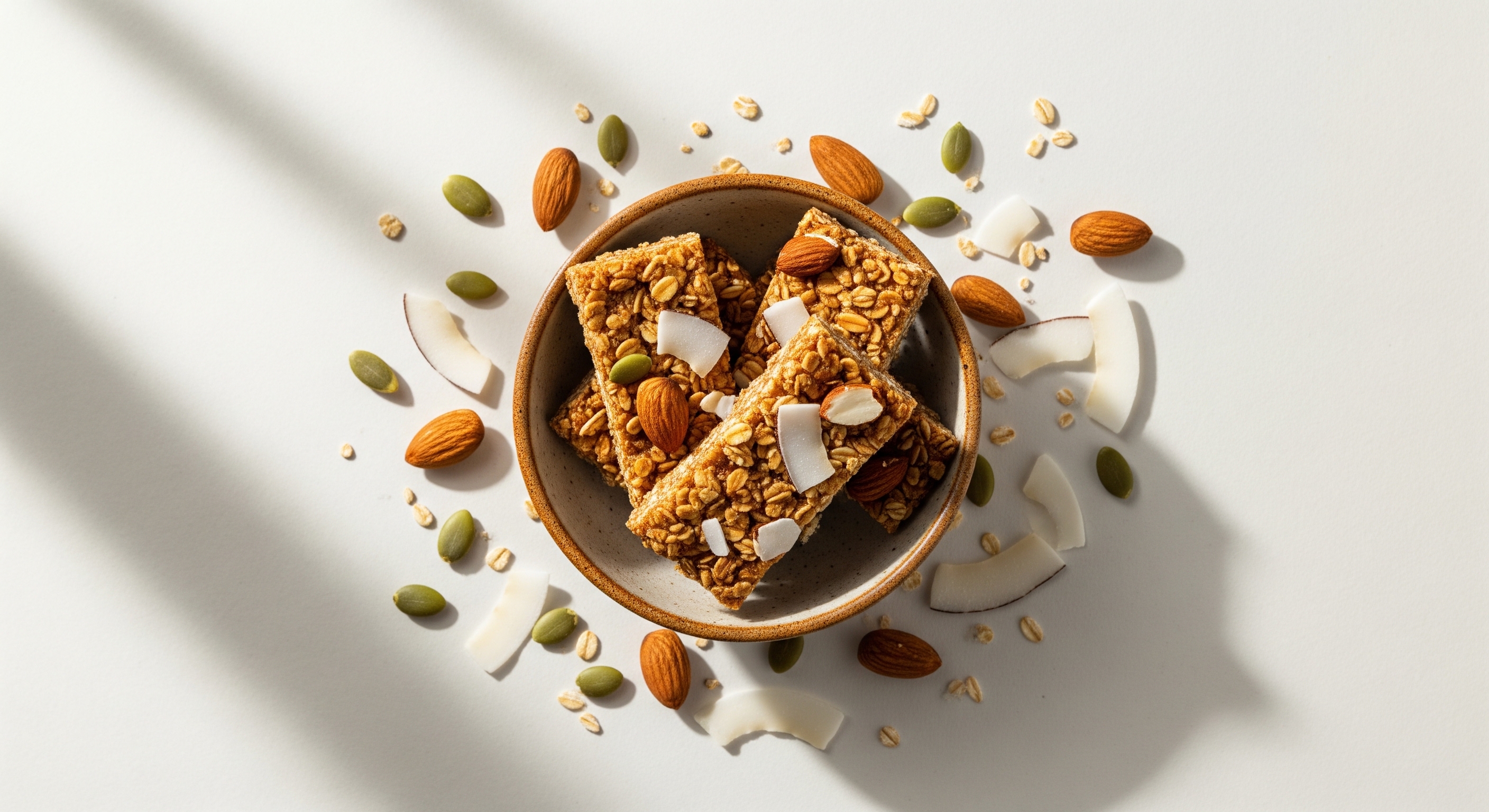 Almond-Coconut Granola Bars 40 min Crunchy, nutty and sweet from honey and apricots 412 kcal 10g protein 2 synergies
 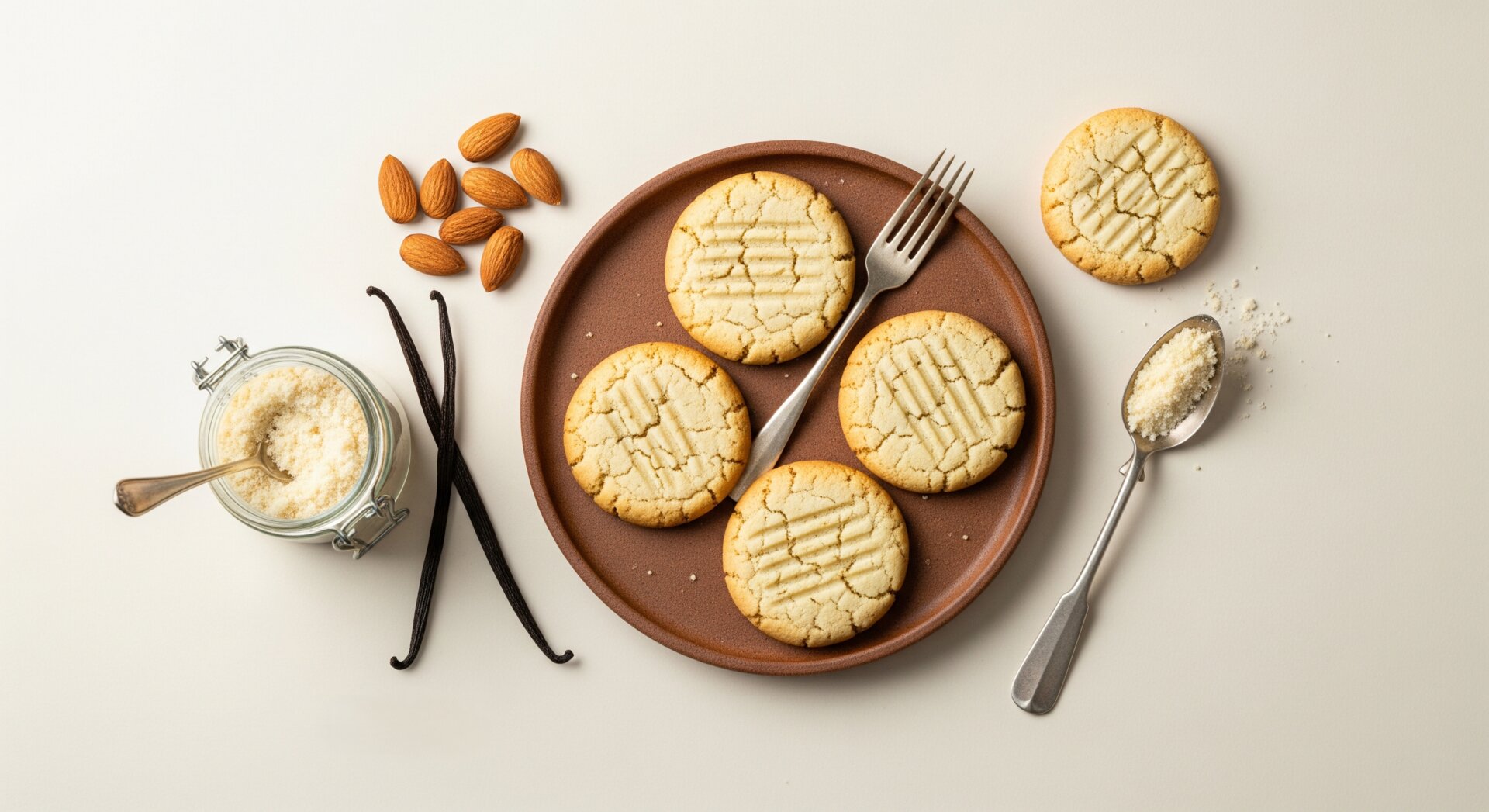 Almond Flour Vanilla Cookies 27 min Simple crumbly cookies made with almond flour, without gluten or dairy 95 kcal 2g protein 2 synergies
 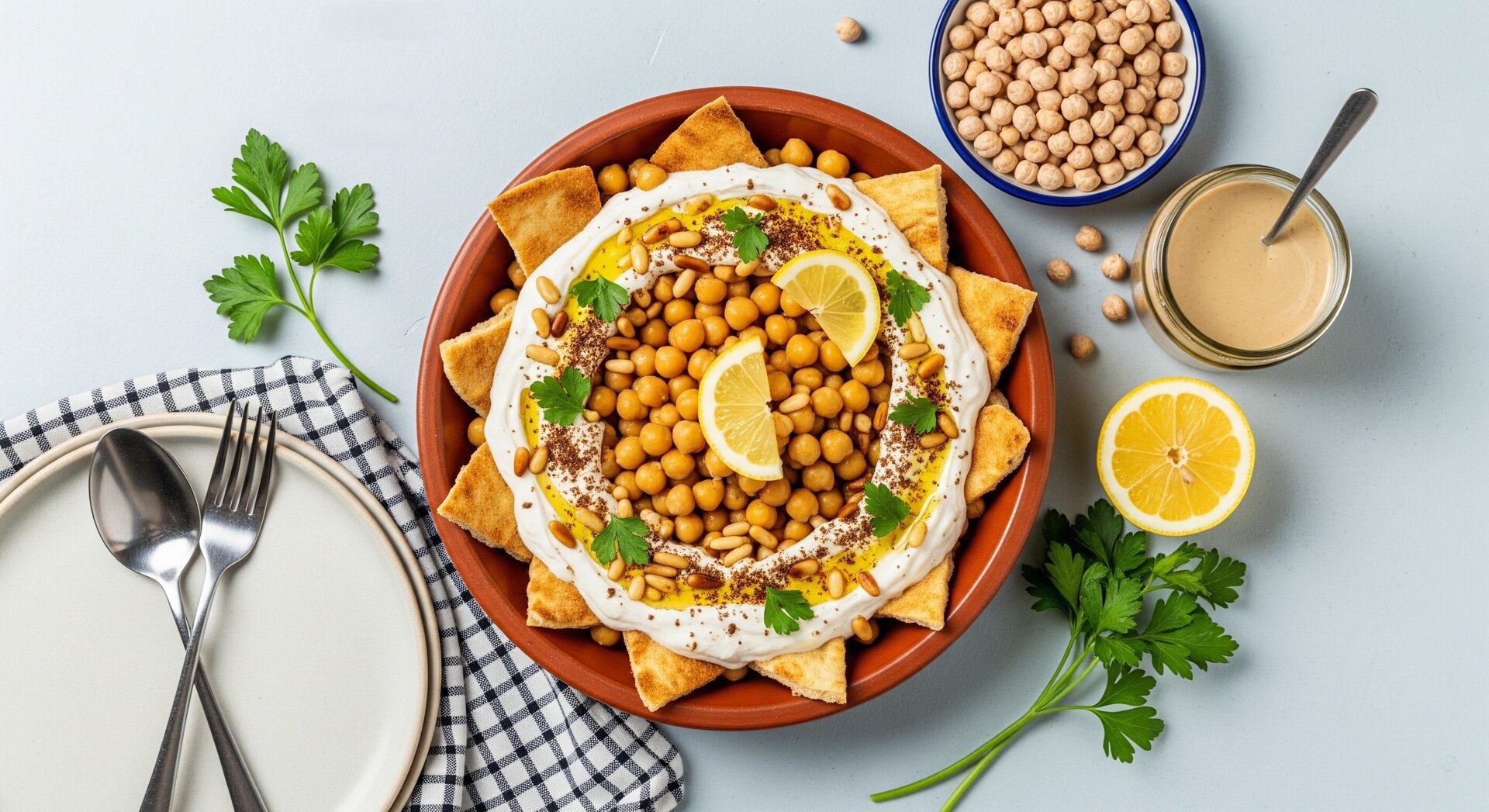 Arabic Fatteh with Chickpeas and Yogurt 25 min Layered Levantine breakfast with crispy bread and tahini 605 kcal 24g protein 2 synergies
  In the Kitchen
Storage
Location:Pantry
Shelf life:Onbeperkt
Store dry and tightly closed. Coarse sea salt clumps less easily than fine salt, but moisture can make dosing harder.
Conversions
Substitutes
Smart preparation
1Use coarse sea salt as a finishing salt and fine sea salt when you want it to dissolve quickly.
Why?
Coarse salt provides texture contrast and a clear burst of flavor with each bite.
2Sprinkle sea salt from slightly above the dish for more even distribution.
3Keep sea salt dry; damp salt clumps and is harder to dose precisely.
Caution / Warnings
Sea Salt is very safe, but there are scientific considerations:
High blood pressure Severe
Very high salt intake can be unfavorable for people who are salt-sensitive or need to limit their sodium intake.
Advice:
Use sparingly, taste before adding extra salt, and follow personal advice from your doctor or dietitian if you need salt restriction.
Kidney disease Severe
With kidney problems, sodium and salt may need to be measured more carefully within a personal nutrition plan.
Advice:
Consult your doctor or dietitian about the amount of salt that fits your situation.
Traditional use
Mediterranean
Sea Salt in Ancient Civilizations
Sea salt has been harvested through evaporation along Mediterranean and Asian coasts for thousands of years. It was valued as a seasoning, preserving ingredient and trade good long before modern refining became common.
Summary
Sea salt is a kitchen staple that gives dishes flavor, balance and texture. Choose the grain for the job: fine salt for cooking and dissolving, coarse salt or fleur de sel for a crunchy finishing touch. Use it consciously, because small amounts already make a big difference in taste.