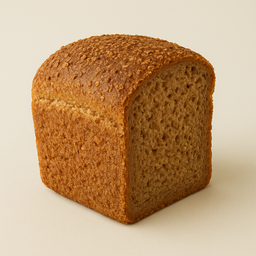
Whole Wheat Bread
The Fiber-Rich Foundation
What is this ingredient?
Whole wheat bread is bread made from flour where the entire wheat kernel is ground - including the fiber-rich bran and nutrient-rich germ. This fundamentally distinguishes it from white bread, where these parts are removed. Note: many 'brown breads' in supermarkets are just white bread with added coloring or a bit of bran. Real whole wheat bread has 'whole wheat flour' as the FIRST ingredient on the package. The fiber in whole wheat bread slows sugar absorption, leading to more stable energy and longer satiety.
How does it taste?
Hearty and full with a nutty, mildly sweet wheat flavor.
Pairs well with:
Pairs well with peanut butterhoneyavocadotomato and hummus.
Varieties
100% Whole Wheat Bread
Only whole wheat flour, no refined flour added
Multigrain Bread
Whole wheat base with added seeds and grains
Did you know...?
- The Dutch eat an average of 60 kg of bread per person per year, among the highest in Europe.
- The oldest bread remains are 14,400 years old and were found in Jordan.
Nutritional Value & Energy
Per 100g
Whole Wheat Bread provides energy thanks to natural nutrients , buffered by fiber.
Per 100g
Minerals
Vitamins
Omega-3 fatty acids
More nutrients
B-Vitamins
Trace Minerals
What's in a serving?
1 serving (dry)
Whole Wheat Bread naturally contains folate (44 mcg per 100 g).
Whole Wheat Bread naturally contains iron (2.5 mg per 100 g).
Whole Wheat Bread naturally contains magnesium (76 mg per 100 g).
Whole Wheat Bread naturally contains selenium (25.8 mcg per 100 g).
Whole Wheat Bread naturally contains zinc (1.65 mg per 100 g).
% of daily reference intake (DRI)
EU-approved nutrition claims
This ingredient contains nutrients for which EFSA-authorized health claims exist (at nutrient level, not ingredient-specific).
Approved health claims (EU)
Magnesium EU 432/2012
Magnesium contributes to normal muscle function
Contains 76mg/100g (threshold: ≥56.25mg/100g)
Magnesium EU 432/2012
Magnesium contributes to the reduction of tiredness and fatigue
Contains 76mg/100g (threshold: ≥56.25mg/100g)
Magnesium EU 432/2012
Magnesium contributes to normal functioning of the nervous system
Contains 76mg/100g (threshold: ≥56.25mg/100g)
Zinc EU 432/2012
Zinc contributes to the normal function of the immune system
Contains 1.65mg/100g (threshold: ≥1.5mg/100g)
Zinc EU 432/2012
Zinc contributes to the maintenance of normal skin
Contains 1.65mg/100g (threshold: ≥1.5mg/100g)
Iron EU 432/2012
Iron contributes to normal energy-yielding metabolism
Contains 2.5mg/100g (threshold: ≥2.1mg/100g)
Iron EU 432/2012
Iron contributes to the reduction of tiredness and fatigue
Contains 2.5mg/100g (threshold: ≥2.1mg/100g)
Folate EU 432/2012
Folate contributes to normal blood formation
Contains 44mcg/100g (threshold: ≥30mcg/100g)
Folate EU 432/2012
Folate contributes to normal amino acid synthesis
Contains 44mcg/100g (threshold: ≥30mcg/100g)
Folate EU 432/2012
Folate contributes to normal homocysteine metabolism
Contains 44mcg/100g (threshold: ≥30mcg/100g)
Folate EU 432/2012
Folate contributes to normal psychological function
Contains 44mcg/100g (threshold: ≥30mcg/100g)
Folate EU 432/2012
Folate contributes to the normal function of the immune system
Contains 44mcg/100g (threshold: ≥30mcg/100g)
Folate EU 432/2012
Folate has a role in the process of cell division
Contains 44mcg/100g (threshold: ≥30mcg/100g)
Folate EU 432/2012
Folate contributes to maternal tissue growth during pregnancy
Contains 44mcg/100g (threshold: ≥30mcg/100g)
Magnesium EU 432/2012
Magnesium contributes to normal energy-yielding metabolism
Contains 76mg/100g (threshold: ≥56.25mg/100g)
Magnesium EU 432/2012
Magnesium contributes to electrolyte balance
Contains 76mg/100g (threshold: ≥56.25mg/100g)
Magnesium EU 432/2012
Magnesium contributes to normal protein synthesis
Contains 76mg/100g (threshold: ≥56.25mg/100g)
Magnesium EU 432/2012
Magnesium contributes to normal psychological function
Contains 76mg/100g (threshold: ≥56.25mg/100g)
Magnesium EU 432/2012
Magnesium contributes to the maintenance of normal bones
Contains 76mg/100g (threshold: ≥56.25mg/100g)
Magnesium EU 432/2012
Magnesium contributes to the maintenance of normal teeth
Contains 76mg/100g (threshold: ≥56.25mg/100g)
Magnesium EU 432/2012
Magnesium has a role in the process of cell division
Contains 76mg/100g (threshold: ≥56.25mg/100g)
Iron EU 432/2012
Iron contributes to normal cognitive function
Contains 2.5mg/100g (threshold: ≥2.1mg/100g)
Iron EU 432/2012
Iron contributes to normal formation of red blood cells and haemoglobin
Contains 2.5mg/100g (threshold: ≥2.1mg/100g)
Iron EU 432/2012
Iron contributes to normal oxygen transport in the body
Contains 2.5mg/100g (threshold: ≥2.1mg/100g)
Iron EU 432/2012
Iron contributes to the normal function of the immune system
Contains 2.5mg/100g (threshold: ≥2.1mg/100g)
Iron EU 432/2012
Iron has a role in the process of cell division
Contains 2.5mg/100g (threshold: ≥2.1mg/100g)
Zinc EU 432/2012
Zinc contributes to normal acid-base metabolism
Contains 1.65mg/100g (threshold: ≥1.5mg/100g)
Zinc EU 432/2012
Zinc contributes to normal carbohydrate metabolism
Contains 1.65mg/100g (threshold: ≥1.5mg/100g)
Zinc EU 432/2012
Zinc contributes to normal cognitive function
Contains 1.65mg/100g (threshold: ≥1.5mg/100g)
Zinc EU 432/2012
Zinc contributes to normal DNA synthesis
Contains 1.65mg/100g (threshold: ≥1.5mg/100g)
Zinc EU 432/2012
Zinc contributes to normal fertility and reproduction
Contains 1.65mg/100g (threshold: ≥1.5mg/100g)
Zinc EU 432/2012
Zinc contributes to normal macronutrient metabolism
Contains 1.65mg/100g (threshold: ≥1.5mg/100g)
Zinc EU 432/2012
Zinc contributes to normal metabolism of fatty acids
Contains 1.65mg/100g (threshold: ≥1.5mg/100g)
Zinc EU 432/2012
Zinc contributes to normal metabolism of vitamin A
Contains 1.65mg/100g (threshold: ≥1.5mg/100g)
Zinc EU 432/2012
Zinc contributes to normal protein synthesis
Contains 1.65mg/100g (threshold: ≥1.5mg/100g)
Zinc EU 432/2012
Zinc contributes to the maintenance of normal bones
Contains 1.65mg/100g (threshold: ≥1.5mg/100g)
Zinc EU 432/2012
Zinc contributes to the maintenance of normal hair
Contains 1.65mg/100g (threshold: ≥1.5mg/100g)
Zinc EU 432/2012
Zinc contributes to the maintenance of normal nails
Contains 1.65mg/100g (threshold: ≥1.5mg/100g)
Zinc EU 432/2012
Zinc contributes to the maintenance of normal testosterone levels in the blood
Contains 1.65mg/100g (threshold: ≥1.5mg/100g)
Zinc EU 432/2012
Zinc contributes to the maintenance of normal vision
Contains 1.65mg/100g (threshold: ≥1.5mg/100g)
Zinc EU 432/2012
Zinc contributes to the protection of cells from oxidative stress
Contains 1.65mg/100g (threshold: ≥1.5mg/100g)
Zinc EU 432/2012
Zinc has a role in the process of cell division
Contains 1.65mg/100g (threshold: ≥1.5mg/100g)
Selenium EU 432/2012
Selenium contributes to the maintenance of normal hair
Contains 25.8mcg/100g (threshold: ≥8.25mcg/100g)
Selenium EU 432/2012
Selenium contributes to the maintenance of normal nails
Contains 25.8mcg/100g (threshold: ≥8.25mcg/100g)
Selenium EU 432/2012
Selenium contributes to the normal function of the immune system
Contains 25.8mcg/100g (threshold: ≥8.25mcg/100g)
Selenium EU 432/2012
Selenium contributes to normal thyroid function
Contains 25.8mcg/100g (threshold: ≥8.25mcg/100g)
Selenium EU 432/2012
Selenium contributes to normal spermatogenesis
Contains 25.8mcg/100g (threshold: ≥8.25mcg/100g)
Selenium EU 432/2012
Selenium contributes to the protection of cells from oxidative stress
Contains 25.8mcg/100g (threshold: ≥8.25mcg/100g)
What's being researched?
Whole grain bread and heart disease
The association between whole grain bread consumption and reduced cardiovascular disease risk is extensively documented. Prospective cohort studies show dose-dependent inverse associations.
Supported by: [1] Aune (2016)
Whole grain bread and gut microbiome
The effects of whole grain bread on gut microbiome composition and diversity are actively studied. Recent studies show increased diversity with regular whole grain bread consumption.
Supported by: [2] Schulze (2007)
Good Combinations (Synergy)
Combine whole wheat bread smartly to enhance the effect:
Whole Wheat Bread 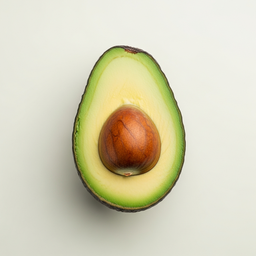 Avocado
 Whole grain fiber + avocado fat for lasting satiety
Technical: Whole grain bread provides 7g fiber per 100g (soluble and insoluble) plus B-vitamins. Avocado offers 15g monounsaturated fats and 485mg potassium per 100g. Studies show avocado with carbohydrate-rich meals extends the feeling of satiety.
What does this mean for you? Whole grain toast with avocado — a popular breakfast that is scientifically supported. The fiber from the bread + the fats from the avocado keep you satiated longer than bread alone.
Whole Wheat Bread  Olive Oil
 Whole grain polyphenols + oleocanthal for double bioactive action
Technical: Whole grain bread contains ferulic acid and alkylresorcinols — polyphenols found in wheat bran that act as antioxidants. Extra virgin olive oil contains oleocanthal (which influences COX enzymes) and hydroxytyrosol. The combination offers complementary bioactive action: ferulic acid scavenges free radicals, oleocanthal influences eicosanoid metabolism.
What does this mean for you? Whole grain bread with extra virgin olive oil is the foundation of Mediterranean cuisine — a combination that has existed for millennia. The polyphenols from both sources reinforce each other.
Whole Wheat Bread 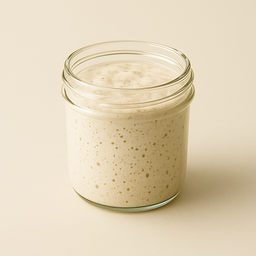 Sourdough Starter (Levain)
 Lower glycemic index + better digestibility
Technical: Sourdough fermentation lowers the glycemic index of whole wheat bread by 25-30%. Lactic acid bacteria produce organic acids that slow starch digestion. They also pre-digest part of the gluten (gliadin fraction), making bread better tolerated by gluten-sensitive people (not celiac patients). Longer fermentation also breaks down FODMAPs.
What does this mean for you? Choose sourdough bread over regular bread — starch digestion is slower, and even gluten-sensitive people often tolerate it better. Note: it must be truly slow-risen sourdough, not 'bread with sourdough flavor'.
Recipes with Whole Wheat Bread
Discover delicious recipes featuring whole wheat bread:
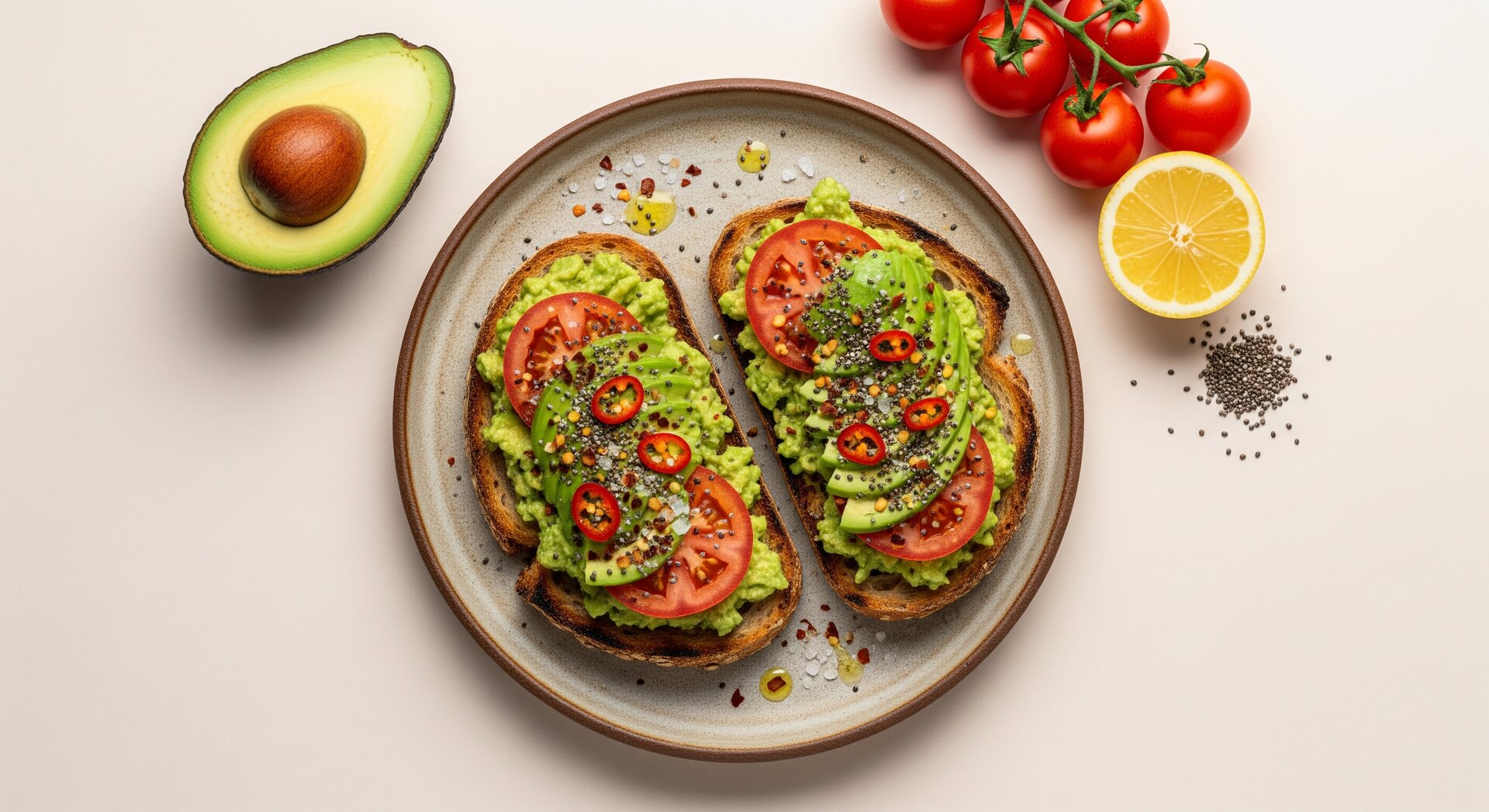 Avocado Toast with Chia Seeds 10 min Whole grain toast with creamy avocado, tomato and chia seeds
  340 kcal
  8g protein 1 synergies
 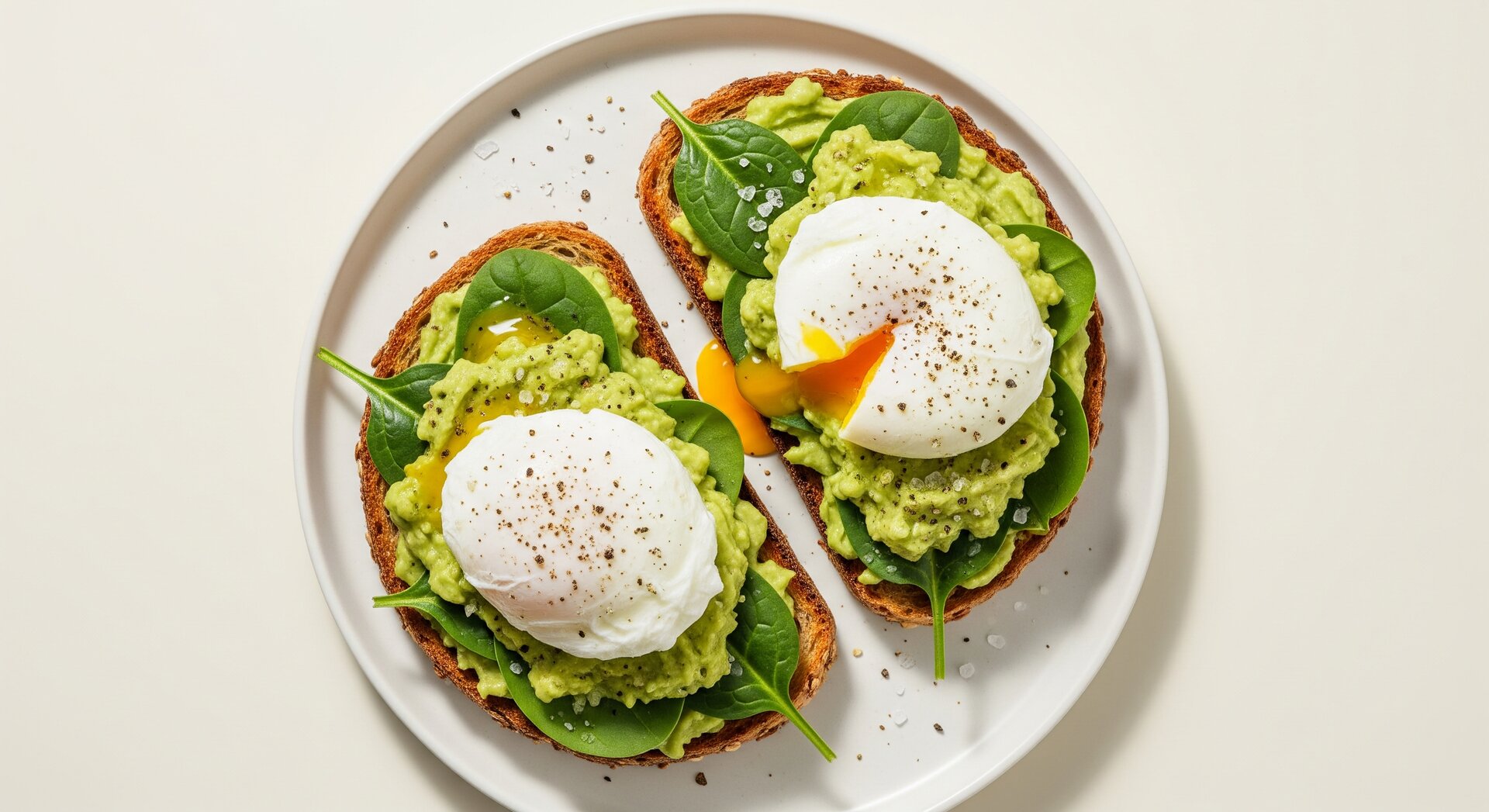 Avocado Toast with Egg and Spinach 15 min Nutritious toast with avocado, egg and spinach 520 kcal 20g protein 2 synergies
  Belgian Open Sandwich with Salmon, Egg and Cottage Cheese 25 min Generously topped open sandwich with three protein sources 492 kcal 35g protein 1 synergies
  Belgian Whole Wheat Croque with Egg and Vegetables 17 min Belgian croque-madame with spinach and tomato 410 kcal 25g protein 1 synergies
 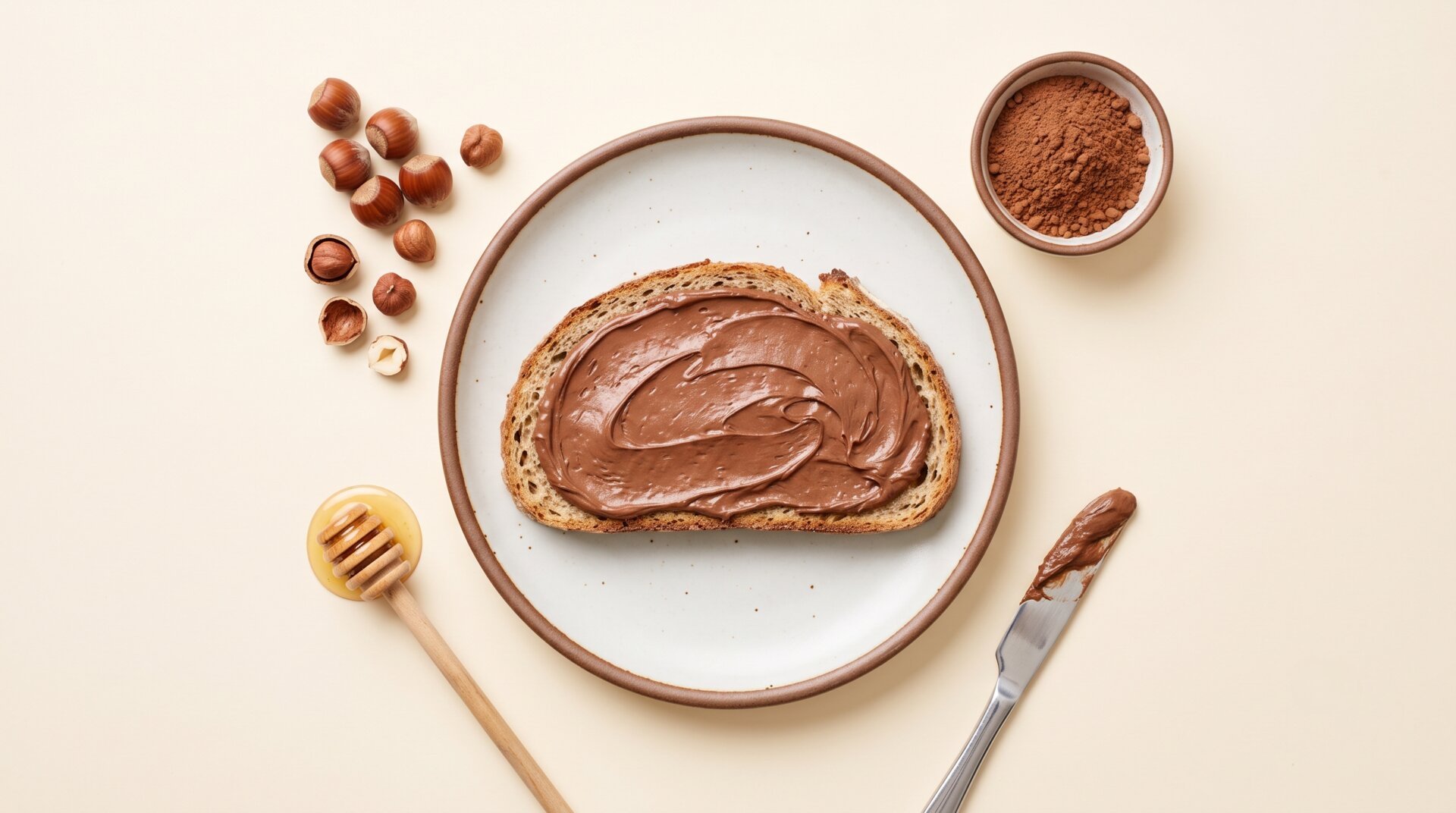 Bread with chocolate spread 2 min The classic, with homemade hazelnut cocoa spread 293 kcal 11g protein
  Bread with jam 3 min Whole grain bread with a little butter and homemade strawberry chia jam 257 kcal 10g protein
  In the Kitchen
Storage
Location:Pantry
Shelf life:3-5 dagen op kamertemperatuur, 2 weken in vriezer
Store in a bread box or paper bag. Plastic retains moisture and promotes mold. Freeze in slices for longer shelf life.
Preparation
Serve fresh, toasted or as a base for sandwiches. Toasting brings out the nutty flavor.
Conversions
Substitutes
Smart preparation
1Cut whole wheat bread with a sharp serrated knife.
Why?
A dull knife compresses the dense bread instead of cutting it.
2Store whole wheat bread at room temperature, not in the fridge.
Why?
Refrigeration accelerates bread going stale.
3Freeze whole wheat bread in slices for longer shelf life.
Caution / Warnings
Whole Wheat Bread is very safe, but there are scientific considerations:
Celiac Disease / Gluten Intolerance Severe
Whole wheat bread contains gluten from wheat
Advice:
Avoid completely. Choose gluten-free alternatives like buckwheat bread or rice bread
Summary
Choose REAL whole wheat bread with 'whole wheat flour' as first ingredient - not colored white bread. The fiber keeps you fuller longer and stabilizes blood sugar. Combine with proteins and healthy fats for a complete meal.