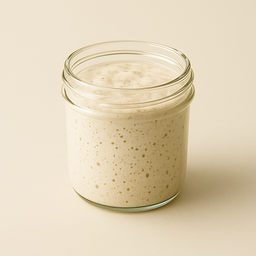
Sourdough Starter (Levain)
Natural, living fermentation
What is this ingredient?
Unlike modern instant yeast, sourdough is a symbiosis of wild yeasts and lactic acid bacteria. This was the method used for centuries to make bread - including in the time of the Prophet ﷺ.
The long fermentation process (4-12 hours or overnight) breaks down 'anti-nutrients' like phytic acid, making minerals from the grain available to your body. Iron, zinc and magnesium that largely remain unabsorbed with yeast bread are now properly absorbed. Gluten is also partially broken down ('pre-digestion'), significantly improving digestibility.
The lactic acid bacteria produce organic acids that not only create the characteristic slightly sour taste, but also lower the glycemic index. This means more stable blood sugar after eating sourdough bread compared to yeast bread.
How does it taste?
Pleasantly sour with a complex, fermented tang and bready aroma.
Pairs well with:
Pairs well with butterolive oilsea saltcheese and soup.
Varieties
Wheat Sourdough
Most common variant, mild in taste
Rye Sourdough
Stronger, more sour taste, traditional in Northern Europe
Did you know...?
- The oldest known sourdough is over 4,500 years old, found in Egypt.
- A sourdough starter can last for generations if regularly fed.
- Some bakeries in San Francisco have starters that are more than 150 years old.
Nutritional Value & Energy
Per 100g
Sourdough Starter (Levain) is low in calories thanks to natural nutrients .
Per 100g
Minerals
Vitamins
Omega-3 fatty acids
More nutrients
Trace Minerals
EU-approved nutrition claims
There are currently no EFSA-authorized health claims specific for Sourdough Starter (Levain).
What's being researched?
Sourdough and gluten tolerance
The sourdough process is studied for breakdown of gluten fragments and improved digestibility. Research shows lower glycemic response than regular bread.
Supported by: [1] Poutanen (2009)
Good Combinations (Synergy)
Combine sourdough starter (levain) smartly to enhance the effect:
Sourdough Starter (Levain) 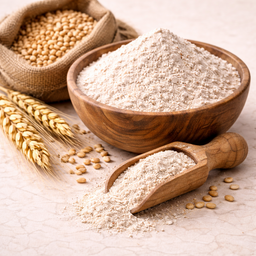 Whole Wheat Flour
 Sourdough fermentation breaks down 60-70% of phytic acid in whole grain
Technical: Whole wheat flour contains 800-1200mg phytic acid per 100g, which binds iron, zinc and magnesium making them unabsorbable. Lactic acid bacteria in the sourdough starter produce phytase enzymes during fermentation (pH 4-5) that break down the majority of phytates in 12-24 hours.
What does this mean for you? Sourdough bread is fundamentally different from regular bread in nutritional value. The long fermentation releases minerals that would otherwise be blocked. Let the dough rise for at least 12 hours for maximum effect.
Sourdough Starter (Levain) 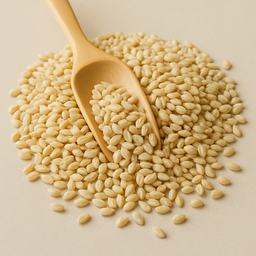 Barley
 Maximum mineral absorption from barley
Technical: Barley contains phytic acid that binds minerals (iron, zinc, magnesium, calcium) making them unabsorbable. Sourdough fermentation activates the enzyme phytase, which breaks down phytic acid. After 6-12 hours of fermentation, 60-80% of phytic acid is broken down, releasing minerals. The lactic acid bacteria also lower pH, further increasing phytase activity.
What does this mean for you? Let barley bread or porridge ferment long with sourdough (at least 6 hours). The longer the fermentation, the more minerals your body can absorb. This is the difference between 'eating barley' and 'actually utilizing barley'.
Sourdough Starter (Levain) 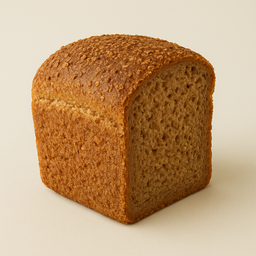 Whole Wheat Bread
 Lower glycemic index + better digestibility
Technical: Sourdough fermentation lowers the glycemic index of whole wheat bread by 25-30%. Lactic acid bacteria produce organic acids that slow starch digestion. They also pre-digest part of the gluten (gliadin fraction), making bread better tolerated by gluten-sensitive people (not celiac patients). Longer fermentation also breaks down FODMAPs.
What does this mean for you? Choose sourdough bread over regular bread — starch digestion is slower, and even gluten-sensitive people often tolerate it better. Note: it must be truly slow-risen sourdough, not 'bread with sourdough flavor'.
Recipes with Sourdough Starter (Levain)
Discover delicious recipes featuring sourdough starter (levain):
 Moroccan Beghrir with Honey 60 min Fluffy honeycomb pancakes with butter and honey
  320 kcal
  8g protein 1 synergies
 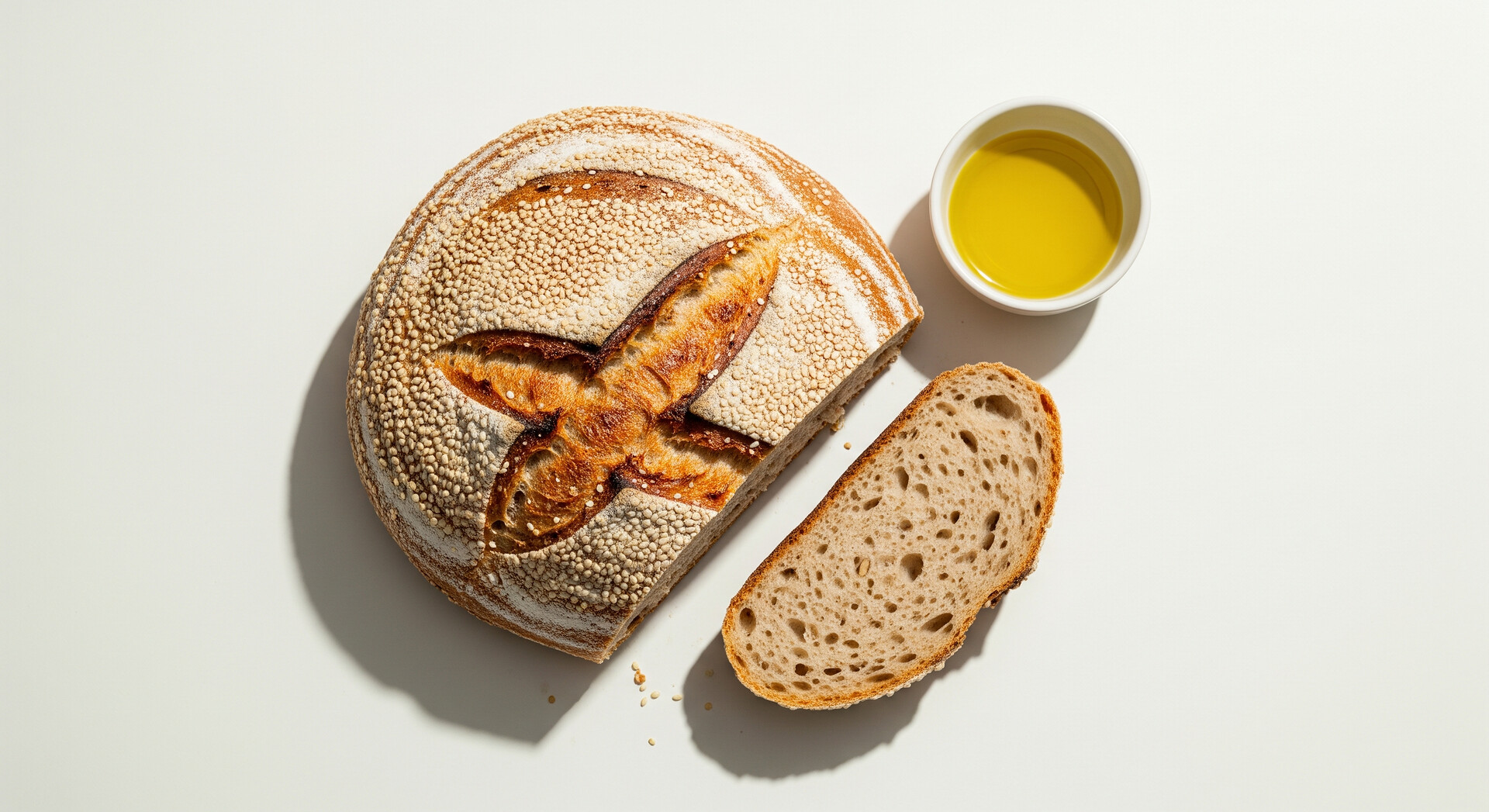 Sourdough Barley Bread 540 min The daily bread of the Prophet ﷺ — with natural fermentation 195 kcal 6g protein 3 synergies
 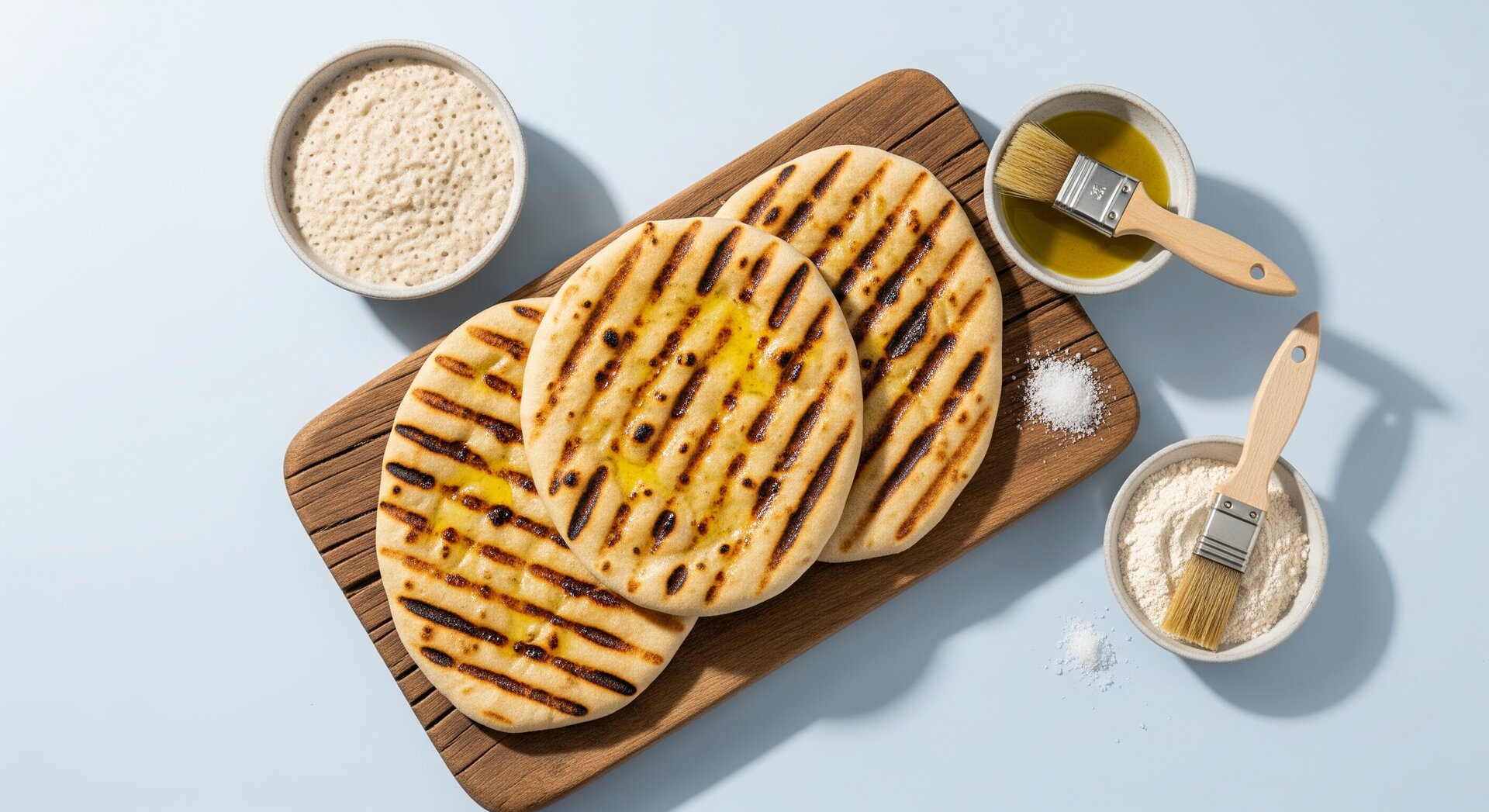 Sourdough Flatbread 510 min Fluffy fermented bread from the grill pan 195 kcal 6g protein 1 synergies
 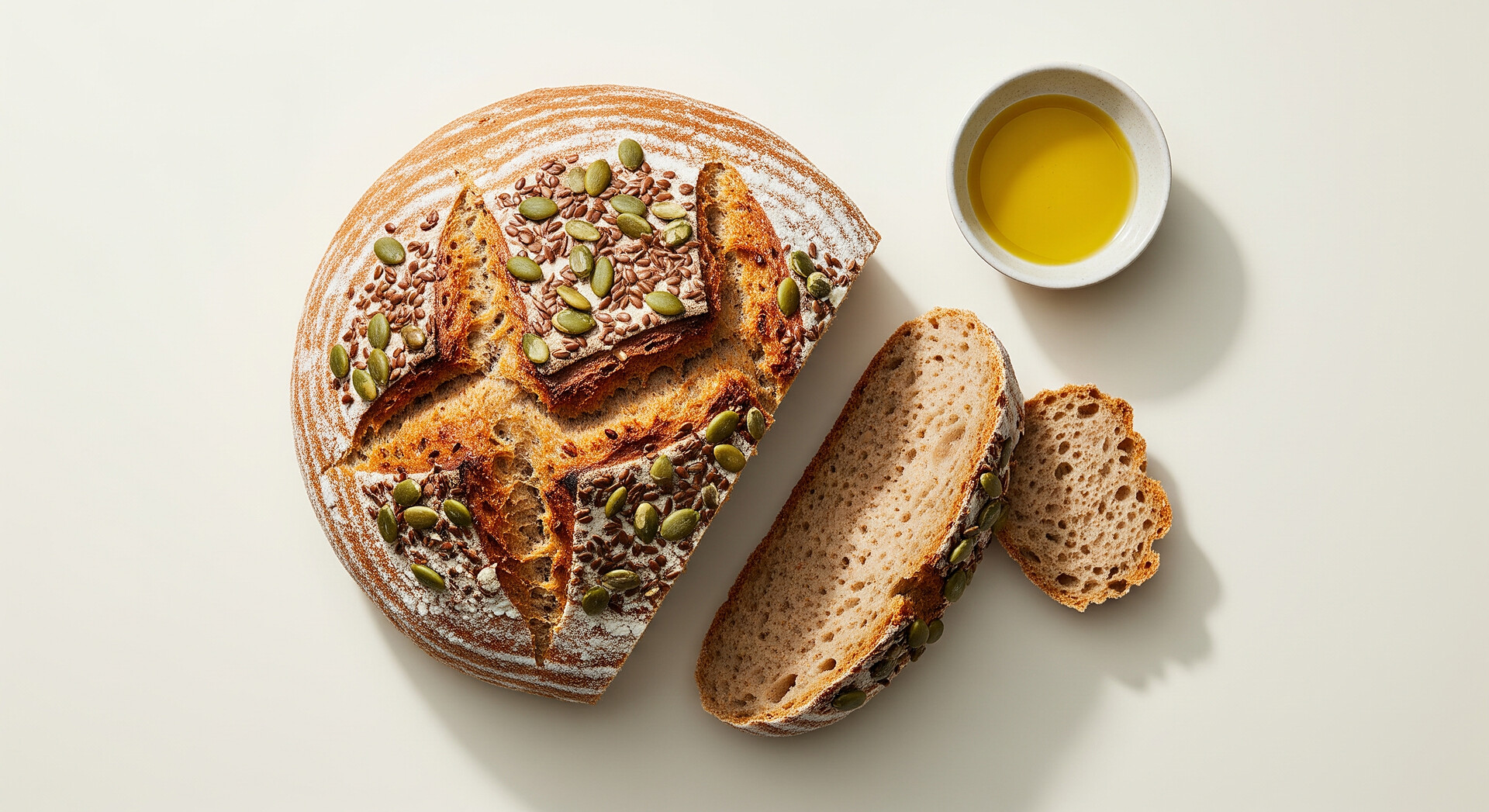 Sourdough Whole Wheat Bread 780 min Slowly fermented bread with nutty grain flavor 175 kcal 7g protein 2 synergies
  In the Kitchen
Storage
Location:Refrigerator
Shelf life:onbeperkt houdbaar mits wekelijks gevoed
Store in the fridge and feed weekly with equal parts flour and water. For active baking: remove from fridge 12 hours ahead and feed.
Preparation
Use 100-200g active starter per 500g flour. Let rise 4-12 hours (or overnight) at room temperature. Longer fermentation = more nutritional properties.
Conversions
Substitutes
Smart preparation
1Feed your starter daily with equal parts flour and water.
Why?
Regular feeding keeps the yeast and bacteria cultures active.
2Use the starter when it's at its peak: doubled in volume and full of bubbles.
3Store an inactive starter in the fridge and feed weekly.
Caution / Warnings
Sourdough Starter (Levain) is very safe, but there are scientific considerations:
Celiac Disease Severe
Despite partial gluten breakdown, sourdough bread still contains gluten
Advice:
Avoid completely with celiac disease. For gluten sensitivity: some tolerate sourdough better, but consult doctor
Traditional use
Mediterranean
Sourdough in Ancient Civilizations
Sourdough was used in ancient Egypt as early as 3700 BCE and was the only leavening method for bread until the development of commercial yeast.
Summary
Sourdough is the traditional, healthy way to leaven bread. It makes minerals available, lowers blood sugar spikes and is easier to digest than yeast bread. Take your time: minimum 4-12 hours fermentation for full benefits.