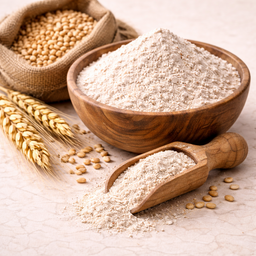
Whole Wheat Flour
Fiber-Rich Baking Flour
What is this ingredient?
Whole wheat flour retains all three parts of the wheat kernel: the starch-rich endosperm, the fiber-rich bran and the nutrient-dense germ. This makes it significantly more nutritious than white flour, which contains only the endosperm.
## Nutritional Benefits
With 10.6g fiber per 100g (vs 2.7g for white flour), whole wheat flour provides 4x more fiber. It also contains 3x more iron, 5x more magnesium and significantly more B vitamins. The glycemic index is ~45 versus ~70 for white flour.
## Bread Baking
Whole wheat flour absorbs more water than white flour (about 10% more). When baking bread, this gives a denser, more nutritious bread with more flavor. Combine 50/50 with white flour for a lighter texture as an introduction.
## Ferulic Acid
The bran contains ferulic acid, a powerful antioxidant associated in research with reduced risk of cardiovascular disease.
How does it taste?
Full and grainy with a mildly nutty, robust flavor.
Pairs well with:
Pairs well with honeybutterbananaapple and walnuts.
Did you know...?
- Wheat is the most widely grown crop in the world, covering over 220 million hectares.
- Whole wheat flour spoils faster than white flour because the oil in the germ can go rancid.
Nutritional Value & Energy
Per 100g
Whole Wheat Flour provides energy thanks to natural nutrients , buffered by fiber.
Per 100g
Minerals
Vitamins
More nutrients
B-Vitamins
Trace Minerals
Low GI means blood sugar doesn't spike quickly.
What's in a serving?
1 serving (dry)
Whole Wheat Flour naturally contains iron (3.6 mg per 100 g).
Whole Wheat Flour naturally contains zinc (2.6 mg per 100 g).
Whole Wheat Flour naturally contains magnesium (137 mg per 100 g).
Whole Wheat Flour naturally contains potassium (363 mg per 100 g).
Whole Wheat Flour naturally contains folate (44 mcg per 100 g).
Whole Wheat Flour naturally contains selenium (61 mcg per 100 g).
% of daily reference intake (DRI)
EU-approved nutrition claims
This ingredient contains nutrients for which EFSA-authorized health claims exist (at nutrient level, not ingredient-specific).
Approved health claims (EU)
Magnesium EU 432/2012
Magnesium contributes to normal muscle function
Contains 137mg/100g (threshold: ≥56.25mg/100g)
Magnesium EU 432/2012
Magnesium contributes to the reduction of tiredness and fatigue
Contains 137mg/100g (threshold: ≥56.25mg/100g)
Magnesium EU 432/2012
Magnesium contributes to normal functioning of the nervous system
Contains 137mg/100g (threshold: ≥56.25mg/100g)
Zinc EU 432/2012
Zinc contributes to the normal function of the immune system
Contains 2.6mg/100g (threshold: ≥1.5mg/100g)
Zinc EU 432/2012
Zinc contributes to the maintenance of normal skin
Contains 2.6mg/100g (threshold: ≥1.5mg/100g)
Iron EU 432/2012
Iron contributes to normal energy-yielding metabolism
Contains 3.6mg/100g (threshold: ≥2.1mg/100g)
Iron EU 432/2012
Iron contributes to the reduction of tiredness and fatigue
Contains 3.6mg/100g (threshold: ≥2.1mg/100g)
Potassium EU 432/2012
Potassium contributes to the maintenance of normal blood pressure
Contains 363mg/100g (threshold: ≥300mg/100g)
Folate EU 432/2012
Folate contributes to normal blood formation
Contains 44mcg/100g (threshold: ≥30mcg/100g)
Folate EU 432/2012
Folate contributes to normal amino acid synthesis
Contains 44mcg/100g (threshold: ≥30mcg/100g)
Folate EU 432/2012
Folate contributes to normal homocysteine metabolism
Contains 44mcg/100g (threshold: ≥30mcg/100g)
Folate EU 432/2012
Folate contributes to normal psychological function
Contains 44mcg/100g (threshold: ≥30mcg/100g)
Folate EU 432/2012
Folate contributes to the normal function of the immune system
Contains 44mcg/100g (threshold: ≥30mcg/100g)
Folate EU 432/2012
Folate has a role in the process of cell division
Contains 44mcg/100g (threshold: ≥30mcg/100g)
Folate EU 432/2012
Folate contributes to maternal tissue growth during pregnancy
Contains 44mcg/100g (threshold: ≥30mcg/100g)
Magnesium EU 432/2012
Magnesium contributes to normal energy-yielding metabolism
Contains 137mg/100g (threshold: ≥56.25mg/100g)
Magnesium EU 432/2012
Magnesium contributes to electrolyte balance
Contains 137mg/100g (threshold: ≥56.25mg/100g)
Magnesium EU 432/2012
Magnesium contributes to normal protein synthesis
Contains 137mg/100g (threshold: ≥56.25mg/100g)
Magnesium EU 432/2012
Magnesium contributes to normal psychological function
Contains 137mg/100g (threshold: ≥56.25mg/100g)
Magnesium EU 432/2012
Magnesium contributes to the maintenance of normal bones
Contains 137mg/100g (threshold: ≥56.25mg/100g)
Magnesium EU 432/2012
Magnesium contributes to the maintenance of normal teeth
Contains 137mg/100g (threshold: ≥56.25mg/100g)
Magnesium EU 432/2012
Magnesium has a role in the process of cell division
Contains 137mg/100g (threshold: ≥56.25mg/100g)
Iron EU 432/2012
Iron contributes to normal cognitive function
Contains 3.6mg/100g (threshold: ≥2.1mg/100g)
Iron EU 432/2012
Iron contributes to normal formation of red blood cells and haemoglobin
Contains 3.6mg/100g (threshold: ≥2.1mg/100g)
Iron EU 432/2012
Iron contributes to normal oxygen transport in the body
Contains 3.6mg/100g (threshold: ≥2.1mg/100g)
Iron EU 432/2012
Iron contributes to the normal function of the immune system
Contains 3.6mg/100g (threshold: ≥2.1mg/100g)
Iron EU 432/2012
Iron has a role in the process of cell division
Contains 3.6mg/100g (threshold: ≥2.1mg/100g)
Zinc EU 432/2012
Zinc contributes to normal acid-base metabolism
Contains 2.6mg/100g (threshold: ≥1.5mg/100g)
Zinc EU 432/2012
Zinc contributes to normal carbohydrate metabolism
Contains 2.6mg/100g (threshold: ≥1.5mg/100g)
Zinc EU 432/2012
Zinc contributes to normal cognitive function
Contains 2.6mg/100g (threshold: ≥1.5mg/100g)
Zinc EU 432/2012
Zinc contributes to normal DNA synthesis
Contains 2.6mg/100g (threshold: ≥1.5mg/100g)
Zinc EU 432/2012
Zinc contributes to normal fertility and reproduction
Contains 2.6mg/100g (threshold: ≥1.5mg/100g)
Zinc EU 432/2012
Zinc contributes to normal macronutrient metabolism
Contains 2.6mg/100g (threshold: ≥1.5mg/100g)
Zinc EU 432/2012
Zinc contributes to normal metabolism of fatty acids
Contains 2.6mg/100g (threshold: ≥1.5mg/100g)
Zinc EU 432/2012
Zinc contributes to normal metabolism of vitamin A
Contains 2.6mg/100g (threshold: ≥1.5mg/100g)
Zinc EU 432/2012
Zinc contributes to normal protein synthesis
Contains 2.6mg/100g (threshold: ≥1.5mg/100g)
Zinc EU 432/2012
Zinc contributes to the maintenance of normal bones
Contains 2.6mg/100g (threshold: ≥1.5mg/100g)
Zinc EU 432/2012
Zinc contributes to the maintenance of normal hair
Contains 2.6mg/100g (threshold: ≥1.5mg/100g)
Zinc EU 432/2012
Zinc contributes to the maintenance of normal nails
Contains 2.6mg/100g (threshold: ≥1.5mg/100g)
Zinc EU 432/2012
Zinc contributes to the maintenance of normal testosterone levels in the blood
Contains 2.6mg/100g (threshold: ≥1.5mg/100g)
Zinc EU 432/2012
Zinc contributes to the maintenance of normal vision
Contains 2.6mg/100g (threshold: ≥1.5mg/100g)
Zinc EU 432/2012
Zinc contributes to the protection of cells from oxidative stress
Contains 2.6mg/100g (threshold: ≥1.5mg/100g)
Zinc EU 432/2012
Zinc has a role in the process of cell division
Contains 2.6mg/100g (threshold: ≥1.5mg/100g)
Selenium EU 432/2012
Selenium contributes to the maintenance of normal hair
Contains 61mcg/100g (threshold: ≥8.25mcg/100g)
Selenium EU 432/2012
Selenium contributes to the maintenance of normal nails
Contains 61mcg/100g (threshold: ≥8.25mcg/100g)
Selenium EU 432/2012
Selenium contributes to the normal function of the immune system
Contains 61mcg/100g (threshold: ≥8.25mcg/100g)
Selenium EU 432/2012
Selenium contributes to normal thyroid function
Contains 61mcg/100g (threshold: ≥8.25mcg/100g)
Selenium EU 432/2012
Selenium contributes to normal spermatogenesis
Contains 61mcg/100g (threshold: ≥8.25mcg/100g)
Selenium EU 432/2012
Selenium contributes to the protection of cells from oxidative stress
Contains 61mcg/100g (threshold: ≥8.25mcg/100g)
Potassium EU 432/2012
Potassium contributes to normal functioning of the nervous system
Contains 363mg/100g (threshold: ≥300mg/100g)
Potassium EU 432/2012
Potassium contributes to normal muscle function
Contains 363mg/100g (threshold: ≥300mg/100g)
What's being researched?
Whole wheat flour and metabolic markers
The replacement of refined flour with whole wheat flour and effects on metabolic markers are widely studied. Consistent evidence shows favorable associations with insulin sensitivity and lipid profile.
Supported by: [2] Weickert MO (2018)
Good Combinations (Synergy)
Combine whole wheat flour smartly to enhance the effect:
Whole Wheat Flour  Lemon
Lemon Vitamin C increases iron absorption from whole wheat
Technical: Whole wheat flour contains 3.6mg non-heme iron per 100g, but the high phytic acid concentration limits absorption to ~5%. Vitamin C from lemon reduces Fe³⁺ to Fe²⁺ and chelates the iron, keeping it soluble despite phytic acid. This increases iron absorption by 200-400%.
What does this mean for you? Serve whole wheat bread with lemon-rich dishes like hummus (with lemon juice) or salad with lemon dressing.
Whole Wheat Flour 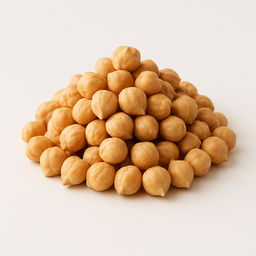 Chickpeas
 Wheat + legumes together form a complete protein profile
Technical: Whole wheat is low in lysine but rich in methionine and cysteine. Chickpeas are rich in lysine but low in sulfur-containing amino acids. Together they provide all essential amino acids — a principle that forms the basis of traditional Middle Eastern combinations like bread with hummus.
What does this mean for you? Flatbread with hummus is an age-old combination that is scientifically sound — together they form a complete protein without meat.
Whole Wheat Flour 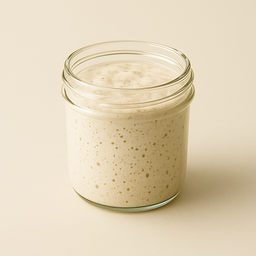 Sourdough Starter (Levain)
 Sourdough fermentation breaks down 60-70% of phytic acid in whole grain
Technical: Whole wheat flour contains 800-1200mg phytic acid per 100g, which binds iron, zinc and magnesium making them unabsorbable. Lactic acid bacteria in the sourdough starter produce phytase enzymes during fermentation (pH 4-5) that break down the majority of phytates in 12-24 hours.
What does this mean for you? Sourdough bread is fundamentally different from regular bread in nutritional value. The long fermentation releases minerals that would otherwise be blocked. Let the dough rise for at least 12 hours for maximum effect.
Recipes with Whole Wheat Flour
Discover delicious recipes featuring whole wheat flour:
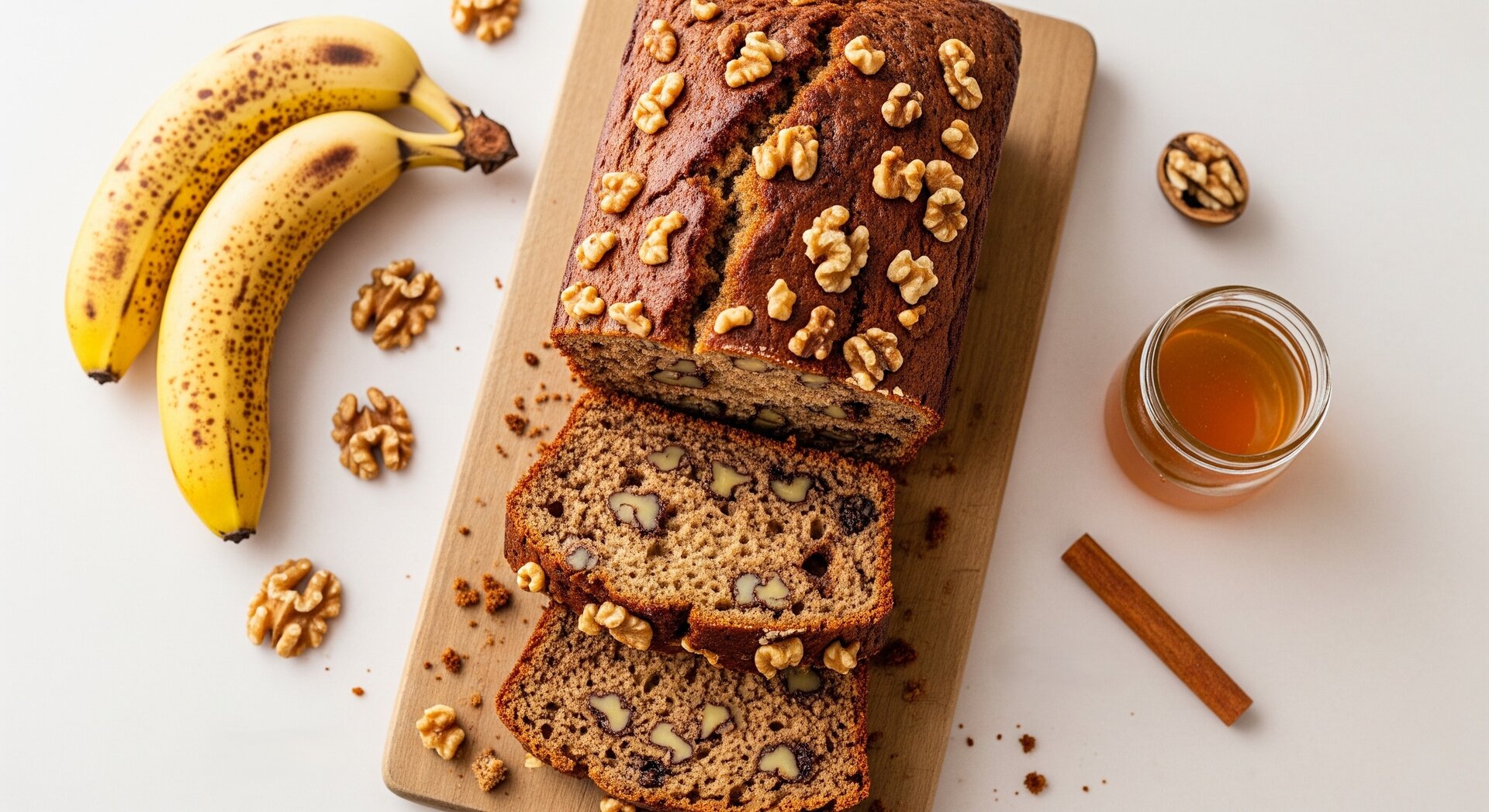 Banana Bread with Walnuts and Cinnamon 65 min Moist sweet bread with crunchy walnuts and warm cinnamon scent
  254 kcal
  7g protein 1 synergies
  Focaccia with Rosemary and Olive Oil 125 min Crispy outside, soft inside, drenched in olive oil 276 kcal 7g protein 1 synergies
  Greek Moussaka-Style Bowl with Lentils & Walnuts 50 min Eggplant, lentils and béchamel sauce in a warming bowl 658 kcal 28g protein 1 synergies
 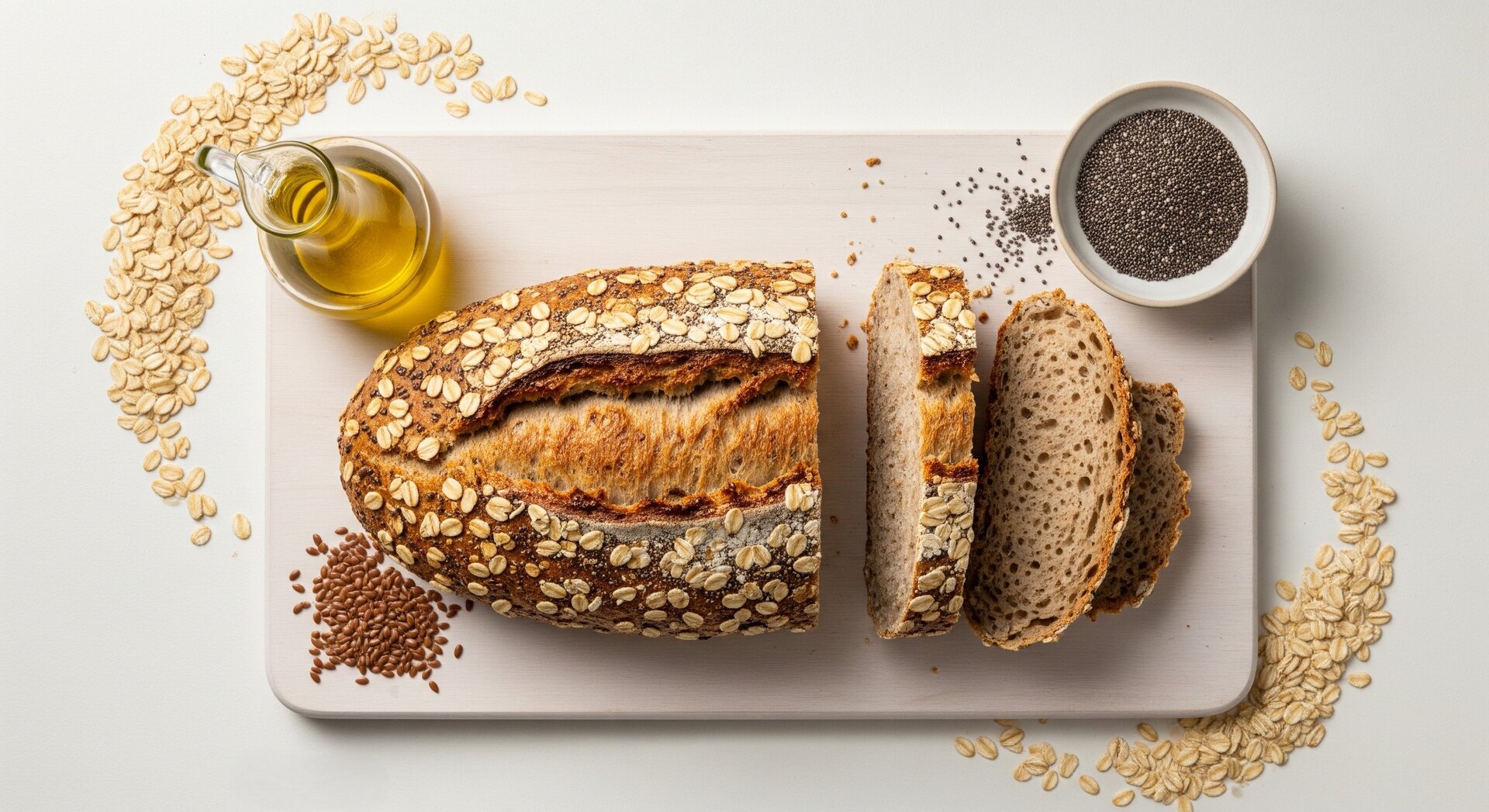 Oat Bread with Flaxseed and Chia Seed 140 min Hearty seed bread with nutty bite and moist crumb 216 kcal 7g protein 1 synergies
  Indian Whole Wheat Chapati 60 min Four ingredients, no yeast, ready in an hour 192 kcal 7g protein 1 synergies
  Moroccan Msemen Layered Flatbread 63 min Crispy, layered and golden brown from the pan 318 kcal 9g protein 1 synergies
  In the Kitchen
Storage
Location:Pantry
Shelf life:3 maanden bij kamertemperatuur, 6 maanden in koelkast
Store in airtight container. In fridge for longer shelf life because the germ contains oil that can go rancid.
Preparation
Replace white flour 1:1 but add 10% more liquid. For lighter result: mix 50/50 with white flour. Let dough rise longer than with white flour.
Conversions
Substitutes
Smart preparation
1Let dough with whole wheat flour rest longer before baking.
Why?
The bran absorbs moisture more slowly than white flour.
2Replace a maximum of 50% white flour with whole wheat for airy bakes.
3Store whole wheat flour in the fridge or freezer.
Why?
The germ oil can go rancid at room temperature.
Caution / Warnings
Whole Wheat Flour is very safe, but there are scientific considerations:
Gluten Intolerance/Celiac Disease Severe
Wheat flour contains gluten. In celiac disease, gluten causes severe intestinal damage.
Advice:
Use gluten-free alternative like almond flour, coconut flour or buckwheat flour
Summary
Whole wheat flour contains 4x more fiber and 5x more magnesium than white flour. Use it for bread, pancakes and pastry. It absorbs about 10% more water - so add slightly more liquid to recipes. Start with 50/50 whole/white if you're not used to the fuller taste. Store in fridge for longer shelf life (the germ contains oil).