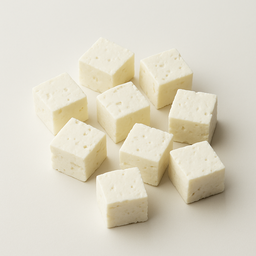
Feta Cheese
Brined Greek cheese from sheep and goat milk
What is this ingredient?
Real feta is a Greek PDO cheese traditionally made from sheep’s milk, with up to 30% goat’s milk allowed. The curd is pressed, cut into blocks and matured in brine, creating its recognizable salty flavor, crumbly texture and fresh acidity. Feta works well in cold dishes such as Greek salad, but it can also be briefly baked or grilled without melting completely. Because it is brined, feta is relatively high in sodium; a small amount already adds plenty of flavor. Rinse cubes briefly if desired, or pair with water-rich vegetables such as cucumber, tomato or watermelon for a balanced, fresh preparation.
How does it taste?
Salty, tangy and slightly sour, with a fresh aroma and crumbly texture.
Pairs well with:
Pairs well with watermelonolivesoreganotomatocucumbermint and honey.
Did you know...?
- Feta has Protected Designation of Origin (PDO) status and, within the EU, may only come from Greece.
- In the Odyssey, Homer described the cyclops Polyphemus making cheese that resembled an early brined cheese.
Nutritional Value & Energy
Per 100g
Feta Cheese provides energy thanks to natural nutrients .
Per 100g
Minerals
Vitamins
Omega-3 fatty acids
More nutrients
B-Vitamins
Trace Minerals
What's in a serving?
1 serving
Feta cheese naturally contains calcium (493 mg per 100 g).
Feta cheese naturally contains zinc (2.88 mg per 100 g).
Feta cheese naturally contains iodine (50 mcg per 100 g).
Feta cheese naturally contains selenium (15 mcg per 100 g).
Feta cheese naturally contains vitamin A (125 mcg per 100 g).
Feta cheese naturally contains vitamin B12 (1.69 mcg per 100 g).
Feta cheese naturally contains folate (32 mcg per 100 g).
% of daily reference intake (DRI)
EU-approved nutrition claims
This ingredient contains nutrients for which EFSA-authorized health claims exist at nutrient level, not specifically for this ingredient.
Approved health claims (EU)
Vitamin_b12 EU 432/2012
Vitamin B12 contributes to the normal function of the immune system
Contains 1.69mcg/100g (threshold: ≥0.375mcg/100g)
Vitamin_b12 EU 432/2012
Vitamin B12 contributes to the reduction of tiredness and fatigue
Contains 1.69mcg/100g (threshold: ≥0.375mcg/100g)
Vitamin_b12 EU 432/2012
Vitamin B12 contributes to the normal functioning of the nervous system
Contains 1.69mcg/100g (threshold: ≥0.375mcg/100g)
Zinc EU 432/2012
Zinc contributes to the normal function of the immune system
Contains 2.88mg/100g (threshold: ≥1.5mg/100g)
Zinc EU 432/2012
Zinc contributes to the maintenance of normal skin
Contains 2.88mg/100g (threshold: ≥1.5mg/100g)
Calcium EU 432/2012
Calcium is needed for the maintenance of normal bones
Contains 493mg/100g (threshold: ≥120mg/100g)
Folate EU 432/2012
Folate contributes to normal blood formation
Contains 32mcg/100g (threshold: ≥30mcg/100g)
Vitamin_a EU 432/2012
Vitamin A contributes to the normal function of the immune system
Contains 125mcg/100g (threshold: ≥120mcg/100g)
Vitamin_a EU 432/2012
Vitamin A contributes to the maintenance of normal skin
Contains 125mcg/100g (threshold: ≥120mcg/100g)
Vitamin_a EU 432/2012
Vitamin A contributes to the maintenance of normal mucous membranes
Contains 125mcg/100g (threshold: ≥120mcg/100g)
Vitamin_a EU 432/2012
Vitamin A contributes to the maintenance of normal vision
Contains 125mcg/100g (threshold: ≥120mcg/100g)
Vitamin_a EU 432/2012
Vitamin A contributes to normal iron metabolism
Contains 125mcg/100g (threshold: ≥120mcg/100g)
Vitamin_a EU 432/2012
Vitamin A has a role in the process of cell specialisation
Contains 125mcg/100g (threshold: ≥120mcg/100g)
Folate EU 432/2012
Folate contributes to normal amino acid synthesis
Contains 32mcg/100g (threshold: ≥30mcg/100g)
Folate EU 432/2012
Folate contributes to normal homocysteine metabolism
Contains 32mcg/100g (threshold: ≥30mcg/100g)
Folate EU 432/2012
Folate contributes to normal psychological function
Contains 32mcg/100g (threshold: ≥30mcg/100g)
Folate EU 432/2012
Folate contributes to the normal function of the immune system
Contains 32mcg/100g (threshold: ≥30mcg/100g)
Folate EU 432/2012
Folate has a role in the process of cell division
Contains 32mcg/100g (threshold: ≥30mcg/100g)
Folate EU 432/2012
Folate contributes to maternal tissue growth during pregnancy
Contains 32mcg/100g (threshold: ≥30mcg/100g)
Vitamin_b12 EU 432/2012
Vitamin B12 contributes to normal energy-yielding metabolism
Contains 1.69mcg/100g (threshold: ≥0.375mcg/100g)
Vitamin_b12 EU 432/2012
Vitamin B12 contributes to normal homocysteine metabolism
Contains 1.69mcg/100g (threshold: ≥0.375mcg/100g)
Vitamin_b12 EU 432/2012
Vitamin B12 contributes to normal psychological function
Contains 1.69mcg/100g (threshold: ≥0.375mcg/100g)
Vitamin_b12 EU 432/2012
Vitamin B12 contributes to normal red blood cell formation
Contains 1.69mcg/100g (threshold: ≥0.375mcg/100g)
Vitamin_b12 EU 432/2012
Vitamin B12 has a role in the process of cell division
Contains 1.69mcg/100g (threshold: ≥0.375mcg/100g)
Calcium EU 432/2012
Calcium is needed for the maintenance of normal teeth
Contains 493mg/100g (threshold: ≥120mg/100g)
Calcium EU 432/2012
Calcium contributes to normal blood clotting
Contains 493mg/100g (threshold: ≥120mg/100g)
Calcium EU 432/2012
Calcium contributes to normal energy-yielding metabolism
Contains 493mg/100g (threshold: ≥120mg/100g)
Calcium EU 432/2012
Calcium contributes to normal muscle function
Contains 493mg/100g (threshold: ≥120mg/100g)
Calcium EU 432/2012
Calcium contributes to normal neurotransmission
Contains 493mg/100g (threshold: ≥120mg/100g)
Calcium EU 432/2012
Calcium contributes to the normal function of digestive enzymes
Contains 493mg/100g (threshold: ≥120mg/100g)
Calcium EU 432/2012
Calcium has a role in the process of cell division and specialisation
Contains 493mg/100g (threshold: ≥120mg/100g)
Zinc EU 432/2012
Zinc contributes to normal acid-base metabolism
Contains 2.88mg/100g (threshold: ≥1.5mg/100g)
Zinc EU 432/2012
Zinc contributes to normal carbohydrate metabolism
Contains 2.88mg/100g (threshold: ≥1.5mg/100g)
Zinc EU 432/2012
Zinc contributes to normal cognitive function
Contains 2.88mg/100g (threshold: ≥1.5mg/100g)
Zinc EU 432/2012
Zinc contributes to normal DNA synthesis
Contains 2.88mg/100g (threshold: ≥1.5mg/100g)
Zinc EU 432/2012
Zinc contributes to normal fertility and reproduction
Contains 2.88mg/100g (threshold: ≥1.5mg/100g)
Zinc EU 432/2012
Zinc contributes to normal macronutrient metabolism
Contains 2.88mg/100g (threshold: ≥1.5mg/100g)
Zinc EU 432/2012
Zinc contributes to normal metabolism of fatty acids
Contains 2.88mg/100g (threshold: ≥1.5mg/100g)
Zinc EU 432/2012
Zinc contributes to normal metabolism of vitamin A
Contains 2.88mg/100g (threshold: ≥1.5mg/100g)
Zinc EU 432/2012
Zinc contributes to normal protein synthesis
Contains 2.88mg/100g (threshold: ≥1.5mg/100g)
Zinc EU 432/2012
Zinc contributes to the maintenance of normal bones
Contains 2.88mg/100g (threshold: ≥1.5mg/100g)
Zinc EU 432/2012
Zinc contributes to the maintenance of normal hair
Contains 2.88mg/100g (threshold: ≥1.5mg/100g)
Zinc EU 432/2012
Zinc contributes to the maintenance of normal nails
Contains 2.88mg/100g (threshold: ≥1.5mg/100g)
Zinc EU 432/2012
Zinc contributes to the maintenance of normal testosterone levels in the blood
Contains 2.88mg/100g (threshold: ≥1.5mg/100g)
Zinc EU 432/2012
Zinc contributes to the maintenance of normal vision
Contains 2.88mg/100g (threshold: ≥1.5mg/100g)
Zinc EU 432/2012
Zinc contributes to the protection of cells from oxidative stress
Contains 2.88mg/100g (threshold: ≥1.5mg/100g)
Zinc EU 432/2012
Zinc has a role in the process of cell division
Contains 2.88mg/100g (threshold: ≥1.5mg/100g)
Selenium EU 432/2012
Selenium contributes to the maintenance of normal hair
Contains 15mcg/100g (threshold: ≥8.25mcg/100g)
Selenium EU 432/2012
Selenium contributes to the maintenance of normal nails
Contains 15mcg/100g (threshold: ≥8.25mcg/100g)
Selenium EU 432/2012
Selenium contributes to the normal function of the immune system
Contains 15mcg/100g (threshold: ≥8.25mcg/100g)
Selenium EU 432/2012
Selenium contributes to normal thyroid function
Contains 15mcg/100g (threshold: ≥8.25mcg/100g)
Selenium EU 432/2012
Selenium contributes to normal spermatogenesis
Contains 15mcg/100g (threshold: ≥8.25mcg/100g)
Selenium EU 432/2012
Selenium contributes to the protection of cells from oxidative stress
Contains 15mcg/100g (threshold: ≥8.25mcg/100g)
Iodine EU 432/2012
Iodine contributes to normal cognitive function
Contains 50mcg/100g (threshold: ≥22.5mcg/100g)
Iodine EU 432/2012
Iodine contributes to normal energy-yielding metabolism
Contains 50mcg/100g (threshold: ≥22.5mcg/100g)
Iodine EU 432/2012
Iodine contributes to normal functioning of the nervous system
Contains 50mcg/100g (threshold: ≥22.5mcg/100g)
Iodine EU 432/2012
Iodine contributes to the maintenance of normal skin
Contains 50mcg/100g (threshold: ≥22.5mcg/100g)
Iodine EU 432/2012
Iodine contributes to the normal production of thyroid hormones and normal thyroid function
Contains 50mcg/100g (threshold: ≥22.5mcg/100g)
Iodine EU 432/2012
Iodine contributes to the normal growth of children
Contains 50mcg/100g (threshold: ≥22.5mcg/100g)
Comparison
vsmelk
Per 100 g, feta cheese contains about four times as much calcium as milk, but also much more salt because of the brine.
What's being researched?
Feta and lactic acid bacteria
Research examines which live cultures are present in traditionally made feta and how they behave during ripening, storage and digestion. Feta may contain Lactobacillus strains, but the composition varies by milk, starter culture, brine and aging time.
Supported by: [3] Carneiro KO (2026) , [2] Munhóz BA (2025)
Good Combinations (Synergy)
Combine feta cheese smartly to enhance the effect:
Feta Cheese 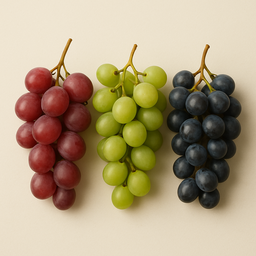 Grapes
 Classic cheese board combination: fat improves resveratrol absorption
Technical: Red grapes contain resveratrol which is fat-soluble. Cheese provides fats that increase bioavailability of resveratrol through micelle formation in the gut.
What does this mean for you? The classic cheese board with grapes is not only delicious but also nutritionally smart - the cheese helps you better absorb resveratrol from grapes.
Feta Cheese 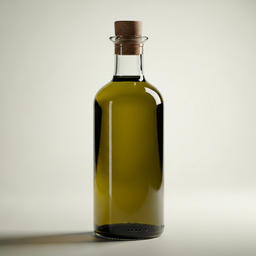 Olive Oil
 Olive oil improves calcium absorption from feta
Technical: Feta contains 493mg calcium per 100g. Fat-soluble vitamins D and K2 are needed for calcium absorption. Olive oil contains mono-unsaturated fats that improve absorption of these vitamins and minerals. Olive oil also contains oleuropein involved in bone metabolism.
What does this mean for you? Always drizzle feta with olive oil — the Mediterranean tradition of feta with olive oil is scientifically smart.
Feta Cheese 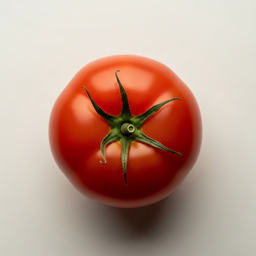 Tomato
 Greek salad synergy - fat for lycopene absorption
Technical: Tomato contains lycopene, a carotenoid that is fat-soluble. Feta contains 21g fat per 100g that dissolves lycopene and promotes micelle formation in the gut, increasing absorption up to 4x. Feta's calcium (493mg/100g) — calcium contributes to the maintenance of normal bones (EFSA-approved). The Greek salad is a scientifically optimal combination.
What does this mean for you? Always combine feta with tomato (and olive oil) — exactly like in a Greek salad. The fat from feta ensures you absorb 4x more lycopene.
Feta Cheese 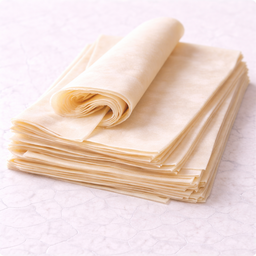 Filo Pastry
 Spanakopita: crispy + creamy + minerals
Technical: Phyllo dough baked in olive oil or butter provides fat-soluble carriers. Spinach contains 483μg vitamin K per 100g (fat-soluble) and 2.7mg iron. Feta provides 493mg calcium per 100g. The fat from baked phyllo increases vitamin K absorption by 3-5x. The combination of iron (spinach) + calcium (feta) + vitamin K (spinach) supports both bones and blood formation.
What does this mean for you? Spanakopita (Greek spinach-feta pie) is more than comfort food — it's a nutritionally smart combination. The crispy phyllo provides not only texture but also the fat needed to absorb vitamin K from the spinach.
Feta Cheese 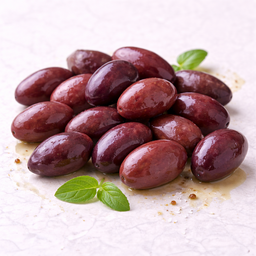 Kalamata Olives
 Polyphenols + calcium and protein in Greek combination
Technical: Kalamata olives contain hydroxytyrosol (3.5mg/100g) and oleuropein — polyphenols from the olive fruit. Feta provides 493mg calcium per 100g and 14g protein. Fats in feta (21g/100g) also increase bioavailability of fat-soluble polyphenols from olives.
What does this mean for you? Olives with feta is the foundation of Greek cuisine — and nutritionally a smart combination. Cheese fat makes olive polyphenols more absorbable. Add to salads or serve as mezze.
Feta Cheese 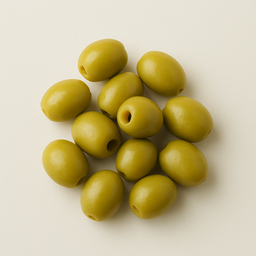 Olives
 Mediterranean combination: healthy fats + calcium
Technical: Olives contain oleuropein (antioxidant) and mono-unsaturated fats (75%). Feta provides calcium (493mg/100g) and fat-soluble vitamins. The fats from olives improve absorption of calcium and vitamin D from feta.
What does this mean for you? The classic Greek combination of olives and feta is not only delicious but also nutritionally smart. Perfect in salads or as meze.
Feta Cheese 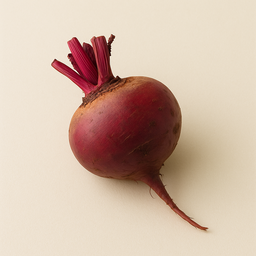 Beetroot
 Protein + minerals complement betalains
Technical: Goat cheese provides 22g protein and 500mg calcium per 100g. The fats (21g) in cheese increase absorption of fat-soluble betalains from beetroot. The salty taste also balances the earthy sweetness of the beet.
What does this mean for you? Combine roasted beetroot with crumbled goat cheese or feta, walnuts and some balsamic. A classic salad that's also nutritionally well-composed — cheese fat makes betalains more absorbable.
Feta Cheese 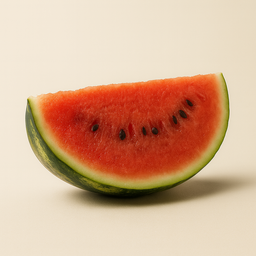 Watermelon
 Classic summer combination: hydration + calcium for muscles
Technical: Watermelon is 92% water and contains citrulline (250mg/100g) for vasodilation and electrolytes. Feta provides calcium (493mg/100g) and salt for electrolyte balance. The combination is ideal for hydration and muscle function.
What does this mean for you? The classic watermelon-feta salad is not only refreshing but also perfect for hot days - watermelon hydrates while feta replenishes electrolytes.
Recipes with Feta Cheese
Discover delicious recipes featuring feta cheese:
 Zucchini Pancakes with Feta and Spring Onion 20 min Golden-fried with crumbly feta and fresh spring onion
  225 kcal
  15g protein 2 synergies
  Egg Courgette Feta Muffins with Herbs 30 min Savoury low-carb muffins with grated courgette, crumbled feta and oregano 460 kcal 28g protein 2 synergies
 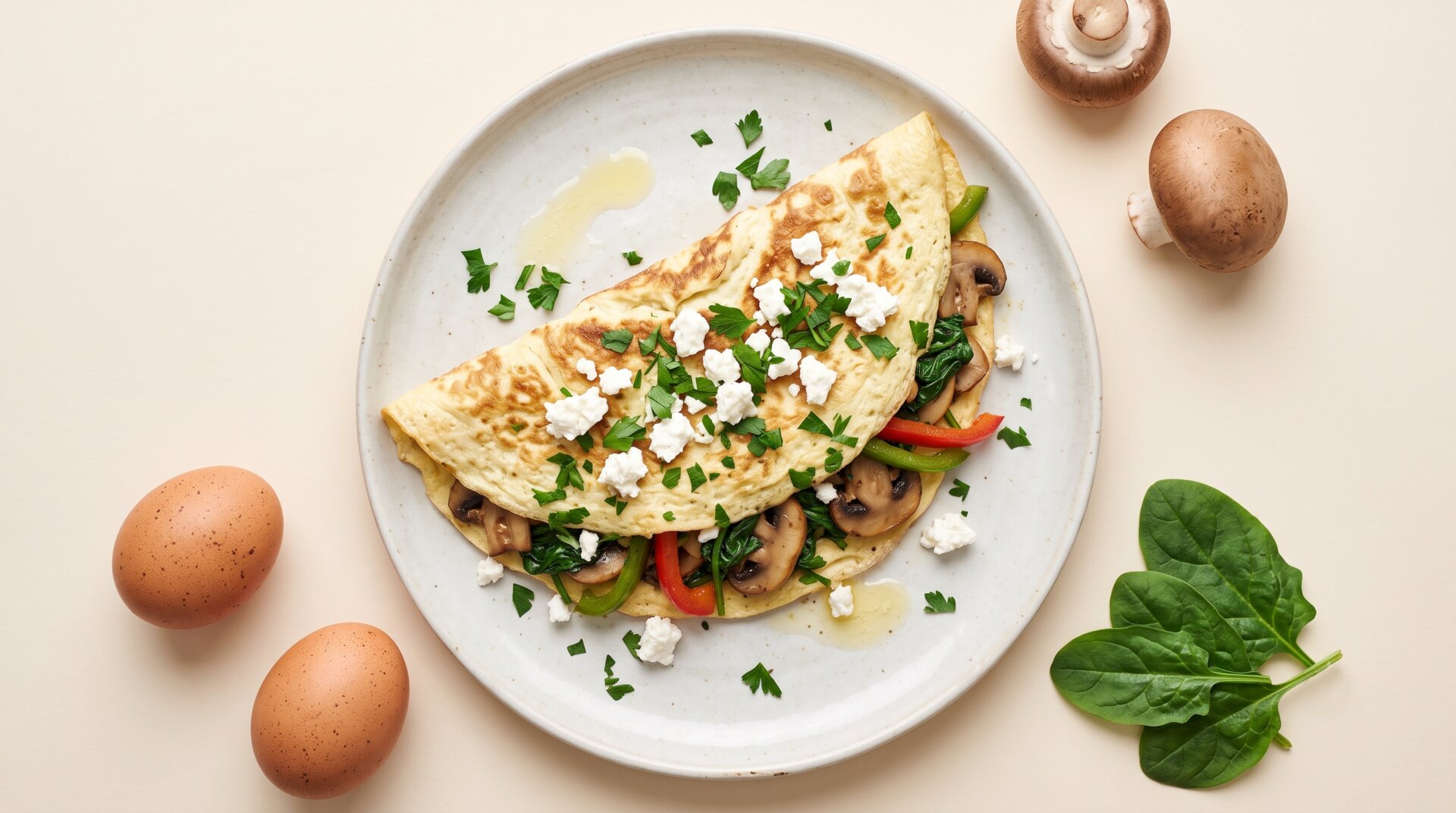 Protein Vegetable Omelet 20 min Creamy omelet with mushrooms, spinach and crumbled feta 420 kcal 28g protein 2 synergies
 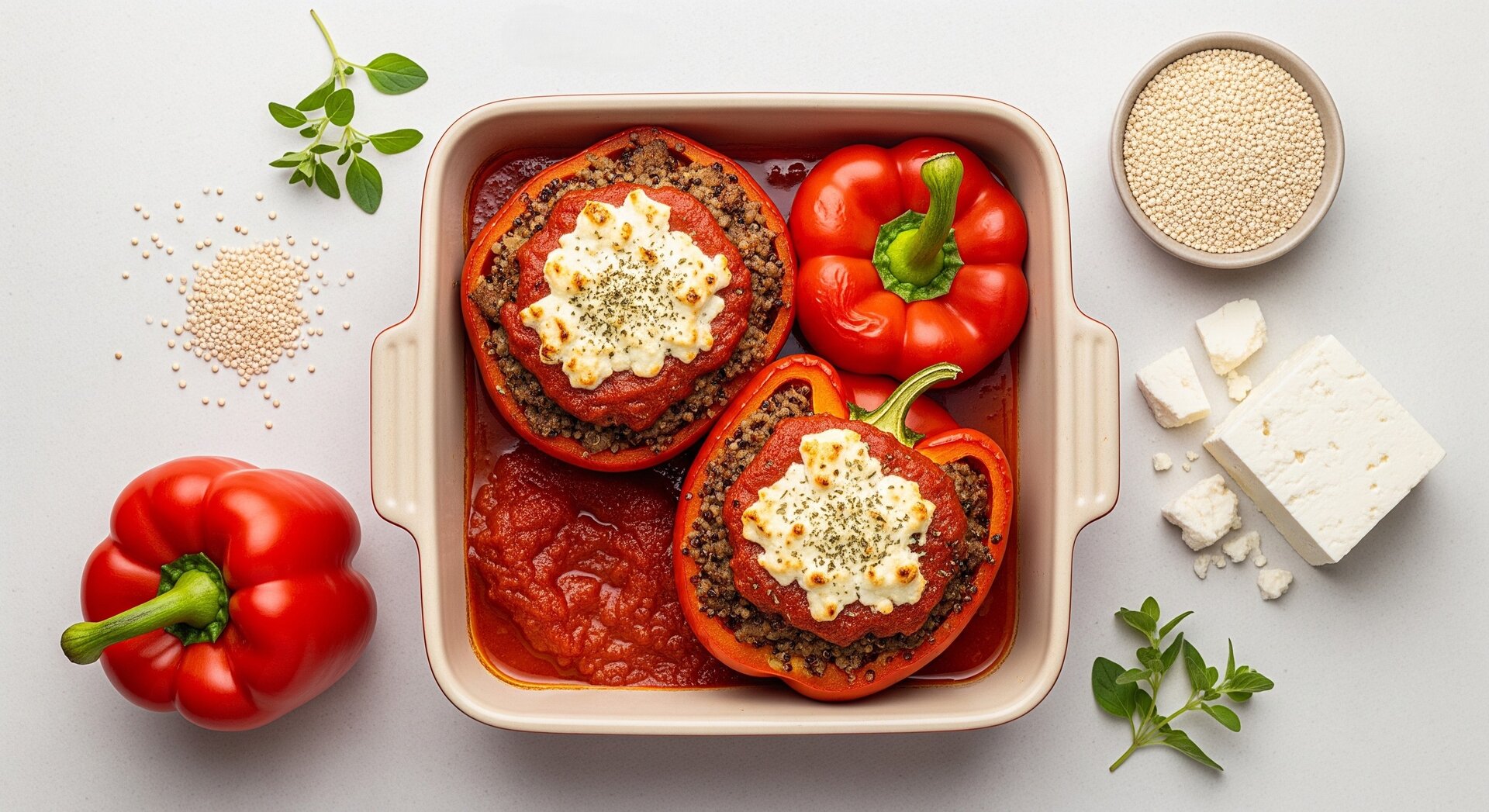 Stuffed Peppers with Ground Beef, Quinoa and Feta 50 min Colorful oven dish with spiced beef filling and crumbled feta 695 kcal 35g protein 2 synergies
 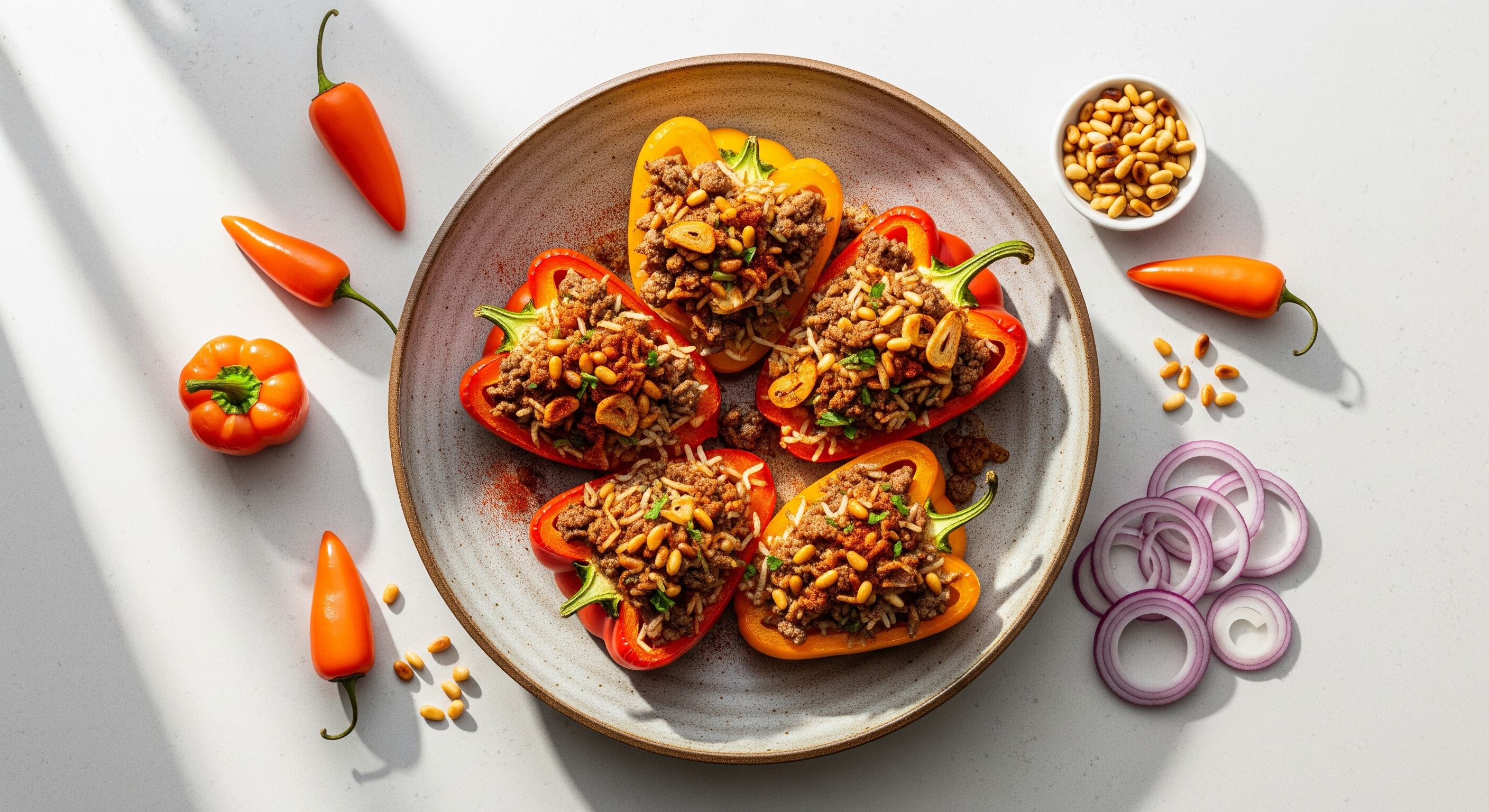 Stuffed Bell Peppers with Lamb, Rice & Pine Nuts 60 min Levantine stuffed peppers with spiced lamb filling 738 kcal 33g protein 2 synergies
 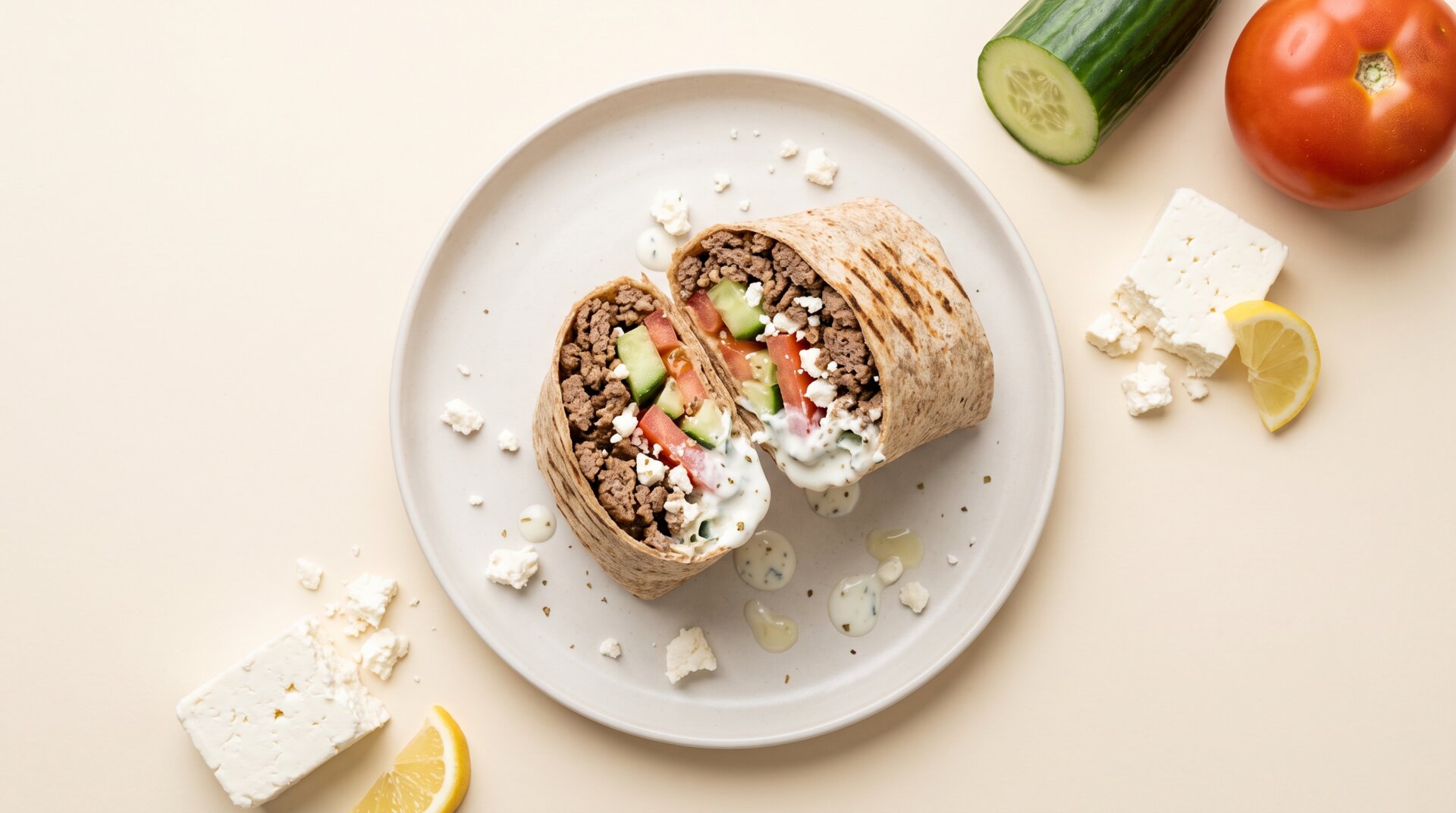 Greek Gyros Wrap 25 min Spiced beef with fresh vegetables, feta and cool tzatziki in whole wheat tortilla 540 kcal 38g protein 1 synergies
  In the Kitchen
Storage
Location:Refrigerator
Shelf life:1 maand geopend in pekel, 3 maanden ongeopend
Store feta in brine for the longest shelf life. Without brine, feta dries out faster; then keep it briefly in olive oil with herbs in the refrigerator.
Preparation
Use feta raw or heat it briefly. It does not melt like young cheese, but softens and stays crumbly. Good in salads, as a topping, in phyllo pastry or briefly grilled with honey.
Substitutes
Smart preparation
1Store feta in the brine from the package in the fridge.
Why?
Brine keeps the cheese moist, firm in texture and usable for longer.
2Crumble feta with your hands or a fork, not with a sharp knife.
Why?
Crumbling creates irregular pieces that hold dressing, olive oil and herbs well.
3Bake feta as a whole slab in the oven with tomato, olive oil and oregano.
Why?
The cheese becomes soft and creamy at the edges while the center stays crumbly.
Caution / Warnings
Feta Cheese is very safe, but there are scientific considerations:
High sodium content Moderate
Feta contains 917 mg sodium per 100 g. Because it matures in brine, feta is among the saltier cheeses.
Advice:
If you watch your salt intake, keep the portion small, for example 20–30 g, and briefly rinse cubes before use if desired.
Lactose intolerance Mild
Because of fermentation, feta contains less lactose than some fresh cheeses, but it is not lactose-free and contains about 4 g lactose per 100 g.
Advice:
Start with a small amount and see how you respond. For strict lactose restriction, choose a product that is explicitly lactose-free.
Cow’s milk allergy Moderate
Real feta is made from sheep’s and/or goat’s milk, but proteins from different milks can cause cross-reactions in some people.
Advice:
With a milk allergy, use feta only after personal advice from a doctor or dietitian.
Traditional use
Mediterranean
Feta in Greek cuisine
Feta has been linked to Greek food culture for centuries. It appears in horiatiki salad, with olives and bread, in phyllo dishes and as a salty, crumbly finish over vegetables.
Summary
Feta is a Greek brined cheese with a distinctly salty, fresh flavor and crumbly texture. It is traditionally made from sheep’s milk, sometimes blended with goat’s milk, and works perfectly in Greek salad, on toast, in phyllo pastry or crumbled over warm dishes. Because of its high salt content, feta is best used as a flavor accent in smaller portions; you can briefly rinse cubes if you want a gentler salty taste. Traditionally made feta may contain lactic acid bacteria and naturally provides calcium, protein, vitamin B12 and zinc.