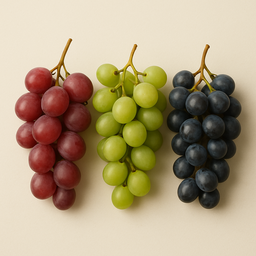
Grapes
The Resveratrol Source
What is this ingredient?
Grapes (Vitis vinifera) are among the oldest cultivated fruits, with evidence of wine production dating back 8,000 years. properties come mainly from the skin, which is rich in resveratrol - the polyphenol made famous by the 'French Paradox' (lower heart disease despite fatty diet). Resveratrol activates sirtuins, proteins involved in cellular repair and aging. Red and purple grapes contain significantly more resveratrol than green. Grape seeds contain OPCs (oligomeric proanthocyanidins), powerful antioxidants used in many supplements. Eat grapes with skin and chew the seeds for maximum effect.
How does it taste?
Juicy sweet with a light floral and musky character.
Pairs well with:
Pairs well with cheesewalnutrosemaryendive and honey.
Sunnah
And from it He causes to grow for you crops, and olives and palm trees and grapevines. (Surah An-Nahl) Grapes are mentioned multiple times in the Quran as a blessing and sign of Allah's providence.
Quran #Quran 16:11, 36:34, 80:28
Varieties
Red Grapes (Red Globe, Crimson)
Highest resveratrol, sweet-tart
Green Grapes (Thompson)
Sweetest, fewest antioxidants
Concord Grapes
Purple, for juice, highest polyphenols
Did you know...?
- There are over 8,000 grape varieties, but only 1,300 are used for wine.
- Grapes explode if you put them in the microwave — they generate plasma.
Nutritional Value & Energy
Per 100g
Grapes provides energy thanks to natural nutrients .
Per 100g
Minerals
Vitamins
Omega-3 fatty acids
More nutrients
B-Vitamins
Trace Minerals
What's in a serving?
1 serving
Grapes naturally contains vitamin k (18 mcg per 100 g).
% of daily reference intake (DRI)
EU-approved nutrition claims
This ingredient contains nutrients for which EFSA-authorized health claims exist (at nutrient level, not ingredient-specific).
Approved health claims (EU)
Vitamin_k EU 432/2012
Vitamin K contributes to normal blood clotting
Contains 18mcg/100g (threshold: ≥11.25mcg/100g)
Vitamin_k EU 432/2012
Vitamin K contributes to the maintenance of normal bones
Contains 18mcg/100g (threshold: ≥11.25mcg/100g)
What's being researched?
Resveratrol and vascular health
Resveratrol in grapes is being studied for potential vascular protective effects. Laboratory studies show promising mechanisms, but clinical effects at dietary doses are more limited than at supplement doses.
Supported by: [1] Tang PC (2014) , [3] Huang LL (2015)
Proanthocyanidins from grape seeds
Proanthocyanidins from grape seeds are being studied for potent antioxidant activity. Studies show high in-vitro activity, but bioavailability of large polymers is a point of attention.
Supported by: [3] Huang LL (2015) , [1] Tang PC (2014)
Good Combinations (Synergy)
Combine grapes smartly to enhance the effect:
Grapes 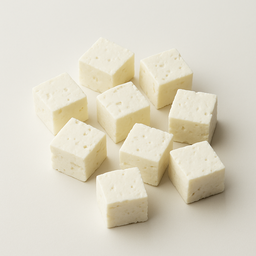 Feta Cheese
 Classic cheese board combination: fat improves resveratrol absorption
Technical: Red grapes contain resveratrol which is fat-soluble. Cheese provides fats that increase bioavailability of resveratrol through micelle formation in the gut.
What does this mean for you? The classic cheese board with grapes is not only delicious but also nutritionally smart - the cheese helps you better absorb resveratrol from grapes.
Grapes 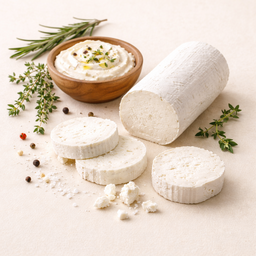 Goat Cheese (Chèvre)
 Classic cheese board combination: fat improves resveratrol absorption
Technical: Red grapes contain resveratrol which is fat-soluble. Cheese provides fats that increase bioavailability of resveratrol through micelle formation in the gut.
What does this mean for you? The classic cheese board with grapes is not only delicious but also nutritionally smart - the cheese helps you better absorb resveratrol from grapes.
Grapes 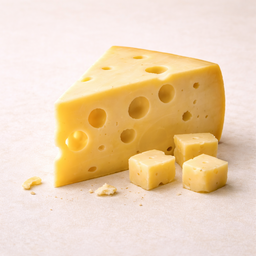 Cheese (general)
 Classic cheese board combination: fat improves resveratrol absorption
Technical: Red grapes contain resveratrol which is fat-soluble. Cheese provides fats that increase bioavailability of resveratrol through micelle formation in the gut.
What does this mean for you? The classic cheese board with grapes is not only delicious but also nutritionally smart - the cheese helps you better absorb resveratrol from grapes.
Grapes 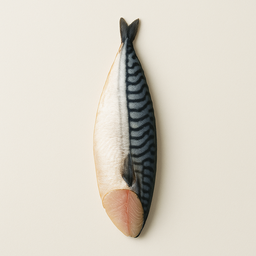 Mackerel
 Resveratrol protects fragile omega-3 fatty acids
Technical: Fatty fish contains omega-3 fatty acids (EPA/DHA) with polyunsaturated double bonds that are extremely susceptible to lipid peroxidation. Red grapes contain resveratrol (0.5-1mg per 150g) and procyanidins — powerful antioxidants that neutralize free radicals before they reach the vulnerable omega-3. Resveratrol also activates SIRT1.
What does this mean for you? Serve fatty fish with a grape salad or salsa. It's no coincidence that fish and wine (grapes) form a classic combination — the polyphenols from grapes protect the valuable omega-3 fatty acids in the fish.
Grapes 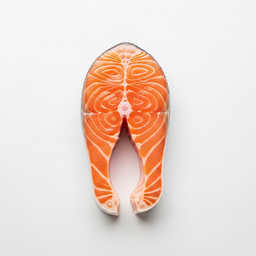 Salmon
 Resveratrol protects fragile omega-3 fatty acids
Technical: Fatty fish contains omega-3 fatty acids (EPA/DHA) with polyunsaturated double bonds that are extremely susceptible to lipid peroxidation. Red grapes contain resveratrol (0.5-1mg per 150g) and procyanidins — powerful antioxidants that neutralize free radicals before they reach the vulnerable omega-3. Resveratrol also activates SIRT1.
What does this mean for you? Serve fatty fish with a grape salad or salsa. It's no coincidence that fish and wine (grapes) form a classic combination — the polyphenols from grapes protect the valuable omega-3 fatty acids in the fish.
Grapes 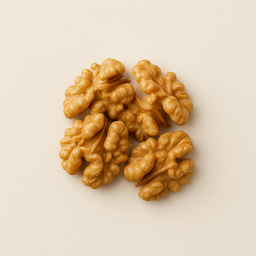 Walnuts
 Resveratrol + omega-3, complementary plant compounds
Resveratrol and omega-3 have complementary cardiovascular effects (PMID: 22468945)
Technical: Red grapes contain resveratrol (0.1-14mg/L in wine, 0.5-1mg in 150g grapes) that activates SIRT1 and inhibits LDL oxidation. Walnuts provide ALA omega-3 (2.5g/30g); alpha-linolenic acid contributes to the maintenance of normal blood cholesterol levels (EFSA). Together they offer complementary biochemical pathways — resveratrol via SIRT1/LDL oxidation, omega-3 via eicosanoids/triglycerides.
What does this mean for you? Grapes and walnuts are a classic cheese board combination that is scientifically backed. The combination of grapes and nuts is a classic of Mediterranean cuisine.
Recipes with Grapes
Discover delicious recipes featuring grapes:
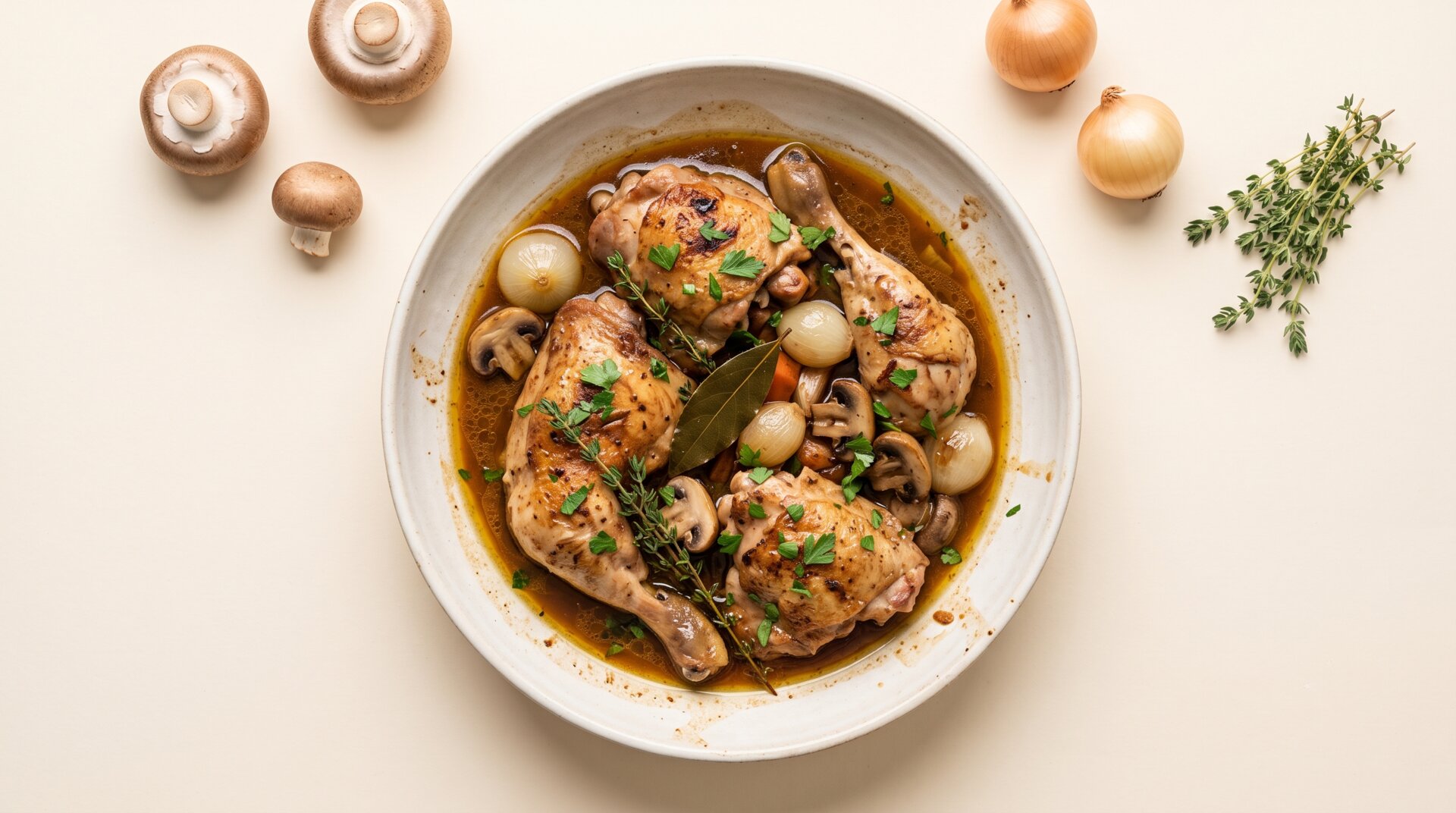 Chicken in Grape Juice 100 min Slow-braised chicken with herbs, vegetables and a rich sauce
  410 kcal
  45g protein 1 synergies
  In the Kitchen
Storage
Location:Refrigerator
Shelf life:1-2 weken in koelkast
Store unwashed in plastic bag. Wash just before eating. Not next to strong-smelling foods.
Preparation
EAT RAW with skin and chew seeds for maximum polyphenols. In salads, as snack, or frozen as dessert. BEST SYNERGY: fatty fish - antioxidants in grapes protect omega-3 from oxidation.
Conversions
Substitutes
Smart preparation
1Wash grapes only just before eating to prevent spoilage.
2Freeze grapes as a healthy snack; they taste like little sorbets.
3Halve grapes for fruit salads so they absorb dressing better.
Caution / Warnings
Grapes is very safe, but there are scientific considerations:
Diabetes Moderate
Grapes have high sugar content (16g per 100g) and relatively high glycemic index
Advice:
Limit portions and eat with proteins/fats to dampen sugar spike
Blood Thinners Mild
Resveratrol may have mild blood-thinning effects
Advice:
Normal grape consumption is safe. Be careful with concentrated supplements
Traditional use
Mediterranean
Greco-Roman wine tradition
Grapes were cultivated in the Caucasus region over 8000 years ago. Greeks and Romans used grapes and wine both culinarily and medicinally.
Islamic tradition
Fruit valued in Islam
Grapes are mentioned multiple times in the Quran as one of the fruits of paradise. In Islamic medicine, grapes are valued as a strengthening food.
Summary
Grapes (especially red/purple) are rich in resveratrol, the compound behind the 'French Paradox'. EAT THE SKIN (that's where resveratrol is) and chew the seeds (OPCs). Red grapes contain 10x more resveratrol than green. Tip: combine with fatty fish - resveratrol protects fragile omega-3.