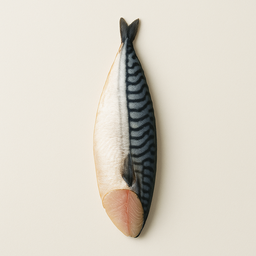
Mackerel
Oily sea fish rich in EPA, DHA, vitamin D and B12
What is this ingredient?
Mackerel is a firm, oily sea fish with a pronounced flavor and a high content of long-chain EPA and DHA fatty acids. Per 100 grams it provides about 18.6 grams of protein, 16.1 micrograms of vitamin D and 8.71 micrograms of vitamin B12, alongside selenium, iodine, magnesium and potassium. The dark flesh gets its color from myoglobin, an iron-containing muscle protein that fits the fish’s active swimming style. Fresh mackerel is naturally lower in sodium than smoked or canned versions; in smoked mackerel and canned products, added salt largely determines the final sodium level. Choose small Atlantic mackerel where possible and check origin, catch area and certification when sustainability matters to you.
How does it taste?
Oily, robust and full, with a deep briny fish flavor and a firm texture.
Pairs well with:
Pairs well with horseradishbeetlemonshallotmustarddill and crisp pickles.
Did you know...?
- Mackerel is a fast swimmer and can reach short sprints of about 5.5 meters per second.
- Mackerel has no swim bladder and therefore stays almost constantly in motion.
Nutritional Value & Energy
Per 100g
Mackerel provides energy thanks to natural nutrients .
Per 100g
Minerals
Vitamins
Omega-3 fatty acids
More nutrients
B-Vitamins
Trace Minerals
What's in a serving?
1 serving
Mackerel naturally contains magnesium (76 mg per 100 g).
Mackerel naturally contains potassium (314 mg per 100 g).
Mackerel naturally contains selenium (44.1 mcg per 100 g).
Mackerel naturally contains vitamin b12 (8.71 mcg per 100 g).
Mackerel naturally contains vitamin d (16.1 mcg per 100 g).
Mackerel naturally contains iodine (45 mcg per 100 g).
% of daily reference intake (DRI)
EU-approved nutrition claims
This ingredient contains nutrients for which EFSA-authorized health claims exist (at nutrient level, not ingredient-specific).
Approved health claims (EU)
Vitamin_b12 EU 432/2012
Vitamin B12 contributes to the normal function of the immune system
Contains 8.71mcg/100g (threshold: ≥0.375mcg/100g)
Vitamin_b12 EU 432/2012
Vitamin B12 contributes to the reduction of tiredness and fatigue
Contains 8.71mcg/100g (threshold: ≥0.375mcg/100g)
Vitamin_b12 EU 432/2012
Vitamin B12 contributes to the normal functioning of the nervous system
Contains 8.71mcg/100g (threshold: ≥0.375mcg/100g)
Vitamin_d EU 432/2012
Vitamin D contributes to the maintenance of normal bones
Contains 16.1mcg/100g (threshold: ≥0.75mcg/100g)
Vitamin_d EU 432/2012
Vitamin D contributes to the normal function of the immune system
Contains 16.1mcg/100g (threshold: ≥0.75mcg/100g)
Magnesium EU 432/2012
Magnesium contributes to normal muscle function
Contains 76mg/100g (threshold: ≥56.25mg/100g)
Magnesium EU 432/2012
Magnesium contributes to the reduction of tiredness and fatigue
Contains 76mg/100g (threshold: ≥56.25mg/100g)
Magnesium EU 432/2012
Magnesium contributes to normal functioning of the nervous system
Contains 76mg/100g (threshold: ≥56.25mg/100g)
Potassium EU 432/2012
Potassium contributes to the maintenance of normal blood pressure
Contains 314mg/100g (threshold: ≥300mg/100g)
Vitamin_b12 EU 432/2012
Vitamin B12 contributes to normal energy-yielding metabolism
Contains 8.71mcg/100g (threshold: ≥0.375mcg/100g)
Vitamin_b12 EU 432/2012
Vitamin B12 contributes to normal homocysteine metabolism
Contains 8.71mcg/100g (threshold: ≥0.375mcg/100g)
Vitamin_b12 EU 432/2012
Vitamin B12 contributes to normal psychological function
Contains 8.71mcg/100g (threshold: ≥0.375mcg/100g)
Vitamin_b12 EU 432/2012
Vitamin B12 contributes to normal red blood cell formation
Contains 8.71mcg/100g (threshold: ≥0.375mcg/100g)
Vitamin_b12 EU 432/2012
Vitamin B12 has a role in the process of cell division
Contains 8.71mcg/100g (threshold: ≥0.375mcg/100g)
Vitamin_d EU 432/2012
Vitamin D contributes to normal absorption/utilisation of calcium and phosphorus
Contains 16.1mcg/100g (threshold: ≥0.75mcg/100g)
Vitamin_d EU 432/2012
Vitamin D contributes to normal blood calcium levels
Contains 16.1mcg/100g (threshold: ≥0.75mcg/100g)
Vitamin_d EU 432/2012
Vitamin D contributes to the maintenance of normal muscle function
Contains 16.1mcg/100g (threshold: ≥0.75mcg/100g)
Vitamin_d EU 432/2012
Vitamin D contributes to the maintenance of normal teeth
Contains 16.1mcg/100g (threshold: ≥0.75mcg/100g)
Vitamin_d EU 432/2012
Vitamin D has a role in the process of cell division
Contains 16.1mcg/100g (threshold: ≥0.75mcg/100g)
Magnesium EU 432/2012
Magnesium contributes to normal energy-yielding metabolism
Contains 76mg/100g (threshold: ≥56.25mg/100g)
Magnesium EU 432/2012
Magnesium contributes to electrolyte balance
Contains 76mg/100g (threshold: ≥56.25mg/100g)
Magnesium EU 432/2012
Magnesium contributes to normal protein synthesis
Contains 76mg/100g (threshold: ≥56.25mg/100g)
Magnesium EU 432/2012
Magnesium contributes to normal psychological function
Contains 76mg/100g (threshold: ≥56.25mg/100g)
Magnesium EU 432/2012
Magnesium contributes to the maintenance of normal bones
Contains 76mg/100g (threshold: ≥56.25mg/100g)
Magnesium EU 432/2012
Magnesium contributes to the maintenance of normal teeth
Contains 76mg/100g (threshold: ≥56.25mg/100g)
Magnesium EU 432/2012
Magnesium has a role in the process of cell division
Contains 76mg/100g (threshold: ≥56.25mg/100g)
Selenium EU 432/2012
Selenium contributes to the maintenance of normal hair
Contains 44.1mcg/100g (threshold: ≥8.25mcg/100g)
Selenium EU 432/2012
Selenium contributes to the maintenance of normal nails
Contains 44.1mcg/100g (threshold: ≥8.25mcg/100g)
Selenium EU 432/2012
Selenium contributes to the normal function of the immune system
Contains 44.1mcg/100g (threshold: ≥8.25mcg/100g)
Selenium EU 432/2012
Selenium contributes to normal thyroid function
Contains 44.1mcg/100g (threshold: ≥8.25mcg/100g)
Selenium EU 432/2012
Selenium contributes to normal spermatogenesis
Contains 44.1mcg/100g (threshold: ≥8.25mcg/100g)
Selenium EU 432/2012
Selenium contributes to the protection of cells from oxidative stress
Contains 44.1mcg/100g (threshold: ≥8.25mcg/100g)
Iodine EU 432/2012
Iodine contributes to normal cognitive function
Contains 45mcg/100g (threshold: ≥22.5mcg/100g)
Iodine EU 432/2012
Iodine contributes to normal energy-yielding metabolism
Contains 45mcg/100g (threshold: ≥22.5mcg/100g)
Iodine EU 432/2012
Iodine contributes to normal functioning of the nervous system
Contains 45mcg/100g (threshold: ≥22.5mcg/100g)
Iodine EU 432/2012
Iodine contributes to the maintenance of normal skin
Contains 45mcg/100g (threshold: ≥22.5mcg/100g)
Iodine EU 432/2012
Iodine contributes to the normal production of thyroid hormones and normal thyroid function
Contains 45mcg/100g (threshold: ≥22.5mcg/100g)
Iodine EU 432/2012
Iodine contributes to the normal growth of children
Contains 45mcg/100g (threshold: ≥22.5mcg/100g)
Potassium EU 432/2012
Potassium contributes to normal functioning of the nervous system
Contains 314mg/100g (threshold: ≥300mg/100g)
Potassium EU 432/2012
Potassium contributes to normal muscle function
Contains 314mg/100g (threshold: ≥300mg/100g)
What's being researched?
Mackerel and omega-3 fatty acids
Mackerel is often cited in nutrition research as a rich source of the long-chain fatty acids EPA and DHA. Its EPA/DHA content is high among many common fish species, making it relevant in studies on fish intake and fatty acid profiles.
Supported by: [1] Kris-Etherton (2002)
Mackerel, EPA and specialized lipid mediators
EPA and DHA from oily fish such as mackerel are studied in relation to specialized lipid mediators, including resolvins and protectins. This research describes how dietary fatty acids can fit within broader biochemical pathways in the body.
Supported by: [1] Kris-Etherton (2002)
Good Combinations (Synergy)
Combine mackerel smartly to enhance the effect:
Mackerel 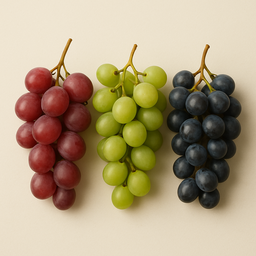 Grapes
 Resveratrol protects fragile omega-3 fatty acids
Technical: Fatty fish contains omega-3 fatty acids (EPA/DHA) with polyunsaturated double bonds that are extremely susceptible to lipid peroxidation. Red grapes contain resveratrol (0.5-1mg per 150g) and procyanidins — powerful antioxidants that neutralize free radicals before they reach the vulnerable omega-3. Resveratrol also activates SIRT1.
What does this mean for you? Serve fatty fish with a grape salad or salsa. It's no coincidence that fish and wine (grapes) form a classic combination — the polyphenols from grapes protect the valuable omega-3 fatty acids in the fish.
Mackerel 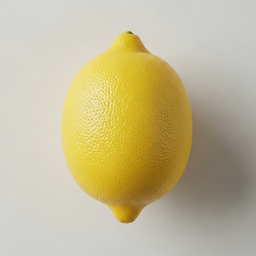 Lemon
Lemon Improves digestion of fatty fish
Technical: Mackerel is one of the fattiest fish with 2.6g omega-3 per 100g and 13.9g total fat. The citric acid in lemon works as an emulsifier — it helps break down fat droplets into smaller micelles, giving lipase enzymes a larger surface area to digest the fats. This is particularly relevant for mackerel due to its high fat content. NB: mackerel contains heme iron that is already well absorbed.
What does this mean for you? Always serve mackerel with lemon — not just for flavor but also for better fat digestion. Grilled mackerel with lemon juice is one of the most nutritious combinations: maximum omega-3 absorption with improved digestibility.
Mackerel 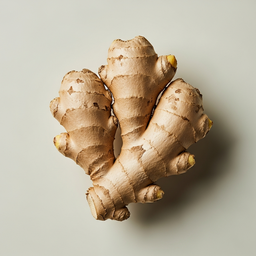 Ginger
 Ginger protects omega-3 and influences COX-2 via complementary pathway
Technical: Mackerel contains 2.6g omega-3 (EPA+DHA) per 100g that are sensitive to oxidation. Ginger contains gingerols with strong antioxidant action that protect omega-3. Both compounds influence COX-2 enzymes through complementary mechanisms.
What does this mean for you? Marinate mackerel with fresh ginger or serve with ginger rice. This is a classic Japanese combination (saba) that optimizes both flavor and bioactive compounds.
Mackerel  Turmeric
 Omega-3 fats are the perfect carrier for curcumin
Anand P et al. (2007) in Molecular Pharmaceutics showed that fat-soluble curcumin is better absorbed with fats. Mackerel contains 2.6g omega-3 per 100g.
Technical: Mackerel contains 2.6g omega-3 fatty acids (EPA+DHA) per 100g — rich fat-soluble carriers. Curcumin has a bioavailability of only 1-2% without fat carriers, as the hydrophobic molecule barely passes the intestinal wall. The omega-3 fats in mackerel form micelles that encapsulate curcumin and increase absorption by 7-8x. Additionally, omega-3 and curcumin work via complementary biochemical pathways: omega-3 via resolvins, curcumin via NF-κB modulation.
What does this mean for you? Make a yellow fish curry with mackerel, turmeric and black pepper. The fish provides the fat curcumin needs, and piperine increases absorption by another 2000%. Three bioactive compounds working via complementary pathways.
Recipes with Mackerel
Discover delicious recipes featuring mackerel:
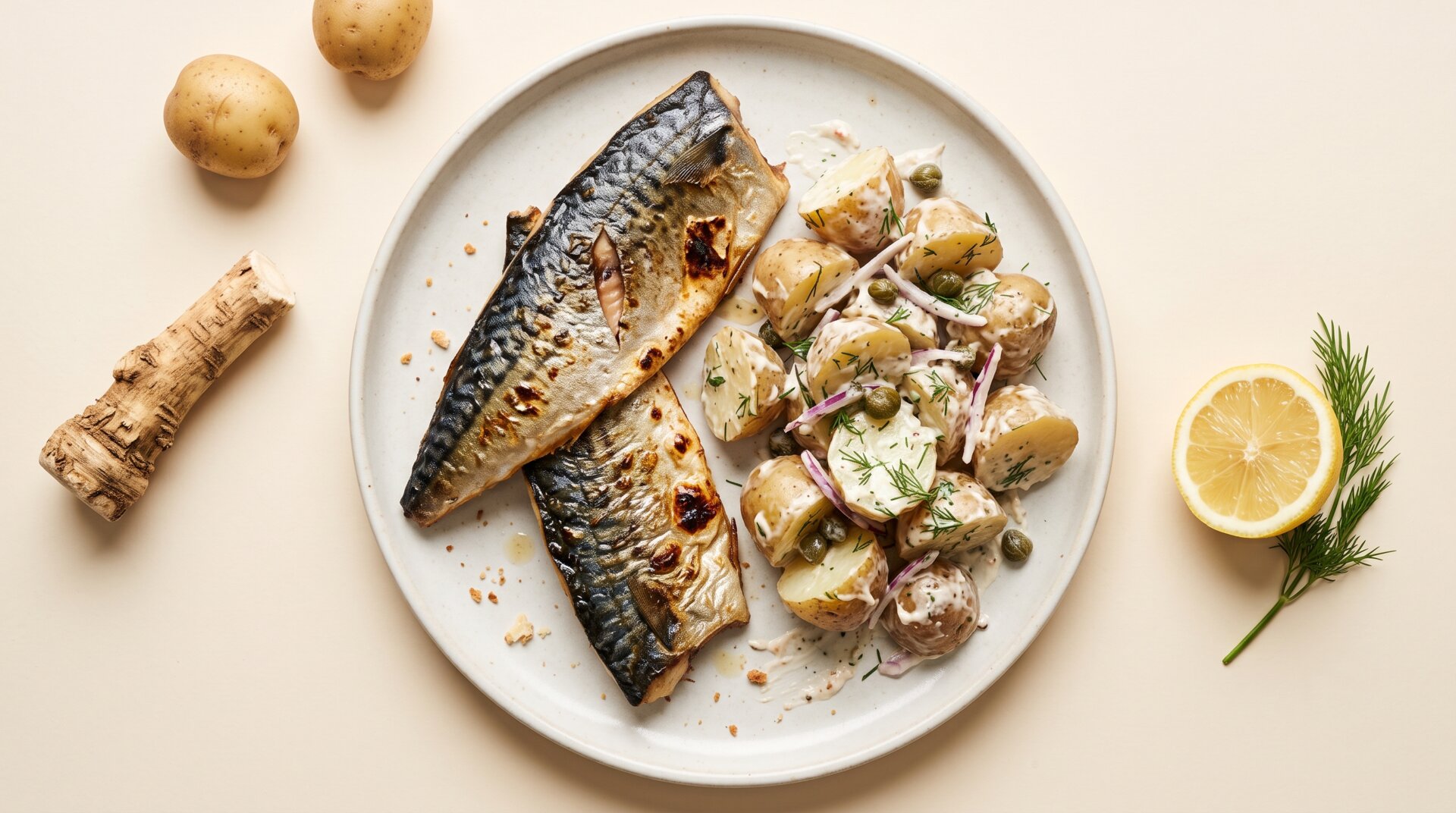 Pan-Fried Mackerel with Potato Salad and Horseradish 40 min Omega-3 rich mackerel with spicy horseradish
  667 kcal
  36g protein 2 synergies
 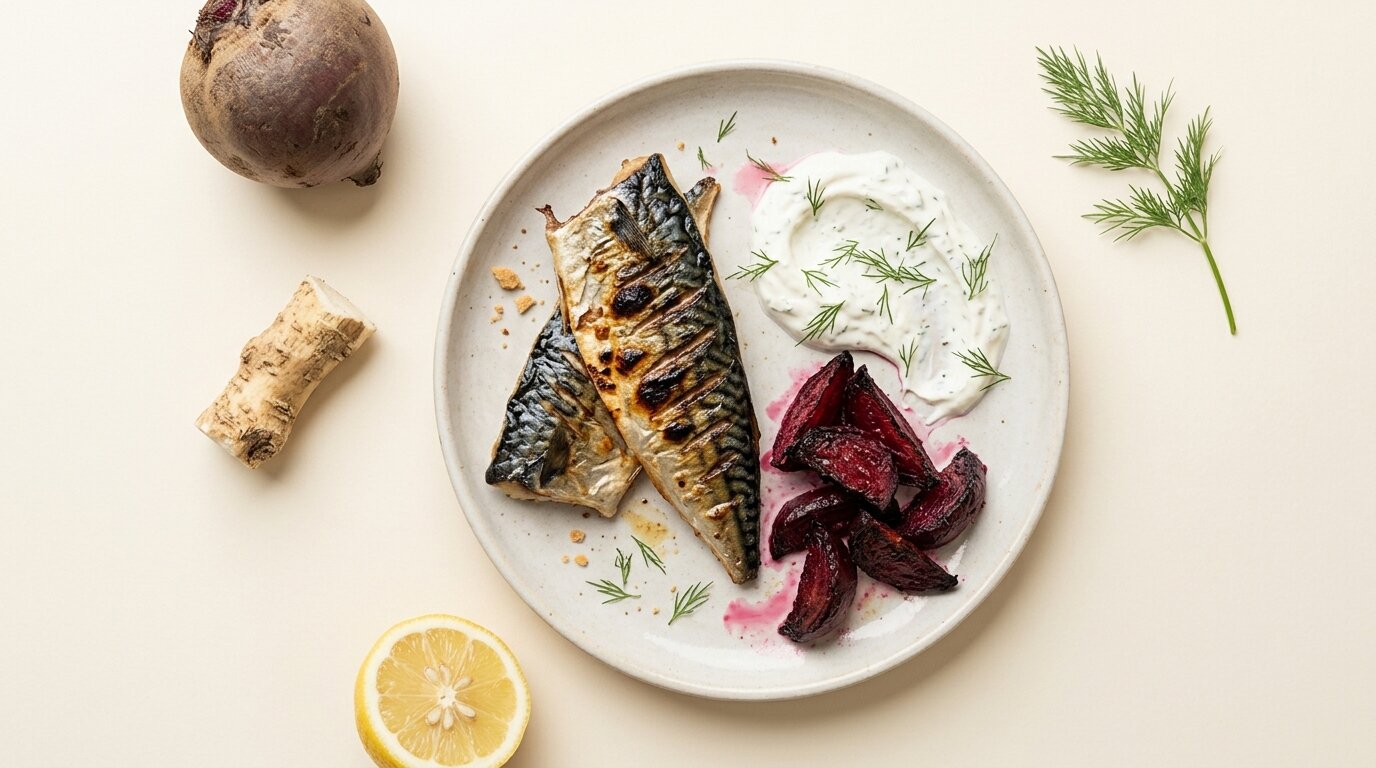 Grilled Mackerel with Beetroot and Horseradish 25 min Oily fish with earthy beetroot, fresh lemon and sharp horseradish yogurt 520 kcal 32g protein 2 synergies
 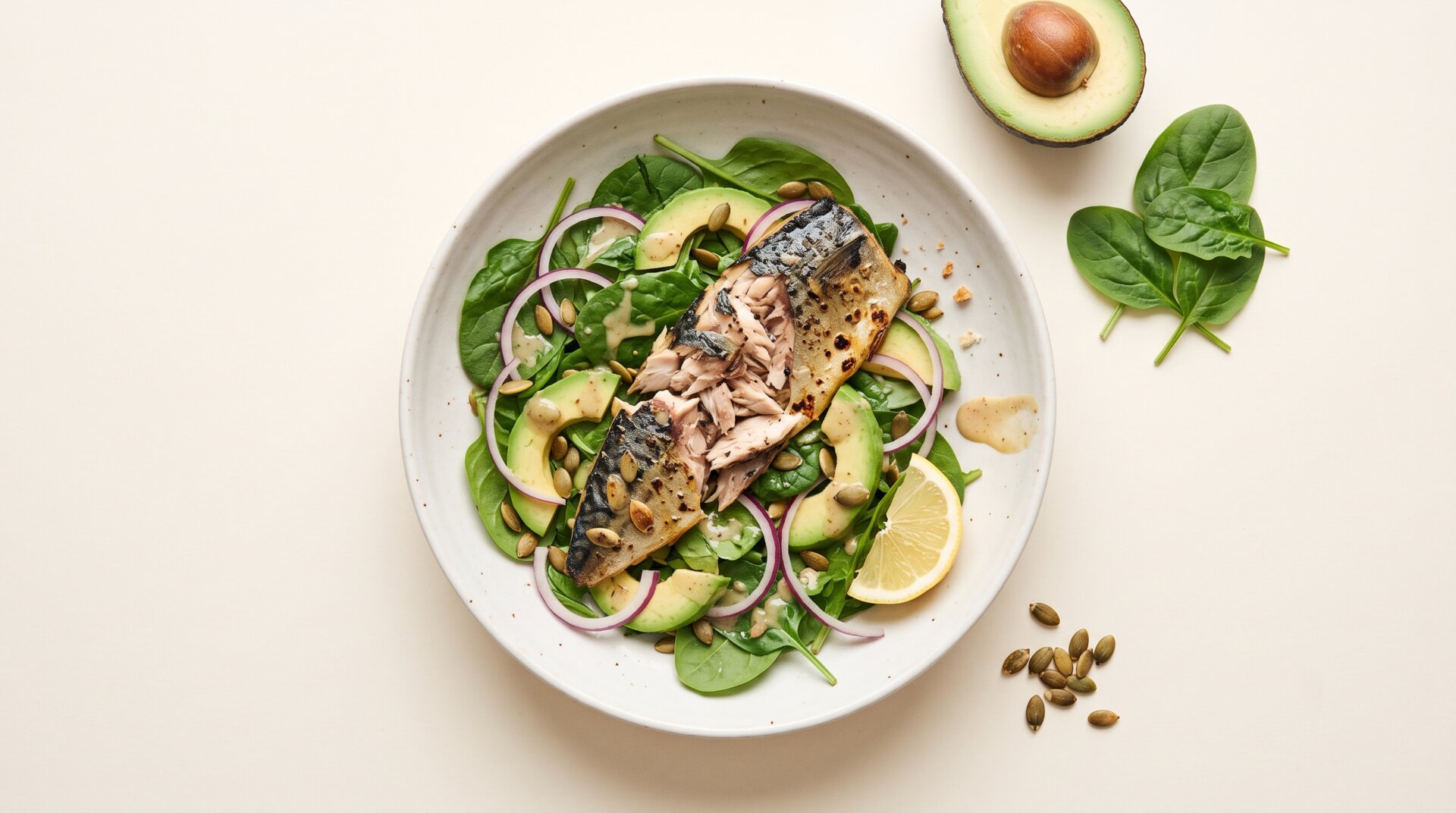 Grilled Mackerel with Spinach Avocado Salad (Keto) 25 min Keto salad with grilled mackerel, creamy avocado and toasted pumpkin seeds 560 kcal 34g protein 1 synergies
 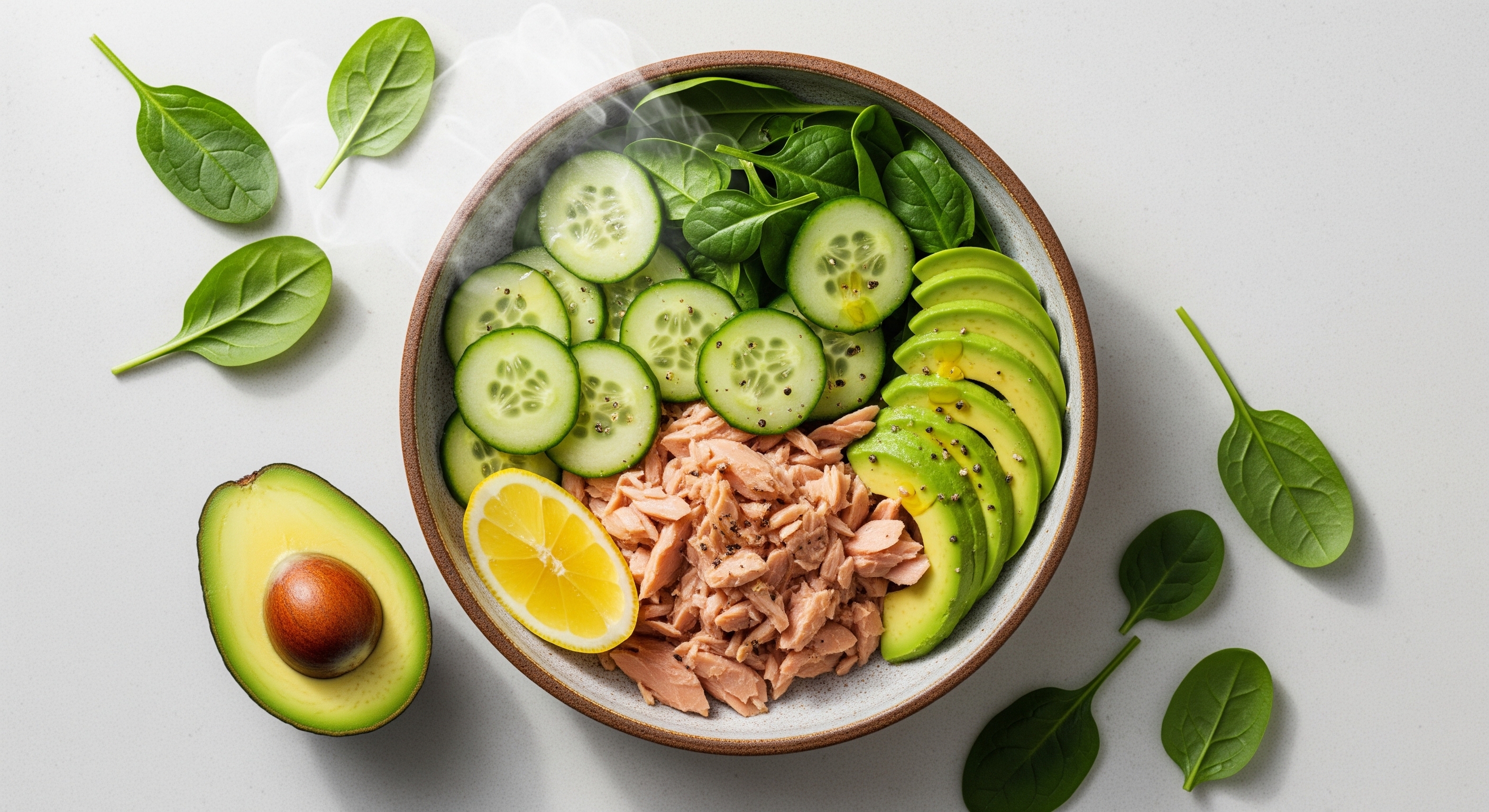 Smoked Mackerel Avocado Breakfast Board 10 min Keto breakfast board with creamy avocado, smoky fish and fresh spinach 410 kcal 24g protein 2 synergies
 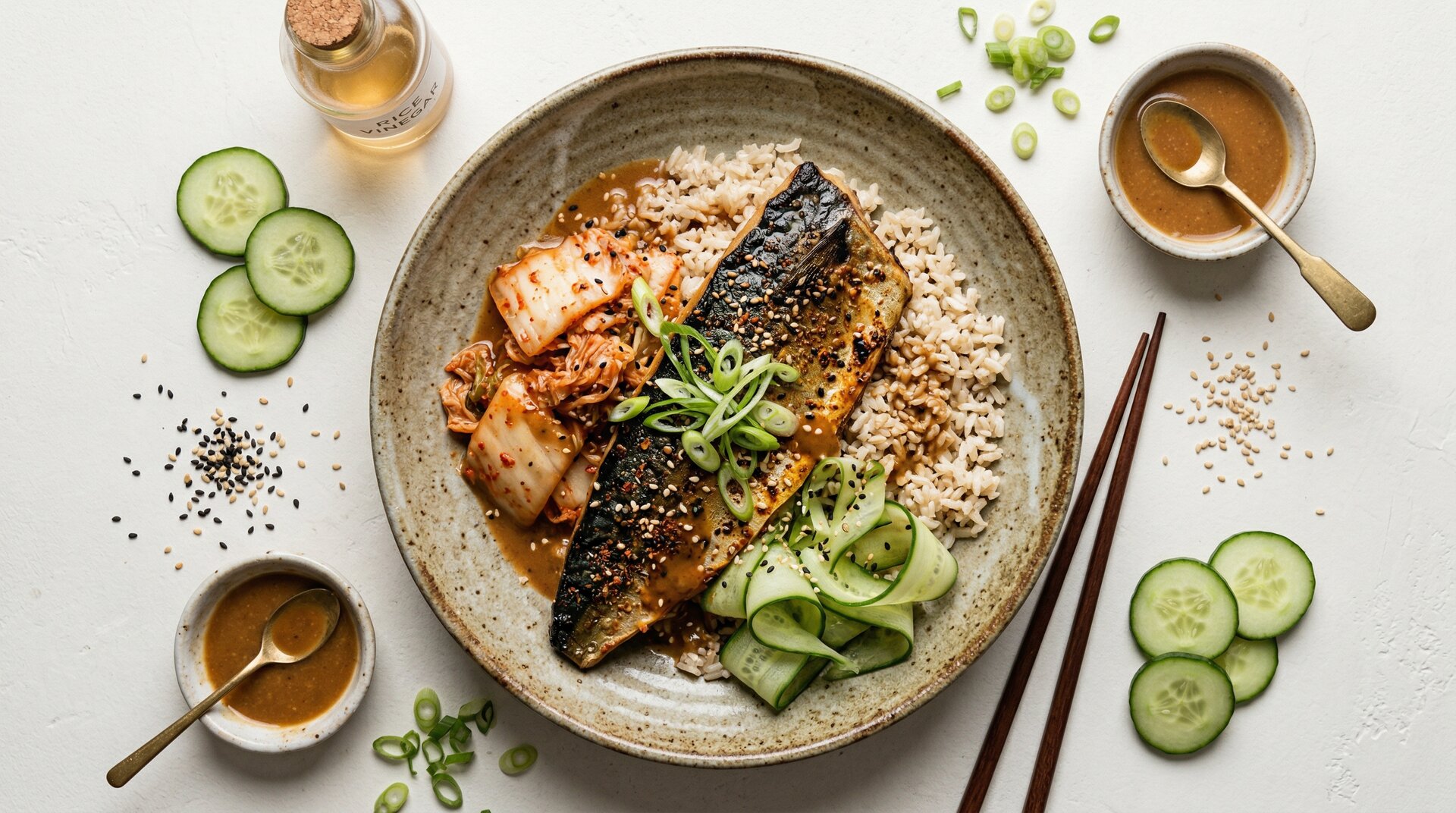 Mackerel with Kimchi and Miso Dressing 40 min Crispy pan-seared mackerel with brown rice, kimchi and creamy miso-sesame dressing 620 kcal 31g protein 2 synergies
 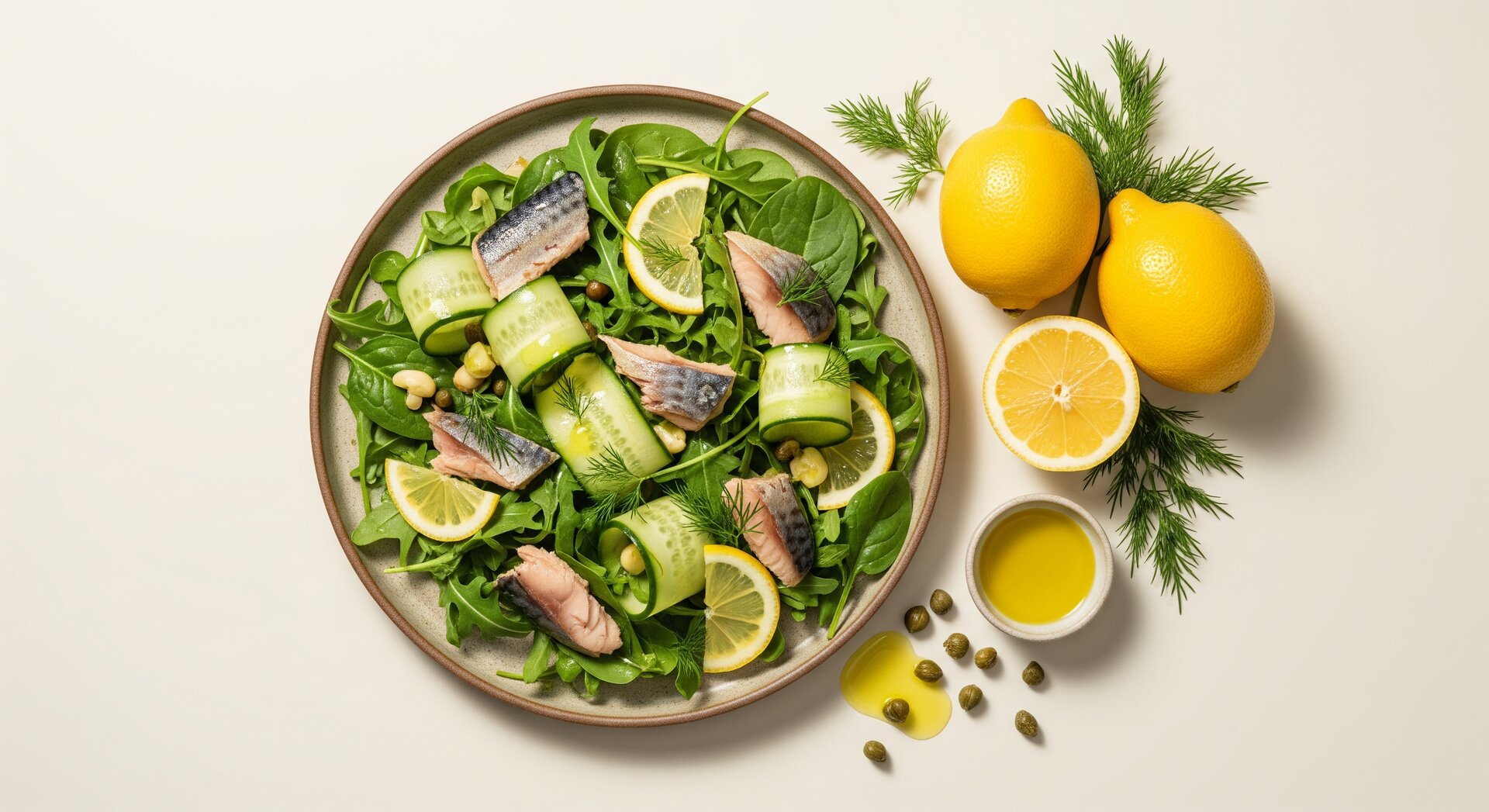 Mackerel Salad with Lemon 10 min Mediterranean salad with smoked mackerel, avocado and capers 480 kcal 24g protein 2 synergies
  In the Kitchen
Storage
Location:Refrigerator
Shelf life:1-2 dagen vers, maanden ingevroren/blik
Fresh mackerel has a very short shelf life: keep it well chilled and preferably eat it the same day, or freeze it quickly. Smoked and canned mackerel last longer, but often contain more salt.
Preparation
Grill, pan-fry or smoke mackerel briefly and carefully. Its oily flesh works well with lemon, mustard sauce, horseradish or a Japanese-style preparation with soy sauce and ginger. Do not cook it too long, as the fish becomes drier and stronger in flavor.
Conversions
Substitutes
Smart preparation
1Make shallow cross-hatch incisions in the skin before frying or grilling.
Why?
This helps the fish cook more evenly and keeps the skin neater under heat.
2Fry mackerel over high heat, usually 3-4 minutes per side depending on thickness.
3Serve mackerel with something acidic such as lemon, pickled vegetables or a fresh salad.
Why?
Acidity balances the rich, fatty flavor of mackerel.
Caution / Warnings
Mackerel is very safe, but there are scientific considerations:
Pregnancy (larger species) Moderate
Larger mackerel species, such as Spanish mackerel and king mackerel, may contain more mercury. Small Atlantic mackerel is generally viewed as a better choice within general fish intake guidance.
Advice:
During pregnancy: preferably choose small Atlantic mackerel and follow personal advice from your doctor, midwife or dietitian on portions and frequency.
Fish allergy Severe
Mackerel is fish and can cause allergic reactions in people with a known fish allergy.
Advice:
Avoid completely with fish allergy. Also watch for cross-contact in kitchens, restaurants and prepared foods.
Traditional use
Mediterranean
Mackerel in the Mediterranean
Mackerel was already processed by the ancient Romans into garum, a fermented fish sauce that was a central seasoning in Roman cuisine.
Summary
Mackerel is an affordable oily fish with plenty of EPA and DHA, 18.6 grams of protein per 100 grams and high levels of vitamin D, vitamin B12 and selenium. Its flavor is pronounced, rich and briny, so lemon, mustard, horseradish, beet and fresh herbs pair well. Prefer small Atlantic mackerel where possible and keep added salt in mind with smoked or canned versions.