- Medium
- 40 min
- 2 serv.
- 11 synergies
- Now at its best: Potato
Nutritious mackerel dish with omega-3 rich fish, a fresh potato salad and spicy horseradish. With dill, capers and red onion for a deliciously fresh and savory dish.
The mackerel skin crackles the moment it hits the hot pan — first a sizzle, then it slowly turns golden and crisp while the blue-silver flesh underneath tightens. Next to the stove sits a bowl of baby potatoes just fished from boiling water, still steaming, cut into rough half-slices that soak up dressing like a sponge. The dressing is a mix of coarse dill, salty capers, sharp red onion and a generous squeeze of lemon juice — bright and fresh against the richness of the fish. Then the horseradish: a spoonful stirred through the warm potatoes that immediately releases that typical sting, almost too sharp but exactly right. On the plate two crispy fillets beside a heap of casually beautiful salad, a lemon wedge alongside. Scandinavian in its simplicity, hearty enough for a weeknight dinner.
- 15
- min prep
- 25
- min cook
- 40
- min total
Nutritional Synergies
This recipe combines ingredients that enhance each other:
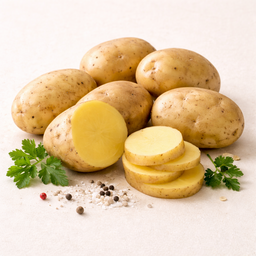 Baby potatoes
 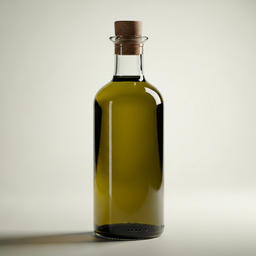 Olive oil
 Olive oil improves carotenoid absorption from yellow potatoes
Technical: Yellow potato varieties contain up to 400μg carotenoids per 100g, including lutein and violaxanthin. These are fat-soluble and only 5-10% absorbed without fat. Olive oil's oleic acid (73%) forms mixed micelles increasing absorption up to 3x.
What does this mean for you? Roast or fry potatoes in olive oil — this significantly increases carotenoid absorption. Choose yellow varieties for maximum effect.
General WellnessSkin & Hair
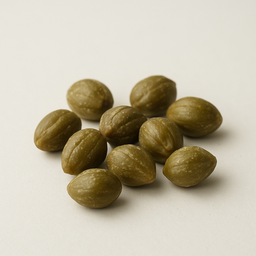 Capers
 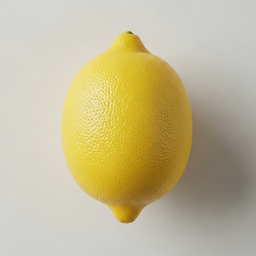 Lemon
Lemon Quercetin + vitamin C for antioxidant and capillary support
Technical: Capers contain the highest concentration of quercetin of all foods (180-230mg/100g — 10x more than onions). Quercetin is a flavonoid that inhibits LDL oxidation and stabilizes mast cells. Lemon's vitamin C regenerates oxidized quercetin back to active form. Quercetin + vitamin C work synergistically as antioxidant. The combination is the base of Mediterranean fish and salad dishes.
What does this mean for you? Capers with lemon juice over fish or salad is a top antioxidant combination in the kitchen. Capers contain 10x more quercetin than onions — a surprising source.
HeartAnti-inflammatorySkin & Hair
Capers Olive oil Fat makes quercetin from capers absorbable
Technical: Capers contain 180mg quercetin per 100g — the highest content of all foods. Quercetin is a fat-soluble flavonoid with bioactive properties. Without fat, quercetin binds to dietary fiber and is excreted undigested. Olive oil's oleic acid forms mixed micelles that increase quercetin absorption up to 200%.
What does this mean for you? Always use capers with olive oil — in pasta puttanesca, salads or fish. Without olive oil, most quercetin is lost.
Anti-inflammatoryImmune System
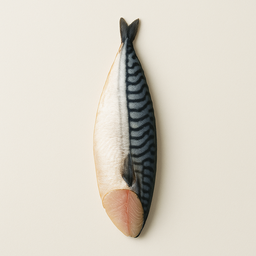 Mackerel fillets Lemon
 Improves digestion of fatty fish
Technical: Mackerel is one of the fattiest fish with 2.6g omega-3 per 100g and 13.9g total fat. The citric acid in lemon works as an emulsifier — it helps break down fat droplets into smaller micelles, giving lipase enzymes a larger surface area to digest the fats. This is particularly relevant for mackerel due to its high fat content. NB: mackerel contains heme iron that is already well absorbed.
What does this mean for you? Always serve mackerel with lemon — not just for flavor but also for better fat digestion. Grilled mackerel with lemon juice is one of the most nutritious combinations: maximum omega-3 absorption with improved digestibility.
DigestionHeart
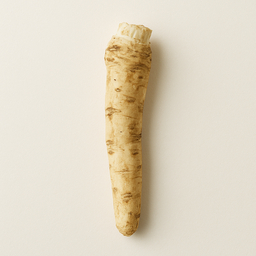 Fresh horseradish Lemon
 Isothiocyanates + vitamin C: complementary bioactive pathways
Technical: Horseradish contains sinigrin and gluconasturtiin converted to allyl and phenethyl isothiocyanates (AITC, PEITC) — bioactive sulfur compounds. Vitamin C from lemon (53mg/100g) contributes to the normal function of the immune system (EFSA-approved) and enhances neutrophil function. Together they provide bioactive sulfur and vitamin pathways.
What does this mean for you? Horseradish with lemon juice is a traditional Eastern European combination. The sharp isothiocyanates give a pungent, fresh kick while vitamin C contributes to normal immune system function.
Immune SystemDigestion
Olive oil Lemon Oleic acid + citric acid: complementary pathways for glycemic response
Technical: Lemon contains citric acid that slows gastric emptying, causing carbohydrates from the meal to be absorbed more slowly. Olive oil's fats reinforce this effect by further influencing glycemic response. Together they influence the postprandial glucose response via two complementary mechanisms. Olive oil's oleocanthal and lemon's vitamin C additionally provide complementary antioxidant action.
What does this mean for you? A simple dressing of olive oil and lemon juice over your salad is one of the smartest combinations you can make. The two mechanisms (delayed gastric emptying + fat slowing) work together to influence the glucose response after your meal.
EnergyDigestion
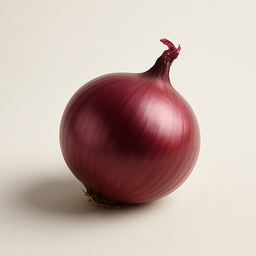 Red onion Lemon
 Vitamin C protects quercetin from oxidative degradation
Technical: Quercetin in red onion (32-65mg/100g) oxidizes rapidly when exposed to light, heat and oxygen. Ascorbic acid (vitamin C, 53mg/100g in lemon) regenerates oxidized quercetin back to its active form via electron transfer. This extends quercetin's half-life in food and in the body.
What does this mean for you? Red onion in salad with lemon dressing retains more active quercetin than without lemon. Vitamin C keeps this widely-studied flavonoid intact longer — a simple kitchen trick with scientific basis.
Anti-inflammatoryImmune System
Red onion Olive oil Fat increases bioavailability of quercetin from red onion
Technical: Red onion contains 32-65mg quercetin per 100g — the richest food source. Quercetin is poorly water-soluble (2μg/mL) but dissolves well in fats. Olive oil increases quercetin oral bioavailability by 50-70% through lipid-based lymphatic transport instead of the portal vein.
What does this mean for you? Sauté red onion in olive oil (soffritto) for maximum quercetin absorption. Oil dissolves quercetin and improves transport to your bloodstream. Caramelizing also enhances flavor.
Anti-inflammatoryHeart
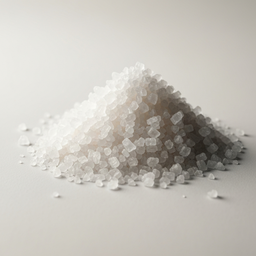 Sea salt Lemon
 Trace minerals + vitamin C for electrolytes and immune system
Technical: Unrefined sea salt contains 80+ trace elements (magnesium 0.5%, potassium 0.4%, calcium 0.1%, plus iodine, zinc, selenium in trace amounts) alongside sodium. Lemon's vitamin C improves absorption of non-heme iron and zinc from sea salt. Sodium + potassium together regulate cellular osmosis. Vitamin C is also essential for collagen synthesis where sea salt minerals serve as cofactors.
What does this mean for you? A glass of warm water with a pinch of unrefined sea salt and lemon juice in the morning is an effective hydration ritual. The minerals + vitamin C start your day with good electrolyte balance.
EnergyImmune System
Sea salt Olive oil Minerals + polyphenols for cellular balance
Technical: Sea salt's sodium is essential for the sodium-potassium pump (Na+/K+-ATPase) that regulates every body cell. Olive oil's oleuropein and hydroxytyrosol provide antioxidant protection for cell membranes. The combination supports cell integrity: sea salt regulates ion balance, olive oil protects the membrane. In Mediterranean cuisine, coarse sea salt + olive oil is the most basic flavor profile.
What does this mean for you? Freshly ground sea salt with extra virgin olive oil is the simplest and most nutritious finishing of any dish. The combination provides the basic needs of your cells: minerals for function, polyphenols for protection.
HeartGeneral Wellness
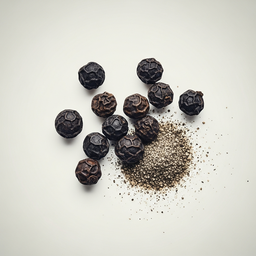 Black pepper Olive oil
 Fat increases piperine absorption and enhances polyphenols
Technical: Piperine is fat-soluble and absorbed 2-3x better with dietary fat. Olive oil's oleocanthal and piperine both modulate COX signal transduction through different mechanisms, providing additive bioactive effect.
What does this mean for you? Grind fresh pepper over salads with olive oil dressing. The combination enhances both pepper absorption and bioactive action.
Anti-inflammatoryHeartDigestion
Instructions
- 1 Boil potatoes in salted water until tender, about 15 minutes.
- 2 Let potatoes cool and cut into half slices.
Nutrition per serving
Indicative values per serving.
Timing & Suitability
Shelf life: 1 days in fridge
Tags & Diet
Allergens: Fish