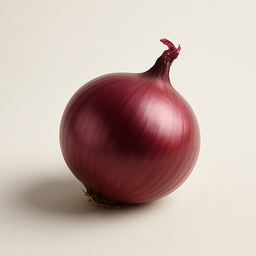
Red Onion
Antioxidant Powerhouse
What is this ingredient?
Red onion differs from white and yellow onion by its high content of anthocyanins - the same purple pigments that give blueberries their color and properties. Additionally, red onion is one of the richest sources of quercetin, a flavonoid being studied in preclinical research for interactions with histamine release and cellular signaling pathways. The outer layers contain the highest concentrations, so peel as little as possible. Eating raw preserves most nutrients.
How does it taste?
Mildly sweet and gently sharp with a fruity undertone. Softer than white onion.
Pairs well with:
Pairs well with balsamicfetaavocadotomato and parsley.
Did you know...?
- The red color of red onions comes from anthocyanins, the same pigments found in red wine.
- Onions make you cry due to a gas called syn-propanethial-S-oxide released when cutting.
Nutritional Value & Energy
Per 100g
Red Onion is low in calories thanks to natural nutrients .
Per 100g
Minerals
Vitamins
Omega-3 fatty acids
More nutrients
B-Vitamins
Trace Minerals
What's in a serving?
1 serving
Red Onion naturally contains vitamin c (12 mg per 100 g).
% of daily reference intake (DRI)
EU-approved nutrition claims
This ingredient contains nutrients for which EFSA-authorized health claims exist (at nutrient level, not ingredient-specific).
Approved health claims (EU)
Vitamin_c EU 432/2012
Vitamin C contributes to the normal function of the immune system
Contains 12mg/100g (threshold: ≥12mg/100g)
Vitamin_c EU 432/2012
Vitamin C contributes to the reduction of tiredness and fatigue
Contains 12mg/100g (threshold: ≥12mg/100g)
Vitamin_c EU 432/2012
Vitamin C contributes to normal collagen formation for the normal function of skin
Contains 12mg/100g (threshold: ≥12mg/100g)
Vitamin_c EU 432/2012
Vitamin C contributes to normal collagen formation for the normal function of blood vessels
Contains 12mg/100g (threshold: ≥12mg/100g)
Vitamin_c EU 432/2012
Vitamin C contributes to normal collagen formation for the normal function of bones
Contains 12mg/100g (threshold: ≥12mg/100g)
Vitamin_c EU 432/2012
Vitamin C contributes to normal collagen formation for the normal function of cartilage
Contains 12mg/100g (threshold: ≥12mg/100g)
Vitamin_c EU 432/2012
Vitamin C contributes to normal collagen formation for the normal function of gums
Contains 12mg/100g (threshold: ≥12mg/100g)
Vitamin_c EU 432/2012
Vitamin C contributes to normal collagen formation for the normal function of teeth
Contains 12mg/100g (threshold: ≥12mg/100g)
Vitamin_c EU 432/2012
Vitamin C contributes to normal energy-yielding metabolism
Contains 12mg/100g (threshold: ≥12mg/100g)
Vitamin_c EU 432/2012
Vitamin C contributes to normal functioning of the nervous system
Contains 12mg/100g (threshold: ≥12mg/100g)
Vitamin_c EU 432/2012
Vitamin C contributes to normal psychological function
Contains 12mg/100g (threshold: ≥12mg/100g)
Vitamin_c EU 432/2012
Vitamin C contributes to the protection of cells from oxidative stress
Contains 12mg/100g (threshold: ≥12mg/100g)
Vitamin_c EU 432/2012
Vitamin C contributes to the regeneration of the reduced form of vitamin E
Contains 12mg/100g (threshold: ≥12mg/100g)
Vitamin_c EU 432/2012
Vitamin C increases iron absorption
Contains 12mg/100g (threshold: ≥12mg/100g)
Vitamin_c EU 432/2012
Vitamin C contributes to maintain the normal function of the immune system during and after intense physical exercise
Contains 12mg/100g (threshold: ≥12mg/100g)
What's being researched?
Quercetin and antioxidant research
Red onions are a rich source of quercetin being studied for antioxidant activity. Studies show higher flavonoid concentrations than white onions, but dietary bioavailability is still being investigated.
Supported by: [3] Sidhu JS (2019) , [2] Wallace TC (2016)
Anthocyanins and vascular health
Anthocyanins in red onion are being studied for potential vascular protective effects. Epidemiological studies show associations between flavonoid-rich diets and cardiovascular outcomes.
Supported by: [2] Wallace TC (2016)
Good Combinations (Synergy)
Combine red onion smartly to enhance the effect:
Red Onion 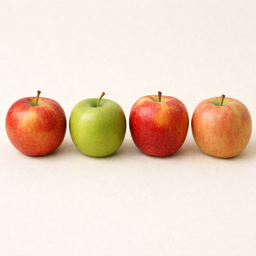 Apple
Apple Double quercetin source through red onion and apple combination
Technical: Red onion is the richest food source of quercetin (32-65mg/100g). Apples contain 4-13mg quercetin per 100g, mainly as quercetin-3-O-galactoside in the skin. The combined dose delivers a high concentration of quercetin — a flavonoid studied in scientific research regarding histamine release from mast cells.
What does this mean for you? Red onion in an apple salad delivers an extra high dose of quercetin. Quercetin is a well-studied flavonoid. Eat the apple peel too, that's where most quercetin is.
Red Onion 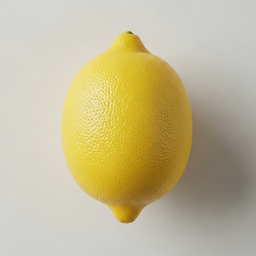 Lemon
Lemon Vitamin C protects quercetin from oxidative degradation
Technical: Quercetin in red onion (32-65mg/100g) oxidizes rapidly when exposed to light, heat and oxygen. Ascorbic acid (vitamin C, 53mg/100g in lemon) regenerates oxidized quercetin back to its active form via electron transfer. This extends quercetin's half-life in food and in the body.
What does this mean for you? Red onion in salad with lemon dressing retains more active quercetin than without lemon. Vitamin C keeps this widely-studied flavonoid intact longer — a simple kitchen trick with scientific basis.
Red Onion 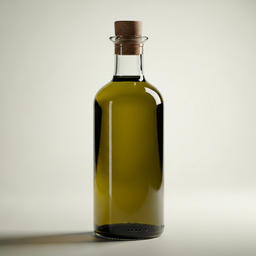 Olive Oil
 Fat increases bioavailability of quercetin from red onion
Technical: Red onion contains 32-65mg quercetin per 100g — the richest food source. Quercetin is poorly water-soluble (2μg/mL) but dissolves well in fats. Olive oil increases quercetin oral bioavailability by 50-70% through lipid-based lymphatic transport instead of the portal vein.
What does this mean for you? Sauté red onion in olive oil (soffritto) for maximum quercetin absorption. Oil dissolves quercetin and improves transport to your bloodstream. Caramelizing also enhances flavor.
Recipes with Red Onion
Discover delicious recipes featuring red onion:
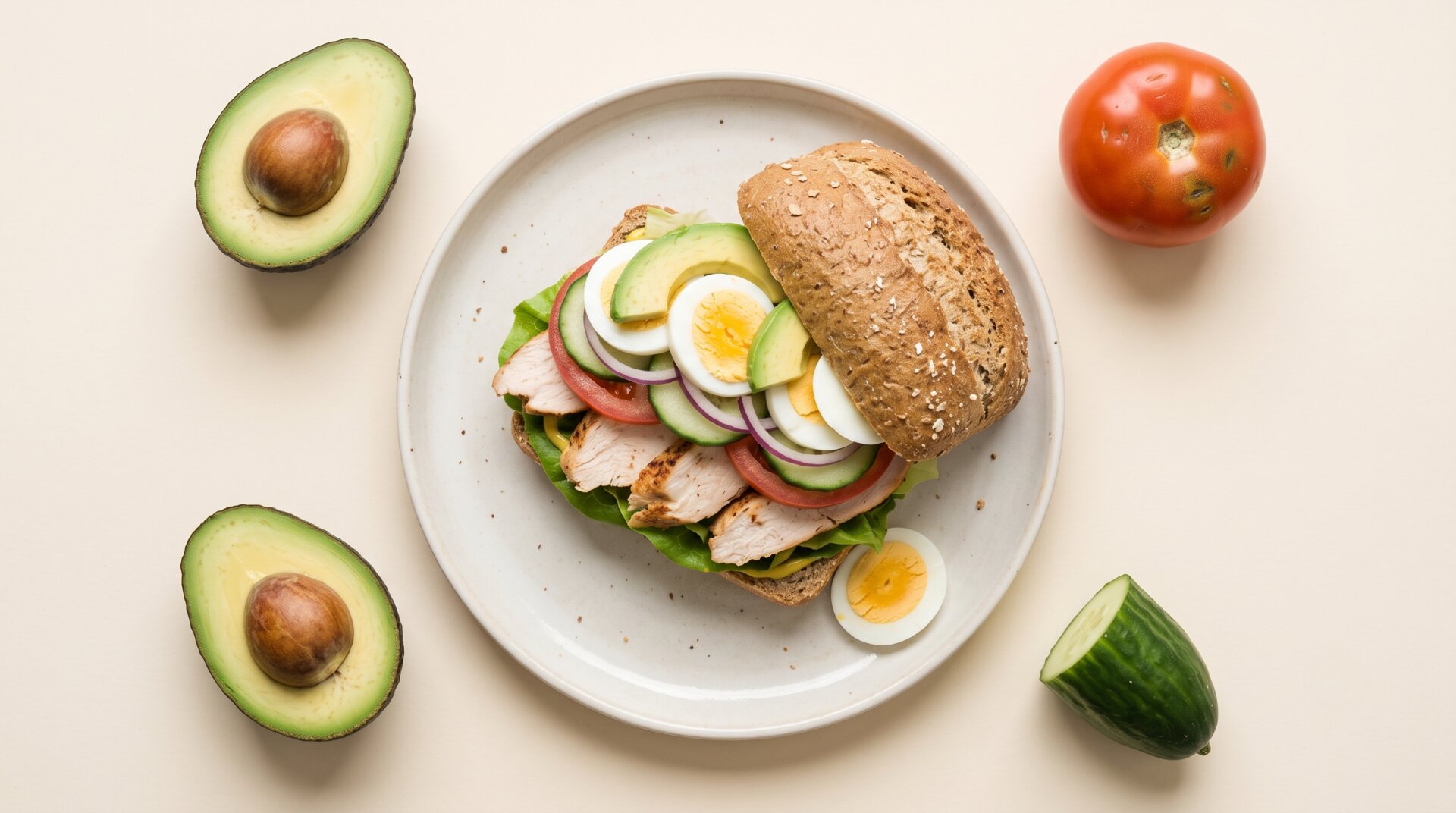 Deluxe Healthy Sandwich with Chicken and Avocado 30 min Dutch healthy sandwich with chicken, avocado and egg
  764 kcal
  54g protein 2 synergies
 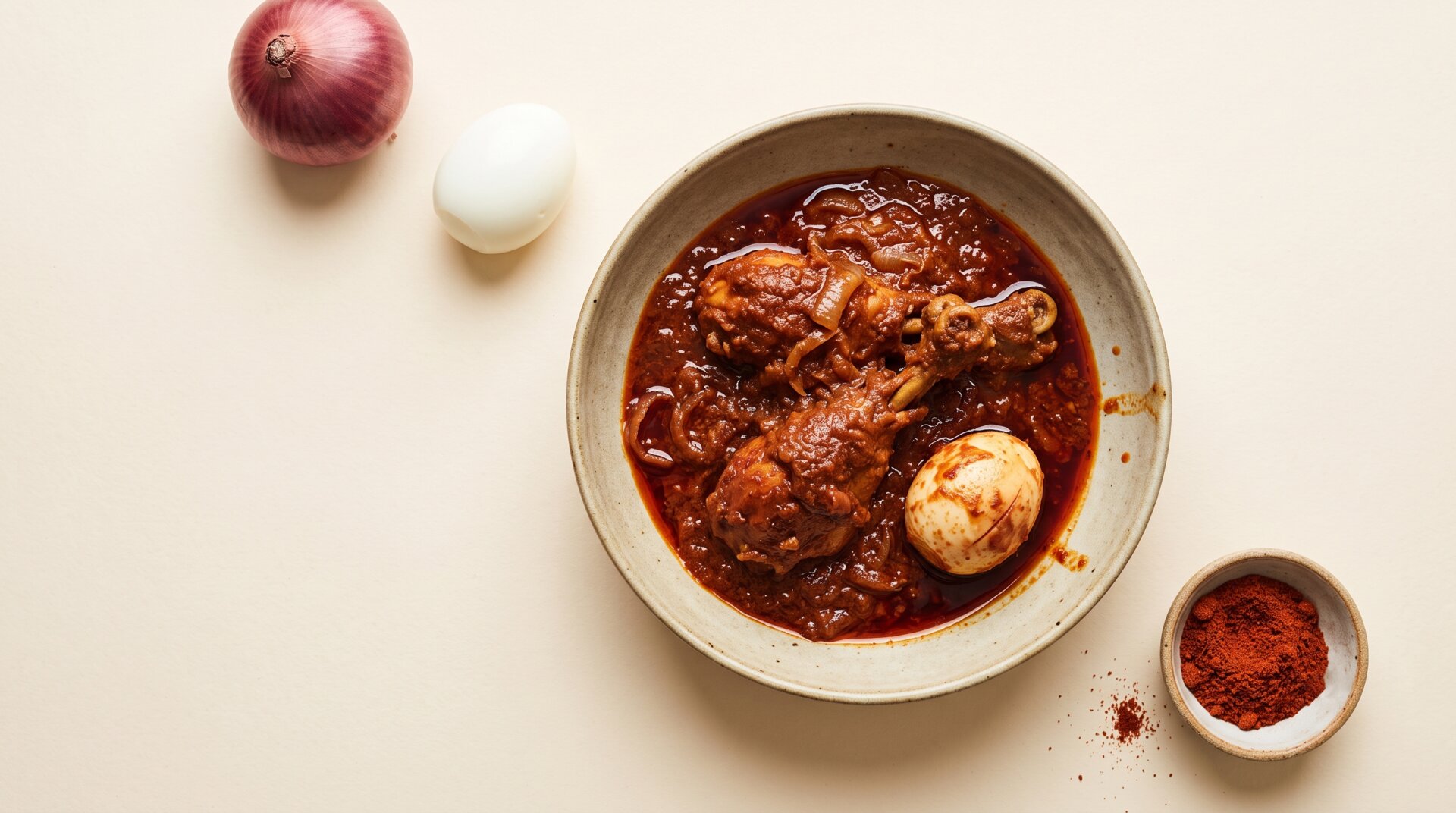 Ethiopian Doro Wat 105 min Spicy chicken stew with berbere spices and hard-boiled eggs 480 kcal 42g protein 2 synergies
 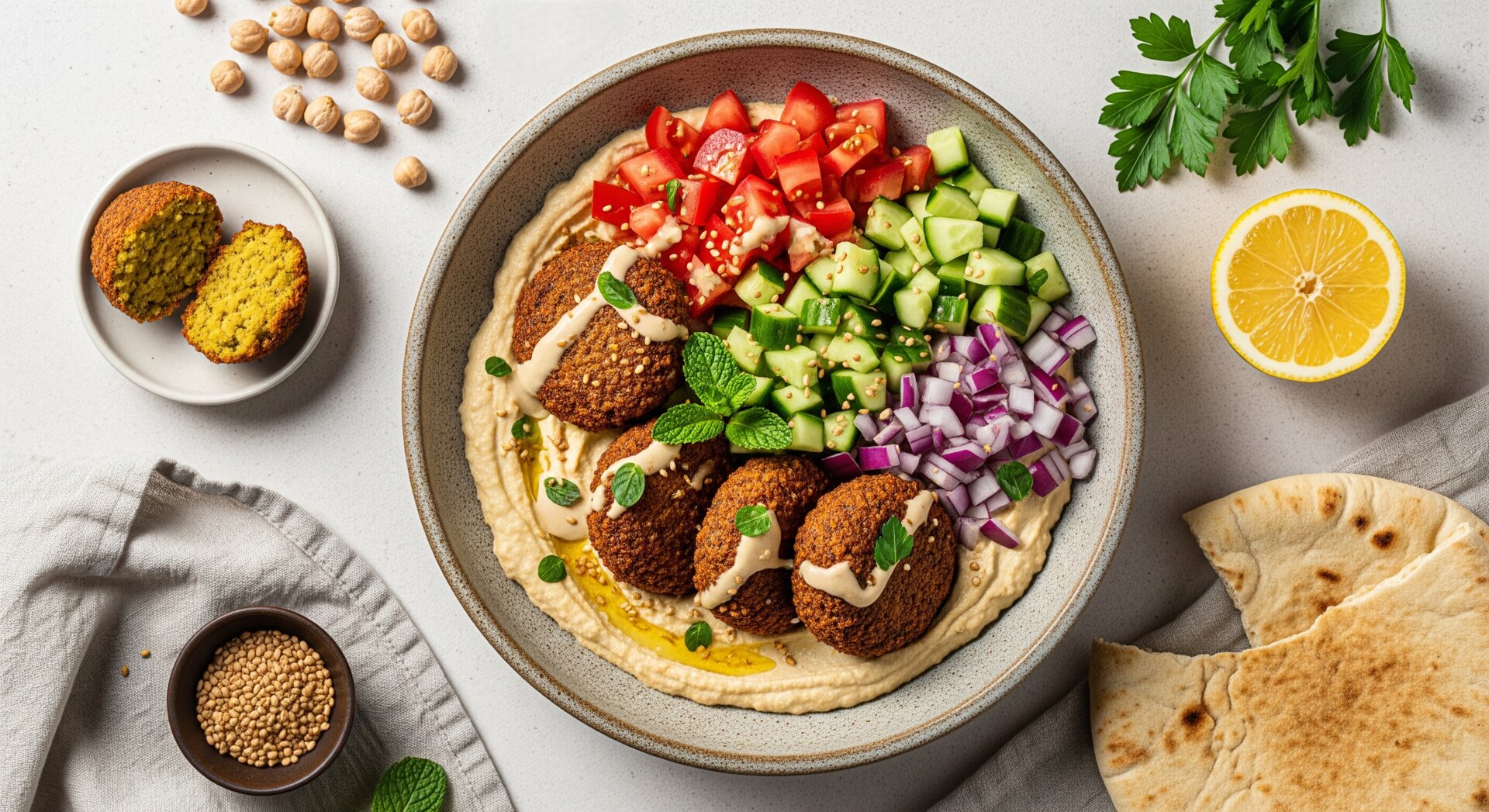 Falafel Bowl with Hummus and Crunchy Vegetables 35 min Middle Eastern bowl with warm spices 520 kcal 18g protein 2 synergies
 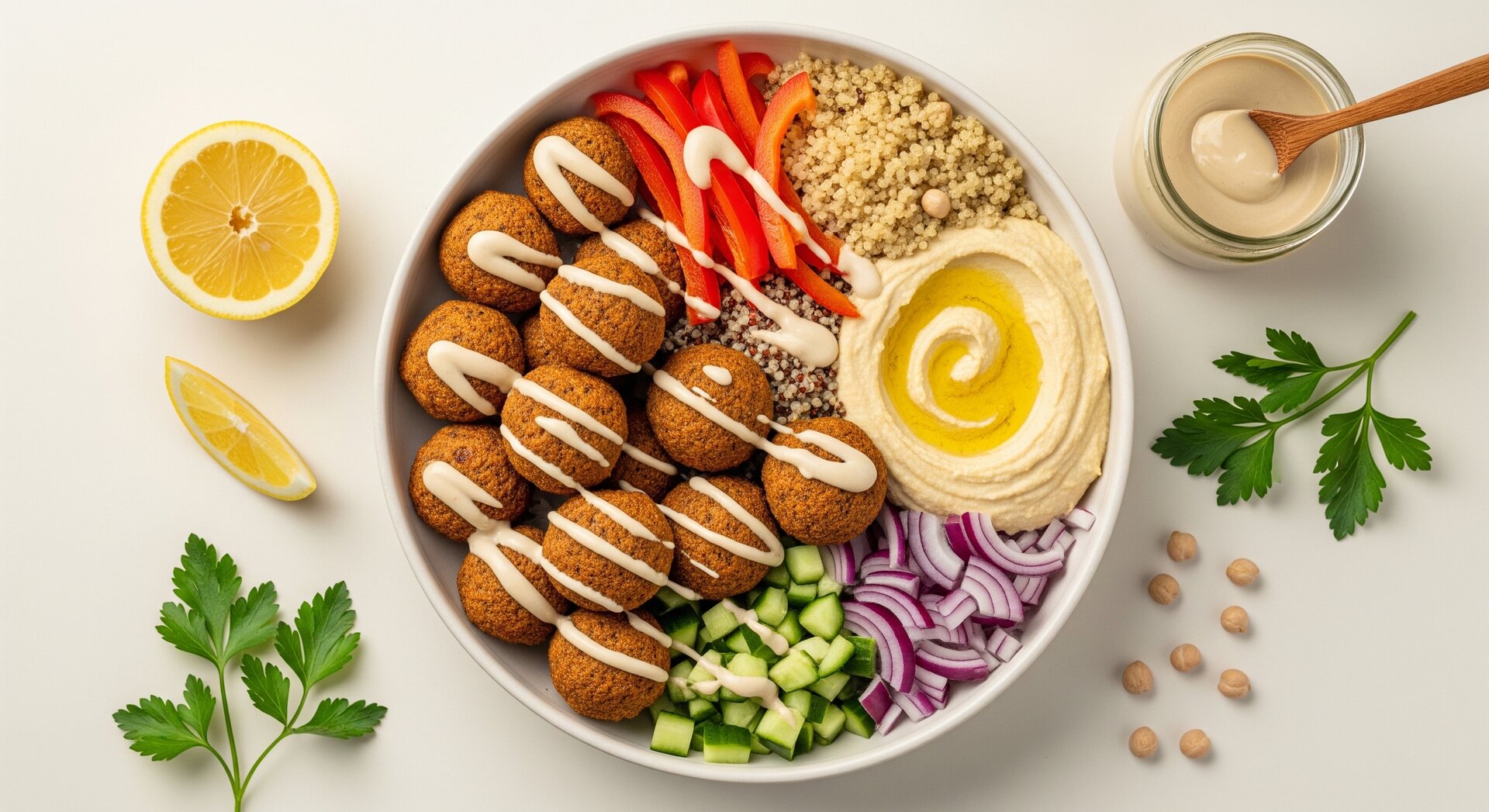 Falafel Bowl with Hummus and Tahini Dressing 25 min Mediterranean bowl with warm and fresh layers 946 kcal 32g protein 2 synergies
 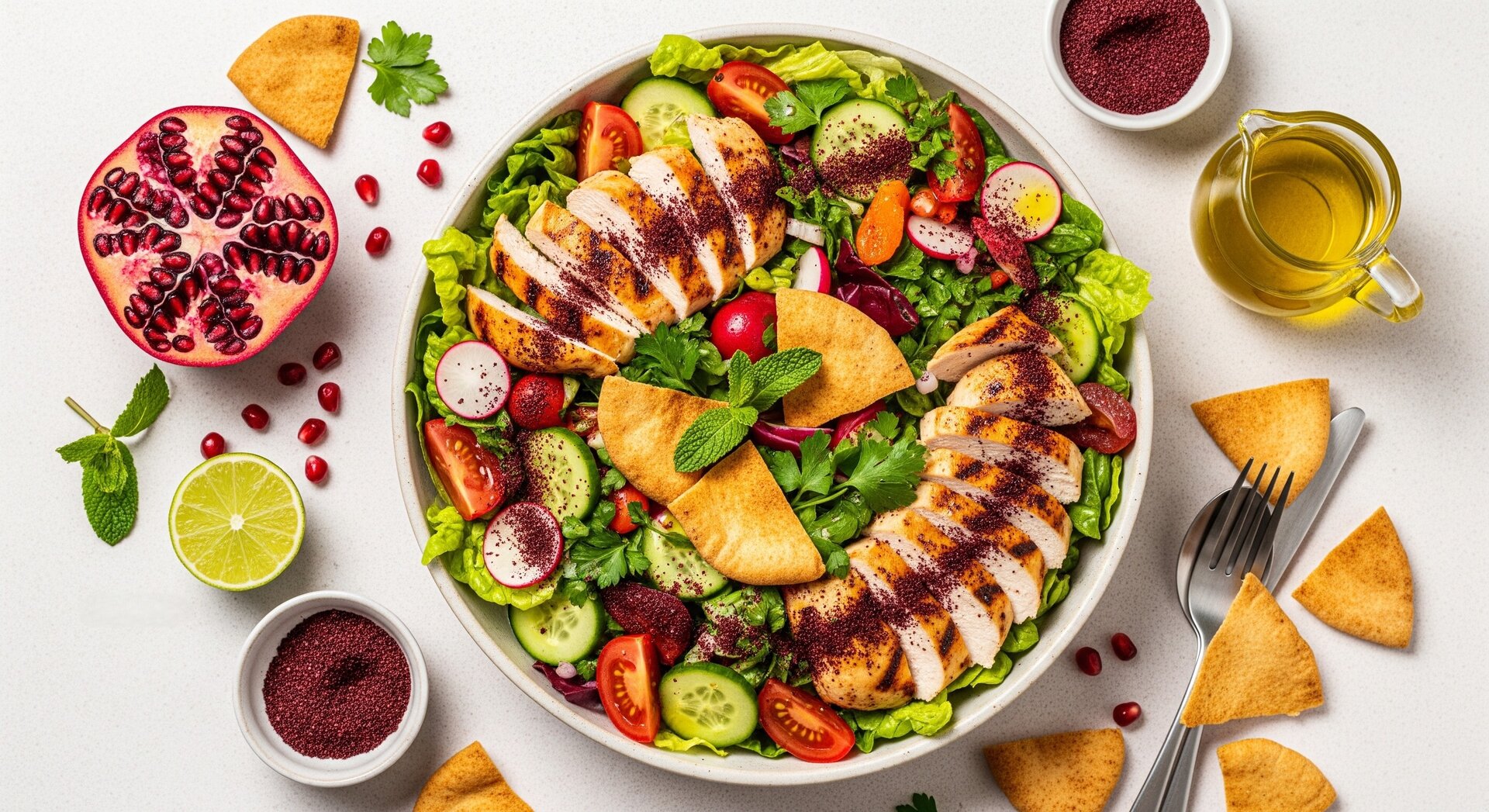 Fattoush Salad with Grilled Chicken and Sumac 35 min Lebanese bread salad with grilled chicken, radish and sumac dressing 660 kcal 48g protein 1 synergies
 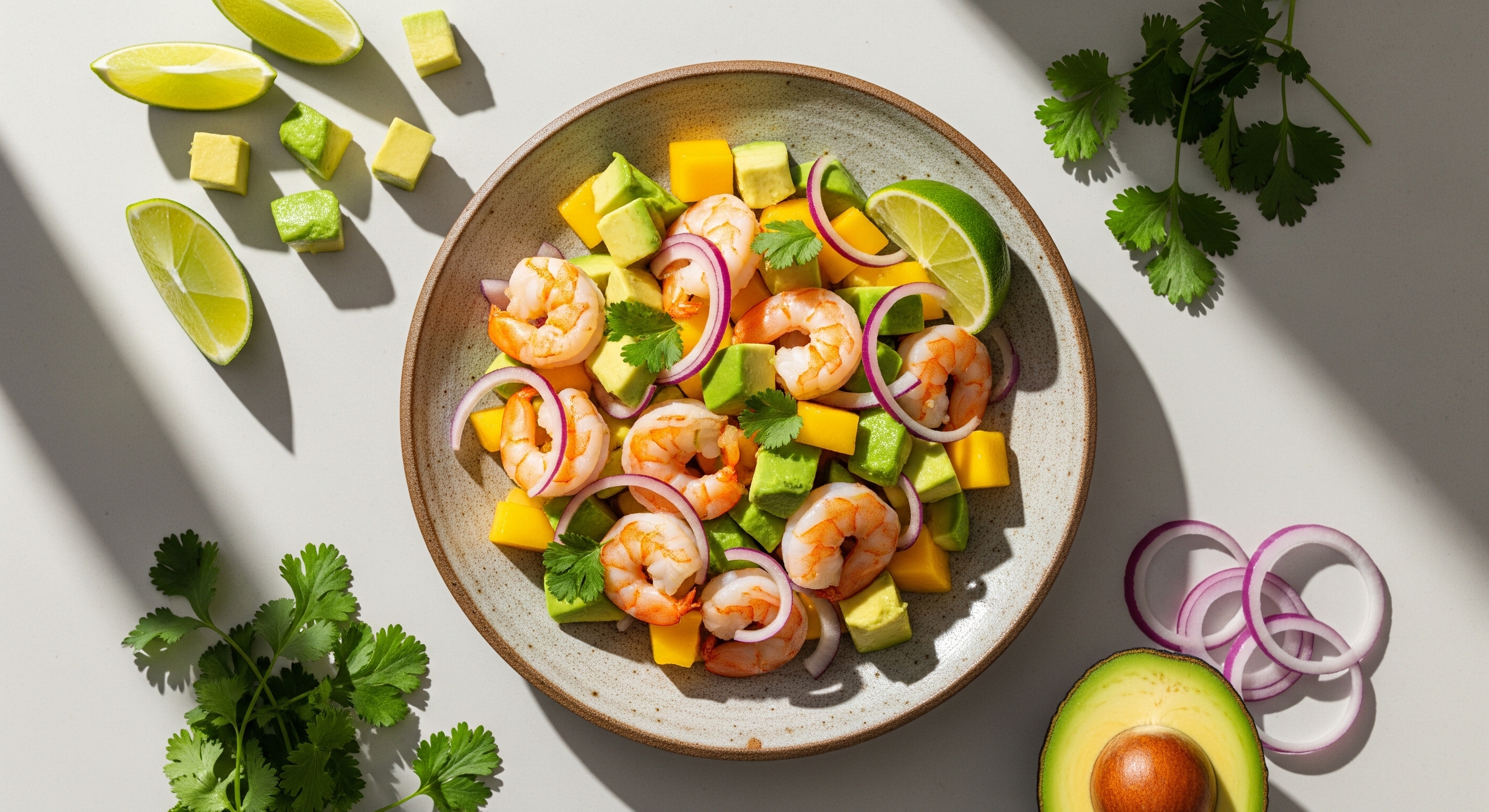 Shrimp Avocado Mango Salad with Lime 20 min Tropical salad with pan-fried shrimp, creamy avocado and sweet mango 520 kcal 28g protein 2 synergies
  In the Kitchen
Storage
Location:Pantry
Shelf life:2-3 maanden (heel), 1 week (aangesneden)
Store whole in a cool, dry, dark place. Cut onion in a sealed container in the refrigerator.
Preparation
Raw for maximum nutritional value. Brief frying preserves more quercetin than long cooking. Caramelize for sweeter taste.
Conversions
Substitutes
Smart preparation
1Marinate red onion in vinegar or lemon juice to reduce sharpness.
Why?
The acid breaks down the pungent sulfur compounds.
2Cut red onion in thin rings for salads; the color is decorative.
3Use red onion raw or briefly fried; long cooking fades the color.
Caution / Warnings
Red Onion is very safe, but there are scientific considerations:
Acid Reflux Mild
Raw onion can cause heartburn or reflux in some people
Advice:
With sensitive stomach: eat cooked instead of raw
Irritable Bowel Syndrome (IBS) Moderate
Onion contains FODMAPs (fructans) that can worsen symptoms in IBS
Advice:
With IBS: limit amount or use the green part of spring onion as alternative
Traditional use
Ayurveda
Ayurvedic warming agent
In Ayurveda, onion is considered a warming, Kapha-reducing food. Onion juice was traditionally applied to insect bites and for earaches.
Mediterranean
Egyptian sacred food
In ancient Egypt, onions were revered because their concentric rings symbolized eternal life. They were placed in pharaohs' tombs as burial gifts.
Summary
Red onion is an antioxidant champion with double power: anthocyanins (purple pigments) AND quercetin (a bioactive flavonoid being studied in research). Together they form a distinctive combination in this vegetable. Preferably eat raw in salads for maximum nutritional value - the outer layers contain the most antioxidants. Milder taste than white onion.