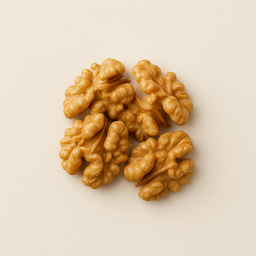
Walnuts
Rich tree nut with plant-based omega-3 (ALA)
What is this ingredient?
Walnuts (Juglans regia) are the edible seeds from the hard, woody shell of the walnut tree. They have been eaten for thousands of years; archaeological findings point to use around 7000 BCE in regions around Central Asia and Persia. Their folded shape resembles two brain hemispheres, which gave walnuts a strong symbolic place in many cultures.
Nutritionally, walnuts stand out for their high fat content and for alpha-linolenic acid (ALA), a plant-based omega-3 fatty acid that is clearly present in walnuts. They also provide fiber, magnesium, zinc, folate and polyphenols. The flavor is rich, earthy and slightly tannic; the brown skin adds a subtle bitterness that pairs well with honey, pear, blue cheese, beet, oatmeal and dark chocolate.
Because walnuts contain many polyunsaturated fats, they are more sensitive to oxidation than many other nuts. Store them airtight and cool, especially after opening or once shelled. A rancid smell reminiscent of paint, cardboard or fish is a sign that quality has declined. Raw walnuts stay soft and oily; brief toasting gives more aroma and a gentler bitterness.
How does it taste?
Slightly bitter, earthy and tannic with a rich, complex nut flavor.
Pairs well with:
Pairs well with gorgonzolahoneypearbeet and arugula.
Did you know...?
- Walnuts are among the oldest cultivated tree nuts and were eaten in Persia around 7,000 BCE.
- The Romans called walnuts ‘Juglans’, often explained as ‘Jupiter’s acorn’, a reference to the supreme god.
Nutritional Value & Energy
Per 100g
Walnuts provides energy thanks to natural nutrients , buffered by fiber.
Per 100g
Minerals
Vitamins
Omega-3 fatty acids
More nutrients
B-Vitamins
Trace Minerals
What's in a serving?
1 handful
Walnuts naturally contain iron (2.91 mg per 100 g).
Walnuts naturally contain zinc (3.09 mg per 100 g).
Walnuts naturally contain magnesium (158 mg per 100 g).
Walnuts naturally contain potassium (441 mg per 100 g).
Walnuts naturally contain folate (98 mcg per 100 g).
% of daily reference intake (DRI)
EU-approved nutrition claims
This ingredient contains nutrients for which EFSA-authorized health claims exist (at nutrient level, not ingredient-specific).
Approved health claims (EU)
Magnesium EU 432/2012
Magnesium contributes to normal muscle function
Contains 158mg/100g (threshold: ≥56.25mg/100g)
Magnesium EU 432/2012
Magnesium contributes to the reduction of tiredness and fatigue
Contains 158mg/100g (threshold: ≥56.25mg/100g)
Magnesium EU 432/2012
Magnesium contributes to normal functioning of the nervous system
Contains 158mg/100g (threshold: ≥56.25mg/100g)
Zinc EU 432/2012
Zinc contributes to the normal function of the immune system
Contains 3.09mg/100g (threshold: ≥1.5mg/100g)
Zinc EU 432/2012
Zinc contributes to the maintenance of normal skin
Contains 3.09mg/100g (threshold: ≥1.5mg/100g)
Iron EU 432/2012
Iron contributes to normal energy-yielding metabolism
Contains 2.91mg/100g (threshold: ≥2.1mg/100g)
Iron EU 432/2012
Iron contributes to the reduction of tiredness and fatigue
Contains 2.91mg/100g (threshold: ≥2.1mg/100g)
Potassium EU 432/2012
Potassium contributes to the maintenance of normal blood pressure
Contains 441mg/100g (threshold: ≥300mg/100g)
Folate EU 432/2012
Folate contributes to normal blood formation
Contains 98mcg/100g (threshold: ≥30mcg/100g)
Folate EU 432/2012
Folate contributes to normal amino acid synthesis
Contains 98mcg/100g (threshold: ≥30mcg/100g)
Folate EU 432/2012
Folate contributes to normal homocysteine metabolism
Contains 98mcg/100g (threshold: ≥30mcg/100g)
Folate EU 432/2012
Folate contributes to normal psychological function
Contains 98mcg/100g (threshold: ≥30mcg/100g)
Folate EU 432/2012
Folate contributes to the normal function of the immune system
Contains 98mcg/100g (threshold: ≥30mcg/100g)
Folate EU 432/2012
Folate has a role in the process of cell division
Contains 98mcg/100g (threshold: ≥30mcg/100g)
Folate EU 432/2012
Folate contributes to maternal tissue growth during pregnancy
Contains 98mcg/100g (threshold: ≥30mcg/100g)
Magnesium EU 432/2012
Magnesium contributes to normal energy-yielding metabolism
Contains 158mg/100g (threshold: ≥56.25mg/100g)
Magnesium EU 432/2012
Magnesium contributes to electrolyte balance
Contains 158mg/100g (threshold: ≥56.25mg/100g)
Magnesium EU 432/2012
Magnesium contributes to normal protein synthesis
Contains 158mg/100g (threshold: ≥56.25mg/100g)
Magnesium EU 432/2012
Magnesium contributes to normal psychological function
Contains 158mg/100g (threshold: ≥56.25mg/100g)
Magnesium EU 432/2012
Magnesium contributes to the maintenance of normal bones
Contains 158mg/100g (threshold: ≥56.25mg/100g)
Magnesium EU 432/2012
Magnesium contributes to the maintenance of normal teeth
Contains 158mg/100g (threshold: ≥56.25mg/100g)
Magnesium EU 432/2012
Magnesium has a role in the process of cell division
Contains 158mg/100g (threshold: ≥56.25mg/100g)
Iron EU 432/2012
Iron contributes to normal cognitive function
Contains 2.91mg/100g (threshold: ≥2.1mg/100g)
Iron EU 432/2012
Iron contributes to normal formation of red blood cells and haemoglobin
Contains 2.91mg/100g (threshold: ≥2.1mg/100g)
Iron EU 432/2012
Iron contributes to normal oxygen transport in the body
Contains 2.91mg/100g (threshold: ≥2.1mg/100g)
Iron EU 432/2012
Iron contributes to the normal function of the immune system
Contains 2.91mg/100g (threshold: ≥2.1mg/100g)
Iron EU 432/2012
Iron has a role in the process of cell division
Contains 2.91mg/100g (threshold: ≥2.1mg/100g)
Zinc EU 432/2012
Zinc contributes to normal acid-base metabolism
Contains 3.09mg/100g (threshold: ≥1.5mg/100g)
Zinc EU 432/2012
Zinc contributes to normal carbohydrate metabolism
Contains 3.09mg/100g (threshold: ≥1.5mg/100g)
Zinc EU 432/2012
Zinc contributes to normal cognitive function
Contains 3.09mg/100g (threshold: ≥1.5mg/100g)
Zinc EU 432/2012
Zinc contributes to normal DNA synthesis
Contains 3.09mg/100g (threshold: ≥1.5mg/100g)
Zinc EU 432/2012
Zinc contributes to normal fertility and reproduction
Contains 3.09mg/100g (threshold: ≥1.5mg/100g)
Zinc EU 432/2012
Zinc contributes to normal macronutrient metabolism
Contains 3.09mg/100g (threshold: ≥1.5mg/100g)
Zinc EU 432/2012
Zinc contributes to normal metabolism of fatty acids
Contains 3.09mg/100g (threshold: ≥1.5mg/100g)
Zinc EU 432/2012
Zinc contributes to normal metabolism of vitamin A
Contains 3.09mg/100g (threshold: ≥1.5mg/100g)
Zinc EU 432/2012
Zinc contributes to normal protein synthesis
Contains 3.09mg/100g (threshold: ≥1.5mg/100g)
Zinc EU 432/2012
Zinc contributes to the maintenance of normal bones
Contains 3.09mg/100g (threshold: ≥1.5mg/100g)
Zinc EU 432/2012
Zinc contributes to the maintenance of normal hair
Contains 3.09mg/100g (threshold: ≥1.5mg/100g)
Zinc EU 432/2012
Zinc contributes to the maintenance of normal nails
Contains 3.09mg/100g (threshold: ≥1.5mg/100g)
Zinc EU 432/2012
Zinc contributes to the maintenance of normal testosterone levels in the blood
Contains 3.09mg/100g (threshold: ≥1.5mg/100g)
Zinc EU 432/2012
Zinc contributes to the maintenance of normal vision
Contains 3.09mg/100g (threshold: ≥1.5mg/100g)
Zinc EU 432/2012
Zinc contributes to the protection of cells from oxidative stress
Contains 3.09mg/100g (threshold: ≥1.5mg/100g)
Zinc EU 432/2012
Zinc has a role in the process of cell division
Contains 3.09mg/100g (threshold: ≥1.5mg/100g)
Potassium EU 432/2012
Potassium contributes to normal functioning of the nervous system
Contains 441mg/100g (threshold: ≥300mg/100g)
Potassium EU 432/2012
Potassium contributes to normal muscle function
Contains 441mg/100g (threshold: ≥300mg/100g)
What's being researched?
Walnuts and cardiovascular research parameters
Walnuts are often studied in nutrition research involving endothelial function, lipid profile and blood pressure. The results describe patterns within controlled studies and are not the same as an ingredient-specific health claim.
Supported by: [2] Sánchez-González (2017) , [5] Ros (2004) , [1] Pan (2012)
Walnuts and cognitive function in research
Research on walnuts and cognitive function looks at ALA, polyphenols and ellagic acid, among other factors. Some studies report interesting associations, but interpretation depends on study design, portion size and the overall diet.
Supported by: [4] Arab (2015) , [7] Robbins (2012) , [6] Holscher (2018)
Good Combinations (Synergy)
Combine walnuts smartly to enhance the effect:
Walnuts 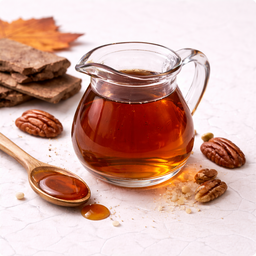 Maple Syrup
 Maple polyphenols + omega-3 for antioxidant and cognitive support
Technical: Maple syrup contains 67 unique polyphenols including Quebecol (found only in maple syrup) with bioactive properties via COX-2 modulation. Walnuts provide ALA omega-3 (9.1g/100g), ellagic acid and melatonin. Maple polyphenols protect omega-3 fatty acids from oxidation. Walnuts' melatonin + maple syrup's manganese (3.3mg, 143% RDI) support circadian rhythm.
What does this mean for you? Walnuts glazed with maple syrup is more than a snack — it's a combination with polyphenols, omega-3 and melatonin. Use real maple syrup (Grade A Dark) for the most polyphenols.
Walnuts 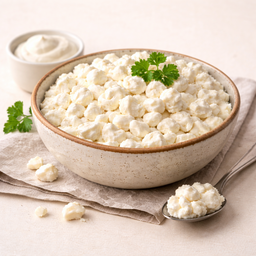 Cottage Cheese
 Slow casein + healthy fats for overnight recovery and muscle growth
Technical: Cottage cheese contains 80% casein — a protein that digests slowly over 6-8 hours continuously releasing amino acids. Nuts add healthy fats that further slow digestion, plus magnesium (270mg/100g in almonds). Magnesium contributes to the reduction of tiredness and fatigue (EFSA). This provides continuous amino acid release: your muscles are fed throughout the night.
What does this mean for you? Eat cottage cheese with a handful of almonds or walnuts before bed. The protein feeds your muscles all night, the magnesium contributes to reducing tiredness.
Walnuts 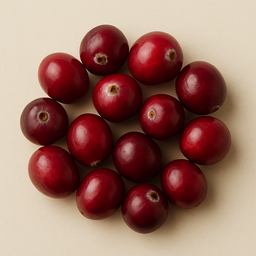 Cranberries
 Omega-3 + proanthocyanidins for heart and vessels
Technical: Cranberries are rich in polyphenols and proanthocyanidins that inhibit LDL oxidation. Walnuts contain ALA (omega-3). Alpha-linolenic acid contributes to the maintenance of normal blood cholesterol levels (EFSA). Together they provide complementary plant compounds through different biochemical pathways.
What does this mean for you? A handful of dried cranberries with walnuts is an ideal snack. Add to salads or oatmeal.
Walnuts 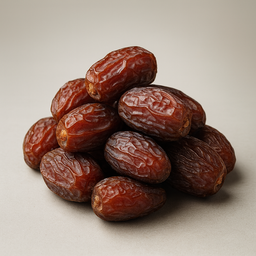 Dates
Dates Stable energy through fast + slow fuels
Technical: Dates provide 63g natural sugars per 100g (glucose + fructose) for quick glycogen replenishment. Walnuts contain 65g fats (of which 9g ALA omega-3), 15g protein and melatonin (3.5ng/g). The fats and proteins slow absorption of sugars from dates, reducing glycemic response by 30-40%. The omega-3 from walnuts also provides bioactive support.
What does this mean for you? Dates with walnuts is the basis of countless energy balls. The combination provides both immediate and slow energy without the sugar spike of dates alone. Ideal as pre-workout, snack or evening snack (walnuts contain melatonin).
Walnuts 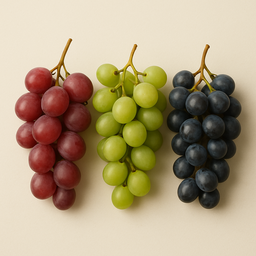 Grapes
 Resveratrol + omega-3, complementary plant compounds
Resveratrol and omega-3 have complementary cardiovascular effects (PMID: 22468945)
Technical: Red grapes contain resveratrol (0.1-14mg/L in wine, 0.5-1mg in 150g grapes) that activates SIRT1 and inhibits LDL oxidation. Walnuts provide ALA omega-3 (2.5g/30g); alpha-linolenic acid contributes to the maintenance of normal blood cholesterol levels (EFSA). Together they offer complementary biochemical pathways — resveratrol via SIRT1/LDL oxidation, omega-3 via eicosanoids/triglycerides.
What does this mean for you? Grapes and walnuts are a classic cheese board combination that is scientifically backed. The combination of grapes and nuts is a classic of Mediterranean cuisine.
Walnuts 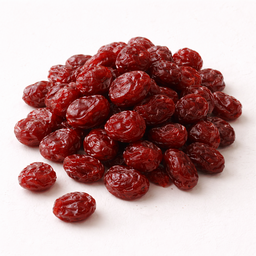 Dried cherries
 Double melatonin source for natural sleep support
Cherries and walnuts increase melatonin levels (PMID: 22038497)
Technical: Dried cherries contain 13.5ng melatonin per gram (concentrated by drying). Walnuts contain 3.5ng melatonin per gram plus 48g fats and 270mg magnesium per 100g. Together they increase melatonin levels and activate GABA receptors.
What does this mean for you? Mix dried cherries with walnuts as an evening snack 1-2 hours before bed. The combination supports natural rest through two complementary sources of melatonin.
Walnuts 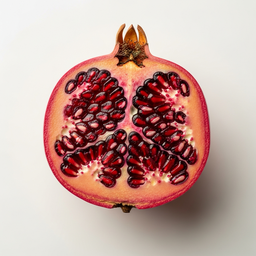 Pomegranate
 Complementary polyphenols and omega-3
Technical: Pomegranate contains punicalagins studied in research in connection with LDL oxidation. Walnuts provide ALA omega-3 (9g per 100g); alpha-linolenic acid contributes to the maintenance of normal blood cholesterol levels (EFSA). Both contain unique polyphenols (pomegranate: ellagitannins, walnuts: ellagic acid + pedunculagin) with complementary bioactive pathways.
What does this mean for you? Sprinkle pomegranate seeds and chopped walnuts over your salad or yogurt. This combination provides complementary plant compounds through two routes: polyphenols (pomegranate) + omega-3 fatty acids (walnuts).
Walnuts 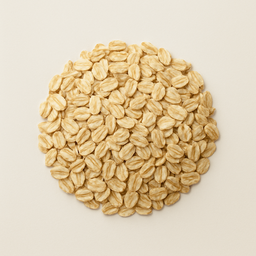 Oatmeal
 Soluble fiber + omega-3 for lipid profile and cognition
Technical: Oatmeal's beta-glucans form a gel in the gut that binds bile acids. Walnuts provide ALA omega-3 (9g/100g), melatonin and ellagic acid. The combination supports the lipid profile via two routes: bile acid binding + omega-3 metabolism.
What does this mean for you? Oatmeal with walnuts is a breakfast classic that is genuinely synergistic. The beta-glucans and omega-3 both support your lipid profile, the melatonin in walnuts contributes to your circadian rhythm.
Walnuts 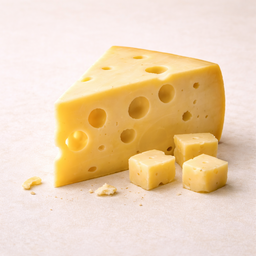 Cheese (general)
 Calcium + magnesium for optimal bone and muscle function
Technical: Cheese provides 500-720mg calcium per 100g (40-57% RDI) plus vitamin K2 (menaquinone-7) from bacterial aging. Walnuts and almonds provide magnesium: almonds 270mg/100g (72% RDI), walnuts 158mg/100g (42% RDI). Calcium and magnesium work complementarily in neuromuscular function — calcium activates contraction via troponin C, magnesium relaxes via SERCA pump. The optimal 2:1 ratio (Ca:Mg) is achieved. K2 activates osteocalcin directing calcium to bone tissue instead of soft tissues.
What does this mean for you? A cheese platter with nuts is more than a snack — calcium contributes to the maintenance of normal bones and magnesium contributes to normal muscle function (both EFSA). The ideal calcium-magnesium balance in one snack.
Walnuts 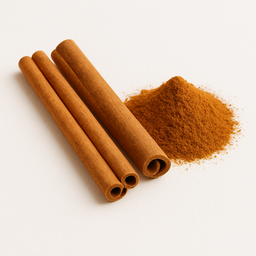 Cinnamon
 Cinnamon's insulin sensitivity + walnut omega-3 for metabolic health
Technical: Cinnamaldehyde activates AMPK and improves insulin signaling, while walnuts' ALA (alpha-linolenic acid) and ellagitannins regulate fat metabolism via PPARγ activation. Together they improve glucose metabolism via two complementary pathways.
What does this mean for you? Sprinkle walnuts with cinnamon as a snack or in your oatmeal — a delicious combination that supports your blood sugar and fat metabolism.
Walnuts 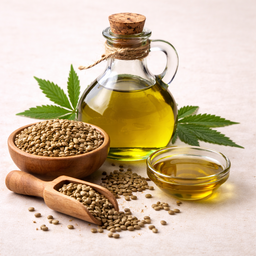 Flaxseed Oil
 Double ALA dose for plant-based omega-3
Technical: Flaxseed oil is the richest plant-based ALA source (50-60% alpha-linolenic acid), walnuts contain 9% ALA (2.5g per 30g serving). Together they provide 5-10g ALA per meal — more than 5x the recommended daily intake (1.1-1.6g). ALA is the precursor of EPA/DHA (conversion 5-10%). Both also contain ellagic acid, a polyphenol.
What does this mean for you? Make a salad dressing with flaxseed oil and garnish with walnuts — the richest plant-based omega-3 combination. Ideal for vegans, vegetarians or people with fish allergy who want to get enough omega-3.
Walnuts 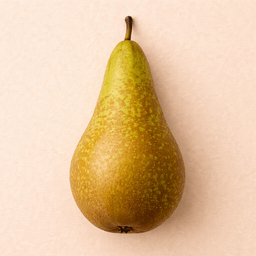 Pear
Pear Fiber + omega-3 for normal blood cholesterol
Technical: Pear provides 3.1g soluble fiber (pectin) per 100g that binds bile acids in the gut lumen. Walnuts contain 9.1g alpha-linolenic acid (ALA, omega-3) per 100g; alpha-linolenic acid contributes to the maintenance of normal blood cholesterol levels (EFSA). The combination works via two complementary mechanisms: pectin binds bile acids, omega-3 modulates lipid pathways in the blood.
What does this mean for you? Combine pear and walnuts in a salad or as a snack. The fiber from pear and the omega-3 from walnuts work through complementary routes — stronger together than apart.
Walnuts 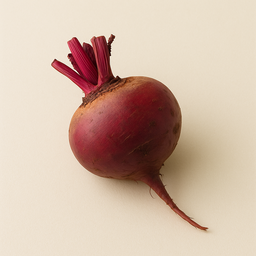 Beetroot
 Nitrates + ALA omega-3: complementary vascular pathways
Technical: Beetroot provides nitrates converted via the nitrate-nitrite-NO pathway to nitric oxide (NO), involved in vasodilation. Walnuts contain 9g ALA omega-3 per 100g — an essential fatty acid. Together they influence vascular physiology via two routes: NO signaling and omega-3 fatty acid metabolism.
What does this mean for you? Make a salad of roasted beetroot with walnuts, goat cheese and arugula. Beetroot for NO production, walnuts for omega-3 — two complementary vascular pathways in one salad.
Walnuts 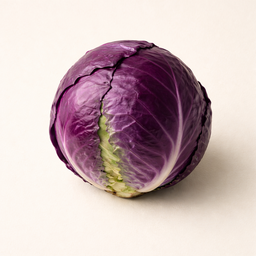 Red Cabbage
 Anthocyanins + ALA omega-3: complementary polyphenol-fatty acid pathways
Technical: Red cabbage's anthocyanins (322mg/100g) cross the blood-brain barrier and stimulate BDNF expression (brain-derived neurotrophic factor). Walnuts contain 9.1g ALA omega-3 per 100g influencing neuronal membrane fluidity. Together they provide two complementary pathways both reaching the nervous system.
What does this mean for you? Red cabbage salad with walnuts combines anthocyanins and omega-3 — two compounds both crossing the blood-brain barrier. Add apple and vinegar for extra anthocyanin stabilization.
Walnuts 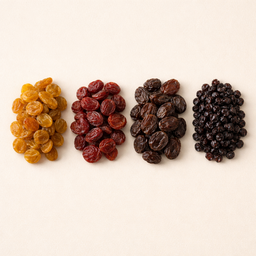 Raisins
 Quick + sustained energy for balanced fuel
Technical: Raisins contain 59g concentrated sugars per 100g (glucose + fructose) available as glycogen within 15-30 minutes. Nuts provide slow fuels: fats (49-65g per 100g), proteins (15-25g) and fiber providing 2-4 hours of energy. The fats slow absorption of raisin sugars, flattening the glycemic response. Nuts also contain magnesium (150-270mg) for energy metabolism.
What does this mean for you? Trail mix is scientifically sound: raisins for immediate energy, nuts for sustained fuel. Ideal as pre-workout, hiking snack or emergency rations. Choose a mix of walnuts, almonds and cashews for the broadest nutritional profile.
Walnuts 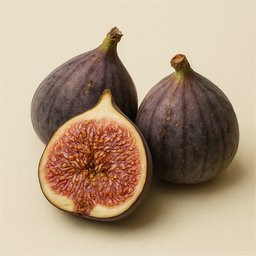 Figs
Figs Calcium + omega-3 for normal bones
Technical: Dried figs contain 162mg calcium per 100g (13% RDI) — the highest calcium concentration of all fruits. Walnuts provide 9.08g ALA omega-3 per 100g (highest of all nuts) plus 158mg magnesium. Calcium is needed for the maintenance of normal bones (EFSA), and the 2:1 calcium-magnesium ratio suits bone mineralization well. Walnuts provide ALA that is partly converted to EPA.
What does this mean for you? Figs with walnuts is a powerful bone-supporting snack. The calcium from figs contributes to normal bones (EFSA), the walnuts provide omega-3. Ideal for women 40+, athletes and anyone wanting to maintain strong bones.
Walnuts 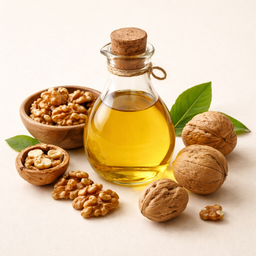 Walnut Oil
 Oil + nuts for maximum omega-3 and polyphenol intake
Technical: Walnut oil and walnuts come from the same source but complement each other at a molecular level. Whole nuts contain fiber (6.7g), protein (15g) and melatonin (3.5μg). The oil contains concentrated ALA, higher ellagic acid concentration and better polyphenol bioavailability. Together they provide 15-20% more polyphenols than either alone thanks to the 'matrix effect': the oil dissolves polyphenols from the nut matrix more effectively.
What does this mean for you? Make a nut salad or granola with walnuts and use walnut oil as dressing. The oil literally extracts more bioactive compounds from the nuts than chewing alone can. A simple trick for optimal bioavailability.
Walnuts 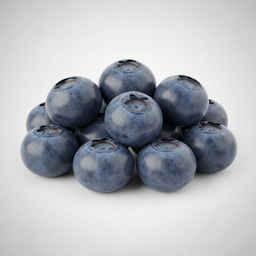 Blueberries
 ALA omega-3 + anthocyanins: complementary pathways for synaptogenesis and neuronal protection
Walnuts contain omega-3 fatty acids. The combination of polyphenols with healthy fats supports neurogenesis. This is the ultimate brain mix.
Technical: Walnuts contain ALA omega-3 fatty acids that support formation of new synaptic connections (synaptogenesis). Anthocyanins from blueberries cross the blood-brain barrier and protect existing neurons from oxidative damage. Through these two mechanisms — building and protection — they together influence communication between brain cells.
What does this mean for you? Mix walnuts into your blueberry yogurt or oatmeal. The walnuts support synaptogenesis, the berries protect neurons — two complementary pathways in one snack.
Walnuts 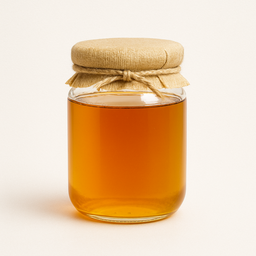 Honey
Honey ALA omega-3 + enzymatic honey: complementary bioactive pathways
Technical: Walnuts' ALA (omega-3) influences prostaglandin metabolism via complementary biochemical pathways. Honey's glucose oxidase produces hydrogen peroxide. Together they provide two complementary bioactive pathways: walnuts via the omega-3 → prostaglandin pathway, honey via enzymatic activity.
What does this mean for you? Walnuts with honey is a classic combination — the omega-3 fatty acids influence prostaglandin metabolism, honey provides enzymes such as glucose oxidase. Two complementary pathways in one snack.
Recipes with Walnuts
Discover delicious recipes featuring walnuts:
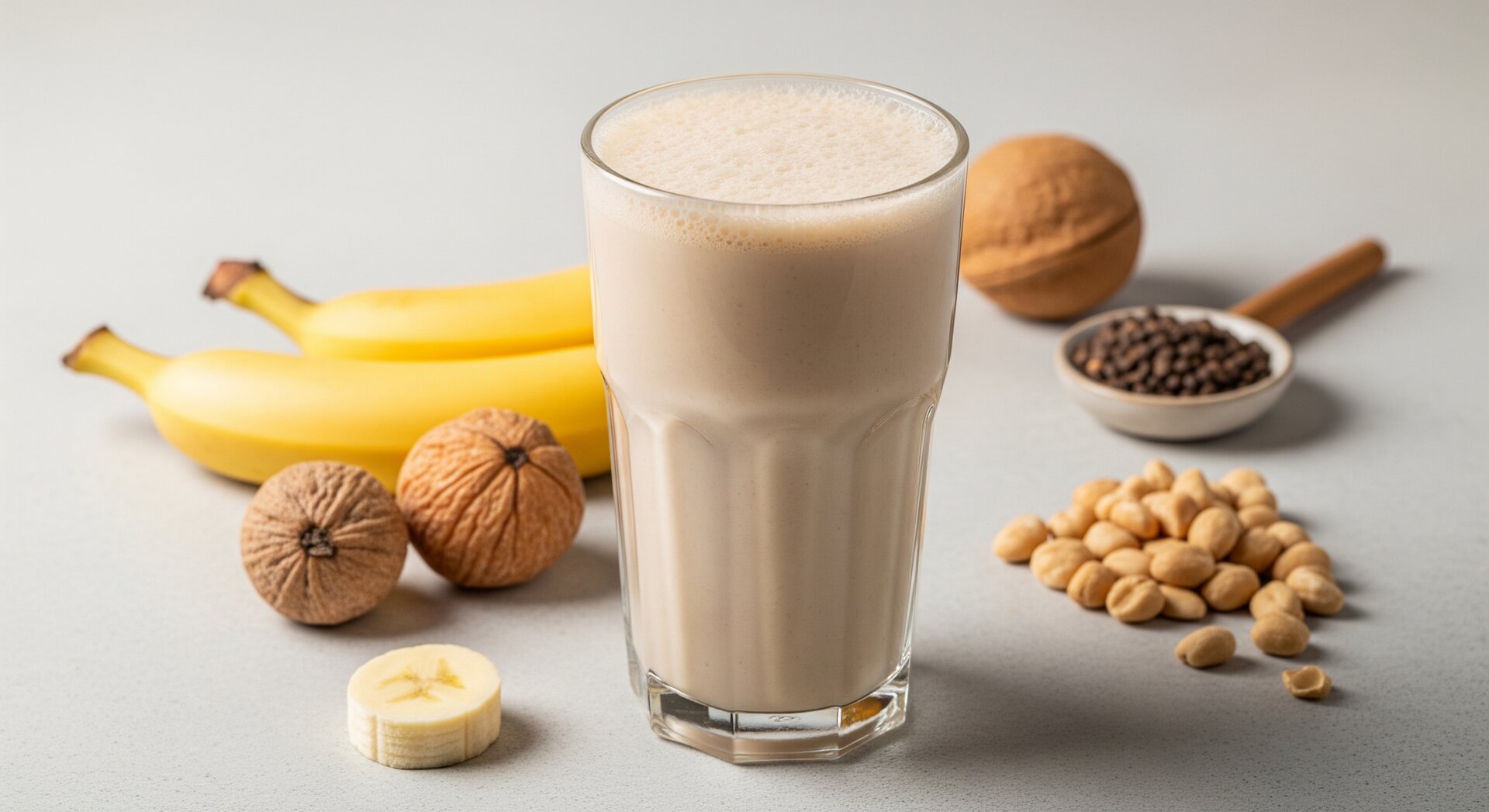 Banana-Date Shake with Walnuts 5 min Hearty shake with Medjool dates, walnuts and Greek yogurt
  1024 kcal
  35g protein 2 synergies
  Banana Oatmeal Cookies 28 min Cookies based on two ingredients: ripe banana and oats 110 kcal 3g protein 1 synergies
 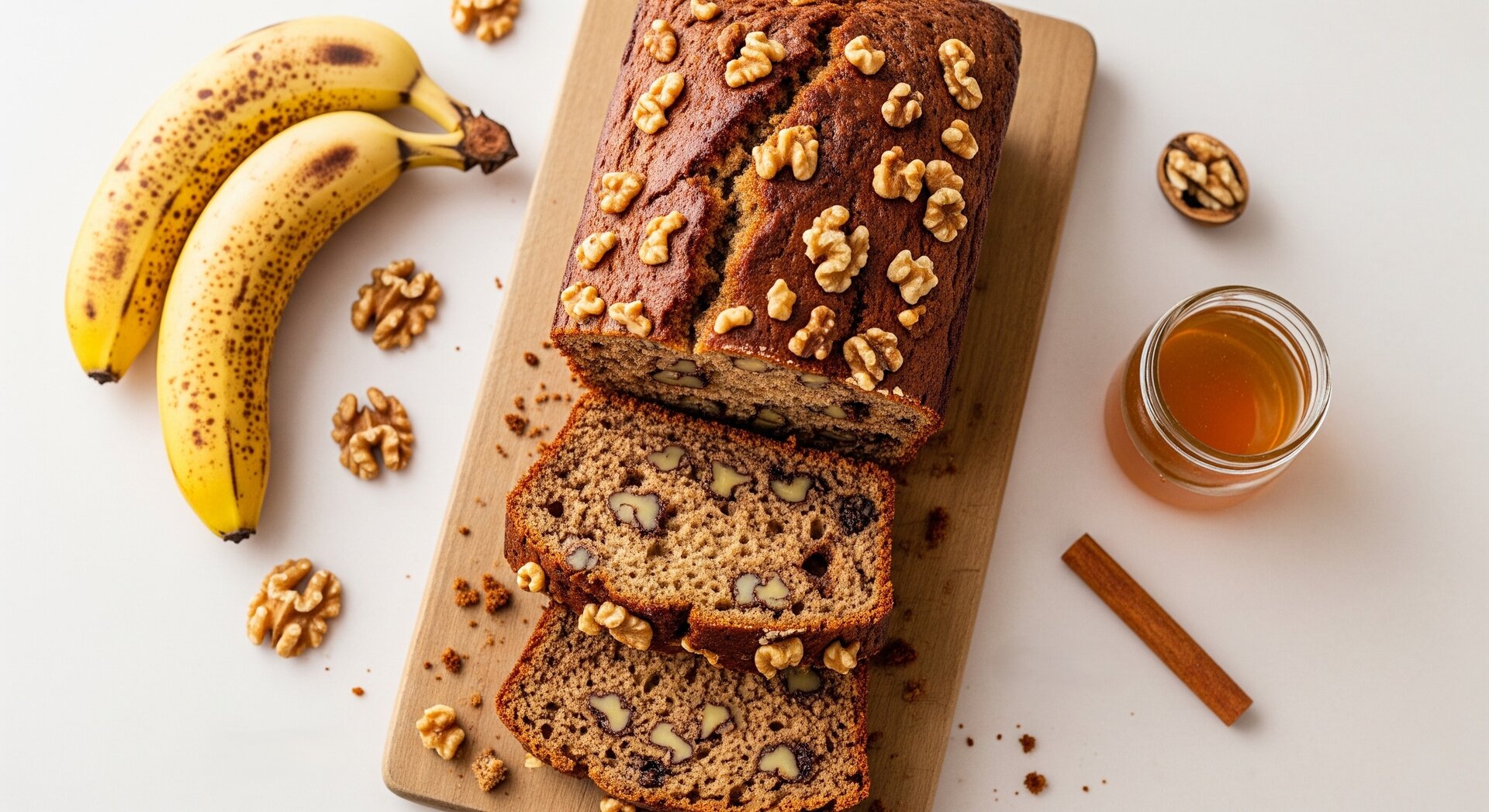 Banana Bread with Walnuts and Cinnamon 65 min Moist sweet bread with crunchy walnuts and warm cinnamon scent 254 kcal 7g protein 1 synergies
 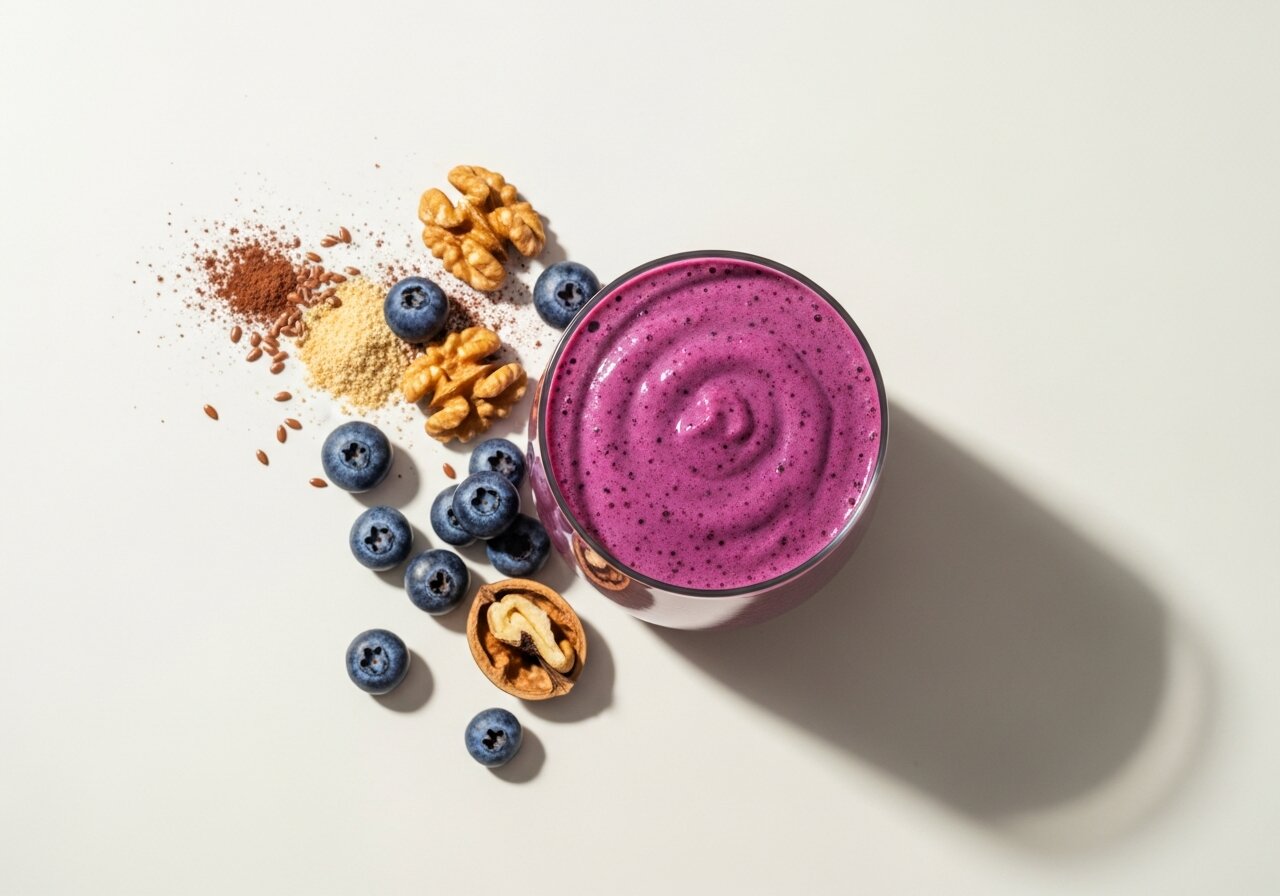 Blueberry Walnut Smoothie 3 min Creamy smoothie with blueberries, walnuts and flaxseed 350 kcal 8g protein 1 synergies
 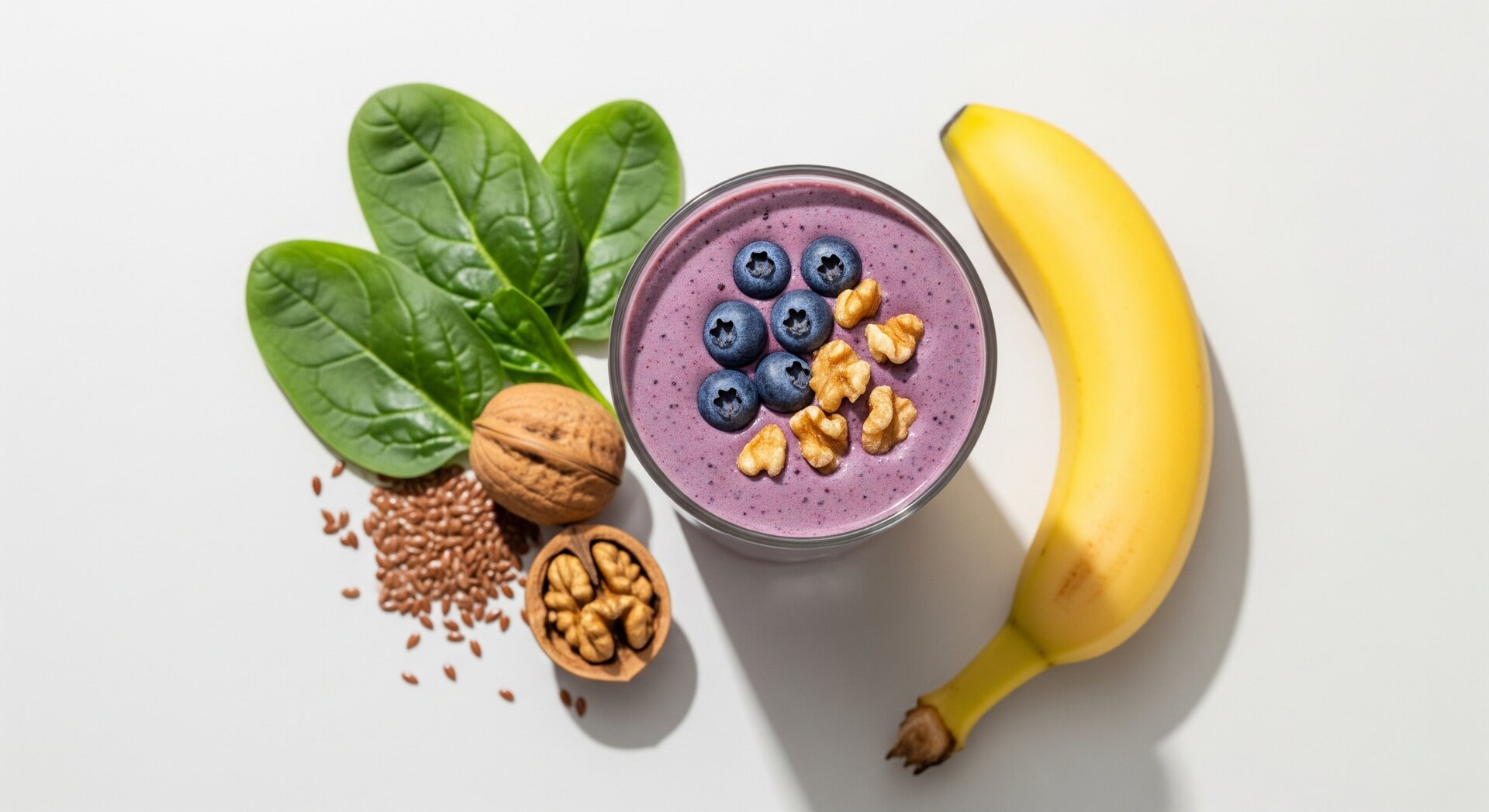 Blueberry Walnut Smoothie 5 min Fruity smoothie with blueberries, walnuts, spinach and flaxseed 359 kcal 19g protein 1 synergies
 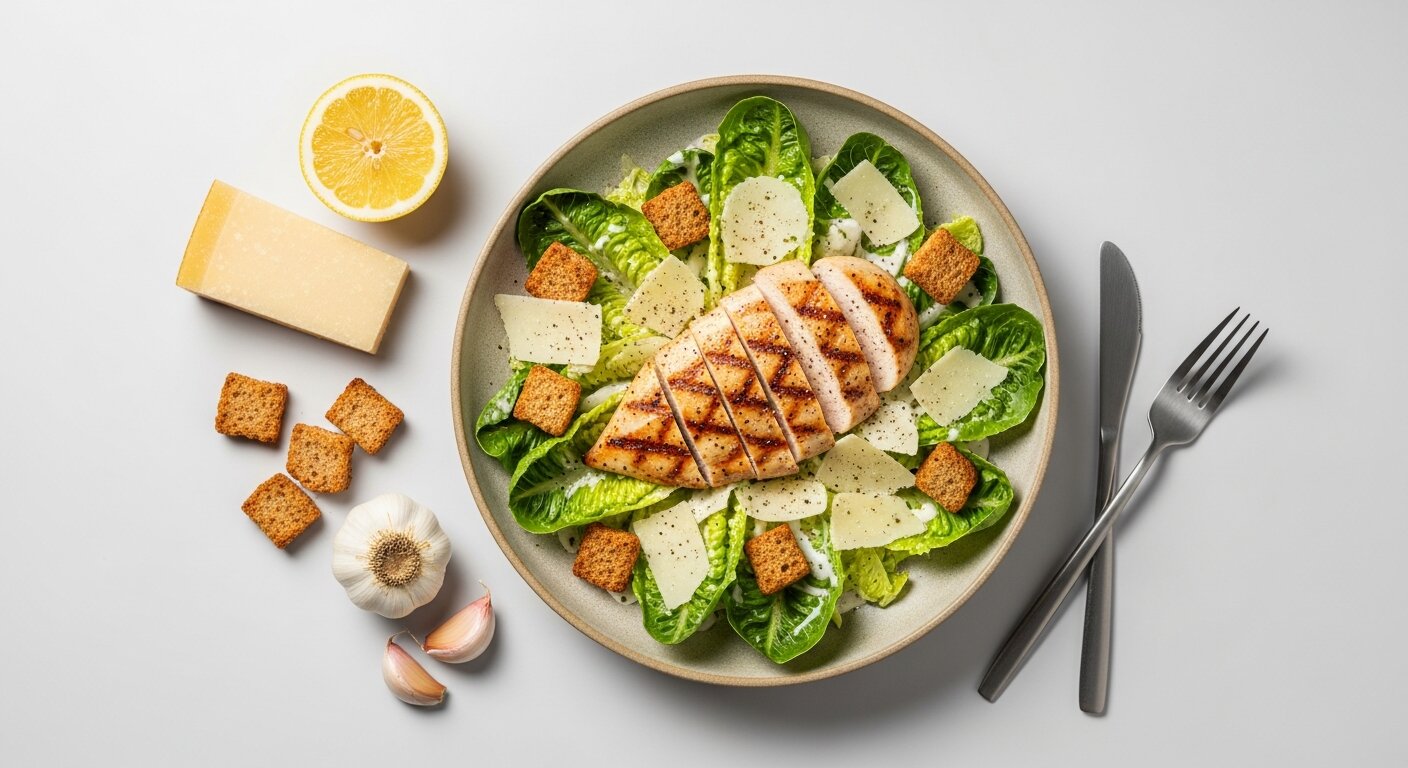 Caesar Salad with Chicken 25 min Classic Roman salad with crispy romaine and parmesan 340 kcal 32g protein 1 synergies
  In the Kitchen
Storage
Location:Refrigerator
Shelf life:6 maanden (koelkast), 1 jaar (vriezer)
Important: store walnuts cold and airtight. Because of their delicate fats, they lose aroma and quality faster with heat, light and air.
Preparation
Use walnuts raw for their soft, oily texture. Toast them briefly for extra aroma, but do not let them darken. A portion of about 30 g works well in breakfast, salad or dessert.
Conversions
Substitutes
Smart preparation
1Toast walnuts for 5-8 minutes at 170°C for a milder flavor.
Why?
Toasting softens the slight bitterness of raw walnuts.
2Soak walnuts overnight in water for a milder, creamier flavor.
3Break walnuts by hand into pieces for salads.
Why?
Chopping with a knife often creates crumbs that are too fine; breaking gives more texture.
Caution / Warnings
Walnuts is very safe, but there are scientific considerations:
Calorie-dense portions Moderate
Walnuts are energy-dense (654 kcal per 100 g). Eating straight from the bag can quickly make portions larger than intended.
Advice:
Pre-portion about one handful per day (around 30 g or 7-9 whole walnuts) and use it as an intentional topping or snack.
Tree nut allergy Severe
Walnuts are tree nuts and can cause serious allergic reactions in people with a tree nut allergy.
Advice:
Avoid walnuts completely with a known tree nut allergy and watch for cross-contact in mixed nuts, baked goods and desserts.
Canker sores or mouth irritation Mild
Some people notice mouth irritation or canker sores after eating walnuts, possibly because of the skin or individual sensitivity.
Advice:
Try a smaller portion, remove loose skins after soaking if needed, or avoid walnuts if the issue keeps returning.
Storage and rancidity Moderate
Because of their high share of polyunsaturated fats, walnuts can turn rancid faster with heat, light or air.
Advice:
Store walnuts airtight in the refrigerator or freezer. Discard them if they taste bitter-rancid or smell like paint, cardboard or fish.
Traditional use
Traditional Chinese Medicine
Walnuts in Chinese food traditions
In Chinese food traditions, walnuts (he tao ren) have long been linked with warming, nourishing dishes and symbolism around kidneys and the brain.
Ayurveda
Walnuts in Ayurveda
In Ayurveda, walnuts (akhrot) are described as warming and nourishing, often used in rich dishes, milk preparations and sweet mixtures.
Summary
Walnuts stand out for their plant-based omega-3 fatty acid ALA, rich nutty flavor and delicate unsaturated fats. Store them cool and airtight, use small portions and pair them with oatmeal, pear, honey, blue cheese or dark chocolate.