- Easy
- 25 min
- 4 serv.
- 5 synergies
- Now at its best: Walnuts
The iconic Caesar salad with grilled chicken, crispy romaine lettuce, parmesan and creamy Caesar dressing. High in protein and full of flavor.
Some dishes survive a century because they're just right. This Caesar salad is one of them — invented in 1924 by Caesar Cardini in his restaurant in Tijuana, and barely changed since because there's nothing to improve.
It starts with the romaine: cold, crispy, with that sturdy rib that snaps with every bite. Over it a dressing of Greek yogurt, lemon juice, Dijon mustard and a splash of Worcestershire — creamy enough to coat, sharp enough not to feel heavy. Parmesan shavings that melt on your tongue, toasted walnuts that provide the crunch you normally need croutons for, and grilled chicken that elevates the whole thing from salad to meal.
- 15
- min prep
- 10
- min cook
- 25
- min total
Nutritional Synergies
This recipe combines ingredients that enhance each other:
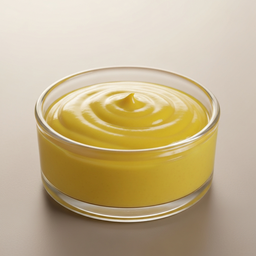 Dijon mustard
 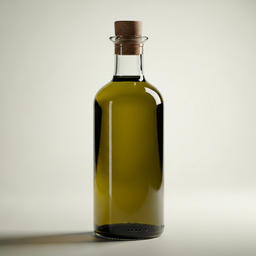 Olive Oil
 Perfect vinaigrette - mustard as emulsifier
Technical: Mustard contains mucilage (slime) acting as a natural emulsifier — it binds oil and vinegar into a stable vinaigrette. Mustard's sinigrin (glucosinolate) converts to allyl isothiocyanate with thermogenic and bioactive action. Olive oil provides oleocanthal and hydroxytyrosol.
What does this mean for you? Mustard vinaigrette is scientifically the perfect dressing. The mustard emulsifies, the olive oil provides polyphenols — and together they taste amazing.
Weight LossHeart
Olive Oil 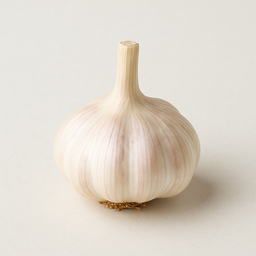 Garlic
 Aglio e olio: allicin + oleocanthal via complementary biochemical pathways
Technical: Garlic contains allicin (formed when cutting/crushing) that influences HMG-CoA reductase (involved in lipid metabolism). Olive oil contains oleocanthal that modulates COX-1/2 enzymes. Together they influence lipid metabolism and prostaglandin cascade via complementary biochemical pathways. The fat also helps absorb fat-soluble garlic compounds.
What does this mean for you? Gently warm garlic in olive oil (don't burn!) as the base for many dishes. This is why 'aglio e olio' pasta is so beloved — two bioactive compounds that reinforce each other.
HeartImmune System
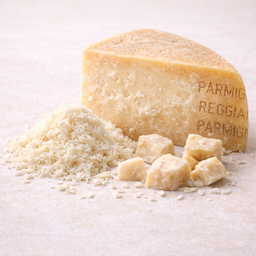 Parmesan (Parmigiano-Reggiano) Olive Oil
 Umami from parmesan + healthy fats from olive oil for flavor and satiety
Technical: Parmesan contains 1200-1680mg free glutamate per 100g — the highest concentration of all cheeses. Glutamate activates stomach-vagus nerve signals that increase satiety. Olive oil contains oleic acid (55-83%) stimulating OEA production (satiety signal) plus oleocanthal and oleuropein (bioactive polyphenols). Together: double satiety plus bioactive compounds.
What does this mean for you? Drizzle parmesan with good olive oil on pasta or salads. The umami from the cheese and the healthy fat from the oil together provide faster satiety and a rich flavor profile.
Weight LossHeartAnti-inflammatory
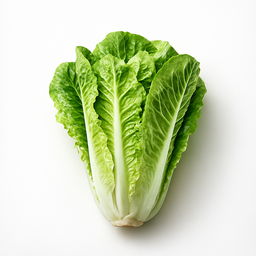 Lettuce (Romaine) Olive Oil
 7x better carotenoid absorption with fats
Technical: Lettuce contains 1223μg beta-carotene and 1730μg lutein per 100g. Without fat only 3% is absorbed. A Purdue University study (2012, Molecular Nutrition & Food Research) showed olive oil or avocado increases absorption to 20%+ — a 7-fold improvement.
What does this mean for you? Always eat salad with olive oil dressing or avocado. Without fat you absorb almost nothing of the carotenoids. A dry salad without dressing is ironically less nutritious than one with a good olive oil dressing.
Skin & HairGeneral Wellness
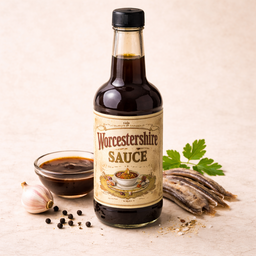 Worcestershire Sauce Olive Oil
 Umami emulsion for ultimate salad dressing
Technical: Worcestershire sauce contains tamarind acids and acetic acid that emulsify with olive oil into a stable vinaigrette. The umami compounds (glutamate + IMP nucleotides) are more evenly distributed in an oil emulsion, increasing flavor impact per drop. Olive oil's polyphenols protect omega-3 fatty acids from anchovy against oxidation. The combination offers: umami + acid + fat = the three flavor pillars of a good dressing.
What does this mean for you? Make a dressing of 3 parts olive oil + 1 part lemon + a few drops of Worcestershire sauce. This 'secret' dressing surpasses standard vinaigrette through the umami dimension.
HeartGeneral Wellness
Ingredients (10)
+8 more ingredients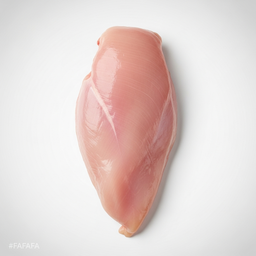
Instructions
- 1 Grill chicken breast over medium heat 5-6 minutes per side. Let rest 5 minutes and slice.
- 2 Blend the dressing: Greek yogurt, lemon juice, pressed garlic, mustard, Worcestershire and olive oil until creamy.
Nutrition per serving
Indicative values per serving.
Timing & Suitability
Tags & Diet
Allergens: Dairy, Gluten, Nuts