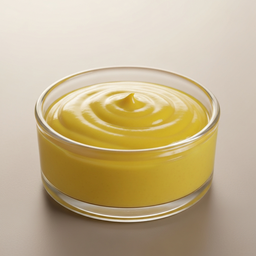
Mustard
Pungent condiment from mustard seeds
What is this ingredient?
Mustard is made from the seeds of the mustard plant, a cruciferous plant from the same botanical family as broccoli and cabbage. There are three classic seed types: yellow or white mustard seed with mild pungency, brown mustard seed with more heat, and black mustard seed with a pronounced sharp aroma. The seeds are ground and mixed with water, vinegar, wine or brine. Notably, dry mustard seeds are almost odorless. The sharp taste appears only when broken seed comes into contact with liquid: myrosinase then becomes active and forms volatile mustard oils that create the familiar tingle in the nose and mouth. In the kitchen, mustard works as a seasoning, a binder in vinaigrettes and a spicy counterpoint to creamy, fatty or sweet dishes.
How does it taste?
Sharp and pungent with a warm, tingling heat that rises quickly and then softens.
Pairs well with:
Pairs well with honeydilltarragoncheesefishsausage and vinegar.
Varieties
Yellow/White Mustard
The mildest type, often used for American yellow mustard. In prepared mustard, the yellow color often also comes from added turmeric.
Brown Mustard
Spicier than yellow mustard and widely used for Dijon mustard, wholegrain mustard and Indian dishes.
Black Mustard
Very pungent and traditional in several Indian preparations. The seeds have a pronounced aroma and are often heated in oil first.
Did you know...?
- The name mustard comes from the Latin 'mustum ardens', meaning 'burning must'.
- Dijon mustard is named after the French city of Dijon, where mustard has been an important specialty since the Middle Ages.
Nutritional Value & Energy
Per 100g
Mustard provides energy thanks to natural nutrients , buffered by fiber.
Per 100g
Minerals
Vitamins
Omega-3 fatty acids
More nutrients
B-Vitamins
Trace Minerals
What's in a serving?
1 tablespoon
Mustard naturally contains selenium (32.6 mcg per 100 g prepared mustard). At typical condiment use (5–15 g), the contribution is limited.
% of daily reference intake (DRI)
EU-approved nutrition claims
There are currently no EFSA-authorized health claims specific to mustard as an ingredient. Various applications for herbs and spices have been submitted but not yet assessed (botanical on-hold list).
What's being researched?
Isothiocyanates in mustard
Isothiocyanates from mustard are studied as plant compounds formed when glucosinolates and myrosinase react with each other. The available research is mainly preclinical and focuses on biochemical pathways and food applications.
Supported by: [1] Zhang (2010)
Good Combinations (Synergy)
Combine mustard smartly to enhance the effect:
Mustard 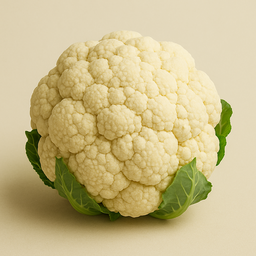 Cauliflower
 Activates sulforaphane — up to 4x more bioactive compound
Cramer & Jeffery (2011) in Nutrition and Cancer showed that adding mustard to cooked broccoli increased sulforaphane absorption by a factor of 4.
Technical: Cauliflower contains glucoraphanin, a precursor to sulforaphane. The enzyme myrosinase converts this, but is destroyed by heat. Mustard (seed) contains active myrosinase that enables this conversion.
What does this mean for you? Cooked cauliflower loses most of its enzymatic conversion to sulforaphane. Add a teaspoon of mustard after cooking, and you still get up to 4x more sulforaphane — a bioactive compound intensively studied in science. Sprinkle mustard seeds over your cauliflower mash or stir-fry!
Mustard 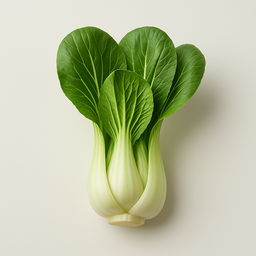 Bok Choy
 Double boost: sulforaphane + fat-soluble vitamins
Technical: Bok choy contains both glucosinolates and fat-soluble vitamins (A, K). Mustard restores sulforaphane formation, oil improves vitamin absorption.
What does this mean for you? When stir-frying bok choy, you already add oil — great! Add a teaspoon of mustard to the sauce at the end, and you have a complete nutritious meal. Asian cuisine meets nutrition science!
Mustard 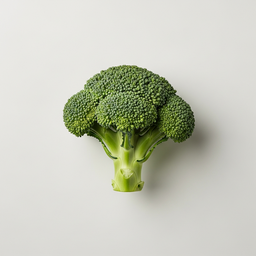 Broccoli
 The "Mustard Hack" - quadruples sulforaphane absorption
Study by Ghawi et al. (2013) in Food Chemistry showed that adding mustard increases sulforaphane absorption by 400%.
Technical: Broccoli contains glucoraphanin (precursor to sulforaphane). The enzyme myrosinase converts this, but is completely inactivated above 60°C. Mustard seed contains thermostable myrosinase that increases sulforaphane conversion by 400% when added to cooked broccoli (Ghawi et al., 2013, Food Chemistry).
What does this mean for you? Cooking broccoli? Add a pinch of mustard powder or mustard seeds after cooking. This mustard hack reactivates sulforaphane formation lost during cooking.
Mustard 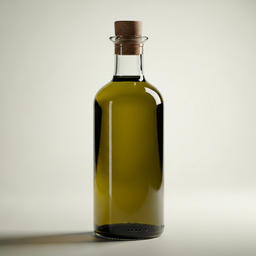 Olive Oil
 Perfect vinaigrette - mustard as emulsifier
Technical: Mustard contains mucilage (slime) acting as a natural emulsifier — it binds oil and vinegar into a stable vinaigrette. Mustard's sinigrin (glucosinolate) converts to allyl isothiocyanate with thermogenic and bioactive action. Olive oil provides oleocanthal and hydroxytyrosol.
What does this mean for you? Mustard vinaigrette is scientifically the perfect dressing. The mustard emulsifies, the olive oil provides polyphenols — and together they taste amazing.
Mustard 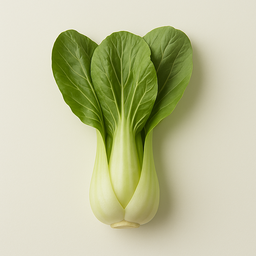 Pak Choi
 Asian combination: sulforaphane activation + vitamin absorption
Technical: Pak choi is rich in glucosinolates and calcium. Mustard provides myrosinase for sulforaphane activation, sesame oil contains sesamol that acts as antioxidant.
What does this mean for you? The classic Asian combination of pak choi with sesame oil isn't popular by accident — it works! Add mustard (fits well in an Asian dressing with soy sauce and ginger) for extra sulforaphane formation. Tip: stir-fry briefly to preserve vitamins.
Mustard 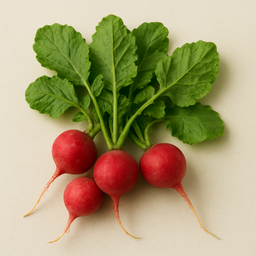 Radish
 Enhances the spicy glucosinolate action
Technical: Radish contains glucosinolates responsible for its sharp taste and the formation of bioactive isothiocyanates. Mustard enhances the enzymatic conversion to active isothiocyanates.
What does this mean for you? That spicy taste of radish comes from active compounds — isothiocyanates. Combine radish with a mustard dressing and you double the conversion. Try: radish slices with honey-mustard dip!
Mustard 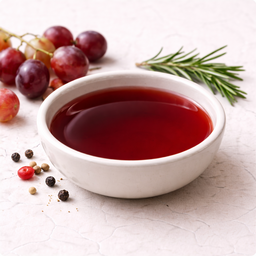 Red wine vinegar
 Classic vinaigrette with polyphenol synergy
Technical: Red wine vinegar contains resveratrol and anthocyanins (from red grapes) plus acetic acid. Olive oil provides oleocanthal (a bioactive phenol) and oleuropein. Mustard contains sinigrin (glucosinolate) and emulsifies the dressing. Together three antioxidant classes (polyphenols, oleocanthal, glucosinolates) provide a broad antioxidant spectrum.
What does this mean for you? Make vinaigrette with red wine vinegar, olive oil and mustard. Three ingredients, three types of antioxidants — the perfect salad dressing.
Mustard 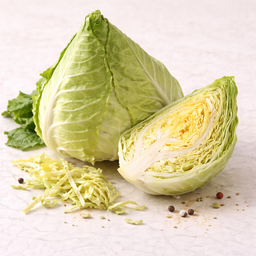 Pointed Cabbage
 Myrosinase from mustard activates glucosinolates
Technical: Pointed cabbage contains glucosinolates (glucobrassicin, sinigrin) converted by myrosinase to indole-3-carbinol and sulforaphane — bioactive compounds intensively studied in scientific research. Cooking deactivates myrosinase. Mustard provides external myrosinase; piperine from black pepper inhibits sulfotransferase keeping sulforaphane active longer.
What does this mean for you? Add mustard or black pepper to cooked pointed cabbage. Cooking destroys an important enzyme, but mustard restores it and pepper extends the effect. A simple trick with big impact.
Mustard 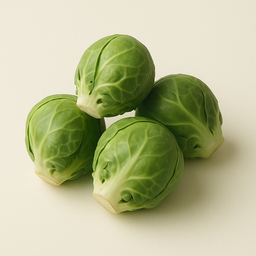 Brussels Sprouts
 Restores sulforaphane formation after cooking
Technical: Brussels sprouts are rich in glucosinolates (sulfur compounds). Heating inactivates the enzyme myrosinase, preventing sulforaphane formation. Mustard provides external myrosinase.
What does this mean for you? Brussels sprouts are remarkably rich in glucosinolates, but cooking destroys an important enzyme. Simple solution: mix your sprouts with some mustard or sprinkle mustard seeds on top. The mustard restores the enzymatic conversion lost during cooking. Perfect for Christmas sprouts!
Mustard 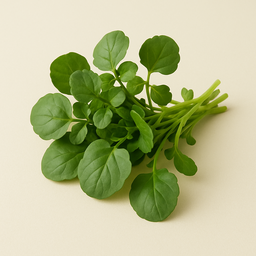 Watercress
 Mustard activates PEITC formation in watercress
Technical: Watercress contains high concentrations of gluconasturtiin, a glucosinolate converted by myrosinase to PEITC (phenethyl isothiocyanate) — one of the most studied isothiocyanates in science. Cooking deactivates myrosinase. Mustard provides external myrosinase that restores PEITC formation, even after heating.
What does this mean for you? Watercress with mustard vinaigrette is a nutrient-dense combination. The mustard restores the enzymatic conversion lost by heating. Use watercress fresh in salads for maximum PEITC formation, or add mustard to warm preparations.
Recipes with Mustard
Discover delicious recipes featuring mustard:
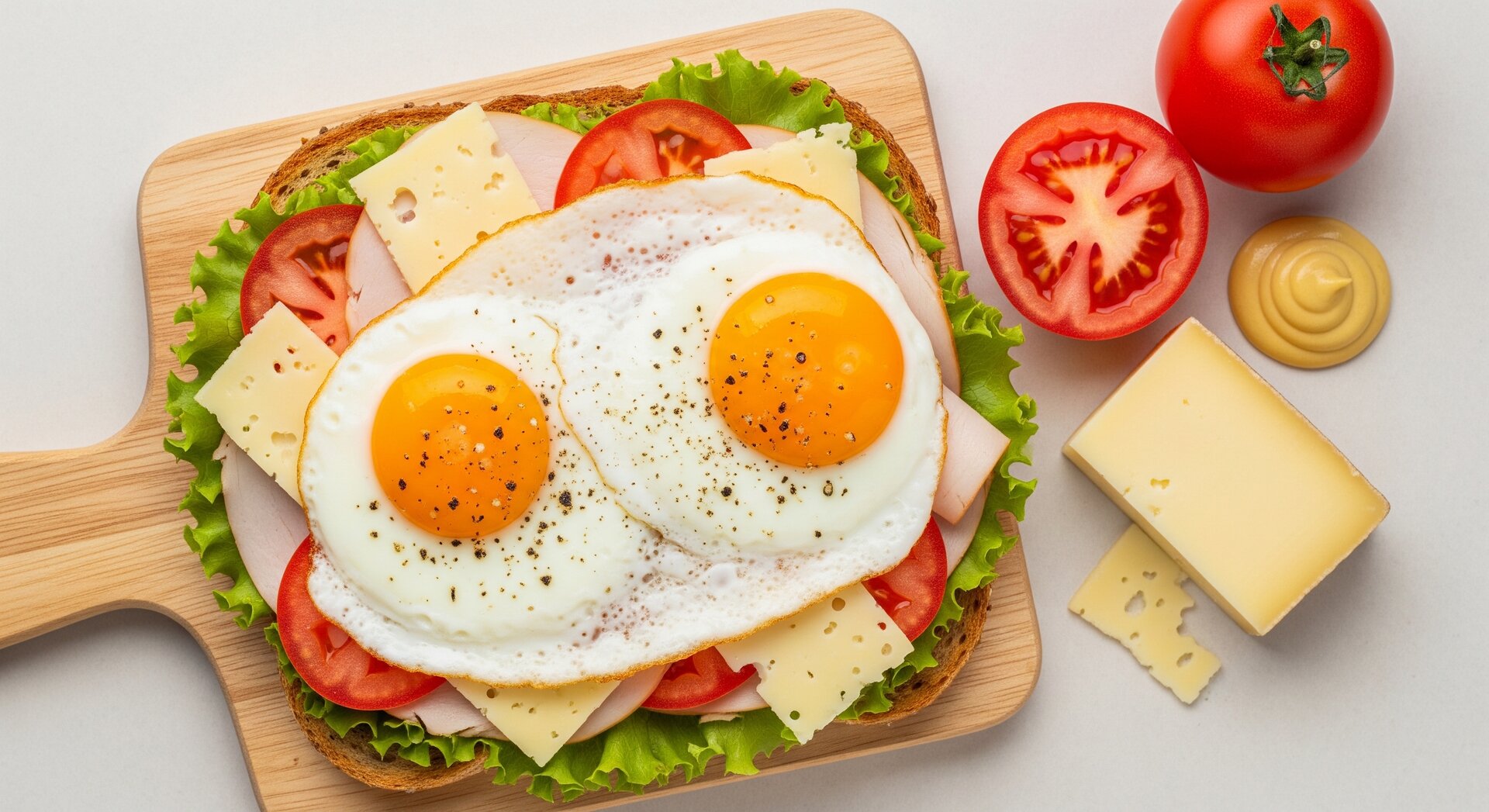 Belgian Uitsmijter with Aged Cheese and Tomato 18 min Classic Belgian lunch with fried egg and aged cheese
  823 kcal
  55g protein 2 synergies
 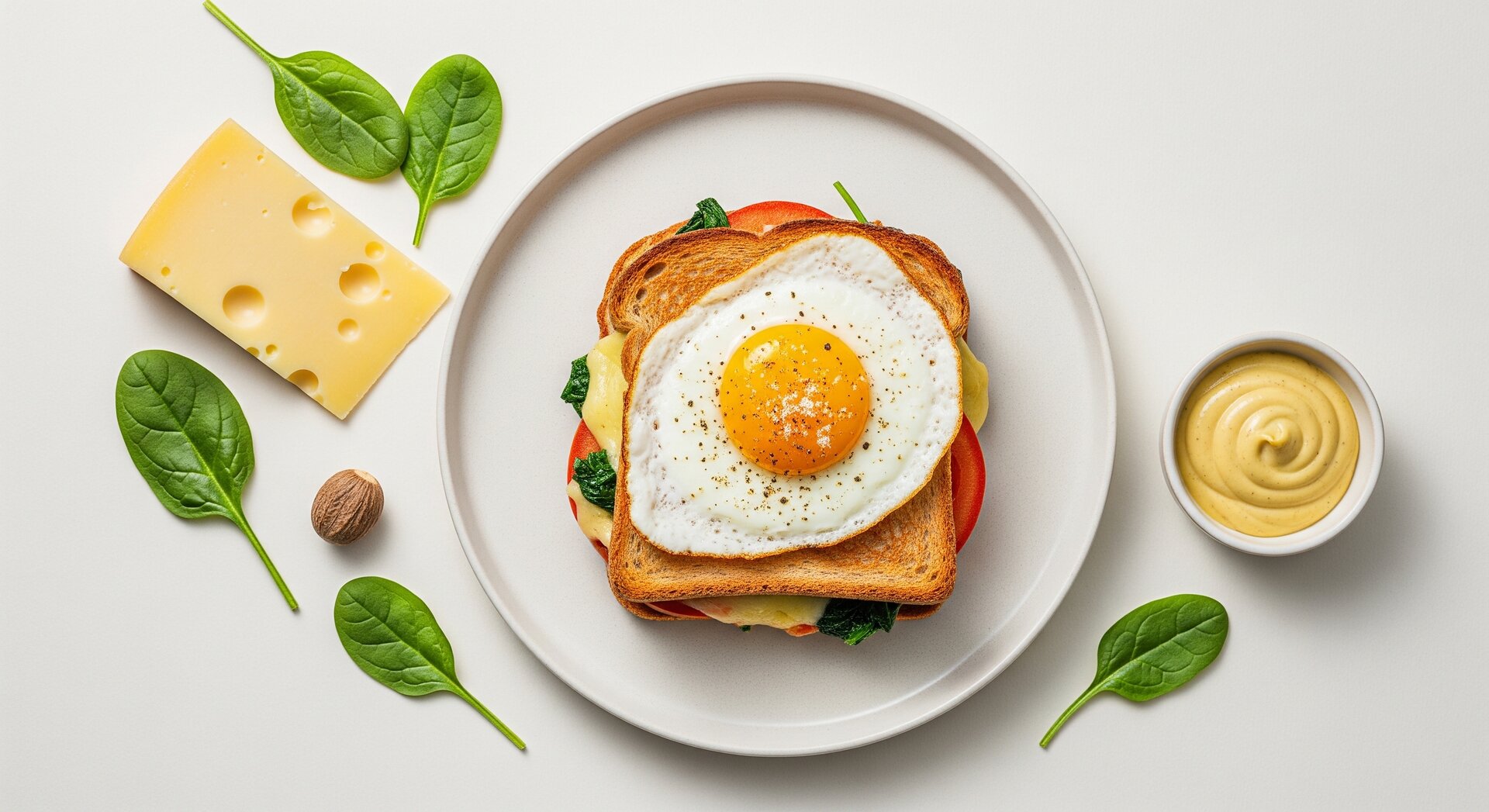 Belgian Whole Wheat Croque with Egg and Vegetables 17 min Belgian croque-madame with spinach and tomato 410 kcal 25g protein 1 synergies
 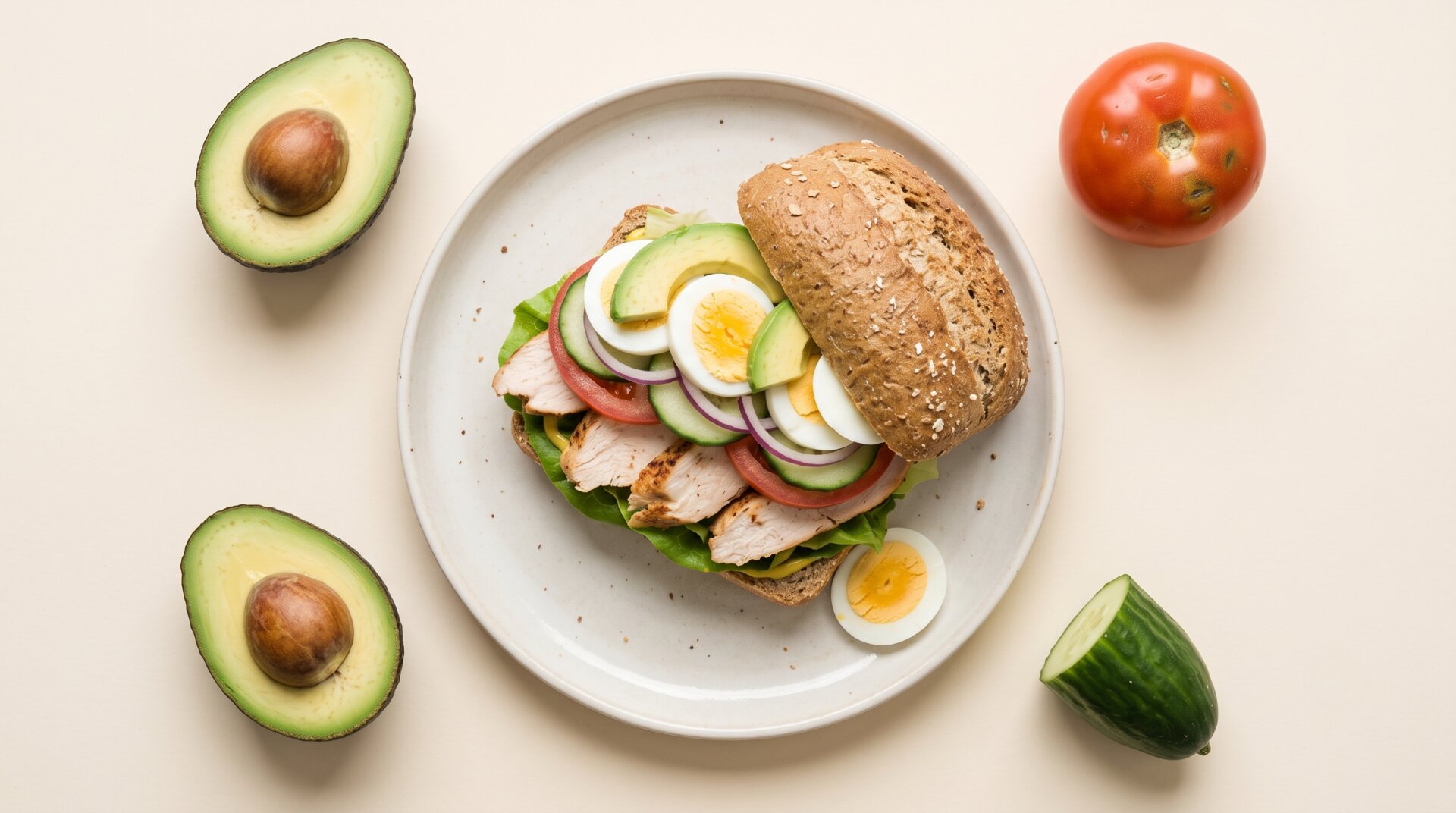 Deluxe Healthy Sandwich with Chicken and Avocado 30 min Dutch healthy sandwich with chicken, avocado and egg 764 kcal 54g protein 2 synergies
 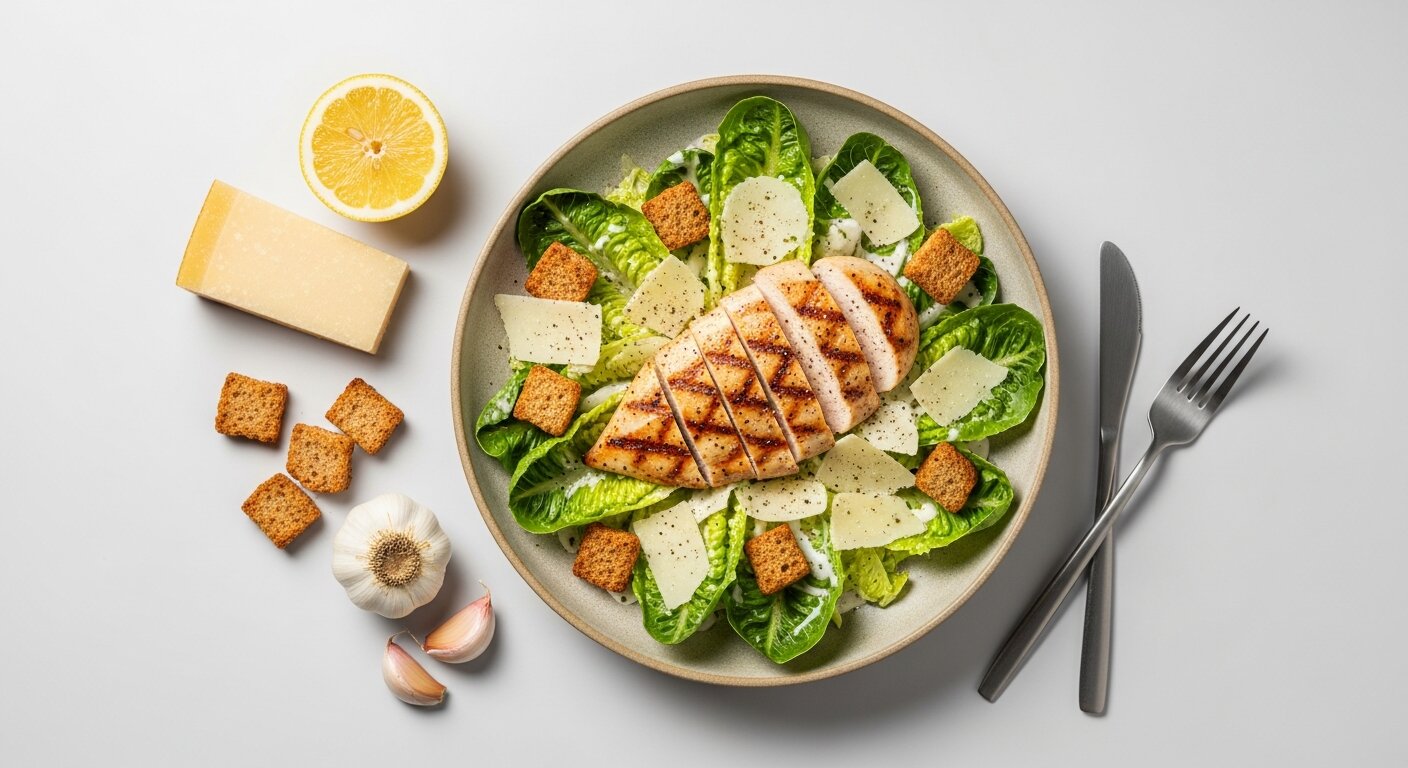 Caesar Salad with Chicken 25 min Classic Roman salad with crispy romaine and parmesan 340 kcal 32g protein 1 synergies
 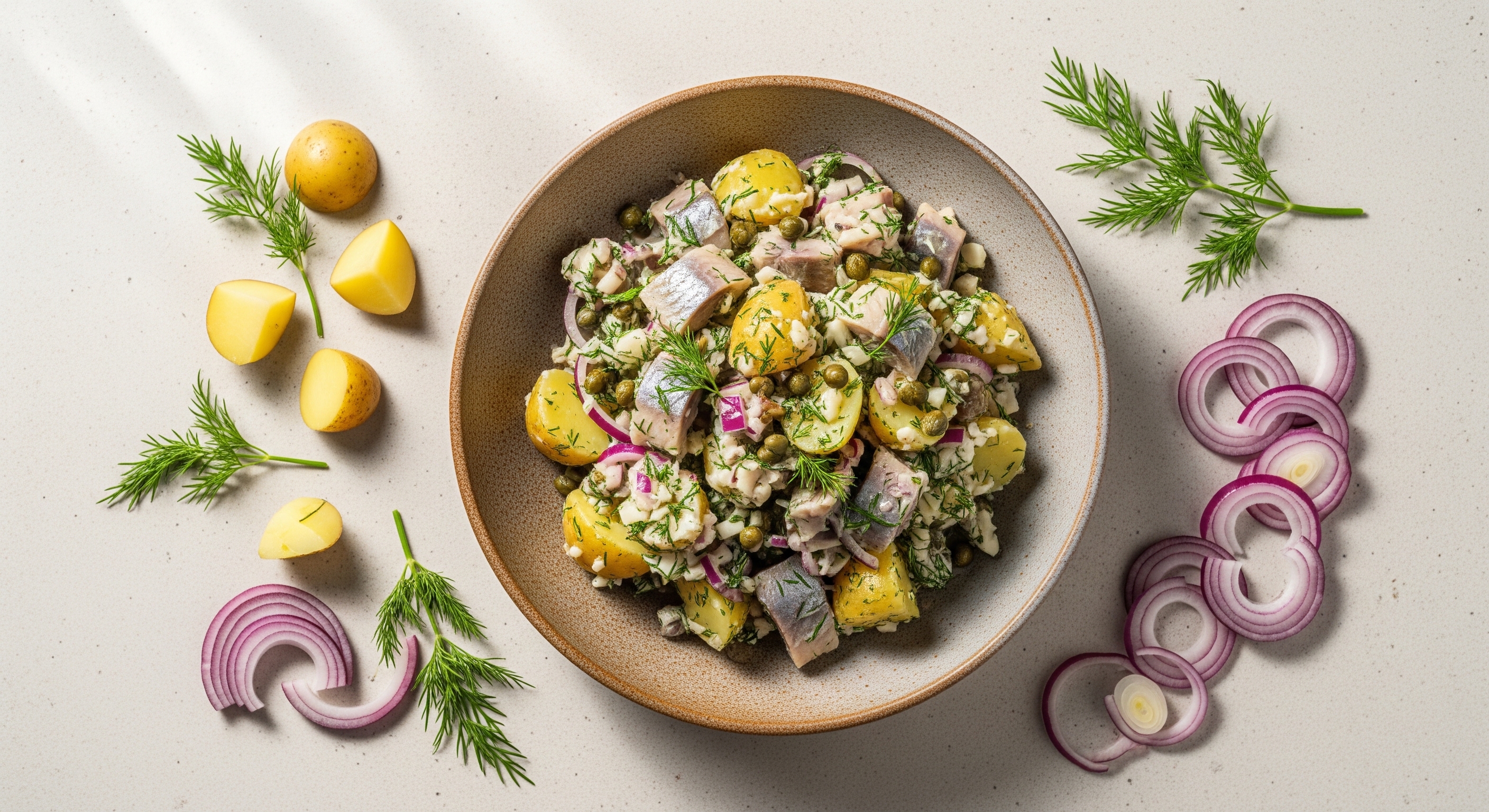 Herring Potato Salad with Dill and Capers 35 min Dutch potato salad with matjes herring, fresh dill and briny capers 520 kcal 28g protein 2 synergies
 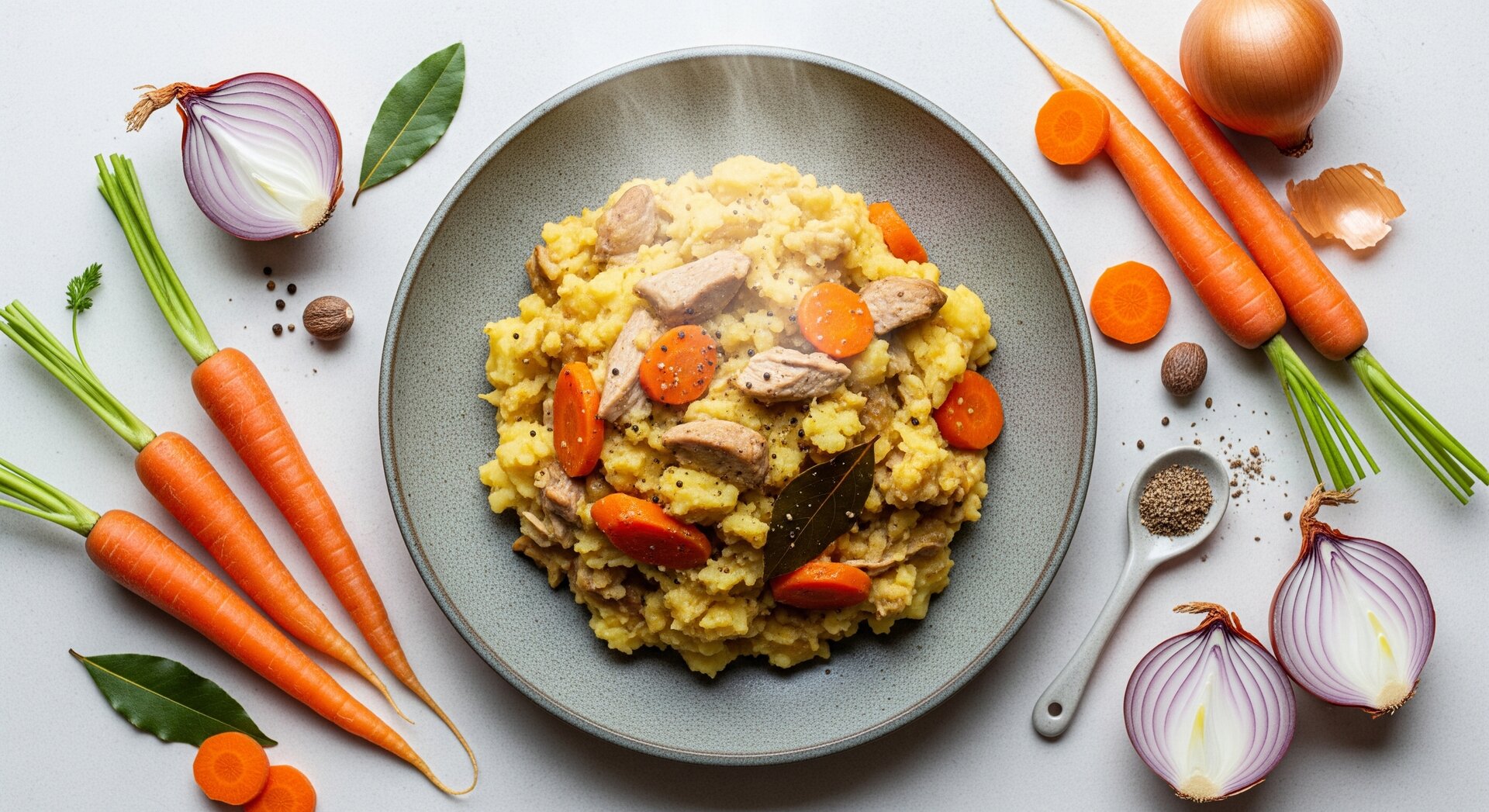 Hutspot with Turkey, Carrots and Potato 45 min Dutch mashed potatoes and carrots with juicy turkey and nutmeg 505 kcal 40g protein 2 synergies
  In the Kitchen
Storage
Location:Refrigerator
Shelf life:1-2 jaar (geopend, koelkast), onbeperkt (zaadjes, droog)
Store opened mustard in the refrigerator and close the jar well. Mustard seeds stay aromatic longest when kept dry, dark and airtight.
Preparation
Add mustard after cooking to vegetables or sauces when you want to keep its sharp, fresh taste. In vinaigrettes, mustard helps bind oil and vinegar smoothly.
Conversions
Substitutes
Smart preparation
1Add mustard to vinaigrettes as a natural emulsifier.
Why?
Mustard helps oil and vinegar bind better, making the dressing fuller and more stable.
2Stir mustard into warm sauces only after cooking.
Why?
This keeps the sharp taste fresher and prevents the mustard from tasting bitter.
3Combine different types of mustard for a more complex flavor profile.
Caution / Warnings
Mustard is very safe, but there are scientific considerations:
Prepared mustard high in salt Moderate
Ready-made mustard can contain a lot of salt. This is especially relevant when you deliberately limit salt.
Advice:
Check the label if you follow a salt-restricted eating pattern, or use mustard powder without added salt.
Sensitive stomach Moderate
Mustard is pungent and acidic. With a sensitive or irritated stomach, this may feel unpleasant.
Advice:
Limit or avoid mustard during active stomach discomfort, and choose milder seasonings if pungency causes symptoms.
Mustard allergy Severe
Mustard is an allergen that must be declared in Europe. In sensitive people, a reaction can be serious.
Advice:
Strictly avoid mustard with a known allergy and watch for hidden mustard in sauces, dressings and marinades.
Large amounts of raw mustard seed Mild
Raw mustard seed contains natural glucosinolates. In normal culinary amounts this is not a problem, but very large amounts are not everyday dietary advice.
Advice:
Use mustard seed mainly as a seasoning. When in doubt or with specific conditions, consult a doctor or dietitian.
Traditional use
Mediterranean
Roman and medieval culinary tradition
Mustard was already prepared by the Romans by mixing mustard seeds with grape must, known as mustum ardens. In the Middle Ages it became a regular condiment in European cooking, especially with meat, fish, cheese and pickled foods.
Summary
Mustard is a pungent condiment that does much more than add heat. A small amount gives sauces, vinaigrettes, cheese, fish and roasted vegetables depth and balance. Add mustard preferably after cooking when you want to keep its fresh sharpness. Watch the salt content in prepared mustard and avoid mustard completely with a known allergy.