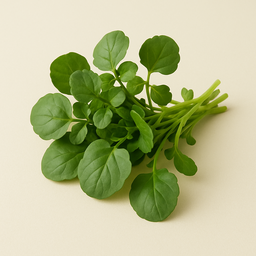
Watercress
The DNA Protector
What is this ingredient?
Watercress (Nasturtium officinale) is an aquatic plant that has been valued as a nutrient-rich food since Roman times. In 2014, watercress scored #1 on the CDC's Aggregate Nutrient Density Index - the most nutrient-dense food in the world. A remarkable study showed that daily watercress consumption was studied for its relationship with DNA damage markers in smokers. This is due to extremely high PEITC content (phenethyl isothiocyanate), a glucosinolate derivative more powerful than sulforaphane. The peppery taste comes from these sulfur compounds. Watercress is also exceptionally rich in vitamin K and the antioxidants lutein and beta-carotene.
How does it taste?
Peppery, sharp and fresh with a pungent mustard-like bite.
Pairs well with:
Pairs well with pearwalnutblue cheeselemon and egg.
Did you know...?
- Watercress is one of the oldest leaf vegetables consumed by humans.
- Hippocrates deliberately built his first hospital next to a stream to harvest fresh watercress.
Nutritional Value & Energy
Per 100g
Watercress is low in calories thanks to natural nutrients .
Per 100g
Minerals
Vitamins
Omega-3 fatty acids
More nutrients
B-Vitamins
Trace Minerals
What's in a serving?
1 serving
Watercress naturally contains vitamin c (72 mg per 100 g).
Watercress naturally contains vitamin k (312 mcg per 100 g).
% of daily reference intake (DRI)
EU-approved nutrition claims
This ingredient contains nutrients for which EFSA-authorized health claims exist (at nutrient level, not ingredient-specific).
Approved health claims (EU)
Vitamin_c EU 432/2012
Vitamin C contributes to the normal function of the immune system
Contains 72mg/100g (threshold: ≥12mg/100g)
Vitamin_c EU 432/2012
Vitamin C contributes to the reduction of tiredness and fatigue
Contains 72mg/100g (threshold: ≥12mg/100g)
Vitamin_c EU 432/2012
Vitamin C contributes to normal collagen formation for the normal function of skin
Contains 72mg/100g (threshold: ≥12mg/100g)
Vitamin_c EU 432/2012
Vitamin C contributes to normal collagen formation for the normal function of blood vessels
Contains 72mg/100g (threshold: ≥12mg/100g)
Vitamin_c EU 432/2012
Vitamin C contributes to normal collagen formation for the normal function of bones
Contains 72mg/100g (threshold: ≥12mg/100g)
Vitamin_c EU 432/2012
Vitamin C contributes to normal collagen formation for the normal function of cartilage
Contains 72mg/100g (threshold: ≥12mg/100g)
Vitamin_c EU 432/2012
Vitamin C contributes to normal collagen formation for the normal function of gums
Contains 72mg/100g (threshold: ≥12mg/100g)
Vitamin_c EU 432/2012
Vitamin C contributes to normal collagen formation for the normal function of teeth
Contains 72mg/100g (threshold: ≥12mg/100g)
Vitamin_c EU 432/2012
Vitamin C contributes to normal energy-yielding metabolism
Contains 72mg/100g (threshold: ≥12mg/100g)
Vitamin_c EU 432/2012
Vitamin C contributes to normal functioning of the nervous system
Contains 72mg/100g (threshold: ≥12mg/100g)
Vitamin_c EU 432/2012
Vitamin C contributes to normal psychological function
Contains 72mg/100g (threshold: ≥12mg/100g)
Vitamin_c EU 432/2012
Vitamin C contributes to the protection of cells from oxidative stress
Contains 72mg/100g (threshold: ≥12mg/100g)
Vitamin_c EU 432/2012
Vitamin C contributes to the regeneration of the reduced form of vitamin E
Contains 72mg/100g (threshold: ≥12mg/100g)
Vitamin_c EU 432/2012
Vitamin C increases iron absorption
Contains 72mg/100g (threshold: ≥12mg/100g)
Vitamin_c EU 432/2012
Vitamin C contributes to maintain the normal function of the immune system during and after intense physical exercise
Contains 72mg/100g (threshold: ≥12mg/100g)
Vitamin_k EU 432/2012
Vitamin K contributes to normal blood clotting
Contains 312mcg/100g (threshold: ≥11.25mcg/100g)
Vitamin_k EU 432/2012
Vitamin K contributes to the maintenance of normal bones
Contains 312mcg/100g (threshold: ≥11.25mcg/100g)
What's being researched?
PEITC and cellular protection research
Phenylethyl isothiocyanate (PEITC) in watercress is being intensively studied for potential cellular protective effects. Human intervention studies show reduced DNA damage in smokers after watercress consumption.
Supported by: [2] Gill (2007) , [3] Wang Y (2014)
Nutrient density and antioxidant profile
Watercress scores high on nutrient density indices and is being studied for the combined antioxidant effect of vitamin C, beta-carotene and PEITC.
Supported by: [2] Gill (2007) , [3] Wang Y (2014)
Good Combinations (Synergy)
Combine watercress smartly to enhance the effect:
Watercress 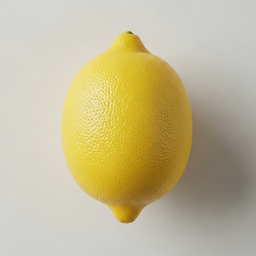 Lemon
Lemon PEITC + vitamin C: isothiocyanate and immune support
Technical: Watercress contains very high concentrations of PEITC (phenethyl isothiocyanate) — one of the most studied isothiocyanates inducing phase-II enzymes via the Nrf2 pathway. Vitamin C from lemon contributes to normal immune system function (EFSA-approved) via neutrophil chemotaxis and T-cell activation.
What does this mean for you? Watercress salad with lemon dressing combines PEITC (Nrf2 activation) and vitamin C (immune support). Watercress is one of the richest sources of this intensively studied isothiocyanate. Vitamin C from lemon complements with immune support.
Watercress 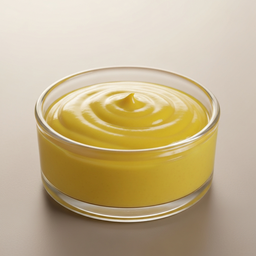 Mustard
 Mustard activates PEITC formation in watercress
Technical: Watercress contains high concentrations of gluconasturtiin, a glucosinolate converted by myrosinase to PEITC (phenethyl isothiocyanate) — one of the most studied isothiocyanates in science. Cooking deactivates myrosinase. Mustard provides external myrosinase that restores PEITC formation, even after heating.
What does this mean for you? Watercress with mustard vinaigrette is a nutrient-dense combination. The mustard restores the enzymatic conversion lost by heating. Use watercress fresh in salads for maximum PEITC formation, or add mustard to warm preparations.
Watercress 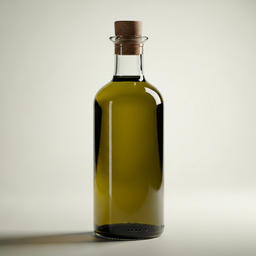 Olive Oil
 Fat improves absorption of PEITC and fat-soluble vitamins
Technical: Watercress contains 3191μg beta-carotene and 330μg vitamin K per 100g — both fat-soluble. PEITC (phenethyl isothiocyanate) is also lipophilic and better absorbed with fats. Olive oil forms micelles transporting all three components. Watercress' own vitamin C (43mg/100g) limits oxidation of the fats.
What does this mean for you? Watercress salad with olive oil dressing makes the full nutritional profile available. Without fat, fat-soluble vitamins and bioactive PEITC are largely lost.
Recipes with Watercress
Discover delicious recipes featuring watercress:
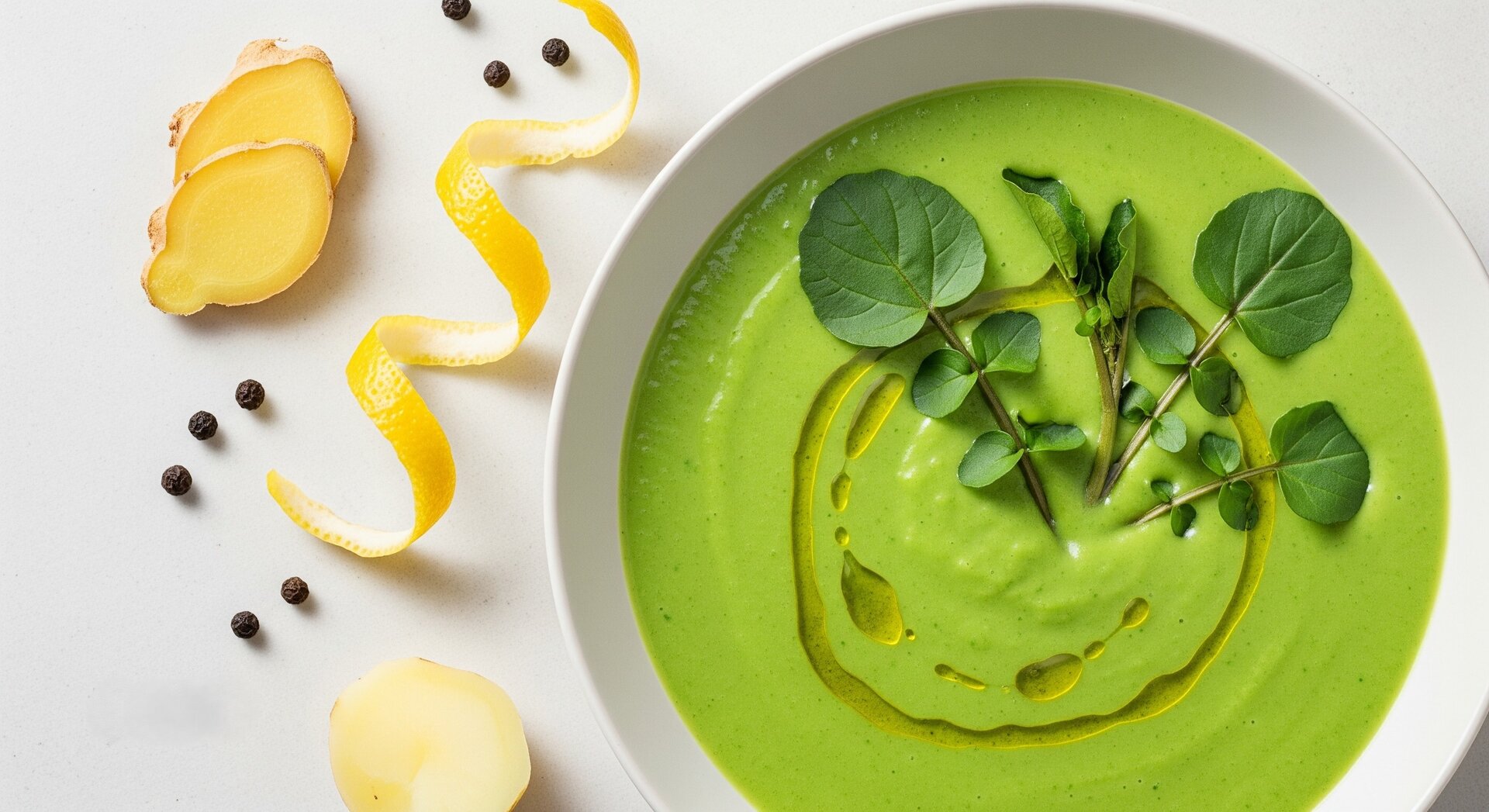 Watercress Soup with Ginger and Lemon 30 min Fresh green soup with potato, ginger and lemon zest
  153 kcal
  4g protein 2 synergies
  In the Kitchen
Storage
Location:Refrigerator
Shelf life:2-3 dagen (zeer bederfelijk)
Store with stems in water like a bouquet, or in damp paper towel. Use as soon as possible - wilts quickly.
Preparation
EAT RAW for maximum PEITC and enzymes. Add to salads, sandwiches or as garnish. Brief stir-frying possible but destroys enzymes. BEST SYNERGY: fatty fish - watercress protects omega-3 from oxidation.
Conversions
Substitutes
Smart preparation
1Remove thick stems and use only the leaves and thin stalks.
2Add watercress only at the very last moment to hot dishes.
Why?
Watercress wilts and loses its peppery flavor when heated.
3Wash watercress thoroughly in multiple rinses.
Caution / Warnings
Watercress is very safe, but there are scientific considerations:
Blood Thinners Severe
Extremely high vitamin K affects warfarin effectiveness
Advice:
With warfarin use: eat consistent amounts and consult doctor
Thyroid Problems Moderate
Cruciferous vegetables contain goitrogens
Advice:
Don't eat large amounts daily with thyroid problems
Traditional use
Mediterranean
Greek soldier food
Hippocrates built his first hospital near a stream with watercress, which he used as a blood purifier. Greek generals gave it to soldiers for strength.
Summary
Watercress is officially the most nutrient-dense food in the world (#1 CDC index) and well-researched DNA protector. The peppery taste signals powerful PEITC. Combine with fatty fish for optimal omega-3 protection - the antioxidants protect fragile omega-3 fatty acids.