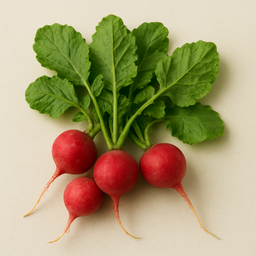
Radish
The Liver Supporter
What is this ingredient?
Radish (Raphanus sativus) is one of the oldest cultivated vegetables, already known to the ancient Egyptians. It belongs to the cruciferous family but grows as a root vegetable. The sharp, pungent taste comes from glucosinolates and isothiocyanates, the same compounds that make broccoli healthy but in higher concentrations. What makes radish unique is specific liver support: it contains glucosinolates, compounds studied in relation to bile production and toxin elimination. Studies indicate radish extract is being studied for potential effects on the liver. The red color comes from anthocyanins, powerful antioxidants. Black radish (Spanish black) has the strongest documented effects.
How does it taste?
Sharp, peppery and fresh with a crunchy bite. The heat fades when cooked.
Pairs well with:
Pairs well with buttersea saltchivesavocado and citrus.
Varieties
Red Radish
Most common, mild-pungent, bright red outside
Black Radish (Spanish Black)
Strongest medicinal effect, very pungent, ideal for liver
Daikon (White Radish)
Large, mild, popular in Asian cuisine
Watermelon Radish
Green outside, pink inside, mild and decorative
Did you know...?
- Radishes were one of the first European crops cultivated in the Americas.
- In Oaxaca, Mexico, there is an annual festival called 'Noche de los Rabanos' where radishes are carved.
Nutritional Value & Energy
Per 100g
Radish is low in calories thanks to natural nutrients .
Per 100g
Minerals
Vitamins
Omega-3 fatty acids
More nutrients
B-Vitamins
Trace Minerals
What's in a serving?
1 serving
Radish naturally contains vitamin c (25 mg per 100 g).
% of daily reference intake (DRI)
EU-approved nutrition claims
This ingredient contains nutrients for which EFSA-authorized health claims exist (at nutrient level, not ingredient-specific).
Approved health claims (EU)
Vitamin_c EU 432/2012
Vitamin C contributes to the normal function of the immune system
Contains 25mg/100g (threshold: ≥12mg/100g)
Vitamin_c EU 432/2012
Vitamin C contributes to the reduction of tiredness and fatigue
Contains 25mg/100g (threshold: ≥12mg/100g)
Vitamin_c EU 432/2012
Vitamin C contributes to normal collagen formation for the normal function of skin
Contains 25mg/100g (threshold: ≥12mg/100g)
Vitamin_c EU 432/2012
Vitamin C contributes to normal collagen formation for the normal function of blood vessels
Contains 25mg/100g (threshold: ≥12mg/100g)
Vitamin_c EU 432/2012
Vitamin C contributes to normal collagen formation for the normal function of bones
Contains 25mg/100g (threshold: ≥12mg/100g)
Vitamin_c EU 432/2012
Vitamin C contributes to normal collagen formation for the normal function of cartilage
Contains 25mg/100g (threshold: ≥12mg/100g)
Vitamin_c EU 432/2012
Vitamin C contributes to normal collagen formation for the normal function of gums
Contains 25mg/100g (threshold: ≥12mg/100g)
Vitamin_c EU 432/2012
Vitamin C contributes to normal collagen formation for the normal function of teeth
Contains 25mg/100g (threshold: ≥12mg/100g)
Vitamin_c EU 432/2012
Vitamin C contributes to normal energy-yielding metabolism
Contains 25mg/100g (threshold: ≥12mg/100g)
Vitamin_c EU 432/2012
Vitamin C contributes to normal functioning of the nervous system
Contains 25mg/100g (threshold: ≥12mg/100g)
Vitamin_c EU 432/2012
Vitamin C contributes to normal psychological function
Contains 25mg/100g (threshold: ≥12mg/100g)
Vitamin_c EU 432/2012
Vitamin C contributes to the protection of cells from oxidative stress
Contains 25mg/100g (threshold: ≥12mg/100g)
Vitamin_c EU 432/2012
Vitamin C contributes to the regeneration of the reduced form of vitamin E
Contains 25mg/100g (threshold: ≥12mg/100g)
Vitamin_c EU 432/2012
Vitamin C increases iron absorption
Contains 25mg/100g (threshold: ≥12mg/100g)
Vitamin_c EU 432/2012
Vitamin C contributes to maintain the normal function of the immune system during and after intense physical exercise
Contains 25mg/100g (threshold: ≥12mg/100g)
What's being researched?
Glucosinolates and digestion
Glucosinolates in radish are being studied for potential stimulation of digestion and bile production. Traditional use as a digestive aid is being scientifically evaluated.
Supported by: [1] Lee SW (2012)
Raphanin and bioactive compounds in laboratory research
Raphanin and related compounds in radish are being studied for bioactive properties in laboratory research. Preclinical studies show activity, but clinical applicability remains to be established.
Supported by: [4] Beevi (2009)
Good Combinations (Synergy)
Combine radish smartly to enhance the effect:
Radish 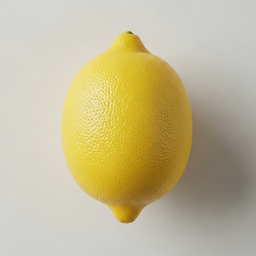 Lemon
Lemon Glucosinolates + vitamin C: Nrf2 activation and immune support
Technical: Radish contains glucosinolates (glucoraphasatin) converted by myrosinase to raphasatin — an isothiocyanate inducing phase-II enzymes via the Nrf2 pathway. Vitamin C from lemon (53mg/100g) contributes to normal immune system function (EFSA-approved) and protects isothiocyanates from oxidative degradation.
What does this mean for you? Radish salad with lemon dressing combines Nrf2 activation from radish with vitamin C from lemon. The sharp taste of radish = active glucosinolates at work.
Radish 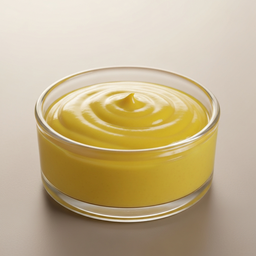 Mustard
 Enhances the spicy glucosinolate action
Technical: Radish contains glucosinolates responsible for its sharp taste and the formation of bioactive isothiocyanates. Mustard enhances the enzymatic conversion to active isothiocyanates.
What does this mean for you? That spicy taste of radish comes from active compounds — isothiocyanates. Combine radish with a mustard dressing and you double the conversion. Try: radish slices with honey-mustard dip!
Radish 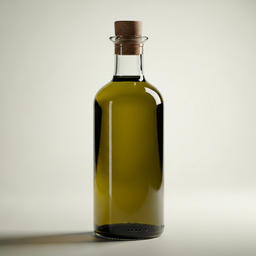 Olive Oil
 Fat improves absorption of isothiocyanates from radish
Technical: Radish's isothiocyanates (raphasatin, sulforaphene) are lipophilic molecules better absorbed in presence of fats. Olive oil also slows gastric passage, keeping isothiocyanates in contact with intestinal epithelium longer for better absorption. Oil also tempers the sharp taste.
What does this mean for you? Serve radishes with olive oil (e.g., on bread with butter or in salad with dressing). Fat improves absorption of the bioactive sharp compounds and makes the taste milder.
Recipes with Radish
Discover delicious recipes featuring radish:
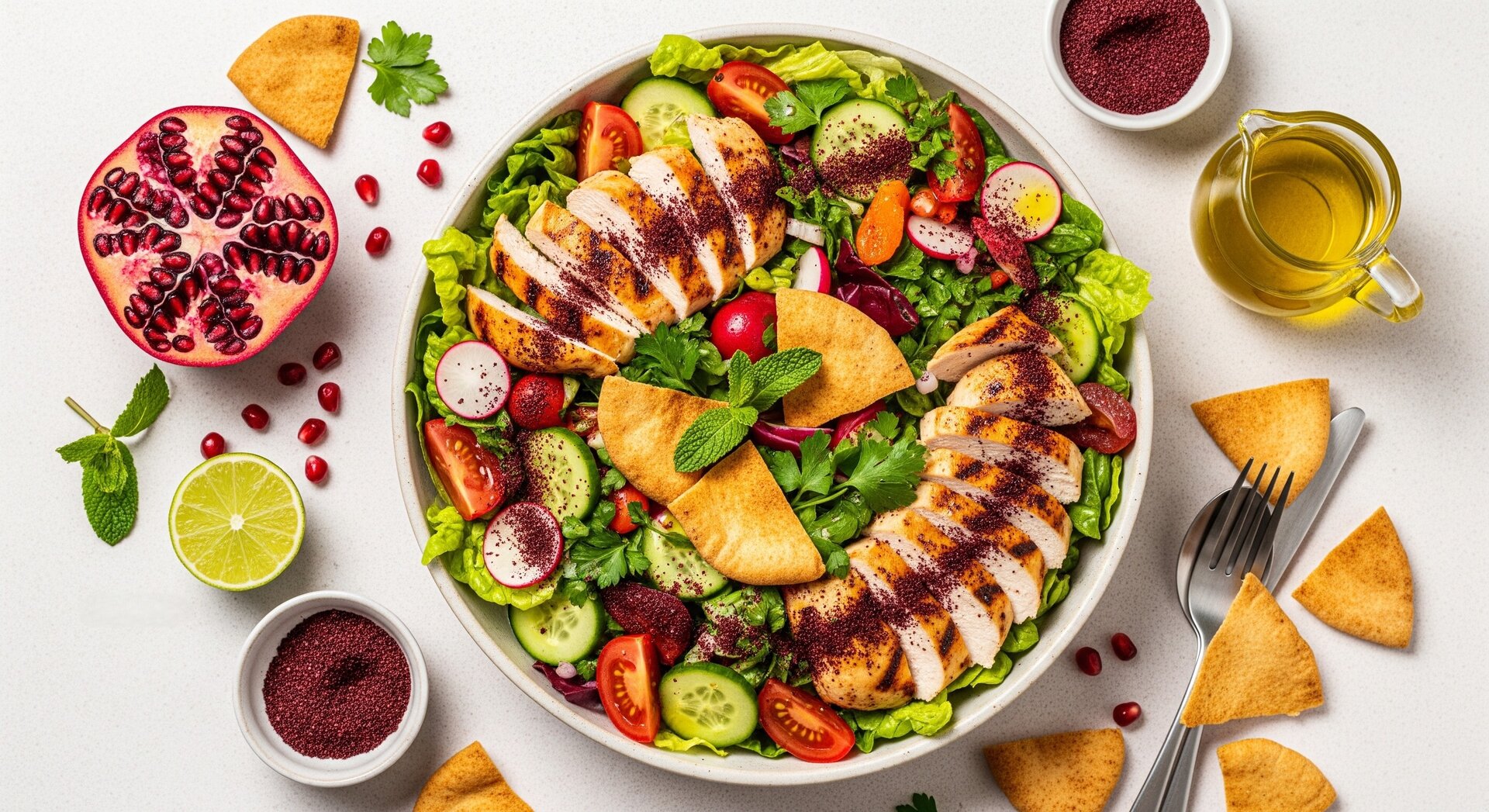 Fattoush Salad with Grilled Chicken and Sumac 35 min Lebanese bread salad with grilled chicken, radish and sumac dressing
  660 kcal
  48g protein 1 synergies
 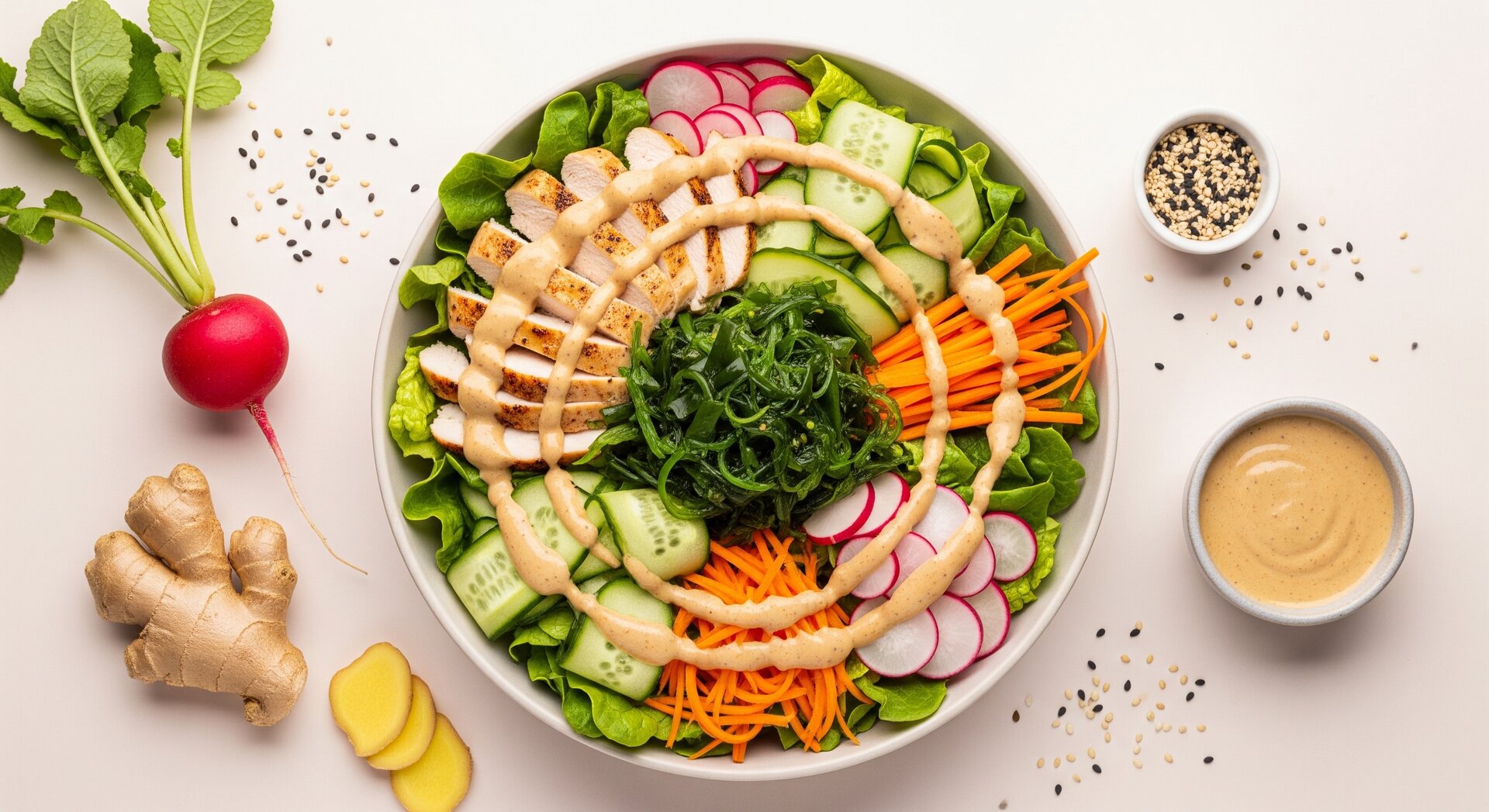 Japanese Sesame Dressing Salad with Chicken and Seaweed 32 min Crispy salad with grilled chicken and mineral-rich seaweed 445 kcal 52g protein 1 synergies
 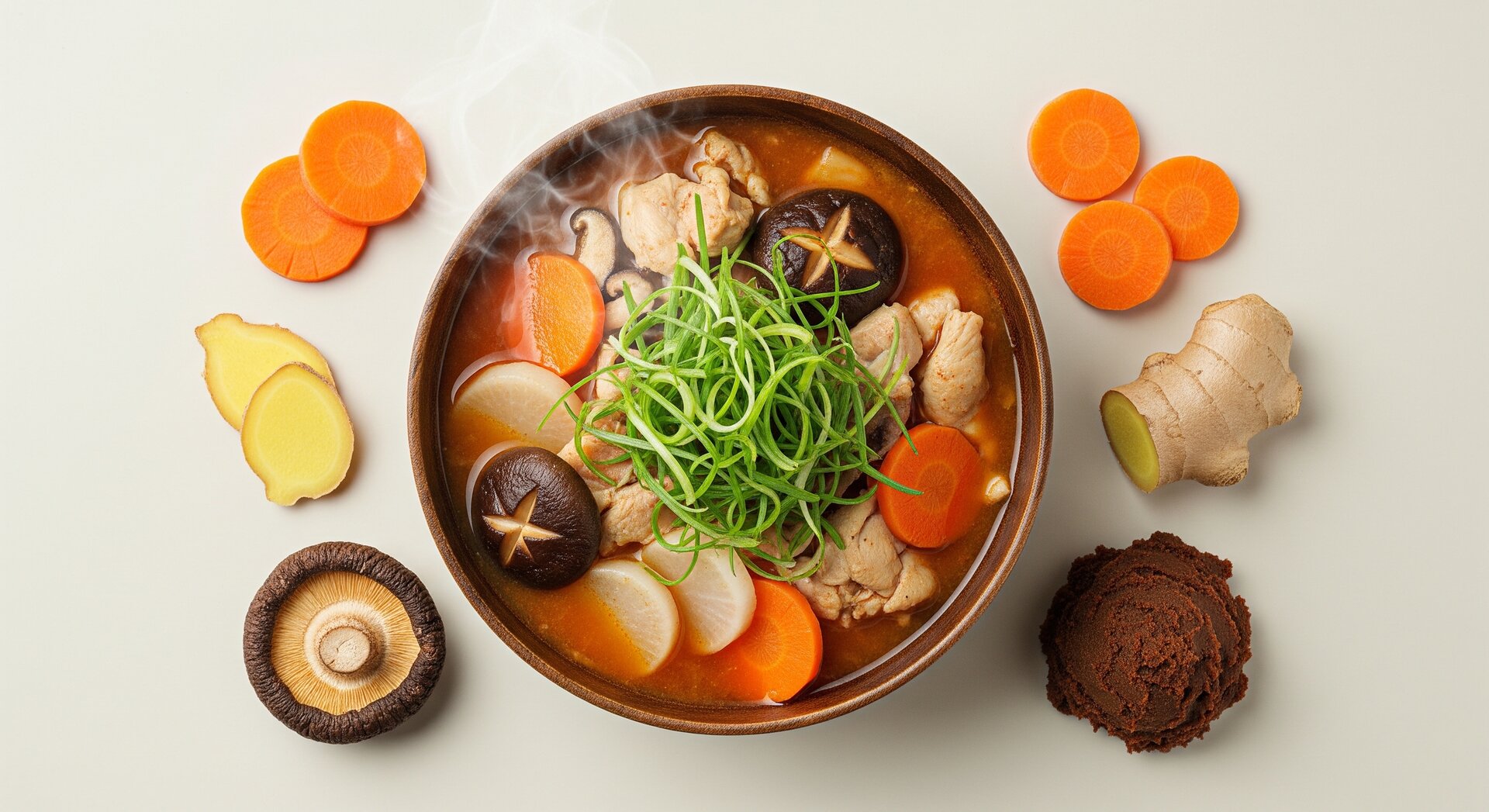 Japanese Tonjiru with Chicken and Root Vegetables 40 min Savoury miso soup with chicken, root vegetables, shiitake and ginger 235 kcal 24g protein 1 synergies
 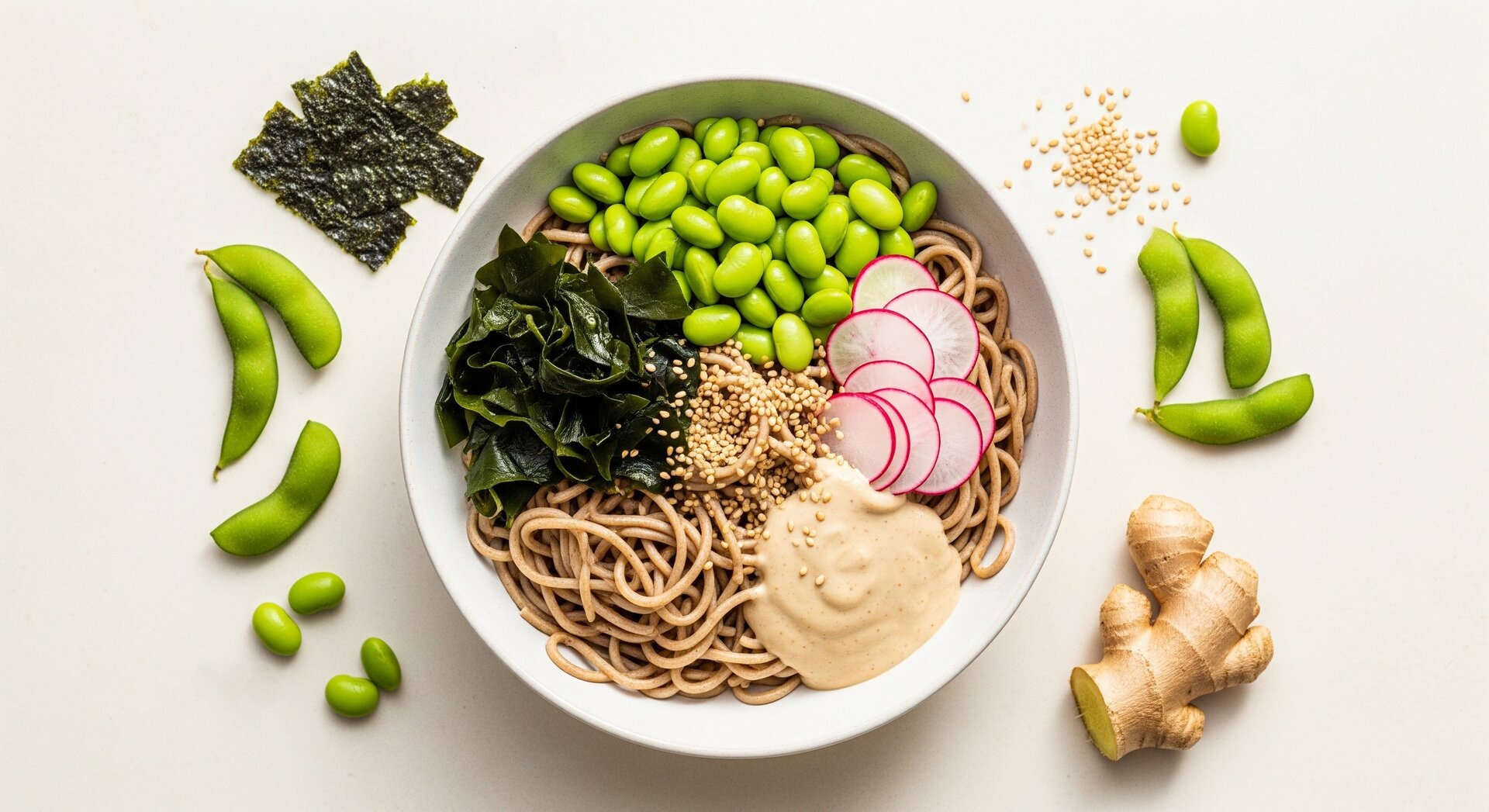 Cold Japanese Soba with Edamame and Seaweed 30 min Refreshing noodles with sesame-tahini dressing 820 kcal 35g protein 2 synergies
 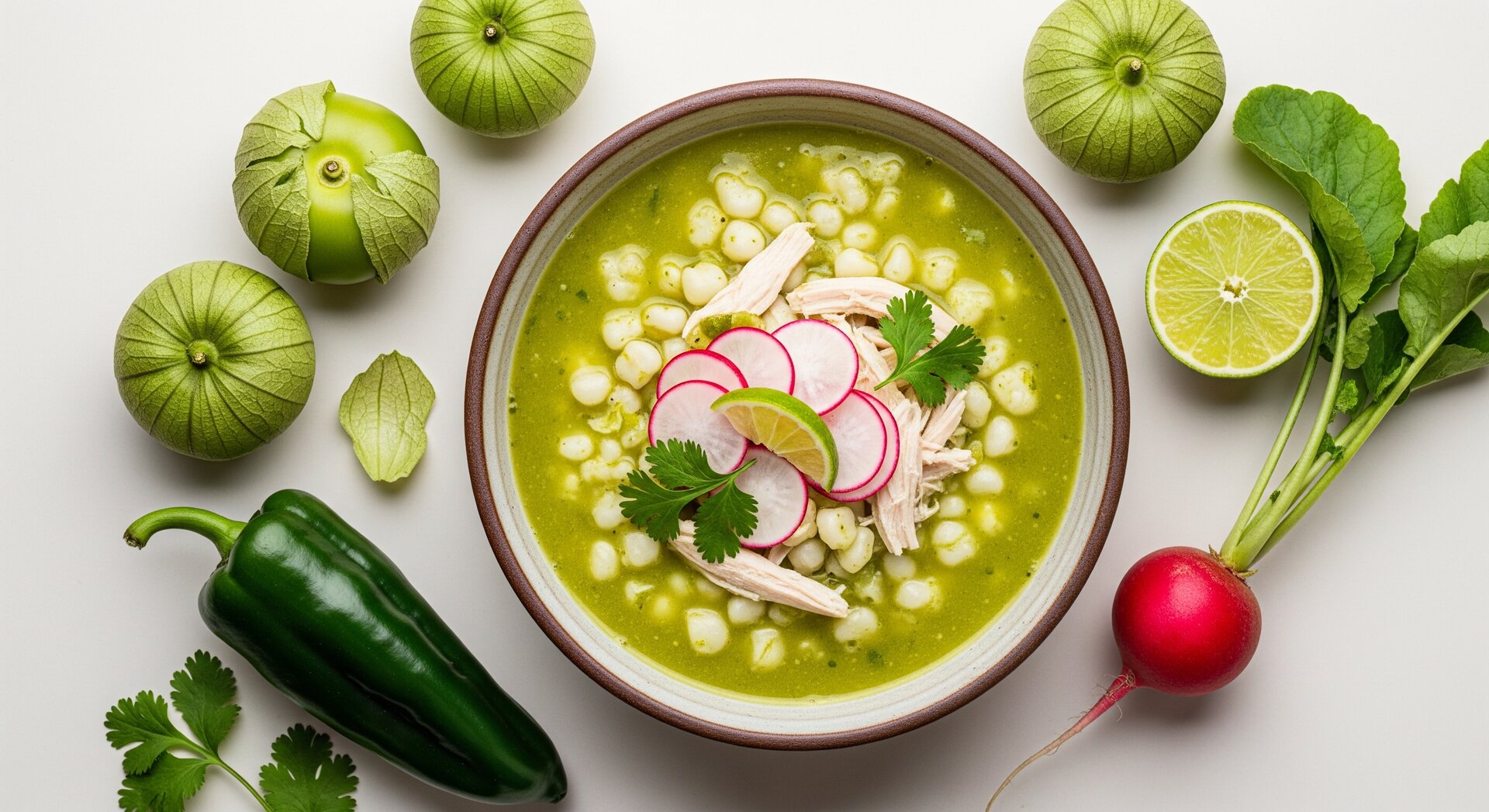 Pozole Verde with Chicken and Radish 60 min Mexican green hominy soup with chicken, tomatillo and fresh herbs 349 kcal 36g protein 2 synergies
  In the Kitchen
Storage
Location:Refrigerator
Shelf life:1-2 weken zonder loof, 3 dagen met loof
Remove greens (draws moisture from radish). Store in plastic bag in vegetable drawer. Greens are edible and nutritious!
Preparation
BEST: raw for maximum enzymes and crunch. Slice for salads or as snack with hummus. Roasting makes them milder and sweeter. BEST SYNERGY: hummus - fats help absorption of fat-soluble nutrients.
Conversions
Substitutes
Smart preparation
1Place radishes in ice water for extra crispness.
2Keep the leaves; they are edible and tasty in pesto or soup.
3Roast radishes in the oven for a milder, sweeter flavor.
Why?
Heating significantly reduces the peppery sharpness.
Caution / Warnings
Radish is very safe, but there are scientific considerations:
Gallstones Moderate
Radish stimulates bile production which can cause gallstone movement
Advice:
With gallstones: avoid large amounts of radish, especially black radish
Thyroid Problems Moderate
Cruciferous vegetables contain goitrogens
Advice:
With thyroid problems: eat moderate amounts
Traditional use
Traditional Chinese Medicine
Chinese traditional use
In Chinese medicine, radishes have been used for centuries to resolve food stagnation, transform phlegm, and promote qi flow.
Mediterranean
Egyptian tribute
In ancient Egypt, radishes were so valued that they were offered as tribute to the gods. Greek physicians prescribed them for coughs and digestive problems.
Summary
Radish is the liver helper among vegetables: contains glucosinolates, studied in relation to bile production, and is being studied for potential effects on the liver. The sharp taste signals powerful glucosinolates. Eat raw as snack with hummus or in salads. Pro-tip: black radish has the strongest documented effects for liver support.