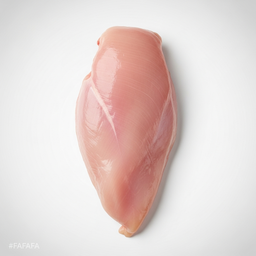
Chicken Breast
The lean protein source
What is this ingredient?
Chicken breast (without skin) is one of the most popular protein sources worldwide. With only 165 calories per 100g and 31g protein, it's a favorite among athletes and weight-watchers.
Chicken protein has a high biological value (79), meaning the body can efficiently use it for muscle building and repair. It contains all essential amino acids in good proportions.
Choose organic or free-range chicken where possible - these contain more omega-3 fatty acids and have a better fatty acid ratio due to more natural feeding.
How does it taste?
Mild, lean and versatile with a subtle, gentle meat flavor.
Pairs well with:
Pairs well with lemongarlicgingersoy sauce and honey.
Did you know...?
- Chicken breast is the most popular cut of chicken worldwide and comes from the bird's chest muscle.
- The chicken is the most common farm animal in the world, with over 33 billion individuals.
Nutritional Value & Energy
Per 100g
Chicken Breast provides energy thanks to natural nutrients .
Per 100g
Minerals
Vitamins
Omega-3 fatty acids
More nutrients
B-Vitamins
Trace Minerals
What's in a serving?
1 serving
Chicken Breast naturally contains selenium (27 mcg per 100 g).
% of daily reference intake (DRI)
EU-approved nutrition claims
This ingredient contains nutrients for which EFSA-authorized health claims exist (at nutrient level, not ingredient-specific).
Approved health claims (EU)
Selenium EU 432/2012
Selenium contributes to the maintenance of normal hair
Contains 27mcg/100g (threshold: ≥8.25mcg/100g)
Selenium EU 432/2012
Selenium contributes to the maintenance of normal nails
Contains 27mcg/100g (threshold: ≥8.25mcg/100g)
Selenium EU 432/2012
Selenium contributes to the normal function of the immune system
Contains 27mcg/100g (threshold: ≥8.25mcg/100g)
Selenium EU 432/2012
Selenium contributes to normal thyroid function
Contains 27mcg/100g (threshold: ≥8.25mcg/100g)
Selenium EU 432/2012
Selenium contributes to normal spermatogenesis
Contains 27mcg/100g (threshold: ≥8.25mcg/100g)
Selenium EU 432/2012
Selenium contributes to the protection of cells from oxidative stress
Contains 27mcg/100g (threshold: ≥8.25mcg/100g)
What's being researched?
Chicken breast and muscle protein synthesis
Chicken breast as a protein source for muscle protein synthesis is widely studied in sports nutrition research. The amino acid profile is comparable to other animal sources and supports effective muscle building.
Supported by: [2] Leidy (2015)
Good Combinations (Synergy)
Combine chicken breast smartly to enhance the effect:
Chicken Breast 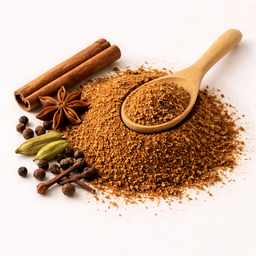 Garam Masala
 Fats + probiotics improve spice absorption
Technical: Garam masala contains curcumin (turmeric), piperine (black pepper), cinnamaldehyde and cardamom — mostly fat-soluble compounds. Yogurt provides milk fats that dissolve these compounds, plus probiotics supporting gut microbiome diversity. The piperine in the mix additionally increases absorption of all other spices.
What does this mean for you? Marinate chicken in yogurt with garam masala (tikka marinade). The yogurt's fats activate the spices and the probiotics help your digestion.
Chicken Breast 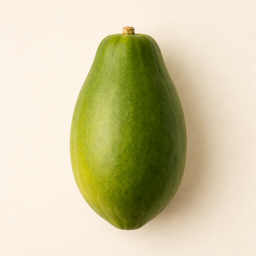 Green Papaya
 Papain enzyme breaks down proteins for better digestion
Technical: Green papaya contains 2x more papain than ripe papaya. Papain is a cysteine protease that cleaves protein chains at basic amino acids (Arg, Lys). This breaks collagen and elastin fibers in meat, tenderizing it. The enzyme works optimally at pH 6-7 and 50-65°C and also supports gastric digestion.
What does this mean for you? Use green papaya as meat tenderizer in marinades or eat as side dish with meat. The papain enzyme makes meat more tender and easier to digest — used for centuries in Asian cuisine.
Chicken Breast  Preserved Lemons
 Citrus enzymes tenderize chicken + probiotics
Technical: Preserved lemons contain citric acid that acts as a natural marinade — it denatures proteins in chicken breast, making the meat more tender. During fermentation, lactobacilli produce proteolytic enzymes that further improve protein digestion. Probiotics from fermentation partially survive stomach passage and support gut flora.
What does this mean for you? Marinate chicken breast with chopped preserved lemon — a classic Moroccan recipe. The chicken becomes not only softer and more flavorful, but also easier to digest thanks to the enzymes from the fermentation process.
Chicken Breast 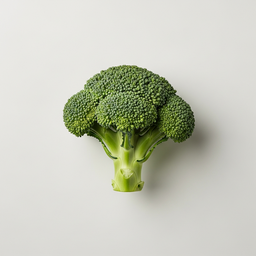 Broccoli
 The classic fitness meal
Technical: Chicken breast provides 31g complete protein per 100g with high BCAA concentration (leucine 2.4g) for muscle protein synthesis. Broccoli contains 89mg vitamin C per 100g that lowers cortisol after exercise, plus sulforaphane that activates the Nrf2 pathway for antioxidant protection. Fiber in broccoli (2.6g) slows protein digestion, giving a slower, more even amino acid release.
What does this mean for you? Chicken with broccoli is the classic fitness meal for good reason. The chicken provides building blocks for your muscles, the broccoli helps recovery after exercise and reduces oxidative stress. Lightly steam broccoli for maximum sulforaphane.
Chicken Breast 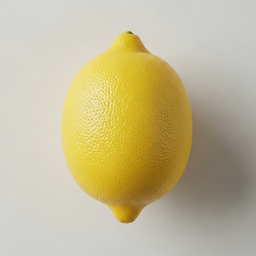 Lemon
Lemon Citric acid improves protein digestion and flavor
Technical: The citric acid in lemon lowers stomach pH, improving the activation of pepsinogen to pepsin (proteolytic enzyme). This speeds up breakdown of chicken proteins to amino acids. The acidity also helps against bacteria and marinating with lemon tenderizes chicken.
What does this mean for you? Marinate chicken in lemon juice or serve with a lemon wedge. This is why lemon is a standard with poultry in many cuisines.
Chicken Breast 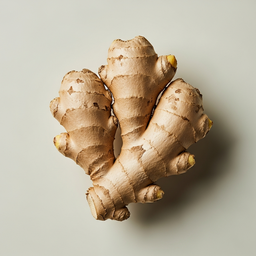 Ginger
 Gingerols improve protein digestion and modulate the inflammatory response
Technical: Chicken breast contains 31g high-quality protein per 100g. Ginger contains gingerols that stimulate proteolytic enzymes (pepsin, trypsin), breaking down proteins more efficiently. Ginger also reduces formation of AGEs (Advanced Glycation End-products) when cooking meat.
What does this mean for you? Marinate chicken with fresh ginger or add ginger when cooking. This is the basis of many Asian chicken dishes (ginger chicken, congee) and improves both flavor and digestibility.
Chicken Breast 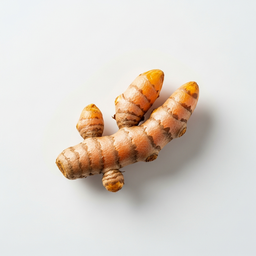 Turmeric
 Classic curry combination with complementary bioactive action
Technical: Chicken breast provides 31g protein per 100g with high leucine content (2.4g) for muscle protein synthesis (mTOR activation). After intense exercise, inflammatory processes occur, in part via NF-κB signaling. Curcumin directly modulates NF-κB, supporting muscle recovery without blocking the adaptive training response. Chicken proteins provide building material, curcumin optimizes the recovery process.
What does this mean for you? Make a chicken-turmeric curry as a post-workout meal. The chicken provides proteins for muscle building, the turmeric may support muscle recovery after training. Add black pepper and coconut milk for optimal curcumin absorption.
Chicken Breast 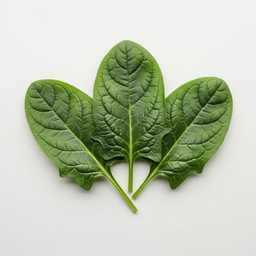 Spinach
 Protein + iron + vitamin C in one complete meal
Technical: Chicken breast provides 31g complete protein per 100g with all essential amino acids. Spinach contains 2.7mg iron plus 28mg vitamin C that improves iron absorption. The proteins from chicken support muscle building while iron supports energy production.
What does this mean for you? Chicken with sautéed spinach is one of the most complete fitness meals: lean protein, iron, vitamin C, and few calories. Add garlic for extra flavor and nutritional value.
Chicken Breast 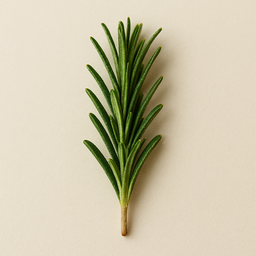 Rosemary
 Neutralizes HCAs (cooking toxins) during grilling/frying
Smith JS et al. (2008) in Journal of Food Science showed rosemary extract reduces HCA formation by 90%.
Technical: When grilling/frying meat above 150°C, heterocyclic amines (HCAs) form — potentially carcinogenic. Rosemary's carnosol, carnosic acid and rosmanol are diterpene antioxidants that significantly reduce HCA formation by scavenging free radicals before they can modify amino acids.
What does this mean for you? ALWAYS marinate meat with rosemary before grilling or high-heat frying. The rosemary significantly reduces harmful cooking compounds — possibly the most important cooking tip there is.
Recipes with Chicken Breast
Discover delicious recipes featuring chicken breast:
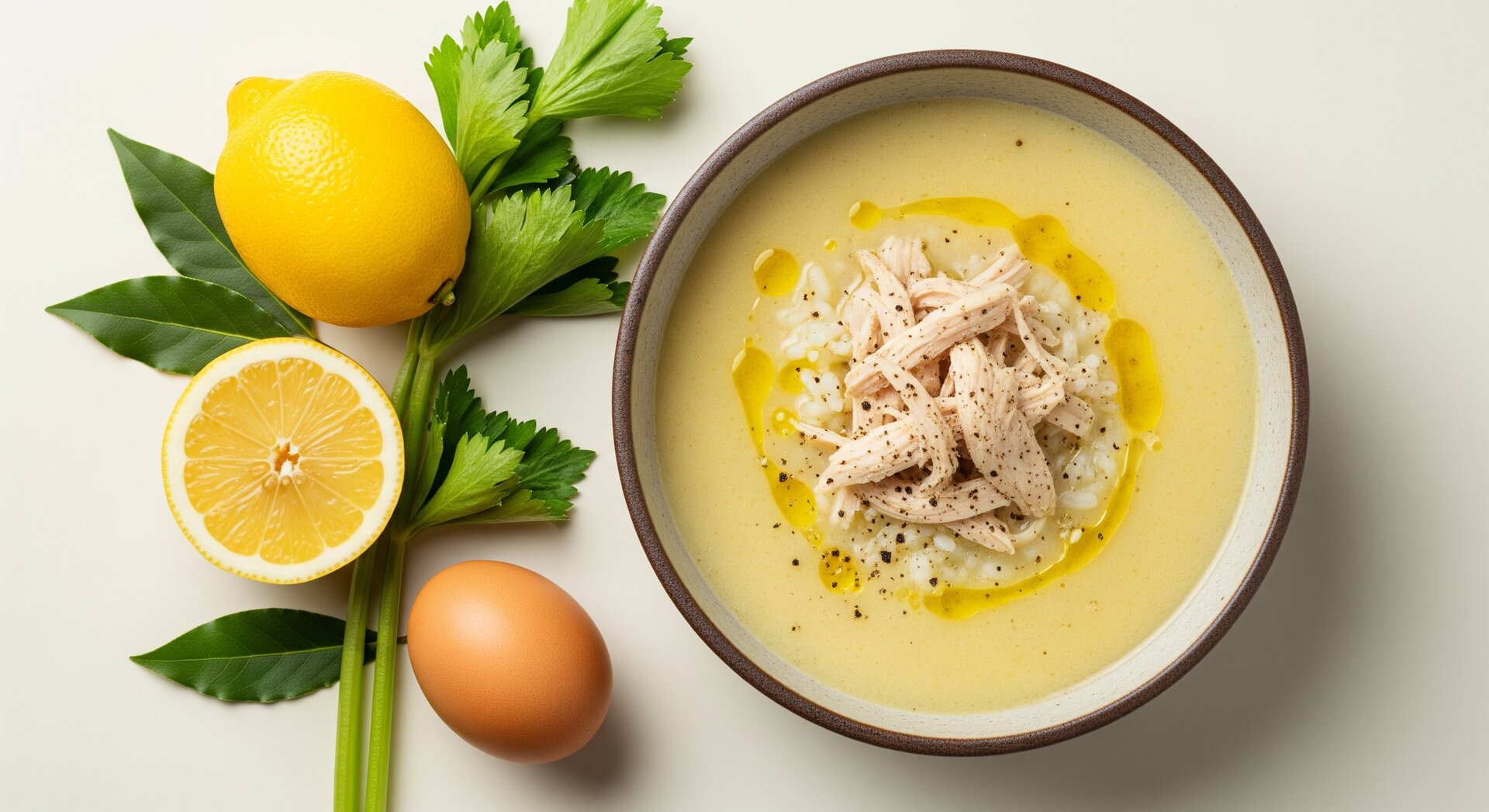 Avgolemono - Greek Lemon-Egg Soup with Chicken 40 min Velvety Greek soup with chicken, rice, lemon and egg
  410 kcal
  34g protein 3 synergies
 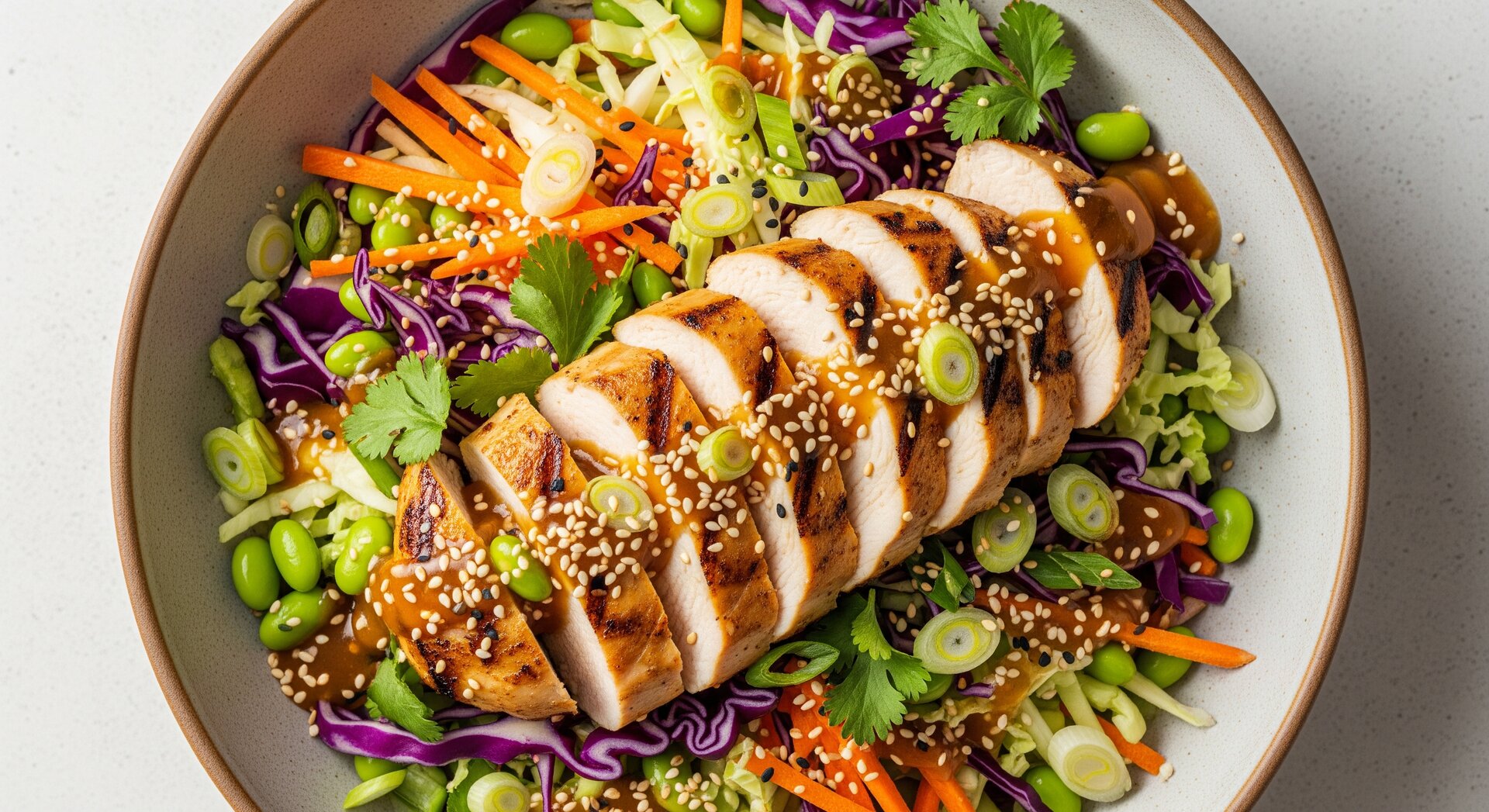 Asian Sesame Chicken Salad 25 min Crispy salad with grilled chicken and ginger-sesame dressing 320 kcal 28g protein 1 synergies
 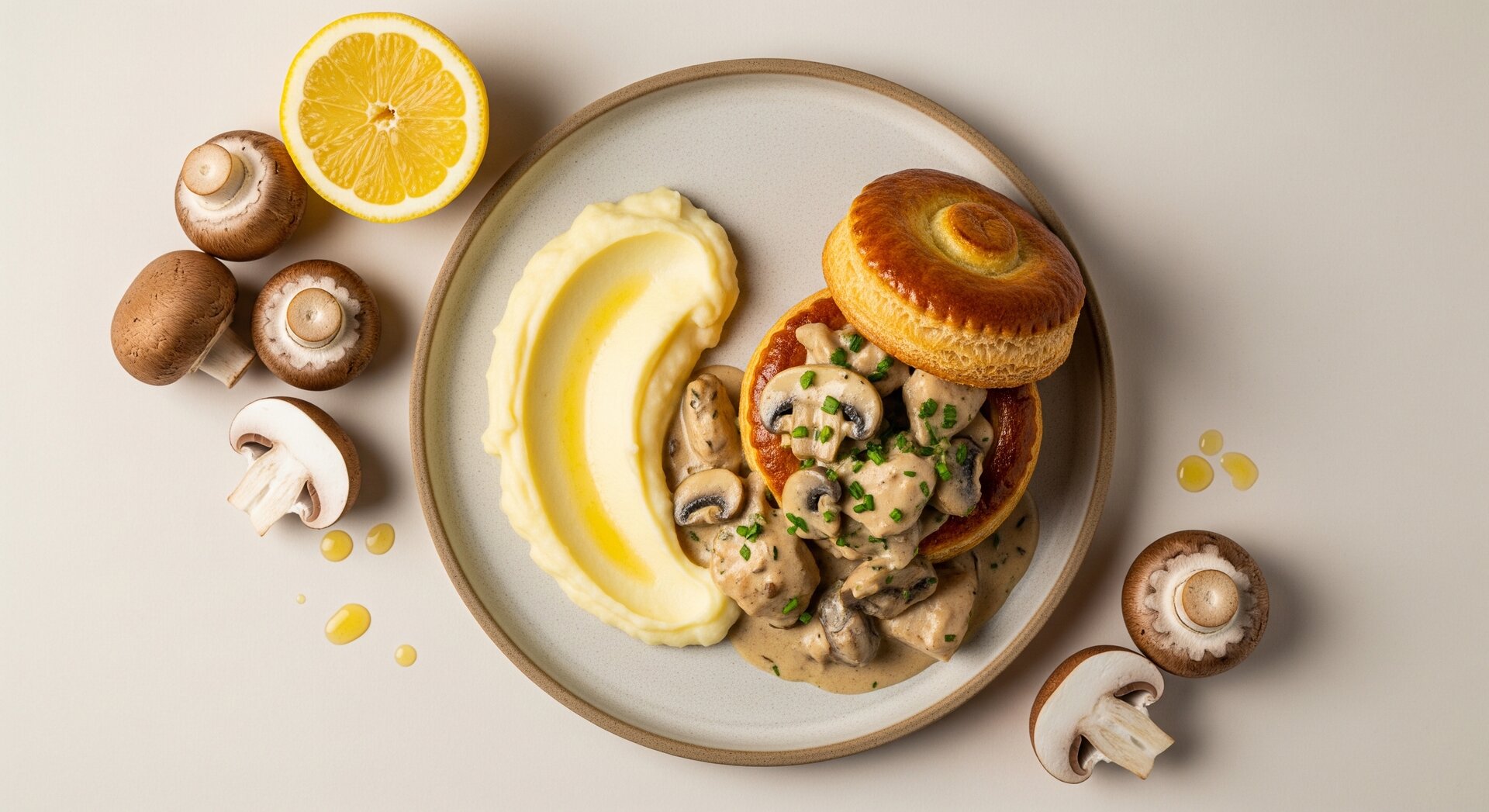 Belgian Vol-au-Vent with Mashed Potatoes 70 min Creamy chicken ragout with mushrooms, leek and soft mash 735 kcal 43g protein 2 synergies
 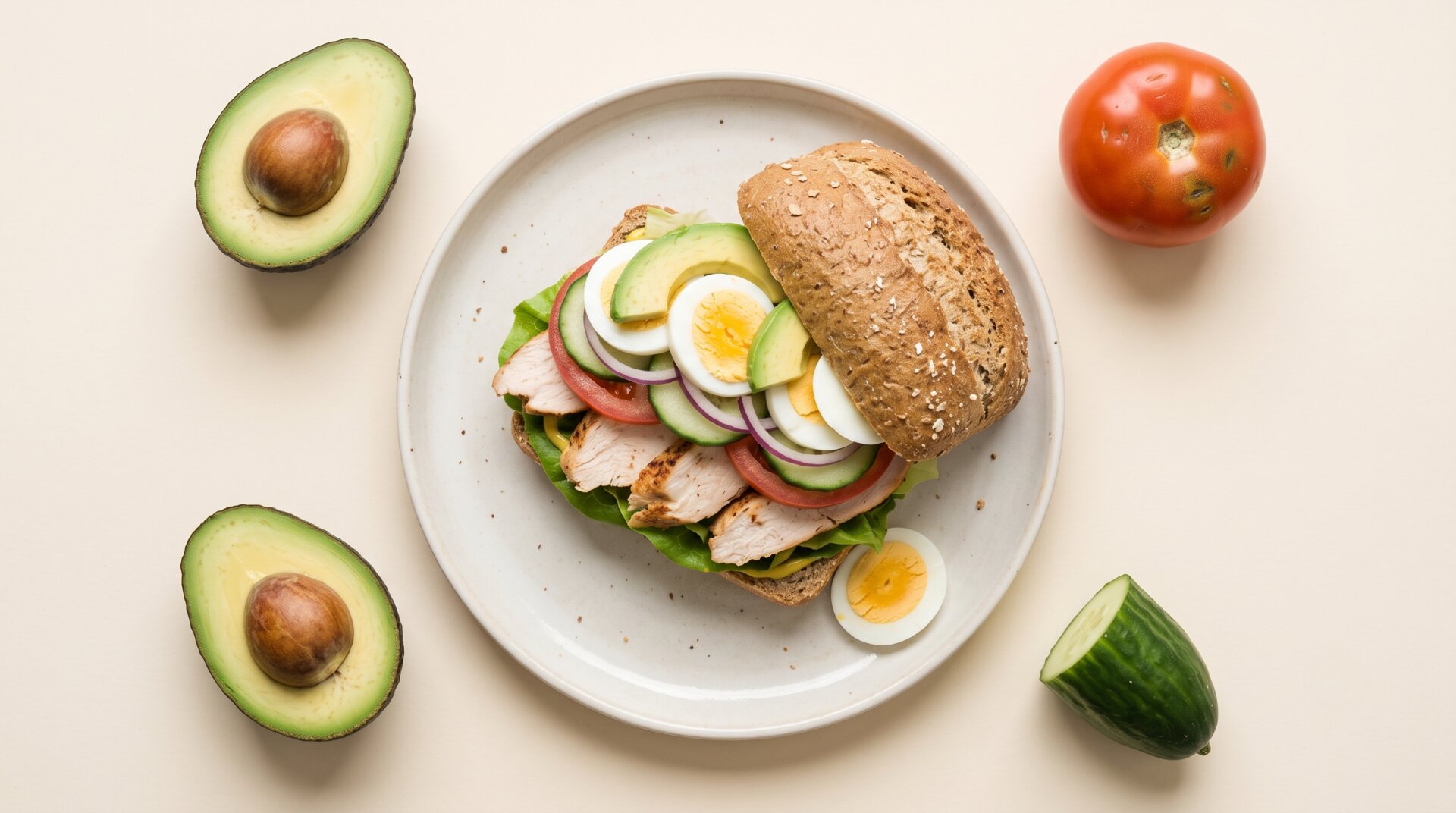 Deluxe Healthy Sandwich with Chicken and Avocado 30 min Dutch healthy sandwich with chicken, avocado and egg 764 kcal 54g protein 2 synergies
 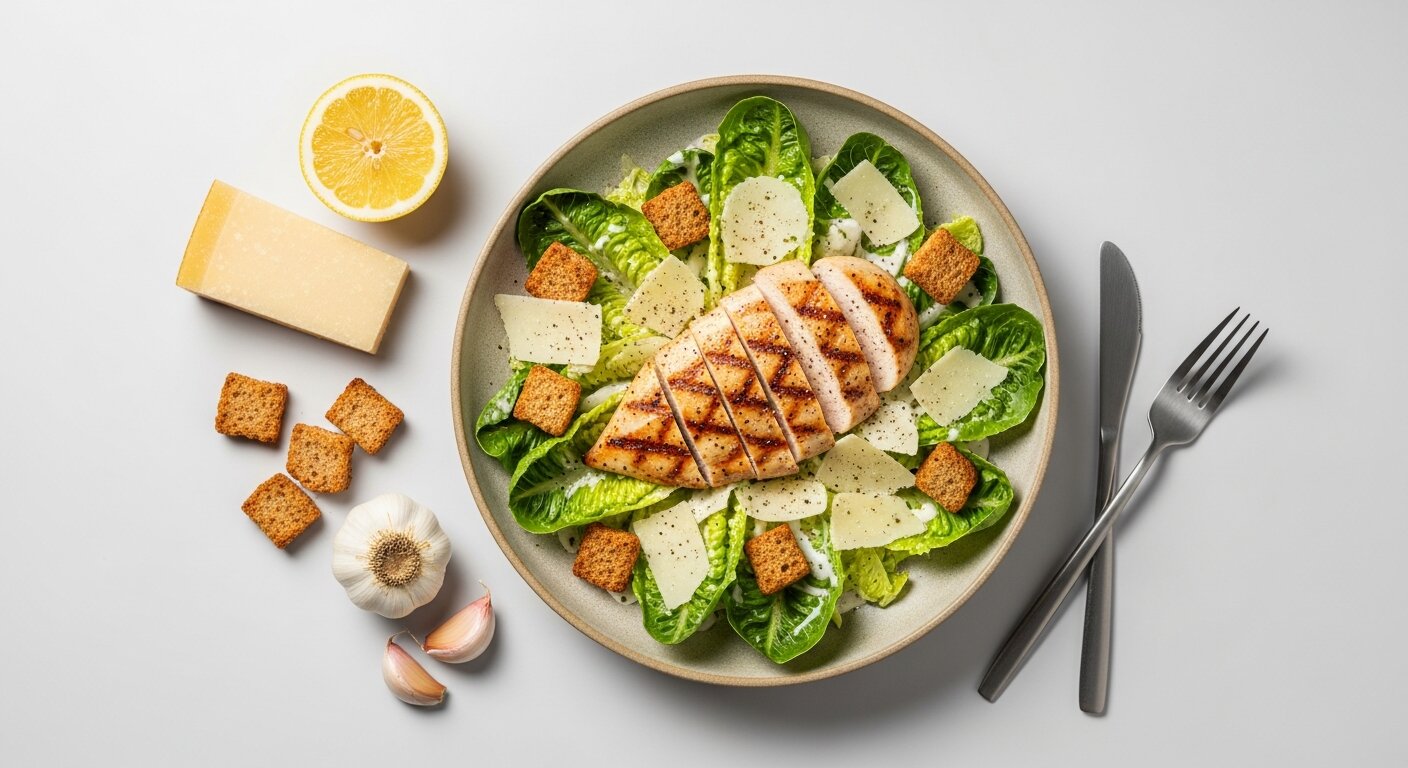 Caesar Salad with Chicken 25 min Classic Roman salad with crispy romaine and parmesan 340 kcal 32g protein 1 synergies
 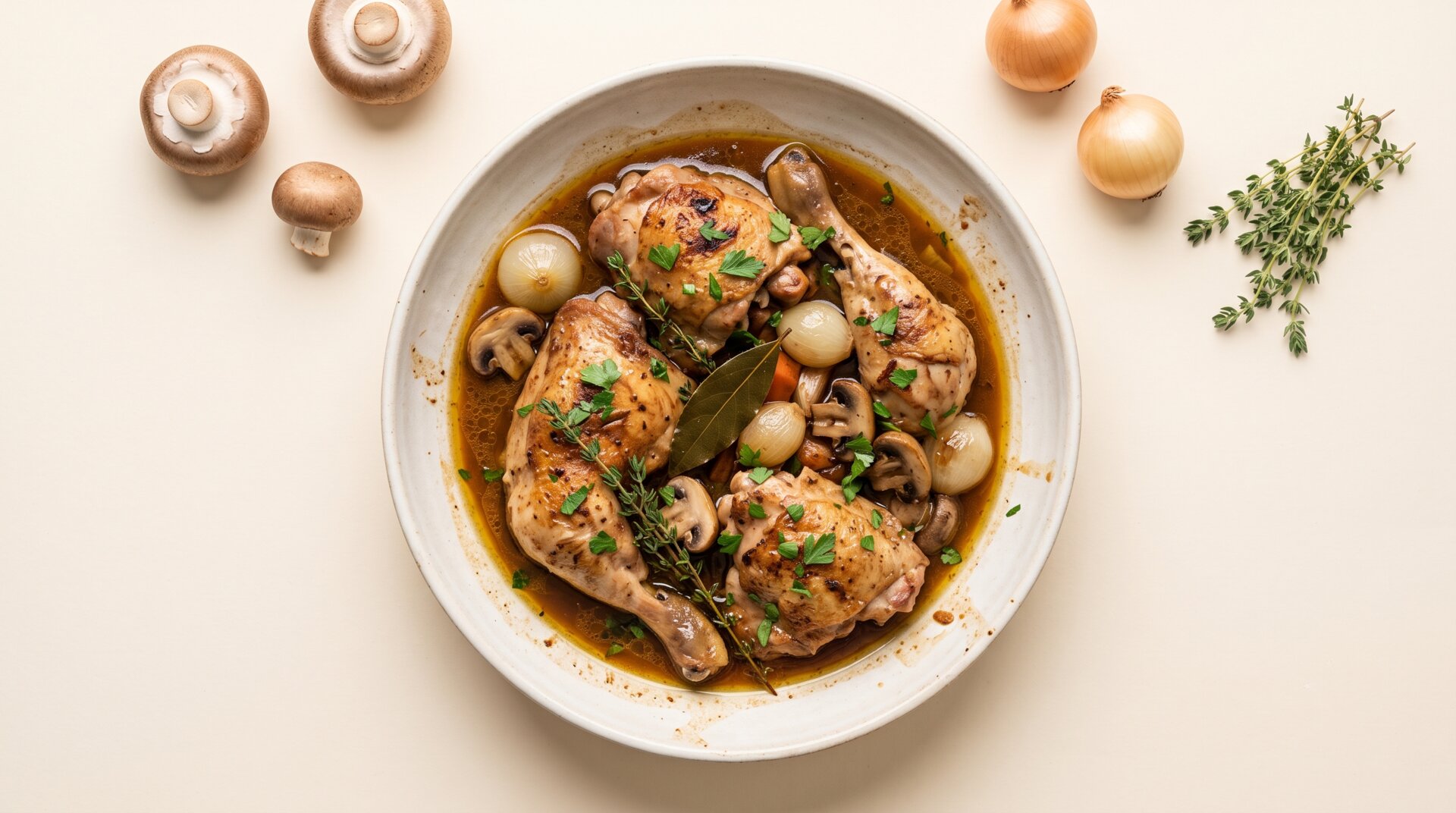 Chicken in Grape Juice 100 min Slow-braised chicken with herbs, vegetables and a rich sauce 410 kcal 45g protein 1 synergies
  In the Kitchen
Storage
Location:Refrigerator
Shelf life:1-2 dagen (rauw), 3-4 dagen (gekookt)
Store raw meat at bottom of fridge to prevent dripping onto other products.
Preparation
Bring to room temperature for even cooking. Rest 5 minutes after cooking.
Conversions
Substitutes
Smart preparation
1Pound chicken breast flat with a meat mallet for even thickness.
Why?
Equal thickness prevents thin parts from drying out.
2Brine chicken breast 30 min in salted water for juicier meat.
3Use a meat thermometer: 74°C internal temperature means done.
4Let chicken breast rest for 5 minutes after cooking before slicing.
Caution / Warnings
Chicken Breast is very safe, but there are scientific considerations:
Chicken Allergy Severe
Rare but can cause severe reactions
Advice:
Avoid completely with known allergy
Food Safety Severe
Raw poultry can contain Salmonella and Campylobacter
Advice:
Always cook through to 75°C internal temperature. Prevent cross-contamination with raw vegetables.
Summary
Chicken breast is the gold standard for lean protein intake. One breast (150g) provides ~45g high-quality protein with only 5g fat. Perfect for athletes and weight loss. Tip: marinate in lemon juice or yogurt for more tender meat, and cook to 75°C internal temperature for safety.