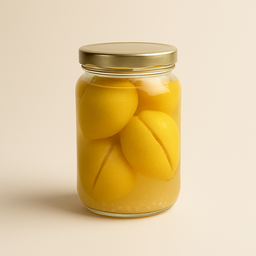
Preserved Lemons
North African lemons preserved in sea salt
What is this ingredient?
Preserved lemons are a classic Moroccan ingredient made by packing whole lemons in sea salt and their own juice. The process usually takes 3-4 weeks and turns the firm, bitter peel into a soft, aromatic seasoning. Salt, time and lemon juice create a concentrated mix of citrus, briny depth and savory umami.
Unlike fresh lemons, you mainly use the peel: chop it finely and add it to tagines, couscous, salads, sauces, dressings and dishes with chicken, fish or olives. The flesh is often very salty and is usually removed or used very sparingly.
Making them at home is straightforward: cut organic lemons, fill them generously with coarse sea salt, press them firmly into a clean glass jar so the juice releases, keep everything submerged in juice or brine, and leave for 3-4 weeks at room temperature. Then store refrigerated and always use clean utensils.
How does it taste?
Intensely citrus-salty with a soft, fermented complexity.
Pairs well with:
Pairs well with oliveschickencouscouscilantro and artichoke.
Did you know...?
- Preserved lemons are a staple ingredient in Moroccan cuisine, especially in tagines.
- The preservation process takes at least 30 days, making the rind soft and edible.
Nutritional Value & Energy
Per 100g
Preserved Lemons is low in calories thanks to natural nutrients .
Per 100g
Minerals
Vitamins
Omega-3 fatty acids
More nutrients
B-Vitamins
Trace Minerals
What's in a serving?
1 serving
Preserved lemons naturally contain vitamin C (25 mg per 100 g).
% of daily reference intake (DRI)
EU-approved nutrition claims
This ingredient contains nutrients for which EFSA-authorized health claims exist (at nutrient level, not ingredient-specific).
Approved health claims (EU)
Vitamin_c EU 432/2012
Vitamin C contributes to the normal function of the immune system
Contains 25mg/100g (threshold: ≥12mg/100g)
Vitamin_c EU 432/2012
Vitamin C contributes to the reduction of tiredness and fatigue
Contains 25mg/100g (threshold: ≥12mg/100g)
Vitamin_c EU 432/2012
Vitamin C contributes to normal collagen formation for the normal function of skin
Contains 25mg/100g (threshold: ≥12mg/100g)
Vitamin_c EU 432/2012
Vitamin C contributes to normal collagen formation for the normal function of blood vessels
Contains 25mg/100g (threshold: ≥12mg/100g)
Vitamin_c EU 432/2012
Vitamin C contributes to normal collagen formation for the normal function of bones
Contains 25mg/100g (threshold: ≥12mg/100g)
Vitamin_c EU 432/2012
Vitamin C contributes to normal collagen formation for the normal function of cartilage
Contains 25mg/100g (threshold: ≥12mg/100g)
Vitamin_c EU 432/2012
Vitamin C contributes to normal collagen formation for the normal function of gums
Contains 25mg/100g (threshold: ≥12mg/100g)
Vitamin_c EU 432/2012
Vitamin C contributes to normal collagen formation for the normal function of teeth
Contains 25mg/100g (threshold: ≥12mg/100g)
Vitamin_c EU 432/2012
Vitamin C contributes to normal energy-yielding metabolism
Contains 25mg/100g (threshold: ≥12mg/100g)
Vitamin_c EU 432/2012
Vitamin C contributes to normal functioning of the nervous system
Contains 25mg/100g (threshold: ≥12mg/100g)
Vitamin_c EU 432/2012
Vitamin C contributes to normal psychological function
Contains 25mg/100g (threshold: ≥12mg/100g)
Vitamin_c EU 432/2012
Vitamin C contributes to the protection of cells from oxidative stress
Contains 25mg/100g (threshold: ≥12mg/100g)
Vitamin_c EU 432/2012
Vitamin C contributes to the regeneration of the reduced form of vitamin E
Contains 25mg/100g (threshold: ≥12mg/100g)
Vitamin_c EU 432/2012
Vitamin C increases iron absorption
Contains 25mg/100g (threshold: ≥12mg/100g)
Vitamin_c EU 432/2012
Vitamin C contributes to maintain the normal function of the immune system during and after intense physical exercise
Contains 25mg/100g (threshold: ≥12mg/100g)
What's being researched?
Fermented lemons and lactic acid bacteria
The fermentation process of preserved lemons is discussed within broader research on lactic fermentation and microorganisms in foods. Specific research on preserved lemons is limited, but it fits the wider understanding of traditional fermentation processes.
Supported by: [1] Jung MJ (2022) , [2] Wolfe BE (2015) , [3] Marco (2017)
Good Combinations (Synergy)
Combine preserved lemons smartly to enhance the effect:
Preserved Lemons 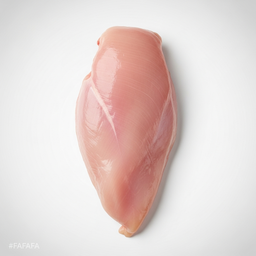 Chicken Breast
 Citrus enzymes tenderize chicken + probiotics
Technical: Preserved lemons contain citric acid that acts as a natural marinade — it denatures proteins in chicken breast, making the meat more tender. During fermentation, lactobacilli produce proteolytic enzymes that further improve protein digestion. Probiotics from fermentation partially survive stomach passage and support gut flora.
What does this mean for you? Marinate chicken breast with chopped preserved lemon — a classic Moroccan recipe. The chicken becomes not only softer and more flavorful, but also easier to digest thanks to the enzymes from the fermentation process.
Preserved Lemons 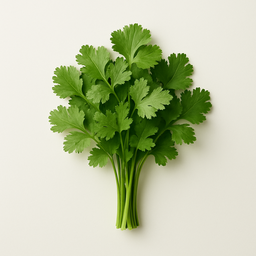 Cilantro
 Fresh cilantro balances intense saltiness
Technical: Preserved lemons contain concentrated citric acids and probiotics from lactic fermentation. Coriander contains linalool and coriandrol with carminative (gas reduction) and antispasmodic effects on the intestines. The citric acids support fat digestion, coriander oils relax smooth intestinal muscles.
What does this mean for you? Combine chopped preserved lemon with fresh coriander in tagines, couscous or salad dressings. The fresh coriander not only balances the intense saltiness flavor-wise, but also supports your digestion through two complementary pathways.
Preserved Lemons 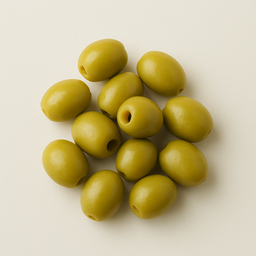 Olives
 Double fermentation for microbiome diversity
Technical: Both are fermented via lactic fermentation but contain different bacterial strains — preserved lemons primarily contain Leuconostoc and Lactobacillus, olives contain L. plantarum and L. pentosus. Different strains colonize different parts of the intestinal tract, increasing microbiome diversity. The polyphenols in olives (hydroxytyrosol) are also powerful antioxidants.
What does this mean for you? Serve preserved lemon and olives together as mezze or in Mediterranean/North African dishes. By combining different fermented foods you build a more diverse microbiome.
Recipes with Preserved Lemons
Discover delicious recipes featuring preserved lemons:
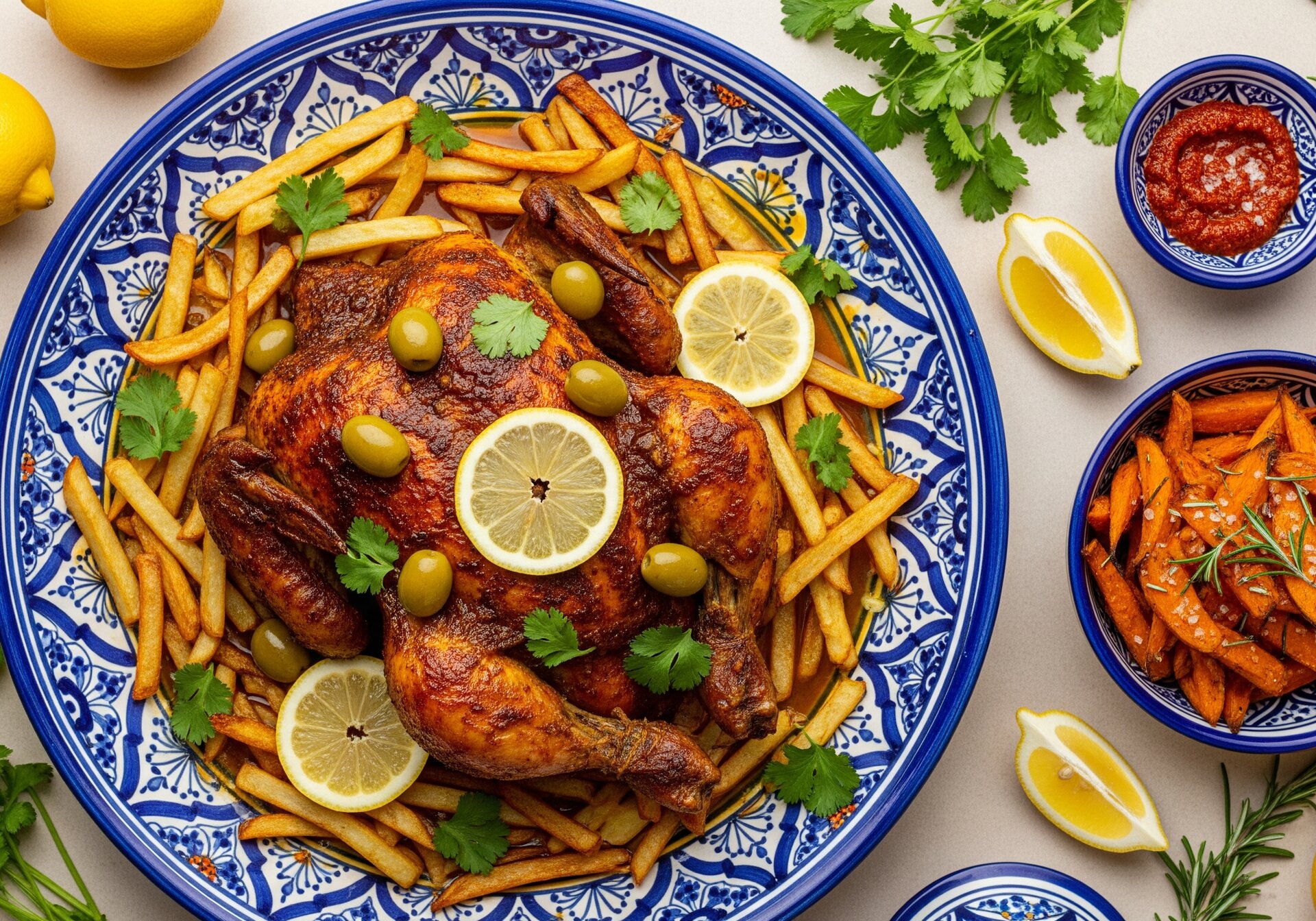 Djaaj Mhammer - Whole Rotisserie Chicken 130 min Golden roasted with green olives and preserved lemon
  520 kcal
  38g protein 2 synergies
 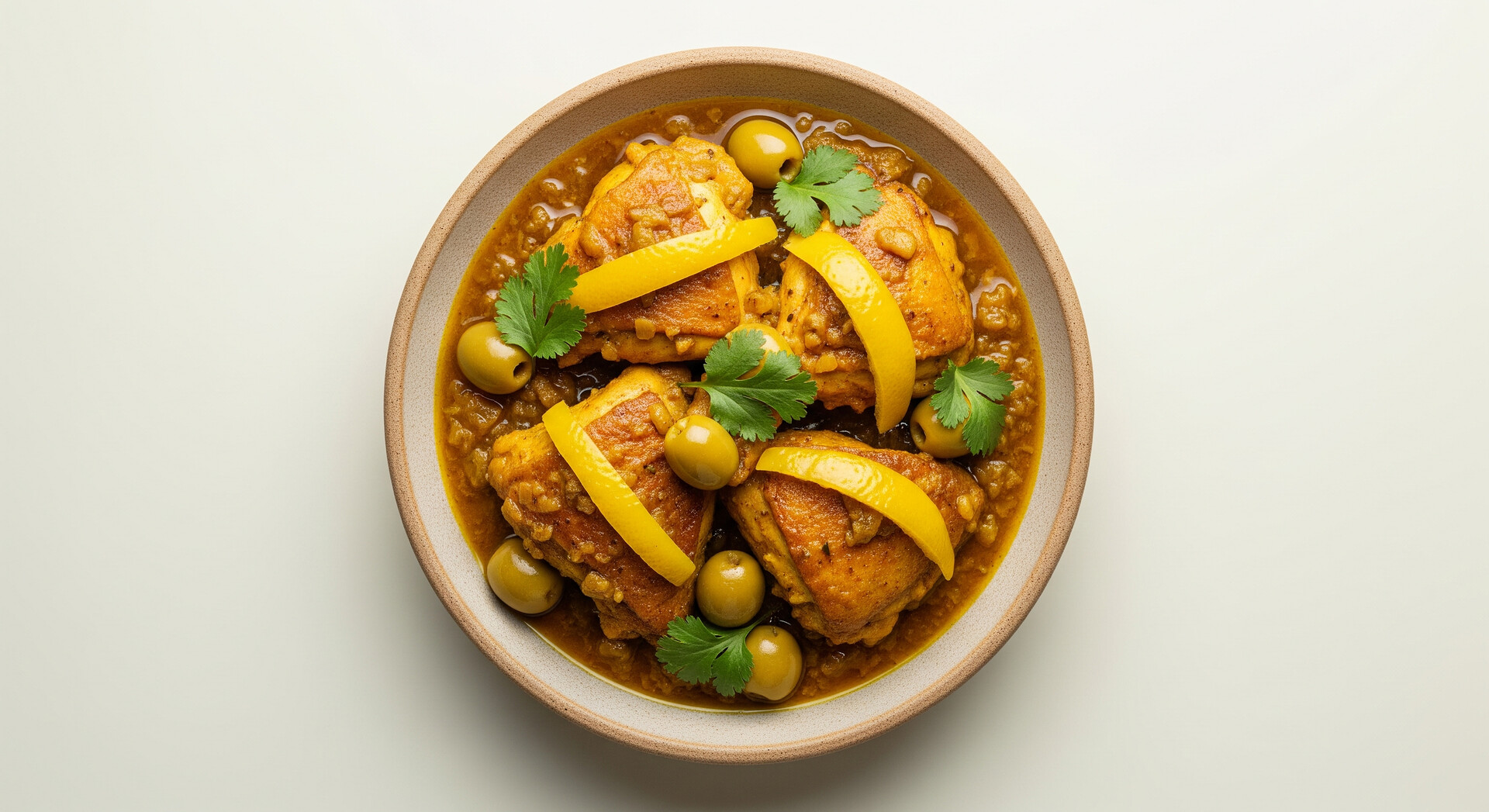 Tajine with Chicken, Preserved Lemon and Olives 90 min Classic Moroccan stew full of aromas 420 kcal 38g protein 2 synergies
  In the Kitchen
Storage
Location:Refrigerator
Shelf life:6-12 maanden na fermentatie
Store refrigerated after opening and always remove with a clean spoon or tongs. Keep the lemons submerged in brine; add a little extra lemon juice if they start to sit dry.
Preparation
Use mainly the peel: rinse to remove excess salt, chop finely and add near the end of cooking. They work well in tagines, couscous, salads, dressings, grain dishes and sauces with olives or fresh herbs.
Substitutes
Smart preparation
1Use mainly the rind; the flesh is often very salty and soft.
2Rinse preserved lemon under cold water to remove excess salt.
Why?
Without rinsing, the salt can quickly overpower the other flavors.
3Cut the rind into very small pieces; the flavor is very concentrated.
Caution / Warnings
Preserved Lemons is very safe, but there are scientific considerations:
High salt intake or high blood pressure Moderate
Preserved lemons are high in sodium because of salting: around 2800 mg per 100 g.
Advice:
Use small amounts as a seasoning and rinse the peel before use to remove excess salt.
Traditional use
African
Preserved Lemons in North African Cuisine
Preserved lemons are a fundamental ingredient in Moroccan and Tunisian cuisine, traditionally prepared with sea salt and lemon juice. They are used to add citrus depth to tagines, stews, salads and grain dishes.
Islamic tradition
Preserved Lemons in Arab Food Culture
Preserving lemons in salt is an old culinary tradition in the Arab world. The briny peel is used in tagines, rice dishes, sauces and dishes with olives.
Summary
Preserved lemons are a classic Moroccan ingredient: lemons are packed in salt and their own juice until the peel becomes soft, briny and intensely aromatic. They add citrus depth and umami to tagines, salads, couscous, dressings and dishes with chicken or fish. Making them takes little work but 3-4 weeks of patience. Use mainly the peel and rinse it if you want less salt.