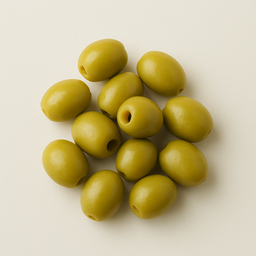
Olives
Mediterranean stone fruit with oleic acid and polyphenols
What is this ingredient?
Olives contain the same monounsaturated fats as olive oil, plus the fiber that is largely left behind during pressing. They also provide phenolic compounds such as oleocanthal, oleuropein and hydroxytyrosol, compounds best known from research on olives and extra virgin olive oil.
Green olives are picked unripe and often have a firmer, more bitter profile with more pronounced polyphenols. Black olives are riper, milder in taste and work well in salads, stews and tapenades.
Note: many canned black olives are darkened during processing. Choose naturally ripened varieties such as Kalamata or Niçoise when you want a distinctly fruity, authentic olive flavor.
How does it taste?
Salty and mildly bitter with a meaty, fruity olive flavor.
Pairs well with:
Pairs well with fetatomatooreganolemon and capers.
Sunnah
By the fig and the olive. (Surah At-Tin) The olive tree is mentioned multiple times in the Quran as a blessed tree and sign of Allah's creation.
Quran #Quran 95:1, 6:141
Did you know...?
- Fresh olives are extremely bitter and must be brined for weeks or months.
- The olive branch has been a universal symbol of peace since antiquity.
Nutritional Value & Energy
Per 100g
Olives provides energy thanks to natural nutrients , buffered by fiber.
Per 100g
Minerals
Vitamins
Omega-3 fatty acids
More nutrients
B-Vitamins
Trace Minerals
What's in a serving?
1 serving
Olives naturally contain iron (3.3 mg per 100 g).
Olives naturally contain vitamin E (3.81 mg per 100 g).
% of daily reference intake (DRI)
EU-approved nutrition claims
This ingredient contains nutrients for which EFSA-authorized health claims exist (at nutrient level, not ingredient-specific).
Approved health claims (EU)
Iron EU 432/2012
Iron contributes to normal energy-yielding metabolism
Contains 3.3mg/100g (threshold: ≥2.1mg/100g)
Iron EU 432/2012
Iron contributes to the reduction of tiredness and fatigue
Contains 3.3mg/100g (threshold: ≥2.1mg/100g)
Vitamin_e EU 432/2012
Vitamin E contributes to the protection of cells from oxidative stress
Contains 3.81mg/100g (threshold: ≥1.8mg/100g)
Iron EU 432/2012
Iron contributes to normal cognitive function
Contains 3.3mg/100g (threshold: ≥2.1mg/100g)
Iron EU 432/2012
Iron contributes to normal formation of red blood cells and haemoglobin
Contains 3.3mg/100g (threshold: ≥2.1mg/100g)
Iron EU 432/2012
Iron contributes to normal oxygen transport in the body
Contains 3.3mg/100g (threshold: ≥2.1mg/100g)
Iron EU 432/2012
Iron contributes to the normal function of the immune system
Contains 3.3mg/100g (threshold: ≥2.1mg/100g)
Iron EU 432/2012
Iron has a role in the process of cell division
Contains 3.3mg/100g (threshold: ≥2.1mg/100g)
What's being researched?
Olive polyphenols in nutrition research
Hydroxytyrosol, oleuropein and other olive phenols are studied within Mediterranean dietary patterns. The EFSA claim for olive polyphenols applies under specific conditions to olive oil, not automatically to every olive product.
Supported by: [2] Estruch (2013)
Good Combinations (Synergy)
Combine olives smartly to enhance the effect:
Olives  Preserved Lemons
 Double fermentation for microbiome diversity
Technical: Both are fermented via lactic fermentation but contain different bacterial strains — preserved lemons primarily contain Leuconostoc and Lactobacillus, olives contain L. plantarum and L. pentosus. Different strains colonize different parts of the intestinal tract, increasing microbiome diversity. The polyphenols in olives (hydroxytyrosol) are also powerful antioxidants.
What does this mean for you? Serve preserved lemon and olives together as mezze or in Mediterranean/North African dishes. By combining different fermented foods you build a more diverse microbiome.
Olives 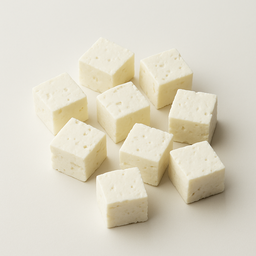 Feta Cheese
 Mediterranean combination: healthy fats + calcium
Technical: Olives contain oleuropein (antioxidant) and mono-unsaturated fats (75%). Feta provides calcium (493mg/100g) and fat-soluble vitamins. The fats from olives improve absorption of calcium and vitamin D from feta.
What does this mean for you? The classic Greek combination of olives and feta is not only delicious but also nutritionally smart. Perfect in salads or as meze.
Olives 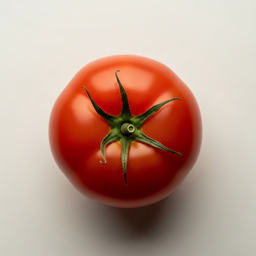 Tomato
 Fat-rich olives increase lycopene absorption from tomato
Technical: Olives contain 15-20% mono-unsaturated fat that increases lycopene (fat-soluble carotenoid) absorption from tomatoes by 2-4x. Olives also contain hydroxytyrosol, a powerful antioxidant that works synergistically with lycopene.
What does this mean for you? Add olives to your tomato salad or bruschetta. The Mediterranean tradition is based on centuries of culinary wisdom and science.
Recipes with Olives
Discover delicious recipes featuring olives:
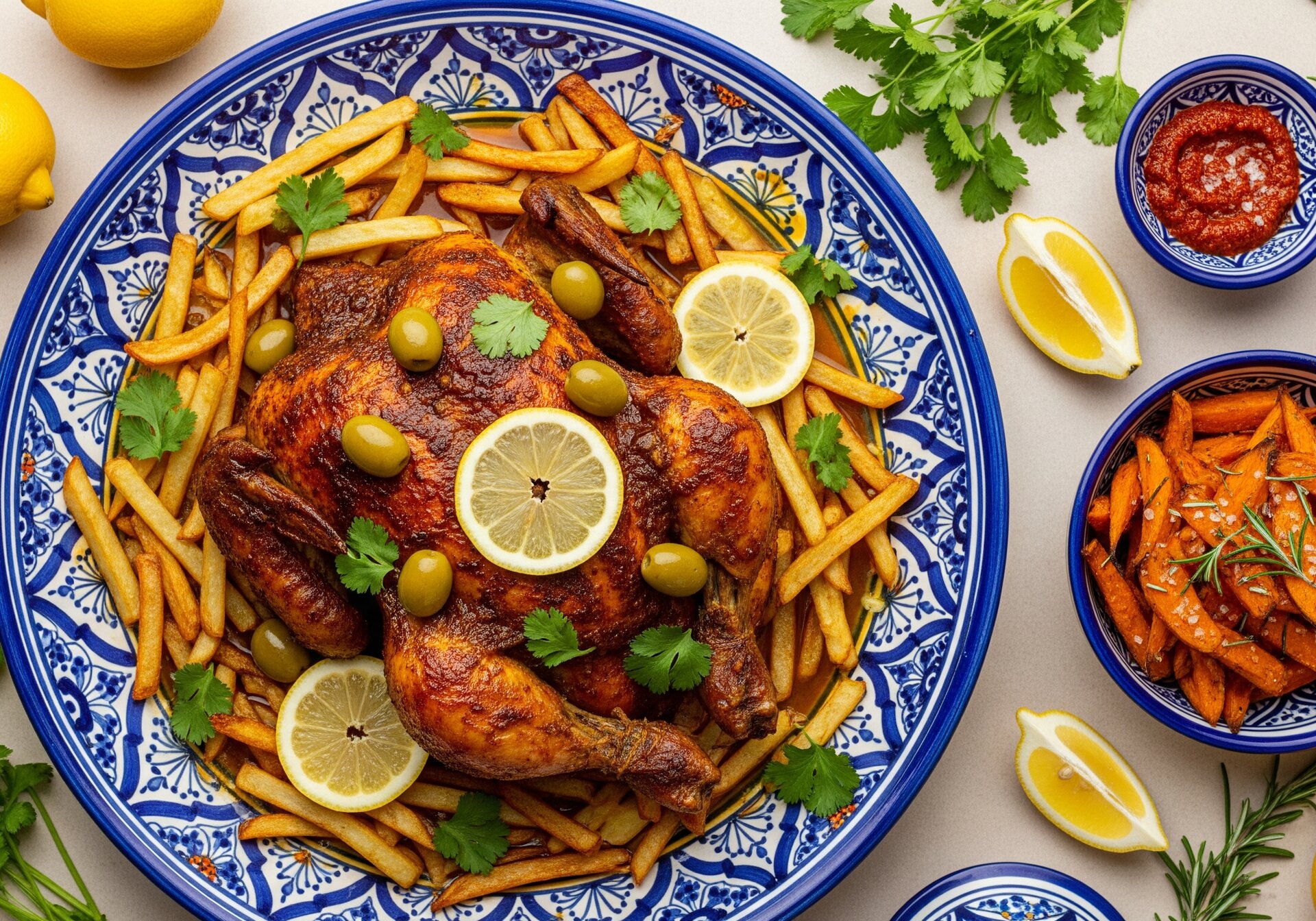 Djaaj Mhammer - Whole Rotisserie Chicken 130 min Golden roasted with green olives and preserved lemon
  520 kcal
  38g protein 2 synergies
 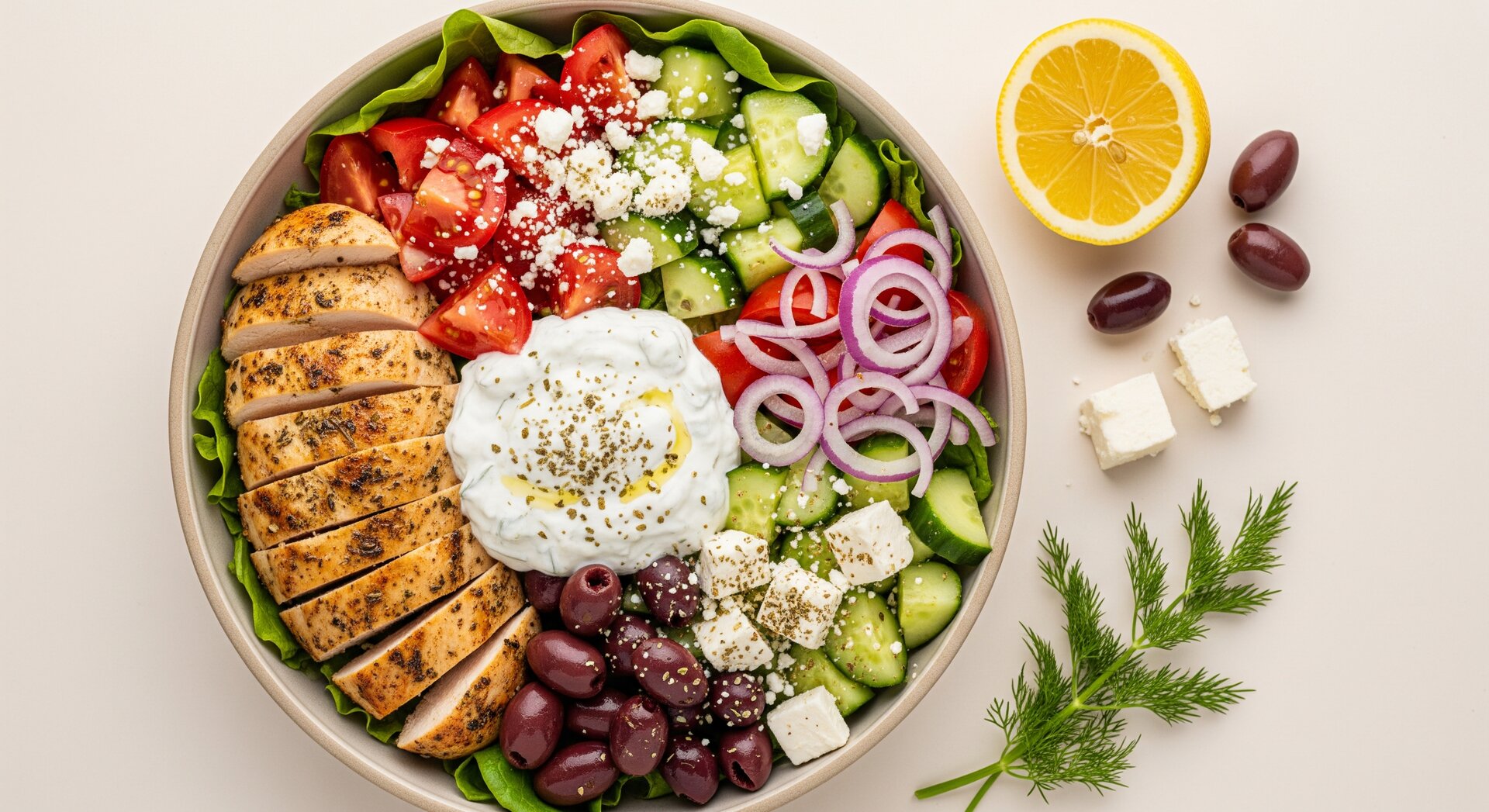 Greek Chicken Gyros Bowl 35 min Seasoned chicken with tzatziki, feta and Greek salad 520 kcal 42g protein 1 synergies
 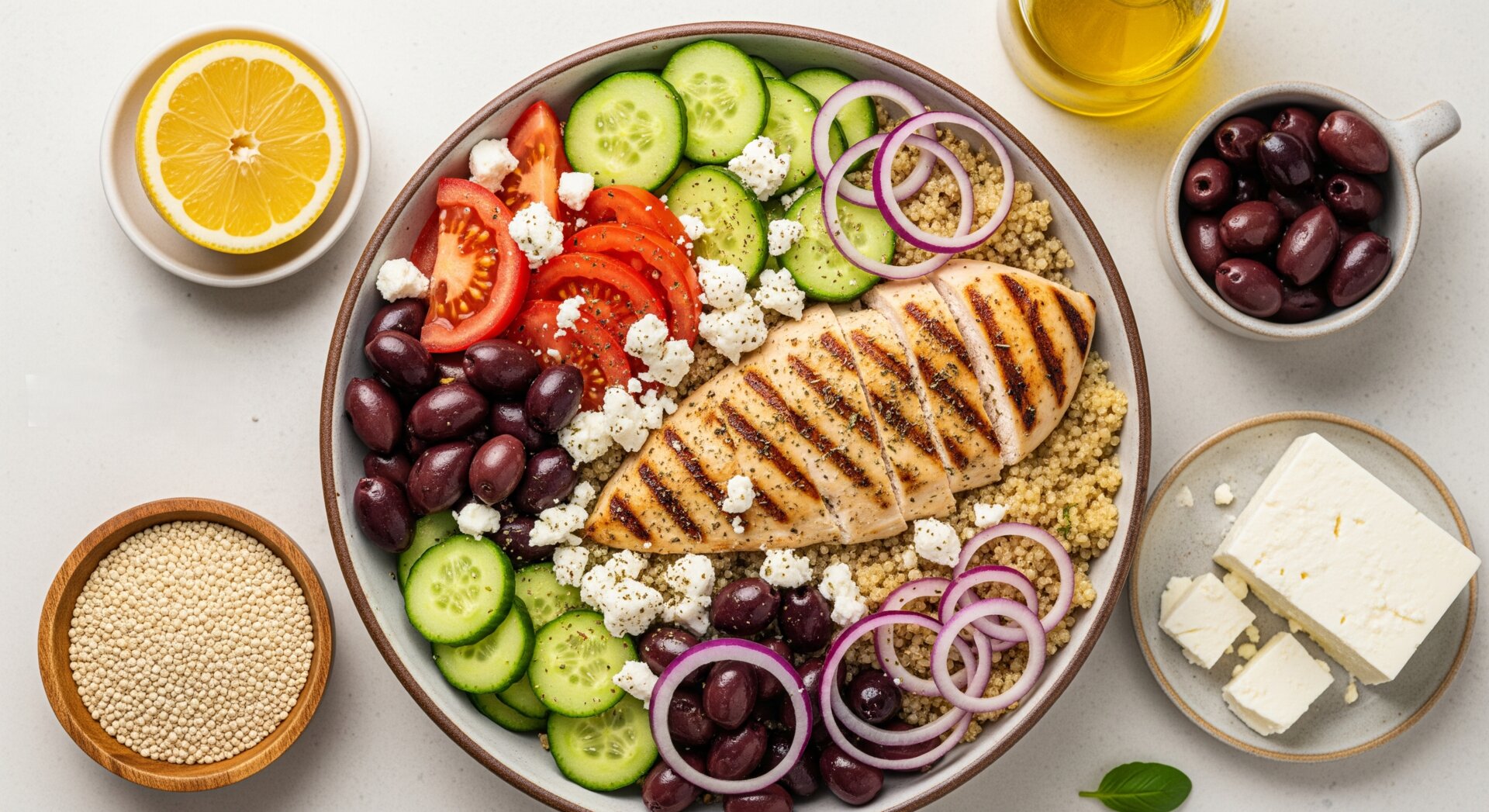 Greek Chicken Quinoa Bowl 45 min Grilled chicken, fluffy quinoa and Greek flavors 620 kcal 48g protein 2 synergies
 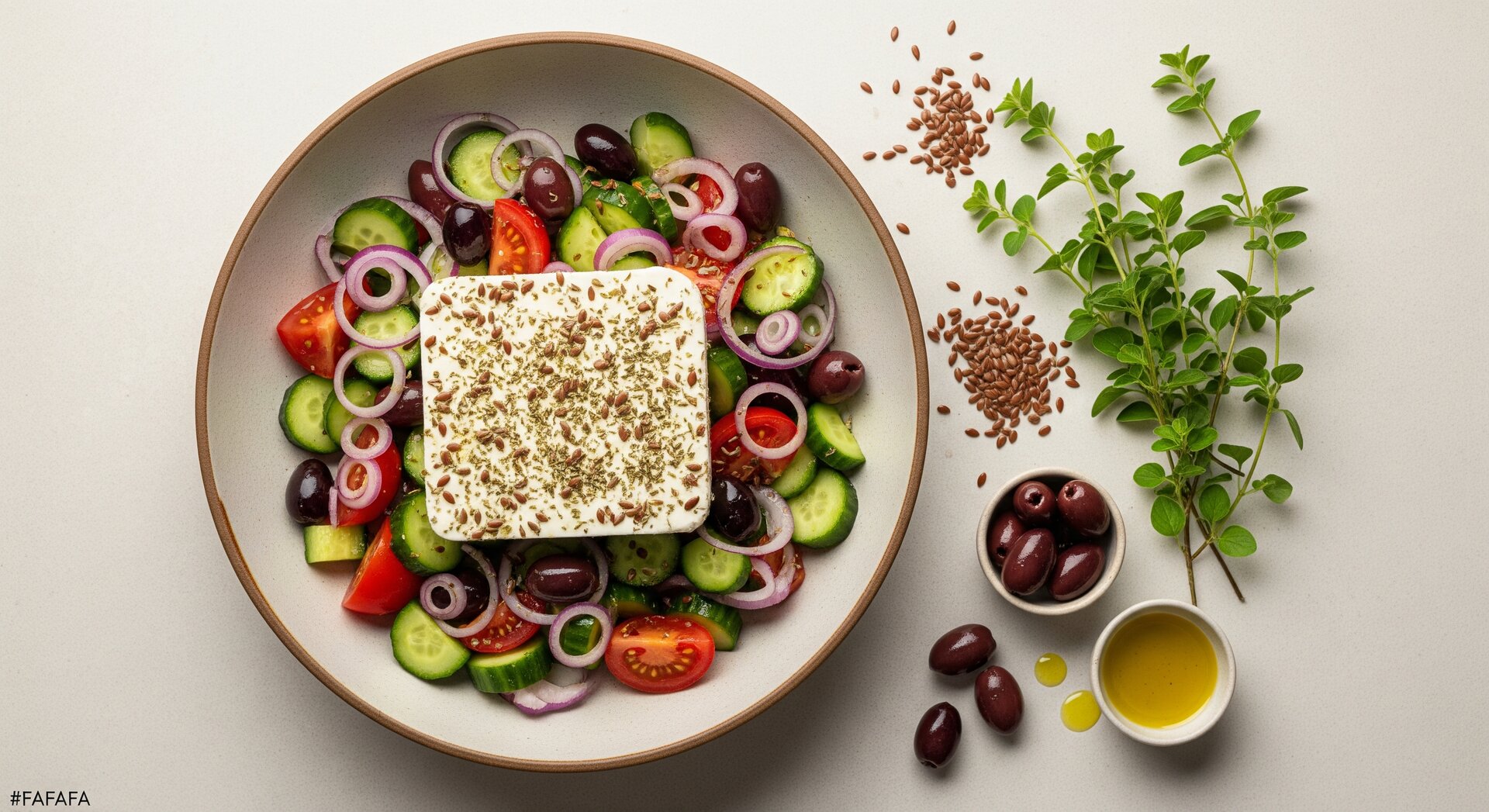 Greek Flaxseed Feta Salad 15 min Mediterranean salad with a nutty flaxseed dressing 420 kcal 12g protein 1 synergies
 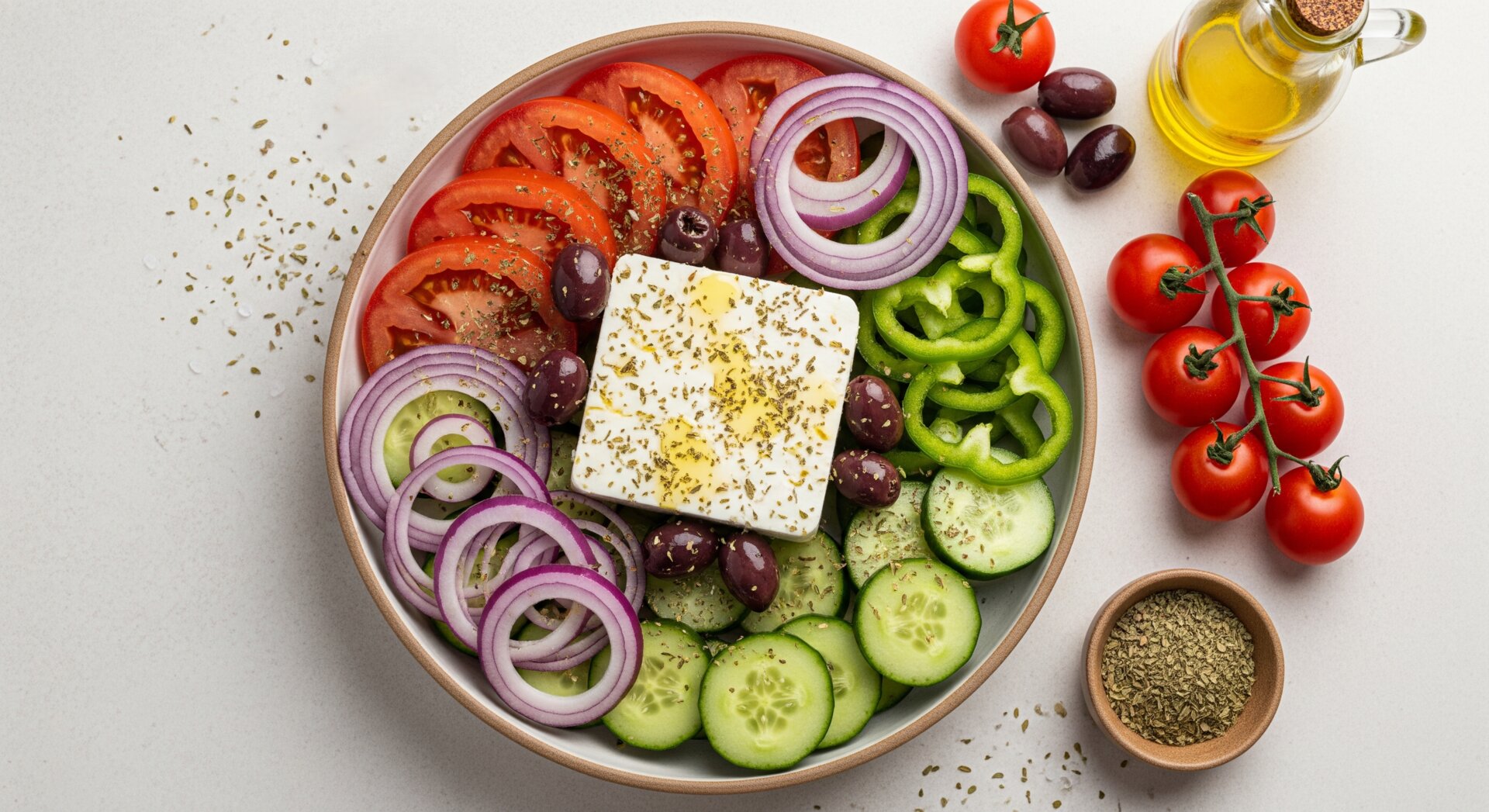 Greek Salad (Horiatiki) 10 min Classic Mediterranean salad with feta, olives and oregano 220 kcal 8g protein 1 synergies
 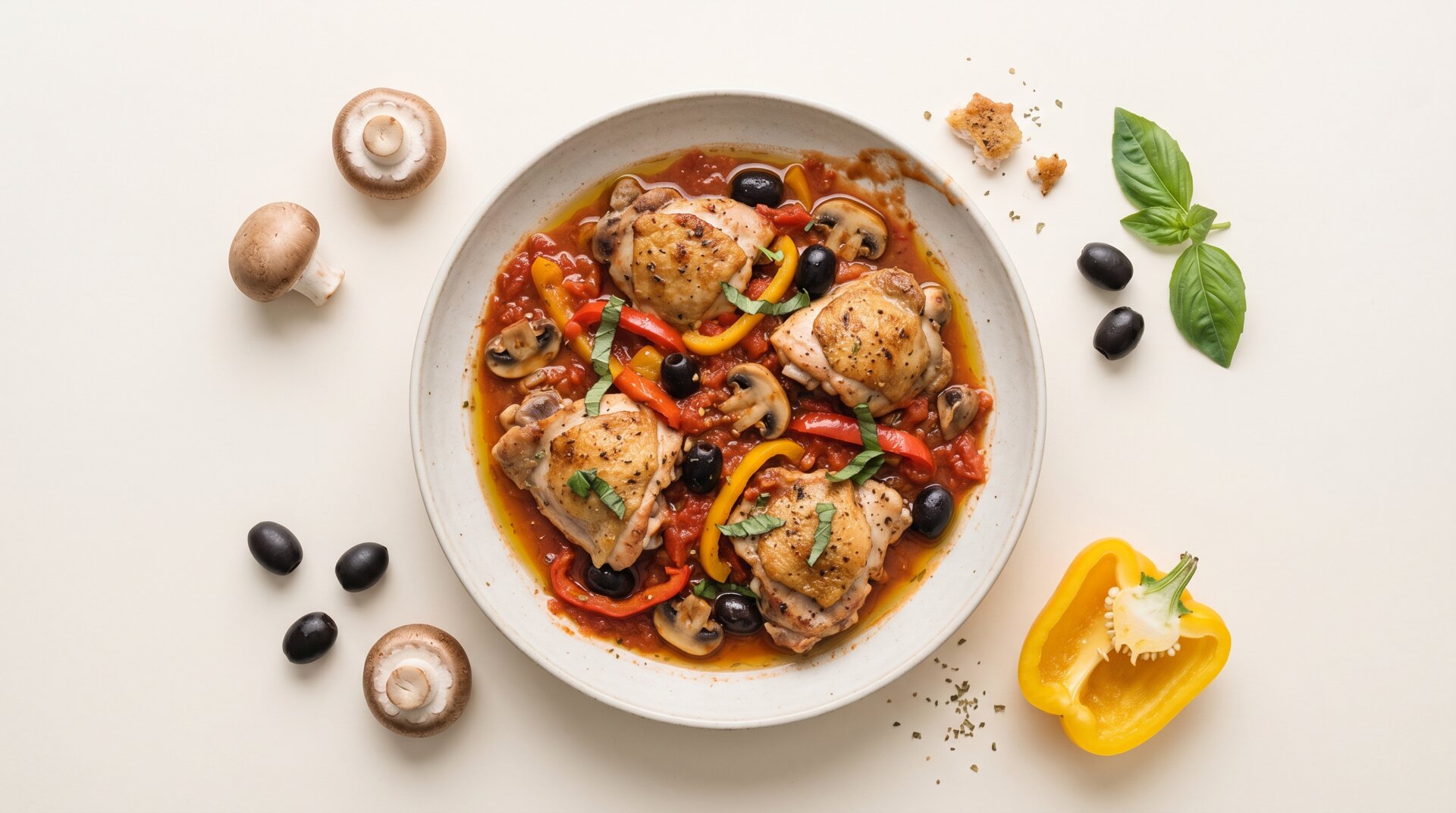 Italian Chicken Cacciatore 75 min Hunter-style stew with tomato, bell pepper and olives 380 kcal 42g protein 2 synergies
  In the Kitchen
Storage
Location:Refrigerator
Shelf life:2-3 weken geopend in pekel, maanden ongeopend
Store opened olives in their own brine in the refrigerator. Without brine, keep them briefly covered with olive oil and herbs. Take them out shortly before serving for a fuller flavor.
Preparation
Use olives as a snack, in salads, tapenade, on pizza, in Mediterranean stews or alongside cheese and bread. Remove pits for cooked dishes, or choose pitted varieties when you want to cook quickly.
Substitutes
Smart preparation
1Bring olives to room temperature before serving.
Why?
Cold olives have less aroma; room temperature brings out the oils and fruity notes better.
2Crush olives with the flat side of a knife to pit them.
3Marinate olives with herbs, garlic and lemon zest for extra flavor.
Caution / Warnings
Olives is very safe, but there are scientific considerations:
High blood pressure Moderate
Olives contain a lot of sodium (735 mg per 100 g, about 31% of the reference intake) because of brining. Dry salt-cured olives can be even saltier.
Advice:
With high blood pressure: rinse olives before use, choose low-sodium varieties or keep the portion to about 5–10 olives.
Olive pollen allergy Mild
People with an olive pollen allergy may sometimes also react to olive fruit, although this is rare.
Advice:
With olive pollen allergy: try a small amount first and watch for personal reactions.
Traditional use
Mediterranean
Olives in Mediterranean civilization
Olives have been cultivated in the Mediterranean for over 7,000 years and are linked with farming, trade, oil production and symbols of peace, wisdom and prosperity.
Islamic tradition
Olives in Islamic tradition
The olive is mentioned in the Quran and the olive tree holds a strong symbolic place in Islamic culture. Olives also appear in simple meals, bread tables and iftar traditions in many regions.
Summary
Olives add salty, fruity depth to Mediterranean dishes and provide oleic acid, fiber and olive polyphenols. Green olives are usually firmer and more bitter, while black olives are riper and milder. Choose Kalamata, Niçoise or other naturally ripened varieties when you want to avoid artificially darkened canned olives. Because of the sodium from brine, they fit best in small portions.