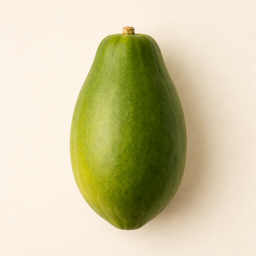
Green Papaya
The Unripe Enzyme Bomb
What is this ingredient?
Green papaya is the key ingredient in the famous Thai salad Som Tum. Because the fruit is unripe, it contains much less sugar than ripe papaya and typically shows higher enzymatic activity. It contains papain and chymopapain—proteolytic enzymes that can help break down proteins. This makes it a good match for protein-rich meals, especially when digestion feels heavy.
How does it taste?
Mild, slightly grassy and neutral with a crunchy, refreshing texture.
Pairs well with:
Pairs well with limechilipeanutsfish sauce and cilantro.
Did you know...?
- Green papaya is simply an unripe papaya, widely used in Thai som tam salad.
- Green papaya contains papain, an enzyme that has been used for centuries to tenderize meat.
Nutritional Value & Energy
Per 100g
Green Papaya is low in calories thanks to natural nutrients , buffered by fiber.
Per 100g
Minerals
Vitamins
More nutrients
B-Vitamins
Trace Minerals
What's in a serving?
1 serving
Green Papaya naturally contains vitamin c (62 mg per 100 g).
Green Papaya naturally contains folate (37 mcg per 100 g).
% of daily reference intake (DRI)
EU-approved nutrition claims
This ingredient contains nutrients for which EFSA-authorized health claims exist (at nutrient level, not ingredient-specific).
Approved health claims (EU)
Vitamin_c EU 432/2012
Vitamin C contributes to the normal function of the immune system
Contains 62mg/100g (threshold: ≥12mg/100g)
Vitamin_c EU 432/2012
Vitamin C contributes to the reduction of tiredness and fatigue
Contains 62mg/100g (threshold: ≥12mg/100g)
Vitamin_c EU 432/2012
Vitamin C contributes to normal collagen formation for the normal function of skin
Contains 62mg/100g (threshold: ≥12mg/100g)
Folate EU 432/2012
Folate contributes to normal blood formation
Contains 37mcg/100g (threshold: ≥30mcg/100g)
Folate EU 432/2012
Folate contributes to normal amino acid synthesis
Contains 37mcg/100g (threshold: ≥30mcg/100g)
Folate EU 432/2012
Folate contributes to normal homocysteine metabolism
Contains 37mcg/100g (threshold: ≥30mcg/100g)
Folate EU 432/2012
Folate contributes to normal psychological function
Contains 37mcg/100g (threshold: ≥30mcg/100g)
Folate EU 432/2012
Folate contributes to the normal function of the immune system
Contains 37mcg/100g (threshold: ≥30mcg/100g)
Folate EU 432/2012
Folate has a role in the process of cell division
Contains 37mcg/100g (threshold: ≥30mcg/100g)
Folate EU 432/2012
Folate contributes to maternal tissue growth during pregnancy
Contains 37mcg/100g (threshold: ≥30mcg/100g)
Vitamin_c EU 432/2012
Vitamin C contributes to normal collagen formation for the normal function of blood vessels
Contains 62mg/100g (threshold: ≥12mg/100g)
Vitamin_c EU 432/2012
Vitamin C contributes to normal collagen formation for the normal function of bones
Contains 62mg/100g (threshold: ≥12mg/100g)
Vitamin_c EU 432/2012
Vitamin C contributes to normal collagen formation for the normal function of cartilage
Contains 62mg/100g (threshold: ≥12mg/100g)
Vitamin_c EU 432/2012
Vitamin C contributes to normal collagen formation for the normal function of gums
Contains 62mg/100g (threshold: ≥12mg/100g)
Vitamin_c EU 432/2012
Vitamin C contributes to normal collagen formation for the normal function of teeth
Contains 62mg/100g (threshold: ≥12mg/100g)
Vitamin_c EU 432/2012
Vitamin C contributes to normal energy-yielding metabolism
Contains 62mg/100g (threshold: ≥12mg/100g)
Vitamin_c EU 432/2012
Vitamin C contributes to normal functioning of the nervous system
Contains 62mg/100g (threshold: ≥12mg/100g)
Vitamin_c EU 432/2012
Vitamin C contributes to normal psychological function
Contains 62mg/100g (threshold: ≥12mg/100g)
Vitamin_c EU 432/2012
Vitamin C contributes to the protection of cells from oxidative stress
Contains 62mg/100g (threshold: ≥12mg/100g)
Vitamin_c EU 432/2012
Vitamin C contributes to the regeneration of the reduced form of vitamin E
Contains 62mg/100g (threshold: ≥12mg/100g)
Vitamin_c EU 432/2012
Vitamin C increases iron absorption
Contains 62mg/100g (threshold: ≥12mg/100g)
Vitamin_c EU 432/2012
Vitamin C contributes to maintain the normal function of the immune system during and after intense physical exercise
Contains 62mg/100g (threshold: ≥12mg/100g)
What's being researched?
Papain and protein digestion
Papain, a proteolytic enzyme in green papaya, is being studied for effects on protein digestion. Clinical applications are being investigated, with promising preliminary results.
Supported by: [1] Muss (2013)
Phytochemicals and immune modulation
Phytochemicals in green papaya are being studied for potential immunomodulatory effects. Animal studies show promising results, but human evidence is still early.
Supported by: [1] Muss (2013) , [2] Jeon YA (2022)
Good Combinations (Synergy)
Combine green papaya smartly to enhance the effect:
Green Papaya 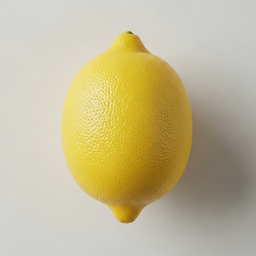 Lemon
Lemon Vitamin C enhances papain activity and is cofactor for collagen synthesis
Technical: Green papaya's papain (cysteine protease) works optimally in mildly acidic conditions (pH 5-7). Citric acid lowers pH to this optimum. Additionally, lemon provides 53mg vitamin C per 100g — vitamin C contributes to normal collagen formation (EFSA-approved) as cofactor for prolyl and lysyl hydroxylase.
What does this mean for you? Sprinkle green papaya with lime or lemon juice (like Thai som tam). The acidic juice activates the papain enzyme and vitamin C contributes to normal collagen formation. A classic Asian combination.
Green Papaya 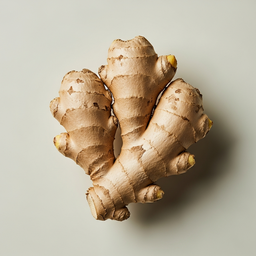 Ginger
 Double enzymatic digestive support
Technical: Green papaya's papain is a cysteine protease breaking down proteins. Ginger contains zingibain, another protease working complementarily at different pH values. Together they cover a broader pH range in the GI tract. Ginger's gingerols also accelerate gastric emptying by 25%.
What does this mean for you? Green papaya with ginger (think Asian salads and curries) combines two proteolytic enzymes. They work together to break down proteins faster at different pH values. Especially suitable after a protein-rich meal.
Green Papaya 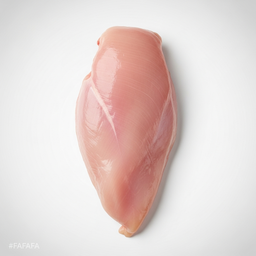 Chicken Breast
 Papain enzyme breaks down proteins for better digestion
Technical: Green papaya contains 2x more papain than ripe papaya. Papain is a cysteine protease that cleaves protein chains at basic amino acids (Arg, Lys). This breaks collagen and elastin fibers in meat, tenderizing it. The enzyme works optimally at pH 6-7 and 50-65°C and also supports gastric digestion.
What does this mean for you? Use green papaya as meat tenderizer in marinades or eat as side dish with meat. The papain enzyme makes meat more tender and easier to digest — used for centuries in Asian cuisine.
Green Papaya 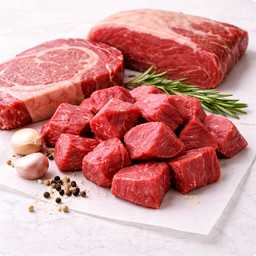 Beef
Beef Papain enzyme breaks down proteins for better digestion
Technical: Green papaya contains 2x more papain than ripe papaya. Papain is a cysteine protease that cleaves protein chains at basic amino acids (Arg, Lys). This breaks collagen and elastin fibers in meat, tenderizing it. The enzyme works optimally at pH 6-7 and 50-65°C and also supports gastric digestion.
What does this mean for you? Use green papaya as meat tenderizer in marinades or eat as side dish with meat. The papain enzyme makes meat more tender and easier to digest — used for centuries in Asian cuisine.
Recipes with Green Papaya
Discover delicious recipes featuring green papaya:
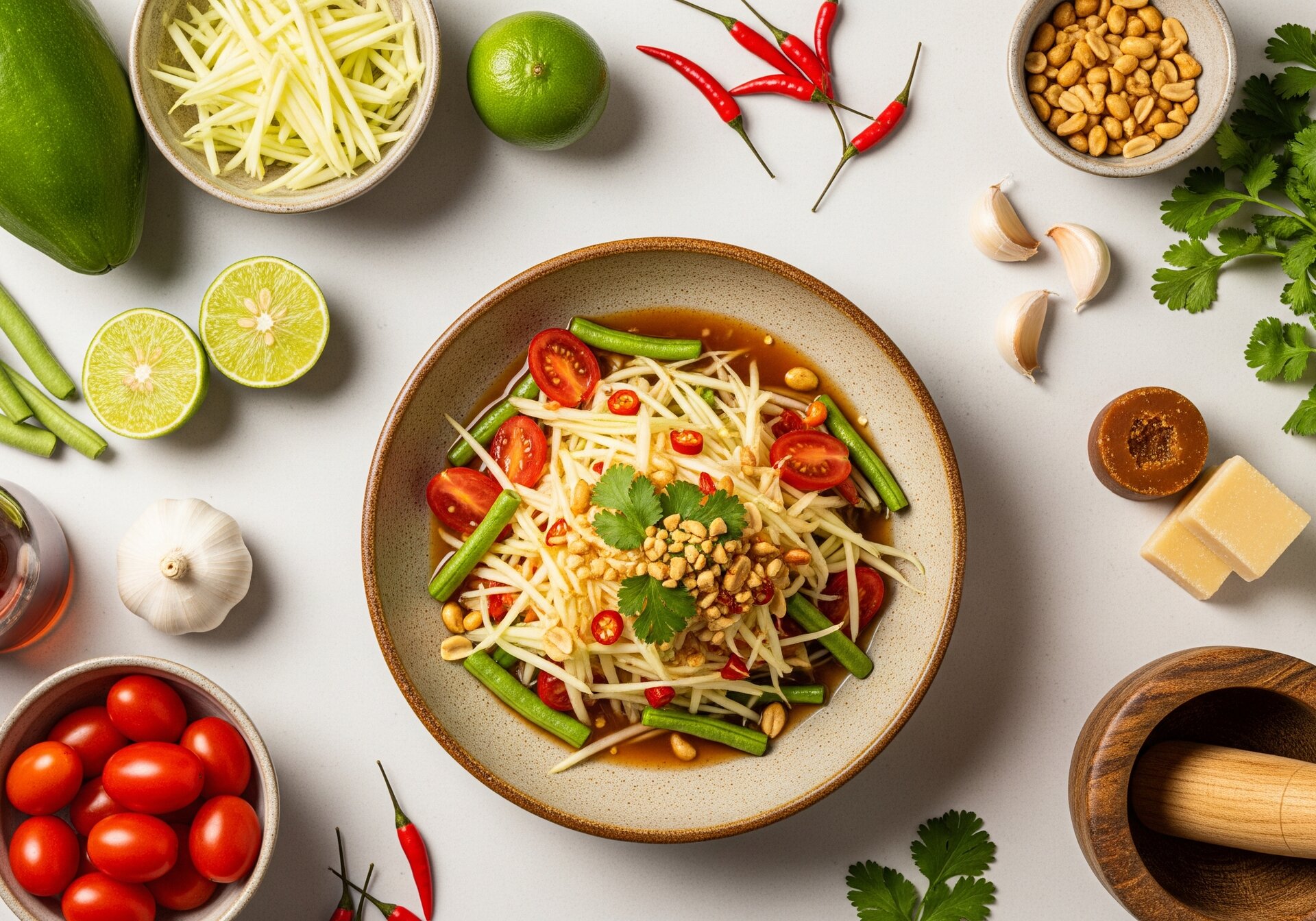 Thai Green Papaya Salad (Som Tam) 20 min Spicy Thai salad with papaya, peanuts and lime
  180 kcal
  6g protein 1 synergies
  In the Kitchen
Storage
Location:Refrigerator
Shelf life:1-2 weken
Store unripe and firm in the crisper drawer. Once cut: seal airtight and use within 2–3 days.
Preparation
Shred into julienne for Som Tum with lime juice and fish sauce, or stir-fry briefly to keep crunch. Heat reduces enzyme activity.
Substitutes
Smart preparation
1Peel the papaya and remove the seeds before shredding.
2Shred or julienne with a mandoline for a uniform cut.
3Lightly pound the shredded papaya in a mortar for som tam.
Why?
Pounding opens the fibers so the dressing absorbs better.
Caution / Warnings
Green Papaya is very safe, but there are scientific considerations:
Pregnancy Moderate
Unripe papaya and papaya latex contain higher enzyme activity; some sources advise avoiding high intake during pregnancy.
Advice:
Consume in moderation and avoid large amounts or papaya-enzyme supplements. If unsure, consult a clinician.
Latex Allergy Moderate
Papaya may cross-react in people with latex allergy (itching, swelling, irritation).
Advice:
If you have latex allergy: test carefully or avoid.
Traditional use
Southeast Asian
Southeast Asian digestive aid
In Thai and Filipino folk medicine, green papaya has been used for centuries as a digestive aid and against intestinal parasites.
Indigenous
Caribbean and Central American use
Indigenous peoples in Central America and the Caribbean traditionally used green papaya latex as a meat tenderizer and on wounds.
Summary
Crunchy like a vegetable, famous in Som Tum. Green papaya contains active enzymes (papain) and pairs well with protein-rich meals. Use caution in pregnancy and with latex allergy.