Beef
The complete protein source
What is this ingredient?
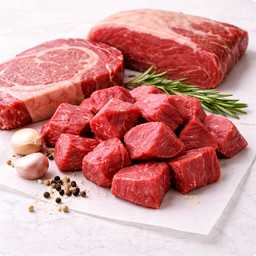
Beef is one of the most consumed meats worldwide. It provides all nine essential amino acids that the body cannot produce itself. Nutritional value varies by cut: lean cuts like topside and silverside contain less fat, while rib cuts and ribeye have more marbling. The iron in beef is primarily heme iron, which is absorbed much better than plant-based iron. Beef also contains unique compounds like creatine and carnosine that are not found in plant foods. Grass-fed beef contains more omega-3 fatty acids and CLA (conjugated linoleic acid) than grain-fed meat.
How does it taste?
Bold, iron-rich and full-flavored with deep umami notes.
Pairs well with:
Pairs well with red winethymeonioncarrot and mushrooms.
Did you know...?
- The English word 'beef' comes from Old French 'buef', introduced by the Normans after 1066.
- Argentina has the highest beef consumption per capita in the world.
Nutritional Value & Energy
Per 100g
Beef provides energy thanks to natural nutrients .
Per 100g
Minerals
Vitamins
More nutrients
B-Vitamins
Trace Minerals
What's in a serving?
1 serving
Beef naturally contains iron (2.5 mg per 100 g).
Beef naturally contains zinc (5.1 mg per 100 g).
Beef naturally contains vitamin b12 (2.6 mcg per 100 g).
Beef naturally contains selenium (21.6 mcg per 100 g).
Beef naturally contains phosphorus (186 mg per 100 g).
Beef naturally contains potassium (310 mg per 100 g).
Beef naturally contains vitamin b6 (0.5 mg per 100 g).
% of daily reference intake (DRI)
EU-approved nutrition claims
This ingredient contains nutrients for which EFSA-authorized health claims exist (at nutrient level, not ingredient-specific).
Approved health claims (EU)
Vitamin_b12 EU 432/2012
Vitamin B12 contributes to the normal function of the immune system
Contains 2.6mcg/100g (threshold: ≥0.375mcg/100g)
Vitamin_b12 EU 432/2012
Vitamin B12 contributes to the reduction of tiredness and fatigue
Contains 2.6mcg/100g (threshold: ≥0.375mcg/100g)
Vitamin_b12 EU 432/2012
Vitamin B12 contributes to the normal functioning of the nervous system
Contains 2.6mcg/100g (threshold: ≥0.375mcg/100g)
Zinc EU 432/2012
Zinc contributes to the normal function of the immune system
Contains 5.1mg/100g (threshold: ≥1.5mg/100g)
Zinc EU 432/2012
Zinc contributes to the maintenance of normal skin
Contains 5.1mg/100g (threshold: ≥1.5mg/100g)
Iron EU 432/2012
Iron contributes to normal energy-yielding metabolism
Contains 2.5mg/100g (threshold: ≥2.1mg/100g)
Iron EU 432/2012
Iron contributes to the reduction of tiredness and fatigue
Contains 2.5mg/100g (threshold: ≥2.1mg/100g)
Potassium EU 432/2012
Potassium contributes to the maintenance of normal blood pressure
Contains 310mg/100g (threshold: ≥300mg/100g)
Vitamin_b6 EU 432/2012
Vitamin B6 contributes to normal cysteine synthesis
Contains 0.5mg/100g (threshold: ≥0.21mg/100g)
Vitamin_b6 EU 432/2012
Vitamin B6 contributes to normal energy-yielding metabolism
Contains 0.5mg/100g (threshold: ≥0.21mg/100g)
Vitamin_b6 EU 432/2012
Vitamin B6 contributes to normal functioning of the nervous system
Contains 0.5mg/100g (threshold: ≥0.21mg/100g)
Vitamin_b6 EU 432/2012
Vitamin B6 contributes to normal homocysteine metabolism
Contains 0.5mg/100g (threshold: ≥0.21mg/100g)
Vitamin_b6 EU 432/2012
Vitamin B6 contributes to normal protein and glycogen metabolism
Contains 0.5mg/100g (threshold: ≥0.21mg/100g)
Vitamin_b6 EU 432/2012
Vitamin B6 contributes to normal psychological function
Contains 0.5mg/100g (threshold: ≥0.21mg/100g)
Vitamin_b6 EU 432/2012
Vitamin B6 contributes to normal red blood cell formation
Contains 0.5mg/100g (threshold: ≥0.21mg/100g)
Vitamin_b6 EU 432/2012
Vitamin B6 contributes to the normal function of the immune system
Contains 0.5mg/100g (threshold: ≥0.21mg/100g)
Vitamin_b6 EU 432/2012
Vitamin B6 contributes to the regulation of hormonal activity
Contains 0.5mg/100g (threshold: ≥0.21mg/100g)
Vitamin_b6 EU 432/2012
Vitamin B6 contributes to the reduction of tiredness and fatigue
Contains 0.5mg/100g (threshold: ≥0.21mg/100g)
Vitamin_b12 EU 432/2012
Vitamin B12 contributes to normal energy-yielding metabolism
Contains 2.6mcg/100g (threshold: ≥0.375mcg/100g)
Vitamin_b12 EU 432/2012
Vitamin B12 contributes to normal homocysteine metabolism
Contains 2.6mcg/100g (threshold: ≥0.375mcg/100g)
Vitamin_b12 EU 432/2012
Vitamin B12 contributes to normal psychological function
Contains 2.6mcg/100g (threshold: ≥0.375mcg/100g)
Vitamin_b12 EU 432/2012
Vitamin B12 contributes to normal red blood cell formation
Contains 2.6mcg/100g (threshold: ≥0.375mcg/100g)
Vitamin_b12 EU 432/2012
Vitamin B12 has a role in the process of cell division
Contains 2.6mcg/100g (threshold: ≥0.375mcg/100g)
Phosphorus EU 432/2012
Phosphorus contributes to normal energy-yielding metabolism
Contains 186mg/100g (threshold: ≥105mg/100g)
Phosphorus EU 432/2012
Phosphorus contributes to the normal function of cell membranes
Contains 186mg/100g (threshold: ≥105mg/100g)
Phosphorus EU 432/2012
Phosphorus contributes to the maintenance of normal bones
Contains 186mg/100g (threshold: ≥105mg/100g)
Phosphorus EU 432/2012
Phosphorus contributes to the maintenance of normal teeth
Contains 186mg/100g (threshold: ≥105mg/100g)
Iron EU 432/2012
Iron contributes to normal cognitive function
Contains 2.5mg/100g (threshold: ≥2.1mg/100g)
Iron EU 432/2012
Iron contributes to normal formation of red blood cells and haemoglobin
Contains 2.5mg/100g (threshold: ≥2.1mg/100g)
Iron EU 432/2012
Iron contributes to normal oxygen transport in the body
Contains 2.5mg/100g (threshold: ≥2.1mg/100g)
Iron EU 432/2012
Iron contributes to the normal function of the immune system
Contains 2.5mg/100g (threshold: ≥2.1mg/100g)
Iron EU 432/2012
Iron has a role in the process of cell division
Contains 2.5mg/100g (threshold: ≥2.1mg/100g)
Zinc EU 432/2012
Zinc contributes to normal acid-base metabolism
Contains 5.1mg/100g (threshold: ≥1.5mg/100g)
Zinc EU 432/2012
Zinc contributes to normal carbohydrate metabolism
Contains 5.1mg/100g (threshold: ≥1.5mg/100g)
Zinc EU 432/2012
Zinc contributes to normal cognitive function
Contains 5.1mg/100g (threshold: ≥1.5mg/100g)
Zinc EU 432/2012
Zinc contributes to normal DNA synthesis
Contains 5.1mg/100g (threshold: ≥1.5mg/100g)
Zinc EU 432/2012
Zinc contributes to normal fertility and reproduction
Contains 5.1mg/100g (threshold: ≥1.5mg/100g)
Zinc EU 432/2012
Zinc contributes to normal macronutrient metabolism
Contains 5.1mg/100g (threshold: ≥1.5mg/100g)
Zinc EU 432/2012
Zinc contributes to normal metabolism of fatty acids
Contains 5.1mg/100g (threshold: ≥1.5mg/100g)
Zinc EU 432/2012
Zinc contributes to normal metabolism of vitamin A
Contains 5.1mg/100g (threshold: ≥1.5mg/100g)
Zinc EU 432/2012
Zinc contributes to normal protein synthesis
Contains 5.1mg/100g (threshold: ≥1.5mg/100g)
Zinc EU 432/2012
Zinc contributes to the maintenance of normal bones
Contains 5.1mg/100g (threshold: ≥1.5mg/100g)
Zinc EU 432/2012
Zinc contributes to the maintenance of normal hair
Contains 5.1mg/100g (threshold: ≥1.5mg/100g)
Zinc EU 432/2012
Zinc contributes to the maintenance of normal nails
Contains 5.1mg/100g (threshold: ≥1.5mg/100g)
Zinc EU 432/2012
Zinc contributes to the maintenance of normal testosterone levels in the blood
Contains 5.1mg/100g (threshold: ≥1.5mg/100g)
Zinc EU 432/2012
Zinc contributes to the maintenance of normal vision
Contains 5.1mg/100g (threshold: ≥1.5mg/100g)
Zinc EU 432/2012
Zinc contributes to the protection of cells from oxidative stress
Contains 5.1mg/100g (threshold: ≥1.5mg/100g)
Zinc EU 432/2012
Zinc has a role in the process of cell division
Contains 5.1mg/100g (threshold: ≥1.5mg/100g)
Selenium EU 432/2012
Selenium contributes to the maintenance of normal hair
Contains 21.6mcg/100g (threshold: ≥8.25mcg/100g)
Selenium EU 432/2012
Selenium contributes to the maintenance of normal nails
Contains 21.6mcg/100g (threshold: ≥8.25mcg/100g)
Selenium EU 432/2012
Selenium contributes to the normal function of the immune system
Contains 21.6mcg/100g (threshold: ≥8.25mcg/100g)
Selenium EU 432/2012
Selenium contributes to normal thyroid function
Contains 21.6mcg/100g (threshold: ≥8.25mcg/100g)
Selenium EU 432/2012
Selenium contributes to normal spermatogenesis
Contains 21.6mcg/100g (threshold: ≥8.25mcg/100g)
Selenium EU 432/2012
Selenium contributes to the protection of cells from oxidative stress
Contains 21.6mcg/100g (threshold: ≥8.25mcg/100g)
Potassium EU 432/2012
Potassium contributes to normal functioning of the nervous system
Contains 310mg/100g (threshold: ≥300mg/100g)
Potassium EU 432/2012
Potassium contributes to normal muscle function
Contains 310mg/100g (threshold: ≥300mg/100g)
What's being researched?
Beef and cardiovascular research
The relationship between beef consumption and cardiovascular parameters is the subject of ongoing research. Recent studies focus on TMAO production from L-carnitine as a potential mechanism, but causality is not established.
Supported by: [1] McAfee (2010)
Beef and micronutrients
Beef as a source of vitamin B12, zinc, and heme iron is studied in the context of nutritional deficiencies. It is one of the most bioavailable sources of these nutrients.
Supported by: [2] Daley (2010) , [3] Wyness (2016)
Good Combinations (Synergy)
Combine beef smartly to enhance the effect:
Beef  Green Papaya
 Papain enzyme breaks down proteins for better digestion
Technical: Green papaya contains 2x more papain than ripe papaya. Papain is a cysteine protease that cleaves protein chains at basic amino acids (Arg, Lys). This breaks collagen and elastin fibers in meat, tenderizing it. The enzyme works optimally at pH 6-7 and 50-65°C and also supports gastric digestion.
What does this mean for you? Use green papaya as meat tenderizer in marinades or eat as side dish with meat. The papain enzyme makes meat more tender and easier to digest — used for centuries in Asian cuisine.
Beef 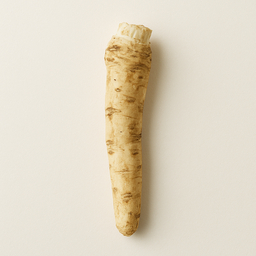 Horseradish
 Glucosinolates activate gastric acid release production and phase-II enzymes
Technical: Horseradish contains sinigrin converted by myrosinase to allyl isothiocyanate (AITC) — responsible for its sharp taste. AITC activates gastric juice release via gastrin (HCl) via gastrin release and activates phase-II enzymes (glutathione S-transferase, UDP-glucuronosyltransferase) in the liver.
What does this mean for you? Horseradish with beef or salmon is a European tradition for good reason. The sharp taste activates gastric juice release via gastrin and aids digestion of heavy protein. A little goes a long way.
Beef 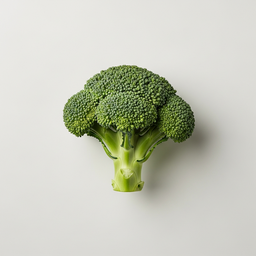 Broccoli
 Optimal iron and vitamin C combination
Technical: Beef contains 2.6mg heme iron per 100g and 4.8mg zinc — both crucial for energy production and immune function. Broccoli provides 89mg vitamin C per 100g that improves non-heme iron absorption, plus 102μg vitamin K for bone health. Vitamin C also forms a chelate with zinc that increases absorption. Broccoli's sulforaphane activates phase II biotransformation enzymes.
What does this mean for you? Beef with broccoli is not only a popular Chinese-American dish but also a nutritional winner. The heme iron from beef is already well absorbed, and the vitamin C from broccoli maximizes absorption of all other minerals.
Beef 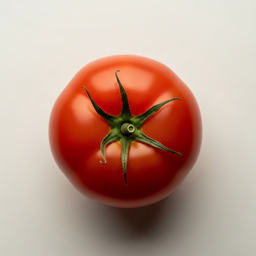 Tomato
 Lycopene + iron: antioxidant protection with iron absorption
Technical: Tomatoes contain lycopene, a powerful carotenoid antioxidant that is better absorbed when heated (4x after 30 min cooking). Beef contains heme iron (2.6mg/100g) and zinc (4.8mg/100g). The vitamin C in tomato (14mg) improves iron absorption, while lycopene protects fats in beef from oxidation.
What does this mean for you? Stews with beef and tomatoes (Italian ragù, Hungarian goulash) are nutritionally optimal. Simmer at least 30 minutes for maximum lycopene availability.
Beef 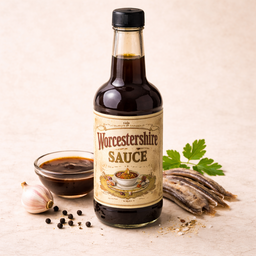 Worcestershire Sauce
 Fermented anchovy enhances meat umami
Technical: Worcestershire sauce is fermented from anchovies containing high glutamate (umami). Beef contains inosinate and mushrooms guanylate — two nucleotides that synergistically amplify glutamate's umami effect (up to 8x). This triple umami stacking (glutamate + inosinate + guanylate) is the strongest flavor enhancement.
What does this mean for you? Add a splash of Worcestershire sauce to your beef-mushroom dish. The three umami sources amplify each other up to 8x — maximum flavor with minimum effort.
Recipes with Beef
Discover delicious recipes featuring beef:
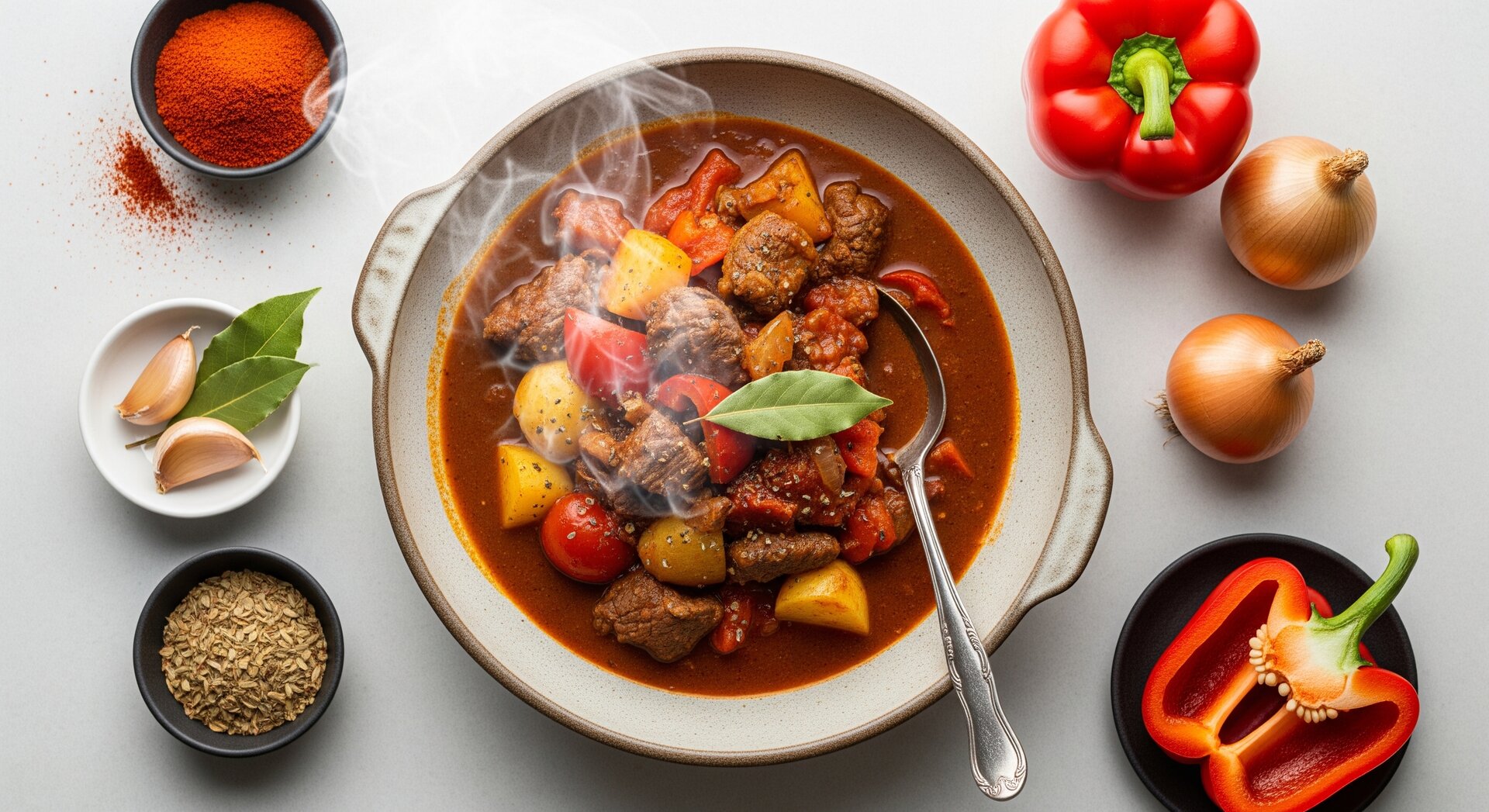 Hungarian Goulash with Beef and Paprika 55 min Hearty Hungarian stew with paprika sauce and slow-cooked beef
  680 kcal
  44g protein 2 synergies
 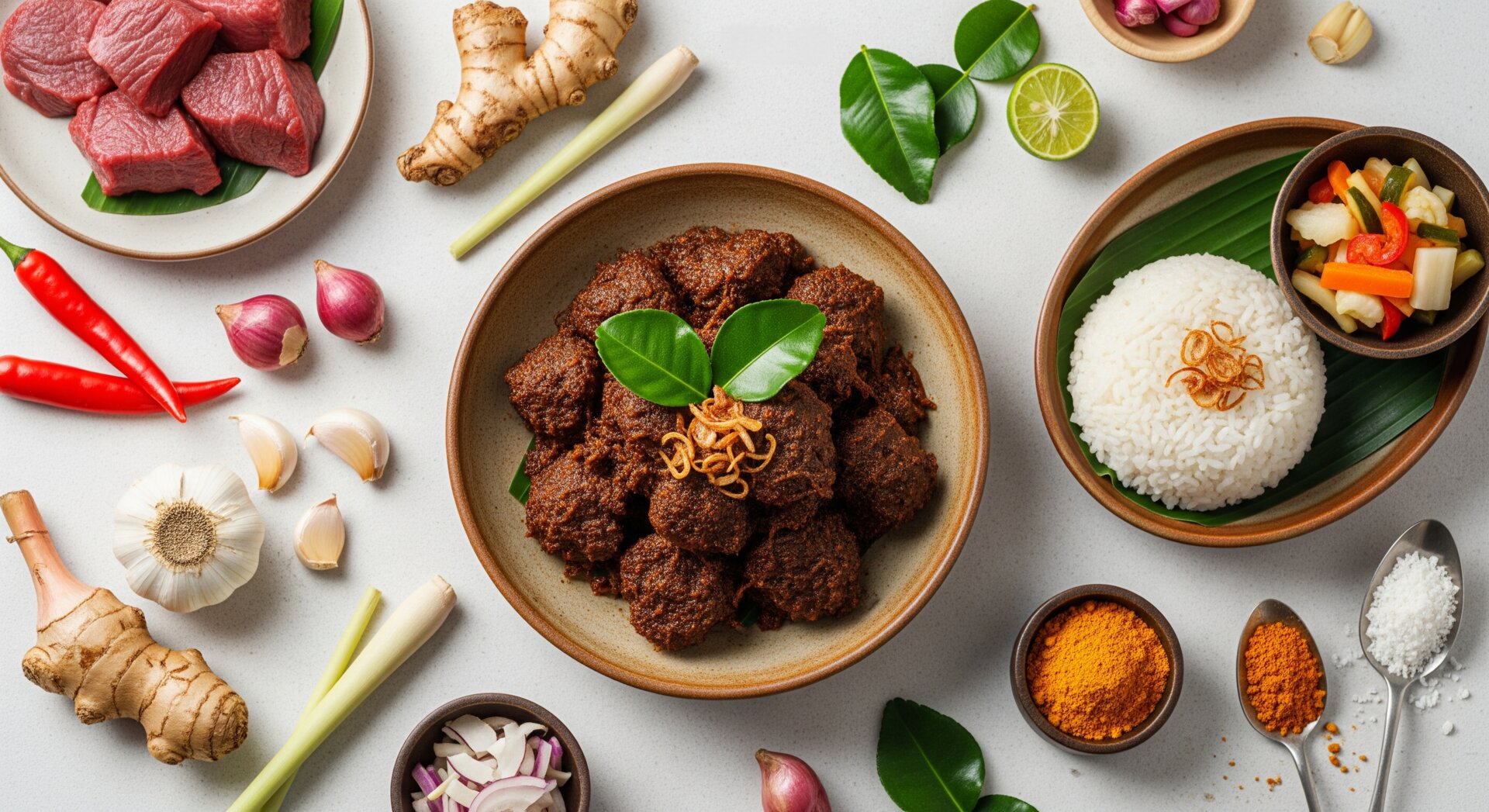 Indonesian Beef Rendang 210 min Slow-cooked beef in rich coconut-spice sauce 520 kcal 42g protein 2 synergies
 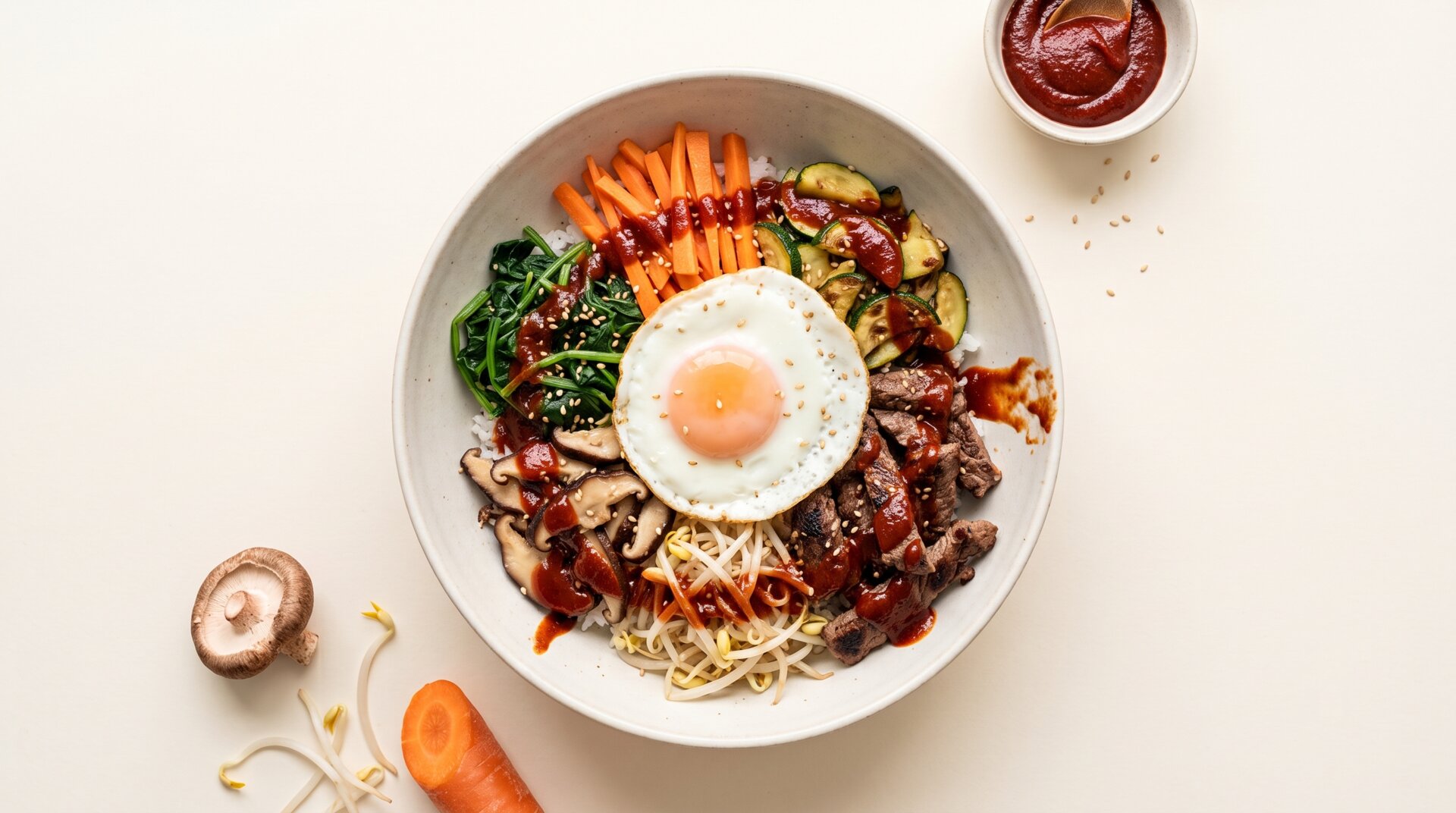 Korean Bibimbap 55 min Colorful rice bowl with vegetables, egg and gochujang 580 kcal 32g protein 1 synergies
 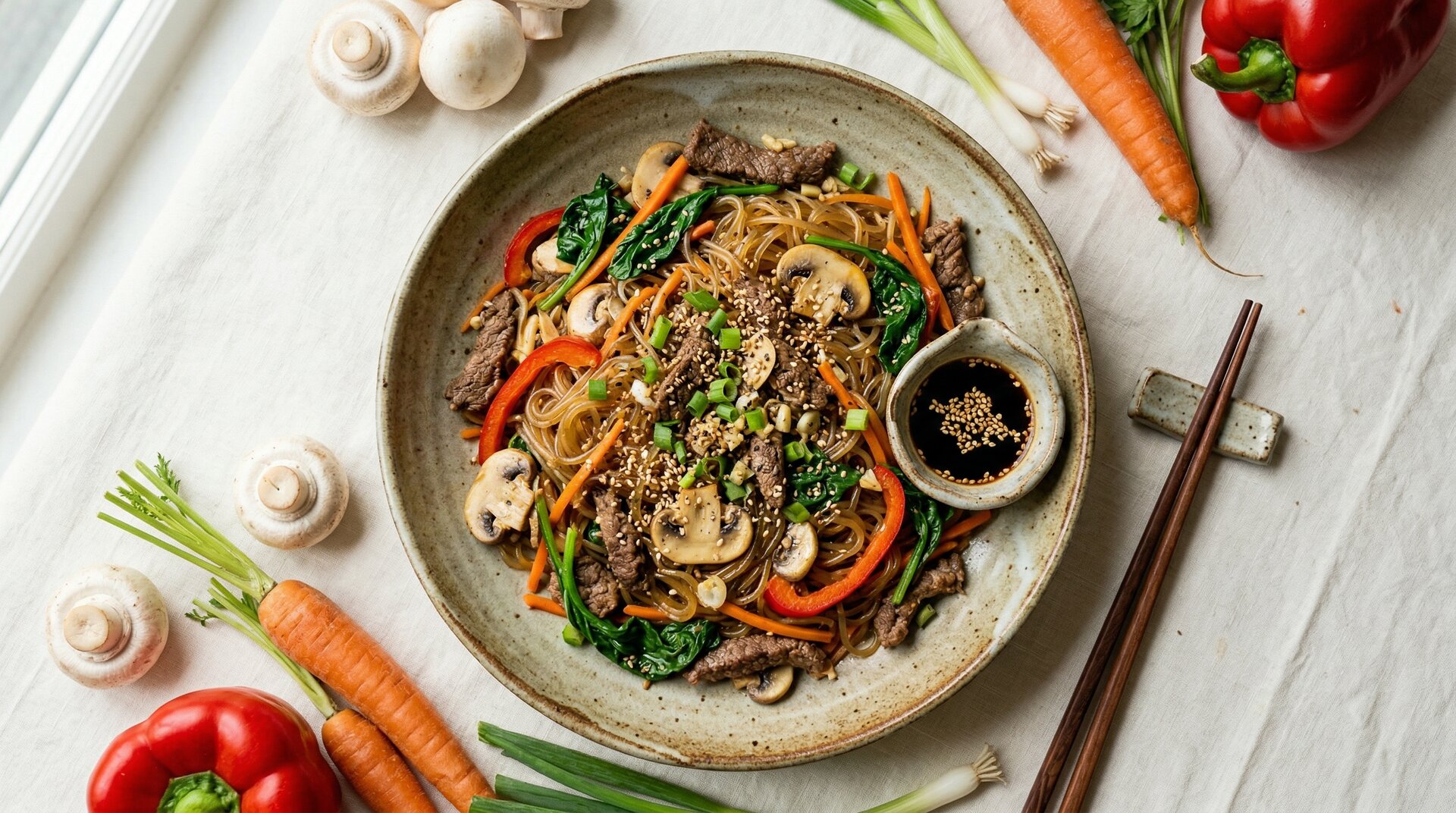 Korean Japchae with Beef and Vegetables 35 min Glossy Korean noodles with beef, spinach and sesame 720 kcal 40g protein 3 synergies
 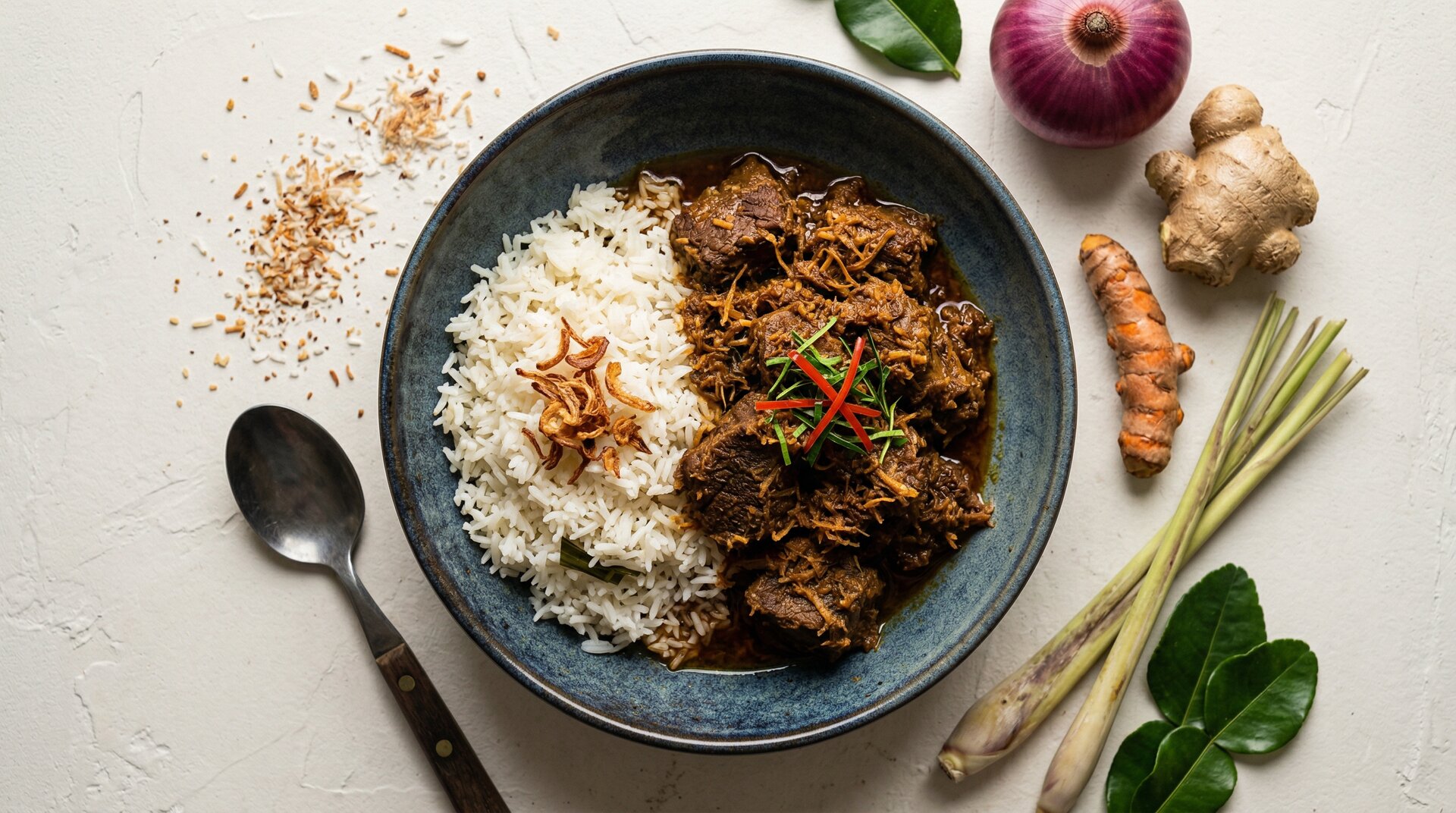 Malaysian Rendang with Coconut Rice 145 min Slow-braised beef with coconut, lemongrass and warm spices 1085 kcal 43g protein 2 synergies
 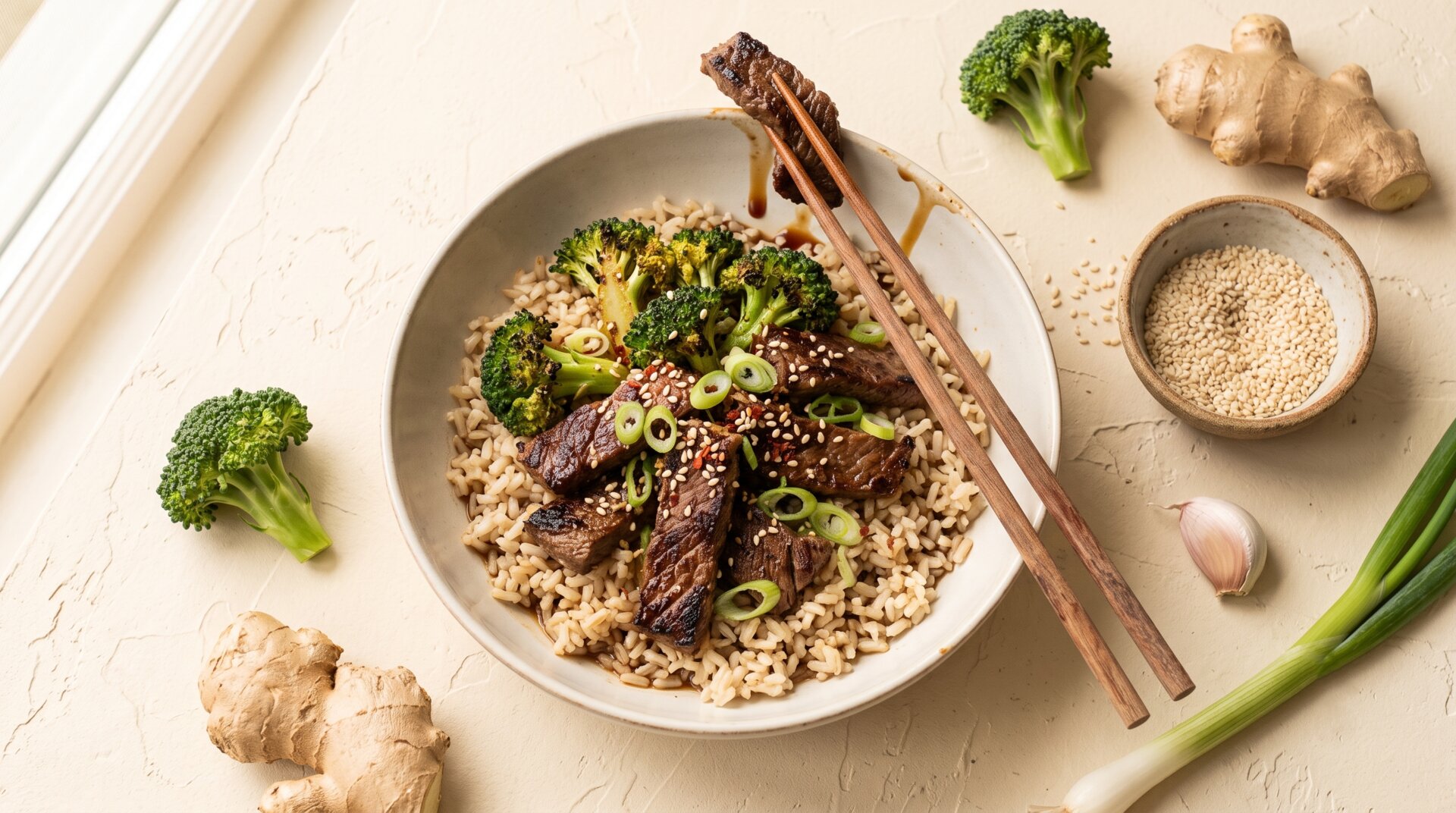 Beef Stir-Fry with Broccoli and Sesame 30 min Tender beef with crisp broccoli and toasted sesame 615 kcal 48g protein 3 synergies
  In the Kitchen
Storage
Location:Refrigerator
Shelf life:3-5 dagen koelkast, 6-12 maanden vriezer
Store raw meat in the coldest part of the refrigerator. Always thaw in the refrigerator, never at room temperature.
Preparation
Preparation depends on the cut. Tender cuts (filet, ribeye): quick frying. Tough cuts (silverside, shin): long braising. Core temp: medium-rare 55°C, medium 60°C, well-done 70°C.
Substitutes
Smart preparation
1Pat beef dry before searing for a good crust.
2Bring beef to room temperature for even cooking.
3Always let beef rest after roasting or frying.
Why?
Cutting without resting lets all juices run onto the cutting board.
Caution / Warnings
Beef is very safe, but there are scientific considerations:
Cardiovascular Disease Moderate
Some cuts contain significant saturated fat
Advice:
Choose lean cuts like silverside, topside or filet. Limit to 2-3 portions per week. Prefer grass-fed when possible.
Preparation Method Mild
Charring and smoking can form harmful compounds
Advice:
Avoid charring. Braising and roasting are healthier preparation methods than high-temperature grilling.
Traditional use
Traditional Chinese Medicine
Beef in Chinese Tradition
In traditional Chinese food culture, beef is regarded as a warming food, long valued especially in the colder months.
Summary
An excellent source of complete protein, iron and B12. Choose lean cuts for less saturated fat, or grass-fed for more omega-3. Essential for muscle building, energy levels and cognition.