- Hard
- 145 min
- 4 serv.
- 26 synergies
- Now at its best: Onion
A rich Malaysian rendang with tender beef, coconut milk, toasted coconut, lemongrass, ginger, turmeric and makrut lime leaves. Served with soft coconut rice for a full, spiced dinner.
Rendang is not a quick curry; it gets its depth from time. The beef slowly simmers in coconut milk, spices, lemongrass and makrut lime leaves until the sauce turns darker, thicker and more intense. The toasted coconut — kerisik — gives the dish its signature nutty depth, making every bite rich and layered. The coconut rice catches the spiced sauce without making the plate feel heavier. This is comfort food with character: warm, aromatic, lightly sweet, savory and full of umami.
- 25
- min prep
- 120
- min cook
- 145
- min total
Nutritional Synergies
This recipe combines ingredients that enhance each other:
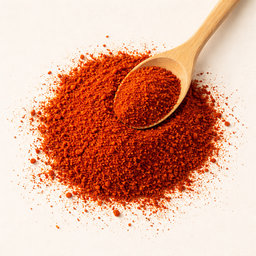 Chili powder
 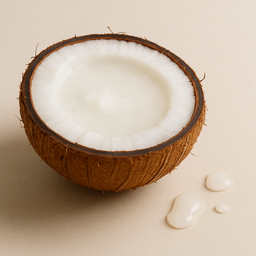 Coconut oil
 Capsaicin absorption increased by fats
Technical: Capsaicin in chili powder is fat-soluble. Fats (olive oil, coconut oil) increase bioavailability 2-3x by dissolving capsaicin in lipid micelles. Additionally, fats reduce direct capsaicin irritation on the stomach lining by forming a protective fat layer.
What does this mean for you? Fry chili powder in oil before adding other ingredients. The fat makes the chili milder for your stomach but more powerful for your metabolism.
Weight LossAnti-inflammatory
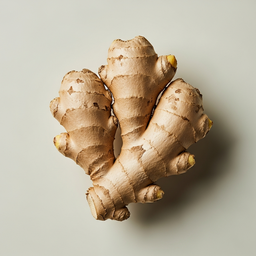 Fresh ginger
 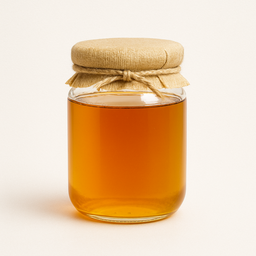 Honey
Honey Classic combination: warming herbal drink with honey
Technical: Ginger's gingerol modulates COX-2 and has antiemetic action (suppresses nausea via 5-HT3 receptor blockade). Honey's glucose oxidase produces hydrogen peroxide with bioactive action, while honey physically coats and soothes the throat. Together: bioactive modulation + throat protection.
What does this mean for you? Ginger tea with honey is a classic, warming combination. The ginger provides gingerol, the honey a smooth, sweet layer.
Immune System
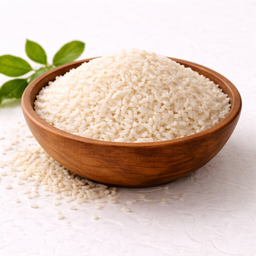 Jasmine rice Fresh ginger
 Asian staple combo: ginger improves rice digestion
Technical: Jasmine rice has a relatively high glycemic index (GI 68-80). Ginger contains gingerols that speed gastric emptying and can reduce glycemic response by 10-15%. Ginger also stimulates amylase activity, improving starch digestion.
What does this mean for you? Cook rice with ginger slices (remove before serving) or serve with ginger stir-fry. This is why ginger is so central to Asian cuisine with rice dishes.
DigestionBlood Sugar
Jasmine rice  Coconut milk for the rice
 Coconut milk lowers glycemic response of rice
Technical: MCTs (medium-chain triglycerides) in coconut milk slow gastric emptying and reduce the glycemic index of rice by 20-30%. The fat also improves absorption of fat-soluble nutrients in the meal.
What does this mean for you? Cook your rice in coconut milk (1:1 water:coconut milk ratio) for creamier, healthier rice. This is the basis of many Thai and Indonesian rice dishes.
Blood SugarEnergy
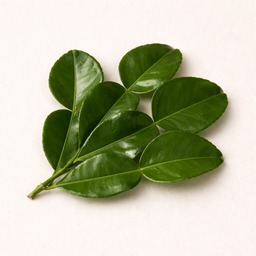 Makrut lime leaves Fresh ginger
 Citronellol + gingerols for aromatic digestion
Technical: Kaffir lime leaf contains citronellol (30-40%) and limonene (20%) — terpenes with bioactive and anxiolytic action. Ginger's gingerols promote gastric motility and bile flow. The combination offers multi-level digestive support: kaffir lime's terpenes calm the gut nervous system (enteric nervous system), ginger activates mechanical digestion. This is the scientific basis behind Tom Kha Gai (coconut soup).
What does this mean for you? Use kaffir lime leaf with ginger in Thai soups and curries. Tear the leaf for maximum aromatic release. The combination makes fatty coconut dishes easier to digest.
DigestionStress Relief
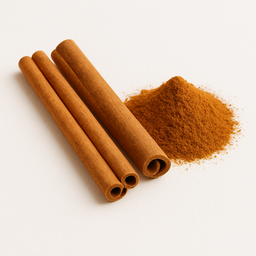 Cinnamon Honey
 Traditional warm combination of cinnamon and honey
Technical: Cinnamon contains cinnamaldehyde and proanthocyanidins with bioactive action via cell wall disruption. Honey's glucose oxidase produces hydrogen peroxide with bioactive action, while honey's high viscosity forms a physical barrier. Two independent bioactive mechanisms that work more broadly together.
What does this mean for you? Cinnamon + honey in warm tea — a classic combination. Both have bioactive action via different pathways — broader together than alone.
Immune System
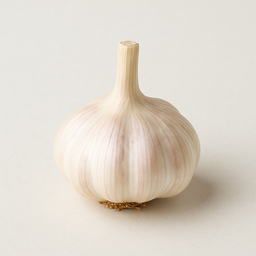 Garlic Fresh ginger
 Allicin + gingerols: complementary bioactive action
Technical: Garlic's allicin works via thiol enzyme inhibition — effective against gram-positive bacteria (Staphylococcus, Streptococcus). Ginger's gingerols and shogaols influence viral replication and stimulate interferon production. Together they cover both bacterial and viral pathways.
What does this mean for you? Garlic-ginger tea is a classic combination. Garlic works via thiol enzymes, ginger via interferon pathways. Cut both fresh for maximum active compounds — allicin only forms after 10 minutes of air exposure.
Immune System
Garlic Honey Fermented: allicin + bee defensin in traditional condiment
Technical: Raw garlic contains alliin converted by alliinase to allicin — an organosulfur compound with bioactive properties — when cut. Raw honey contains hydrogen peroxide, bee defensin-1 and methylglyoxal. Fermenting garlic in honey increases bioavailability of S-allylcysteine (SAC), a more stable bioactive metabolite.
What does this mean for you? Submerge raw garlic cloves in raw honey and ferment for 2-4 weeks. You get a traditional condiment with concentrated bioactive compounds — an ancient fermentation technique that increases bioavailability.
Immune System
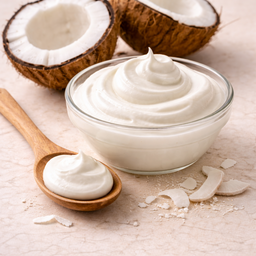 Coconut cream
 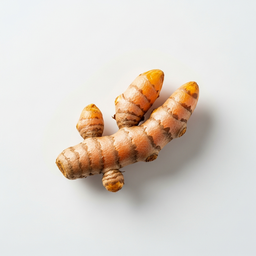 Fresh turmeric
 Coconut fat significantly increases curcumin absorption
Technical: Curcumin is fat-soluble with low bioavailability (<1%) in aqueous solution. Coconut cream contains 34% fat (of which 50% lauric acid), forming lipid micelles that transport curcumin through the intestinal wall. The higher fat content of cream versus milk makes this even more effective.
What does this mean for you? Use coconut cream instead of coconut milk for golden milk or curry with turmeric — the extra fat ensures better absorption of curcumin.
Anti-inflammatoryJoints
Coconut milk for the rice Honey MCTs + prebiotics for gut flora and energy
Technical: Coconut milk contains lauric acid (MCT) that is quickly converted to energy. Honey contains prebiotic oligosaccharides (FOS) feeding beneficial gut bacteria. The combination offers quick energy plus gut flora support.
What does this mean for you? Add honey to coconut milk-based smoothies, chia puddings or warm drinks. The MCTs provide quick energy while the prebiotics feed your gut flora.
EnergyDigestionImmune System
Coconut milk for the rice Fresh turmeric Golden Milk base - optimal curcumin absorption
Technical: Curcumin from turmeric is fat-soluble with bioavailability below 1% without fat. Coconut milk contains lauric acid and other MCTs that dissolve curcumin and significantly increase gut absorption. MCTs are also rapidly absorbed, efficiently transporting curcumin. This is the principle behind traditional Golden Milk.
What does this mean for you? Make golden milk with coconut milk as base — the coconut fat ensures your body actually absorbs the curcumin. Always add a pinch of black pepper for maximum effect.
Anti-inflammatoryJoints
Coconut oil Honey MCTs protect honey enzymes — complementary bioactive compounds
Technical: Coconut oil contains lauric acid (48%), a medium-chain fatty acid (MCT). Honey contains glucose oxidase producing hydrogen peroxide. Together they provide complementary bioactive compounds. MCTs also help preserve fat-soluble compounds in honey.
What does this mean for you? Combine coconut oil with honey in energy balls, granola or as coating for snacks. The combination is both flavorful and functional.
Immune SystemEnergyDigestion
Coconut oil Fresh turmeric Improves absorption because curcumin is fat-soluble
Technical: Curcumin is fat-soluble and must be bound to fat to pass through the intestinal wall — without fat, bioavailability is only ~1%. Coconut oil contains 60% MCTs (medium-chain triglycerides) that are absorbed very quickly and effectively carry curcumin through the gut wall. The lauric acid component (48%) works via a complementary biochemical pathway.
What does this mean for you? Add a teaspoon of coconut oil to your turmeric milk, curry or smoothie. Coconut oil is one of the best 'carriers' for curcumin thanks to rapid MCT absorption. Don't forget black pepper for an extra 2000% absorption boost.
Anti-inflammatoryJoints
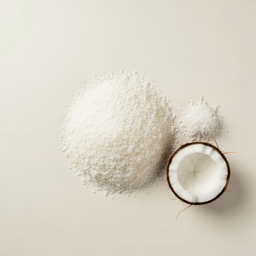 Desiccated coconut for kerisik Fresh turmeric
 MCTs in desiccated coconut improve curcumin absorption
Technical: Desiccated coconut contains 65g fat per 100g, mostly MCTs that are rapidly absorbed. These MCTs form a lipid matrix that efficiently transports fat-soluble curcumin from turmeric through the gut wall. The absorption increase is comparable to coconut milk but in concentrated solid form.
What does this mean for you? Use desiccated coconut together with turmeric in curries, energy balls or granola. The coconut fat in the flakes helps your body better absorb the curcumin.
Anti-inflammatoryJoints
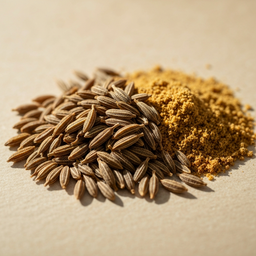 Ground cumin Garlic
 Double digestive support: enzymes + bioactive compounds
Technical: Cumin promotes digestive enzyme activity (amylase, lipase, protease) and increases bile flow. Garlic's allicin has broad bioactivity targeting pathogenic gut bacteria while sparing beneficial ones.
What does this mean for you? Fry garlic and cumin together as base for curries, soups and stews. Classic combination in virtually every cuisine in the world.
DigestionImmune System
Ground cumin Fresh turmeric Classic curry base with enhanced digestion
Technical: Cumin promotes production of digestive enzymes (amylase, lipase, protease) and increases bile flow. Turmeric's curcumin modulates NF-κB and COX-2 signal transduction and supports hepatobiliary activity via bile stimulation. Together they provide enhanced digestion + bioactive action.
What does this mean for you? Cumin + turmeric is the base of every curry. The cumin promotes your digestion, the turmeric adds bioactive action — the perfect combination for a nutritious curry.
DigestionAnti-inflammatory
Ground cumin 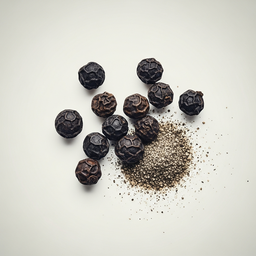 Black pepper
 Piperine increases absorption of cumin's active compounds 2-3x
Technical: Cumin contains cuminaldehyde and thymoquinone with digestive-promoting and bioactive properties. Piperine from black pepper inhibits CYP3A4 enzymes, reducing breakdown and improving absorption 2-3x.
What does this mean for you? Always add black pepper to dishes with cumin. This is why many spice blends (garam masala, ras el hanout) contain both.
DigestionAnti-inflammatory
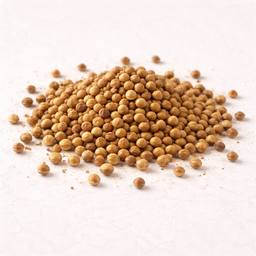 Ground coriander seed Ground cumin
 Linalool + cuminaldehyde for digestion and biotransformation
Technical: Coriander seed contains linalool (60-80% of oil) that acts antispasmodically on the GI tract and promotes bile flow. Cumin's cuminaldehyde (25-35%) promotes pancreatic enzyme activity (amylase, lipase, protease) by 20-30%. Together they promote the complete digestive cascade: coriander seed promotes bile flow (fat digestion), cumin activates pancreatic enzymes (protein/starch digestion). Studies show the combination meaningfully reduces gas formation.
What does this mean for you? Coriander seed + cumin is the Indian digestive duo (jeera-dhaniya). Dry toast both seeds in a pan for maximum aroma development and add to dal, curry or rice.
DigestionAntioxidants
Fresh turmeric Fresh ginger Enhanced bioactive action via two pathways
Technical: Turmeric and ginger belong to the same plant family (Zingiberaceae). Curcumin (turmeric) modulates NF-kB, while gingerol (ginger) modulates COX-2 and LOX (lipoxygenase). Because they target different signaling pathways, they enhance each other's bioactive action.
What does this mean for you? Turmeric + ginger in curry, soup or tea — two related spices that work bioactively via different pathways. Broader together than alone.
Anti-inflammatoryJoints
Fresh turmeric Black pepper Increases curcumin absorption by 2000%
Technical: Curcumin from turmeric has bioavailability below 1% due to rapid glucuronidation in the liver. Piperine from black pepper inhibits UGT (UDP-glucuronosyltransferase) and CYP3A4, preventing curcumin breakdown. This increases bioavailability by 2000% (20x). Use ratio ¼ teaspoon pepper to 1 teaspoon turmeric.
What does this mean for you? ALWAYS add black pepper when using turmeric. Without pepper your body absorbs virtually nothing — with pepper 20x more. This is the most important food synergy there is.
Anti-inflammatoryJointsFocus
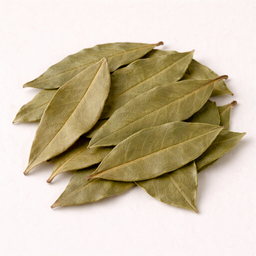 Bay leaves Cinnamon
 Glycemic supporting herbs for stews
Technical: Bay leaf contains 1,8-cineole and linalool that support the glycemic response via delayed carbohydrate digestion. Cinnamon's MHCP supports insulin signaling. Both herbs contain polyphenols with antioxidant action.
What does this mean for you? Bay leaf + cinnamon stick in stews — the herbs support your glycemic response and their compounds slowly leach into the cooking liquid.
Blood SugarDigestion
Bay leaves Garlic Eucalyptol + allicin for broad-spectrum bioactive action
Technical: Bay's 1,8-cineole contains bioactive compounds effective against gram-negative bacteria and fungi via membrane disruption. Garlic's allicin works via thiol blockade in enzymes of gram-positive and gram-negative pathogens. Together they offer the broadest bioactive spectrum of all kitchen herbs. Bay's tannins also enhance the antioxidant action of garlic's S-allylcysteine.
What does this mean for you? Bay leaf + garlic is the base of virtually every good broth or sauce. Historically this served as a preservation method — a tradition that also works exceptionally well for flavor.
Immune SystemDigestion
Bay leaves 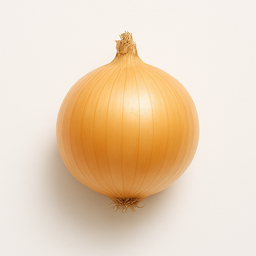 Onions
 Cineole + quercetin: aromatic broth base
Technical: Bay leaf contains 1,8-cineole (eucalyptol, 50% of oil), an aromatic compound. Onion's quercetin (20mg/100g) is a flavonoid. Bay leaf also contains parthenolide, studied in research in relation to COX signaling. The combination is the base of broth and stews in every Mediterranean cuisine.
What does this mean for you? Always add bay leaves together with onions as the base of your broth or stew. The combination gives a warm, aromatic base to any dish.
Immune SystemAnti-inflammatory
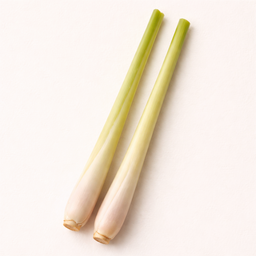 Lemongrass Fresh ginger
 Classic Asian digestive support
Technical: Lemongrass contains citral that promotes digestive enzymes and is bioactive. Ginger's gingerol accelerates gastric motility (prokinetic) and suppresses nausea. Together they promote digestion via two complementary pathways.
What does this mean for you? Lemongrass + ginger in soup or tea — a classic Asian combination. Two herbs that promote your digestion via complementary pathways.
DigestionAnti-inflammatory
Onions Garlic More than 20 organosulfur compounds in one soffritto
Technical: Onion contains diallyl disulfide and quercetin (20-40mg/100g). Garlic contains allicin, ajoene and S-allylcysteine. Together they provide more than 20 different organosulfur compounds that modulate NF-κB. Allium crops are intensively studied in nutrition science for their unique sulfur chemistry.
What does this mean for you? Start every dish with sautéed onion and garlic — not just for flavor, but for the unique concentration of organosulfur compounds. Cut garlic 10 minutes before heating to allow allicin formation.
DigestionImmune System
 Water Fresh ginger
 Hydration + gingerols for digestion and metabolism
Technical: Water is the medium for all biochemical reactions and nutrient transport. Ginger's gingerols (1.5-3%) are water-soluble and optimally extracted in warm water. Gingerols are studied in research in relation to thermogenesis and digestion. Warm ginger water contains dissolved gingerols.
What does this mean for you? Start your day with warm ginger water — slice fresh ginger and steep for 10 minutes. It gives a warm, spicy start to your day and hydrates at the same time.
DigestionWeight LossEnergy
Ingredients (23)
-
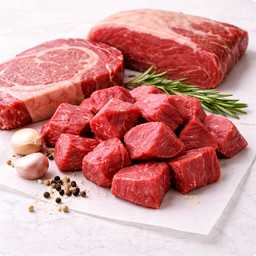 Stewing beef — 700 g cut into 3-4 cm cubes
 - Coconut milk for the rendang — 400 ml
- Coconut cream — 100 ml
- Desiccated coconut for kerisik — 60 g dry-toasted until deep golden
- Onions — 3 pcs roughly chopped
Instructions
- 1 First make the spice paste: blend onion, garlic, ginger, turmeric and the white part of the lemongrass into a coarse paste.
- 2 Toast the desiccated coconut in a dry pan over medium heat until deep golden. Crush or grind roughly into kerisik and set aside.
Nutrition per serving
Indicative values per serving.
Timing & Suitability
Shelf life: 3 days in fridge