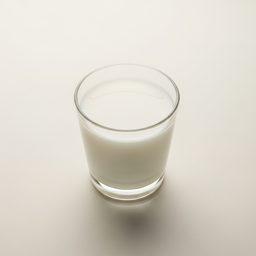
Coconut Milk
Creamy tropical base
What is this ingredient?
Coconut milk is made by grating the white flesh of ripe coconuts and pressing it with water. The result is a creamy, fat-rich liquid used worldwide as a base for curries, soups, sauces, desserts and dairy-free preparations.
There are two common forms: full-fat canned coconut milk with about 15-20% fat and coconut drink in cartons with about 1-2% fat. For cooking, the full-fat version is usually best because it adds body and creaminess; for smoothies or drinks, the lighter version often works better.
Much of the fat in coconut milk comes from lauric acid, a medium-chain fatty acid that gives coconut its distinctive nutritional profile. Coconut milk is still high in saturated fat, so it fits best as a flavorful base in normal portions, especially in dishes with plenty of vegetables, herbs, legumes or rice.
How does it taste?
Lightly sweet and creamy with a subtle, tropical coconut flavor.
Pairs well with:
Pairs well with curryturmericgingerbasil and rice.
Varieties
Full-Fat Coconut Milk (Canned)
15-20% fat, with a thick and creamy consistency. Ideal for curries, soups and desserts where coconut milk should add body and flavor.
Light Coconut Milk / Coconut Drink (Carton)
1-2% fat, diluted with water. Suitable as a dairy-free drink or in smoothies; less creamy and lower in calories than full-fat coconut milk.
Coconut Cream
Extra thick and creamy (20-25% fat), the cream-like layer that can float on top of cans. Perfect for desserts, sauces and as a plant-based alternative to whipped cream.
Did you know...?
- Coconut milk is pressed from the grated flesh of the coconut, not from coconut water.
- In the Philippines, coconut milk is so important that the coconut palm is often called the 'tree of life'.
Nutritional Value & Energy
Per 100ml
Coconut Milk provides energy thanks to natural nutrients .
Per 100g
Minerals
Vitamins
Omega-3 fatty acids
More nutrients
Trace Minerals
What's in a serving?
1 serving
% of daily reference intake (DRI)
EU-approved nutrition claims
There are currently no EFSA-authorized health claims specific to coconut milk.
What's being researched?
Coconut milk and lipid profile
The effects of coconut milk on blood lipids are being studied, mainly because of its high lauric acid and saturated fat content. Studies discuss changes in HDL and LDL, so the overall interpretation still depends on portion size, dietary pattern and individual risk factors.
Supported by: [3] Jiang R (2025) , [2] St-Onge (2003)
Good Combinations (Synergy)
Combine coconut milk smartly to enhance the effect:
Coconut Milk 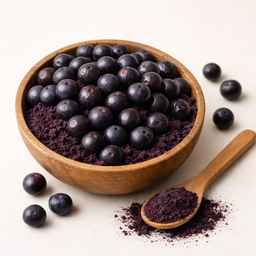 Açaí
Açaí MCT fats increase anthocyanin absorption by 300%
Technical: Acai's anthocyanins (cyanidin-3-glucoside, cyanidin-3-rutinoside) are partially fat-soluble. Coconut milk contains 24g fat per 100ml, of which 60% medium-chain triglycerides (MCT: C8-C12). MCTs are directly absorbed via portal vein without chylomicron formation, making them ideal carriers for polyphenols. Studies show fat consumption increases plasma anthocyanin concentration by 200-400% through improved micelle formation in the small intestine.
What does this mean for you? Make an acai bowl with coconut milk as base instead of water or low-fat yogurt. The MCT fats ensure your body absorbs 3x more antioxidants. Top with fresh fruit for extra fiber.
Coconut Milk  Agar-Agar
 Satiety with stable energy: gel formation + MCT fats
Agar polysaccharides delay gastric emptying, MCT fats provide quick energy via liver metabolism
Technical: Agar gel formation mechanically slows gastric emptying, increasing satiety. Coconut milk provides medium-chain triglycerides (MCT) going directly to liver for quick energy without insulin spike. Together they provide lasting satiety with stable energy.
What does this mean for you? Agar pudding with coconut milk is a perfect combination for weight management. You feel full for long while getting stable energy without blood sugar spikes.
Coconut Milk 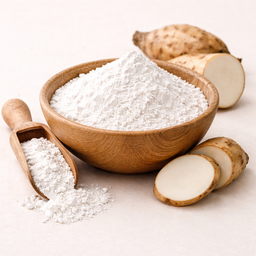 Arrowroot
 Resistant starch + MCTs for gradual energy
Technical: Arrowroot contains 32% starch of which part is resistant starch (type 2) that is slowly digested. Coconut milk provides MCTs (medium-chain triglycerides, 15% of fats) that go directly to the liver via the portal vein for quick ketone production. The combination offers dual energy delivery: MCTs for immediate energy + resistant starch as slow-release fuel. Arrowroot's neutral taste makes it ideal as a thickener in coconut curries.
What does this mean for you? Use arrowroot as a thickener in coconut curry or soup. It adds almost no flavor but gives a creamy texture, while together with coconut milk it forms a long-lasting energy source.
Coconut Milk  Banana
 MCTs improve nutrient absorption, potassium + electrolytes
Technical: Banana contains 358mg potassium per 100g and quick carbohydrates. Coconut milk contains MCTs (medium-chain triglycerides) that go directly to the liver for energy and improve absorption of fat-soluble vitamins. The combination offers both immediate and sustained energy.
What does this mean for you? The perfect smoothie base: banana for creaminess and potassium, coconut milk for healthy fats and tropical flavor. Ideal as breakfast or post-workout.
Coconut Milk 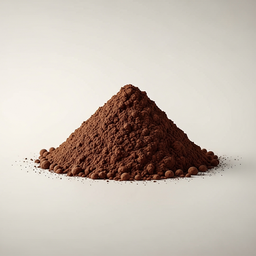 Raw cacao
 Ideal base for hot chocolate
Technical: Cacao's flavanols (epicatechin) are partially fat-soluble. Coconut milk's MCTs significantly improve absorption of these polyphenols. Importantly: dairy proteins (casein) bind to flavanols and block uptake. Coconut milk doesn't have this problem, resulting in higher flavanol bioavailability than with cow's milk.
What does this mean for you? Make hot chocolate with coconut milk instead of cow's milk. The coconut fat helps you absorb more antioxidants from cacao — cow's milk actually blocks this.
Coconut Milk 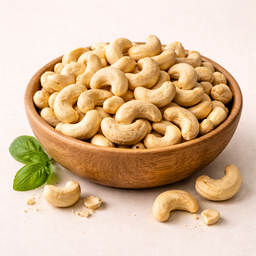 Cashew nuts
 Magnesium + MCTs for improved mineral absorption
Technical: Cashews contain 292mg magnesium and 593mg phosphorus per 100g. Coconut milk contains MCTs that are quickly absorbed and serve as transport for fat-soluble compounds. The fat content also improves mineral absorption from cashews.
What does this mean for you? Use cashews in curries with coconut milk or make cashew-coconut smoothies. Classic combination in Indian and Thai cuisine.
Coconut Milk 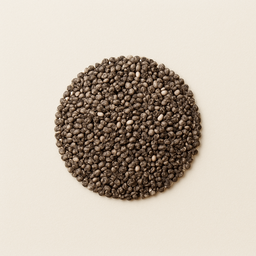 Chia Seeds
 Perfect chia pudding base
Technical: Chia seeds contain ALA omega-3 fatty acids that are fat-soluble. The MCTs (medium-chain triglycerides) in coconut milk are rapidly absorbed and form a fat matrix that increases bioavailability of omega-3 from chia seeds. Additionally, chia seeds absorb the liquid forming a pudding-like texture with optimal nutrient delivery.
What does this mean for you? Soak chia seeds overnight in coconut milk for the perfect pudding. The coconut fat helps your body absorb more omega-3 from the chia seeds.
Coconut Milk 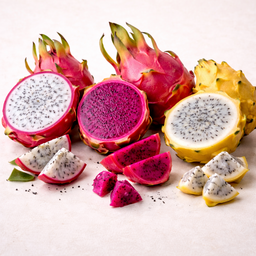 Dragon Fruit (Pitaya)
 Betalains + MCT fats for antioxidant absorption and energy
Technical: Dragon fruit (red pitaya) contains 32mg betalains per 100g (betacyanins + betaxanthins), unique nitrogen-containing antioxidants with ORAC 10,200 μmol TE/100g. Coconut milk provides MCTs (lauric acid C12, capric acid C10) directly oxidized in liver for rapid ketone production. MCT fats improve betalain absorption through enhanced micelle formation. Betalains inhibit lipid peroxidation and protect LDL cholesterol from oxidation.
What does this mean for you? Dragon fruit smoothie with coconut milk combines exotic antioxidants with quick energy from MCTs. The coconut milk ensures betalains are better absorbed. Perfect as morning or afternoon snack.
Coconut Milk 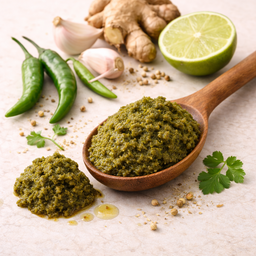 Green Curry Paste
 Capsaicin + MCT fats for optimal spice absorption
Technical: Green curry paste contains galangal (ACA antioxidant), lemongrass (citral), kaffir lime (citronellol), green peppers (capsaicin) and coriander roots. All these active compounds are partially fat-soluble. Coconut milk's MCTs (15% of fats) and lauric acid (48%) form micelles that increase bioavailability 3-5x. Capsaicin dissolves completely in coconut fat, extending the thermogenic response.
What does this mean for you? Green curry with coconut milk isn't just a classic combination — it's scientifically optimized. The coconut milk dissolves the active compounds from the paste so your body can use them.
Coconut Milk 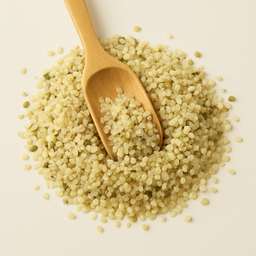 Hemp Seeds
 Coconut fat improves absorption of hemp seed's GLA and vitamin E
Technical: Hemp seeds contain GLA (gamma-linolenic acid) and vitamin E that are fat-soluble. Coconut milk's MCTs (medium-chain triglycerides) are rapidly absorbed and create an effective fat matrix for these nutrients.
What does this mean for you? Add hemp seeds to a smoothie or latte with coconut milk — the coconut fat helps your body better absorb the healthy fats from hemp.
Coconut Milk 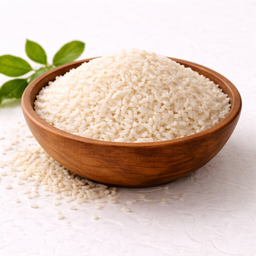 Jasmine Rice
 Coconut milk lowers glycemic response of rice
Technical: MCTs (medium-chain triglycerides) in coconut milk slow gastric emptying and reduce the glycemic index of rice by 20-30%. The fat also improves absorption of fat-soluble nutrients in the meal.
What does this mean for you? Cook your rice in coconut milk (1:1 water:coconut milk ratio) for creamier, healthier rice. This is the basis of many Thai and Indonesian rice dishes.
Coconut Milk 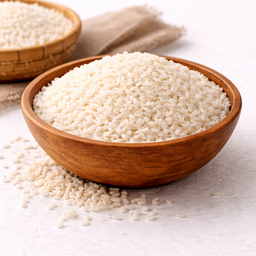 Sticky Rice
 MCTs lower glycemic impact of sticky rice
Technical: Sticky rice has a high GI (86-90). Coconut milk's MCTs and fiber significantly slow carbohydrate absorption.
What does this mean for you? Cook sticky rice in coconut milk (traditional Thai method) for lower blood sugar spike.
Coconut Milk 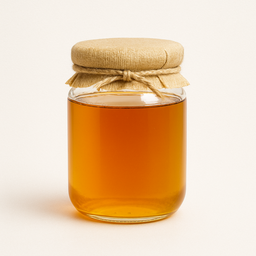 Honey
Honey MCTs + prebiotics for gut flora and energy
Technical: Coconut milk contains lauric acid (MCT) that is quickly converted to energy. Honey contains prebiotic oligosaccharides (FOS) feeding beneficial gut bacteria. The combination offers quick energy plus gut flora support.
What does this mean for you? Add honey to coconut milk-based smoothies, chia puddings or warm drinks. The MCTs provide quick energy while the prebiotics feed your gut flora.
Coconut Milk  Turmeric
 Golden Milk base - optimal curcumin absorption
Technical: Curcumin from turmeric is fat-soluble with bioavailability below 1% without fat. Coconut milk contains lauric acid and other MCTs that dissolve curcumin and significantly increase gut absorption. MCTs are also rapidly absorbed, efficiently transporting curcumin. This is the principle behind traditional Golden Milk.
What does this mean for you? Make golden milk with coconut milk as base — the coconut fat ensures your body actually absorbs the curcumin. Always add a pinch of black pepper for maximum effect.
Coconut Milk 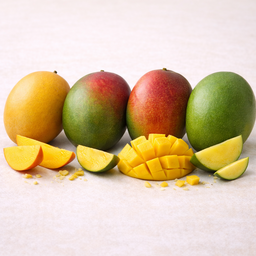 Mango
Mango Coconut fat increases beta-carotene absorption from mango
Technical: Mango is one of the richest sources of beta-carotene (provitamin A), which is fat-soluble. Coconut milk's MCTs (medium-chain triglycerides) are rapidly absorbed and form micelles that increase beta-carotene absorption up to 6x.
What does this mean for you? Mango with coconut milk (as in a smoothie or Thai dessert) is more than delicious — the coconut fat ensures you get up to 6x more vitamin A from the mango.
Coconut Milk 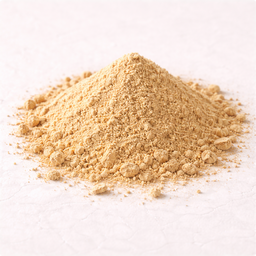 Maca Powder
 MCT fats increase bioavailability of maca glucosinolates
Technical: Maca's active compounds — glucosinolates, macamides and sterols — are partially fat-soluble. Coconut milk's MCTs (medium-chain triglycerides, 15% of fats) quickly pass the intestinal wall and act as transporters for fat-soluble compounds. Studies show fat increases glucosinolate bioavailability by 2-3x. Coconut milk's lauric acid also offers bioactive support.
What does this mean for you? Make a maca latte with warm coconut milk and a pinch of cinnamon. The fats in coconut milk ensure your body absorbs more of maca's active compounds.
Coconut Milk 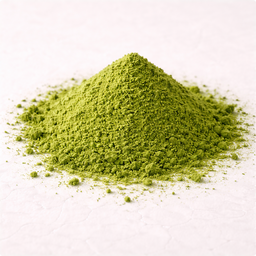 Matcha
 Coconut fat dramatically increases EGCG absorption from matcha
Technical: Matcha's EGCG catechins are partially fat-soluble with low bioavailability (~5%). Coconut milk's MCTs form mixed micelles that significantly improve intestinal absorption of EGCG. Studies show up to 3x higher uptake with fats.
What does this mean for you? A matcha latte with coconut milk is more than a hipster drink — the coconut fat ensures you absorb up to 3x more of matcha's powerful antioxidants.
Coconut Milk 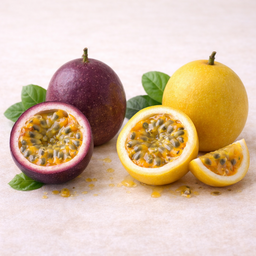 Passion Fruit (Maracuja)
 MCT fats increase beta-carotene and vitamin A absorption by 250%
Technical: Passion fruit contains 1,274μg beta-carotene per 100g plus 64μg vitamin A (retinol). Coconut milk provides 24g fat per 100ml (MCT-dominant) incorporating fat-soluble carotenoids into micelles. MCTs are directly absorbed via portal vein and increase carotenoid bioavailability by 200-300%. Passion fruit also contains vitamin C (30mg/100g) — an antioxidant keeping beta-carotene stable before absorption. Result: superior vitamin A status.
What does this mean for you? Passion fruit-coconut smoothie or mousse delivers 2.5x more vitamin A than passion fruit alone. The tropical duo tastes delicious and is functional — great for eyes, skin and immune system.
Coconut Milk 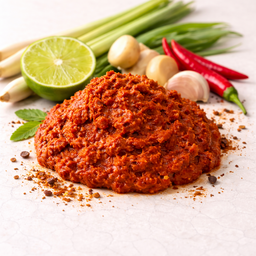 Red Curry Paste
 Red chili paste + MCT fats for optimal capsaicin absorption
Technical: Red curry paste contains dried red peppers (capsaicin 0.5-2%), galangal (ACA), lemongrass (citral) and shrimp paste (umami + omega-3). Coconut milk's MCTs and lauric acid form micelles that make capsaicin and other fat-soluble compounds 3-5x more absorbable. Coconut fat also buffers capsaicin irritation on the stomach wall through coating. The combination explains why Thai red curry is always made with coconut milk.
What does this mean for you? Red curry without coconut milk is not only less tasty but also less healthy. The coconut milk dissolves active compounds and protects your stomach from the spiciness.
Coconut Milk 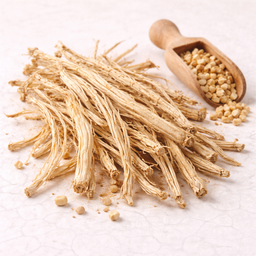 Shatavari
 MCT fats enhance absorption of fat-soluble shatavari saponins
Technical: Shatavari's steroidal saponins (shatavarin I-IV) are amphiphilic — partially fat-, partially water-soluble. Coconut milk's MCTs facilitate micelle formation that improves intestinal absorption by 2-3x. In Ayurveda, shatavari is traditionally taken with warm milk (ksheerapaka). Coconut milk offers the same fat medium with MCTs that are absorbed faster than long-chain fats. The combination is ideal for plant-based diet.
What does this mean for you? Make a shatavari-coconut milk latte: warm coconut milk + shatavari powder + pinch of cardamom. This is the vegan version of the Ayurvedic shatavari-milk recipe.
Coconut Milk 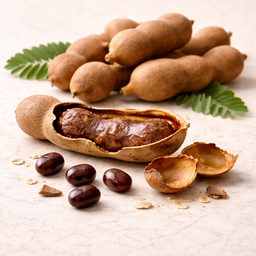 Tamarind
 Acid + fat + protein for satay sauce perfection
Technical: Tamarind contains tartaric acid that lowers stomach pH and promotes pepsinogen (protein digestion enzyme) activity. Peanut provides 25g protein and healthy fats. Coconut milk's MCTs improve absorption of fat-soluble compounds. The acid + protein + fat trio optimizes nutrient absorption from the entire dish.
What does this mean for you? Make satay sauce with tamarind, peanut and coconut milk. The acid from tamarind helps better digest proteins from peanut — traditional Indonesian nutritional wisdom.
Coconut Milk 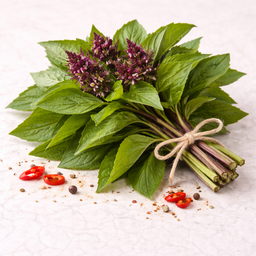 Thai Basil
 Eugenol + lauric acid for broad bioactive action
Technical: Thai basil contains eugenol (15-25%) and estragole — bioactive phenolic compounds that disrupt cell walls of microorganisms. Coconut milk provides lauric acid — an MCT with independent bioactive action via lipid envelope disruption. Ginger adds gingerol. Together: three bioactive mechanisms in one dish.
What does this mean for you? Use Thai basil with coconut milk and ginger in Thai curries. The three ingredients together offer broad bioactive action through three different routes.
Recipes with Coconut Milk
Discover delicious recipes featuring coconut milk:
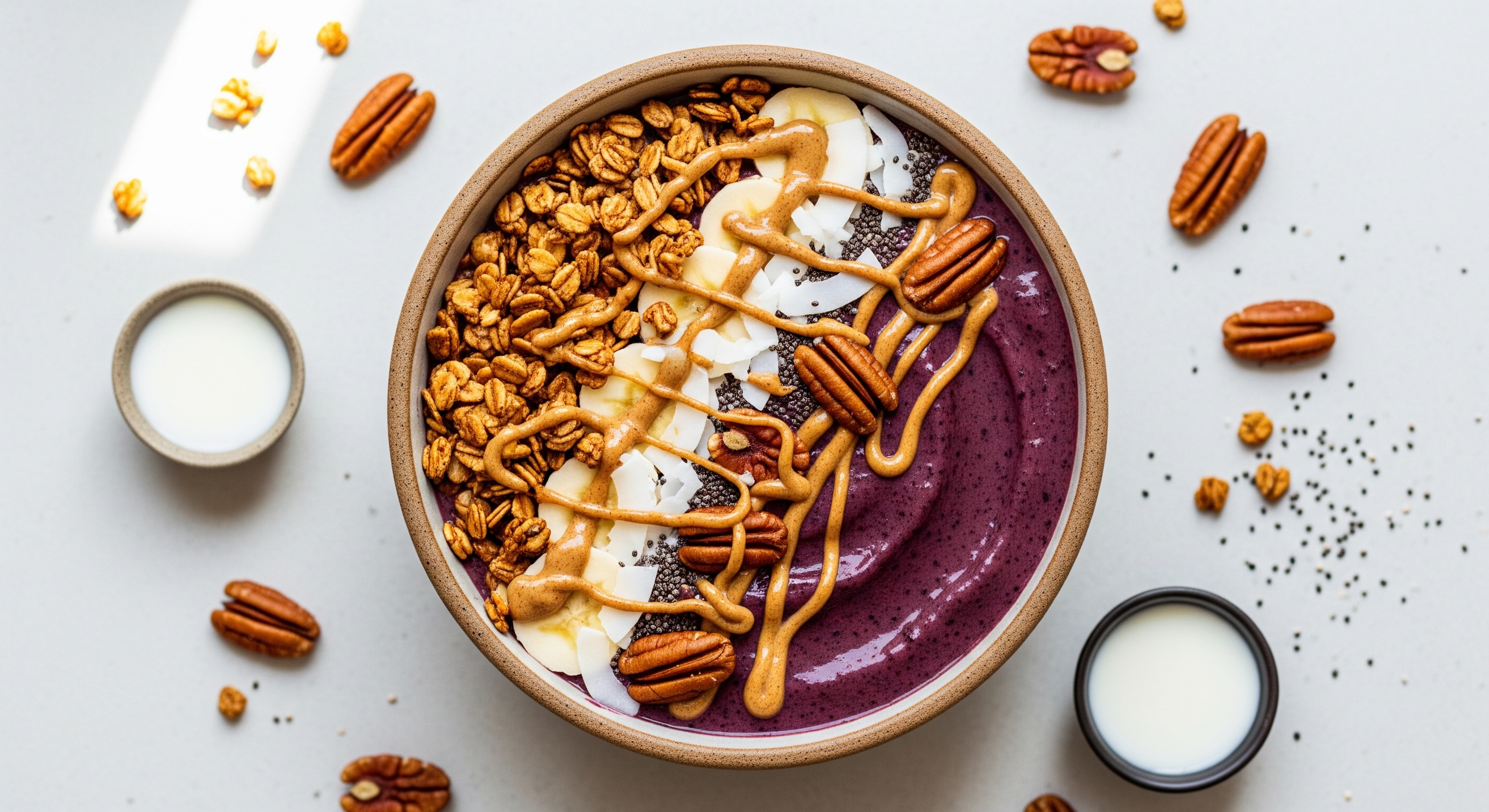 Açaí Bowl with Nuts, Granola & Coconut Base 10 min Colorful bowl with açaí, nuts and seeds on a creamy coconut-banana base
  745 kcal
  16g protein 2 synergies
 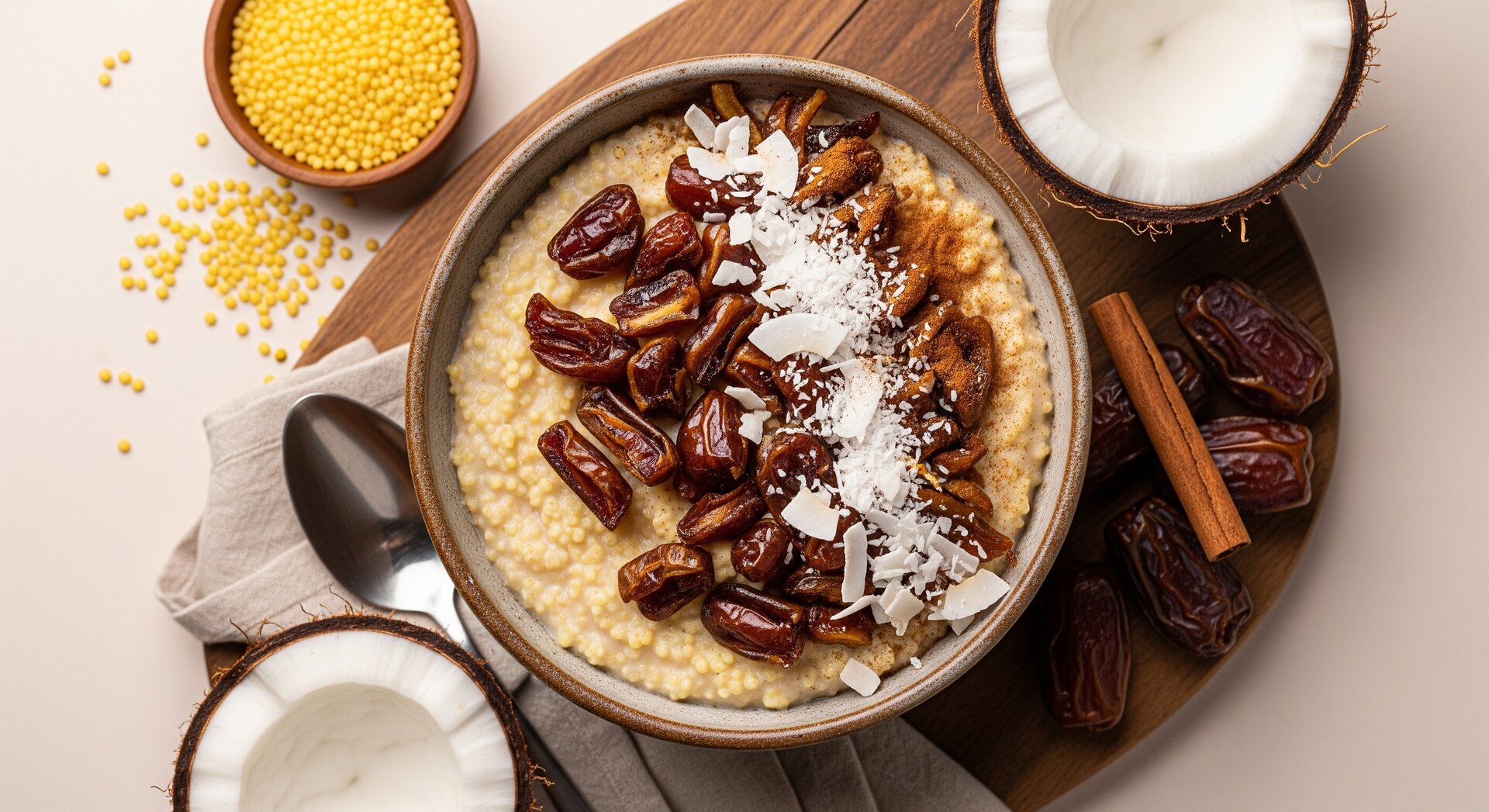 African Millet Porridge with Coconut and Dates 30 min Gluten-free porridge with coconut milk, Medjool dates and cinnamon 828 kcal 14g protein 1 synergies
 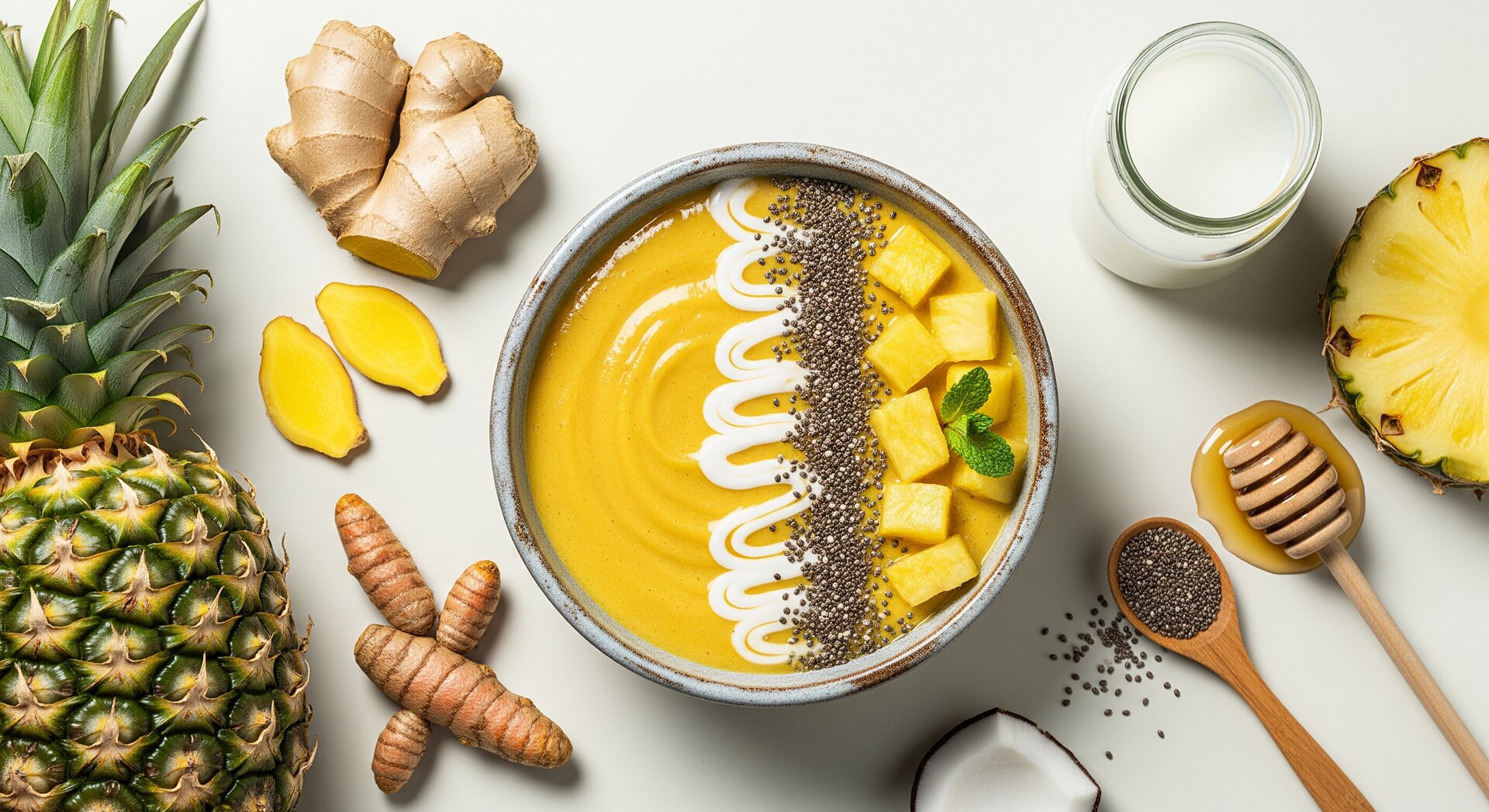 Pineapple Ginger Smoothie 5 min Tropical smoothie with turmeric, chia seeds and coconut milk 220 kcal 4g protein 3 synergies
 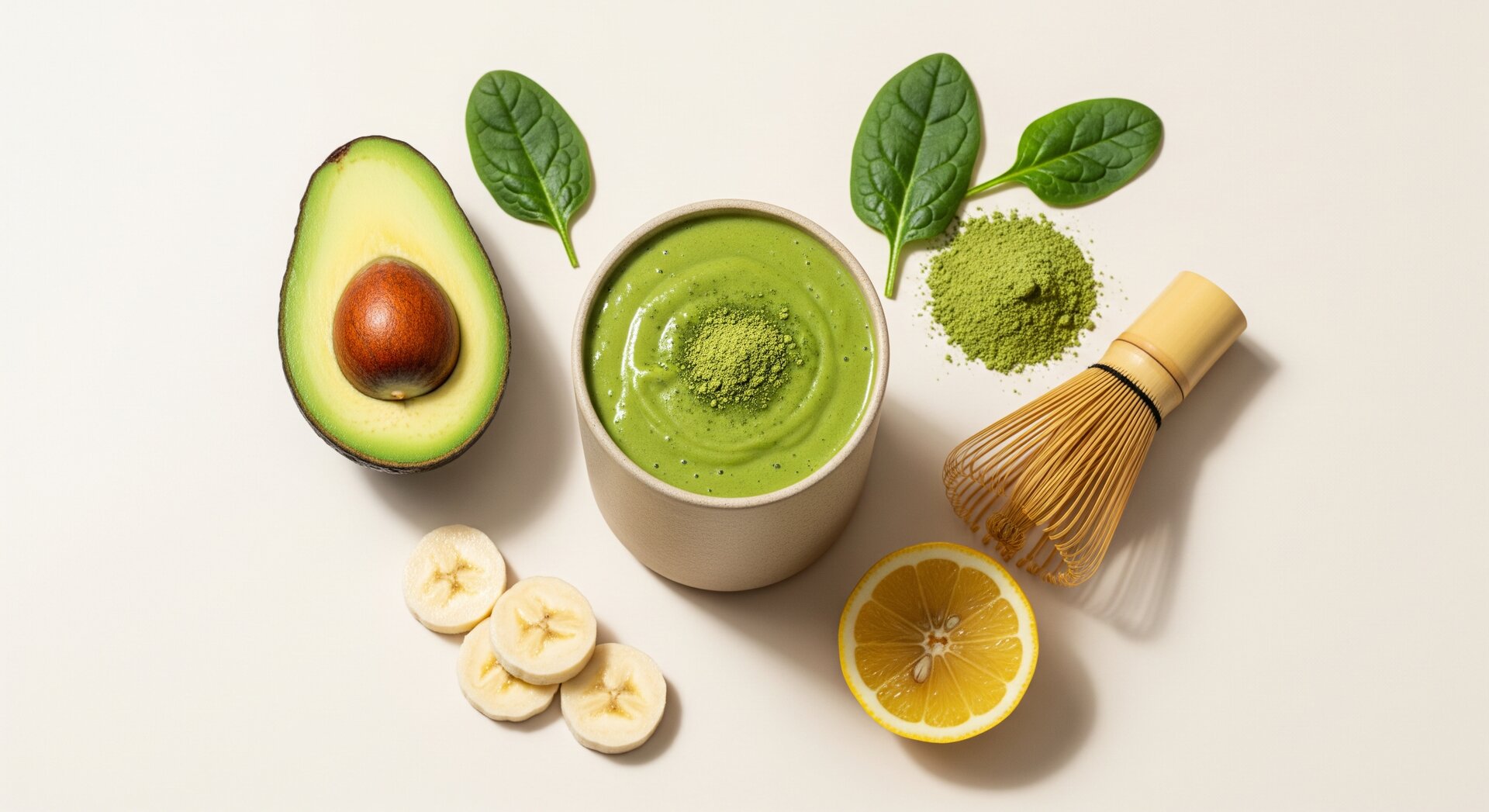 Avocado Matcha Smoothie 5 min Creamy green smoothie with matcha, avocado and spinach 340 kcal 6g protein 2 synergies
 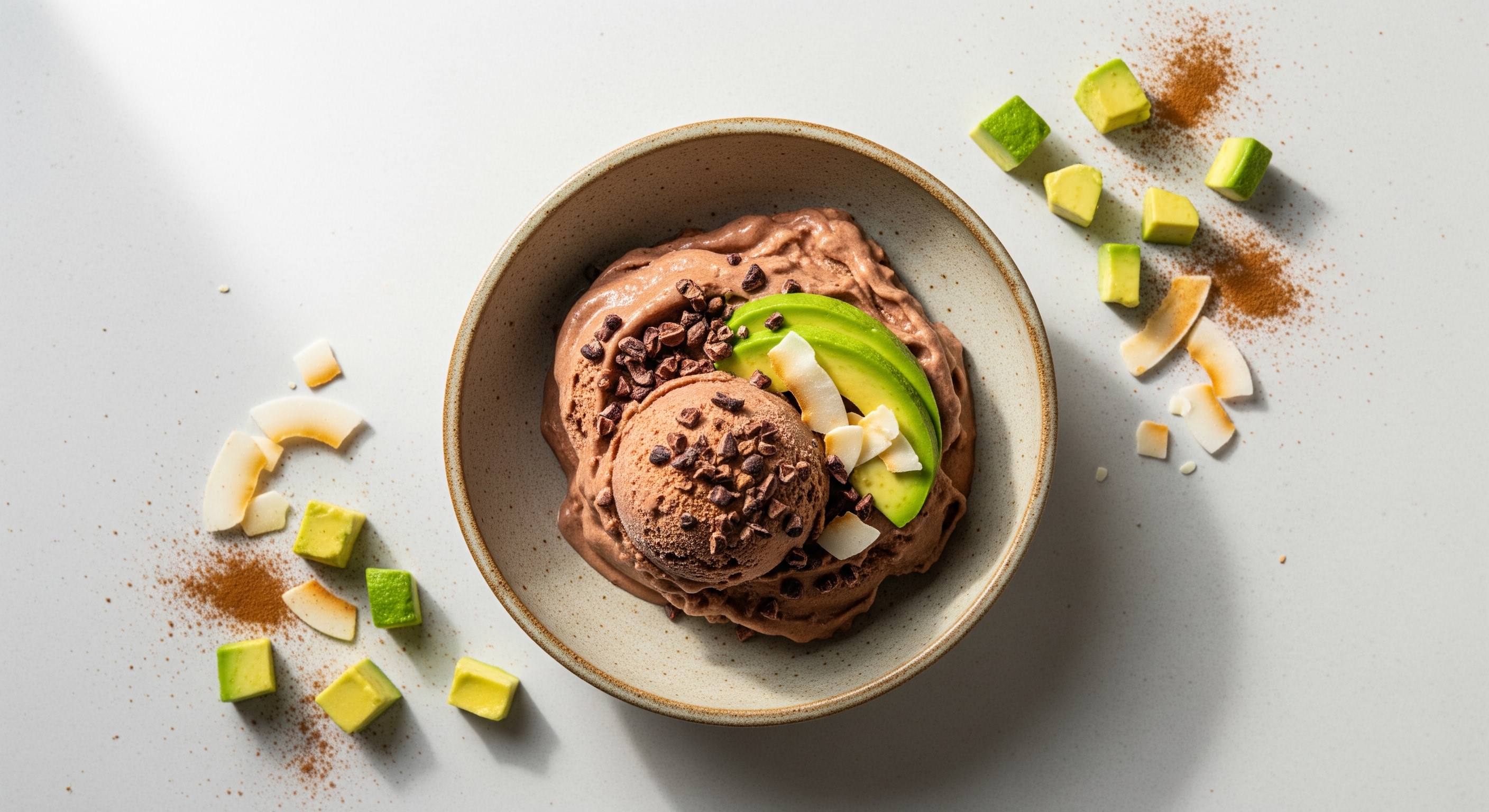 Avocado Cacao Ice Cream (Keto) 190 min Creamy chocolate ice cream with avocado as the secret base 230 kcal 4g protein 2 synergies
 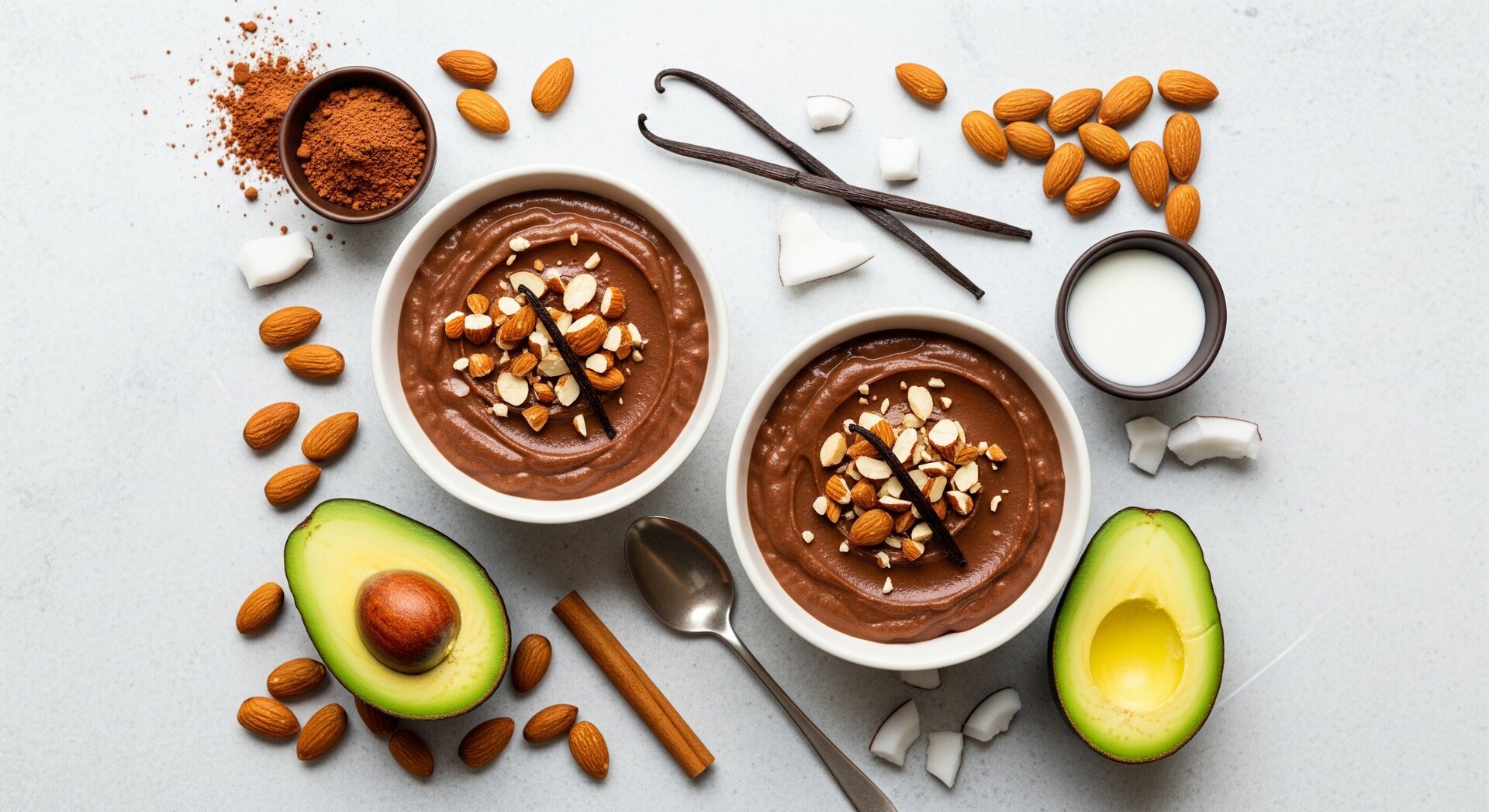 Avocado Cacao Pudding with Almonds 40 min Velvety with deep cacao notes 285 kcal 6g protein 2 synergies
  In the Kitchen
Storage
Location:Pantry
Shelf life:2 jaar (ongeopend blik), 4-6 dagen (geopend in koelkast)
Transfer an opened can to a glass jar and store refrigerated. The solid cream layer on top is normal; stir before use if you want an even texture.
Preparation
Add coconut milk to curries and sauces near the end of cooking and warm it gently. Avoid vigorous boiling if you want to keep the creamy texture.
Conversions
Substitutes
Smart preparation
1Shake the can well before opening to mix fat and liquid.
2Use full-fat coconut milk for curries and light coconut milk for lighter soups or smoothies.
3Store opened coconut milk in a glass jar in the fridge.
Why?
In the can, coconut milk can develop a metallic taste more quickly.
Caution / Warnings
Coconut Milk is very safe, but there are scientific considerations:
Coconut allergy Severe
Coconut allergy is uncommon, but it can cause symptoms in sensitive people.
Advice:
Avoid coconut milk with a known coconut allergy and check labels on sauces, desserts and ready-made products.
Elevated cholesterol Moderate
Coconut milk is high in saturated fat. With frequent and generous use, this may be relevant for people who need to monitor their blood lipids.
Advice:
Use in moderation with elevated cholesterol levels and consider a 'light' version or smaller portions in dishes.
Traditional use
Southeast Asian
Coconut milk in Southeast Asian traditions
Coconut milk has been a base for curries, stews and soups in the traditional cuisines of Thailand, Malaysia and Indonesia for centuries.
Ayurveda
Coconut milk in Ayurvedic cooking
In Ayurvedic cooking traditions, coconut milk is valued for its soft, creamy character and is often used in mild dishes, drinks and desserts.
Summary
Coconut milk is a creamy tropical base for curries, soups, smoothies and dairy-free desserts. Choose full-fat canned coconut milk when you want a rich sauce or curry, and use coconut drink or light coconut milk for a lighter drink or smoothie. Because coconut milk is high in saturated fat, it works best in normal portions and balanced with vegetables, herbs, legumes or rice.