Hemp Seeds
Balanced omega blend with plenty of plant protein
What is this ingredient?
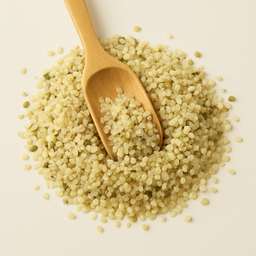
Hemp seeds come from Cannabis sativa and are valued in cooking for their soft, nutty taste and rich nutrition profile. They contain plenty of plant protein, including all essential amino acids, and also provide unsaturated fatty acids in an omega-6 to omega-3 ratio of about 3:1.
One notable fatty acid in hemp seeds is GLA (gamma-linolenic acid), a less common omega-6 fatty acid that is often discussed separately in nutrition research. Together with magnesium, iron, zinc and potassium, this makes hemp seeds useful as a topping for salads, yoghurt, smoothie bowls, oatmeal, pesto and dips.
Important in the kitchen: edible hemp seeds contain no meaningful amounts of THC or CBD. Shelled hemp seeds, often called hemp hearts, are softer and creamier; unshelled seeds are firmer and higher in fibre. Store them cool and dark, because their unsaturated fats are sensitive to heat, light and oxygen.
How does it taste?
Mildly nutty and earthy with a soft, grassy undertone.
Pairs well with:
Pairs well with saladavocadobananaoatsyoghurthummus and pesto.
Varieties
Shelled hemp seeds (hemp hearts)
Soft kernel with a creamy, nutty taste; useful as a topping, in dips, pesto and breakfast bowls.
Unshelled hemp seeds
With the shell, firmer and crunchier; especially suitable for extra crunch in bread, granola or savoury toppings.
Did you know...?
- Hemp seeds come from Cannabis sativa, but edible seeds contain negligible amounts of THC.
- Hemp was one of the first plants cultivated by humans, more than 10,000 years ago.
Nutritional Value & Energy
Per 100g
Hemp Seeds provides energy thanks to natural nutrients , buffered by fiber.
Per 100g
Minerals
Vitamins
Omega-3 fatty acids
More nutrients
Trace Minerals
What's in a serving?
about 3 tablespoons
Hemp seeds naturally contain folate (110 mcg per 100 g).
Hemp seeds naturally contain iron (7.95 mg per 100 g).
Hemp seeds naturally contain magnesium (700 mg per 100 g).
Hemp seeds naturally contain zinc (9.9 mg per 100 g).
Hemp seeds naturally contain potassium (1200 mg per 100 g).
% of daily reference intake (DRI)
EU-approved nutrition claims
This ingredient contains nutrients for which EFSA-authorized health claims exist. These claims apply at nutrient level and not specifically to hemp seeds as an ingredient.
Approved health claims (EU)
Magnesium EU 432/2012
Magnesium contributes to normal muscle function
Contains 700mg/100g (threshold: ≥56.25mg/100g)
Magnesium EU 432/2012
Magnesium contributes to the reduction of tiredness and fatigue
Contains 700mg/100g (threshold: ≥56.25mg/100g)
Magnesium EU 432/2012
Magnesium contributes to normal functioning of the nervous system
Contains 700mg/100g (threshold: ≥56.25mg/100g)
Zinc EU 432/2012
Zinc contributes to the normal function of the immune system
Contains 9.9mg/100g (threshold: ≥1.5mg/100g)
Zinc EU 432/2012
Zinc contributes to the maintenance of normal skin
Contains 9.9mg/100g (threshold: ≥1.5mg/100g)
Iron EU 432/2012
Iron contributes to normal energy-yielding metabolism
Contains 7.95mg/100g (threshold: ≥2.1mg/100g)
Iron EU 432/2012
Iron contributes to the reduction of tiredness and fatigue
Contains 7.95mg/100g (threshold: ≥2.1mg/100g)
Potassium EU 432/2012
Potassium contributes to the maintenance of normal blood pressure
Contains 1200mg/100g (threshold: ≥300mg/100g)
Folate EU 432/2012
Folate contributes to normal blood formation
Contains 110mcg/100g (threshold: ≥30mcg/100g)
Folate EU 432/2012
Folate contributes to normal amino acid synthesis
Contains 110mcg/100g (threshold: ≥30mcg/100g)
Folate EU 432/2012
Folate contributes to normal homocysteine metabolism
Contains 110mcg/100g (threshold: ≥30mcg/100g)
Folate EU 432/2012
Folate contributes to normal psychological function
Contains 110mcg/100g (threshold: ≥30mcg/100g)
Folate EU 432/2012
Folate contributes to the normal function of the immune system
Contains 110mcg/100g (threshold: ≥30mcg/100g)
Folate EU 432/2012
Folate has a role in the process of cell division
Contains 110mcg/100g (threshold: ≥30mcg/100g)
Folate EU 432/2012
Folate contributes to maternal tissue growth during pregnancy
Contains 110mcg/100g (threshold: ≥30mcg/100g)
Magnesium EU 432/2012
Magnesium contributes to normal energy-yielding metabolism
Contains 700mg/100g (threshold: ≥56.25mg/100g)
Magnesium EU 432/2012
Magnesium contributes to electrolyte balance
Contains 700mg/100g (threshold: ≥56.25mg/100g)
Magnesium EU 432/2012
Magnesium contributes to normal protein synthesis
Contains 700mg/100g (threshold: ≥56.25mg/100g)
Magnesium EU 432/2012
Magnesium contributes to normal psychological function
Contains 700mg/100g (threshold: ≥56.25mg/100g)
Magnesium EU 432/2012
Magnesium contributes to the maintenance of normal bones
Contains 700mg/100g (threshold: ≥56.25mg/100g)
Magnesium EU 432/2012
Magnesium contributes to the maintenance of normal teeth
Contains 700mg/100g (threshold: ≥56.25mg/100g)
Magnesium EU 432/2012
Magnesium has a role in the process of cell division
Contains 700mg/100g (threshold: ≥56.25mg/100g)
Iron EU 432/2012
Iron contributes to normal cognitive function
Contains 7.95mg/100g (threshold: ≥2.1mg/100g)
Iron EU 432/2012
Iron contributes to normal formation of red blood cells and haemoglobin
Contains 7.95mg/100g (threshold: ≥2.1mg/100g)
Iron EU 432/2012
Iron contributes to normal oxygen transport in the body
Contains 7.95mg/100g (threshold: ≥2.1mg/100g)
Iron EU 432/2012
Iron contributes to the normal function of the immune system
Contains 7.95mg/100g (threshold: ≥2.1mg/100g)
Iron EU 432/2012
Iron has a role in the process of cell division
Contains 7.95mg/100g (threshold: ≥2.1mg/100g)
Zinc EU 432/2012
Zinc contributes to normal acid-base metabolism
Contains 9.9mg/100g (threshold: ≥1.5mg/100g)
Zinc EU 432/2012
Zinc contributes to normal carbohydrate metabolism
Contains 9.9mg/100g (threshold: ≥1.5mg/100g)
Zinc EU 432/2012
Zinc contributes to normal cognitive function
Contains 9.9mg/100g (threshold: ≥1.5mg/100g)
Zinc EU 432/2012
Zinc contributes to normal DNA synthesis
Contains 9.9mg/100g (threshold: ≥1.5mg/100g)
Zinc EU 432/2012
Zinc contributes to normal fertility and reproduction
Contains 9.9mg/100g (threshold: ≥1.5mg/100g)
Zinc EU 432/2012
Zinc contributes to normal macronutrient metabolism
Contains 9.9mg/100g (threshold: ≥1.5mg/100g)
Zinc EU 432/2012
Zinc contributes to normal metabolism of fatty acids
Contains 9.9mg/100g (threshold: ≥1.5mg/100g)
Zinc EU 432/2012
Zinc contributes to normal metabolism of vitamin A
Contains 9.9mg/100g (threshold: ≥1.5mg/100g)
Zinc EU 432/2012
Zinc contributes to normal protein synthesis
Contains 9.9mg/100g (threshold: ≥1.5mg/100g)
Zinc EU 432/2012
Zinc contributes to the maintenance of normal bones
Contains 9.9mg/100g (threshold: ≥1.5mg/100g)
Zinc EU 432/2012
Zinc contributes to the maintenance of normal hair
Contains 9.9mg/100g (threshold: ≥1.5mg/100g)
Zinc EU 432/2012
Zinc contributes to the maintenance of normal nails
Contains 9.9mg/100g (threshold: ≥1.5mg/100g)
Zinc EU 432/2012
Zinc contributes to the maintenance of normal testosterone levels in the blood
Contains 9.9mg/100g (threshold: ≥1.5mg/100g)
Zinc EU 432/2012
Zinc contributes to the maintenance of normal vision
Contains 9.9mg/100g (threshold: ≥1.5mg/100g)
Zinc EU 432/2012
Zinc contributes to the protection of cells from oxidative stress
Contains 9.9mg/100g (threshold: ≥1.5mg/100g)
Zinc EU 432/2012
Zinc has a role in the process of cell division
Contains 9.9mg/100g (threshold: ≥1.5mg/100g)
Potassium EU 432/2012
Potassium contributes to normal functioning of the nervous system
Contains 1200mg/100g (threshold: ≥300mg/100g)
Potassium EU 432/2012
Potassium contributes to normal muscle function
Contains 1200mg/100g (threshold: ≥300mg/100g)
Comparison
vsspinazie
Hemp seeds contain about 3× as much iron per 100 g as spinach.
vsamandelen
Hemp seeds contain about 3× as much magnesium per 100 g as almonds.
vsbanaan
Hemp seeds contain about 3× as much potassium per 100 g as banana.
What's being researched?
Hemp seeds and fatty acid profile
The omega-6 to omega-3 ratio of hemp seeds, about 3:1, and their gamma-linolenic acid (GLA) content are described in nutrition research. The research mainly concerns the composition of the seeds and their place within a varied diet; large clinical studies with hemp seeds as an ingredient are limited.
Supported by: [1] Tănase Apetroaei V (2024) , [2] Kapoor R (2006)
Gamma-linolenic acid in hemp seeds
Gamma-linolenic acid (GLA) in hemp seeds is a less common omega-6 fatty acid and is discussed separately in nutrition science. The available literature mainly describes biochemical pathways and fatty acid composition; practical conclusions for daily eating still depend on serving size and the overall diet.
Supported by: [2] Kapoor R (2006)
Good Combinations (Synergy)
Combine hemp seeds smartly to enhance the effect:
Hemp Seeds 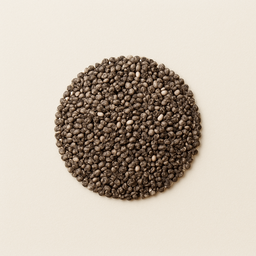 Chia Seeds
 Complementary omega-3 profiles for a more favorable fatty acid balance
Technical: Hemp seeds have an ideal omega-6:3 ratio of 3:1 (gamma-linolenic acid + alpha-linolenic acid). Chia seeds and flaxseed are particularly rich in ALA omega-3. Combined, the total fatty acid balance shifts toward a more favorable profile. This is relevant because the modern diet often has a 15:1 to 20:1 omega-6:3 ratio — much higher than the recommended 4:1 or lower.
What does this mean for you? Sprinkle hemp seeds together with chia seeds or flaxseed over your oatmeal or salads. The combination brings the fatty acid balance closer to recommended ratios — beneficial for heart and blood vessels.
Hemp Seeds 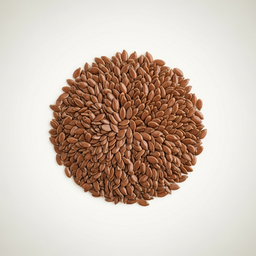 Flaxseed
 Complementary omega-3 profiles for a more favorable fatty acid balance
Technical: Hemp seeds have an ideal omega-6:3 ratio of 3:1 (gamma-linolenic acid + alpha-linolenic acid). Chia seeds and flaxseed are particularly rich in ALA omega-3. Combined, the total fatty acid balance shifts toward a more favorable profile. This is relevant because the modern diet often has a 15:1 to 20:1 omega-6:3 ratio — much higher than the recommended 4:1 or lower.
What does this mean for you? Sprinkle hemp seeds together with chia seeds or flaxseed over your oatmeal or salads. The combination brings the fatty acid balance closer to recommended ratios — beneficial for heart and blood vessels.
Hemp Seeds  Coconut Milk
 Coconut fat improves absorption of hemp seed's GLA and vitamin E
Technical: Hemp seeds contain GLA (gamma-linolenic acid) and vitamin E that are fat-soluble. Coconut milk's MCTs (medium-chain triglycerides) are rapidly absorbed and create an effective fat matrix for these nutrients.
What does this mean for you? Add hemp seeds to a smoothie or latte with coconut milk — the coconut fat helps your body better absorb the healthy fats from hemp.
Hemp Seeds  Yogurt
 Complementary proteins + probiotics for amino acid profile and microbiome support
Technical: Hemp seed contains 31g protein per 100g with all essential amino acids (PDCAAS 0.66 — higher than most plant sources) plus 49g fat (3:1 omega-6:omega-3 ratio). Yogurt provides Lactobacillus probiotics (10⁷-10⁹ CFU/g) that influence gut permeability. The combination offers complementary proteins: hemp seed is lysine-poor but arginine-rich (14% of protein), yogurt supplements lysine. Probiotics influence amino acid absorption in the gut.
What does this mean for you? Mix hemp seeds into yogurt for a protein-rich snack that also feeds your gut flora. Hemp seed + yogurt gives a complementary amino acid profile — ideal as a plant-based protein source.
Recipes with Hemp Seeds
Discover delicious recipes featuring hemp seeds:
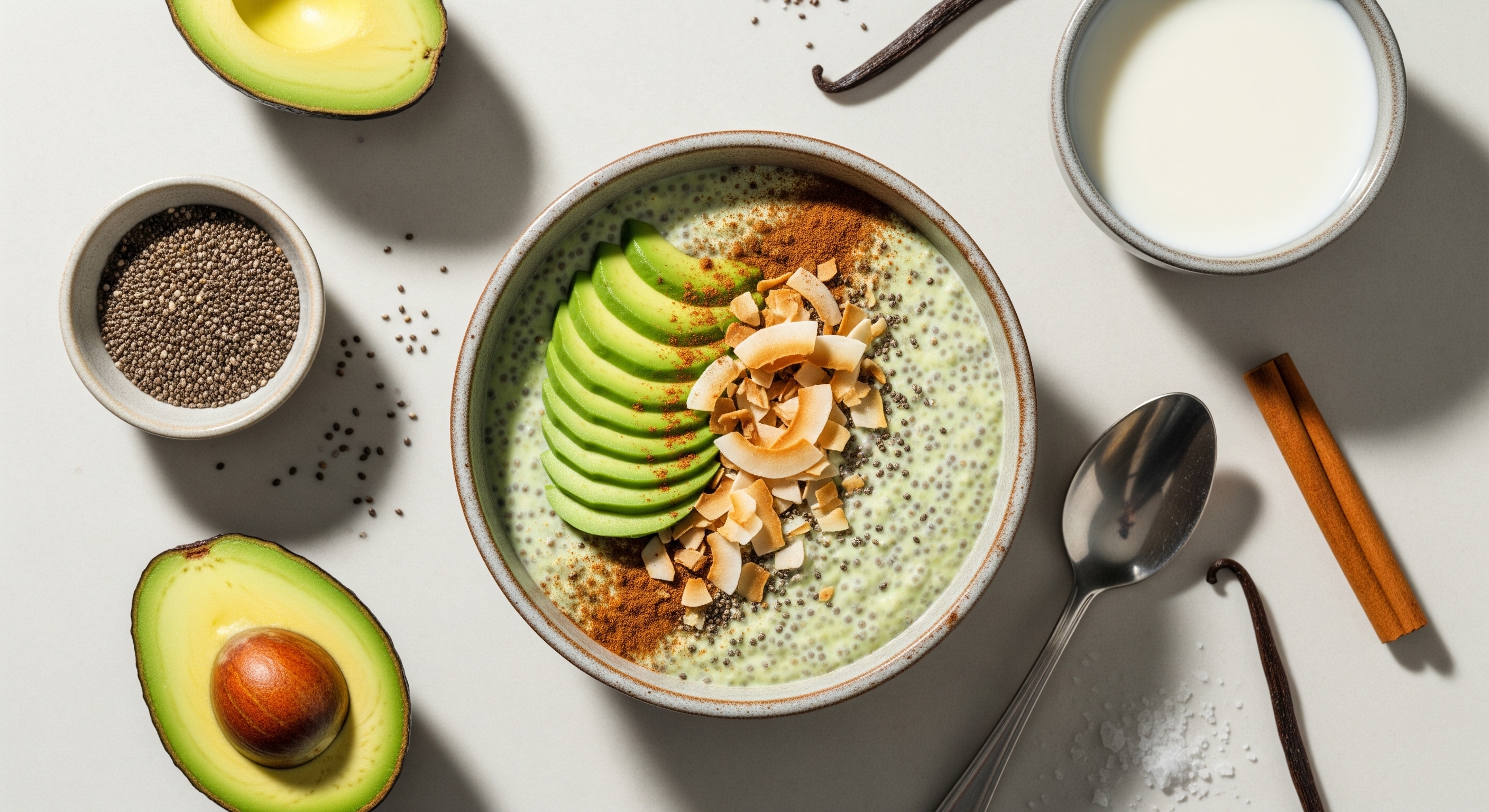 Avocado Coconut Breakfast Pudding 10 min Creamy chia pudding with avocado, coconut milk and a hint of cinnamon
  385 kcal
  9g protein 2 synergies
 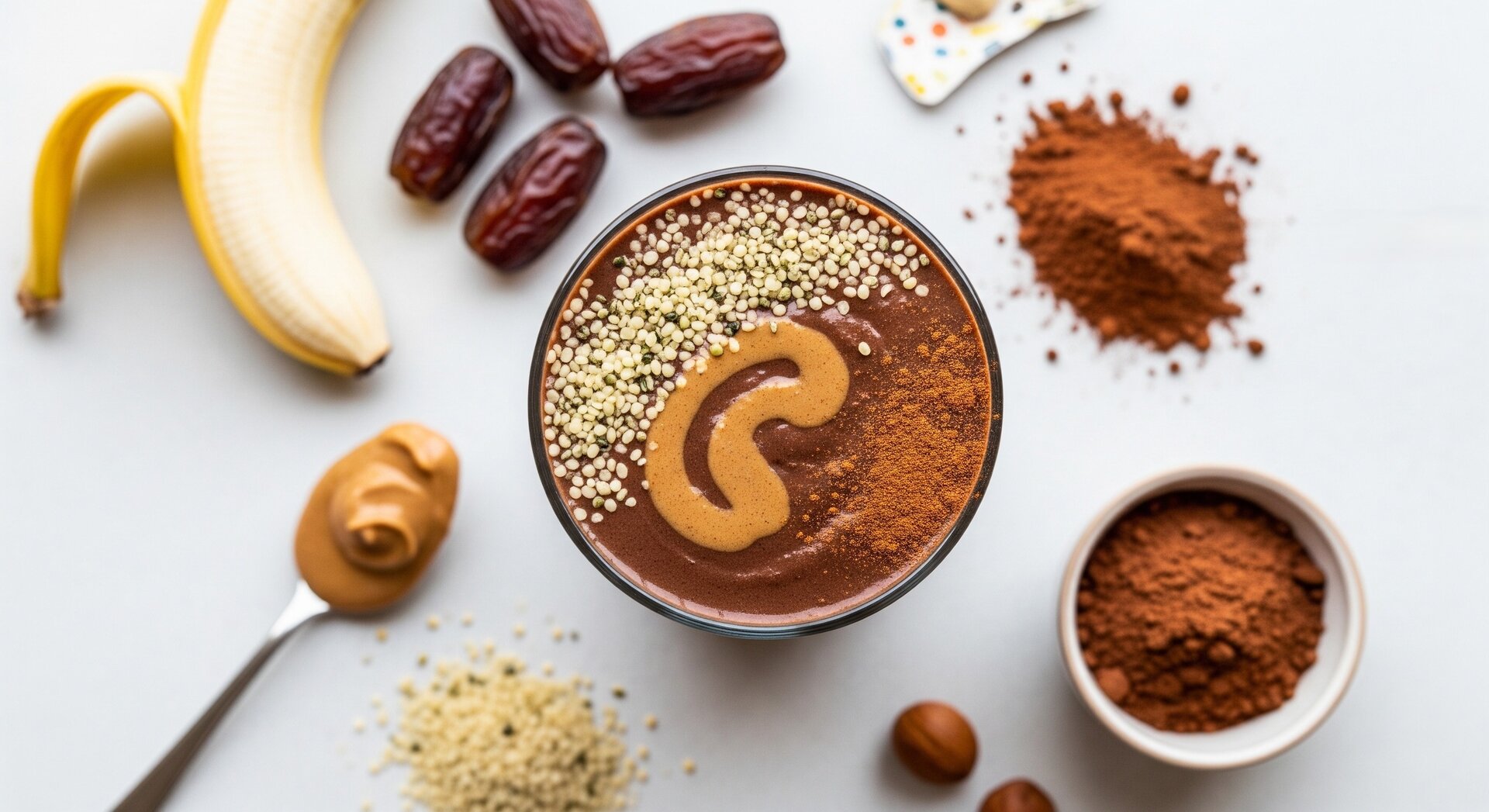 Chocolate Protein Smoothie 5 min Plant-based smoothie with raw cacao, almond butter and hemp seeds 520 kcal 28g protein 1 synergies
 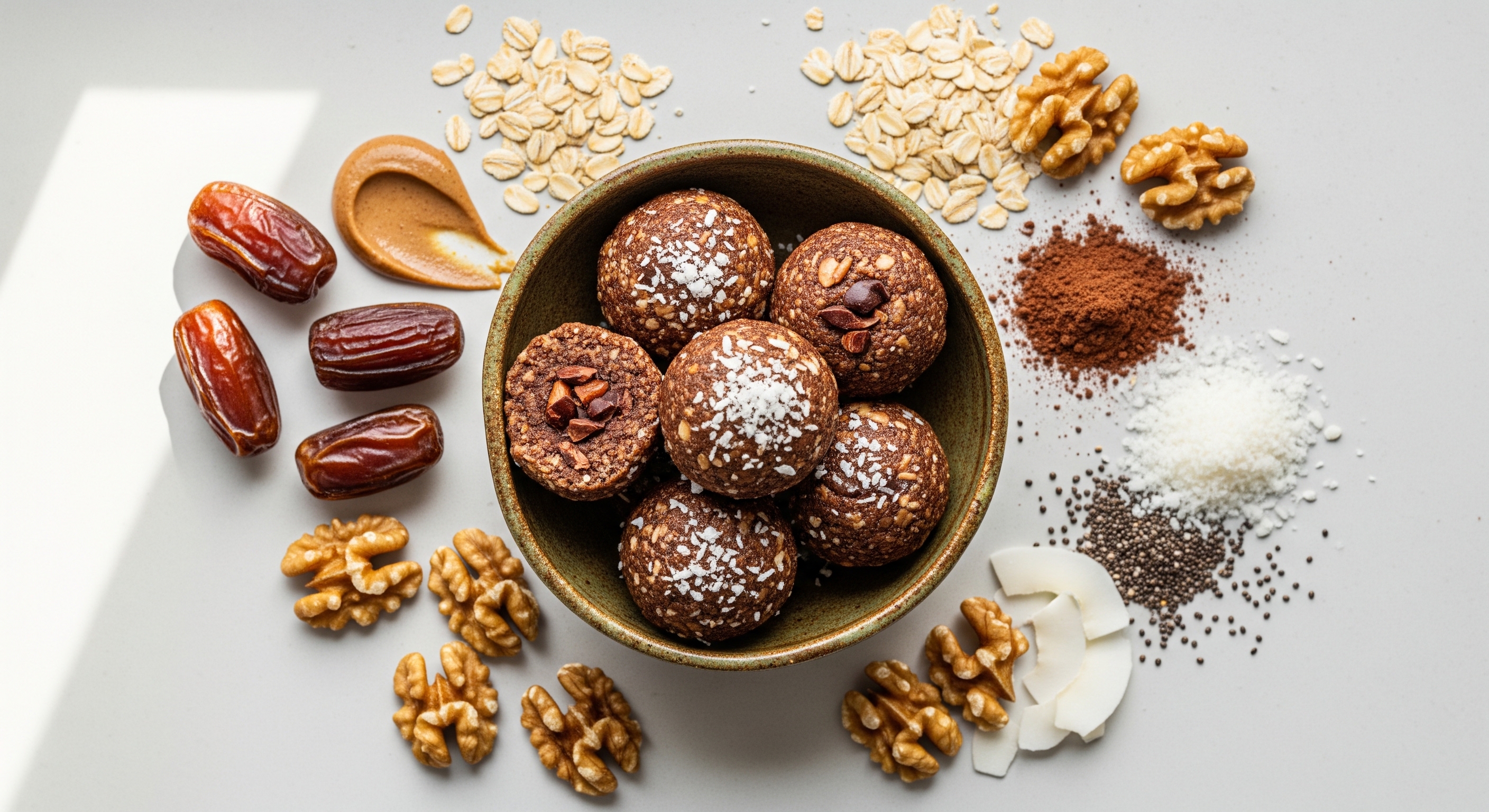 Date Cacao Bliss Balls with Coconut 45 min No-bake snack with nuts, seeds and raw cacao 225 kcal 6g protein 2 synergies
 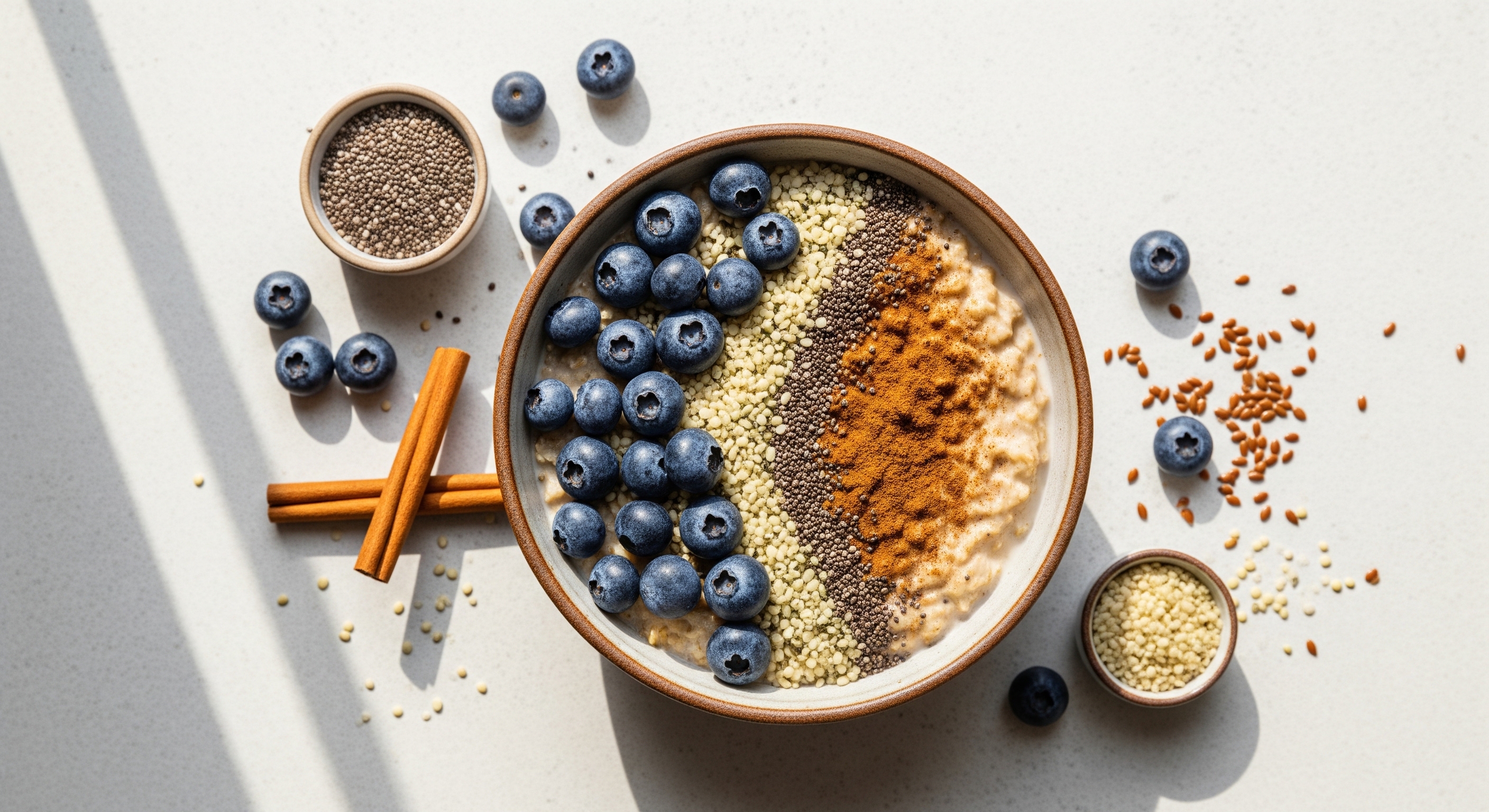 Oatmeal with Hemp Seeds, Chia Seeds and Berries 15 min Creamy overnight oats with triple seed and blueberries 500 kcal 18g protein 2 synergies
 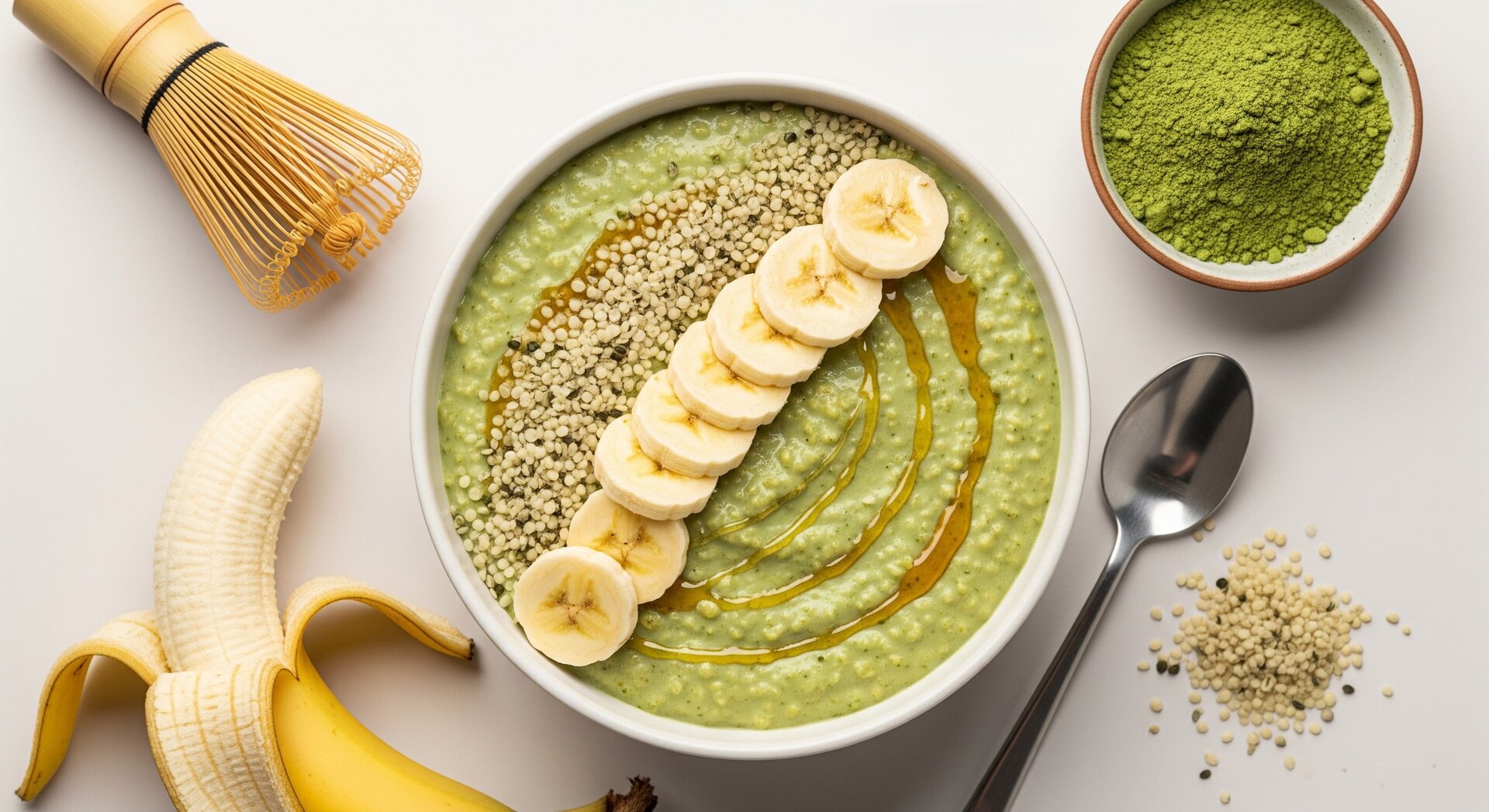 Oatmeal-Matcha Latte Bowl with Hemp Seeds 13 min Green oatmeal bowl with matcha and banana 487 kcal 16g protein 1 synergies
 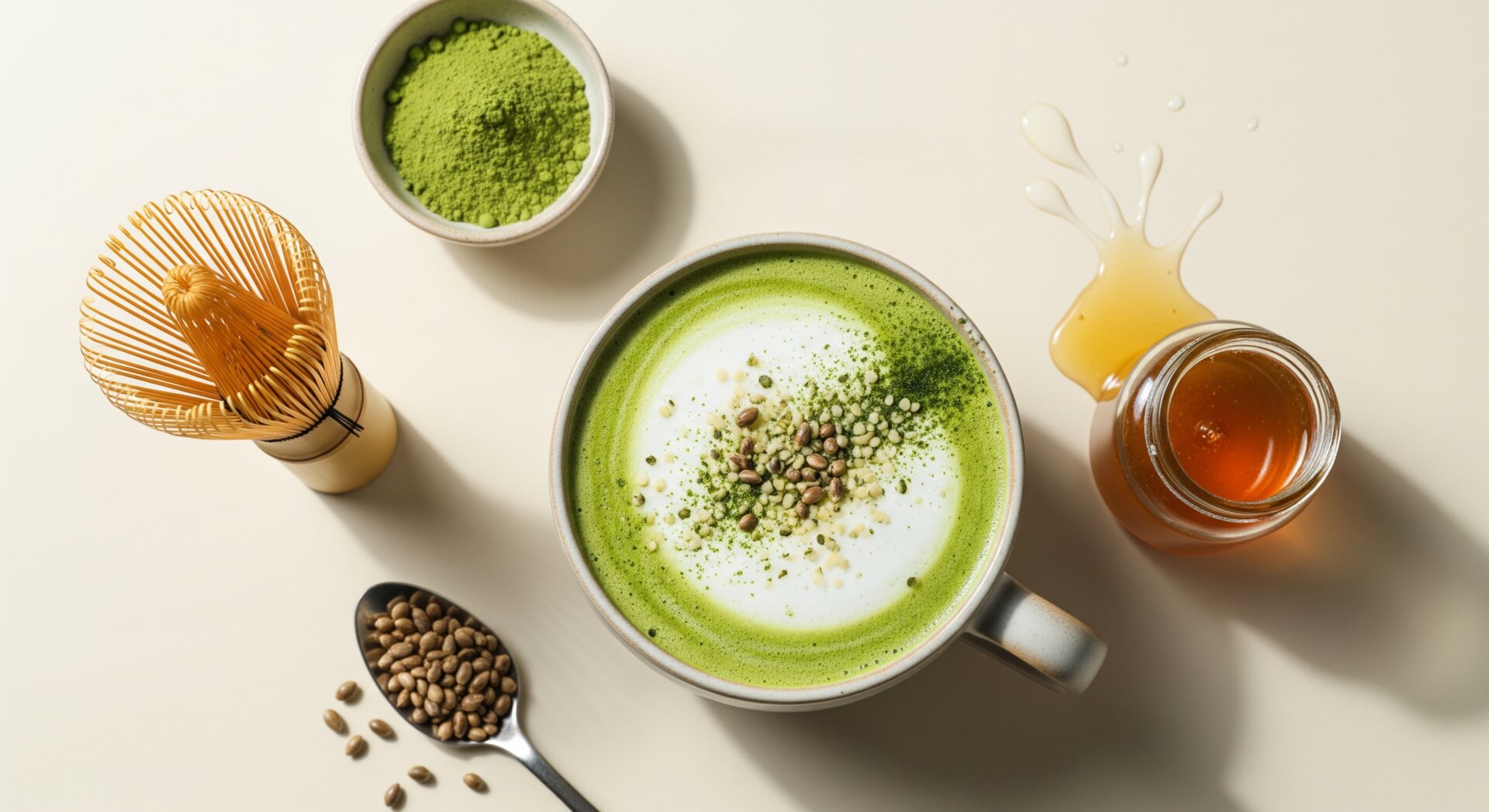 Hemp Seed Matcha Latte 5 min Creamy matcha latte with homemade hemp seed milk 120 kcal 5g protein 1 synergies
  In the Kitchen
Storage
Location:Refrigerator
Shelf life:3-6 maanden in koelkast, 1 jaar in vriezer
Store cool, dark and airtight. Because of their unsaturated fats, shelled hemp seeds can go rancid faster when exposed to heat, light and oxygen.
Preparation
Prefer using hemp seeds raw: sprinkle them over salads, smoothies, yoghurt, oatmeal, pesto or hummus. Add them at the end of warm dishes to preserve their nutty taste and texture.
Conversions
Substitutes
Smart preparation
1Add hemp seeds raw as a topping.
Why?
This better preserves the soft texture, nutty taste and delicate unsaturated fats.
2Store hemp seeds in the fridge in an airtight container.
Why?
Cool temperatures, little light and limited oxygen help keep the fresh taste for longer.
3Sprinkle hemp seeds over salads, yoghurt or smoothie bowls.
Caution / Warnings
Hemp Seeds is very safe, but there are scientific considerations:
Use of blood-thinning medication Mild
Hemp seeds are rich in unsaturated fatty acids; with very large daily amounts, it is sensible to discuss use if you take blood-thinning medication.
Advice:
Normal culinary amounts usually fit into a varied diet. Discuss large amounts, medication use or uncertainty with a doctor or dietitian.
Traditional use
Traditional Chinese Medicine
Hemp seed in Chinese culinary traditions
Hemp seed, known as huo ma ren, has appeared for centuries in Chinese preparations such as porridges, warm grain drinks and simple dishes with soft, oil-rich seeds.
Summary
Hemp seeds are a soft, nutty topping with plenty of plant protein, unsaturated fats, magnesium, iron and zinc. Use them raw over salads, yoghurt, oatmeal, smoothie bowls, dips and pesto. Edible hemp seeds contain no meaningful THC or CBD; store them cool and dark for the best taste.