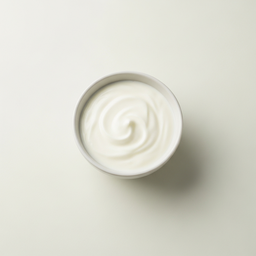
Yogurt
the fermented dairy product
What is this ingredient?
Yogurt is fermented milk. Specific bacterial cultures (Lactobacillus bulgaricus and Streptococcus thermophilus) convert milk sugars (lactose) into lactic acid. This makes the milk thicker, more sour and longer-lasting. We mean plain yogurt (or Greek yogurt), not the flavored and sugared varieties. Most 'fruit yogurt' in supermarkets contains as much sugar as soda.
How does it taste?
Fresh, tangy and creamy with a light, refreshing finish.
Pairs well with:
Pairs well with cucumberminthoneygarlic and granola.
Varieties
Greek Yogurt
Strained for thicker texture, up to 10g protein per 100g. Creamier and fuller taste
Plain Yogurt
Standard yogurt, about 4g protein per 100g. Thinner and more sour taste
Skyr
Icelandic variant, technically a fresh cheese. Extremely high protein (11g/100g), very thick
Did you know...?
- The word 'yogurt' comes from the Turkish 'yogurt' meaning 'thickened' or 'curdled'.
- Yogurt was likely discovered by accident when milk was stored in leather bags in a warm climate.
Nutritional Value & Energy
Per 100g
Yogurt provides energy thanks to natural nutrients .
Per 100g
Minerals
Vitamins
Omega-3 fatty acids
More nutrients
B-Vitamins
Trace Minerals
What's in a serving?
1 serving
Yogurt naturally contains iodine (51 mcg per 100 g).
% of daily reference intake (DRI)
EU-approved nutrition claims
This ingredient contains nutrients for which EFSA-authorized health claims exist (at nutrient level, not ingredient-specific).
Approved health claims (EU)
Iodine EU 432/2012
Iodine contributes to normal cognitive function
Contains 51mcg/100g (threshold: ≥22.5mcg/100g)
Iodine EU 432/2012
Iodine contributes to normal energy-yielding metabolism
Contains 51mcg/100g (threshold: ≥22.5mcg/100g)
Iodine EU 432/2012
Iodine contributes to normal functioning of the nervous system
Contains 51mcg/100g (threshold: ≥22.5mcg/100g)
Iodine EU 432/2012
Iodine contributes to the maintenance of normal skin
Contains 51mcg/100g (threshold: ≥22.5mcg/100g)
Iodine EU 432/2012
Iodine contributes to the normal production of thyroid hormones and normal thyroid function
Contains 51mcg/100g (threshold: ≥22.5mcg/100g)
Iodine EU 432/2012
Iodine contributes to the normal growth of children
Contains 51mcg/100g (threshold: ≥22.5mcg/100g)
What's being researched?
Yogurt and gut microbiome
The effects of yogurt consumption on gut microbiome and lactose digestion are extensively studied. EFSA has an approved claim for yogurt cultures and improved lactose digestion in lactose intolerance.
Supported by: [1] Hill (2014)
Yogurt and type 2 diabetes risk
The association between yogurt consumption and reduced type 2 diabetes risk is consistently shown in observational studies. Multiple large meta-analyses show significant inverse associations.
Supported by: [3] Chen (2014)
Good Combinations (Synergy)
Combine yogurt smartly to enhance the effect:
Yogurt 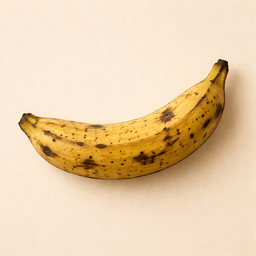 Plantain
 Synbiotic effect: resistant starch + probiotics increase butyrate
Resistant starch type 2 is fermented to butyrate by Lactobacillus species
Technical: Plantain contains 15-20g resistant starch type 2 per 100g (prebiotic). Lactobacillus from yogurt (probiotic) ferments this starch into short-chain fatty acids, especially butyrate. Butyrate is the primary energy source for colonocytes and modulates NF-κB signaling in the gut.
What does this mean for you? Plantain with yogurt is a perfect synbiotic breakfast — prebiotic + probiotic in one meal. The resistant starch feeds the beneficial bacteria from yogurt, which convert it to butyrate.
Yogurt  Baking Powder
 Lactic acid-bicarbonate reaction for probiotic-friendly baking
Technical: Yogurt contains lactic acid (pH 4.0-4.5) that reacts with sodium bicarbonate in baking powder to produce CO₂ + sodium lactate. This reaction is more gradual than with stronger acids, giving a finer crumb structure. Yogurt also adds protein (10g/100g) and moisture to batter. The lactic acid strengthens gluten networks for better texture. Sodium lactate (reaction product) is a natural preservative.
What does this mean for you? Replace (part of) milk with yogurt in your baking recipe with baking powder. The batter rises better, the texture becomes softer and you get extra protein. This is the secret behind soft scones and muffins.
Yogurt 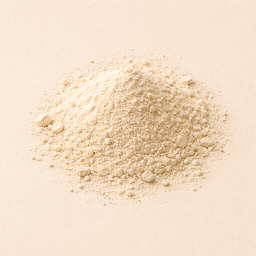 Baobab Powder
 Synbiotic effect: prebiotic pectin + probiotic bacteria
Baobab pectin is prebiotic and stimulates Lactobacillus fermentation to SCFA
Technical: Baobab contains 50% fiber with the majority being pectin, a soluble fiber working prebiotically. Lactobacillus from yogurt (probiotic) ferments this pectin into short-chain fatty acids. Together they form a synbiotic combination strengthening gut flora.
What does this mean for you? Baobab powder in yogurt is a perfect synbiotic breakfast. The prebiotic fibers feed the probiotics from yogurt, supporting your microbiome optimally.
Yogurt 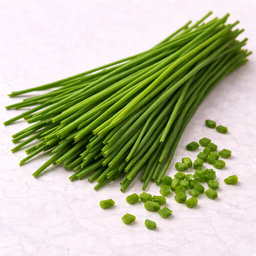 Chives
 Prebiotic FOS feed lactobacilli in yogurt
Technical: Chives contain fructo-oligosaccharides (FOS) that act as prebiotics for Lactobacillus and Bifidobacterium in yogurt. Allyl sulfides in chives act selectively — they inhibit pathogenic bacteria while not affecting lactobacilli growth.
What does this mean for you? Mix fresh chives into yogurt for a dip or dressing. Prebiotic fibers from chives feed the lactobacilli in yogurt, while allyl sulfides work selectively. A synbiotic combination in one bite.
Yogurt 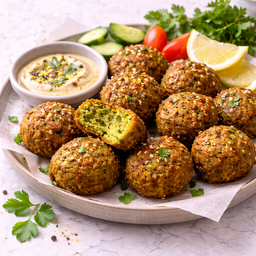 Falafel
 Legume protein + probiotics for protein synthesis and digestion
Technical: Falafel provides 13g plant protein per 100g (chickpea PDCAAS 0.78). Yogurt adds complete animal protein (10g) with high PDCAAS (1.0), plus probiotic lactobacilli that support digestion of legume fibers. The amino acid profiles are complementary: falafel provides lysine, yogurt methionine. Yogurt's lactic acid also lowers gut pH, promoting mineral absorption.
What does this mean for you? Falafel with yogurt sauce is the classic combination that's not only delicious but also completes your protein. The yogurt supports digestion of the chickpeas.
Yogurt 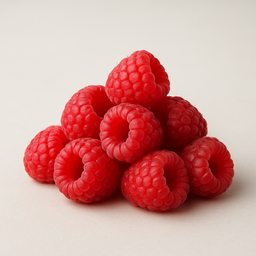 Raspberries
 Polyphenols feed probiotics — double microbiome support
Hervert-Hernández D et al. (2011) in Journal of Agricultural and Food Chemistry showed that polyphenols have prebiotic properties.
Technical: Raspberries contain ellagitannins (300mg per 100g) and anthocyanins that act as prebiotics — they selectively feed Bifidobacteria and Lactobacillus. Yogurt delivers these probiotic strains alive. The ellagitannins are converted by gut bacteria into bioactive urolithins. The combination strengthens both the bacterial colony (prebiotics) and the supply of new strains (probiotics).
What does this mean for you? Mix fresh raspberries into yogurt as breakfast or snack. The polyphenols from raspberries literally feed the good bacteria in the yogurt — a synbiotic combination (pre + pro = syn). The fresh acidity of the raspberries perfectly balances the creaminess of the yogurt.
Yogurt 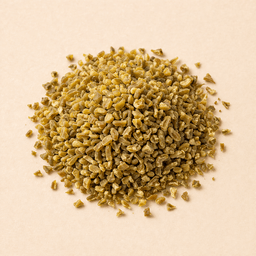 Freekeh
 Synbiotic: freekeh prebiotic fibers + yogurt probiotics increase SCFA
Prebiotic fructans stimulate Lactobacillus growth and SCFA production in the colon
Technical: Freekeh contains 16g fiber per 100g (2x more than rice), a significant portion being prebiotic fructans. Lactobacillus from yogurt ferments these fructans into short-chain fatty acids (butyrate, propionate). Freekeh's high starch resistance provides additional substrate for intestinal microflora.
What does this mean for you? Freekeh with yogurt is a synbiotic combination — the prebiotic fibers from freekeh feed the probiotics from yogurt. Together they support your gut microbiome optimally.
Yogurt 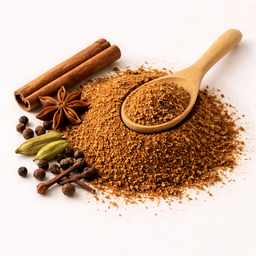 Garam Masala
 Fats + probiotics improve spice absorption
Technical: Garam masala contains curcumin (turmeric), piperine (black pepper), cinnamaldehyde and cardamom — mostly fat-soluble compounds. Yogurt provides milk fats that dissolve these compounds, plus probiotics supporting gut microbiome diversity. The piperine in the mix additionally increases absorption of all other spices.
What does this mean for you? Marinate chicken in yogurt with garam masala (tikka marinade). The yogurt's fats activate the spices and the probiotics help your digestion.
Yogurt 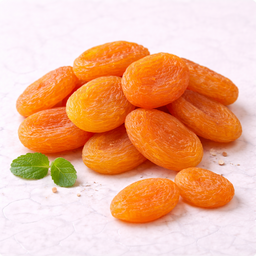 Dried Apricots
 Iron + probiotics for improved iron absorption and energy
Technical: Dried apricots contain 2.7mg iron per 100g (19% RDI women) as non-heme iron, plus 1,162mg potassium (25% RDI). Yogurt provides Lactobacillus bulgaricus and S. thermophilus (10⁷-10⁹ CFU/g). Probiotics increase iron absorption by 20-30% through lactic acid production lowering gut pH and improving iron solubility. Fructose in apricots (12.6g/100g) selectively feeds probiotics via bifidogenic effect.
What does this mean for you? Chop dried apricots into Greek yogurt for an iron-rich breakfast. Probiotics help absorb iron better — perfect for iron deficiency or fatigue.
Yogurt 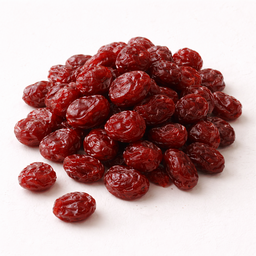 Dried cherries
 Polyphenols + probiotics for microbiome support
Technical: Dried cherries contain anthocyanins and polyphenols that act as prebiotics. Yogurt provides probiotic bacteria (Lactobacillus, Bifidobacterium). Together they strengthen gut flora: the polyphenols selectively feed the probiotic strains, the yogurt delivers these strains alive.
What does this mean for you? Add dried cherries to yogurt as breakfast or dessert. The sweetness of the cherries replaces sugar, the probiotics from yogurt are fed by the polyphenols from the cherries. A synbiotic combination that optimally supports your gut flora.
Yogurt 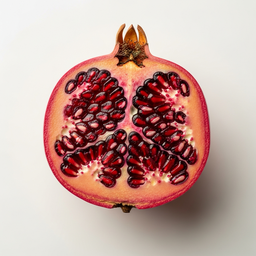 Pomegranate
 Punicalagins + probiotics for microbiome and urolithin conversion
Technical: Pomegranate contains punicalagins that are converted in the gut to urolithins by bacteria. Yogurt provides probiotics that improve this conversion. The combination strengthens both the bacterial colony and the production of bioactive urolithins — a truly synbiotic effect.
What does this mean for you? Add pomegranate seeds to yogurt. The seeds give a crunchy texture and tart flavor, while the probiotics in yogurt strengthen the conversion of pomegranate polyphenols into bioactive urolithins.
Yogurt 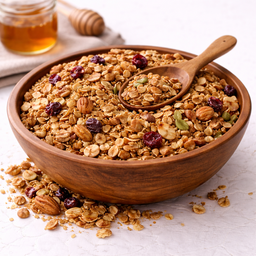 Granola
 Prebiotics + probiotics for optimal gut flora
Technical: Granola contains beta-glucans from oats — soluble fibers acting as prebiotics that selectively feed beneficial gut bacteria. Yogurt and kefir provide live probiotics (Lactobacillus, Bifidobacterium). This synbiotic effect — prebiotics feeding probiotics — maximizes colonization and survival of good bacteria in the gut.
What does this mean for you? Eat granola with yogurt or kefir for breakfast. The oat fibers from granola feed the good bacteria from yogurt — together they strengthen your gut flora.
Yogurt 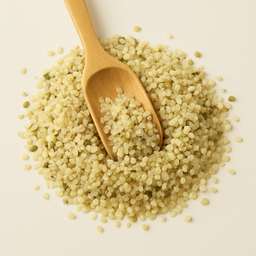 Hemp Seeds
 Complementary proteins + probiotics for amino acid profile and microbiome support
Technical: Hemp seed contains 31g protein per 100g with all essential amino acids (PDCAAS 0.66 — higher than most plant sources) plus 49g fat (3:1 omega-6:omega-3 ratio). Yogurt provides Lactobacillus probiotics (10⁷-10⁹ CFU/g) that influence gut permeability. The combination offers complementary proteins: hemp seed is lysine-poor but arginine-rich (14% of protein), yogurt supplements lysine. Probiotics influence amino acid absorption in the gut.
What does this mean for you? Mix hemp seeds into yogurt for a protein-rich snack that also feeds your gut flora. Hemp seed + yogurt gives a complementary amino acid profile — ideal as a plant-based protein source.
Yogurt 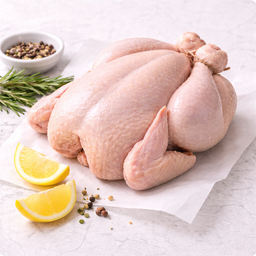 Spring Chicken
 Acids tenderize meat and improve iron absorption
Technical: Citric acid from lemon and lactic acid from yogurt break down collagen fibers in chicken meat (denaturation) and lower pH, tenderizing the meat. This process also increases surface proteins available for Maillard reactions when heated, creating more flavor. Vitamin C from lemon improves heme iron absorption from chicken.
What does this mean for you? Marinate chicken at least 2 hours in yogurt with lemon juice — this is the basis of tandoori and shawarma. The acids make the meat more tender, flavorful and nutritious. Note: don't marinate longer than 24 hours, or the meat becomes mushy.
Yogurt 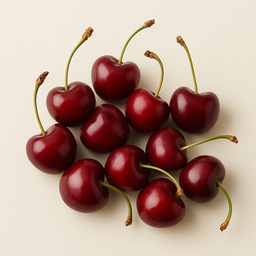 Cherries
 Anthocyanins + probiotics for bioactive collaboration
Technical: Cherries contain anthocyanins (cyanidin-3-glucosylrutinoside) that influence multiple biochemical pathways, including COX enzyme activity and eicosanoid metabolism. Yogurt's probiotics modulate the immune response via the gut-immune axis and improve the conversion of polyphenols to bioactive metabolites.
What does this mean for you? Mix fresh or dried cherries into yogurt at breakfast. The anthocyanins from cherries and probiotics from yogurt work together — the good gut bacteria convert cherry polyphenols into even more active metabolites. A delicious combination that also works synbiotically.
Yogurt  Cucumber
 Tzatziki: hydration + probiotics for digestion
Technical: Cucumber is 96% water and contains silicon (involved in collagen synthesis), potassium (147mg/100g) and cucurbitacins — bioactive triterpenoids. Yogurt provides probiotics (Lactobacillus, Streptococcus thermophilus) that feed gut flora. Cucumber's cooling action also reduces TRPV1 receptor stimulation by capsaicin.
What does this mean for you? Tzatziki with spicy food isn't coincidence — cucumber cools, yogurt soothes, and probiotics support digestion. Serve with spicy dishes for optimal comfort.
Yogurt 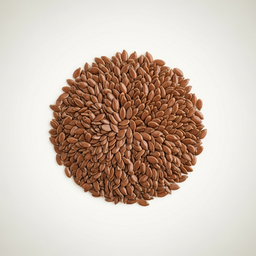 Flaxseed
 Proteins and fats complement each other for long-lasting satiety
Technical: Yogurt contains live probiotics (Lactobacillus, Bifidobacterium) that strengthen gut flora. Flaxseed contains prebiotic mucilage fibers and lignans that serve as food for these bacteria. This synbiotic effect — pre- and probiotics together — increases colonization of beneficial gut bacteria and production of short-chain fatty acids (butyrate).
What does this mean for you? Stir ground flaxseed into your yogurt. The yogurt plants good bacteria, the flaxseed feeds them — your gut gets both the soldiers and the fuel.
Yogurt  Okra
Okra Synbiotic effect: okra mucilage prebiotic + yogurt probiotics increase butyrate
Okra polysaccharides increase butyrate-producing bacteria and SCFA production in the gut (PMID: 32156377)
Technical: Okra mucilage contains soluble fibers (gums and pectins) serving as prebiotic substrate for gut bacteria. Yogurt provides Lactobacillus and Bifidobacterium strains (probiotic). Okra polysaccharides are selectively fermented by these probiotics into short-chain fatty acids, especially butyrate, which nourishes colonocytes and modulates NF-κB.
What does this mean for you? Okra in curry with a dollop of yogurt is a synbiotic combination. The mucilage fibers from okra feed the beneficial bacteria from yogurt — prebiotic and probiotic in one meal.
Yogurt 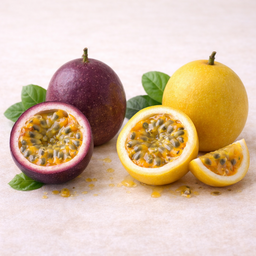 Passion Fruit (Maracuja)
 High fiber + probiotics + magnesium for gut and relaxation
Technical: Passion fruit contains 10.4g fiber per 100g (mostly pectin in seeds), 29mg magnesium and harmaline alkaloids that inhibit MAO-A. Yogurt provides Lactobacillus probiotics that ferment these fibers into butyrate — the primary fuel for colonocytes. Butyrate strengthens tight junctions by 35-40% and lowers gut permeability. Magnesium from passion fruit is cofactor for GABA-B receptor, promoting relaxation. Harmaline enhances serotonin action.
What does this mean for you? Mix passion fruit pulp into yogurt for a gut-friendly dessert. The fiber feeds your gut bacteria, probiotics strengthen your gut wall, and magnesium helps relax. Perfect as evening snack.
Yogurt 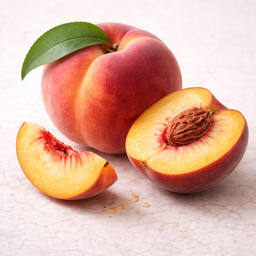 Peach
Peach Pectin + chlorogenic acid + probiotics for microbiome support
Technical: Peach contains 1.5g pectin per 100g and 14mg chlorogenic acid (polyphenol). Pectin ferments to butyrate (short-chain fatty acid) feeding colonocytes and strengthening the gut barrier. Chlorogenic acid inhibits alpha-glucosidase, dampening the postprandial glucose response. Yogurt provides probiotics that improve pectin fermentation and accelerate polyphenol conversion. Choose ripe peaches (more pectin) and full-fat yogurt.
What does this mean for you? Slice a ripe peach into yogurt — the creaminess of the yogurt and the juiciness of the peach make a perfect summer combination. The probiotics in the yogurt optimally utilize the prebiotic fibers and polyphenols from the peach.
Yogurt 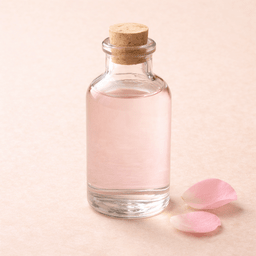 Rose Water
 Geraniol/linalool gut-brain axis + probiotics for GABA modulation
Geraniol modulates GABA receptors, Lactobacillus produces GABA via glutamate decarboxylase (PMID: 28822554)
Technical: Geraniol and linalool from rose water are absorbed in the gut and modulate GABA receptors in the central nervous system, providing anxiolytic effects. Lactobacillus from yogurt also produce GABA themselves via glutamate decarboxylase. Together they strengthen the gut-brain axis: rose water via direct GABA modulation, yogurt via microbiome-mediated GABA production.
What does this mean for you? Yogurt with rose water (traditional Persian dessert) is scientifically a calming combination. Both ingredients influence your nervous system via the gut-brain axis for relaxation.
Yogurt 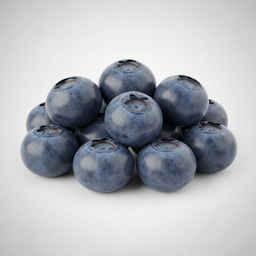 Blueberries
 Stable blood sugar through protein-fruit combination
Technical: Yogurt contains proteins (casein and whey) that slow gastric emptying. This causes sugars from blueberries (fructose, glucose) to be absorbed more gradually in the small intestine. The result is a flatter blood sugar curve — less spike, less dip — providing more stable energy and better concentration.
What does this mean for you? Eat blueberries with yogurt instead of on their own as a snack. The yogurt proteins slow sugar absorption, giving you longer stable energy without a sugar dip.
Yogurt 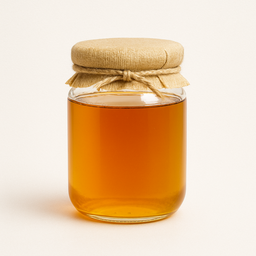 Honey
Honey Synbiotic duo: prebiotic honey feeds probiotics from yogurt
Technical: Yogurt contains live probiotics that support gut flora diversity. Raw honey contains prebiotic oligosaccharides serving as food for these probiotics, plus glucose oxidase producing hydrogen peroxide. This synbiotic effect — honey feeds beneficial bacteria — provides complementary action that neither ingredient offers alone.
What does this mean for you? Use raw (unheated) honey in your yogurt. The honey is more than a sweetener — it actively feeds the beneficial bacteria from the yogurt, forming a synbiotic combination.
Yogurt 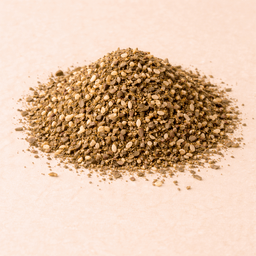 Za'atar
 Selectively bioactive: thymol eliminates pathogens, probiotics are spared
Thymol has selective antimicrobial activity: pathogens more sensitive than Lactobacillus (PMID: 31009261)
Technical: Thymol and carvacrol from zaatar selectively disrupt bacterial cell membranes — pathogenic bacteria (E. coli, Salmonella) are more sensitive than Lactobacillus strains due to differences in membrane composition. Yogurt probiotics survive thymol concentrations that already kill pathogens. This creates a selectively bioactive environment in the gut.
What does this mean for you? Stirring zaatar through yogurt (traditional Lebanese breakfast) fights harmful bacteria while preserving your beneficial gut bacteria. Double benefit for your gut microbiome.
Yogurt 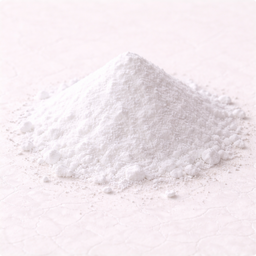 Baking Soda
 Acid-base reaction for natural leavening
Technical: Sodium bicarbonate (NaHCO₃) is a base that reacts with acid (citric acid from lemon or lactic acid from yogurt) to form CO₂ gas, water and sodium citrate. This acid-base reaction produces gas bubbles that leaven dough. The reaction starts immediately upon contact, so batter must be baked quickly for optimal rise.
What does this mean for you? Use baking soda with lemon juice or yogurt for quick leavening in pancakes, scones or quick breads. Mix and bake immediately — the bubbles escape quickly.
Yogurt 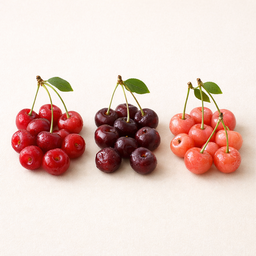 Tart cherries (Montmorency)
 Melatonin + tryptophan for nighttime rest and muscle recovery
Technical: Tart cherries contain 135ug melatonin per 100g — the only fruit with significant melatonin content. Studies show 34 minutes shorter sleep latency and 84 minutes longer sleep with daily consumption. Yogurt provides tryptophan (40mg/100g) and calcium caseinate peptides that promote tryptophan passage across the blood-brain barrier. The anthocyanins from cherries influence multiple biochemical pathways, including COX enzyme activity, contributing to muscle recovery after exercise.
What does this mean for you? Mix tart cherries (fresh or dried) into Greek yogurt as evening dessert. The combination delivers melatonin from cherries plus tryptophan from yogurt — two pathways to nighttime rest. The proteins in yogurt additionally support muscle recovery. Ideal after evening training.
Yogurt 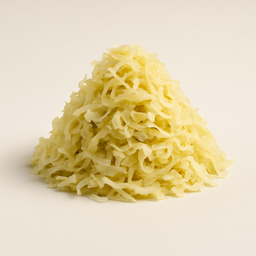 Sauerkraut
 Double probiotic diversity
Technical: Sauerkraut provides Lactobacillus strains (L. plantarum, L. brevis) from vegetable fermentation. Yogurt provides different strains (L. bulgaricus, S. thermophilus) from dairy fermentation. Different strains colonize different niches in the intestinal tract. The more diverse your probiotic intake, the more resilient your microbiome.
What does this mean for you? Eat sauerkraut and yogurt on the same day (not necessarily in the same dish). By regularly eating different fermented foods, you build a more diverse gut environment. Variety is key here.
Recipes with Yogurt
Discover delicious recipes featuring yogurt:
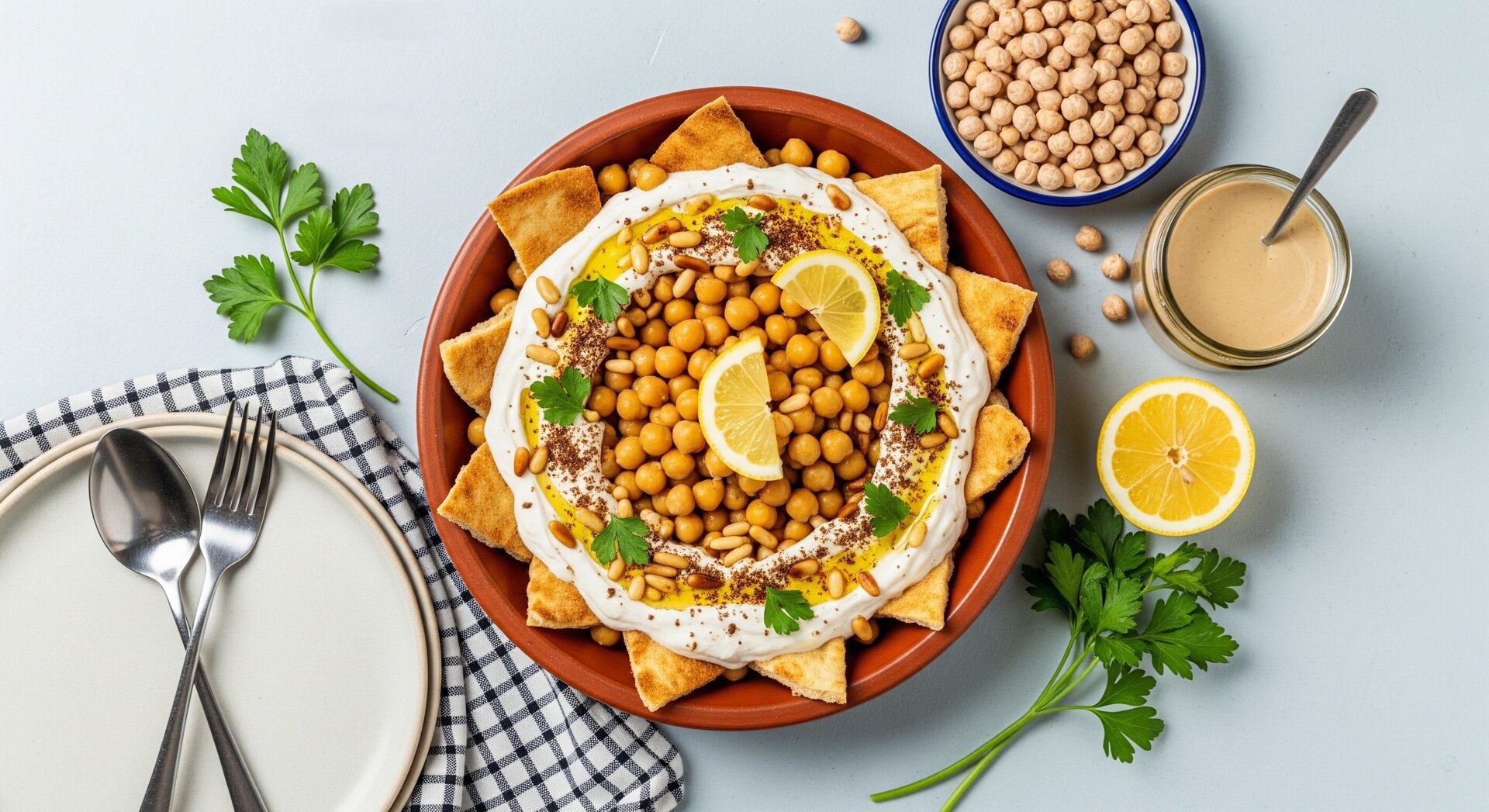 Arabic Fatteh with Chickpeas and Yogurt 25 min Layered Levantine breakfast with crispy bread and tahini
  605 kcal
  24g protein 2 synergies
 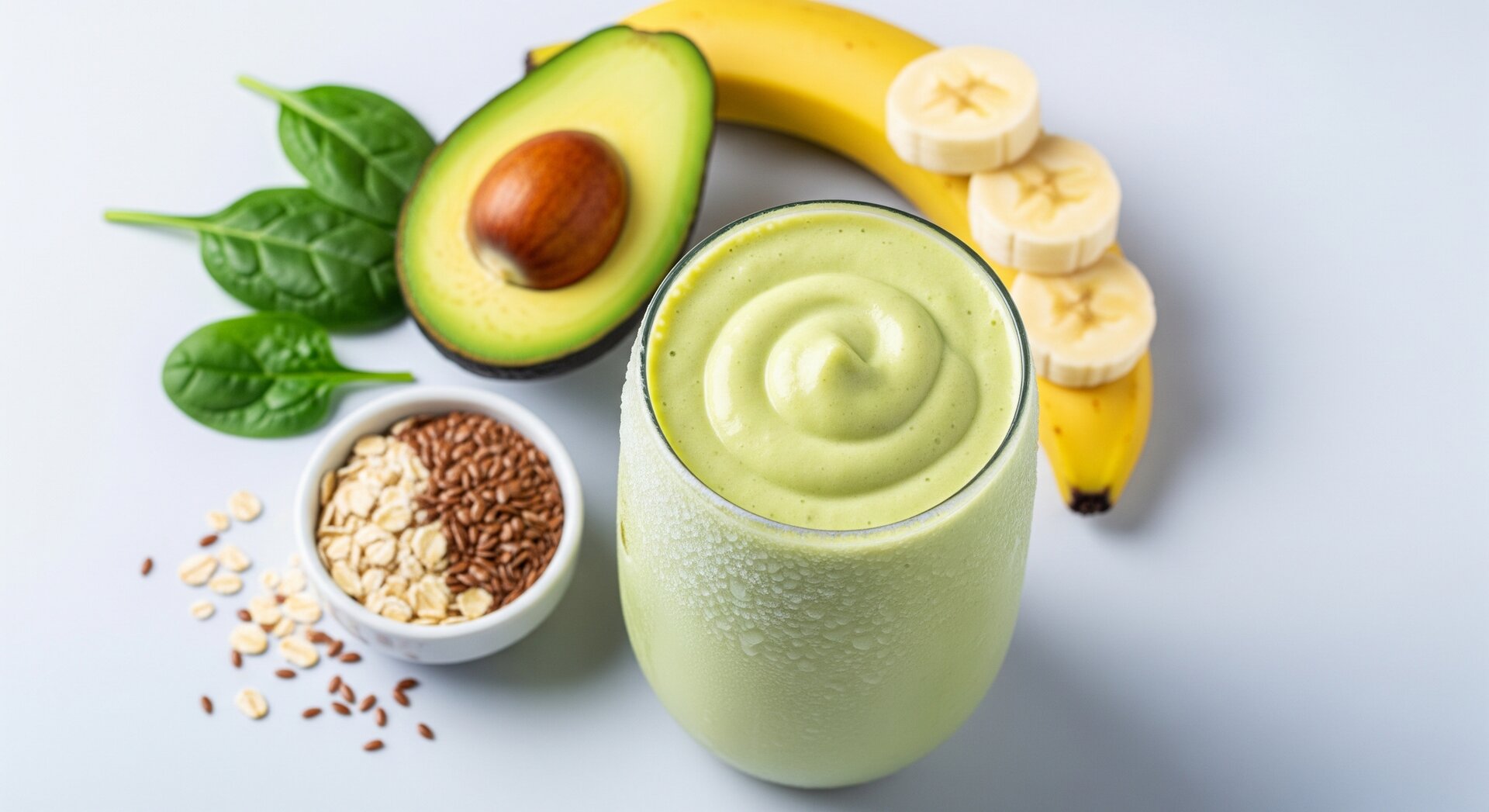 Avocado Spinach Muscle Builder Shake 5 min Creamy green shake with 650 calories for post-workout 546 kcal 28g protein 1 synergies
 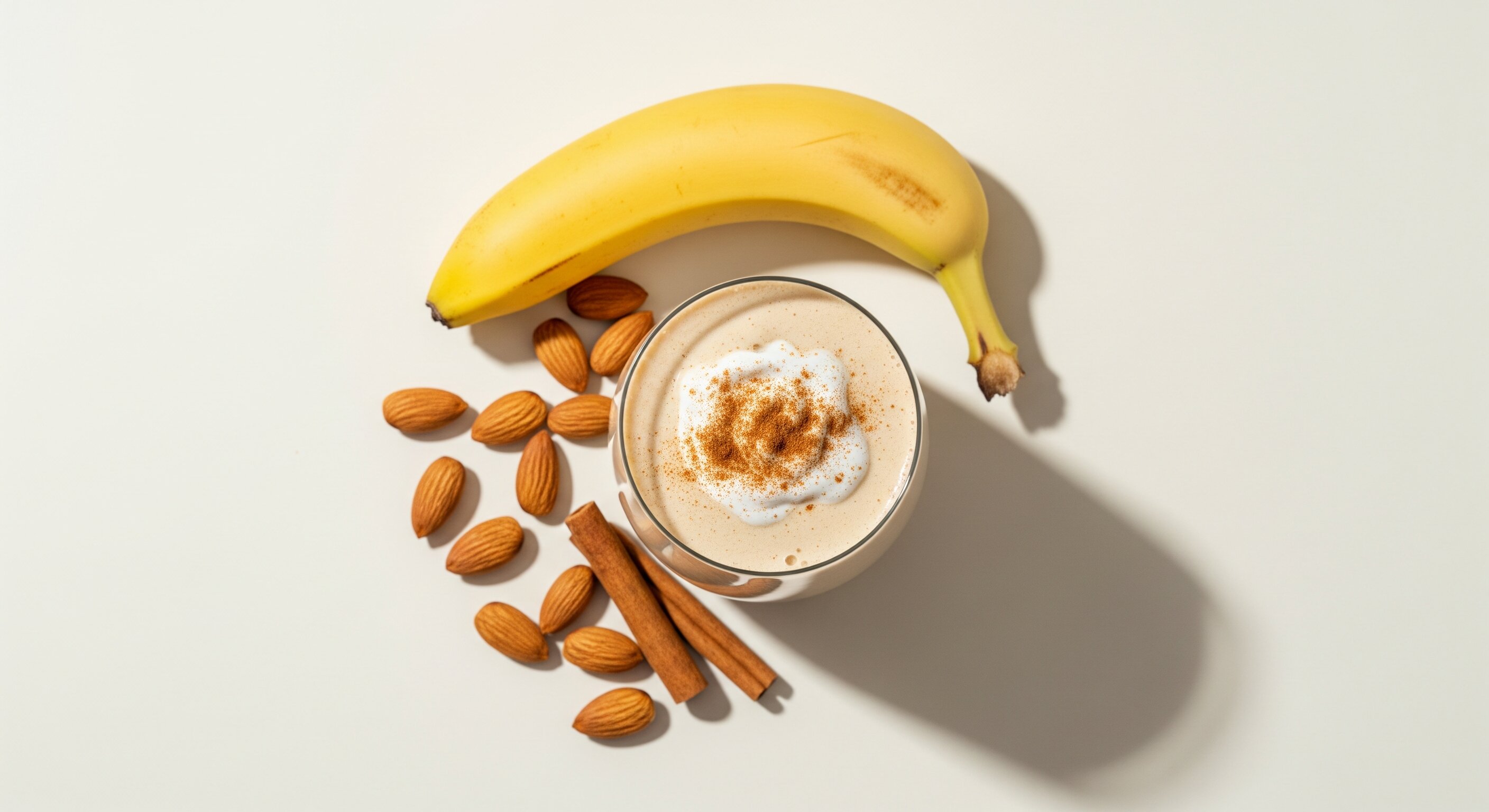 Banana-Almond Evening Shake 5 min Creamy shake with almond butter, yogurt and warm cinnamon 420 kcal 16g protein 2 synergies
 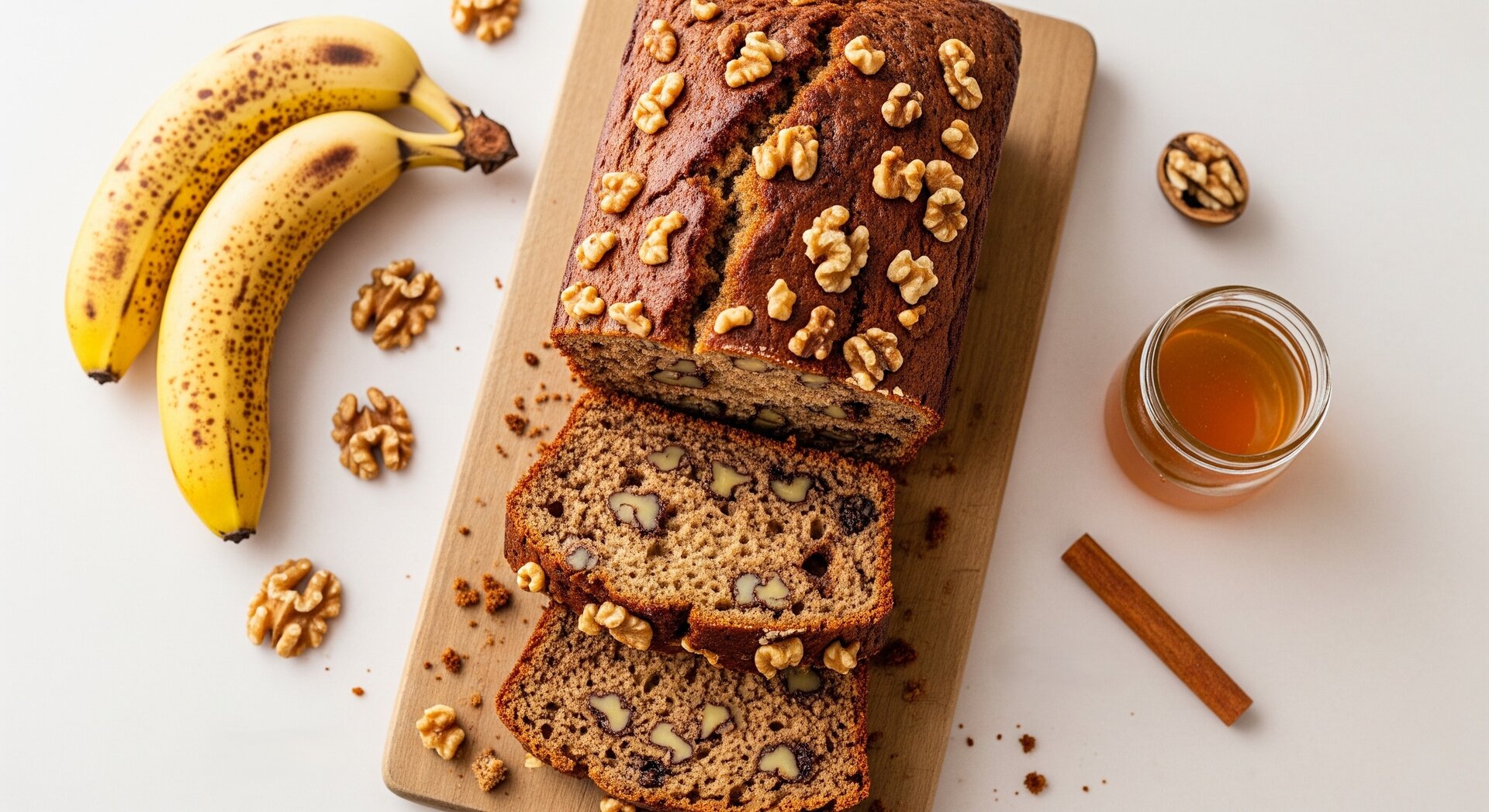 Banana Bread with Walnuts and Cinnamon 65 min Moist sweet bread with crunchy walnuts and warm cinnamon scent 254 kcal 7g protein 1 synergies
 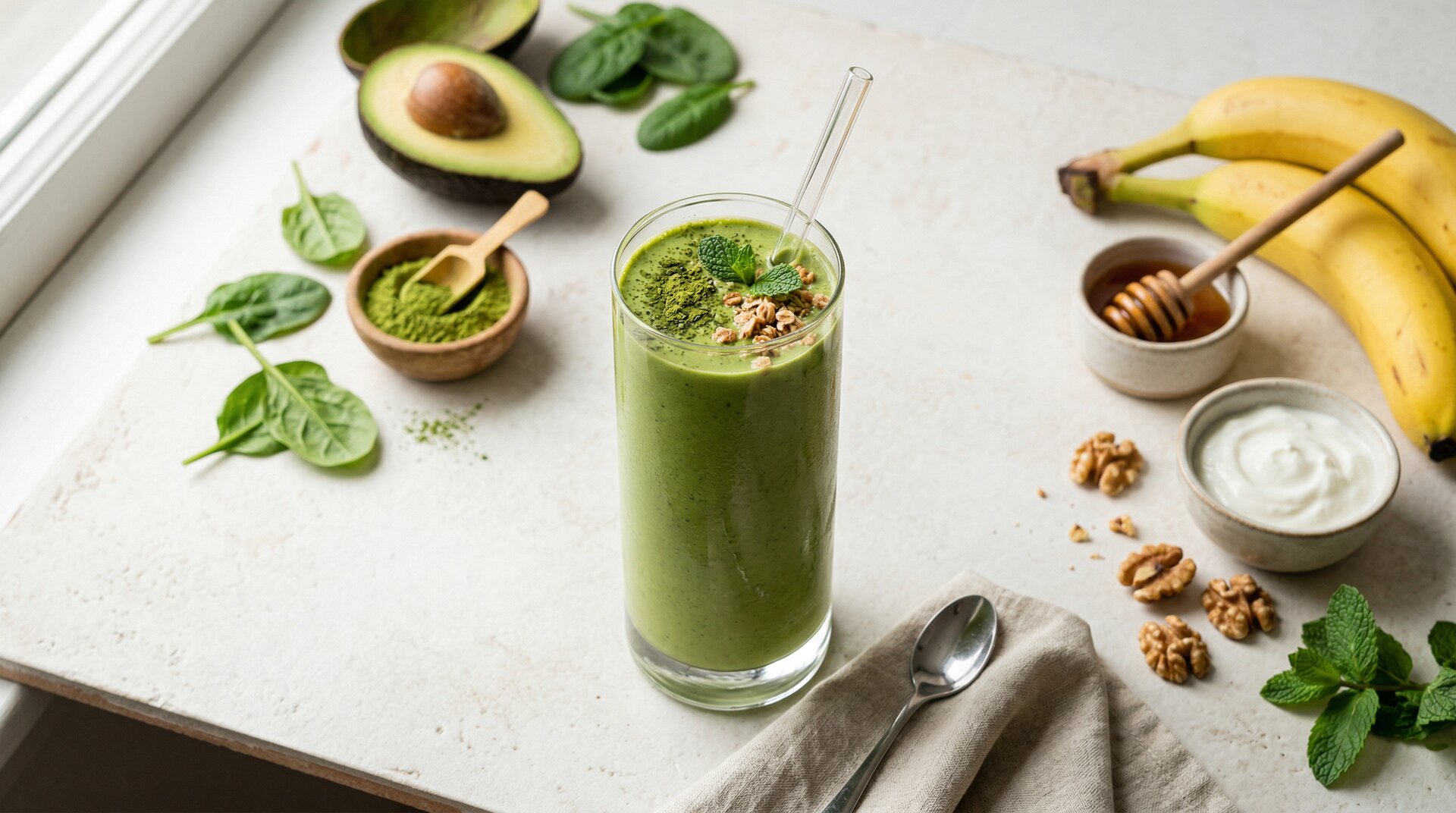 Velvety Matcha Avocado Smoothie 5 min Creamy green with soft matcha 305 kcal 9g protein 2 synergies
 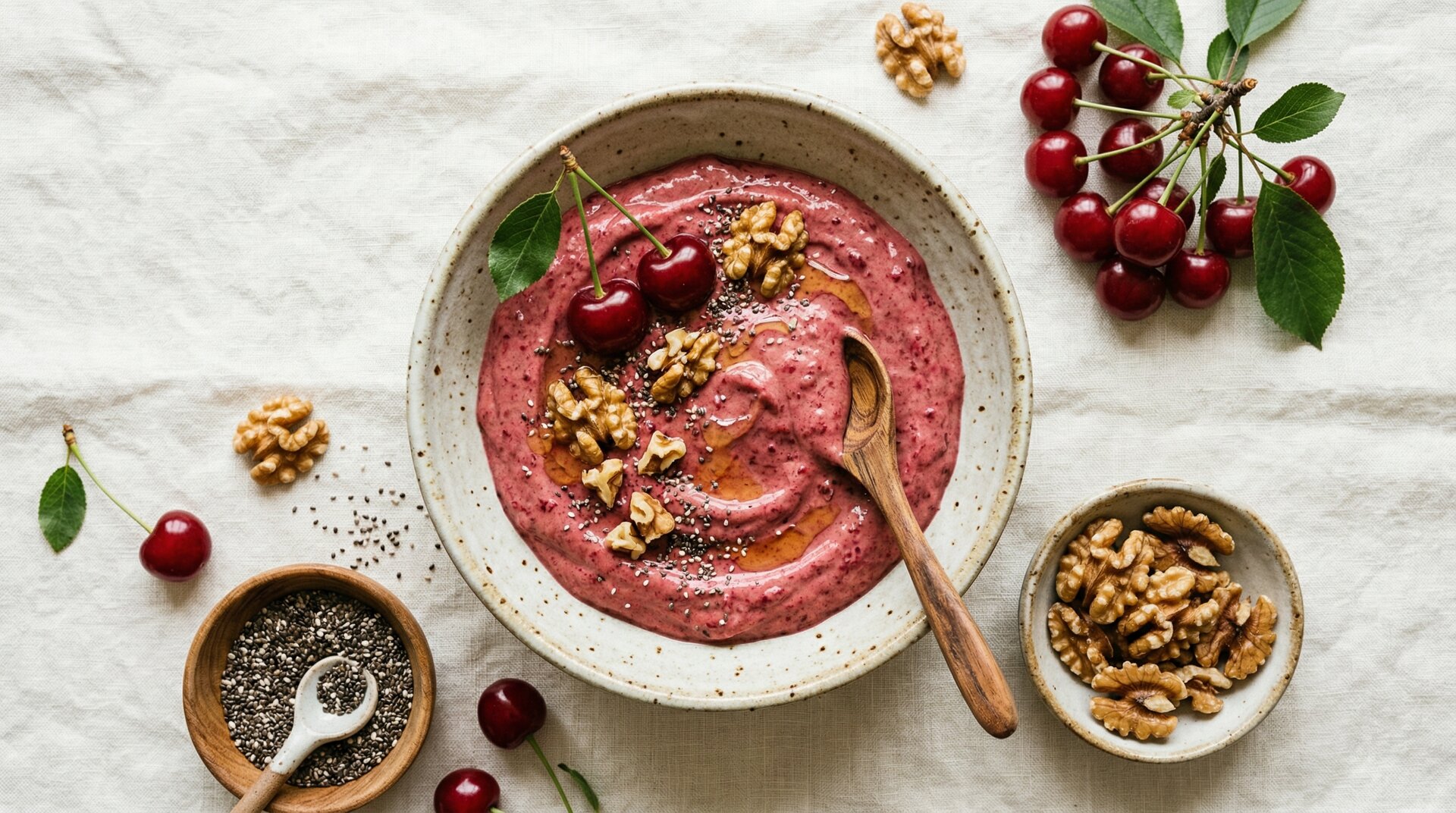 Velvety Cherry Mousse with Vanilla Yogurt 145 min Cool, creamy and gently nutty 240 kcal 8g protein 2 synergies
  In the Kitchen
Storage
Location:Refrigerator
Shelf life:2-3 weken (ongeopend), 1 week (geopend)
Always store refrigerated. Check for 'live cultures' on label. Liquid on top = whey, stir back in for extra protein.
Preparation
ONLY buy plain (no added sugar). Add fresh fruit yourself. Eat 2 hours AFTER antibiotics for gut restoration.
Conversions
Substitutes
Smart preparation
1Temper yoghurt by first stirring a spoonful of hot sauce into it.
Why?
This prevents curdling when adding to hot dishes.
2Add a tablespoon of yoghurt to batter for more tender bakes.
Why?
The acid in yoghurt activates baking powder and makes dough airier.
3Do not stir yoghurt too much; excessive stirring makes it watery.
Caution / Warnings
Yogurt is very safe, but there are scientific considerations:
Sugar Trap (IMPORTANT) Severe
Most 'fruit yogurt' in supermarkets contains as much sugar as soda
Advice:
This destroys all health benefits. Only eat plain yogurt and add fresh fruit yourself
Lactose Intolerance (Nuance) Mild
Yogurt contains less lactose than milk, because bacteria have already 'eaten' part of it
Advice:
Many people who can't tolerate milk can eat small amounts of yogurt. Try it out
Antibiotics Moderate
Antibiotics also kill the good bacteria in yogurt
Advice:
Eat yogurt at least 2 hours AFTER antibiotics to help restore gut flora, not at the same time
Traditional use
Other
Yogurt Among Central Asian Nomads
Yogurt was prepared by nomadic peoples in Central Asia thousands of years ago, likely discovered by accident when transporting milk.
Ayurveda
Yogurt in Ayurveda
In Ayurveda, yogurt (dahi) is valued for its digestion-promoting properties but advised not to be consumed in the evening.
Summary
Yogurt is one of the few foods that is literally 'alive' - the bacteria in it actively work on your health. The key is: always choose plain (no added sugar) and combine with fiber like flaxseed to feed the bacteria. This turns a simple snack into a powerful synbiotic for your gut.