Garam Masala
Warming Indian spice blend for depth, aroma and balance
What is this ingredient?
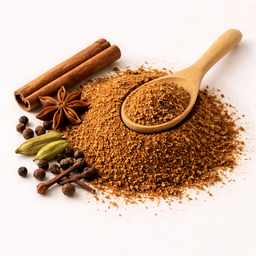
Garam masala literally means ‘warm spice blend’ in Hindi. It is not a fixed formula: every region, family and cook can adjust the ratio. Still, the classic blend usually revolves around cumin, coriander, cardamom, cinnamon, cloves and black pepper.
Cumin & coriander often form the earthy base. They add roasted, citrusy and slightly nutty notes that work well with lentils, vegetables, rice and sauces.
Cardamom brings a floral, fresh aroma. In small amounts, it makes the blend lighter and more elegant, especially in dishes with yoghurt, rice, chicken or stewed vegetables.
Cinnamon & cloves add sweet warmth and depth. They are powerful, so a good garam masala uses them with balance: enough for roundness, not so much that the blend becomes dessert-like.
Black pepper gives a sharp, dry bite and contains piperine, the natural alkaloid responsible for pepper’s characteristic pungency. This gives the blend more length and warmth.
In cooking, garam masala behaves differently from many other spice blends. It is often added near the end of cooking so the volatile aromas do not evaporate for too long. One small spoonful can give a simple curry, dal, soup or roasted vegetable dish immediate warmth, fragrance and complexity.
How does it taste?
Warm and aromatic with sweet, woody, peppery and floral tones.
Pairs well with:
Pairs well with yoghurttomatoonionchickenlentilsrice and roasted vegetables.
Did you know...?
- Garam masala literally means ‘warm spice blend’ in Hindi.
- Many Indian families have their own garam masala ratio, often adapted to region, season and dish.
Nutritional Value & Energy
Per 100g
Garam Masala provides energy thanks to natural nutrients , buffered by fiber.
Per 100g
Minerals
Vitamins
More nutrients
B-Vitamins
Trace Minerals
What's in a serving?
Garam Masala naturally contains iron (26.18 mg per 100 g dried powder). At typical spice usage (2–9 g), the contribution is limited.
Garam Masala naturally contains manganese (9.41 mg per 100 g dried powder). At typical spice usage (2–9 g), the contribution is limited.
Garam Masala naturally contains vitamin k (36.58 mcg per 100 g dried powder). At typical spice usage (2–9 g), the contribution is limited.
Garam Masala naturally contains iron (26.18 mg per 100 g dried powder). At typical spice usage (2–9 g), the contribution is limited.
Garam Masala naturally contains calcium (725.25 mg per 100 g dried powder). At typical spice usage (2–9 g), the contribution is limited.
Garam Masala naturally contains magnesium (260.35 mg per 100 g dried powder). At typical spice usage (2–9 g), the contribution is limited.
Garam Masala naturally contains manganese (9.41 mg per 100 g dried powder). At typical spice usage (2–9 g), the contribution is limited.
Garam Masala naturally contains potassium (1231.15 mg per 100 g dried powder). At typical spice usage (2–9 g), the contribution is limited.
Garam Masala naturally contains zinc (4.13 mg per 100 g dried powder). At typical spice usage (2–9 g), the contribution is limited.
Garam Masala naturally contains vitamin k (36.58 mcg per 100 g dried powder). At typical spice usage (2–9 g), the contribution is limited.
% of daily reference intake (DRI)
EU-approved nutrition claims
This ingredient contains nutrients for which EFSA-authorized health claims exist (at nutrient level, not ingredient-specific).
Approved health claims (EU)
Iron EU 432/2012
Iron contributes to normal energy-yielding metabolism
Contains 26.18mg/100g (threshold: ≥2.1mg/100g)
Iron EU 432/2012
Iron contributes to the reduction of tiredness and fatigue
Contains 26.18mg/100g (threshold: ≥2.1mg/100g)
Iron EU 432/2012
Iron contributes to normal cognitive function
Contains 26.18mg/100g (threshold: ≥2.1mg/100g)
Iron EU 432/2012
Iron contributes to normal formation of red blood cells and haemoglobin
Contains 26.18mg/100g (threshold: ≥2.1mg/100g)
Iron EU 432/2012
Iron contributes to normal oxygen transport in the body
Contains 26.18mg/100g (threshold: ≥2.1mg/100g)
Iron EU 432/2012
Iron contributes to the normal function of the immune system
Contains 26.18mg/100g (threshold: ≥2.1mg/100g)
Iron EU 432/2012
Iron has a role in the process of cell division
Contains 26.18mg/100g (threshold: ≥2.1mg/100g)
Manganese EU 432/2012
Manganese contributes to normal energy-yielding metabolism
Contains 9.41mg/100g (threshold: ≥0.3mg/100g)
Manganese EU 432/2012
Manganese contributes to the maintenance of normal bones
Contains 9.41mg/100g (threshold: ≥0.3mg/100g)
Manganese EU 432/2012
Manganese contributes to the normal formation of connective tissue
Contains 9.41mg/100g (threshold: ≥0.3mg/100g)
Manganese EU 432/2012
Manganese contributes to the protection of cells from oxidative stress
Contains 9.41mg/100g (threshold: ≥0.3mg/100g)
Comparison
vsspinazie
Garam masala contains about 9× more iron per 100 g than spinach — but you use much less garam masala per serving.
vsmelk
Garam masala contains about 4× more calcium per 100 g than milk — but you use much less garam masala per serving.
vsbanaan
Garam masala contains about 2× more potassium per 100 g than banana — but you use much less garam masala per serving.
What's being researched?
Phenolic compounds in garam masala
The spices in garam masala contain aromatic phenolic compounds, such as eugenol from cloves and cinnamaldehyde from cinnamon. Research often uses extracts to compare these compounds and their measurable properties in the laboratory.
Supported by: [5] Wojdyło (2007) , [2] Verma (2009)
Good Combinations (Synergy)
Combine garam masala smartly to enhance the effect:
Garam Masala 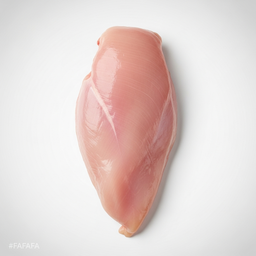 Chicken Breast
 Fats + probiotics improve spice absorption
Technical: Garam masala contains curcumin (turmeric), piperine (black pepper), cinnamaldehyde and cardamom — mostly fat-soluble compounds. Yogurt provides milk fats that dissolve these compounds, plus probiotics supporting gut microbiome diversity. The piperine in the mix additionally increases absorption of all other spices.
What does this mean for you? Marinate chicken in yogurt with garam masala (tikka marinade). The yogurt's fats activate the spices and the probiotics help your digestion.
Garam Masala 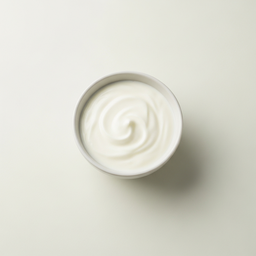 Yogurt
 Fats + probiotics improve spice absorption
Technical: Garam masala contains curcumin (turmeric), piperine (black pepper), cinnamaldehyde and cardamom — mostly fat-soluble compounds. Yogurt provides milk fats that dissolve these compounds, plus probiotics supporting gut microbiome diversity. The piperine in the mix additionally increases absorption of all other spices.
What does this mean for you? Marinate chicken in yogurt with garam masala (tikka marinade). The yogurt's fats activate the spices and the probiotics help your digestion.
Garam Masala 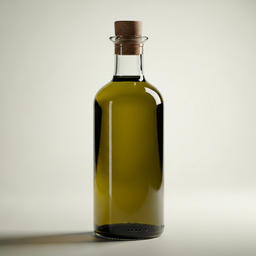 Olive Oil
 Fat increases bioavailability of fat-soluble spice polyphenols
Technical: Garam masala's active compounds (eugenol from cloves, cinnamaldehyde from cinnamon, piperine from pepper) are partially fat-soluble. Olive oil increases their bioavailability 2-4x through micelle formation in the digestive tract. Piperine in the pepper mix also inhibits CYP3A4 and P-glycoprotein, keeping other polyphenols in the bloodstream longer. The fat also protects heat-sensitive compounds during cooking.
What does this mean for you? Bloom your garam masala briefly in warm olive oil before adding other ingredients. This Indian technique (tadka/chaunk) dissolves active compounds in fat for maximum absorption.
Garam Masala 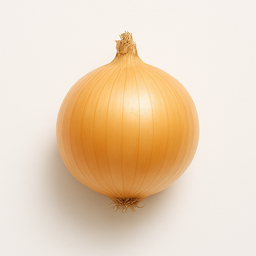 Onion
Onion Spice blend + quercetin for broad-spectrum bioactive action
Technical: Garam masala combines cinnamon (cinnamaldehyde), cardamom (1,8-cineole), cloves (eugenol) and cumin (cuminaldehyde) — each with its own bioactive signaling pathway. Onion contains quercetin (20mg/100g) that stabilizes mast cells and inhibits histamine release. Together they modulate 5+ independent signaling pathways: NF-κB cascades, COX-2, LOX, TNF-α and histamine. Studies show combined spices are stronger in combination than individual spices.
What does this mean for you? Fry onions with garam masala as the base of your curry — the traditional Indian soffritto. The onion enhances the bioactive action of every spice in the mix.
Recipes with Garam Masala
Discover delicious recipes featuring garam masala:
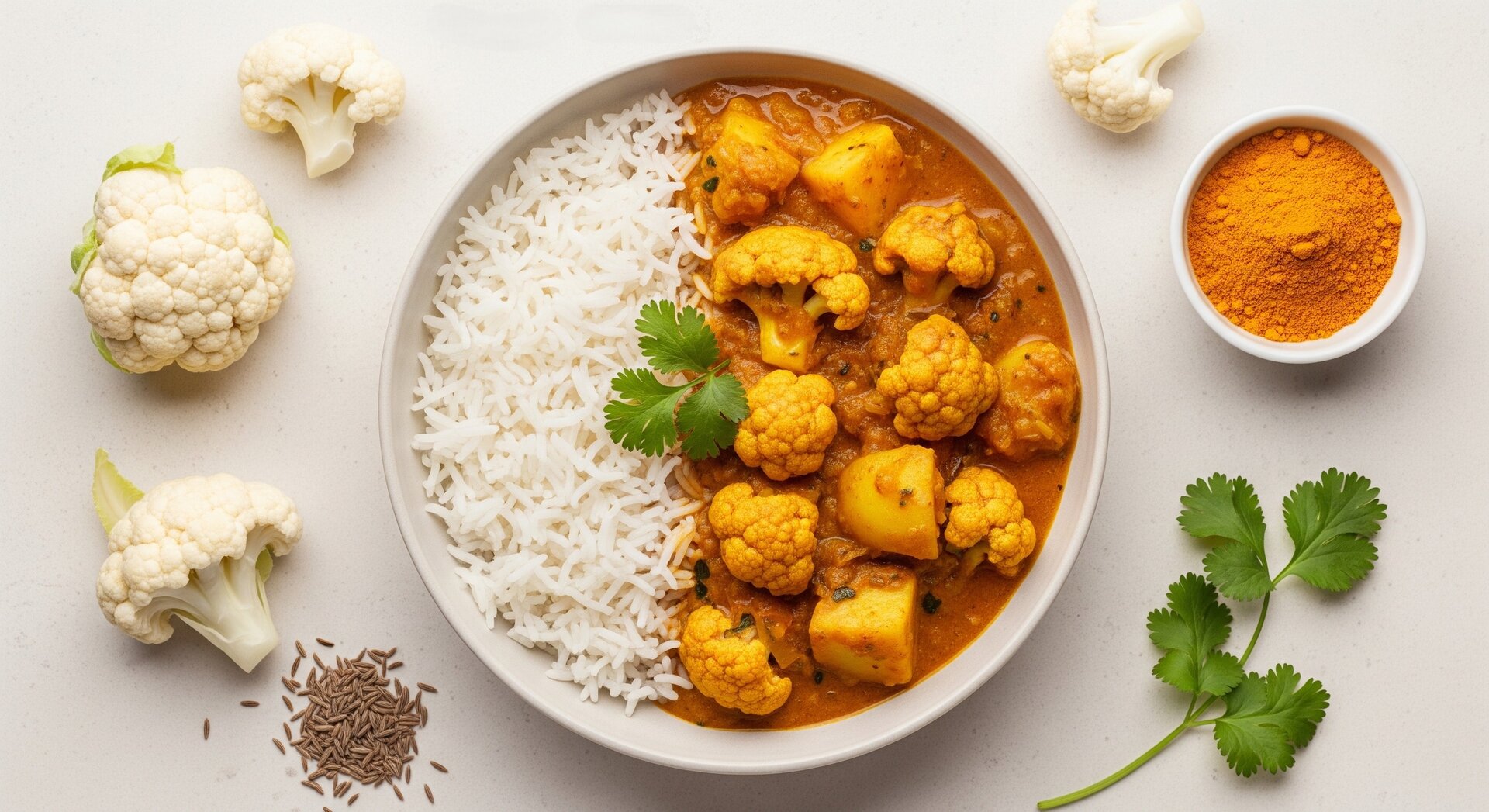 Indian Aloo Gobi with Basmati Rice 50 min Potato-cauliflower curry with turmeric, cumin and garam masala
  674 kcal
  16g protein 1 synergies
 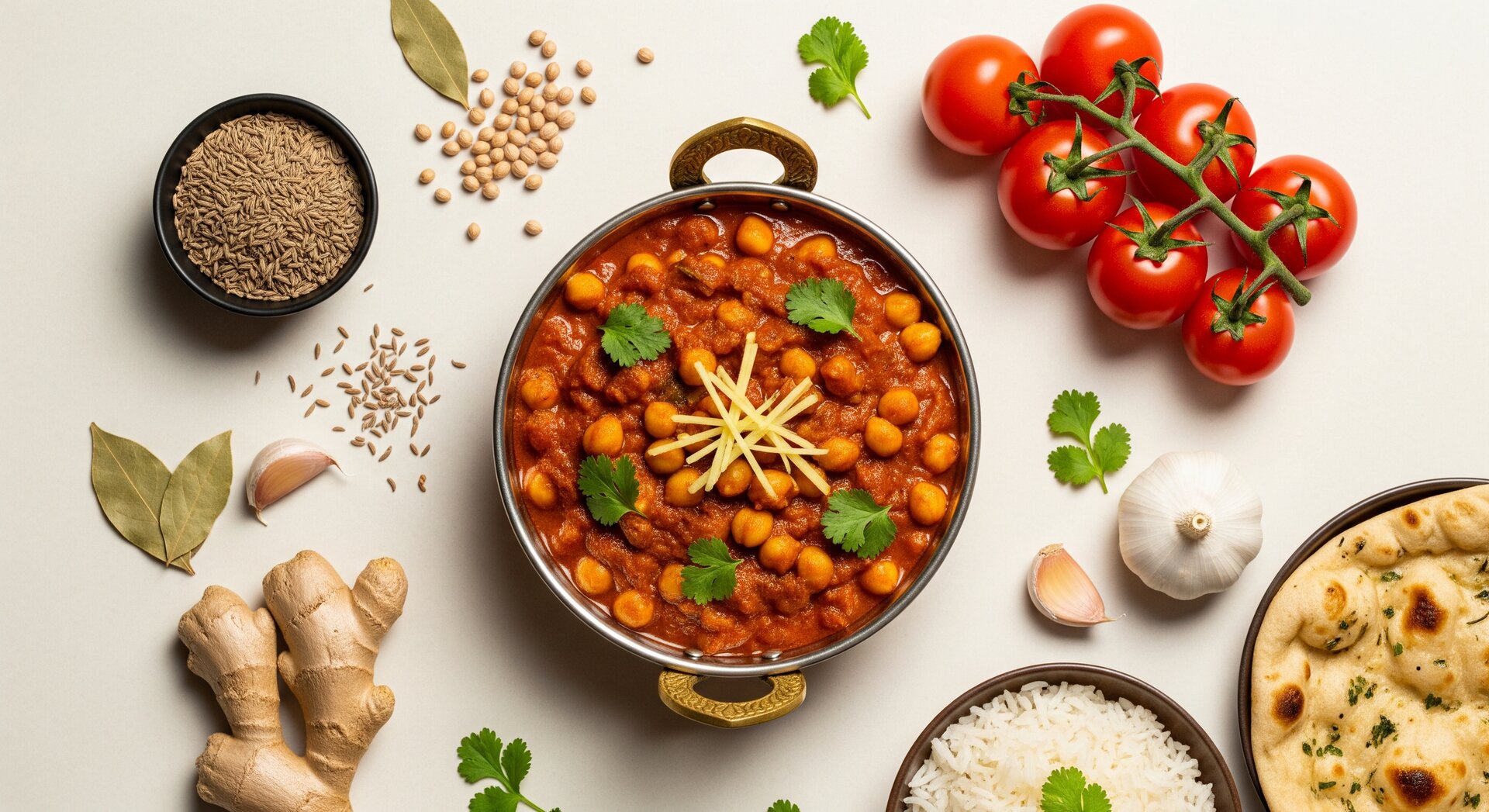 Indian Chana Masala 50 min Spiced chickpeas in a rich masala sauce 290 kcal 12g protein 2 synergies
 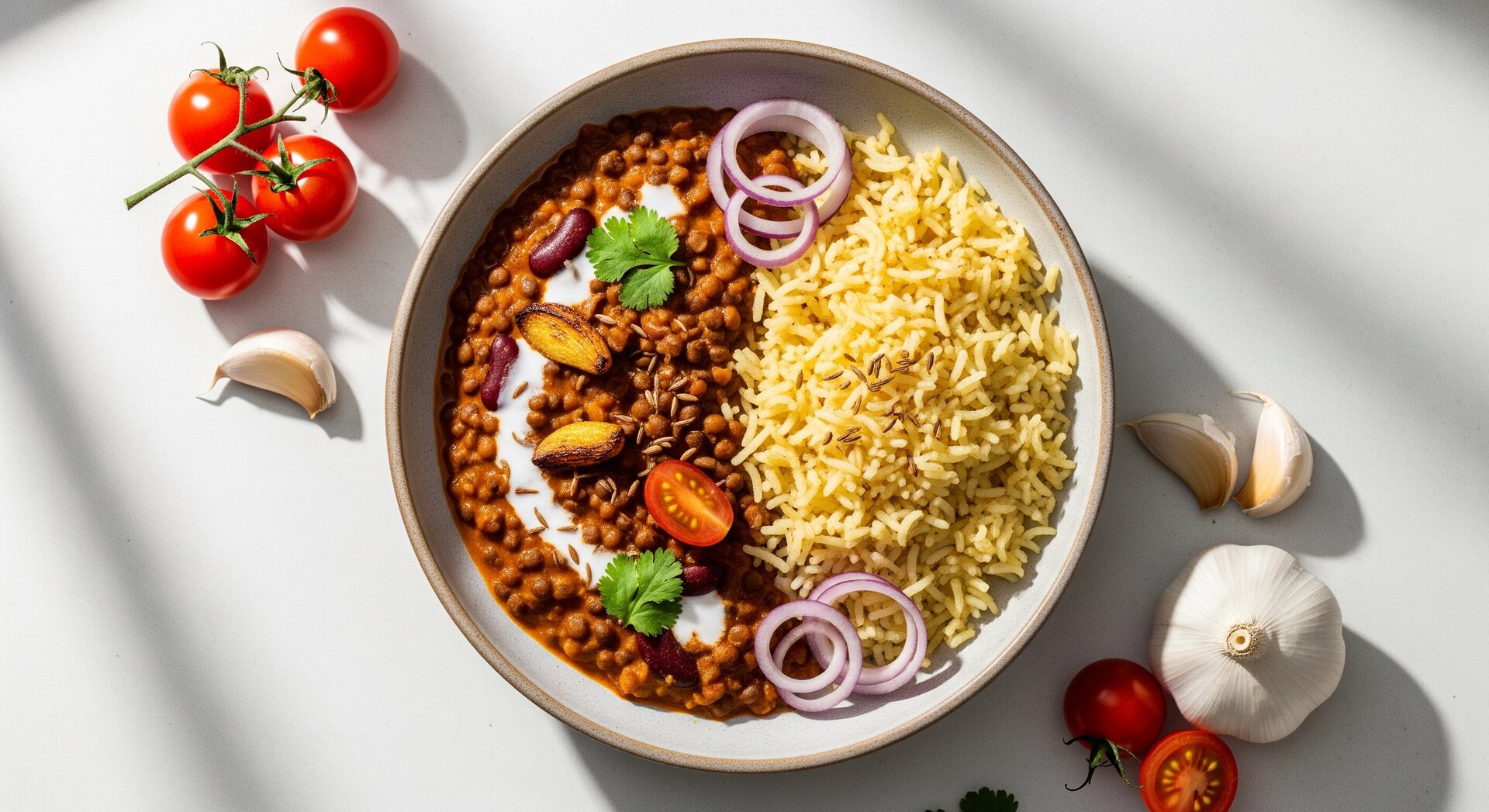 Indian Dal Makhani with Ghee Rice 75 min Creamy black lentil stew with kidney beans and ghee rice 756 kcal 28g protein 2 synergies
 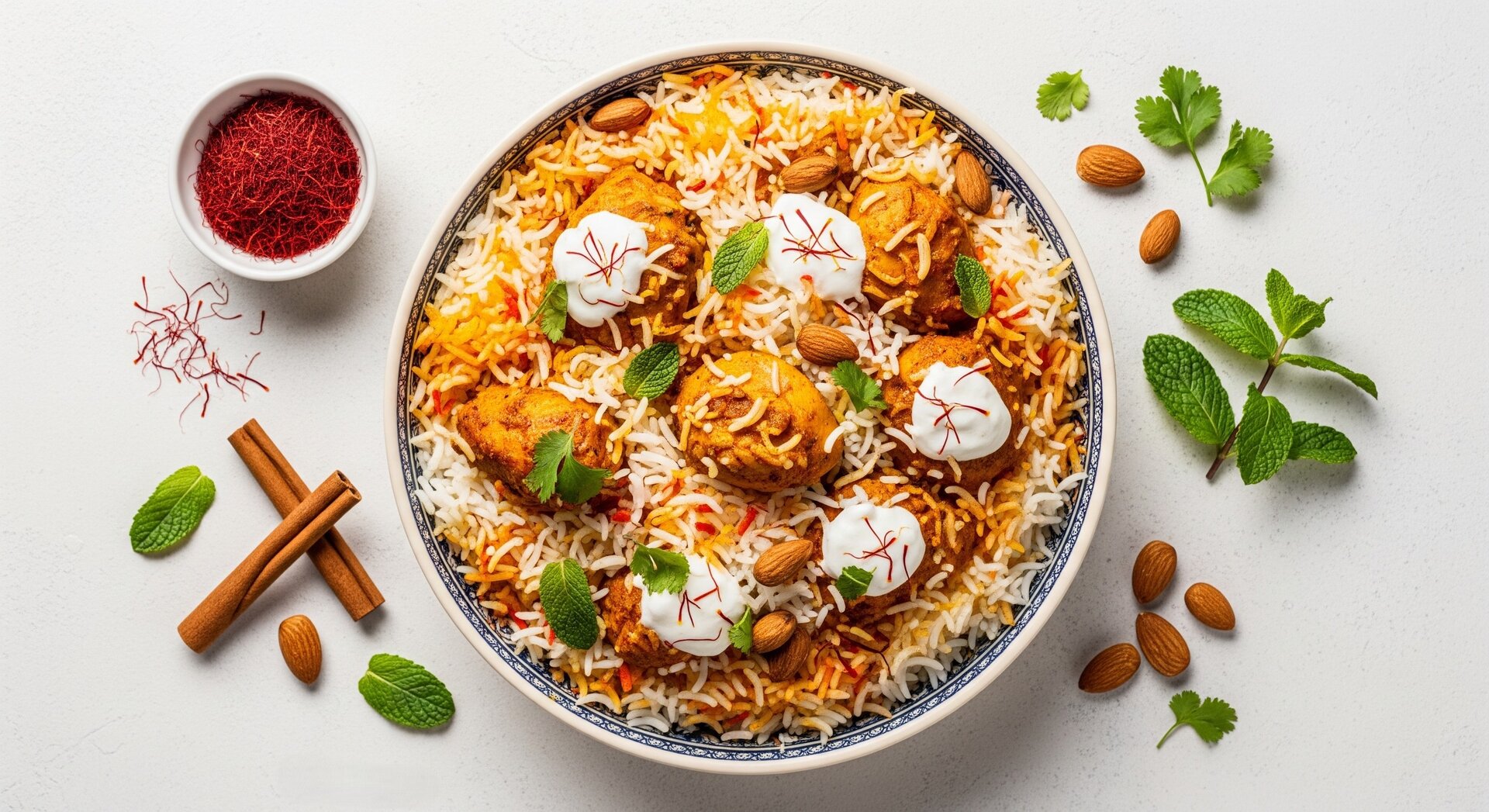 Indian Chicken Biryani with Saffron and Almonds 95 min Layered rice with fragrant chicken and saffron 730 kcal 56g protein 1 synergies
 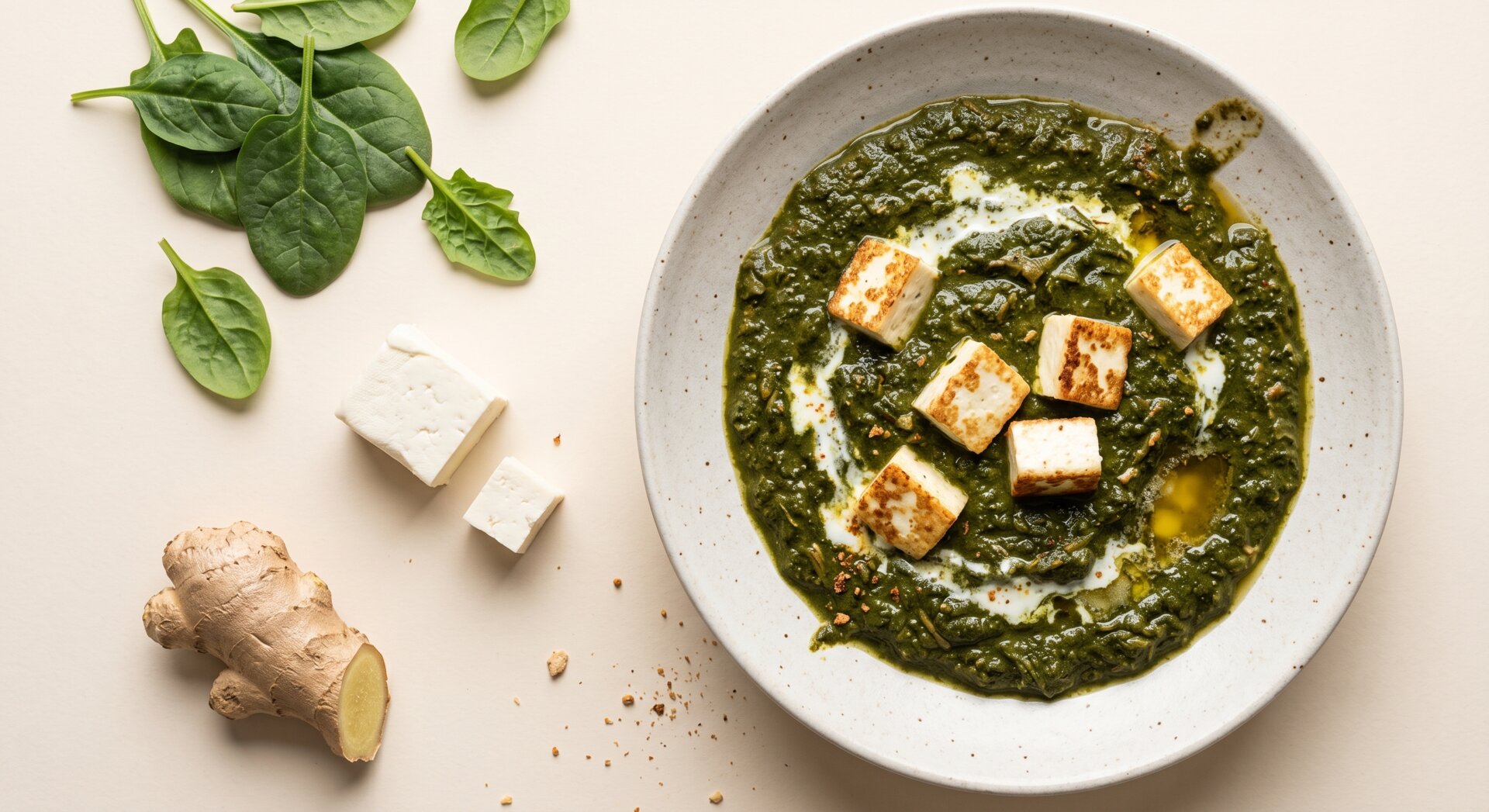 Indian Palak Paneer 45 min Creamy spinach curry with Indian cottage cheese 340 kcal 22g protein 2 synergies
 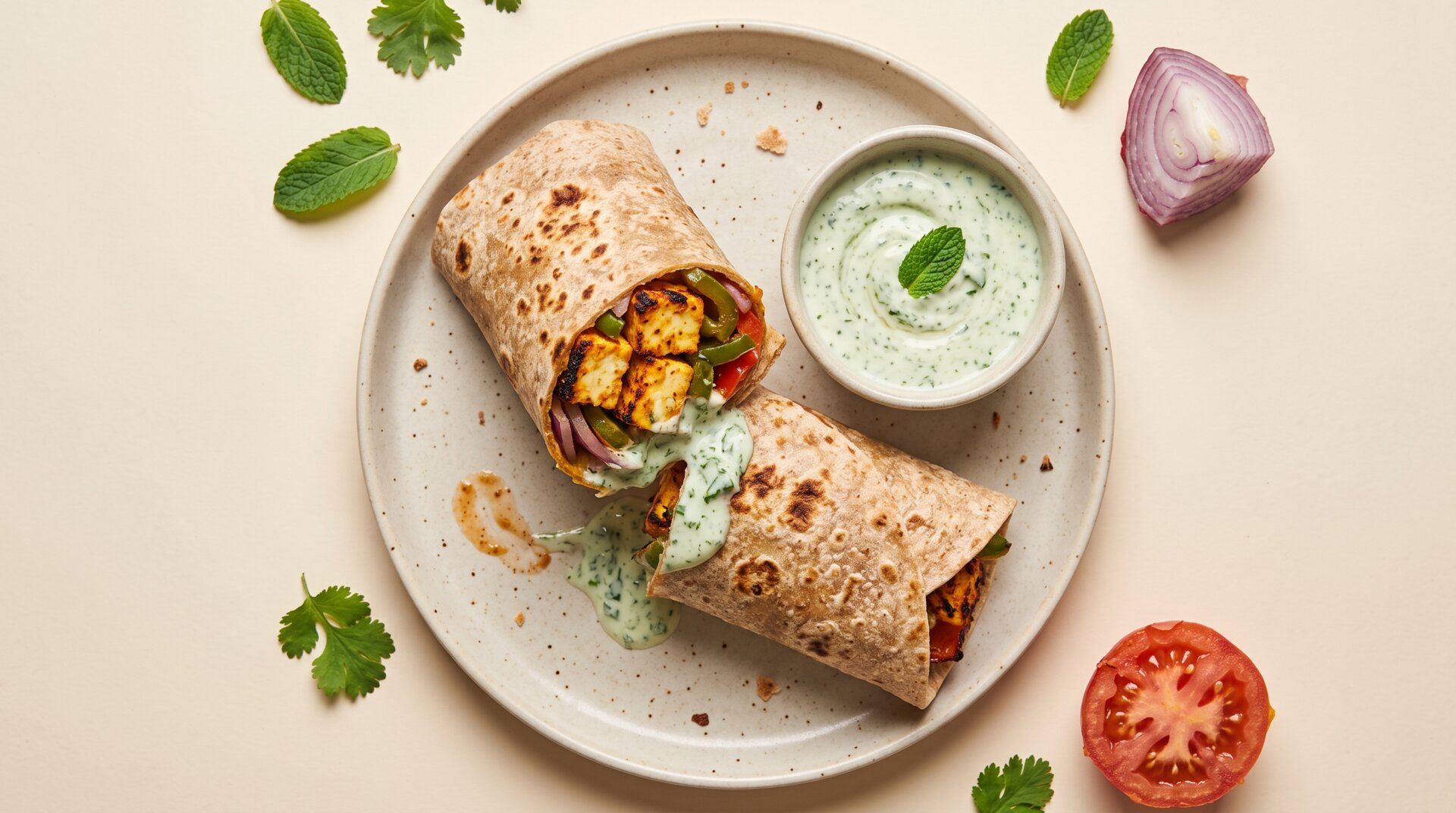 Indian Paneer Tikka Wrap with Mint Raita 55 min Vegetarian wrap with marinated halloumi in tikka spices and refreshing mint raita 713 kcal 32g protein 1 synergies
  In the Kitchen
Storage
Location:Pantry
Shelf life:6-12 maanden (kant-en-klaar), 12-18 maanden (zelfgemaakt vers)
Store airtight, dark and cool. Replace when the aroma becomes flat or dusty; aroma loss means the blend tastes less lively.
Preparation
Add garam masala mostly near the end of cooking for maximum aroma. Combine with yoghurt, tomato, lemon or fresh coriander for fresh balance.
Conversions
Substitutes
Smart preparation
1Add garam masala at the end of the cooking process.
Why?
The delicate aromatics evaporate with prolonged cooking.
2Grind whole spices fresh for the best garam masala.
Why?
Pre-ground spices quickly lose their volatile oils.
3Store garam masala in an airtight jar and preferably use it within 3 months.
Caution / Warnings
Garam Masala is very safe, but there are scientific considerations:
Acid reflux (GERD) Mild
Some sharp or warming spices may cause discomfort in sensitive people. Start with a small amount and see how you respond.
Blood thinners Moderate
Cinnamon and cloves contain potent aromatic compounds. Consult a doctor if you use warfarin or similar medication.
Diabetes (on medication) Mild
With diabetes medication, it is wise to discuss large amounts of cinnamon-rich spice blends with your doctor or dietitian.
Traditional use
Ayurveda
Warming spice blend from Indian cuisine
Garam masala is rooted in North Indian and Ayurveda-inspired culinary traditions. The blend is used near the end of cooking to give dishes extra warmth, fragrance and rounded spice.
Summary
Garam masala is a compact flavor booster: one teaspoon combines warm, sweet, floral and peppery aromas. Use it mainly near the end of cooking for maximum fragrance. It naturally contains fiber, iron and manganese, but it is usually used in small amounts.