- Easy
- 55 min
- 2 serv.
- 13 synergies
- Now at its best: Bell Pepper
Authentic Indian wrap with marinated halloumi (paneer style), roasted vegetables and refreshing mint-yogurt sauce. Full of protein and spices.
The yogurt marinade does the real work — garam masala, turmeric and cumin soak into the halloumi while it sits in the fridge for thirty minutes. In the oven everything turns golden: the bell pepper shrinks and sweetens, the onion caramelizes, the halloumi gets a crispy edge. Meanwhile you mix yogurt with chopped mint and cilantro into a cool raita that you spread on the warm wrap. The contrast is what it's all about: hot and cold, spiced and fresh, soft and crunchy. The scent of garam masala fills your kitchen like an evening in Delhi.
- 40
- min prep
- 15
- min cook
- 55
- min total
Nutritional Synergies
This recipe combines ingredients that enhance each other:
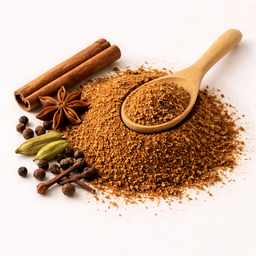 Garam Masala
  Yogurt
 Fats + probiotics improve spice absorption
Technical: Garam masala contains curcumin (turmeric), piperine (black pepper), cinnamaldehyde and cardamom — mostly fat-soluble compounds. Yogurt provides milk fats that dissolve these compounds, plus probiotics supporting gut microbiome diversity. The piperine in the mix additionally increases absorption of all other spices.
What does this mean for you? Marinate chicken in yogurt with garam masala (tikka marinade). The yogurt's fats activate the spices and the probiotics help your digestion.
DigestionAnti-inflammatory
Garam Masala  Olive Oil
 Fat increases bioavailability of fat-soluble spice polyphenols
Technical: Garam masala's active compounds (eugenol from cloves, cinnamaldehyde from cinnamon, piperine from pepper) are partially fat-soluble. Olive oil increases their bioavailability 2-4x through micelle formation in the digestive tract. Piperine in the pepper mix also inhibits CYP3A4 and P-glycoprotein, keeping other polyphenols in the bloodstream longer. The fat also protects heat-sensitive compounds during cooking.
What does this mean for you? Bloom your garam masala briefly in warm olive oil before adding other ingredients. This Indian technique (tadka/chaunk) dissolves active compounds in fat for maximum absorption.
Anti-inflammatoryDigestion
Garam Masala  Onion
Onion Spice blend + quercetin for broad-spectrum bioactive action
Technical: Garam masala combines cinnamon (cinnamaldehyde), cardamom (1,8-cineole), cloves (eugenol) and cumin (cuminaldehyde) — each with its own bioactive signaling pathway. Onion contains quercetin (20mg/100g) that stabilizes mast cells and inhibits histamine release. Together they modulate 5+ independent signaling pathways: NF-κB cascades, COX-2, LOX, TNF-α and histamine. Studies show combined spices are stronger in combination than individual spices.
What does this mean for you? Fry onions with garam masala as the base of your curry — the traditional Indian soffritto. The onion enhances the bioactive action of every spice in the mix.
Anti-inflammatoryImmune SystemDigestion
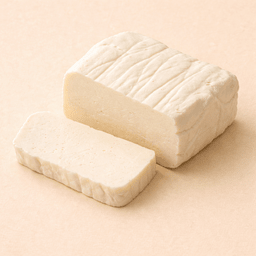 Halloumi Cheese
 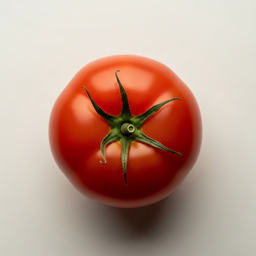 Tomato
 Fat from halloumi increases lycopene absorption from tomato up to 4x
Technical: Halloumi contains 24g fat per 100g, of which 17g saturated. Lycopene from tomato is a fat-soluble carotenoid with bioavailability of only 10-15% without fat. The fat in halloumi promotes micelle formation in the small intestine, efficiently packaging lycopene for absorption. Heating (grilling) tomato breaks down cell walls and further increases lycopene release.
What does this mean for you? Grilled halloumi with roasted tomatoes is a Mediterranean culinary classic — the fat in the cheese ensures you absorb up to 4x more lycopene from the tomato.
HeartSkin & Hair
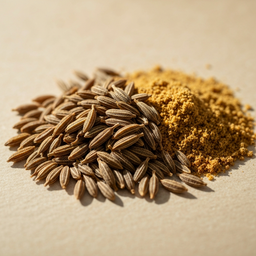 Cumin
Cumin 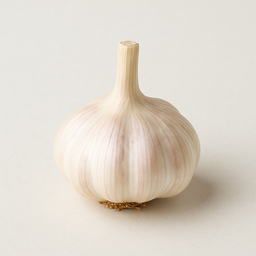 Garlic
 Double digestive support: enzymes + bioactive compounds
Technical: Cumin promotes digestive enzyme activity (amylase, lipase, protease) and increases bile flow. Garlic's allicin has broad bioactivity targeting pathogenic gut bacteria while sparing beneficial ones.
What does this mean for you? Fry garlic and cumin together as base for curries, soups and stews. Classic combination in virtually every cuisine in the world.
DigestionImmune System
Cumin 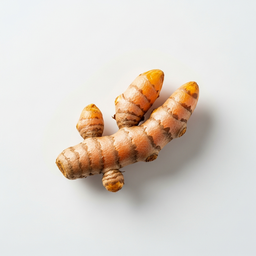 Turmeric
 Classic curry base with enhanced digestion
Technical: Cumin promotes production of digestive enzymes (amylase, lipase, protease) and increases bile flow. Turmeric's curcumin modulates NF-κB and COX-2 signal transduction and supports hepatobiliary activity via bile stimulation. Together they provide enhanced digestion + bioactive action.
What does this mean for you? Cumin + turmeric is the base of every curry. The cumin promotes your digestion, the turmeric adds bioactive action — the perfect combination for a nutritious curry.
DigestionAnti-inflammatory
Cumin Olive Oil Fat activates volatile oils and increases cuminaldehyde absorption
Technical: Cumin's active compounds (cuminaldehyde, cymene, terpinene) are volatile, fat-soluble compounds. Frying in olive oil extracts and stabilizes these compounds, and the fat improves their gut absorption.
What does this mean for you? Briefly fry cumin in olive oil before adding other ingredients (tadka/tempering). This is why Indian and Middle Eastern cuisines always fry cumin in oil.
DigestionAnti-inflammatoryBlood Sugar
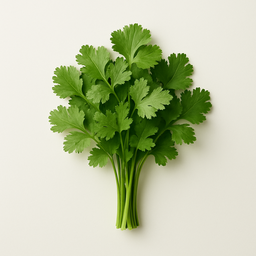 Cilantro Turmeric
 Linalool + curcumin for enhanced bioactive action
Technical: Coriander's linalool and coriander oil are studied in relation to lipoxygenase modulation. Turmeric's curcumin modulates NF-κB and COX-2 signal transduction. Together they cover more bioactive signaling pathways than each herb alone.
What does this mean for you? Use coriander and turmeric together in curries and Indian dishes — a traditional combination that is scientifically supported.
Anti-inflammatoryDigestionAntioxidants
Olive Oil Garlic Aglio e olio: allicin + oleocanthal via complementary biochemical pathways
Technical: Garlic contains allicin (formed when cutting/crushing) that influences HMG-CoA reductase (involved in lipid metabolism). Olive oil contains oleocanthal that modulates COX-1/2 enzymes. Together they influence lipid metabolism and prostaglandin cascade via complementary biochemical pathways. The fat also helps absorb fat-soluble garlic compounds.
What does this mean for you? Gently warm garlic in olive oil (don't burn!) as the base for many dishes. This is why 'aglio e olio' pasta is so beloved — two bioactive compounds that reinforce each other.
HeartImmune System
Olive Oil Tomato Mediterranean golden rule: fat increases lycopene absorption 4x
Fat significantly increases lycopene bioavailability (PMID: 15927929)
Technical: Tomatoes contain lycopene (3-7mg per 100g), a carotenoid with strong antioxidant action. Lycopene is fat-soluble with only 10-15% absorption without fat. Olive oil increases this to 40-60% (2.5-4x improvement). Cooking further increases lycopene bioavailability.
What does this mean for you? Always add olive oil to tomato dishes — sauces, salads, bruschetta. This is why Mediterranean cuisine is so healthy. Cooked tomatoes with olive oil = maximum lycopene.
HeartSkin & Hair
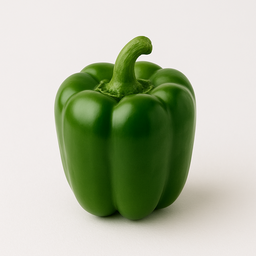 Bell Pepper Olive Oil
 Fat improves carotenoid absorption from bell pepper
Technical: Red bell pepper contains 3131μg beta-carotene and 51μg lutein per 100g, plus 127mg vitamin C (211% RDI). Carotenoids are fat-soluble — without fat only 3-5% is absorbed. Olive oil increases bioavailability to 15-20% through micelle formation in the small intestine.
What does this mean for you? Roast bell pepper with olive oil or make a salad with olive oil dressing. Red pepper contains 10x more carotenoids than green — choose red for maximum effect.
Immune SystemSkin & Hair
Onion Garlic More than 20 organosulfur compounds in one soffritto
Technical: Onion contains diallyl disulfide and quercetin (20-40mg/100g). Garlic contains allicin, ajoene and S-allylcysteine. Together they provide more than 20 different organosulfur compounds that modulate NF-κB. Allium crops are intensively studied in nutrition science for their unique sulfur chemistry.
What does this mean for you? Start every dish with sautéed onion and garlic — not just for flavor, but for the unique concentration of organosulfur compounds. Cut garlic 10 minutes before heating to allow allicin formation.
DigestionImmune System
Onion Tomato Quercetin + lycopene: synergistic polyphenol-carotenoid combination
Technical: Quercetin from onion (20-40mg/100g) and lycopene from tomato (2573μg/100g) work through different mechanisms. Quercetin chelates metal ions and modulates lipid peroxidation, lycopene quenches singlet oxygen. Combined polyphenols and carotenoids work synergistically — the combination works through complementary mechanisms.
What does this mean for you? Tomato sauce with onion is the base of nearly every Mediterranean cuisine — and rightly so. Quercetin and lycopene enhance each other's action through complementary biochemical pathways. Cooking in olive oil makes carotenoids more absorbable.
HeartAnti-inflammatory
Ingredients (13)
+10 more ingredients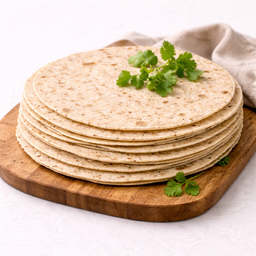
Instructions
- 1 Slice the halloumi into slices of about 1 cm. Mix 100g yogurt with garam masala, turmeric, cumin, pressed garlic and a tablespoon of olive oil. Marinate the halloumi in this for at least 30 minutes.
Nutrition per serving
Indicative values per serving.
Timing & Suitability
Shelf life: 2 days in fridge
Tags & Diet
Allergens: Gluten, Dairy