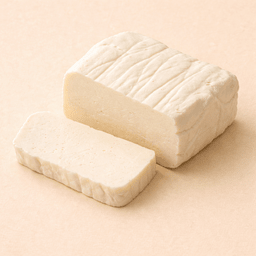
Halloumi Cheese
The grillable cheese from Cyprus
What is this ingredient?
Halloumi is a semi-hard cheese of Cypriot origin, traditionally made from a mix of goat and sheep milk, although modern variants often contain cow's milk. This cheese has a unique history spanning over 1000 years and was originally developed as a method to preserve milk in the warm Mediterranean climate.
## Unique Grillable Structure
The most striking characteristic of halloumi is its high melting point (approximately 260°C), which allows the cheese to be perfectly grilled or fried without melting (Papademas & Robinson, 2000). This property arises from the absence of rennet during production and the unique heating in whey, which creates a dense protein matrix that withstands high temperatures.
## Protein and Muscle Recovery
With 25g protein per 100g, halloumi is an excellent protein source, comparable to meat. It contains all essential amino acids necessary for muscle protein synthesis, making it popular among vegetarians and athletes (Wilkinson et al., 2007). The combination of protein and fat provides sustained satiety.
## Calcium and Bone Health
Halloumi contains approximately 680-700mg calcium per 100g, which covers more than 70% of the daily recommended amount. This makes it a valuable food for bone health, especially important for people at increased risk of osteoporosis.
## Culinary Versatility
The slightly salty taste (from brining treatment) and rubbery texture make halloumi versatile: grilled as a main dish, in salads, wraps, or even as a meat substitute in vegetarian BBQ. The cheese develops a golden-brown crust when heated while the inside remains soft.
How does it taste?
Salty and mild with a firm, chewy character; delicious grilled.
Pairs well with:
Pairs well with watermelonmintlemonchili and pomegranate.
Did you know...?
- Halloumi has been made in Cyprus for over 1,500 years and became an EU protected product in 2021.
- Halloumi does not melt when heated due to its high melting point, which allows it to be grilled.
Nutritional Value & Energy
Per 100g
Halloumi Cheese provides energy thanks to natural nutrients .
Per 100g
Minerals
Vitamins
Omega-3 fatty acids
More nutrients
B-Vitamins
Trace Minerals
What's in a serving?
1 serving
Halloumi Cheese naturally contains calcium (680 mg per 100 g).
Halloumi Cheese naturally contains selenium (15 mcg per 100 g).
Halloumi Cheese naturally contains vitamin b12 (1.3 mcg per 100 g).
Halloumi Cheese naturally contains zinc (3 mg per 100 g).
Halloumi Cheese naturally contains iodine (35 mcg per 100 g).
% of daily reference intake (DRI)
EU-approved nutrition claims
This ingredient contains nutrients for which EFSA-authorized health claims exist (at nutrient level, not ingredient-specific).
Approved health claims (EU)
Vitamin_b12 EU 432/2012
Vitamin B12 contributes to the normal function of the immune system
Contains 1.3mcg/100g (threshold: ≥0.375mcg/100g)
Vitamin_b12 EU 432/2012
Vitamin B12 contributes to the reduction of tiredness and fatigue
Contains 1.3mcg/100g (threshold: ≥0.375mcg/100g)
Vitamin_b12 EU 432/2012
Vitamin B12 contributes to the normal functioning of the nervous system
Contains 1.3mcg/100g (threshold: ≥0.375mcg/100g)
Zinc EU 432/2012
Zinc contributes to the normal function of the immune system
Contains 3mg/100g (threshold: ≥1.5mg/100g)
Zinc EU 432/2012
Zinc contributes to the maintenance of normal skin
Contains 3mg/100g (threshold: ≥1.5mg/100g)
Calcium EU 432/2012
Calcium is needed for the maintenance of normal bones
Contains 680mg/100g (threshold: ≥120mg/100g)
Vitamin_b12 EU 432/2012
Vitamin B12 contributes to normal energy-yielding metabolism
Contains 1.3mcg/100g (threshold: ≥0.375mcg/100g)
Vitamin_b12 EU 432/2012
Vitamin B12 contributes to normal homocysteine metabolism
Contains 1.3mcg/100g (threshold: ≥0.375mcg/100g)
Vitamin_b12 EU 432/2012
Vitamin B12 contributes to normal psychological function
Contains 1.3mcg/100g (threshold: ≥0.375mcg/100g)
Vitamin_b12 EU 432/2012
Vitamin B12 contributes to normal red blood cell formation
Contains 1.3mcg/100g (threshold: ≥0.375mcg/100g)
Vitamin_b12 EU 432/2012
Vitamin B12 has a role in the process of cell division
Contains 1.3mcg/100g (threshold: ≥0.375mcg/100g)
Calcium EU 432/2012
Calcium is needed for the maintenance of normal teeth
Contains 680mg/100g (threshold: ≥120mg/100g)
Calcium EU 432/2012
Calcium contributes to normal blood clotting
Contains 680mg/100g (threshold: ≥120mg/100g)
Calcium EU 432/2012
Calcium contributes to normal energy-yielding metabolism
Contains 680mg/100g (threshold: ≥120mg/100g)
Calcium EU 432/2012
Calcium contributes to normal muscle function
Contains 680mg/100g (threshold: ≥120mg/100g)
Calcium EU 432/2012
Calcium contributes to normal neurotransmission
Contains 680mg/100g (threshold: ≥120mg/100g)
Calcium EU 432/2012
Calcium contributes to the normal function of digestive enzymes
Contains 680mg/100g (threshold: ≥120mg/100g)
Calcium EU 432/2012
Calcium has a role in the process of cell division and specialisation
Contains 680mg/100g (threshold: ≥120mg/100g)
Zinc EU 432/2012
Zinc contributes to normal acid-base metabolism
Contains 3mg/100g (threshold: ≥1.5mg/100g)
Zinc EU 432/2012
Zinc contributes to normal carbohydrate metabolism
Contains 3mg/100g (threshold: ≥1.5mg/100g)
Zinc EU 432/2012
Zinc contributes to normal cognitive function
Contains 3mg/100g (threshold: ≥1.5mg/100g)
Zinc EU 432/2012
Zinc contributes to normal DNA synthesis
Contains 3mg/100g (threshold: ≥1.5mg/100g)
Zinc EU 432/2012
Zinc contributes to normal fertility and reproduction
Contains 3mg/100g (threshold: ≥1.5mg/100g)
Zinc EU 432/2012
Zinc contributes to normal macronutrient metabolism
Contains 3mg/100g (threshold: ≥1.5mg/100g)
Zinc EU 432/2012
Zinc contributes to normal metabolism of fatty acids
Contains 3mg/100g (threshold: ≥1.5mg/100g)
Zinc EU 432/2012
Zinc contributes to normal metabolism of vitamin A
Contains 3mg/100g (threshold: ≥1.5mg/100g)
Zinc EU 432/2012
Zinc contributes to normal protein synthesis
Contains 3mg/100g (threshold: ≥1.5mg/100g)
Zinc EU 432/2012
Zinc contributes to the maintenance of normal bones
Contains 3mg/100g (threshold: ≥1.5mg/100g)
Zinc EU 432/2012
Zinc contributes to the maintenance of normal hair
Contains 3mg/100g (threshold: ≥1.5mg/100g)
Zinc EU 432/2012
Zinc contributes to the maintenance of normal nails
Contains 3mg/100g (threshold: ≥1.5mg/100g)
Zinc EU 432/2012
Zinc contributes to the maintenance of normal testosterone levels in the blood
Contains 3mg/100g (threshold: ≥1.5mg/100g)
Zinc EU 432/2012
Zinc contributes to the maintenance of normal vision
Contains 3mg/100g (threshold: ≥1.5mg/100g)
Zinc EU 432/2012
Zinc contributes to the protection of cells from oxidative stress
Contains 3mg/100g (threshold: ≥1.5mg/100g)
Zinc EU 432/2012
Zinc has a role in the process of cell division
Contains 3mg/100g (threshold: ≥1.5mg/100g)
Selenium EU 432/2012
Selenium contributes to the maintenance of normal hair
Contains 15mcg/100g (threshold: ≥8.25mcg/100g)
Selenium EU 432/2012
Selenium contributes to the maintenance of normal nails
Contains 15mcg/100g (threshold: ≥8.25mcg/100g)
Selenium EU 432/2012
Selenium contributes to the normal function of the immune system
Contains 15mcg/100g (threshold: ≥8.25mcg/100g)
Selenium EU 432/2012
Selenium contributes to normal thyroid function
Contains 15mcg/100g (threshold: ≥8.25mcg/100g)
Selenium EU 432/2012
Selenium contributes to normal spermatogenesis
Contains 15mcg/100g (threshold: ≥8.25mcg/100g)
Selenium EU 432/2012
Selenium contributes to the protection of cells from oxidative stress
Contains 15mcg/100g (threshold: ≥8.25mcg/100g)
Iodine EU 432/2012
Iodine contributes to normal cognitive function
Contains 35mcg/100g (threshold: ≥22.5mcg/100g)
Iodine EU 432/2012
Iodine contributes to normal energy-yielding metabolism
Contains 35mcg/100g (threshold: ≥22.5mcg/100g)
Iodine EU 432/2012
Iodine contributes to normal functioning of the nervous system
Contains 35mcg/100g (threshold: ≥22.5mcg/100g)
Iodine EU 432/2012
Iodine contributes to the maintenance of normal skin
Contains 35mcg/100g (threshold: ≥22.5mcg/100g)
Iodine EU 432/2012
Iodine contributes to the normal production of thyroid hormones and normal thyroid function
Contains 35mcg/100g (threshold: ≥22.5mcg/100g)
Iodine EU 432/2012
Iodine contributes to the normal growth of children
Contains 35mcg/100g (threshold: ≥22.5mcg/100g)
Comparison
vsmelk
Halloumi Cheese contains about 5× more calcium per 100g than milk.
What's being researched?
Halloumi and calcium content
Halloumi as a calcium source is studied in the context of Mediterranean dietary patterns and bone health. The high calcium content makes it a potentially relevant source, but sodium content is a consideration.
Supported by: [3] Lanou AJ (2005)
Good Combinations (Synergy)
Combine halloumi cheese smartly to enhance the effect:
Halloumi Cheese 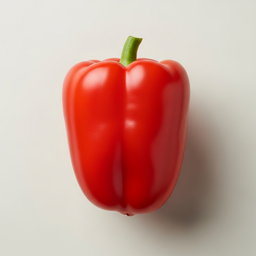 Red Bell Pepper
 Calcium + vitamin C for optimal bone metabolism
Technical: Halloumi contains 700mg calcium per 100g — more than most cheeses. Calcium contributes to the maintenance of normal bones (EFSA). Vitamin C from red bell pepper (128mg/100g) is essential as cofactor for prolyl hydroxylase, the enzyme that builds collagen in bone matrix. Vitamin C contributes to normal collagen formation for the normal function of bones (EFSA).
What does this mean for you? Serve grilled halloumi with red bell pepper in a salad or wrap. The vitamin C from pepper supports collagen formation and the calcium from halloumi contributes to your bones — a scientifically supported combination.
Halloumi Cheese 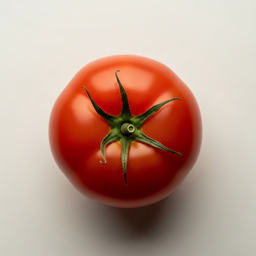 Tomato
 Fat from halloumi increases lycopene absorption from tomato up to 4x
Technical: Halloumi contains 24g fat per 100g, of which 17g saturated. Lycopene from tomato is a fat-soluble carotenoid with bioavailability of only 10-15% without fat. The fat in halloumi promotes micelle formation in the small intestine, efficiently packaging lycopene for absorption. Heating (grilling) tomato breaks down cell walls and further increases lycopene release.
What does this mean for you? Grilled halloumi with roasted tomatoes is a Mediterranean culinary classic — the fat in the cheese ensures you absorb up to 4x more lycopene from the tomato.
Halloumi Cheese 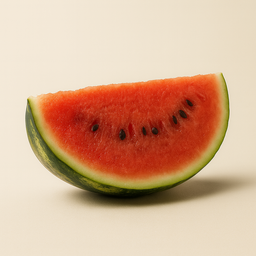 Watermelon
 Protein + electrolytes + citrulline vasodilation = post-exercise recovery
L-citrulline increases arginine→NO vasodilation and improves muscle recovery after exercise (PMID: 26023227)
Technical: Halloumi provides 22g protein per 100g with all essential amino acids for muscle recovery, plus 350mg sodium for electrolyte replenishment. Watermelon contains L-citrulline (250mg/100g) stimulating vasodilation via the arginine→NO pathway, improving blood flow to muscles. Lycopene from watermelon (4532μg/100g) is a carotenoid with antioxidative properties.
What does this mean for you? Halloumi with watermelon (classic Cypriot summer salad) is a post-workout meal. The protein contributes to muscle recovery, citrulline improves circulation via the NO pathway and sodium replenishes your electrolytes.
Recipes with Halloumi Cheese
Discover delicious recipes featuring halloumi cheese:
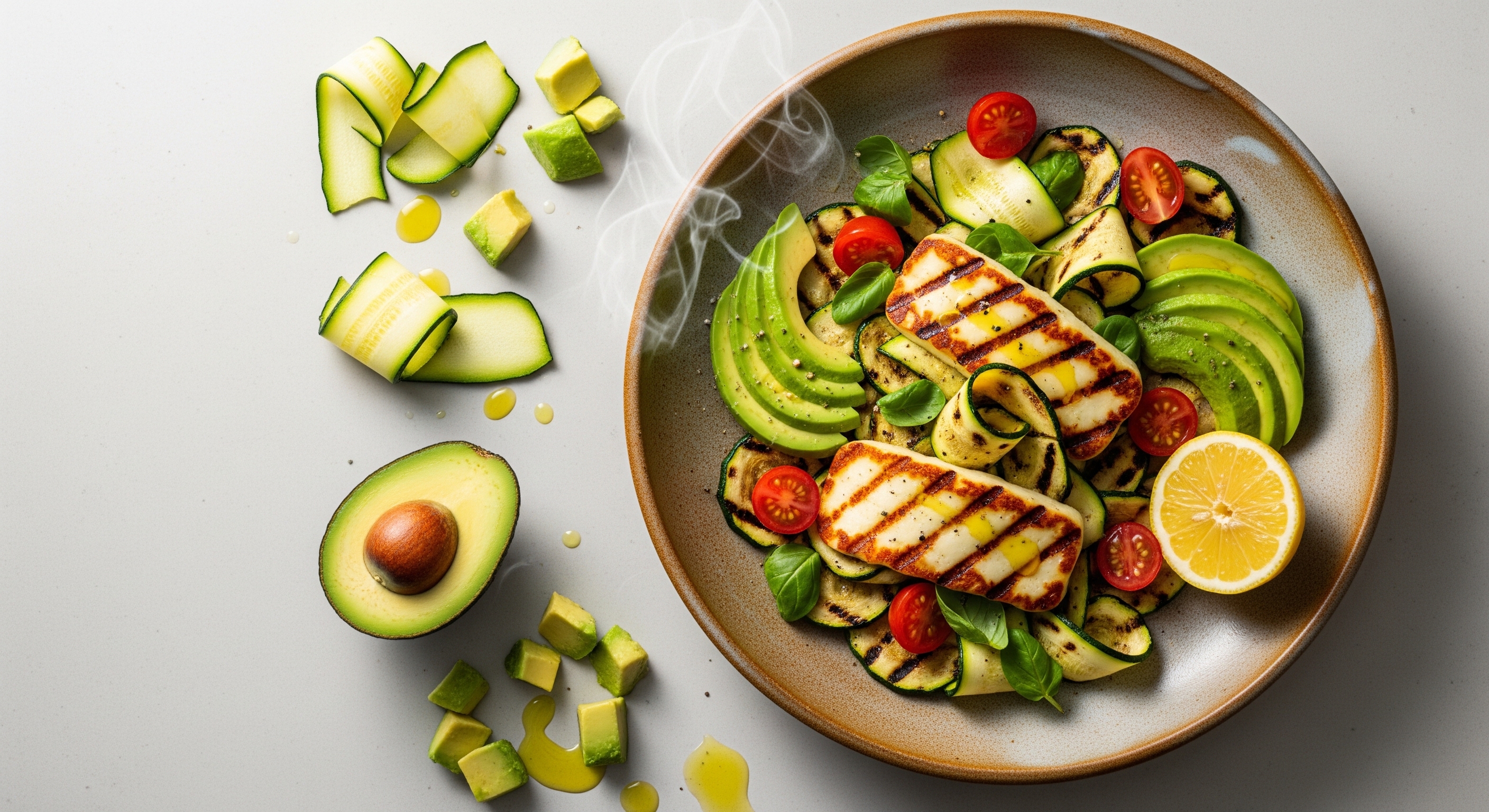 Grilled Halloumi with Zucchini and Avocado 25 min Salty, fresh and creamy from the grill
  465 kcal
  24g protein 2 synergies
 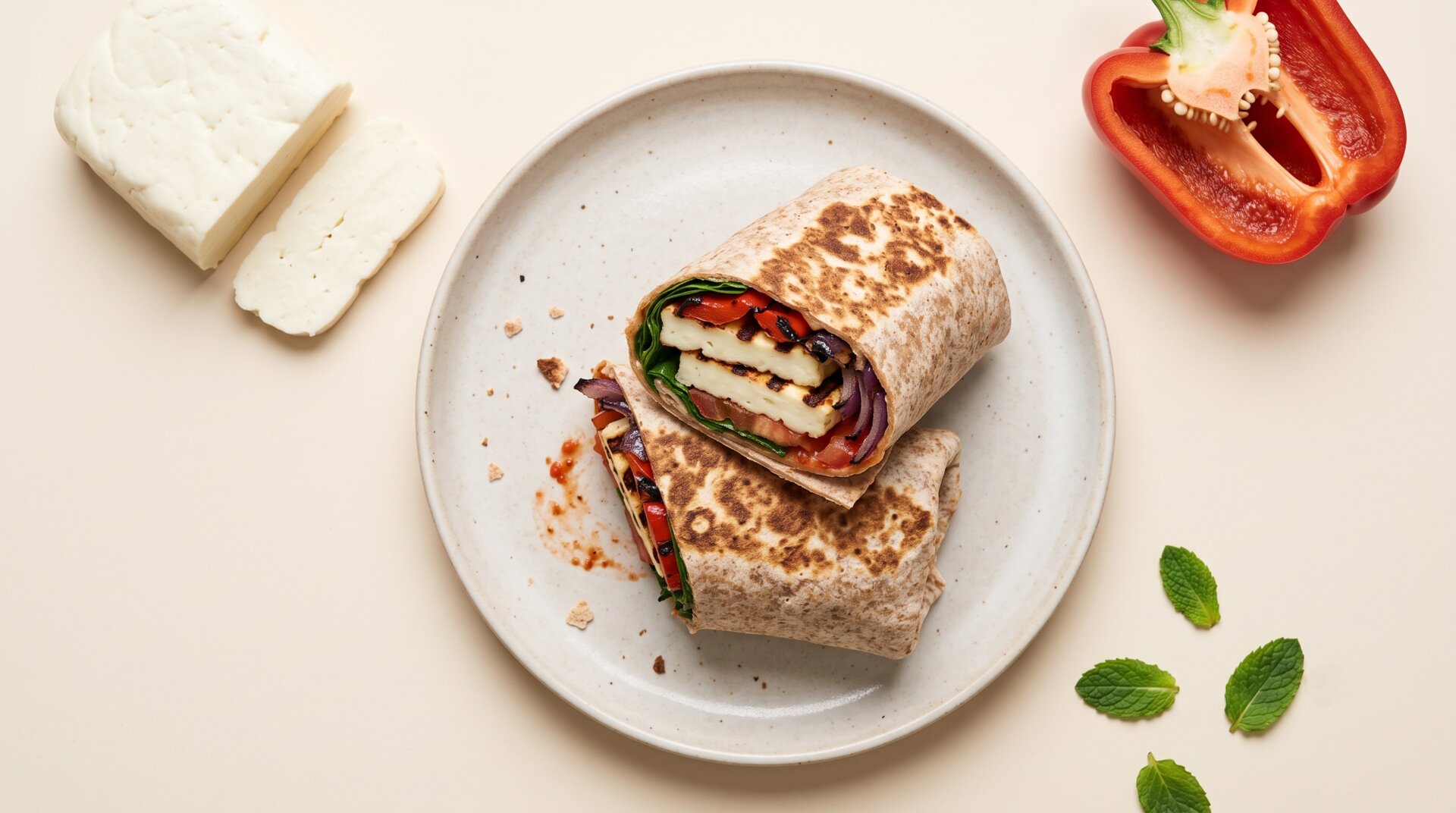 Grilled Halloumi Wrap with Roasted Vegetables 33 min Mediterranean vegetarian wrap with grilled halloumi and sweet roasted vegetables 647 kcal 29g protein 1 synergies
 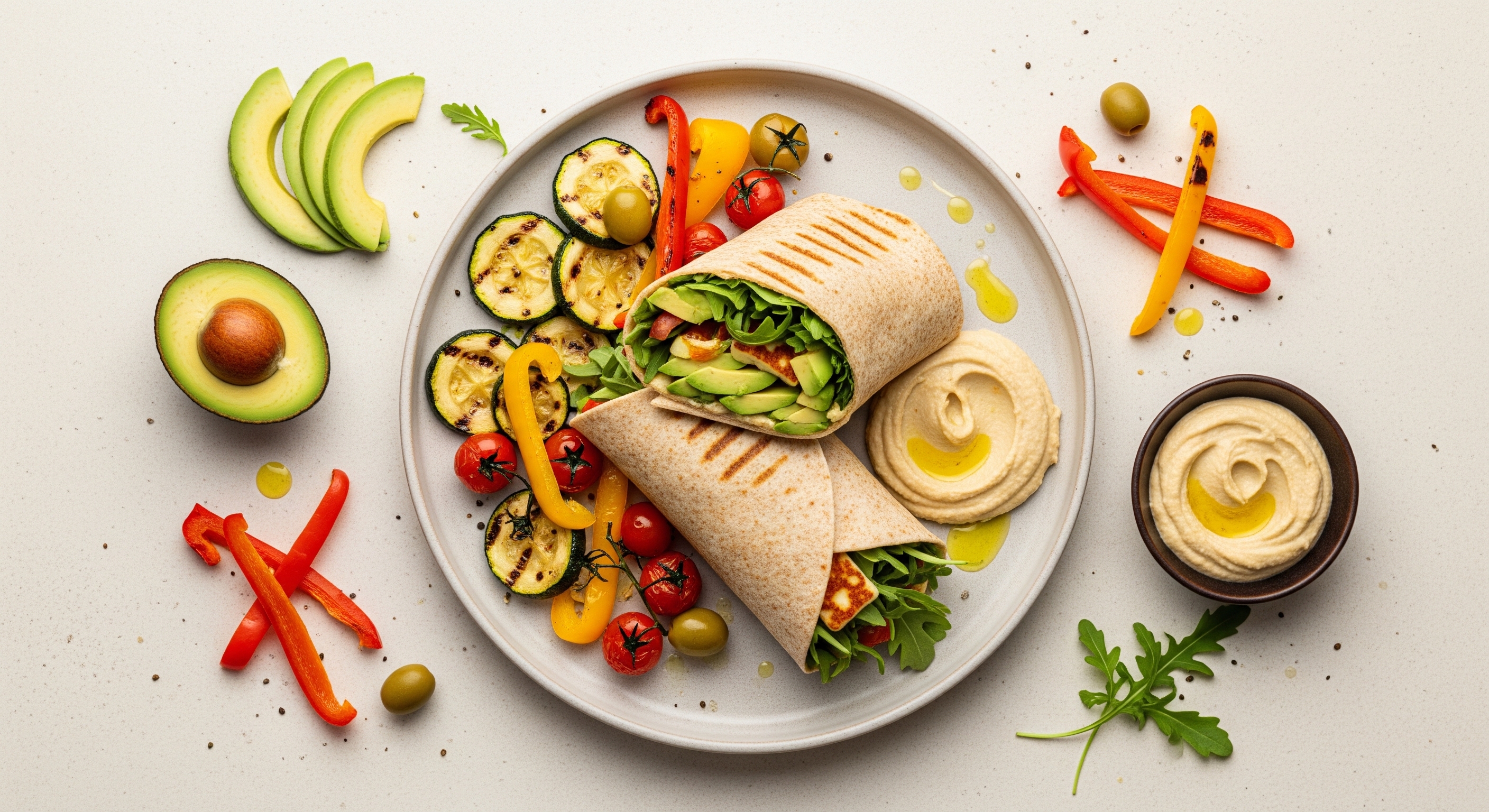 Halloumi & Avocado Wrap with Hummus & Roasted Vegetables 25 min Grilled halloumi and creamy avocado in a whole wheat wrap 712 kcal 28g protein 1 synergies
 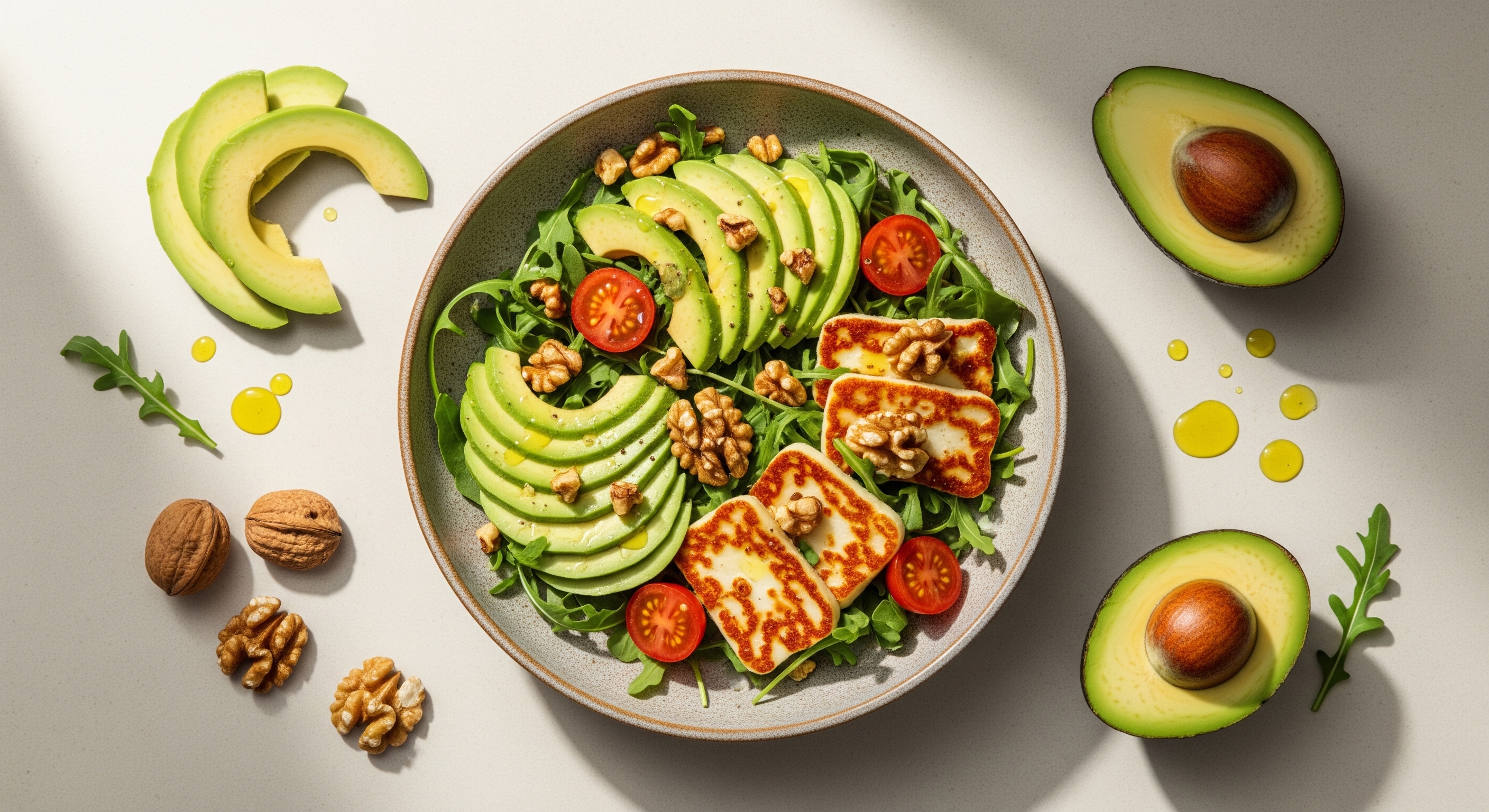 Halloumi Avocado Salad with Walnuts (Low-carb) 20 min Crispy pan-fried halloumi with avocado, walnuts and lemon-arugula bed 560 kcal 24g protein 2 synergies
 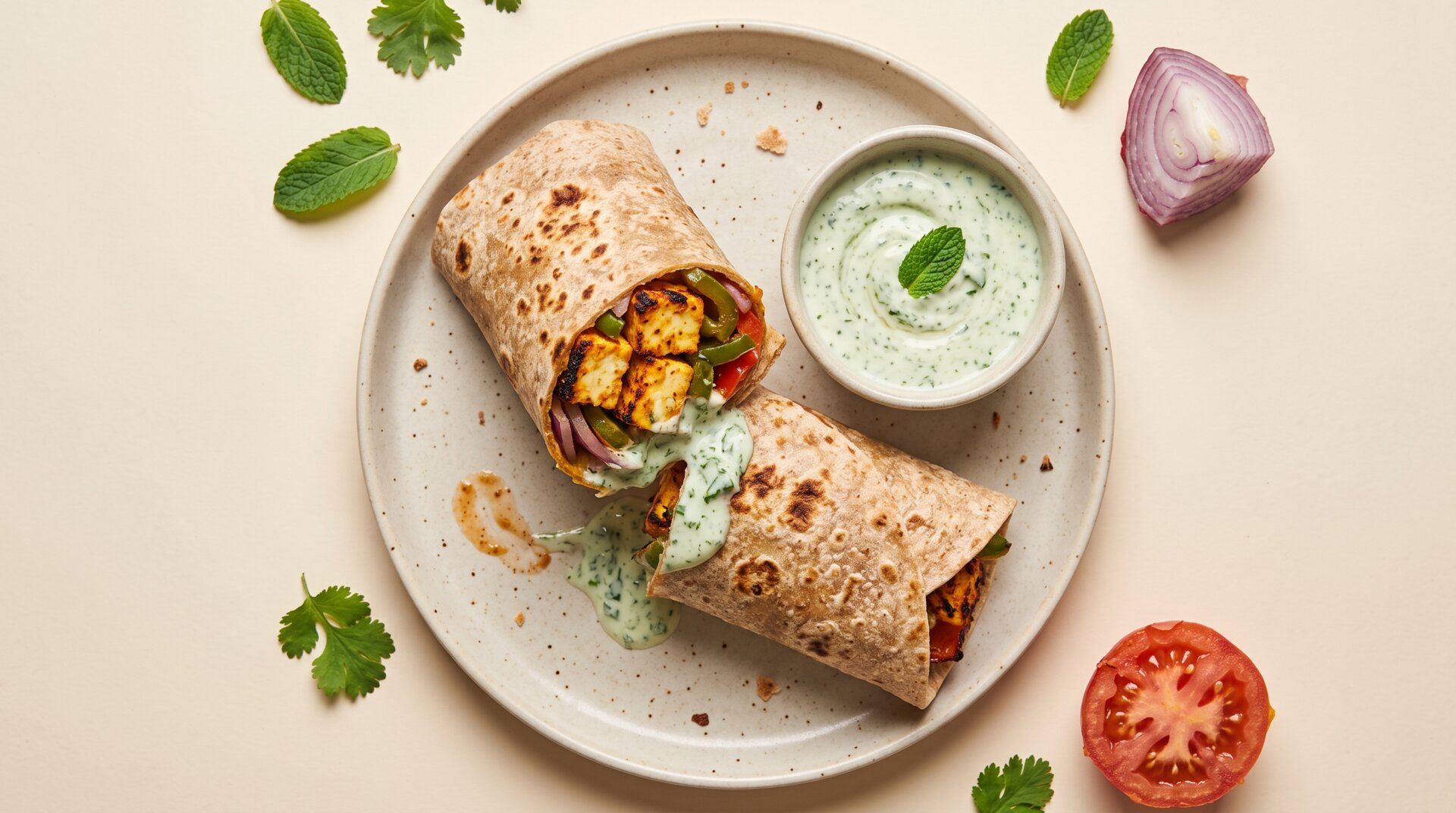 Indian Paneer Tikka Wrap with Mint Raita 55 min Vegetarian wrap with marinated halloumi in tikka spices and refreshing mint raita 713 kcal 32g protein 1 synergies
 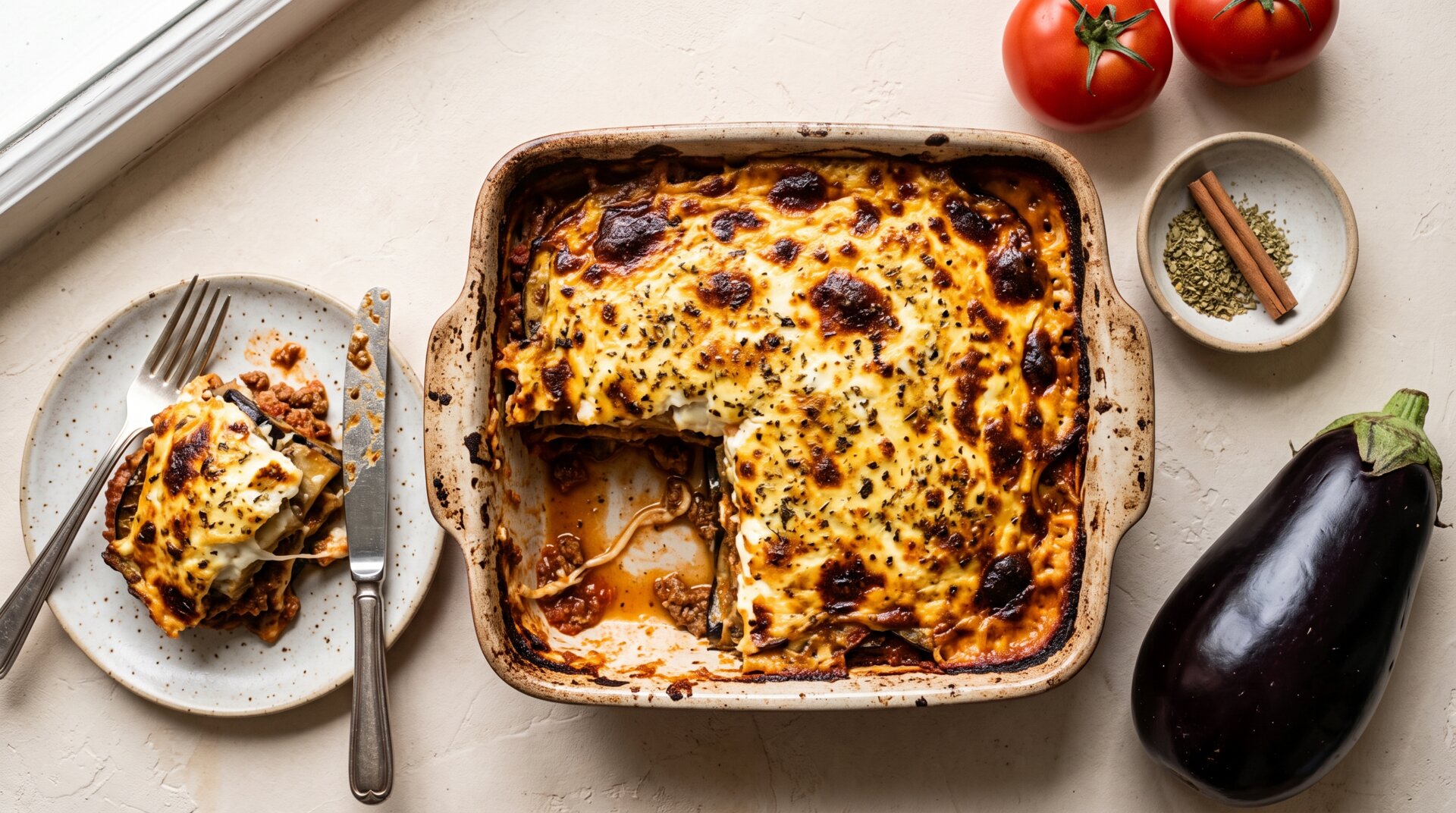 Light Eggplant and Halloumi Moussaka 55 min Greek bake with golden yogurt crust 395 kcal 25g protein 3 synergies
  In the Kitchen
Storage
Location:Refrigerator
Shelf life:6 maanden ongeopend in pekel, 5-7 dagen geopend
Unopened: 6 months refrigerated in brine. Opened: 5-7 days refrigerated, store in lightly salted water (1 tsp salt per 500ml water) to prevent drying. Can be frozen up to 3 months, but texture becomes coarser. Thaw slowly in refrigerator.
Preparation
Cut into 1cm thick slices. Pat dry with paper towel. Grill or fry on medium-high heat 2-3 min per side until golden brown with light scorch marks. No extra salt or oil needed (halloumi releases its own fat). Serve immediately for best texture. Perfect in salads, wraps, on its own with honey drizzle, or as vegetarian burger.
Substitutes
Smart preparation
1Pat halloumi dry before frying for a crispy crust.
2Fry halloumi in a hot dry pan or grill pan, without oil.
Why?
Halloumi contains enough fat to not stick.
3Serve halloumi immediately after frying.
Why?
Halloumi becomes tough and rubbery as it cools.
Caution / Warnings
Halloumi Cheese is very safe, but there are scientific considerations:
Dairy allergy Severe
Halloumi contains milk protein (casein and whey) and must be completely avoided with dairy allergy. Can cause anaphylaxis.
Advice:
Use plant-based alternatives like tofu or tempeh. When in doubt: get an allergy test.
High blood pressure (Hypertension) Moderate
Halloumi contains 350mg sodium per 100g due to brining. This is 15% of maximum daily intake.
Advice:
Limit portion size to 50-60g. Rinse halloumi with water before use to reduce salt. Combine with potassium-rich vegetables (spinach, tomato).
Lactose intolerance Mild
Contains small amounts of lactose (1.5g/100g) which may cause complaints in sensitive individuals.
Advice:
Try a small portion first. Optionally take lactase enzyme. Usually better tolerated than milk.
Cardiovascular conditions Moderate
Contains 17g saturated fat per 100g, which may increase LDL cholesterol with high intake.
Advice:
Limit to 1-2 times per week, portion 40-50g. Combine with fiber-rich vegetables and unsaturated fats (olive oil, nuts). Choose grilled over fried preparation.
Grilling damage (AGEs) Mild
Grilling creates Advanced Glycation End Products (AGEs) that may promote inflammation with high chronic intake.
Advice:
Grill on medium heat (not too high), avoid burnt parts. Marinate with herbs (thyme, oregano) to inhibit AGE formation. Alternate with raw/cooked dairy.
Traditional use
Mediterranean
Halloumi in Cyprus
Halloumi has been produced in Cyprus since the Middle Ages and was an important protein-rich food source for mountain shepherds.
Summary
Halloumi is a unique grilling cheese rich in protein (25g/100g) and calcium. Perfect for vegetarian BBQ, salads and as meat substitute due to firm texture. Watch salt content and portion size. Grill or fry without oil for best result.