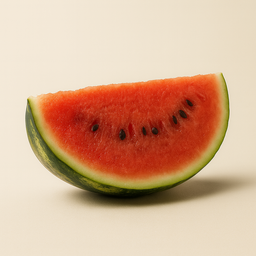
Watermelon
Juicy summer fruit with citrulline
What is this ingredient?
Watermelon (Citrullus lanatus) is made up largely of water, making it a refreshing fruit for warm days. What makes watermelon interesting is its natural L-citrulline content. This compound was first isolated from watermelon and is converted in the body into arginine, a precursor to nitric oxide.
In research, citrulline is studied in relation to vascular function, exercise load and muscle sensations after training. This does not mean watermelon has a medical effect, but it does make it an interesting fruit within sports and nutrition research. The pale rind area close to the peel contains relatively more citrulline, while the red flesh is best known for lycopene, the carotenoid pigment that also gives tomatoes their red color.
Culinarily, watermelon is simple: chilled in cubes, with mint and lime, or in a summer salad with feta. Because of its high water content, it tastes light, juicy and refreshing.
How does it taste?
Refreshingly sweet and very juicy with a subtle grassy accent.
Pairs well with:
Pairs well with fetamintlimebasil and chili.
Sunnah
The Prophet ﷺ used to eat fresh dates with watermelon. It is reported that he said: the heat of one is broken by the coolness of the other.
Abu Dawud #Sunan Abu Dawud 3836
Varieties
Regular watermelon
Large, green striped fruit with red flesh and black seeds.
Seedless watermelon
Convenient for eating directly, with similar culinary uses.
Yellow watermelon
Yellow flesh, honey-like flavor and less lycopene than red varieties.
Did you know...?
- Watermelons likely originate from dry African regions, including areas around the Kalahari.
- Watermelons are about 92% water and were historically valued as a juicy thirst-quencher.
- In Japan, square watermelons are grown in molds, mainly as decorative gift items.
Nutritional Value & Energy
Per 100g
Watermelon is low in calories thanks to natural nutrients .
Per 100g
Minerals
Vitamins
Omega-3 fatty acids
More nutrients
B-Vitamins
Trace Minerals
What's in a serving?
1 serving
Watermelon naturally contains vitamin C (14 mg per 100 g).
% of daily reference intake (DRI)
EU-approved nutrition claims
This ingredient contains nutrients for which EFSA-authorized health claims exist (at nutrient level, not ingredient-specific).
Approved health claims (EU)
Vitamin_c EU 432/2012
Vitamin C contributes to the normal function of the immune system
Contains 14mg/100g (threshold: ≥12mg/100g)
Vitamin_c EU 432/2012
Vitamin C contributes to the reduction of tiredness and fatigue
Contains 14mg/100g (threshold: ≥12mg/100g)
Vitamin_c EU 432/2012
Vitamin C contributes to normal collagen formation for the normal function of skin
Contains 14mg/100g (threshold: ≥12mg/100g)
Vitamin_c EU 432/2012
Vitamin C contributes to normal collagen formation for the normal function of blood vessels
Contains 14mg/100g (threshold: ≥12mg/100g)
Vitamin_c EU 432/2012
Vitamin C contributes to normal collagen formation for the normal function of bones
Contains 14mg/100g (threshold: ≥12mg/100g)
Vitamin_c EU 432/2012
Vitamin C contributes to normal collagen formation for the normal function of cartilage
Contains 14mg/100g (threshold: ≥12mg/100g)
Vitamin_c EU 432/2012
Vitamin C contributes to normal collagen formation for the normal function of gums
Contains 14mg/100g (threshold: ≥12mg/100g)
Vitamin_c EU 432/2012
Vitamin C contributes to normal collagen formation for the normal function of teeth
Contains 14mg/100g (threshold: ≥12mg/100g)
Vitamin_c EU 432/2012
Vitamin C contributes to normal energy-yielding metabolism
Contains 14mg/100g (threshold: ≥12mg/100g)
Vitamin_c EU 432/2012
Vitamin C contributes to normal functioning of the nervous system
Contains 14mg/100g (threshold: ≥12mg/100g)
Vitamin_c EU 432/2012
Vitamin C contributes to normal psychological function
Contains 14mg/100g (threshold: ≥12mg/100g)
Vitamin_c EU 432/2012
Vitamin C contributes to the protection of cells from oxidative stress
Contains 14mg/100g (threshold: ≥12mg/100g)
Vitamin_c EU 432/2012
Vitamin C contributes to the regeneration of the reduced form of vitamin E
Contains 14mg/100g (threshold: ≥12mg/100g)
Vitamin_c EU 432/2012
Vitamin C increases iron absorption
Contains 14mg/100g (threshold: ≥12mg/100g)
Vitamin_c EU 432/2012
Vitamin C contributes to maintain the normal function of the immune system during and after intense physical exercise
Contains 14mg/100g (threshold: ≥12mg/100g)
What's being researched?
Citrulline and vascular function
L-citrulline in watermelon is being studied in relation to nitric oxide production and vascular function. Clinical studies often use juice or extracts; this is not the same as an ingredient-specific health claim for ordinary consumption.
Supported by: [2] Figueroa A (2017)
Lycopene in watermelon
Watermelon contains lycopene, a carotenoid pigment being studied for antioxidant activity and bioavailability. The relevance for specific health effects depends on dose, dietary pattern and study design.
Supported by: [4] Edwards (2003)
Good Combinations (Synergy)
Combine watermelon smartly to enhance the effect:
Watermelon 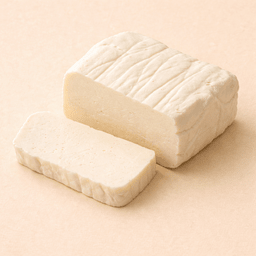 Halloumi Cheese
 Protein + electrolytes + citrulline vasodilation = post-exercise recovery
L-citrulline increases arginine→NO vasodilation and improves muscle recovery after exercise (PMID: 26023227)
Technical: Halloumi provides 22g protein per 100g with all essential amino acids for muscle recovery, plus 350mg sodium for electrolyte replenishment. Watermelon contains L-citrulline (250mg/100g) stimulating vasodilation via the arginine→NO pathway, improving blood flow to muscles. Lycopene from watermelon (4532μg/100g) is a carotenoid with antioxidative properties.
What does this mean for you? Halloumi with watermelon (classic Cypriot summer salad) is a post-workout meal. The protein contributes to muscle recovery, citrulline improves circulation via the NO pathway and sodium replenishes your electrolytes.
Watermelon 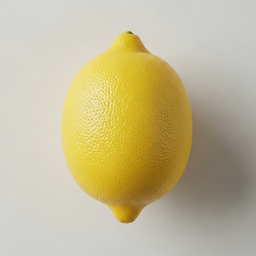 Lemon
Lemon Citrulline + vitamin C for muscle recovery and immunity
Technical: Watermelon contains citrulline (250mg per 100g) — an amino acid converted in the kidneys to arginine, which then produces nitric oxide (NO) for vasodilation. Vitamin C from lemon (53mg per 100g) is a co-factor for NO synthase (the enzyme producing NO) and protects NO from oxidative degradation, keeping it active longer.
What does this mean for you? Mix watermelon juice with lemon juice for a natural sports drink. The citrulline improves blood flow to muscles, the vitamin C supports this process. Refreshing, hydrating and functional.
Watermelon 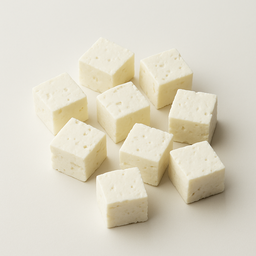 Feta Cheese
 Classic summer combination: hydration + calcium for muscles
Technical: Watermelon is 92% water and contains citrulline (250mg/100g) for vasodilation and electrolytes. Feta provides calcium (493mg/100g) and salt for electrolyte balance. The combination is ideal for hydration and muscle function.
What does this mean for you? The classic watermelon-feta salad is not only refreshing but also perfect for hot days - watermelon hydrates while feta replenishes electrolytes.
Watermelon 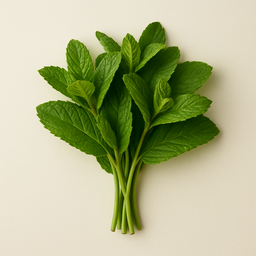 Mint
Mint Cooling combination for digestion and hydration
Technical: Watermelon contains 92% water and citrulline. Mint contains menthol that activates cooling receptors (TRPM8) and calms the stomach. Together they provide ultimate cooling and support digestion.
What does this mean for you? Add fresh mint to watermelon for a refreshing snack that also helps with bloating or indigestion.
Recipes with Watermelon
Discover delicious recipes featuring watermelon:
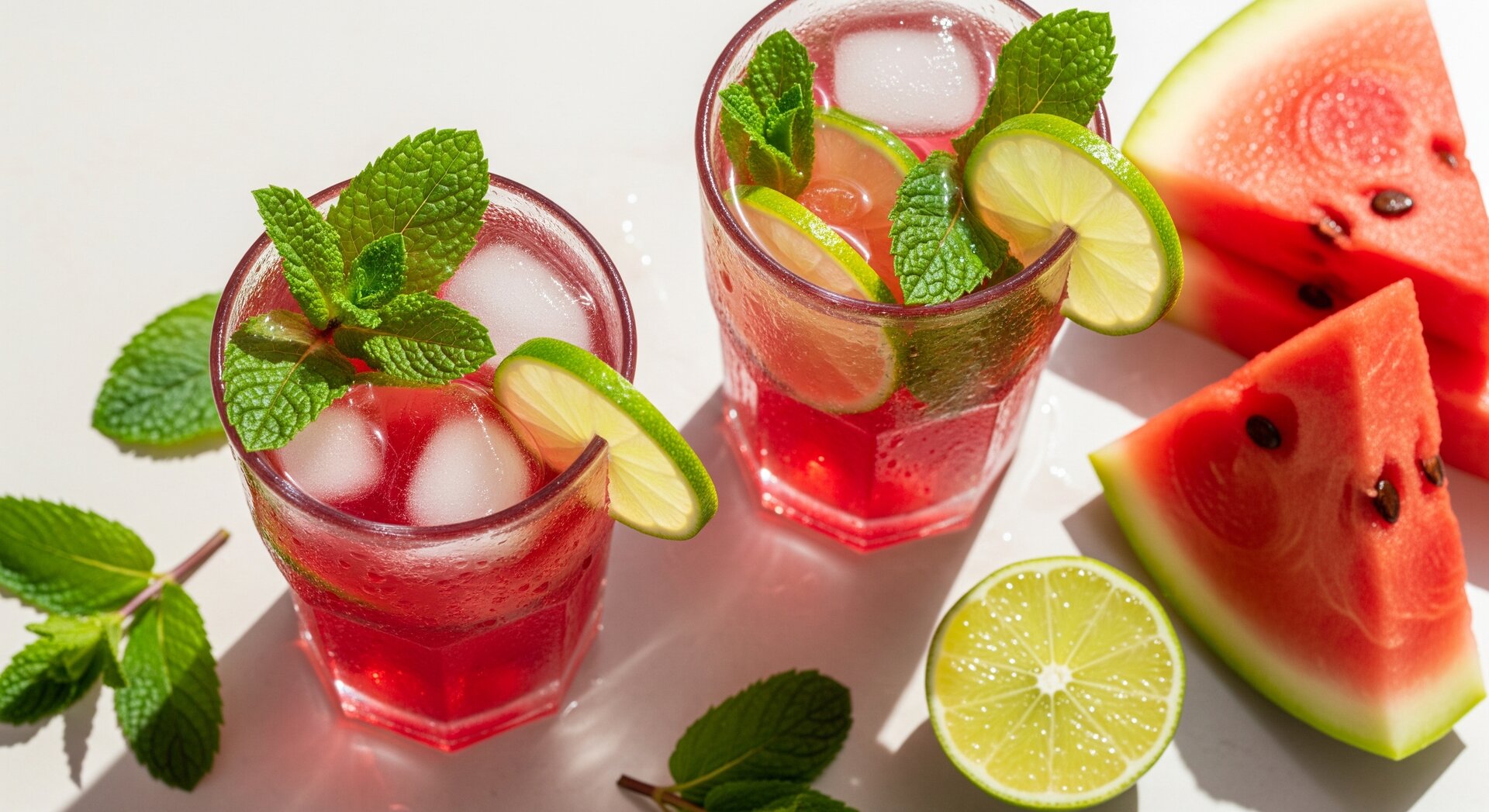 Watermelon Mint Agua Fresca 5 min Mexican refreshing fruit drink with watermelon and mint
  110 kcal
  2g protein 1 synergies
 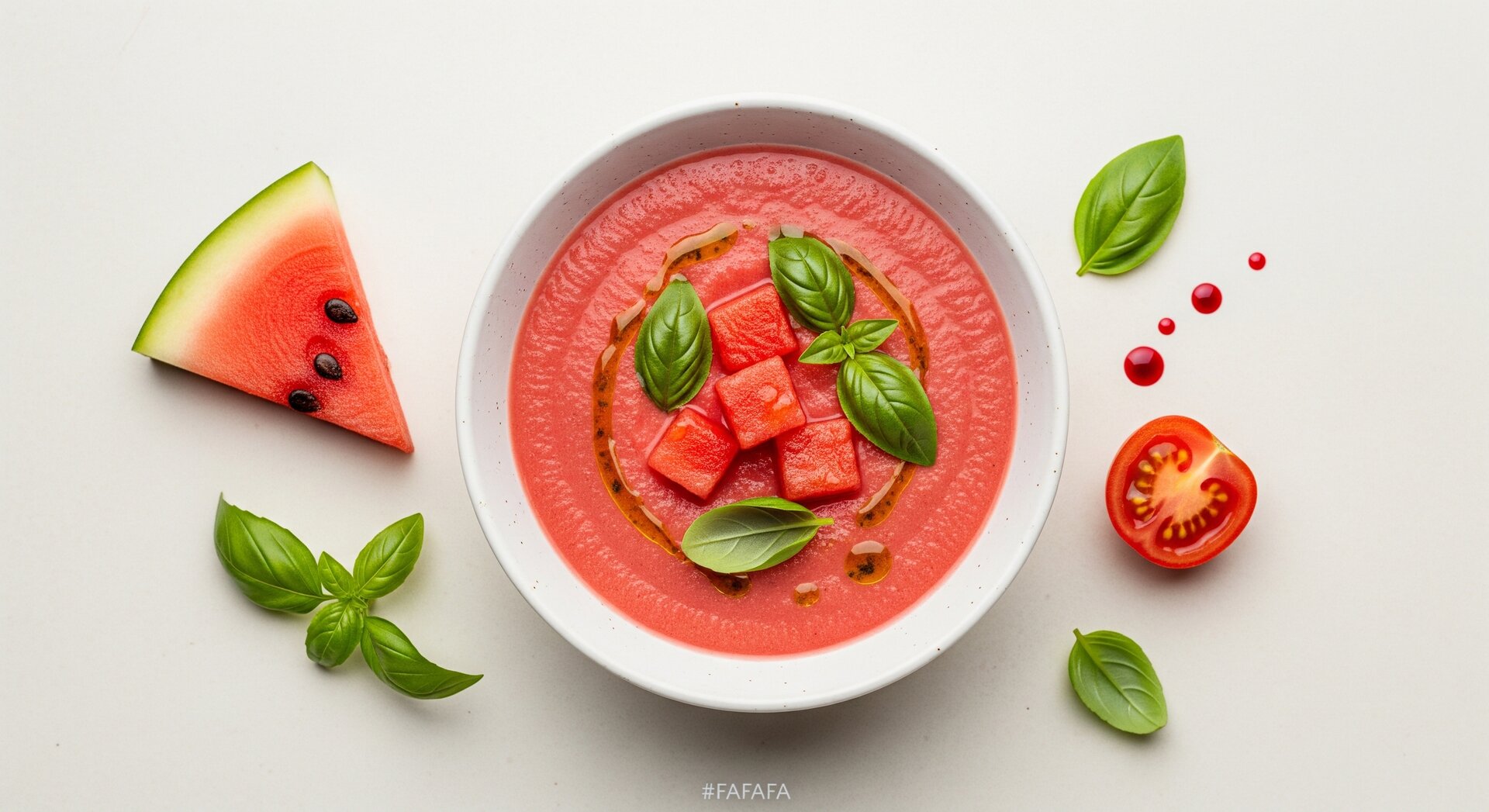 Chilled Watermelon Tomato Soup with Basil 15 min Fresh summer soup with watermelon, ripe tomato and basil 133 kcal 3g protein 1 synergies
 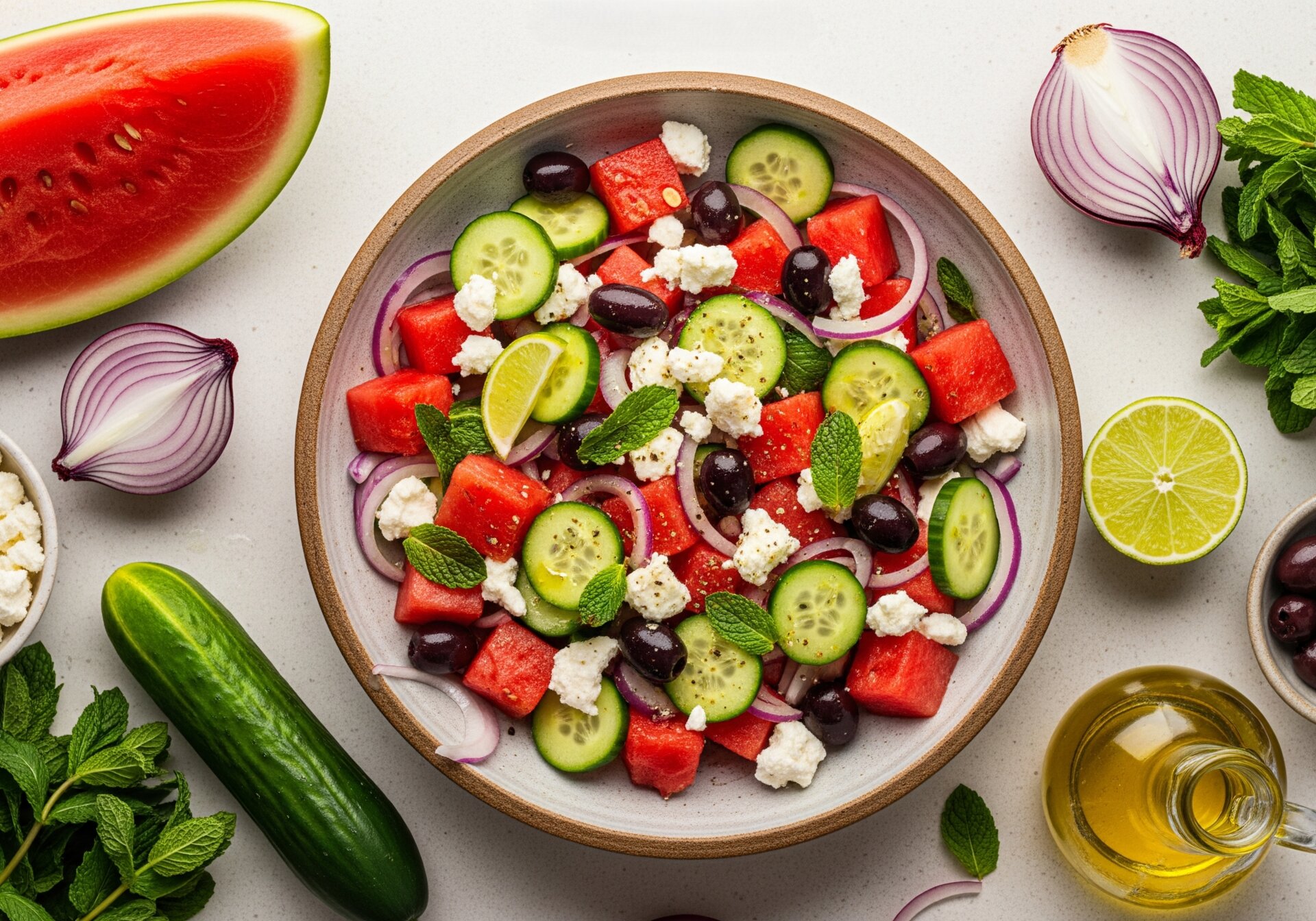 Watermelon Feta Salad 15 min Refreshing summer salad with watermelon, feta and mint 200 kcal 8g protein 1 synergies
  In the Kitchen
Storage
Location:Refrigerator
Shelf life:2 weken heel, 3-5 dagen aangesneden
A whole watermelon can be kept briefly at room temperature. Once cut: cover and store in the refrigerator. Chill well before serving for the best flavor.
Preparation
Watermelon is usually eaten raw and chilled. Cut it into cubes, sticks or wedges, blend into a smoothie or make sorbet. You can eat slightly closer to the pale rind for more citrulline. Pair with lime, mint, basil, chili or feta for a fresh sweet-salty balance.
Conversions
Substitutes
Smart preparation
1Cut watermelon into sticks instead of triangles for less mess.
2Store cut watermelon covered in the fridge; the flesh absorbs odors quickly.
3Combine watermelon with feta and mint for a refreshing summer salad.
Caution / Warnings
Watermelon is very safe, but there are scientific considerations:
Kidney Problems Mild
Because of its high water content and natural potassium content, a large portion may be less suitable with severe kidney problems or strict fluid guidance.
Advice:
With severe kidney insufficiency or fluid restriction: consult a doctor or dietitian about suitable portions.
FODMAP Sensitivity Moderate
Watermelon contains fructose and polyols. In some people with irritable bowel syndrome, larger portions may cause symptoms.
Advice:
With IBS or FODMAP sensitivity: start with a small portion and monitor your response.
Traditional use
African
African origin crop
Watermelon originates from Africa, where wild forms have long been valued as water-rich fruits during dry periods.
Islamic tradition
Fruit valued in Islamic food culture
In Islamic narrations, watermelon is mentioned together with dates. The combination is mainly valued culturally and culinarily for the contrast between juicy freshness and sweetness.
Traditional Chinese Medicine
Chinese Xi Gua as cooling summer fruit
In Chinese dietary tradition, watermelon (Xi Gua) is traditionally associated with cooling and thirst-quenching dishes. The rind is sometimes used culinarily in stir-fries or pickled preparations.
Summary
Watermelon is a juicy summer fruit that naturally contains a lot of water. It contains citrulline, especially closer to the pale rind, and lycopene in the red flesh. These compounds are being studied in relation to vascular function, exercise and antioxidant activity. Enjoy chilled, with mint, lime or feta.