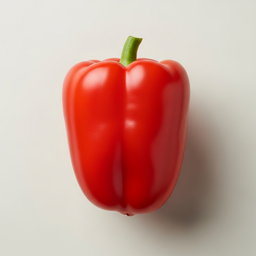
Red Bell Pepper
The Vitamin C King
What is this ingredient?
Red bell pepper is a fully ripe pepper (green pepper is the same fruit, but unripe). Due to the longer ripening time, red pepper contains significantly more nutrients and is sweeter.
Expert Tip: Color determines everything. Green = unripe, Yellow/Orange = half-ripe, Red = fully ripe. The darker red, the more vitamin C, beta-carotene and antioxidants. Red pepper contains up to 11x more beta-carotene than green pepper.
How does it taste?
Pronouncedly sweet and juicy with a rich, almost fruity flavor.
Pairs well with:
Pairs well with fetaolivesgarlicbasil and balsamic vinegar.
Did you know...?
- A red bell pepper is a fully ripe green pepper and contains 11x more beta-carotene.
- It takes 2-3 weeks longer to grow a red pepper than a green one, hence the higher price.
Nutritional Value & Energy
Per 100g
Red Bell Pepper is low in calories thanks to natural nutrients , buffered by fiber.
Per 100g
Minerals
Vitamins
Omega-3 fatty acids
More nutrients
B-Vitamins
Trace Minerals
What's in a serving?
1 serving
Red Bell Pepper naturally contains vitamin a (157 mcg per 100 g).
Red Bell Pepper naturally contains vitamin c (128 mg per 100 g).
Red Bell Pepper naturally contains folate (46 mcg per 100 g).
% of daily reference intake (DRI)
EU-approved nutrition claims
This ingredient contains nutrients for which EFSA-authorized health claims exist (at nutrient level, not ingredient-specific).
Approved health claims (EU)
Vitamin_c EU 432/2012
Vitamin C contributes to the normal function of the immune system
Contains 128mg/100g (threshold: ≥12mg/100g)
Vitamin_c EU 432/2012
Vitamin C contributes to the reduction of tiredness and fatigue
Contains 128mg/100g (threshold: ≥12mg/100g)
Vitamin_c EU 432/2012
Vitamin C contributes to normal collagen formation for the normal function of skin
Contains 128mg/100g (threshold: ≥12mg/100g)
Folate EU 432/2012
Folate contributes to normal blood formation
Contains 46mcg/100g (threshold: ≥30mcg/100g)
Vitamin_a EU 432/2012
Vitamin A contributes to the normal function of the immune system
Contains 157mcg/100g (threshold: ≥120mcg/100g)
Vitamin_a EU 432/2012
Vitamin A contributes to the maintenance of normal skin
Contains 157mcg/100g (threshold: ≥120mcg/100g)
Vitamin_a EU 432/2012
Vitamin A contributes to the maintenance of normal mucous membranes
Contains 157mcg/100g (threshold: ≥120mcg/100g)
Vitamin_a EU 432/2012
Vitamin A contributes to the maintenance of normal vision
Contains 157mcg/100g (threshold: ≥120mcg/100g)
Vitamin_a EU 432/2012
Vitamin A contributes to normal iron metabolism
Contains 157mcg/100g (threshold: ≥120mcg/100g)
Vitamin_a EU 432/2012
Vitamin A has a role in the process of cell specialisation
Contains 157mcg/100g (threshold: ≥120mcg/100g)
Folate EU 432/2012
Folate contributes to normal amino acid synthesis
Contains 46mcg/100g (threshold: ≥30mcg/100g)
Folate EU 432/2012
Folate contributes to normal homocysteine metabolism
Contains 46mcg/100g (threshold: ≥30mcg/100g)
Folate EU 432/2012
Folate contributes to normal psychological function
Contains 46mcg/100g (threshold: ≥30mcg/100g)
Folate EU 432/2012
Folate contributes to the normal function of the immune system
Contains 46mcg/100g (threshold: ≥30mcg/100g)
Folate EU 432/2012
Folate has a role in the process of cell division
Contains 46mcg/100g (threshold: ≥30mcg/100g)
Folate EU 432/2012
Folate contributes to maternal tissue growth during pregnancy
Contains 46mcg/100g (threshold: ≥30mcg/100g)
Vitamin_c EU 432/2012
Vitamin C contributes to normal collagen formation for the normal function of blood vessels
Contains 128mg/100g (threshold: ≥12mg/100g)
Vitamin_c EU 432/2012
Vitamin C contributes to normal collagen formation for the normal function of bones
Contains 128mg/100g (threshold: ≥12mg/100g)
Vitamin_c EU 432/2012
Vitamin C contributes to normal collagen formation for the normal function of cartilage
Contains 128mg/100g (threshold: ≥12mg/100g)
Vitamin_c EU 432/2012
Vitamin C contributes to normal collagen formation for the normal function of gums
Contains 128mg/100g (threshold: ≥12mg/100g)
Vitamin_c EU 432/2012
Vitamin C contributes to normal collagen formation for the normal function of teeth
Contains 128mg/100g (threshold: ≥12mg/100g)
Vitamin_c EU 432/2012
Vitamin C contributes to normal energy-yielding metabolism
Contains 128mg/100g (threshold: ≥12mg/100g)
Vitamin_c EU 432/2012
Vitamin C contributes to normal functioning of the nervous system
Contains 128mg/100g (threshold: ≥12mg/100g)
Vitamin_c EU 432/2012
Vitamin C contributes to normal psychological function
Contains 128mg/100g (threshold: ≥12mg/100g)
Vitamin_c EU 432/2012
Vitamin C contributes to the protection of cells from oxidative stress
Contains 128mg/100g (threshold: ≥12mg/100g)
Vitamin_c EU 432/2012
Vitamin C contributes to the regeneration of the reduced form of vitamin E
Contains 128mg/100g (threshold: ≥12mg/100g)
Vitamin_c EU 432/2012
Vitamin C increases iron absorption
Contains 128mg/100g (threshold: ≥12mg/100g)
Vitamin_c EU 432/2012
Vitamin C contributes to maintain the normal function of the immune system during and after intense physical exercise
Contains 128mg/100g (threshold: ≥12mg/100g)
Comparison
vssinaasappel
Red Bell Pepper contains about 2× more vitamin C per 100g than orange.
What's being researched?
Vitamin C density and bioavailability
Red bell pepper contains one of the highest vitamin C concentrations of all vegetables. Research confirms excellent bioavailability and its role as an antioxidant in protecting against oxidative stress.
Supported by: [1] Carr (2017) , [2] Fiedor (2014)
Capsanthin and skin research
Capsanthin, the red pigment in red bell pepper, is being studied for potential skin-protective properties. Preliminary research is promising, but clinical confirmation is still lacking.
Supported by: [1] Carr (2017) , [2] Fiedor (2014)
Good Combinations (Synergy)
Combine red bell pepper smartly to enhance the effect:
Red Bell Pepper 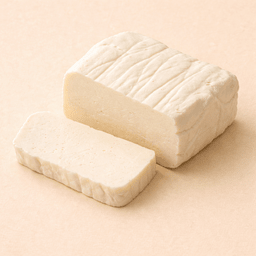 Halloumi Cheese
 Calcium + vitamin C for optimal bone metabolism
Technical: Halloumi contains 700mg calcium per 100g — more than most cheeses. Calcium contributes to the maintenance of normal bones (EFSA). Vitamin C from red bell pepper (128mg/100g) is essential as cofactor for prolyl hydroxylase, the enzyme that builds collagen in bone matrix. Vitamin C contributes to normal collagen formation for the normal function of bones (EFSA).
What does this mean for you? Serve grilled halloumi with red bell pepper in a salad or wrap. The vitamin C from pepper supports collagen formation and the calcium from halloumi contributes to your bones — a scientifically supported combination.
Red Bell Pepper 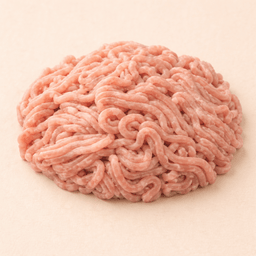 Turkey Mince
 Vitamin C enhances iron absorption from turkey meat
Technical: Turkey mince contains heme iron (approx. 1.4mg/100g) absorbed at 15-35%, plus non-heme iron that is poorly absorbed. Vitamin C from bell pepper (128mg/100g red pepper) reduces non-heme iron from Fe³⁺ to the bioavailable Fe²⁺ form and stimulates ferroportin expression. Additionally, turkey provides B6 (0.5mg/100g) supporting hemoglobin synthesis — giving the iron a direct destination.
What does this mean for you? Cook turkey mince with bell pepper for an iron-rich meal. The vitamin C from pepper maximizes iron absorption, while B6 from turkey directly deploys the iron for oxygen transport.
Red Bell Pepper 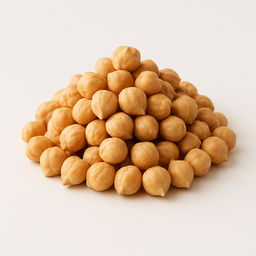 Chickpeas
 Vitamin C increases iron absorption from chickpeas
Technical: Chickpeas (base of hummus) contain 2.9mg non-heme iron per 100g with high phytate concentration. Red bell pepper provides 128mg vitamin C per 100g — the highest of all vegetables. This reduces Fe³⁺ to Fe²⁺ and completely overcomes phytate inhibition. The combination increases iron absorption by factor 4-6.
What does this mean for you? Dip red bell pepper strips in hummus — this isn't just a popular snack but also nutritionally optimal. The pepper provides the vitamin C needed to absorb iron from the chickpeas. Yellow pepper also works well (183mg vitamin C).
Red Bell Pepper 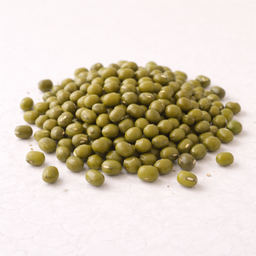 Mung Beans
 Vitamin C from bell pepper increases iron absorption from mung beans up to 4x
Vitamin C increases non-heme iron absorption and overcomes phytate inhibition (PMID: 2507689)
Technical: Mung beans contain 1.4mg iron per 100g cooked, but also phytic acid that blocks mineral absorption. Red bell pepper contains 128mg vitamin C per 100g (213% RDI!) which reduces Fe³⁺ to the more absorbable Fe²⁺. Additionally, vitamin C forms chelates that bypass phytate binding. Studies show 3-4x higher iron absorption.
What does this mean for you? Always add colored bell pepper to dishes with mung beans — think stir-fries, salads or curries. That extra pepper makes the difference between 'I eat healthy' and 'my body actually absorbs those nutrients'.
Red Bell Pepper 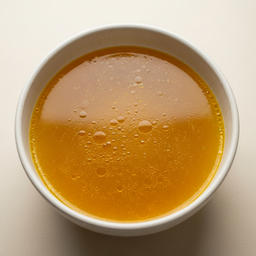 Bone Broth
 Vitamin C activates collagen synthesis
Technical: Bone broth contains hydrolyzed collagen (type I and III), but human collagen synthesis requires prolyl and lysyl hydroxylase — enzymes needing vitamin C as cofactor. Red pepper provides 127mg vitamin C per 100g (211% RDI), fully activating collagen synthesis.
What does this mean for you? Drink bone broth with pieces of red pepper alongside. Without vitamin C your body cannot convert broth collagen into your own collagen. Vitamin C contributes to normal collagen formation (EFSA-approved).
Red Bell Pepper  Eggs
Eggs Lutein + zeaxanthin from two sources with fat enhancement
Technical: Red pepper contains 1624μg lutein + zeaxanthin per 100g, eggs provide 353μg per yolk. Both carotenoids accumulate in the eye's macula and filter blue light. Egg yolk increases bioavailability of pepper's carotenoids by providing fats and phospholipids.
What does this mean for you? Make an omelet with red pepper for maximum lutein dose. The yolk not only contains its own lutein but also makes pepper's lutein more absorbable through its fats. Two sources, one fat matrix.
Red Bell Pepper 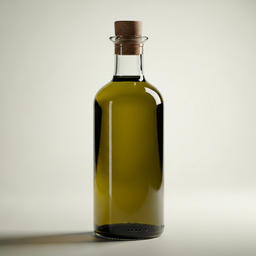 Olive Oil
 Fat improves carotenoid absorption
Technical: Red pepper contains 3131μg beta-carotene per 100g — significantly more than green (208μg). Carotenoids are absorbed via passive transport with mixed micelles. Oleic acid (73% of olive oil) forms these micelles and increases beta-carotene absorption up to 5x (American Journal of Clinical Nutrition).
What does this mean for you? Roasted pepper with olive oil isn't just tasty but increases beta-carotene absorption up to 5x. Your body can barely absorb it without fat.
Recipes with Red Bell Pepper
Discover delicious recipes featuring red bell pepper:
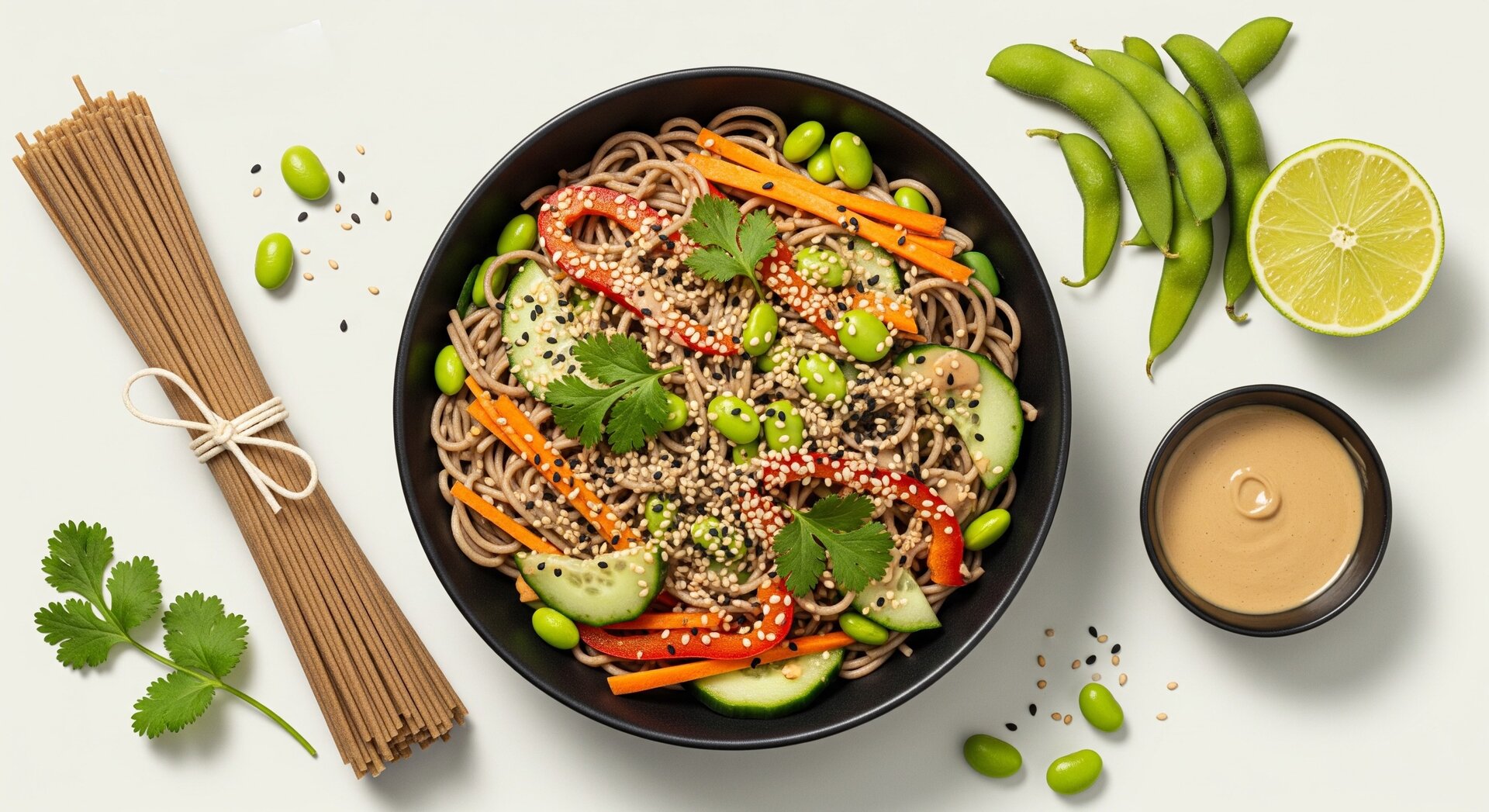 Asian Sesame-Soba Noodle Salad with Edamame 25 min Cold noodle salad with sesame dressing and edamame
  751 kcal
  31g protein 1 synergies
 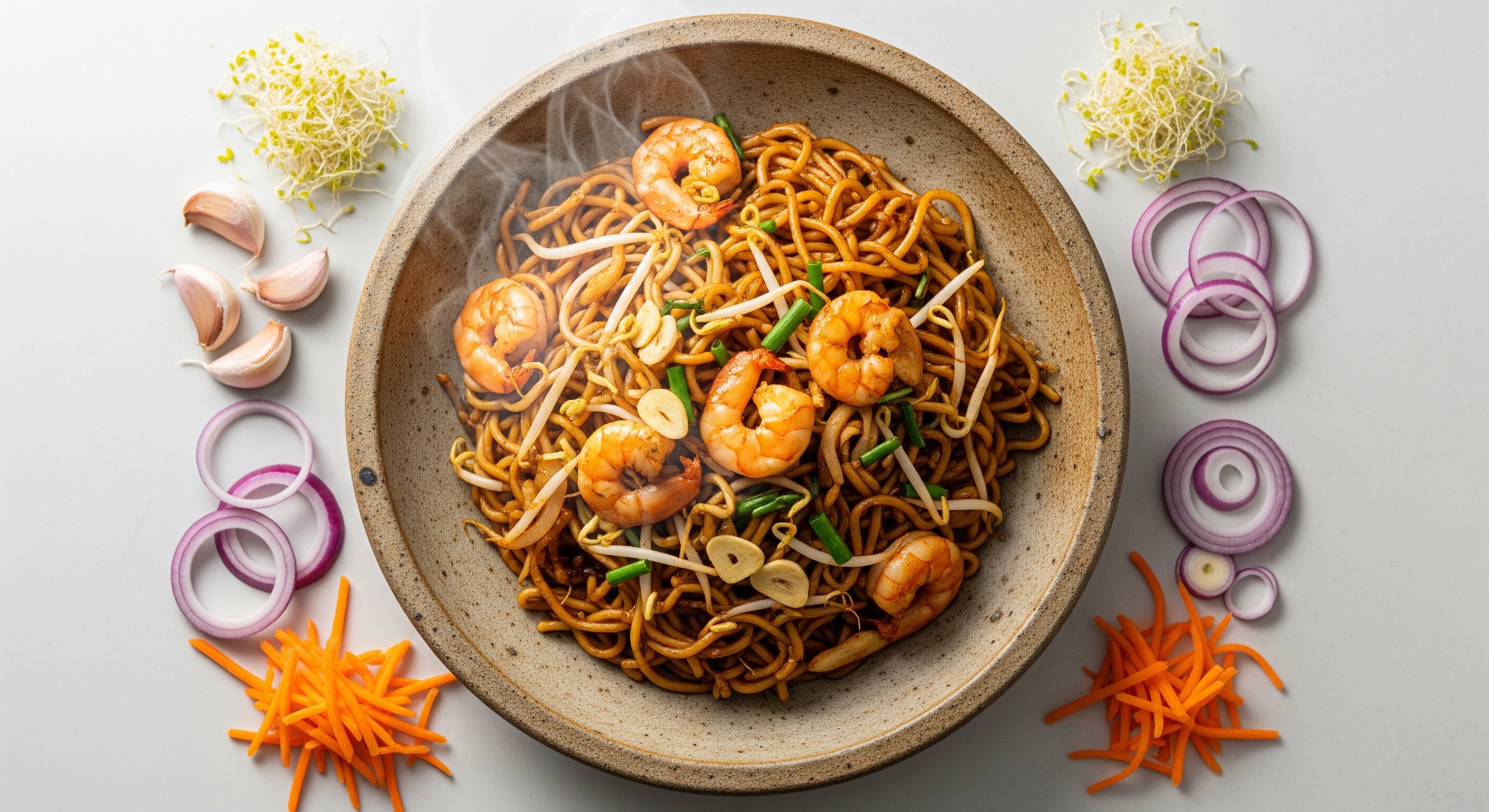 Bami Goreng with Shrimp and Bean Sprouts 30 min Indonesian stir-fry with crispy vegetables and sweet soy sauce 630 kcal 34g protein 2 synergies
 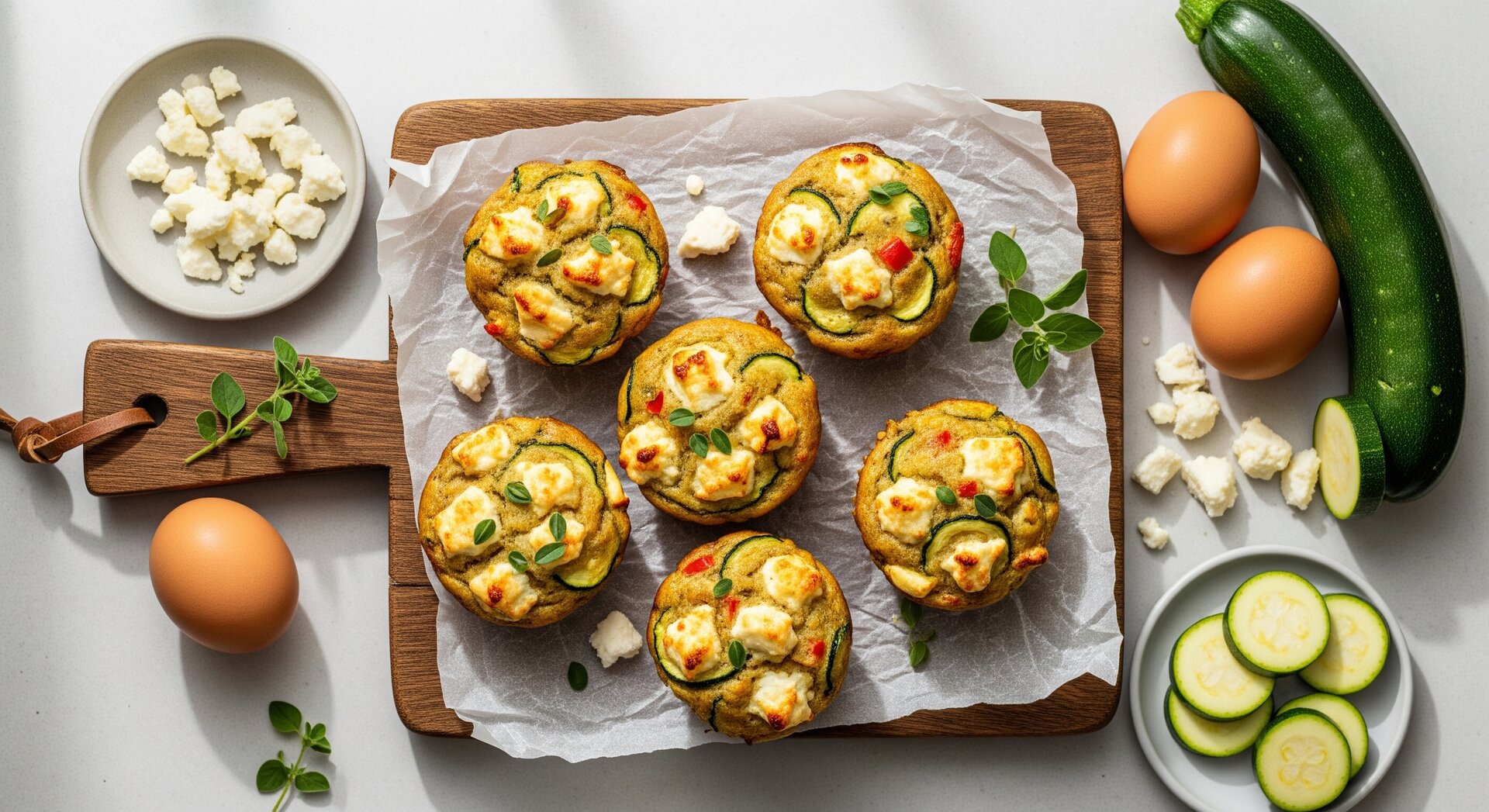 Egg Courgette Feta Muffins with Herbs 30 min Savoury low-carb muffins with grated courgette, crumbled feta and oregano 460 kcal 28g protein 2 synergies
 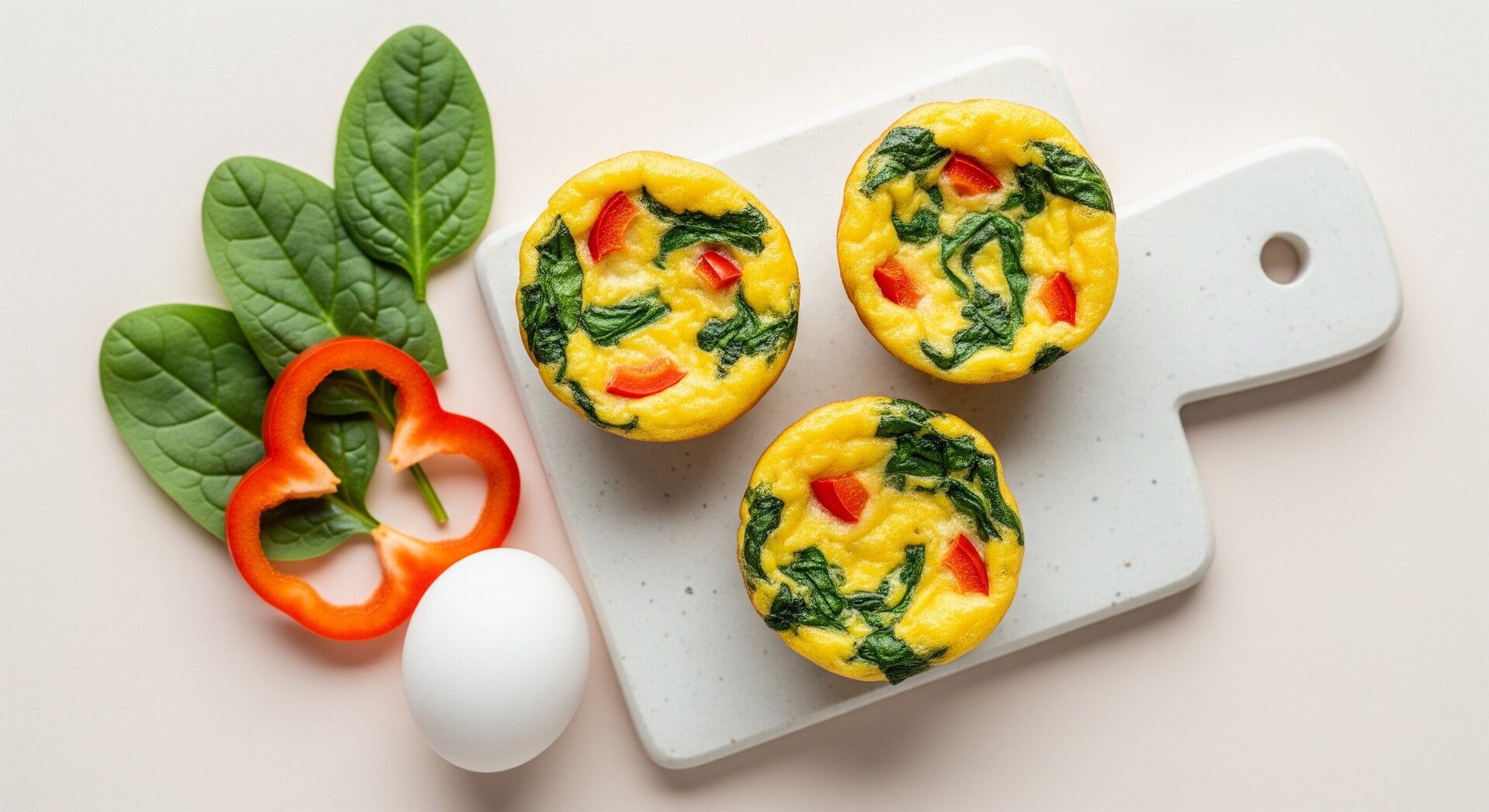 Egg Muffins with Spinach and Bell Pepper 30 min Savory mini omelets from the oven with vegetables 328 kcal 25g protein 1 synergies
 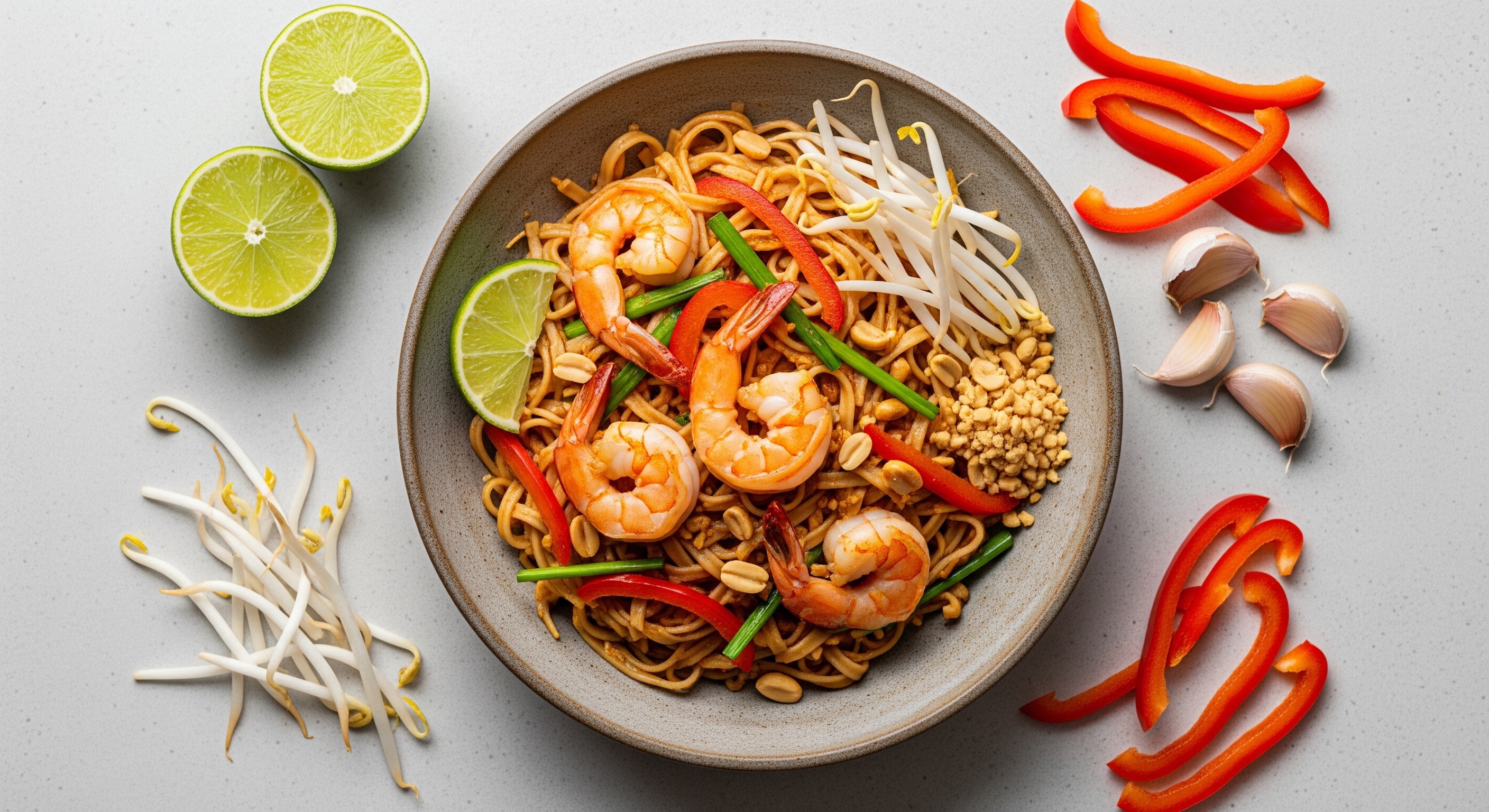 Shrimp Pad Thai with Rice Noodles 30 min Thai wok classic with tamarind, peanuts and lime 720 kcal 36g protein 2 synergies
 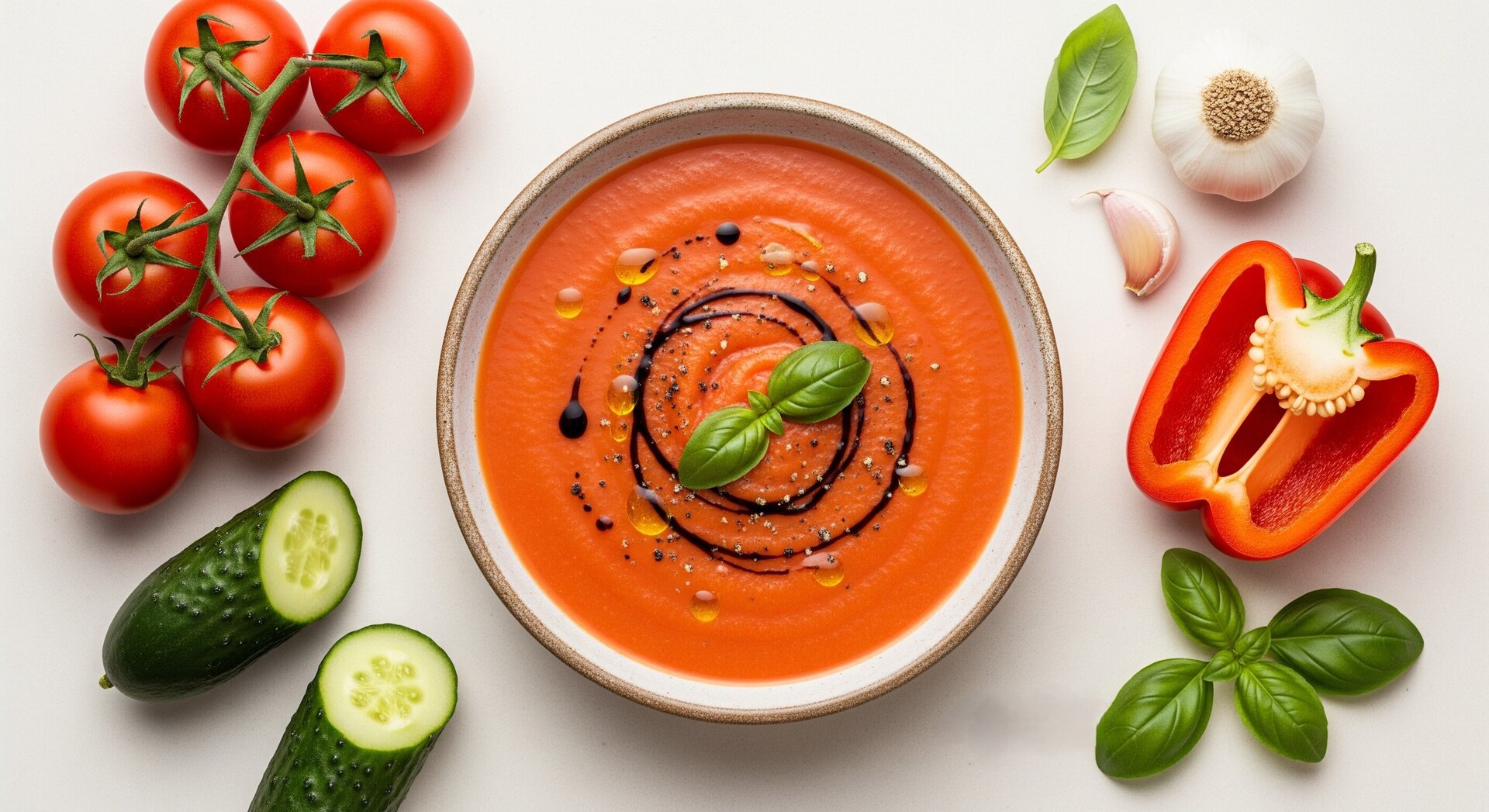 Gazpacho Andaluz 15 min Cold Andalusian tomato soup with bell pepper, cucumber and basil 170 kcal 3g protein 2 synergies
  In the Kitchen
Storage
Location:Refrigerator
Shelf life:1-2 weken (koelkast), 10-12 maanden (ingevroren)
Store unwashed in crisper drawer. Cut pepper in airtight container max 3 days.
Preparation
Raw for maximum vitamin C, roasted for sweeter flavor. Combine with oil for carotenoid absorption.
Conversions
Substitutes
Smart preparation
1Always pat dry roasted red pepper from a jar before use.
2Red bell pepper is sweeter than green; ideal for sauces and soups.
3Roast at the highest oven setting and peel under a damp tea towel.
Caution / Warnings
Red Bell Pepper is very safe, but there are scientific considerations:
Nightshade Sensitivity Moderate
Pepper belongs to the nightshade family (along with tomato, potato, eggplant)
Advice:
Some people with autoimmune diseases or joint problems react to nightshades. Watch your reaction
Traditional use
Indigenous
Central American cultivated crop
Red bell peppers, a ripe variant of green peppers, were cultivated by indigenous peoples in the Americas for thousands of years and spread to Europe after 1492.
Summary
Forget oranges for vitamin C - red bell pepper contains almost 3x more. It's also the best food source of beta-carotene after carrots. The key is the color: always choose the darkest possible red peppers. Green peppers are the same fruit but unripe, with much fewer nutrients. Combine with a fat source (olive oil) for maximum absorption of carotenoids.