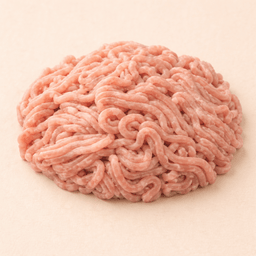
Turkey Mince
Lean poultry mince for quick, protein-rich meals
What is this ingredient?
Turkey mince comes from the turkey (Meleagris gallopavo), a bird originally from North America and used in food traditions for centuries. In modern kitchens, turkey mince is popular because it has a mild taste, cooks quickly and readily absorbs the flavor of herbs, tomato, onion, garlic and spices.
## Protein-rich poultry mince
Turkey mince contains about 20 g protein per 100 g and provides all essential amino acids. Protein contributes to the growth and maintenance of muscle mass. Thanks to its mild flavor, you can use it in dishes that usually call for beef mince, such as Bolognese, chili, tacos, burgers and meatballs.
## Selenium, zinc and B-vitamins
Turkey mince naturally contains selenium, zinc and vitamin B12. Selenium and zinc contribute to the normal function of the immune system. Vitamin B12 contributes to normal energy-yielding metabolism and to the normal functioning of the nervous system. These nutrients are described at nutrient level, not as ingredient-specific health promises.
## Practical in the kitchen
Because turkey mince contains less fat than many types of beef mince, it can dry out more quickly. Cook it over medium-high heat and add moisture when needed, such as tomato passata, broth, yogurt, olive oil or an herb-based sauce. Always cook turkey mince thoroughly to a safe internal temperature of 74°C.
How does it taste?
Mild and lean with a neutral flavor that absorbs herbs, tomato and spices well.
Pairs well with:
Pairs well with cumincorianderoniongarlictomato and chili.
Did you know...?
- Benjamin Franklin called the turkey a respectable bird in a letter, which later inspired the popular story that he wanted the turkey as the national symbol of the US.
- Wild turkeys can fly short distances and often sleep in trees to rest safely.
Nutritional Value & Energy
Per 100g
Turkey Mince provides energy thanks to natural nutrients .
Per 100g
Minerals
Vitamins
Omega-3 fatty acids
More nutrients
B-Vitamins
Trace Minerals
What's in a serving?
1 serving
Turkey mince naturally contains selenium (28 mcg per 100 g).
Turkey mince naturally contains vitamin B12 (1.5 mcg per 100 g).
Turkey mince naturally contains zinc (2.1 mg per 100 g).
% of daily reference intake (DRI)
EU-approved nutrition claims
This ingredient contains nutrients for which EFSA-authorized health claims exist (at nutrient level, not ingredient-specific).
Approved health claims (EU)
Vitamin_b12 EU 432/2012
Vitamin B12 contributes to the normal function of the immune system
Contains 1.5mcg/100g (threshold: ≥0.375mcg/100g)
Vitamin_b12 EU 432/2012
Vitamin B12 contributes to the reduction of tiredness and fatigue
Contains 1.5mcg/100g (threshold: ≥0.375mcg/100g)
Vitamin_b12 EU 432/2012
Vitamin B12 contributes to the normal functioning of the nervous system
Contains 1.5mcg/100g (threshold: ≥0.375mcg/100g)
Zinc EU 432/2012
Zinc contributes to the normal function of the immune system
Contains 2.1mg/100g (threshold: ≥1.5mg/100g)
Zinc EU 432/2012
Zinc contributes to the maintenance of normal skin
Contains 2.1mg/100g (threshold: ≥1.5mg/100g)
Vitamin_b12 EU 432/2012
Vitamin B12 contributes to normal energy-yielding metabolism
Contains 1.5mcg/100g (threshold: ≥0.375mcg/100g)
Vitamin_b12 EU 432/2012
Vitamin B12 contributes to normal homocysteine metabolism
Contains 1.5mcg/100g (threshold: ≥0.375mcg/100g)
Vitamin_b12 EU 432/2012
Vitamin B12 contributes to normal psychological function
Contains 1.5mcg/100g (threshold: ≥0.375mcg/100g)
Vitamin_b12 EU 432/2012
Vitamin B12 contributes to normal red blood cell formation
Contains 1.5mcg/100g (threshold: ≥0.375mcg/100g)
Vitamin_b12 EU 432/2012
Vitamin B12 has a role in the process of cell division
Contains 1.5mcg/100g (threshold: ≥0.375mcg/100g)
Zinc EU 432/2012
Zinc contributes to normal acid-base metabolism
Contains 2.1mg/100g (threshold: ≥1.5mg/100g)
Zinc EU 432/2012
Zinc contributes to normal carbohydrate metabolism
Contains 2.1mg/100g (threshold: ≥1.5mg/100g)
Zinc EU 432/2012
Zinc contributes to normal cognitive function
Contains 2.1mg/100g (threshold: ≥1.5mg/100g)
Zinc EU 432/2012
Zinc contributes to normal DNA synthesis
Contains 2.1mg/100g (threshold: ≥1.5mg/100g)
Zinc EU 432/2012
Zinc contributes to normal fertility and reproduction
Contains 2.1mg/100g (threshold: ≥1.5mg/100g)
Zinc EU 432/2012
Zinc contributes to normal macronutrient metabolism
Contains 2.1mg/100g (threshold: ≥1.5mg/100g)
Zinc EU 432/2012
Zinc contributes to normal metabolism of fatty acids
Contains 2.1mg/100g (threshold: ≥1.5mg/100g)
Zinc EU 432/2012
Zinc contributes to normal metabolism of vitamin A
Contains 2.1mg/100g (threshold: ≥1.5mg/100g)
Zinc EU 432/2012
Zinc contributes to normal protein synthesis
Contains 2.1mg/100g (threshold: ≥1.5mg/100g)
Zinc EU 432/2012
Zinc contributes to the maintenance of normal bones
Contains 2.1mg/100g (threshold: ≥1.5mg/100g)
Zinc EU 432/2012
Zinc contributes to the maintenance of normal hair
Contains 2.1mg/100g (threshold: ≥1.5mg/100g)
Zinc EU 432/2012
Zinc contributes to the maintenance of normal nails
Contains 2.1mg/100g (threshold: ≥1.5mg/100g)
Zinc EU 432/2012
Zinc contributes to the maintenance of normal testosterone levels in the blood
Contains 2.1mg/100g (threshold: ≥1.5mg/100g)
Zinc EU 432/2012
Zinc contributes to the maintenance of normal vision
Contains 2.1mg/100g (threshold: ≥1.5mg/100g)
Zinc EU 432/2012
Zinc contributes to the protection of cells from oxidative stress
Contains 2.1mg/100g (threshold: ≥1.5mg/100g)
Zinc EU 432/2012
Zinc has a role in the process of cell division
Contains 2.1mg/100g (threshold: ≥1.5mg/100g)
Selenium EU 432/2012
Selenium contributes to the maintenance of normal hair
Contains 28mcg/100g (threshold: ≥8.25mcg/100g)
Selenium EU 432/2012
Selenium contributes to the maintenance of normal nails
Contains 28mcg/100g (threshold: ≥8.25mcg/100g)
Selenium EU 432/2012
Selenium contributes to the normal function of the immune system
Contains 28mcg/100g (threshold: ≥8.25mcg/100g)
Selenium EU 432/2012
Selenium contributes to normal thyroid function
Contains 28mcg/100g (threshold: ≥8.25mcg/100g)
Selenium EU 432/2012
Selenium contributes to normal spermatogenesis
Contains 28mcg/100g (threshold: ≥8.25mcg/100g)
Selenium EU 432/2012
Selenium contributes to the protection of cells from oxidative stress
Contains 28mcg/100g (threshold: ≥8.25mcg/100g)
What's being researched?
Turkey mince as an alternative to beef mince
Turkey mince is often discussed in nutrition research as a lean poultry alternative to beef mince. Comparisons mainly focus on protein content, fat content, saturated fat, cooking method and the overall dietary context.
Supported by: [6] Paddon-Jones D (2008) , [1] Phillips SM (2015)
Good Combinations (Synergy)
Combine turkey mince smartly to enhance the effect:
Turkey Mince 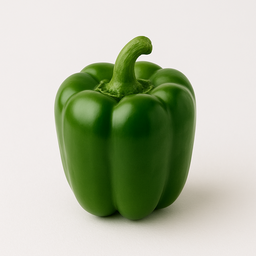 Bell Pepper
 Vitamin C enhances iron absorption from turkey meat
Technical: Turkey mince contains heme iron (approx. 1.4mg/100g) absorbed at 15-35%, plus non-heme iron that is poorly absorbed. Vitamin C from bell pepper (128mg/100g red pepper) reduces non-heme iron from Fe³⁺ to the bioavailable Fe²⁺ form and stimulates ferroportin expression. Additionally, turkey provides B6 (0.5mg/100g) supporting hemoglobin synthesis — giving the iron a direct destination.
What does this mean for you? Cook turkey mince with bell pepper for an iron-rich meal. The vitamin C from pepper maximizes iron absorption, while B6 from turkey directly deploys the iron for oxygen transport.
Turkey Mince 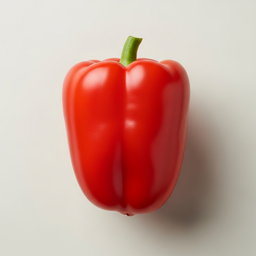 Red Bell Pepper
 Vitamin C enhances iron absorption from turkey meat
Technical: Turkey mince contains heme iron (approx. 1.4mg/100g) absorbed at 15-35%, plus non-heme iron that is poorly absorbed. Vitamin C from bell pepper (128mg/100g red pepper) reduces non-heme iron from Fe³⁺ to the bioavailable Fe²⁺ form and stimulates ferroportin expression. Additionally, turkey provides B6 (0.5mg/100g) supporting hemoglobin synthesis — giving the iron a direct destination.
What does this mean for you? Cook turkey mince with bell pepper for an iron-rich meal. The vitamin C from pepper maximizes iron absorption, while B6 from turkey directly deploys the iron for oxygen transport.
Turkey Mince 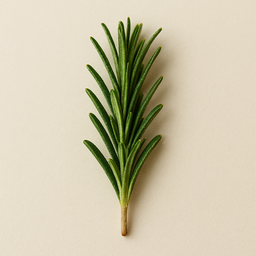 Rosemary
 Rosemary protects lean meat from oxidative damage during heating
Technical: Turkey mince contains polyunsaturated fatty acids (2.5g/100g) that oxidize during heating to heterocyclic amines (HCAs) and malondialdehyde (MDA). Rosemary contains carnosol and carnosic acid, diterpene antioxidants that reduce HCA formation by 72-92% (Puangsombat & Smith, 2010; PMID: 20492265). These antioxidants are heat-stable and work directly in the meat during cooking.
What does this mean for you? Mix rosemary into your turkey mince before cooking. The antioxidants in rosemary protect the meat from harmful substances formed during cooking. Delicious and healthier.
Turkey Mince 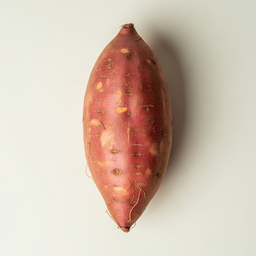 Sweet Potato
 Lean protein + complex carbs for muscle building
Technical: Turkey mince provides 20g high-quality protein per 100g with all essential amino acids for muscle protein synthesis (MPS). Sweet potato contains 20g complex carbohydrates per 100g (GI 50-60) that stimulate insulin — insulin is anabolic and promotes amino acid transport to muscles. The beta-carotene in sweet potato (8509μg/100g) is also better absorbed by the small amount of fat in turkey mince (10g).
What does this mean for you? Turkey mince with sweet potato is an ideal post-workout meal: the protein repairs muscles, the carbs replenish glycogen stores, and the insulin spike drives amino acids to your muscles.
Recipes with Turkey Mince
Discover delicious recipes featuring turkey mince:
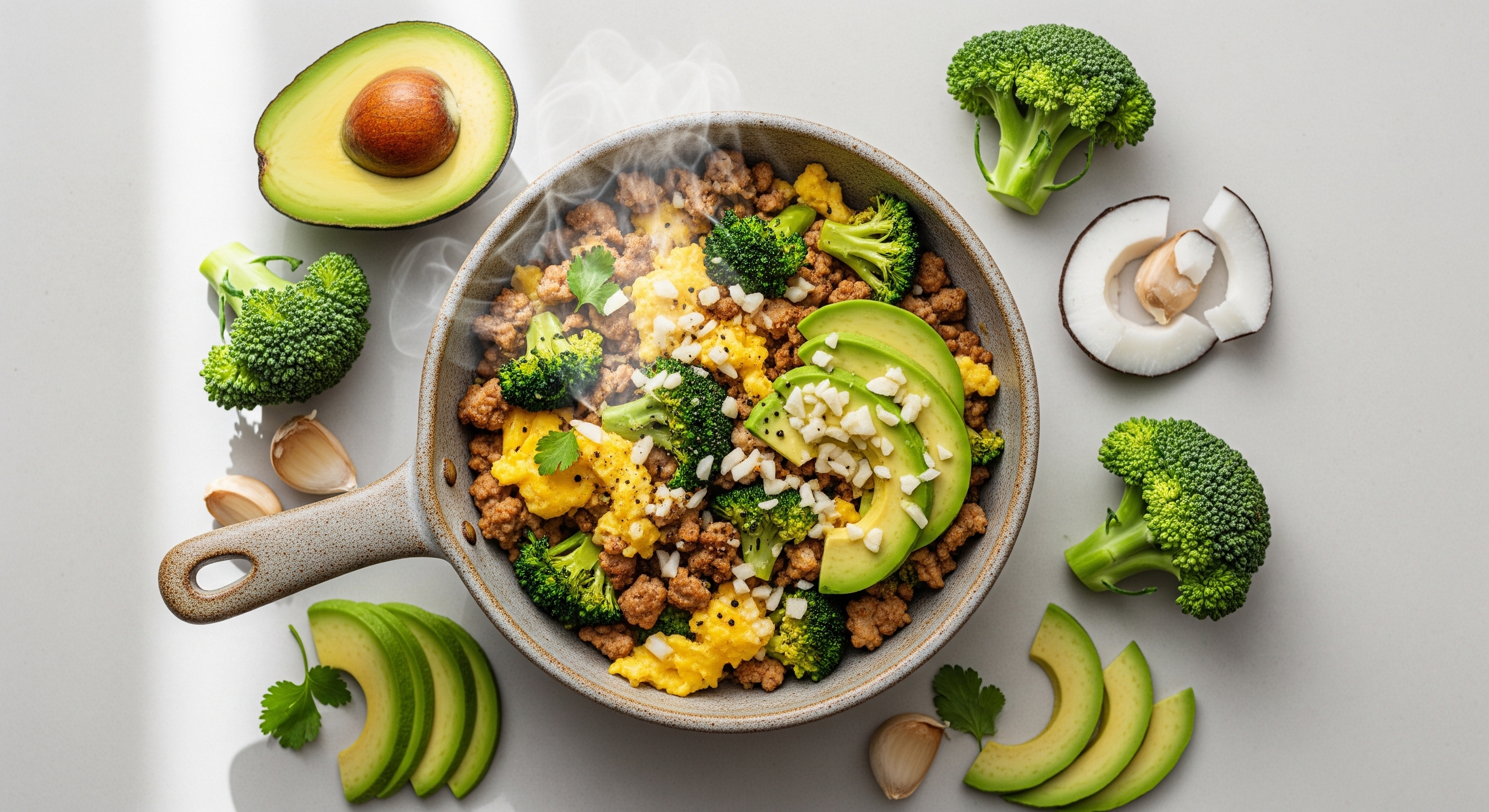 Broccoli Turkey Breakfast Skillet 25 min Savory keto breakfast with ground turkey and vegetables
  445 kcal
  32g protein 2 synergies
 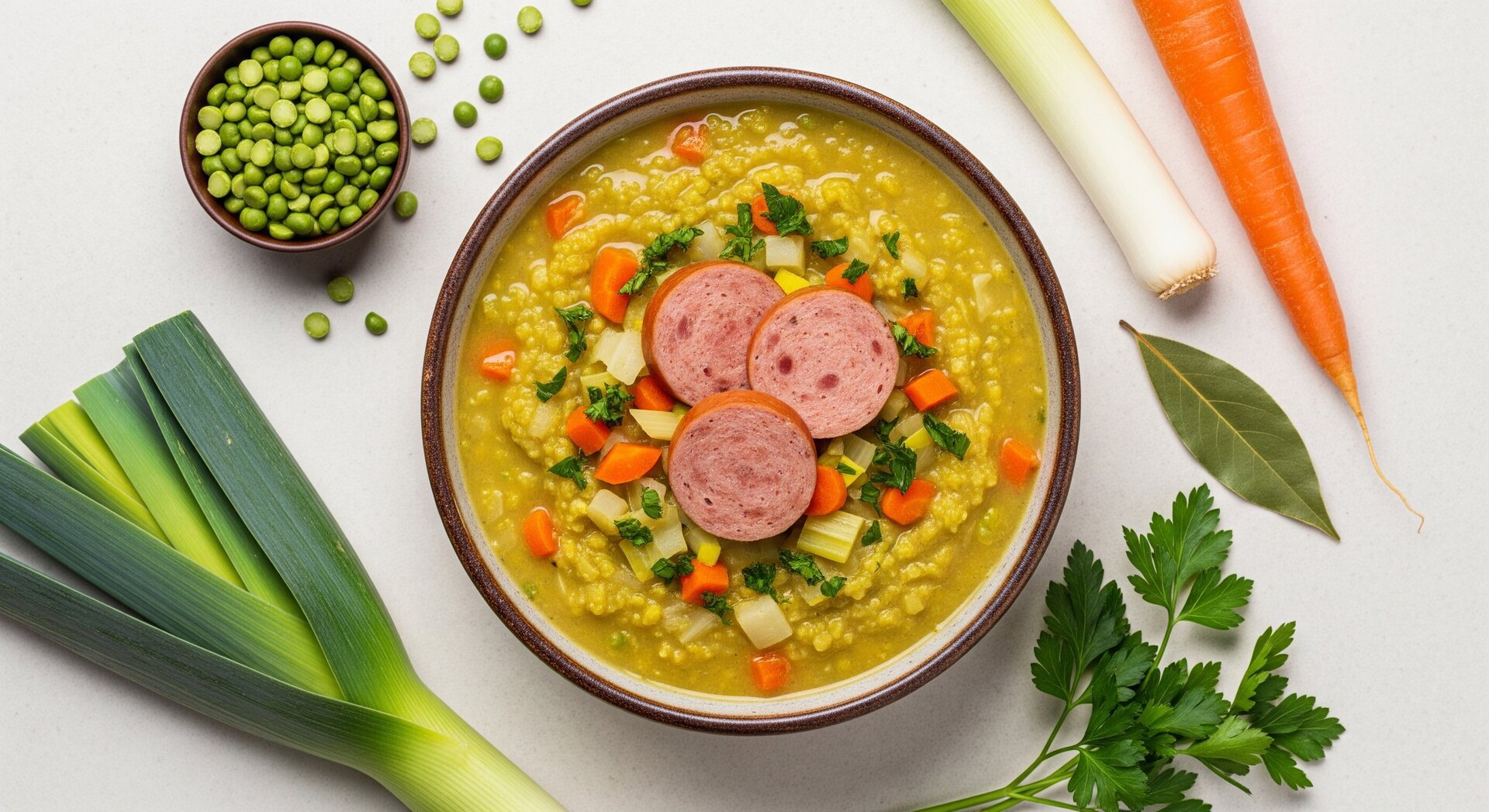 Dutch Split Pea Soup with Turkey Sausage 135 min Thick pea soup with split peas, vegetables and lean smoked sausage 774 kcal 49g protein 1 synergies
 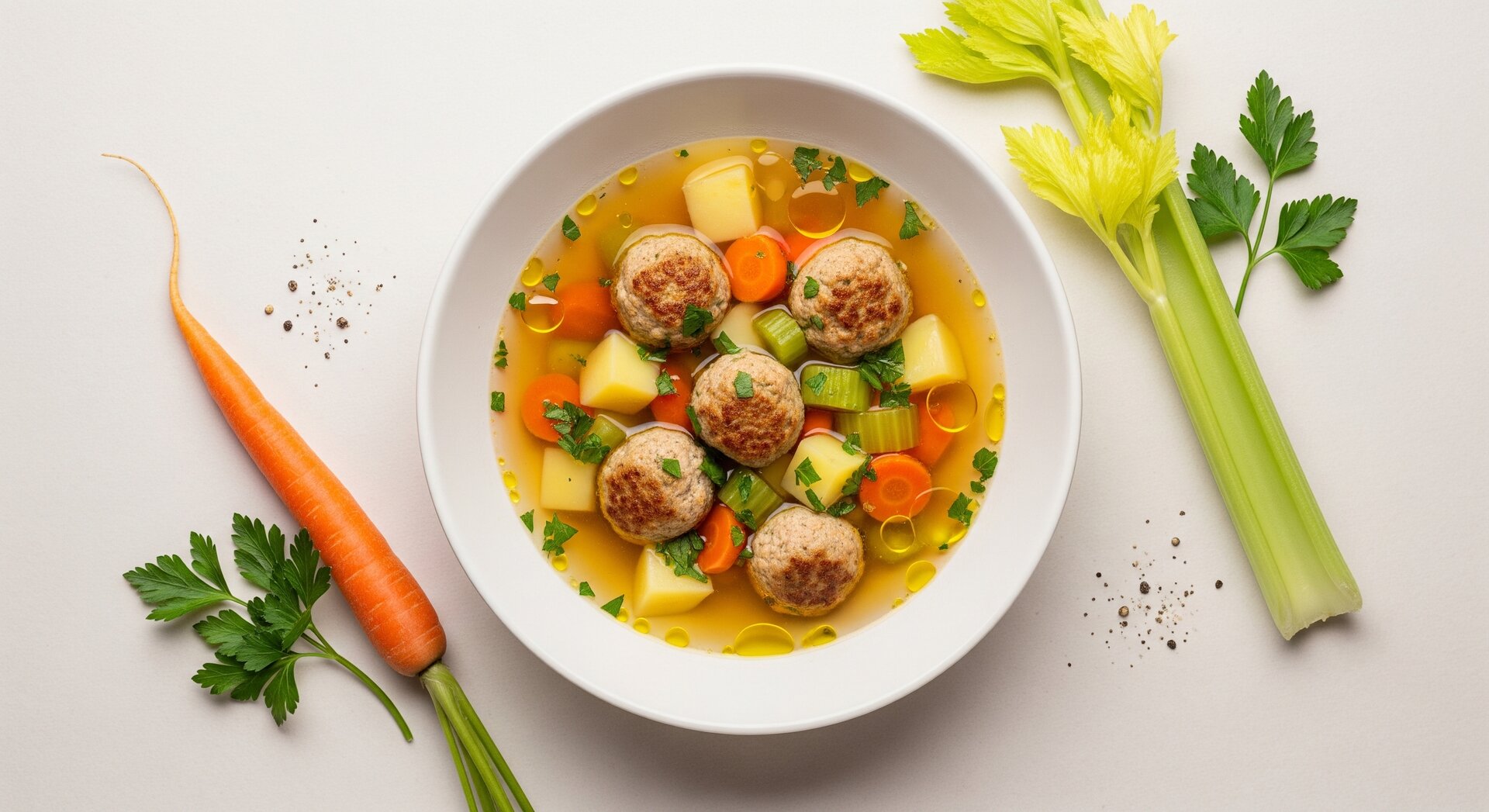 Dutch Vegetable Soup with Turkey Meatballs 45 min Classic vegetable soup with small turkey meatballs, potato and parsley 302 kcal 19g protein 1 synergies
 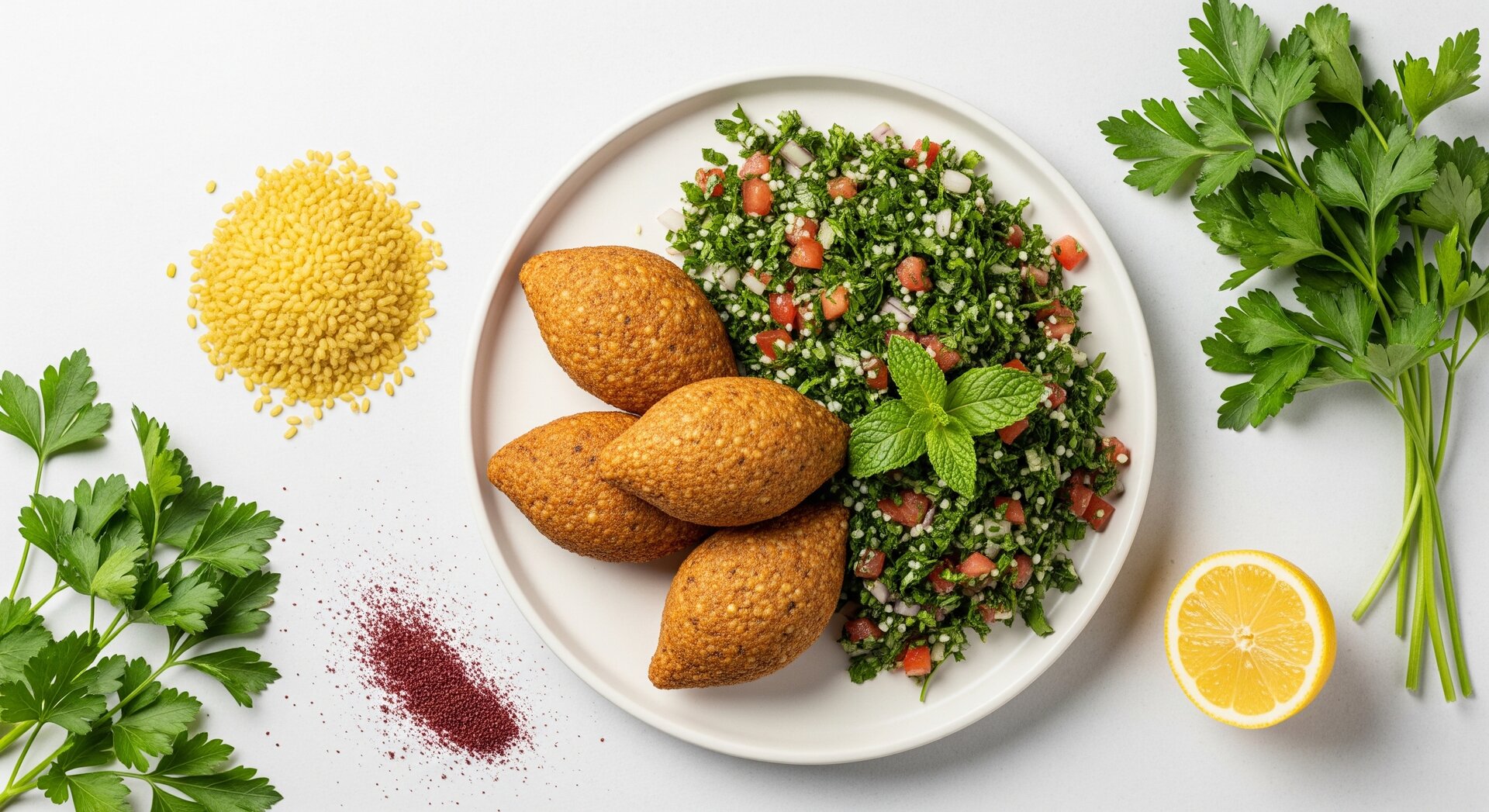 Turkey Kibbeh with Bulgur Tabbouleh 40 min Levantine meatballs with fresh herb salad 571 kcal 36g protein 1 synergies
 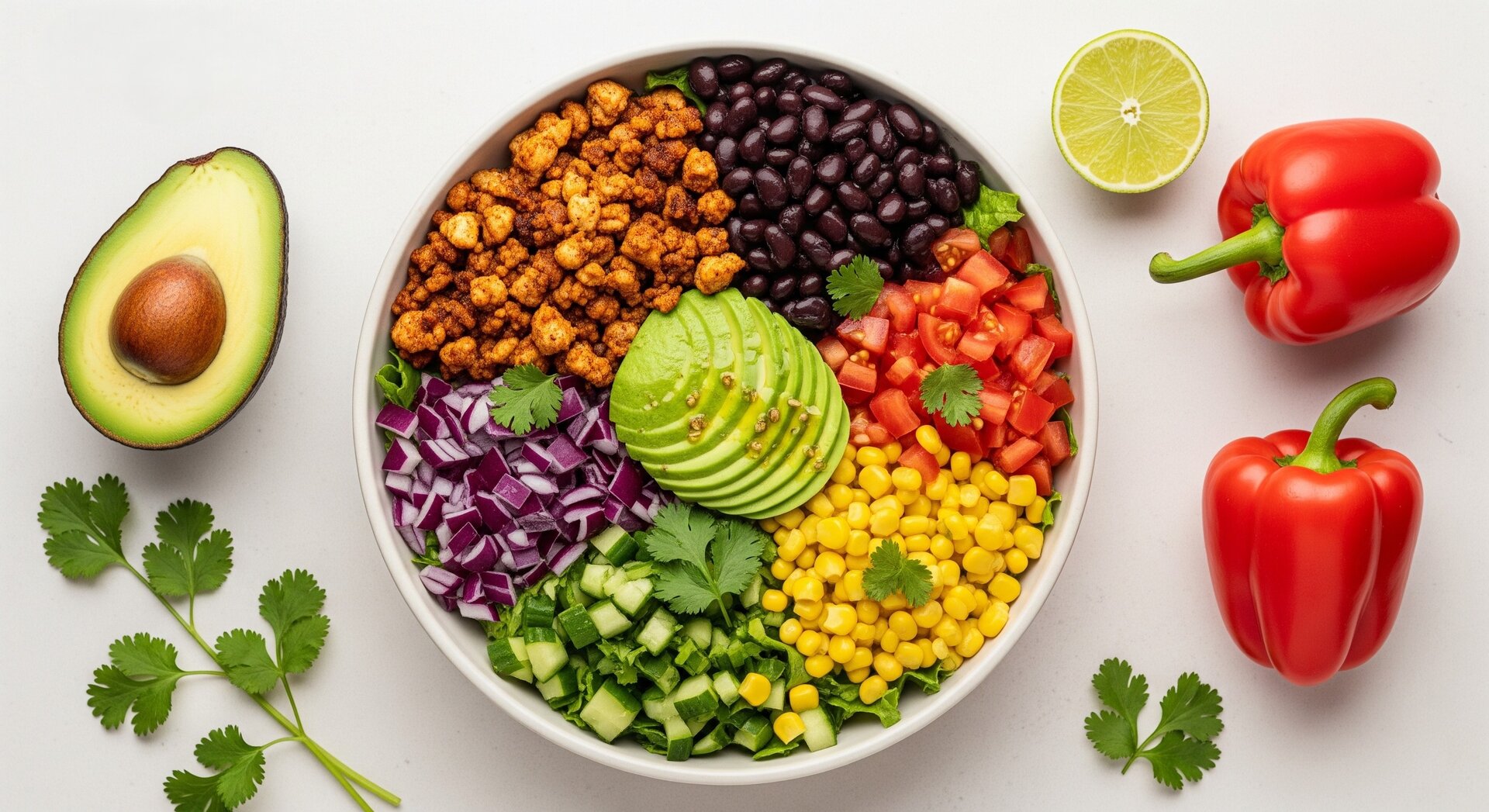 Mexican Taco Salad with Seasoned Turkey 22 min Crispy salad with spicy turkey and black beans 471 kcal 29g protein 1 synergies
 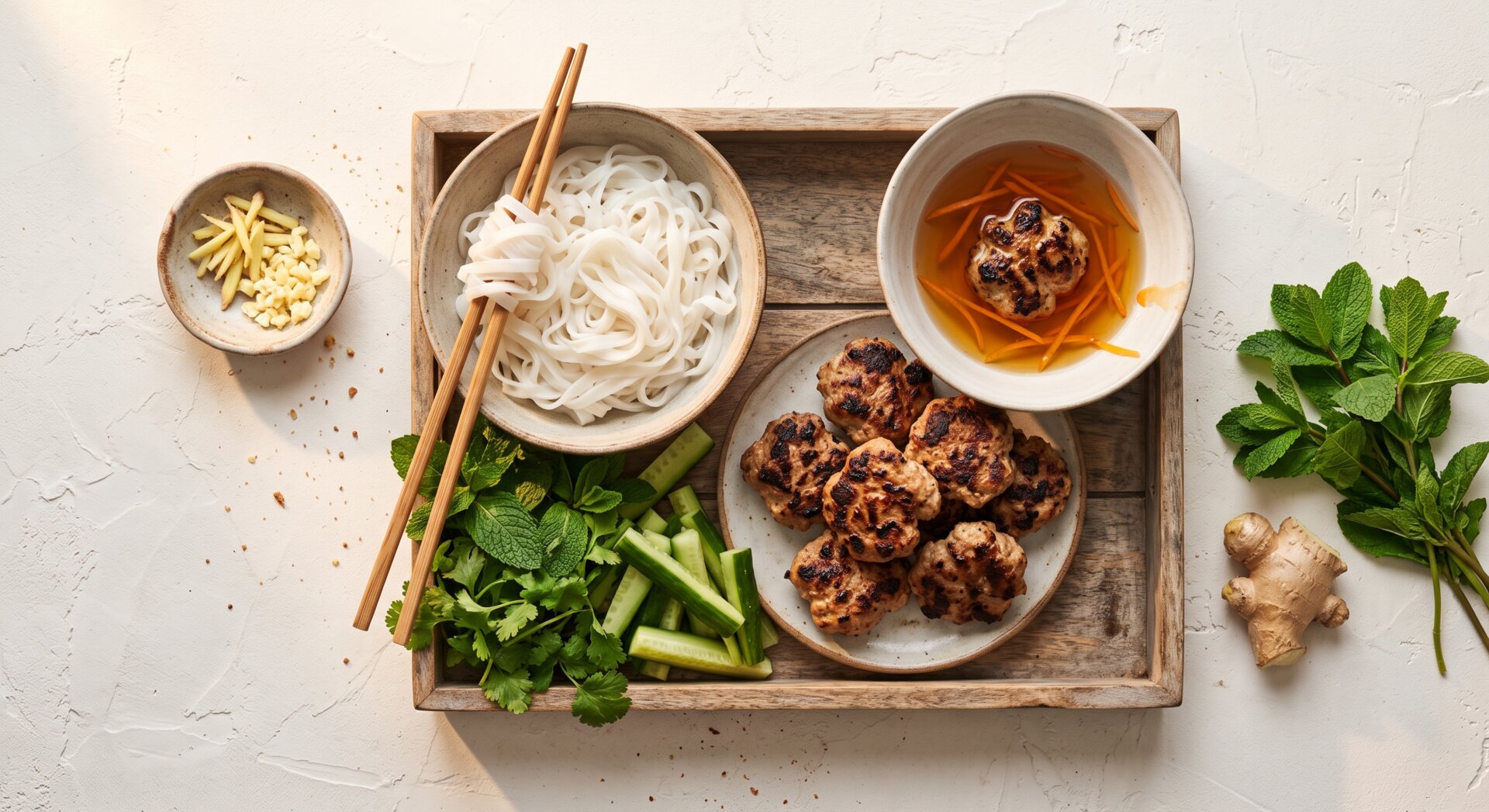 Vietnamese Bun Cha with Ground Turkey 32 min Grilled meatballs with rice noodles and fresh herbs 480 kcal 27g protein 1 synergies
  In the Kitchen
Storage
Location:Refrigerator
Shelf life:Rauw: 1-2 dagen in koelkast, 3-4 maanden in vriezer. Gekookt: 3-4 dagen in koelkast.
Store raw mince at the bottom of the fridge to prevent cross-contamination. Freeze in portions, preferably packed flat for faster thawing. Thaw in the fridge, not on the counter. Check smell and color: slight discoloration can occur, but a sour smell indicates spoilage.
Preparation
Cook in olive oil or butter over medium-high heat until fully done; ideally use a meat thermometer and aim for a 74°C internal temperature. Turkey mince can be drier than beef, so add moisture with broth, tomato products, Worcestershire sauce, yogurt or an herb sauce. Suitable for burgers, meatballs, tacos, pasta sauces and grilled kebabs. Mix with garlic, onion, parsley or cumin for more flavor.
Substitutes
Smart preparation
1Cook turkey mince over medium-high heat, not extremely high heat.
Why?
Too much heat can dry out the lean mince more quickly.
2Add a splash of oil, broth, tomato or sauce while cooking.
Why?
Turkey mince contains less fat than many types of beef mince, and this helps keep it juicier.
3Break turkey mince into small pieces with a wooden spatula for even cooking.
Caution / Warnings
Turkey Mince is very safe, but there are scientific considerations:
Poultry allergy Severe
Rare, but possible in people with poultry allergy. Reactions can range from skin symptoms to severe allergic reactions.
Advice:
Avoid completely with known poultry allergy. Consult an allergist if unsure and be aware of possible cross-reactions with chicken and other bird species.
High purine content with gout Moderate
Meat contains purines that are converted into uric acid in the body. With gout or elevated uric acid, an adjusted portion may be needed.
Advice:
Limit portions with gout and drink enough water. Discuss suitable protein sources and amounts with your doctor or dietitian.
Kidney problems and protein intake Moderate
In advanced kidney disease, total protein intake may need to be limited. This depends on stage, treatment and personal advice.
Advice:
With chronic kidney disease, ask a doctor or dietitian about safe protein portions and the role of turkey mince in your diet.
Summary
Turkey mince is lean poultry mince with about 20 g protein per 100 g and a mild flavor that absorbs spices well. It works well in burgers, pasta sauces, tacos, casseroles and meatballs. It naturally contains selenium, zinc and vitamin B12; selenium and zinc contribute to the normal function of the immune system, and vitamin B12 contributes to normal energy-yielding metabolism. Add a little liquid or sauce during cooking for a juicier result.