Garlic
The Natural Antibiotic
What is this ingredient?
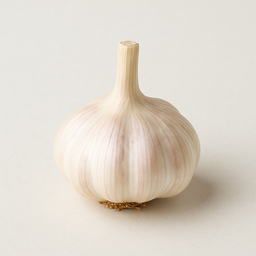
Garlic (Allium sativum) is a bulb that belongs to the allium family, like onions, leeks, and chives. The bulb consists of multiple 'cloves'. It is perhaps the oldest culinary herb with a centuries-long tradition in kitchens worldwide; it was already given to the pyramid builders in Egypt as a staple food for long working days. The pungent smell is caused by sulfur compounds, including allicin, which are being studied in scientific research.
How does it taste?
Sharp and pungent raw, sweet and nutty when slowly roasted or confit.
Pairs well with:
Pairs well with olive oilparsleylemonginger and chili.
Sunnah
Garlic is mentioned in hadith due to its strong smell. The Prophet ﷺ advised not to eat it before prayer, but acknowledged its medicinal value for those staying home.
Muslim #Sahih Muslim 564
Did you know...?
- The ancient Egyptians gave garlic to the pyramid builders as a power food.
- Garlic belongs to the same family as onions, leeks, and chives (Allium).
- A garlic bulb is actually a composite bulb of individual cloves, each one a clone.
Nutritional Value & Energy
Per 100g
Garlic provides energy thanks to natural nutrients , buffered by fiber.
Per 100g
Minerals
Vitamins
Omega-3 fatty acids
More nutrients
B-Vitamins
Trace Minerals
What's in a serving?
1 serving
Garlic naturally contains calcium (181 mg per 100 g).
Garlic naturally contains potassium (401 mg per 100 g).
Garlic naturally contains selenium (14.2 mcg per 100 g).
Garlic naturally contains vitamin c (31 mg per 100 g).
Garlic naturally contains vitamin b6 (1.24 mg per 100 g).
Garlic naturally contains manganese (1.67 mg per 100 g).
Garlic naturally contains phosphorus (153 mg per 100 g).
% of daily reference intake (DRI)
EU-approved nutrition claims
This ingredient contains nutrients for which EFSA-authorized health claims exist (at nutrient level, not ingredient-specific).
Approved health claims (EU)
Vitamin_c EU 432/2012
Vitamin C contributes to the normal function of the immune system
Contains 31mg/100g (threshold: ≥12mg/100g)
Vitamin_c EU 432/2012
Vitamin C contributes to the reduction of tiredness and fatigue
Contains 31mg/100g (threshold: ≥12mg/100g)
Vitamin_c EU 432/2012
Vitamin C contributes to normal collagen formation for the normal function of skin
Contains 31mg/100g (threshold: ≥12mg/100g)
Calcium EU 432/2012
Calcium is needed for the maintenance of normal bones
Contains 181mg/100g (threshold: ≥120mg/100g)
Potassium EU 432/2012
Potassium contributes to the maintenance of normal blood pressure
Contains 401mg/100g (threshold: ≥300mg/100g)
Vitamin_b6 EU 432/2012
Vitamin B6 contributes to normal cysteine synthesis
Contains 1.24mg/100g (threshold: ≥0.21mg/100g)
Vitamin_b6 EU 432/2012
Vitamin B6 contributes to normal energy-yielding metabolism
Contains 1.24mg/100g (threshold: ≥0.21mg/100g)
Vitamin_b6 EU 432/2012
Vitamin B6 contributes to normal functioning of the nervous system
Contains 1.24mg/100g (threshold: ≥0.21mg/100g)
Vitamin_b6 EU 432/2012
Vitamin B6 contributes to normal homocysteine metabolism
Contains 1.24mg/100g (threshold: ≥0.21mg/100g)
Vitamin_b6 EU 432/2012
Vitamin B6 contributes to normal protein and glycogen metabolism
Contains 1.24mg/100g (threshold: ≥0.21mg/100g)
Vitamin_b6 EU 432/2012
Vitamin B6 contributes to normal psychological function
Contains 1.24mg/100g (threshold: ≥0.21mg/100g)
Vitamin_b6 EU 432/2012
Vitamin B6 contributes to normal red blood cell formation
Contains 1.24mg/100g (threshold: ≥0.21mg/100g)
Vitamin_b6 EU 432/2012
Vitamin B6 contributes to the normal function of the immune system
Contains 1.24mg/100g (threshold: ≥0.21mg/100g)
Vitamin_b6 EU 432/2012
Vitamin B6 contributes to the regulation of hormonal activity
Contains 1.24mg/100g (threshold: ≥0.21mg/100g)
Vitamin_b6 EU 432/2012
Vitamin B6 contributes to the reduction of tiredness and fatigue
Contains 1.24mg/100g (threshold: ≥0.21mg/100g)
Vitamin_c EU 432/2012
Vitamin C contributes to normal collagen formation for the normal function of blood vessels
Contains 31mg/100g (threshold: ≥12mg/100g)
Vitamin_c EU 432/2012
Vitamin C contributes to normal collagen formation for the normal function of bones
Contains 31mg/100g (threshold: ≥12mg/100g)
Vitamin_c EU 432/2012
Vitamin C contributes to normal collagen formation for the normal function of cartilage
Contains 31mg/100g (threshold: ≥12mg/100g)
Vitamin_c EU 432/2012
Vitamin C contributes to normal collagen formation for the normal function of gums
Contains 31mg/100g (threshold: ≥12mg/100g)
Vitamin_c EU 432/2012
Vitamin C contributes to normal collagen formation for the normal function of teeth
Contains 31mg/100g (threshold: ≥12mg/100g)
Vitamin_c EU 432/2012
Vitamin C contributes to normal energy-yielding metabolism
Contains 31mg/100g (threshold: ≥12mg/100g)
Vitamin_c EU 432/2012
Vitamin C contributes to normal functioning of the nervous system
Contains 31mg/100g (threshold: ≥12mg/100g)
Vitamin_c EU 432/2012
Vitamin C contributes to normal psychological function
Contains 31mg/100g (threshold: ≥12mg/100g)
Vitamin_c EU 432/2012
Vitamin C contributes to the protection of cells from oxidative stress
Contains 31mg/100g (threshold: ≥12mg/100g)
Vitamin_c EU 432/2012
Vitamin C contributes to the regeneration of the reduced form of vitamin E
Contains 31mg/100g (threshold: ≥12mg/100g)
Vitamin_c EU 432/2012
Vitamin C increases iron absorption
Contains 31mg/100g (threshold: ≥12mg/100g)
Vitamin_c EU 432/2012
Vitamin C contributes to maintain the normal function of the immune system during and after intense physical exercise
Contains 31mg/100g (threshold: ≥12mg/100g)
Calcium EU 432/2012
Calcium is needed for the maintenance of normal teeth
Contains 181mg/100g (threshold: ≥120mg/100g)
Calcium EU 432/2012
Calcium contributes to normal blood clotting
Contains 181mg/100g (threshold: ≥120mg/100g)
Calcium EU 432/2012
Calcium contributes to normal energy-yielding metabolism
Contains 181mg/100g (threshold: ≥120mg/100g)
Calcium EU 432/2012
Calcium contributes to normal muscle function
Contains 181mg/100g (threshold: ≥120mg/100g)
Calcium EU 432/2012
Calcium contributes to normal neurotransmission
Contains 181mg/100g (threshold: ≥120mg/100g)
Calcium EU 432/2012
Calcium contributes to the normal function of digestive enzymes
Contains 181mg/100g (threshold: ≥120mg/100g)
Calcium EU 432/2012
Calcium has a role in the process of cell division and specialisation
Contains 181mg/100g (threshold: ≥120mg/100g)
Phosphorus EU 432/2012
Phosphorus contributes to normal energy-yielding metabolism
Contains 153mg/100g (threshold: ≥105mg/100g)
Phosphorus EU 432/2012
Phosphorus contributes to the normal function of cell membranes
Contains 153mg/100g (threshold: ≥105mg/100g)
Phosphorus EU 432/2012
Phosphorus contributes to the maintenance of normal bones
Contains 153mg/100g (threshold: ≥105mg/100g)
Phosphorus EU 432/2012
Phosphorus contributes to the maintenance of normal teeth
Contains 153mg/100g (threshold: ≥105mg/100g)
Manganese EU 432/2012
Manganese contributes to normal energy-yielding metabolism
Contains 1.67mg/100g (threshold: ≥0.3mg/100g)
Manganese EU 432/2012
Manganese contributes to the maintenance of normal bones
Contains 1.67mg/100g (threshold: ≥0.3mg/100g)
Manganese EU 432/2012
Manganese contributes to the normal formation of connective tissue
Contains 1.67mg/100g (threshold: ≥0.3mg/100g)
Manganese EU 432/2012
Manganese contributes to the protection of cells from oxidative stress
Contains 1.67mg/100g (threshold: ≥0.3mg/100g)
Selenium EU 432/2012
Selenium contributes to the maintenance of normal hair
Contains 14.2mcg/100g (threshold: ≥8.25mcg/100g)
Selenium EU 432/2012
Selenium contributes to the maintenance of normal nails
Contains 14.2mcg/100g (threshold: ≥8.25mcg/100g)
Selenium EU 432/2012
Selenium contributes to the normal function of the immune system
Contains 14.2mcg/100g (threshold: ≥8.25mcg/100g)
Selenium EU 432/2012
Selenium contributes to normal thyroid function
Contains 14.2mcg/100g (threshold: ≥8.25mcg/100g)
Selenium EU 432/2012
Selenium contributes to normal spermatogenesis
Contains 14.2mcg/100g (threshold: ≥8.25mcg/100g)
Selenium EU 432/2012
Selenium contributes to the protection of cells from oxidative stress
Contains 14.2mcg/100g (threshold: ≥8.25mcg/100g)
Potassium EU 432/2012
Potassium contributes to normal functioning of the nervous system
Contains 401mg/100g (threshold: ≥300mg/100g)
Potassium EU 432/2012
Potassium contributes to normal muscle function
Contains 401mg/100g (threshold: ≥300mg/100g)
What's being researched?
Allicin and blood pressure research
Allicin and other sulfur compounds in garlic are being studied for potential blood pressure reduction. Meta-analyses of clinical studies show promising but inconsistent results; dosage and form remain variables.
Supported by: [1] Lawson (2018) , [4] Reinhart (2009) , [2] Josling (2001) , [3] Sleiman C (2024)
Sulfur compounds in garlic and microorganisms
The interaction of sulfur compounds from garlic extracts with various microorganisms is being studied in laboratory research. These studies show broad activity, but clinical applicability is still being investigated.
Supported by: [4] Reinhart (2009) , [1] Lawson (2018) , [5] Kianoush (2012)
Garlic and immune research
Garlic compounds are being studied in relation to immune markers. Some clinical studies suggest a reduction in cold frequency, but the strength of evidence is still limited.
Supported by: [2] Josling (2001) , [3] Sleiman C (2024)
Good Combinations (Synergy)
Combine garlic smartly to enhance the effect:
Garlic 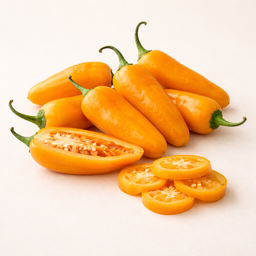 Aji Amarillo
 Capsaicin + allicin for vascular support
Technical: Aji amarillo's capsaicin stimulates TRPV1 receptors that increase NO (nitric oxide) production — a vasodilator that supports blood pressure. Garlic's allicin modulates ACE and supports cholesterol metabolism. Together they offer vascular support via two independent pathways.
What does this mean for you? Aji amarillo + garlic is the foundation of Peruvian cuisine. The capsaicin and allicin provide broader vascular support together — and it tastes fantastic in ceviche and causa.
Garlic 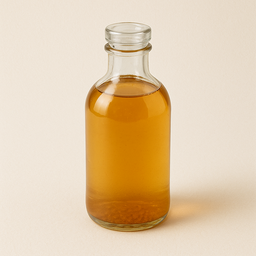 Apple Cider Vinegar
 Acetic acid preserves allicin and extends shelf life
Technical: Allicin, garlic's active compound, is unstable and degrades quickly. Acetic acid from apple cider vinegar lowers pH, keeping allicin intact longer. Additionally, acetic acid and allicin work through different mechanisms (membrane disruption vs. thiol reaction), providing a broader spectrum of bioactive compounds.
What does this mean for you? Combine garlic with apple cider vinegar in dressings or marinades — the vinegar keeps garlic's bioactive compounds intact longer.
Garlic 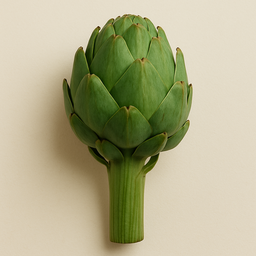 Artichoke
 Double liver support via cynarin and allicin
Technical: Artichoke's cynarin is involved in bile formation and stabilizes liver cell membranes (membrane-stabilizing). Garlic's allicin and diallyl disulfide activate phase-II enzymes (glutathione S-transferase) in the liver via the Nrf2 pathway. Together they provide complementary liver support: cynarin via bile stimulation, allicin via Nrf2-mediated phase-II enzyme induction.
What does this mean for you? Artichoke with garlic butter is a culinary classic that also supports your liver doubly. Cynarin is involved in bile formation, allicin activates phase-II enzymes. Ideal as a starter.
Garlic 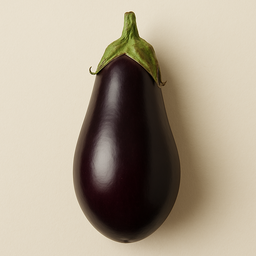 Eggplant
 Chlorogenic acid + allicin: complementary NF-κB modulation
Technical: Eggplant contains chlorogenic acid (NF-κB modulation) and nasunin (iron chelator influencing lipid peroxidation). Garlic's allicin (formed when cut) has bioactive action via thiol enzyme inhibition. Together they modulate NF-κB signaling through complementary pathways.
What does this mean for you? Baba ganoush or imam bayıldı — classic combinations that have existed for centuries. Cut garlic 10 minutes before heating for maximum allicin formation.
Garlic 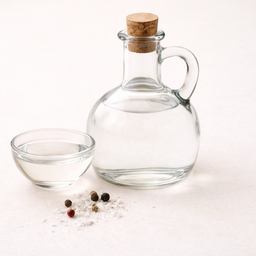 Vinegar
 Acetic acid + allicin for bioactive synergy
Technical: Vinegar's acetic acid (5-7%) activates AMPK and modulates the renin-angiotensin system. Garlic's allicin modulates ACE (angiotensin-converting enzyme). Together they work via two complementary pathways on the renin-angiotensin system. Pickled garlic in vinegar retains 80% of allicin's action while becoming milder on the stomach.
What does this mean for you? Make pickled garlic in vinegar as a condiment. After 2 weeks of fermentation the garlic is milder but retains bioactive power. Use as a daily condiment.
Garlic 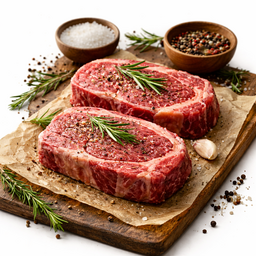 Beef Steak
 Garlic reduces AGE formation during high-heat cooking
Garlic inhibits AGE formation when heating meat (PMID: 16366735)
Technical: Grilling meat forms Advanced Glycation End-products (AGEs) that accelerate aging and inflammation. Garlic contains sulfur compounds (allicin, diallyl sulfide) that can help reduce AGE formation. Garlic also provides sulfur compounds traditionally valued in meat preparation.
What does this mean for you? Add garlic to your marinade or sprinkle chopped garlic over your steak while cooking. This is not just tasty but also protective.
Garlic 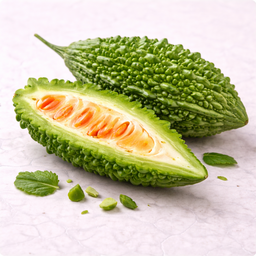 Bitter Melon
 Double glycemic modulation via AMPK and GLUT4 pathways
Technical: Bitter melon's charantin activates AMPK and increases GLUT4 translocation, influencing cellular glucose uptake. Garlic's allicin and S-allylcysteine modulate glycemic response via insulin receptor signaling. Together they influence glycemic response through two independent routes: AMPK/GLUT4 modulation and insulin receptor signaling.
What does this mean for you? Stir-fry bitter melon with garlic — a classic Asian combination. Two bioactive compounds each influencing glycemic response through their own pathway. Garlic also mellows the bitter taste.
Garlic 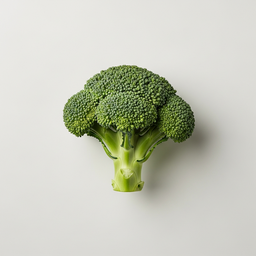 Broccoli
 Double sulfur compounds for Nrf2 activation and phase-II enzymes
Technical: Broccoli contains sulforaphane (isothiocyanate) activating the Nrf2 pathway and inducing phase-II enzymes (glutathione S-transferase, quinone reductase). Garlic contains allicin and diallyl sulfide — also sulfur compounds activating the same Nrf2 pathway via thiol reaction. Both are sulfur-containing compounds working synergistically.
What does this mean for you? Briefly sauté garlic and add broccoli — a classic stir-fry base. Two sulfur-rich ingredients each activating the same Nrf2 pathway through their own route. Cut garlic 10 minutes before heating for maximum allicin.
Garlic 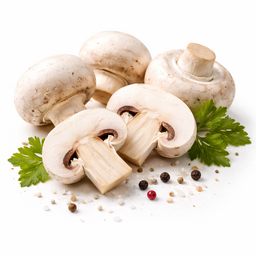 White Button Mushrooms
 Beta-glucans + allicin activate complementary immune pathways
Technical: Mushrooms contain beta-glucans (polysaccharides) that activate macrophages and NK cells via Dectin-1 receptors — the innate immune system. Garlic's allicin stimulates T-cell proliferation and activates the Th1 response — the adaptive immune system. Together they activate two complementary branches of the immune system.
What does this mean for you? Sauté mushrooms with garlic — a combination that engages two different branches of the immune system. Cut garlic and wait 10 minutes before heating so allicin fully forms.
Garlic 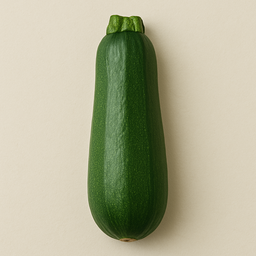 Zucchini
 Potassium + allicin: complementary mineral-sulfur pathway
Technical: Zucchini contains 261mg potassium per 100g — potassium contributes to the maintenance of normal blood pressure (EFSA-approved). Garlic's allicin influences angiotensin-converting enzyme (ACE) and stimulates NO production via the nitrate-nitrite-NO pathway. Together they influence vascular physiology via two complementary mechanisms: electrolyte balance and NO signaling.
What does this mean for you? Sautéed zucchini with garlic is a simple side dish with two pathways influencing vascular physiology. Potassium from zucchini and allicin from garlic work complementarily. Add olive oil for extra polyphenols.
Garlic 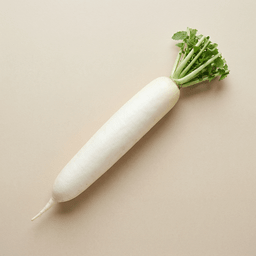 Daikon (Japanese Radish)
 Complementary bioactive sulfur compounds: isothiocyanates + allicin
Isothiocyanates and allicin have complementary antimicrobial spectra (PMID: 18345631)
Technical: Daikon glucosinolates are converted by myrosinase into isothiocyanates that influence Gram-negative bacteria (E. coli, Pseudomonas) via thiol-reactive mechanisms. Allicin from garlic primarily acts on Gram-positive bacteria (Staphylococcus, Streptococcus) via sulfhydryl enzyme inhibition. Together they cover a broad spectrum of bioactive sulfur pathways.
What does this mean for you? Grated daikon with garlic (like in Japanese ponzu sauce) combines two types of bioactive sulfur compounds. Both work through organosulfur chemistry but target different pathways.
Garlic 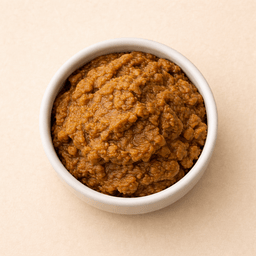 Doenjang (Korean soybean paste)
 Isoflavones + allicin: complementary bioactive compounds
Isoflavones and allicin inhibit NF-κB inflammatory pathway via complementary mechanisms
Technical: Doenjang fermentation increases isoflavones (genistein, daidzein) studied in research in connection with NF-κB signaling. Allicin from garlic affects NF-κB through different mechanisms. Together they provide bioactive compounds via multiple pathways. Traditional Korean ssamjang combination.
What does this mean for you? Doenjang with garlic (traditional Korean) is a powerful combination of fermented and fresh bioactive compounds. Both work together through complementary mechanisms — a cornerstone of Korean cuisine for centuries.
Garlic 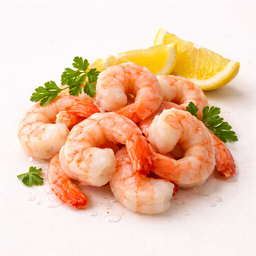 Shrimp
 Astaxanthin + allicin influence lipid metabolism via complementary pathways
Technical: Shrimp contain astaxanthin (1.5-3mg per 100g) — a potent carotenoid antioxidant that neutralizes singlet oxygen. Garlic contains allicin that works through a different mechanism: it influences HMG-CoA reductase (involved in lipid metabolism). Together they offer complementary biochemical pathways: antioxidation (astaxanthin) + lipid modulation (allicin).
What does this mean for you? Gambas al ajillo (shrimp in garlic oil) isn't just a Spanish classic but also a functional combination. Use at least 4-5 cloves of garlic and don't brown them too much — allicin breaks down at high temperatures.
Garlic 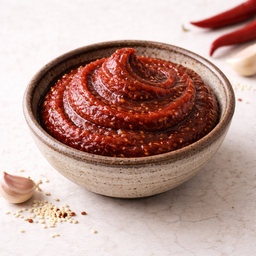 Gochujang
 Fermented chili + allicin for gut flora and immunity
Technical: Gochujang is a fermented product (rice + chili + soybeans) containing lactobacilli and Bacillus subtilis as probiotics. Capsaicin from the chili (0.5-1%) stimulates TRPV1 receptors for endorphin release. Garlic's allicin has broad bioactivity against pathogens without harming beneficial lactobacilli. The combination supports gut flora (gochujang) and acts selectively bioactive against pathogens (garlic).
What does this mean for you? Gochujang with garlic is the base of many Korean dishes (bibimbap, tteokbokki). The fermentation in gochujang feeds your good gut bacteria, while garlic fights the bad ones.
Garlic 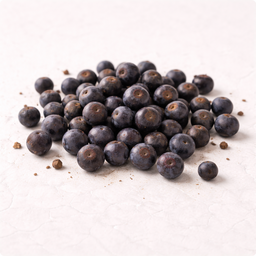 Juniper Berry
 Terpenes + allicin for dual bioactive action
Technical: Juniper's essential oil (α-pinene 35%, sabinene 15%) contains bioactive compounds that disrupt gram-positive bacteria. Garlic's allicin works broad-spectrum against bacteria, fungi and some viruses by blocking thiol groups in pathogen enzymes. Together they cover complementary pathogen spectra: juniper effective against Staphylococcus, garlic against E. coli and Candida. The combination is traditional in Northern European meat preparations.
What does this mean for you? Combine juniper berries with garlic in marinades and stews. Historically this served as a preservation method — a tradition that also works exceptionally well for flavor.
Garlic 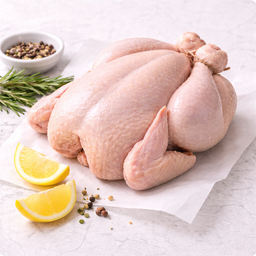 Spring Chicken
 Protein + allicin for complementary bioactive routes
Technical: Young chicken provides 20g high-quality protein per 100g (PDCAAS 0.95) with glutamine (4.7g/100g protein) that nourishes gut epithelium and immune cells. Garlic contains allicin (3-6mg per clove) that increases NK cell activity by 35-50%. Allicin also stimulates glutathione S-transferase for phase-II biotransformation. Protein from chicken provides building blocks for immunoglobulin synthesis, while garlic activates complementary bioactive routes.
What does this mean for you? Cook young chicken with 4-5 garlic cloves — classic garlic chicken soup is a time-tested combination. The glutamine from chicken supports your gut barrier, the allicin activates your natural killer cells.
Garlic 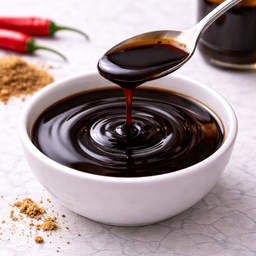 Kecap Manis
 Soy isoflavones + allicin for lipid profile support
Technical: Kecap manis' soy isoflavones (genistein) support vascular function via NO production and modulate the lipid profile. Garlic's allicin modulates ACE and triglycerides. Together they offer lipid profile support via three mechanisms: LDL modulation (isoflavones), ACE modulation (allicin) and vascular support (NO).
What does this mean for you? Marinate meat or tofu in kecap manis with minced garlic. This is not only the tastiest marinade but also rich in bioactive compounds. Marinate for at least 30 minutes for maximum flavor.
Garlic 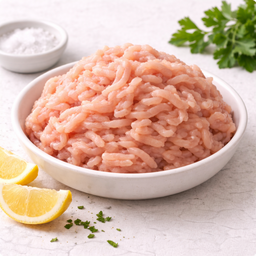 Minced Chicken
 Quercetin protects proteins against glycation
Technical: When heating ground meat (especially >150°C), Advanced Glycation End-products (AGEs) form through Maillard reaction between sugars and proteins. AGEs activate the RAGE receptor, involved in NF-κB signaling. Quercetin from onion (20-40mg per 100g) and organosulfur compounds from garlic inhibit AGE formation by 30-50% by blocking the Maillard reaction.
What does this mean for you? Always mix onion and garlic into your ground chicken before cooking — in meatballs, burgers or stir-fries. The aromatics not only enhance flavor but also reduce harmful compounds formed during cooking.
Garlic 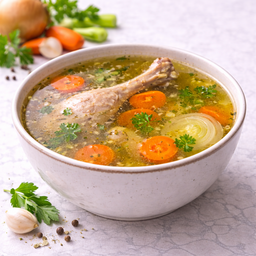 Chicken Stock
 Traditional recovery soup with immune support
Technical: Chicken broth's glycine and cysteine support glutathione production (master antioxidant). Garlic's allicin has bioactive action. Together they provide amino acids and bioactive sulfur compounds.
What does this mean for you? Make chicken broth with extra garlic for a comforting, nourishing soup. Glycine + allicin provide bioactive compounds.
Garlic 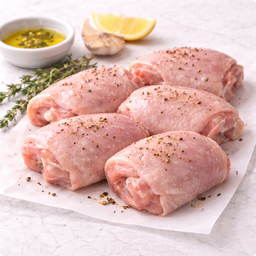 Chicken Thighs
 Classic combination: allicin for flavor and health
Technical: Chicken thighs contain more fat and flavor than breast, plus extra iron and zinc from dark meat. Garlic contains allicin that influences lipid metabolism. The sulfur compounds in garlic also help digest the fat in thighs.
What does this mean for you? Cook chicken thighs with lots of garlic — this is the basis of dishes like 'chicken with 40 cloves of garlic' and Moroccan tajines. The fat in thighs makes chicken juicier and garlic softer.
Garlic 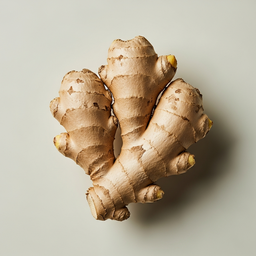 Ginger
 Allicin + gingerols: complementary bioactive action
Technical: Garlic's allicin works via thiol enzyme inhibition — effective against gram-positive bacteria (Staphylococcus, Streptococcus). Ginger's gingerols and shogaols influence viral replication and stimulate interferon production. Together they cover both bacterial and viral pathways.
What does this mean for you? Garlic-ginger tea is a classic combination. Garlic works via thiol enzymes, ginger via interferon pathways. Cut both fresh for maximum active compounds — allicin only forms after 10 minutes of air exposure.
Garlic 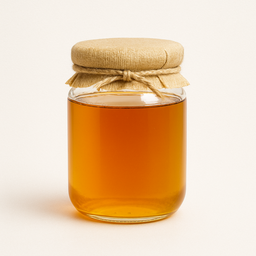 Honey
Honey Fermented: allicin + bee defensin in traditional condiment
Technical: Raw garlic contains alliin converted by alliinase to allicin — an organosulfur compound with bioactive properties — when cut. Raw honey contains hydrogen peroxide, bee defensin-1 and methylglyoxal. Fermenting garlic in honey increases bioavailability of S-allylcysteine (SAC), a more stable bioactive metabolite.
What does this mean for you? Submerge raw garlic cloves in raw honey and ferment for 2-4 weeks. You get a traditional condiment with concentrated bioactive compounds — an ancient fermentation technique that increases bioavailability.
Garlic 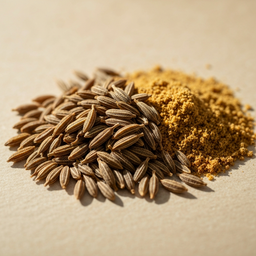 Cumin
Cumin Double digestive support: enzymes + bioactive compounds
Technical: Cumin promotes digestive enzyme activity (amylase, lipase, protease) and increases bile flow. Garlic's allicin has broad bioactivity targeting pathogenic gut bacteria while sparing beneficial ones.
What does this mean for you? Fry garlic and cumin together as base for curries, soups and stews. Classic combination in virtually every cuisine in the world.
Garlic 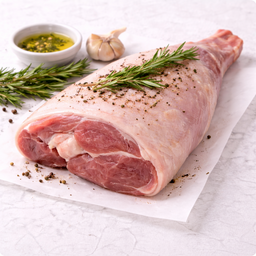 Leg of Lamb
 Organosulfur compounds increase zinc and iron absorption and influence lipid metabolism
Technical: Lamb shank provides 4.5mg zinc per 100g (41% RDI) and 2.6mg iron (14% RDI). Garlic contains allicin and diallyl sulfides that form metal chelates, increasing intestinal zinc absorption by 20-25% and iron by 15%. These organosulfur compounds also interact with HMG-CoA reductase, influencing lipid metabolism. Selenium in lamb (26μg/100g) works synergistically with allicin as antioxidant.
What does this mean for you? Stud lamb shank with 4-5 garlic cloves and braise slowly. The garlic maximizes your mineral absorption and neutralizes the strong lamb odor. Eat 1-2x per week for zinc (immune function), iron (energy) and lipid metabolism support.
Garlic 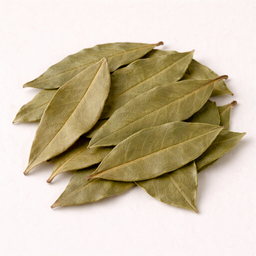 Bay Leaf
 Eucalyptol + allicin for broad-spectrum bioactive action
Technical: Bay's 1,8-cineole contains bioactive compounds effective against gram-negative bacteria and fungi via membrane disruption. Garlic's allicin works via thiol blockade in enzymes of gram-positive and gram-negative pathogens. Together they offer the broadest bioactive spectrum of all kitchen herbs. Bay's tannins also enhance the antioxidant action of garlic's S-allylcysteine.
What does this mean for you? Bay leaf + garlic is the base of virtually every good broth or sauce. Historically this served as a preservation method — a tradition that also works exceptionally well for flavor.
Garlic 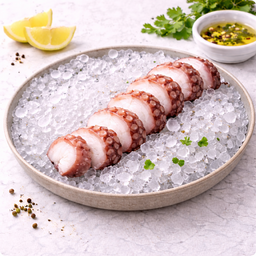 Octopus
 Taurine + allicin: bioactive compounds via complementary pathways
Technical: Octopus contains taurine (up to 1.6g per 100g) — an aminosulfonic acid that functions as osmolyte and antioxidant. Garlic contains allicin that influences HMG-CoA reductase (involved in lipid metabolism) and stimulates vasodilation via the NO pathway. Taurine and allicin work via complementary biochemical pathways.
What does this mean for you? Pulpo a la gallega with garlic oil is a Spanish/Portuguese dish where the bioactive compounds from octopus (taurine) and garlic (allicin) work together. Use raw or lightly cooked garlic — allicin breaks down at high temperatures.
Garlic 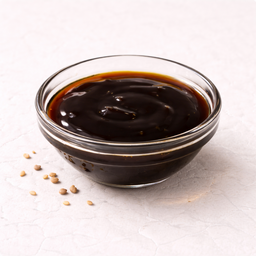 Oyster Sauce
 Umami + allicin for flavor enhancement and immune support
Technical: Oyster sauce's glutamate (umami) and garlic's allicin activate different taste and bioactive pathways. Glutamate enhances total taste perception via umami synergism (glutamate + nucleotides in oyster sauce). Allicin offers bioactive action and stimulates NK cells. The combination is also culinary: umami suppresses bitterness and enhances sweet-savory flavors, garlic adds depth.
What does this mean for you? Fry garlic and add oyster sauce in the last minute of stir-frying. The garlic gives depth, the oyster sauce brings umami — together they make simple vegetables irresistibly delicious.
Garlic  Olive Oil
 Aglio e olio: allicin + oleocanthal via complementary biochemical pathways
Technical: Garlic contains allicin (formed when cutting/crushing) that influences HMG-CoA reductase (involved in lipid metabolism). Olive oil contains oleocanthal that modulates COX-1/2 enzymes. Together they influence lipid metabolism and prostaglandin cascade via complementary biochemical pathways. The fat also helps absorb fat-soluble garlic compounds.
What does this mean for you? Gently warm garlic in olive oil (don't burn!) as the base for many dishes. This is why 'aglio e olio' pasta is so beloved — two bioactive compounds that reinforce each other.
Garlic 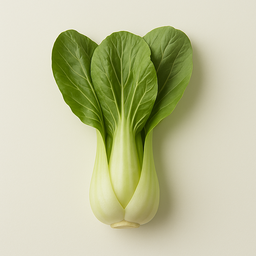 Pak Choi
 Glucosinolates + allicin for double Nrf2 activation
Technical: Pak choi contains glucosinolates forming sulforaphane and indole-3-carbinol — both activating the Nrf2 pathway for phase-II enzymes. Garlic's allicin and diallyl trisulfide activate the same Nrf2 pathway via a different mechanism (thiol reaction). Together they enhance induction of glutathione S-transferase and quinone reductase.
What does this mean for you? Stir-frying pak choi with garlic is an Asian base combining two sulfur-rich ingredients. Both activate the same Nrf2 pathway through their own route. Add ginger for a complete wok.
Garlic 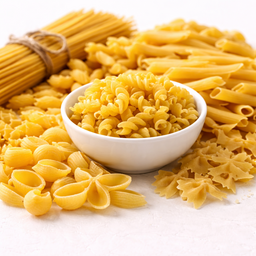 Pasta (Dried)
 Carbohydrates + allicin for bioactive support and flavor
Technical: Pasta provides slow energy from complex starch (GI 40-55 for al dente). Garlic contains alliin that when crushed/cut is converted by alliinase into allicin — a bioactive organosulfur compound. Allicin influences NK cell activity and macrophage function.
What does this mean for you? Aglio e olio (pasta with garlic and olive oil) is the simplest and most scientifically supported pasta. Crush the garlic and let it rest for 10 minutes for maximum allicin formation.
Garlic 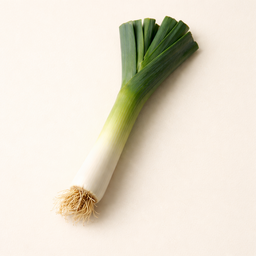 Leek
Leek Double Allium power: inulin + allicin for gut and Nrf2
Technical: Leek contains 2-5g inulin per 100g (prebiotic for Bifidobacterium) and kaempferol. Garlic's allicin has bioactive properties and fructo-oligosaccharides (FOS) also feed beneficial gut bacteria. As Allium family members, they share organosulfur compounds that modulate NF-κB and activate the Nrf2 pathway.
What does this mean for you? Leek and garlic together (base of many soups and stews) give your gut bacteria a double feast of prebiotic fibers. Two Allium crops with complementary organosulfur compounds.
Garlic 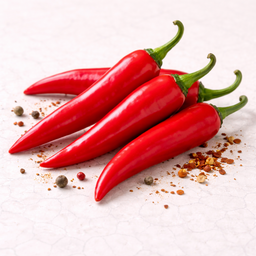 Red Chili Pepper (Fresh)
 Capsaicin + allicin: complementary bioactive sulfur pathways
Technical: Capsaicin from red pepper inhibits bacterial biofilm formation and is effective against H. pylori via TRPV1 receptor activation. Garlic's allicin works via thiol enzyme inhibition and has bioactive action against gram-positive bacteria. Together they cover a broader spectrum of bioactive pathways. Capsaicin also stimulates mucus production in the GI tract.
What does this mean for you? Red pepper with garlic is the base of countless cuisines worldwide — from sambal to harissa. Not just tasty heat, but also two complementary bioactive pathways in one spice combination.
Garlic 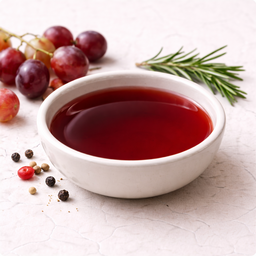 Red wine vinegar
 Acetic acid + allicin for vascular support and bioactive action
Technical: Red wine vinegar's acetic acid activates AMPK and modulates angiotensin II production, supporting vascular function. Garlic's allicin modulates ACE (angiotensin-converting enzyme). Together they support vascular function via two complementary angiotensin-modulating mechanisms. Both also have bioactive action: acetic acid via pH lowering, allicin via thiol blockade.
What does this mean for you? Red wine vinegar-garlic dressing is a flavorful way to add bioactive compounds to your salad. Crush garlic and let rest 10 minutes before mixing with vinegar for maximum allicin formation.
Garlic 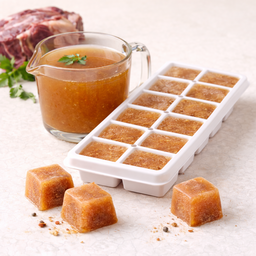 Beef Stock
 Collagen + allicin for joints and immunity
Technical: Beef broth is rich in type I and III collagen for skin, bones and joints. Garlic's allicin offers bioactive action.
What does this mean for you? Add garlic to your beef broth for a rich, savoury flavour alongside the collagen.
Garlic 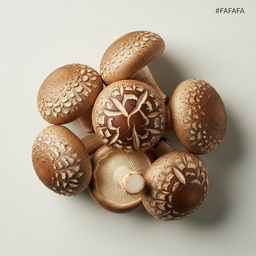 Shiitake
 Asian staple combination of shiitake and garlic
Technical: Shiitake contains lentinan, a beta-1,3-glucan that activates natural killer (NK) cells and macrophages via Dectin-1 receptors. Garlic contains allicin, which acts through a different biochemical pathway involving T-cells and interferon production. The two ingredients thus combine distinct bioactive compounds.
What does this mean for you? Stir-fry shiitake with garlic in a wok or soup — it's a staple of Asian cuisine for good reason. Good to know: vitamin D contributes to the normal function of the immune system (EFSA-approved), and UV-exposed shiitake is one of the few plant-based sources of it.
Garlic 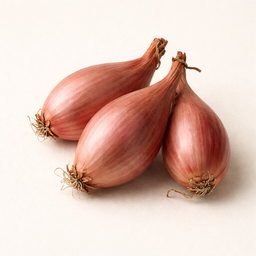 Shallot
 Complementary Allium sulfur compounds: >15 organosulfur in one combination
Technical: Shallots contain quercetin (32mg/100g) plus allyl propyl disulfide. Garlic contains allicin and ajoene. Together they provide >15 unique organosulfur compounds that influence platelet aggregation signaling and modulate fibrinolysis. Allium crops are intensively studied in epidemiological research.
What does this mean for you? Shallot and garlic together (base of many sauces and stews) combine more than 15 unique organosulfur compounds. The different Allium sulfur compounds complement each other through different biochemical pathways.
Garlic 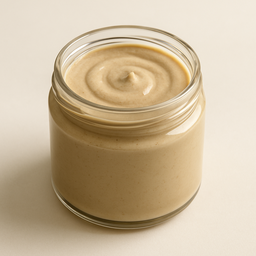 Tahini
 Hummus base with immune support
Technical: Tahini provides calcium (426mg/100g), magnesium (95mg), zinc (4.6mg) and sesamin (antioxidant lignan). Garlic contains allicin that offers bioactive action via T-cell activation. Zinc from tahini contributes to the normal function of the immune system (EFSA) — the nutritional foundation of hummus.
What does this mean for you? Make hummus with tahini and fresh garlic. The tahini gives minerals like zinc, the garlic bioactive compounds — a nutritious dip.
Garlic 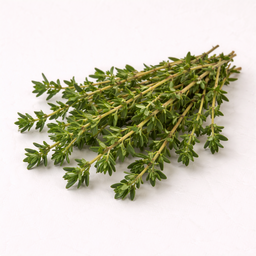 Thyme (Fresh)
 Double bioactive action via complementary mechanisms
Technical: Thyme's thymol disrupts cell membranes of microorganisms via lipophilic insertion. Garlic's allicin inhibits microbial enzymes (cysteine proteases). Two independent bioactive mechanisms — membrane disruption (thyme) + enzyme inhibition (garlic) — provide broader spectrum coverage than each ingredient alone.
What does this mean for you? Use thyme and garlic together in sauces, soups and marinades. Two bioactive ingredients working through different routes — the foundation of Provençal cuisine.
Garlic 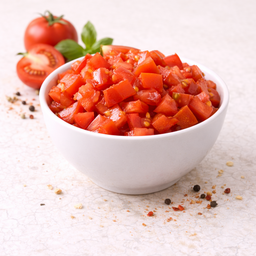 Diced Tomatoes
 Lycopene + allicin: complementary lipid modulation pathways
Technical: Diced tomatoes (heated) contain 4x more bioavailable lycopene than fresh. Lycopene and garlic's organosulfur compounds (allicin, ajoene) are studied in research in connection with LDL oxidation and NF-κB signaling, via complementary routes.
What does this mean for you? Tomato sauce with garlic is the base of Italian cuisine — and scientifically a remarkably smart combination. Sauté garlic and add diced tomatoes. Heating increases lycopene bioavailability by factor 4.
Garlic 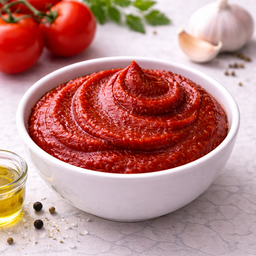 Tomato Paste
 Concentrated lycopene + allicin for heart and immunity
Technical: Tomato puree is 6x more concentrated than fresh tomato (lycopene 28mg/100g vs 3-7mg fresh). The cooking process has already converted lycopene from trans to cis isomer, increasing bioavailability 2.5x. Garlic's allicin stimulates NO production (vasodilation) and inhibits LDL oxidation. Lycopene + allicin offer synergy in antioxidant support: lycopene neutralizes singlet oxygen in LDL, allicin supports vascular function.
What does this mean for you? Fry garlic and add tomato puree as the base of your sauce. The puree is the most concentrated source of bioavailable lycopene, and garlic enhances the antioxidant effect.
Garlic 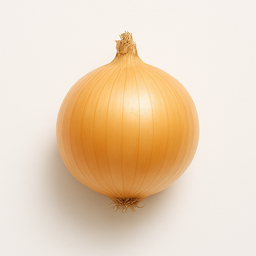 Onion
Onion More than 20 organosulfur compounds in one soffritto
Technical: Onion contains diallyl disulfide and quercetin (20-40mg/100g). Garlic contains allicin, ajoene and S-allylcysteine. Together they provide more than 20 different organosulfur compounds that modulate NF-κB. Allium crops are intensively studied in nutrition science for their unique sulfur chemistry.
What does this mean for you? Start every dish with sautéed onion and garlic — not just for flavor, but for the unique concentration of organosulfur compounds. Cut garlic 10 minutes before heating to allow allicin formation.
Garlic 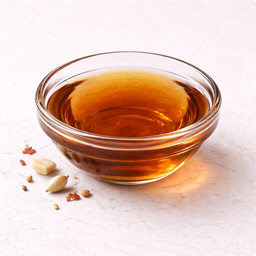 Fish Sauce
 Fermented umami + allicin for immunity and flavor
Technical: Fish sauce contains fermented amino acids (glutamate, histidine) and bioactive peptides from long fermentation. Garlic's allicin offers bioactive action. The fermented compounds support the gut microbiome while allicin provides a complementary bioactive profile.
What does this mean for you? Combine fish sauce and garlic as base for Asian stir-fries, marinades and dressings. This is the fundamental flavor base of Thai and Vietnamese cuisine.
Garlic 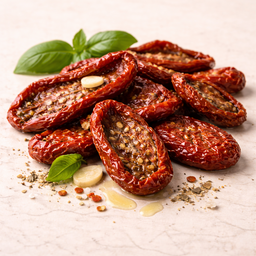 Sun-Dried Tomato
 Concentrated lycopene + allicin: complementary lipid pathways
Technical: Sun-dried tomatoes provide 45mg lycopene per 100g modulating LDL oxidation. Garlic's allicin influences LDL metabolism and modulates platelet aggregation signaling via thromboxane A2. Together they work through two complementary lipid pathways: lycopene modulates LDL oxidation, allicin influences LDL metabolism.
What does this mean for you? Sun-dried tomato with garlic (in pesto rosso, tapenade or pasta) isn't just a flavor combo — it's a combination of two bioactive compounds each influencing lipid metabolism through their own pathway.
Recipes with Garlic
Discover delicious recipes featuring garlic:
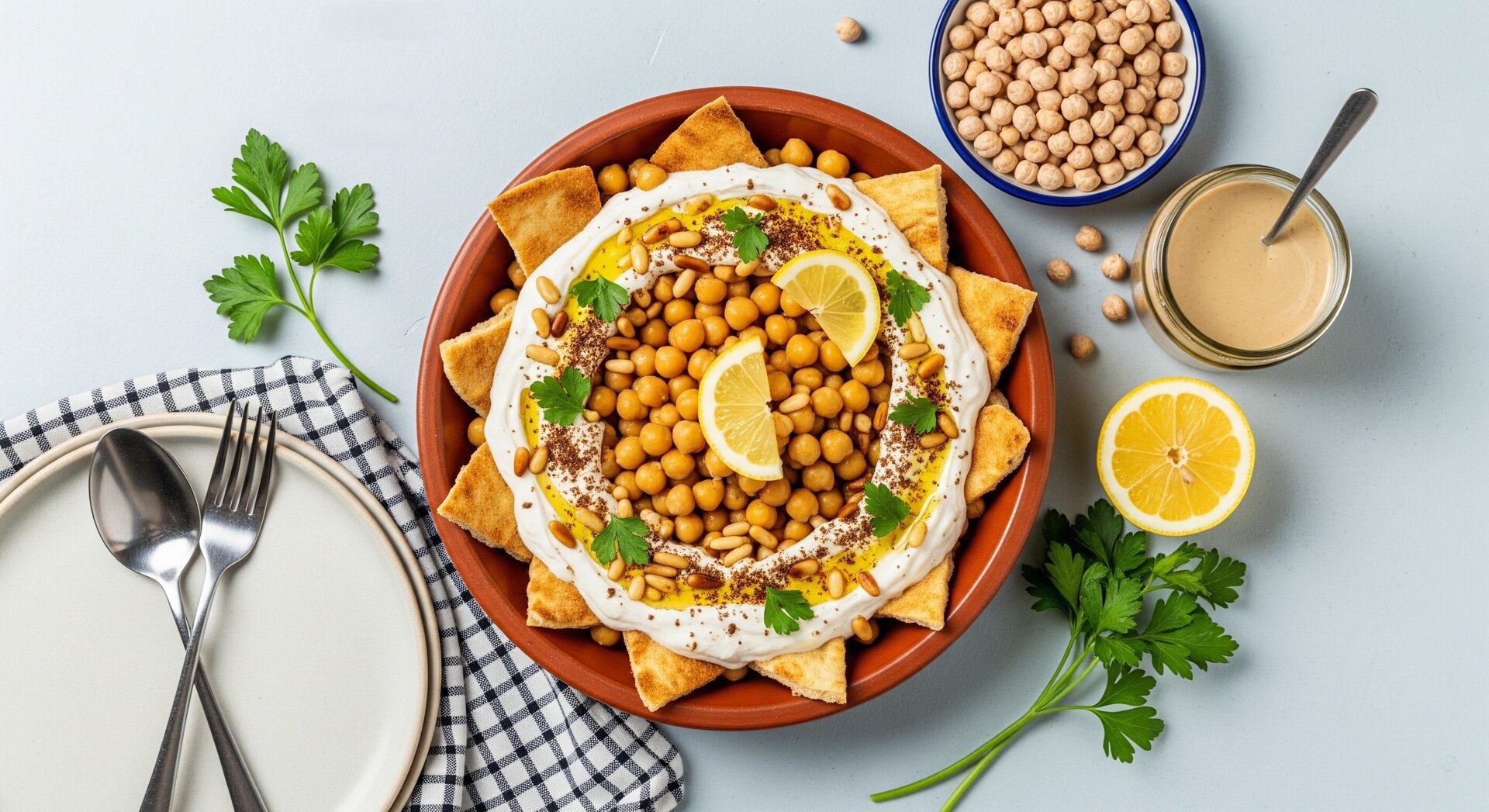 Arabic Fatteh with Chickpeas and Yogurt 25 min Layered Levantine breakfast with crispy bread and tahini
  605 kcal
  24g protein 2 synergies
 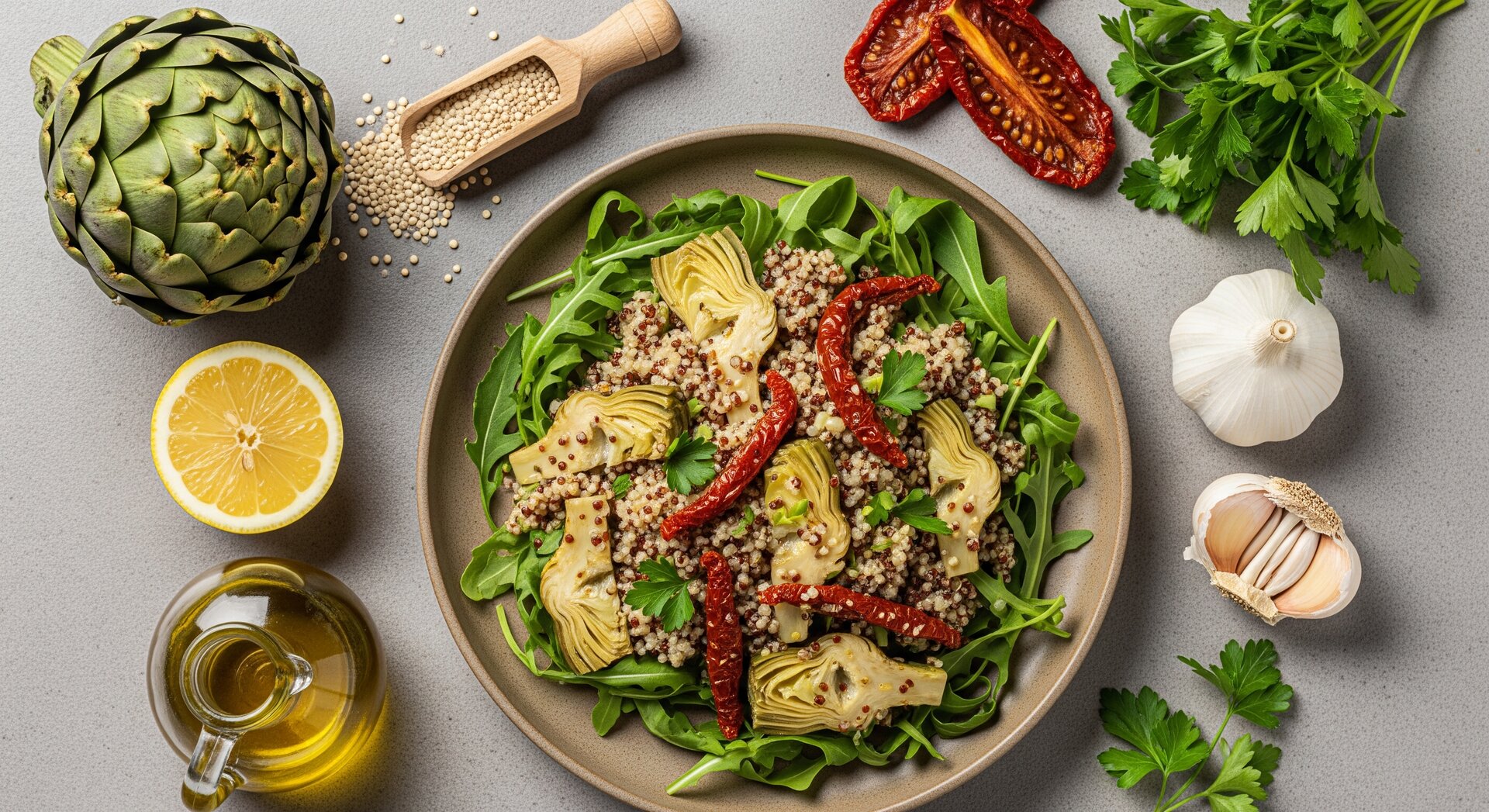 Artichoke Quinoa Lunch 25 min Mediterranean quinoa salad with artichoke 340 kcal 10g protein 2 synergies
 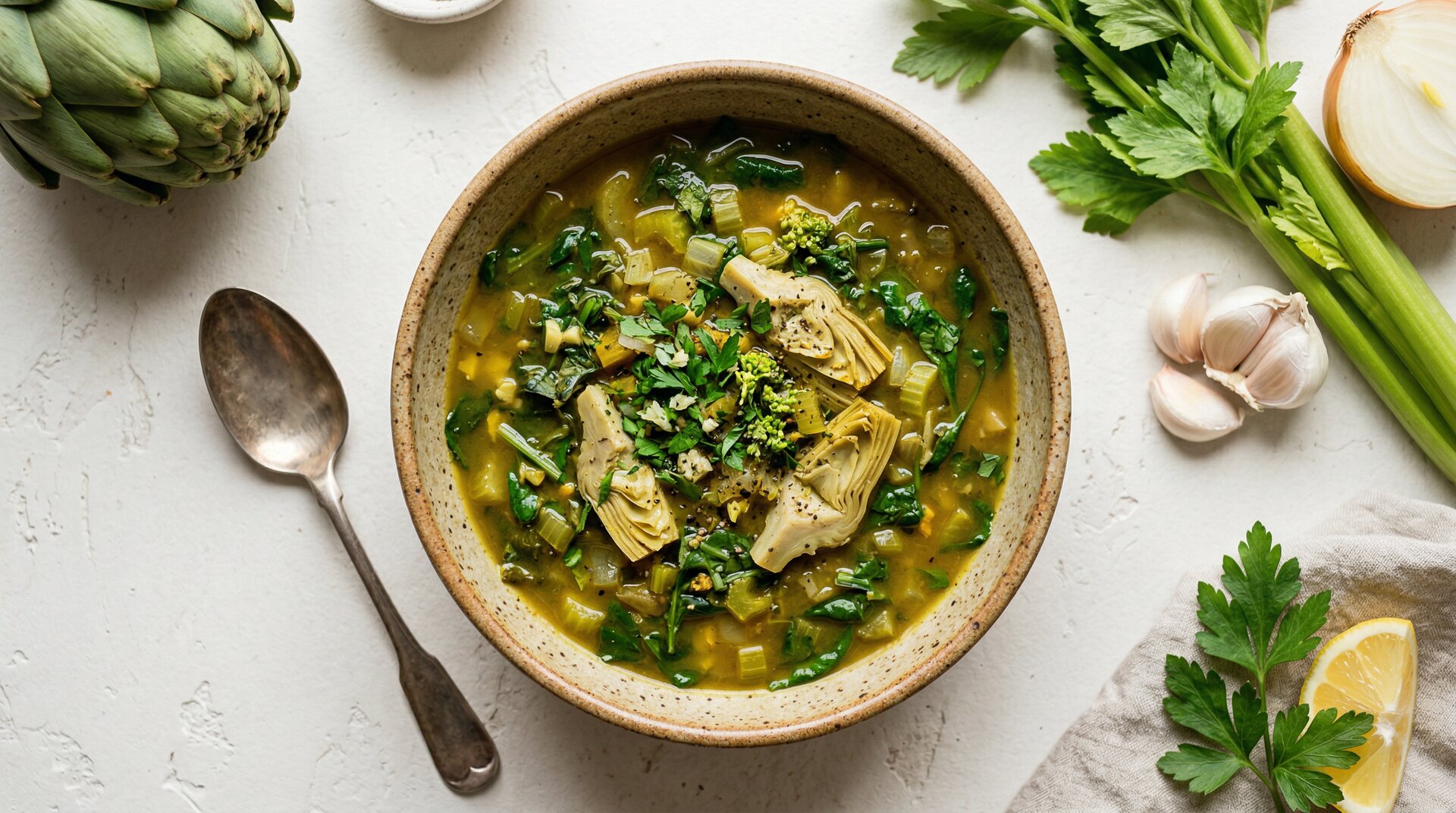 Artichoke Soup with Celery, Spinach and Lemon 36 min Velvety, fresh and gently spiced 121 kcal 3g protein 2 synergies
 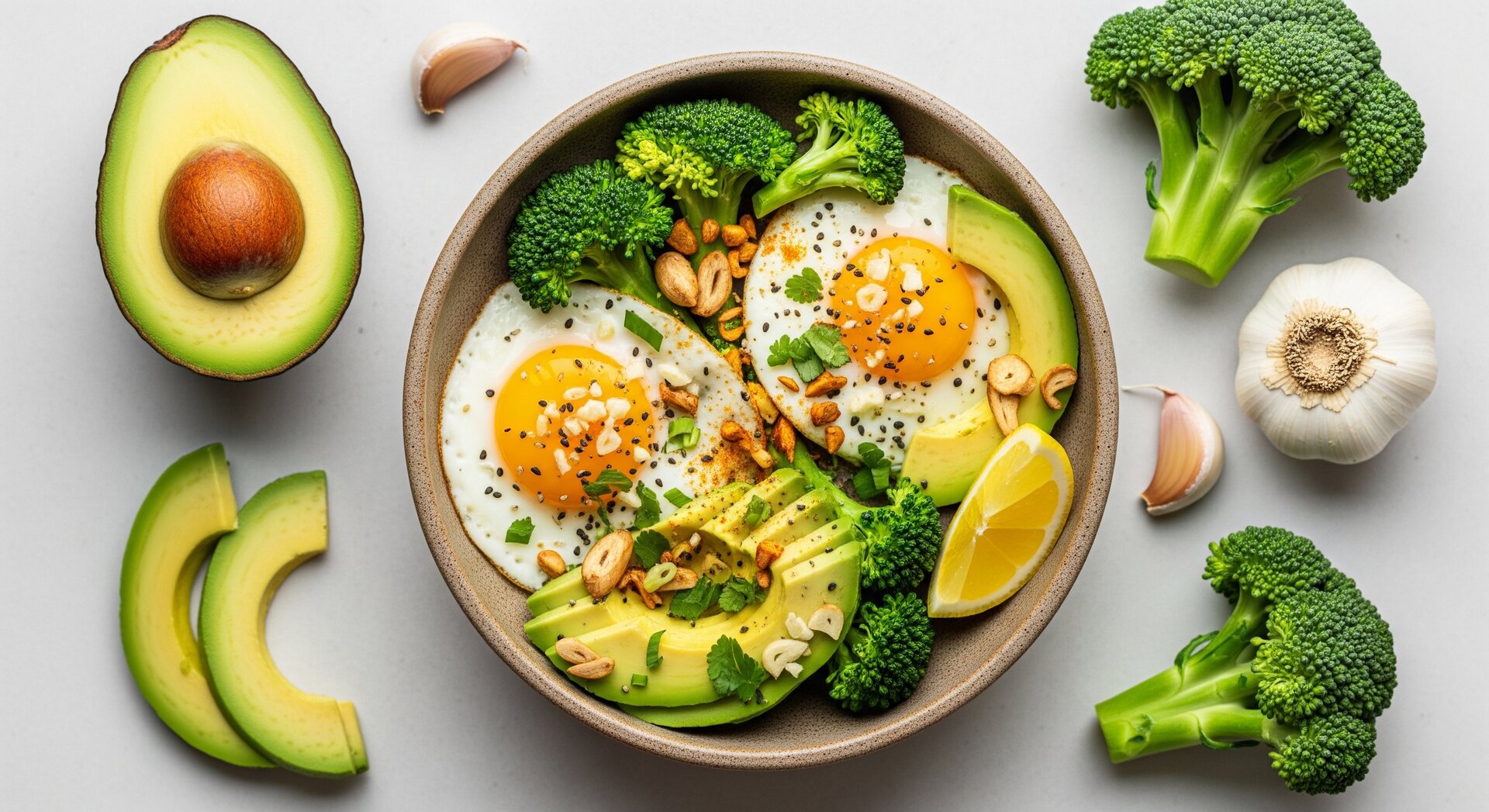 Avocado Eggs with Roasted Broccoli 15 min Golden turmeric and crispy broccoli 365 kcal 16g protein 2 synergies
 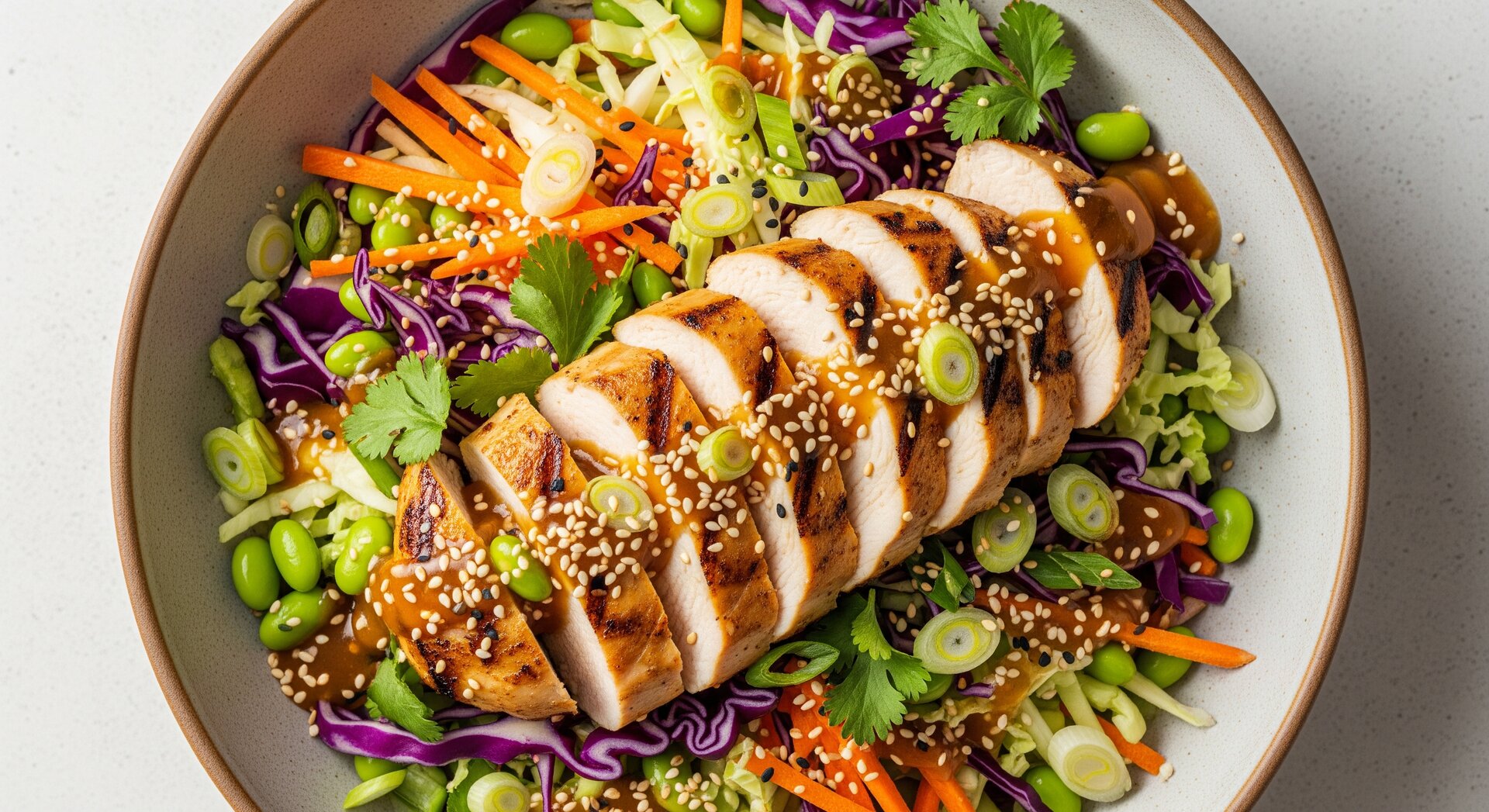 Asian Sesame Chicken Salad 25 min Crispy salad with grilled chicken and ginger-sesame dressing 320 kcal 28g protein 1 synergies
 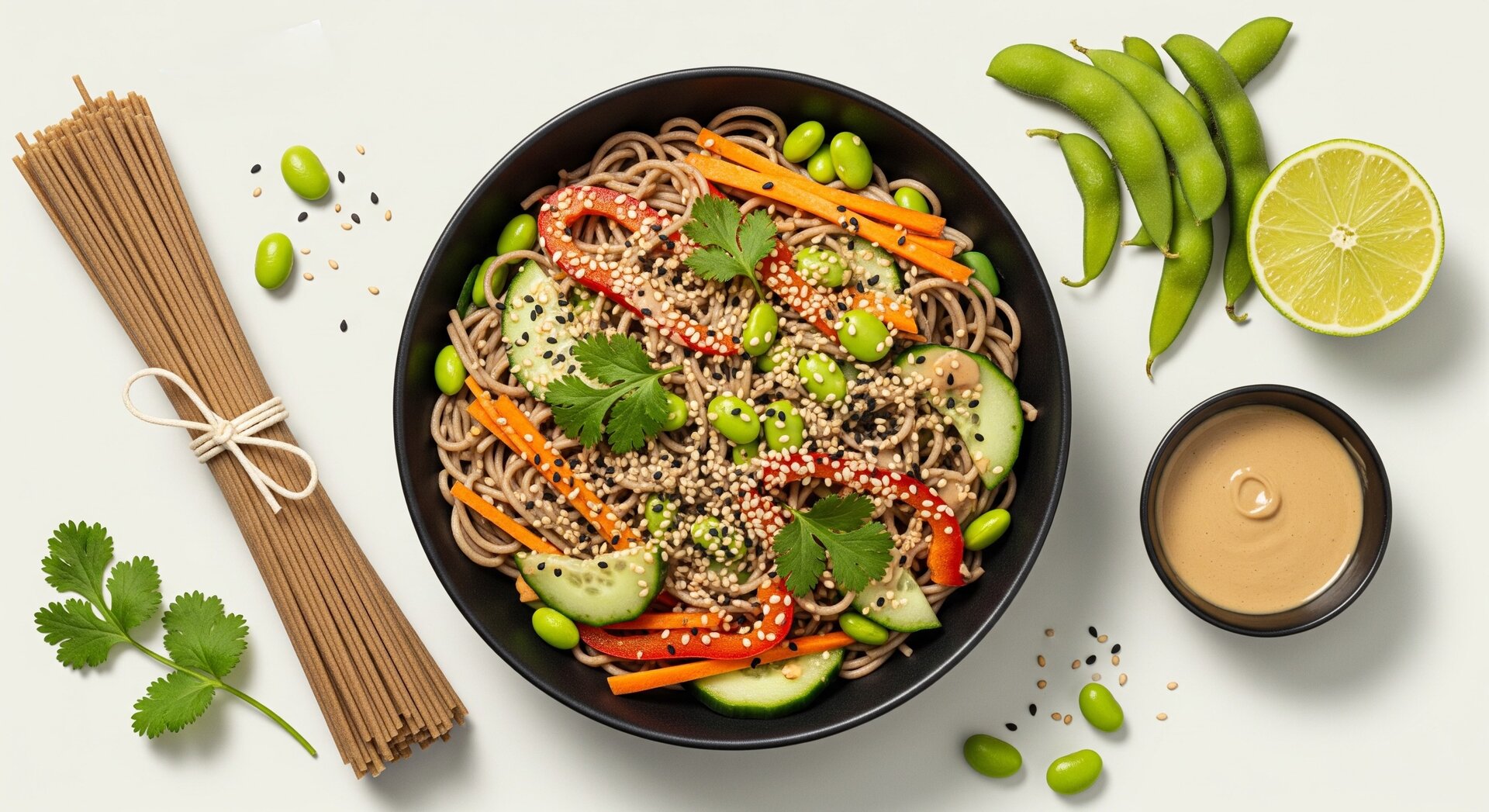 Asian Sesame-Soba Noodle Salad with Edamame 25 min Cold noodle salad with sesame dressing and edamame 751 kcal 31g protein 1 synergies
  In the Kitchen
Storage
Location:Pantry
Shelf life:3-6 maanden (hele bol), 1 week (losse teentjes)
Store cool, dry and dark with good air circulation. Not in plastic or refrigerator.
Preparation
10-MINUTE RULE: first chop/press, wait 10 min, then heat. This permanently activates allicin.
Conversions
Substitutes
Smart preparation
1Press a clove flat with the side of a knife to loosen the skin.
2Never fry garlic on high heat; it burns quickly and becomes bitter.
3Add garlic later than onion when frying.
Why?
Garlic has a much shorter cooking time than onion.
4Remove the green germ in the center to prevent bitterness.
Caution / Warnings
Garlic is very safe, but there are scientific considerations:
Blood Thinners Severe
Garlic has a strong anticoagulant effect (thins the blood)
Advice:
People using anticoagulants (Warfarin) or undergoing surgery should be careful with high doses of garlic (supplements)
Irritable Bowel (FODMAPs) Severe
Garlic is very high in fructans, a major trigger for IBS
Advice:
For people with IBS (Irritable Bowel Syndrome) often causes gas, bloating and abdominal pain
Raw on empty stomach Moderate
Raw garlic is very aggressive and can irritate the stomach lining
Advice:
Can cause heartburn in sensitive individuals
Pets (Toxic) Severe
Garlic (and onion) is toxic to dogs and cats
Advice:
It can damage their red blood cells - never give to pets
Traditional use
Mediterranean
Egyptian and Greek power food
Egyptian pyramid builders received daily garlic for strength and endurance. Hippocrates prescribed garlic for lung conditions and as a cleansing agent.
Ayurveda
Ayurvedic Rasayana herb
In Ayurveda, garlic is regarded as an important Rasayana that calms Vata and Kapha, though it is avoided in sattvic diets.
Traditional Chinese Medicine
Chinese Da Suan
In Chinese medicine, garlic is known as Da Suan and has been used for over 2000 years to expel toxins and promote digestion.
Summary
Garlic is one of the most widely recognized 'medicines' in the kitchen, if used correctly. It protects your heart and keeps viruses at bay. Remember the 10-minute rule: first chop, then wait, then cook. For maximum effect when sick, raw garlic (pressed) is superior to cooked garlic.