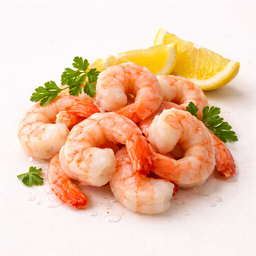
Shrimp
Lean seafood with plenty of protein and a mild briny taste
What is this ingredient?
Shrimp are among the world’s most popular seafoods and fit into many cuisines, from stir-fries and curries to pasta, salads and ceviche. Per 100 grams, they provide about 24 grams of protein with 99 calories and 0.3 grams of fat, making them a compact protein source when prepared without heavy sauces or breading. Their pink-orange color comes mainly from astaxanthin, a carotenoid pigment from their diet. Shrimp also provide minerals such as selenium, phosphorus, zinc, copper and iodine, plus small amounts of omega-3 fatty acids (EPA/DHA), though less than oily fish. They are also relatively high in cholesterol, so consider your overall diet and any personal nutrition advice.
How does it taste?
Sweet, briny and succulent with a short, clear sea flavor.
Pairs well with:
Pairs well with garlicchililimebutter and cilantro.
Did you know...?
- A shrimp's heart is located in its head.
- Shrimp swim freely at birth but often live closer to the bottom as adults.
- There are more than 2,000 different shrimp species on Earth.
Nutritional Value & Energy
Per 100g
Shrimp provides energy thanks to natural nutrients .
Per 100g
Minerals
Vitamins
Omega-3 fatty acids
More nutrients
B-Vitamins
Trace Minerals
What's in a serving?
1 serving
Shrimp naturally contain selenium (38 mcg per 100 g).
Shrimp naturally contain vitamin B12 (1.1 mcg per 100 g).
Shrimp naturally contain phosphorus (201 mg per 100 g).
Shrimp naturally contain zinc (1.6 mg per 100 g).
Shrimp naturally contain copper (0.3 mg per 100 g).
Shrimp naturally contain iodine (35 mcg per 100 g).
% of daily reference intake (DRI)
EU-approved nutrition claims
This ingredient contains nutrients for which EFSA-authorized health claims exist (at nutrient level, not ingredient-specific).
Approved health claims (EU)
Vitamin_b12 EU 432/2012
Vitamin B12 contributes to the normal function of the immune system
Contains 1.1mcg/100g (threshold: ≥0.375mcg/100g)
Vitamin_b12 EU 432/2012
Vitamin B12 contributes to the reduction of tiredness and fatigue
Contains 1.1mcg/100g (threshold: ≥0.375mcg/100g)
Vitamin_b12 EU 432/2012
Vitamin B12 contributes to the normal functioning of the nervous system
Contains 1.1mcg/100g (threshold: ≥0.375mcg/100g)
Zinc EU 432/2012
Zinc contributes to the normal function of the immune system
Contains 1.6mg/100g (threshold: ≥1.5mg/100g)
Zinc EU 432/2012
Zinc contributes to the maintenance of normal skin
Contains 1.6mg/100g (threshold: ≥1.5mg/100g)
Vitamin_b12 EU 432/2012
Vitamin B12 contributes to normal energy-yielding metabolism
Contains 1.1mcg/100g (threshold: ≥0.375mcg/100g)
Vitamin_b12 EU 432/2012
Vitamin B12 contributes to normal homocysteine metabolism
Contains 1.1mcg/100g (threshold: ≥0.375mcg/100g)
Vitamin_b12 EU 432/2012
Vitamin B12 contributes to normal psychological function
Contains 1.1mcg/100g (threshold: ≥0.375mcg/100g)
Vitamin_b12 EU 432/2012
Vitamin B12 contributes to normal red blood cell formation
Contains 1.1mcg/100g (threshold: ≥0.375mcg/100g)
Vitamin_b12 EU 432/2012
Vitamin B12 has a role in the process of cell division
Contains 1.1mcg/100g (threshold: ≥0.375mcg/100g)
Phosphorus EU 432/2012
Phosphorus contributes to normal energy-yielding metabolism
Contains 201mg/100g (threshold: ≥105mg/100g)
Phosphorus EU 432/2012
Phosphorus contributes to the normal function of cell membranes
Contains 201mg/100g (threshold: ≥105mg/100g)
Phosphorus EU 432/2012
Phosphorus contributes to the maintenance of normal bones
Contains 201mg/100g (threshold: ≥105mg/100g)
Phosphorus EU 432/2012
Phosphorus contributes to the maintenance of normal teeth
Contains 201mg/100g (threshold: ≥105mg/100g)
Zinc EU 432/2012
Zinc contributes to normal acid-base metabolism
Contains 1.6mg/100g (threshold: ≥1.5mg/100g)
Zinc EU 432/2012
Zinc contributes to normal carbohydrate metabolism
Contains 1.6mg/100g (threshold: ≥1.5mg/100g)
Zinc EU 432/2012
Zinc contributes to normal cognitive function
Contains 1.6mg/100g (threshold: ≥1.5mg/100g)
Zinc EU 432/2012
Zinc contributes to normal DNA synthesis
Contains 1.6mg/100g (threshold: ≥1.5mg/100g)
Zinc EU 432/2012
Zinc contributes to normal fertility and reproduction
Contains 1.6mg/100g (threshold: ≥1.5mg/100g)
Zinc EU 432/2012
Zinc contributes to normal macronutrient metabolism
Contains 1.6mg/100g (threshold: ≥1.5mg/100g)
Zinc EU 432/2012
Zinc contributes to normal metabolism of fatty acids
Contains 1.6mg/100g (threshold: ≥1.5mg/100g)
Zinc EU 432/2012
Zinc contributes to normal metabolism of vitamin A
Contains 1.6mg/100g (threshold: ≥1.5mg/100g)
Zinc EU 432/2012
Zinc contributes to normal protein synthesis
Contains 1.6mg/100g (threshold: ≥1.5mg/100g)
Zinc EU 432/2012
Zinc contributes to the maintenance of normal bones
Contains 1.6mg/100g (threshold: ≥1.5mg/100g)
Zinc EU 432/2012
Zinc contributes to the maintenance of normal hair
Contains 1.6mg/100g (threshold: ≥1.5mg/100g)
Zinc EU 432/2012
Zinc contributes to the maintenance of normal nails
Contains 1.6mg/100g (threshold: ≥1.5mg/100g)
Zinc EU 432/2012
Zinc contributes to the maintenance of normal testosterone levels in the blood
Contains 1.6mg/100g (threshold: ≥1.5mg/100g)
Zinc EU 432/2012
Zinc contributes to the maintenance of normal vision
Contains 1.6mg/100g (threshold: ≥1.5mg/100g)
Zinc EU 432/2012
Zinc contributes to the protection of cells from oxidative stress
Contains 1.6mg/100g (threshold: ≥1.5mg/100g)
Zinc EU 432/2012
Zinc has a role in the process of cell division
Contains 1.6mg/100g (threshold: ≥1.5mg/100g)
Copper EU 432/2012
Copper contributes to the maintenance of normal connective tissues
Contains 0.3mg/100g (threshold: ≥0.15mg/100g)
Copper EU 432/2012
Copper contributes to normal energy-yielding metabolism
Contains 0.3mg/100g (threshold: ≥0.15mg/100g)
Copper EU 432/2012
Copper contributes to normal functioning of the nervous system
Contains 0.3mg/100g (threshold: ≥0.15mg/100g)
Copper EU 432/2012
Copper contributes to normal hair pigmentation
Contains 0.3mg/100g (threshold: ≥0.15mg/100g)
Copper EU 432/2012
Copper contributes to normal iron transport in the body
Contains 0.3mg/100g (threshold: ≥0.15mg/100g)
Copper EU 432/2012
Copper contributes to normal skin pigmentation
Contains 0.3mg/100g (threshold: ≥0.15mg/100g)
Copper EU 432/2012
Copper contributes to the normal function of the immune system
Contains 0.3mg/100g (threshold: ≥0.15mg/100g)
Copper EU 432/2012
Copper contributes to the protection of cells from oxidative stress
Contains 0.3mg/100g (threshold: ≥0.15mg/100g)
Selenium EU 432/2012
Selenium contributes to the maintenance of normal hair
Contains 38mcg/100g (threshold: ≥8.25mcg/100g)
Selenium EU 432/2012
Selenium contributes to the maintenance of normal nails
Contains 38mcg/100g (threshold: ≥8.25mcg/100g)
Selenium EU 432/2012
Selenium contributes to the normal function of the immune system
Contains 38mcg/100g (threshold: ≥8.25mcg/100g)
Selenium EU 432/2012
Selenium contributes to normal thyroid function
Contains 38mcg/100g (threshold: ≥8.25mcg/100g)
Selenium EU 432/2012
Selenium contributes to normal spermatogenesis
Contains 38mcg/100g (threshold: ≥8.25mcg/100g)
Selenium EU 432/2012
Selenium contributes to the protection of cells from oxidative stress
Contains 38mcg/100g (threshold: ≥8.25mcg/100g)
Iodine EU 432/2012
Iodine contributes to normal cognitive function
Contains 35mcg/100g (threshold: ≥22.5mcg/100g)
Iodine EU 432/2012
Iodine contributes to normal energy-yielding metabolism
Contains 35mcg/100g (threshold: ≥22.5mcg/100g)
Iodine EU 432/2012
Iodine contributes to normal functioning of the nervous system
Contains 35mcg/100g (threshold: ≥22.5mcg/100g)
Iodine EU 432/2012
Iodine contributes to the maintenance of normal skin
Contains 35mcg/100g (threshold: ≥22.5mcg/100g)
Iodine EU 432/2012
Iodine contributes to the normal production of thyroid hormones and normal thyroid function
Contains 35mcg/100g (threshold: ≥22.5mcg/100g)
Iodine EU 432/2012
Iodine contributes to the normal growth of children
Contains 35mcg/100g (threshold: ≥22.5mcg/100g)
What's being researched?
Shrimp and cholesterol
Research on shrimp consumption and blood lipids is nuanced. Shrimp contain relatively high cholesterol, while studies also describe changes in HDL and LDL; the relationship between those values remains part of the nutrition science discussion.
Supported by: [3] Berger (2015)
Shrimp and astaxanthin
The carotenoid astaxanthin in shrimp is studied for its antioxidant capacity and color-giving role. In-vitro studies describe clear antioxidant activity, but the amounts from normal food intake are limited compared with supplement forms.
Supported by: [2] Ambati (2014)
Good Combinations (Synergy)
Combine shrimp smartly to enhance the effect:
Shrimp 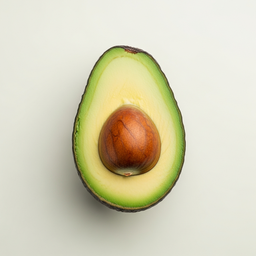 Avocado
 Fat increases astaxanthin absorption from shrimp 3x
Technical: Shrimp contain astaxanthin (1.5-3mg per 100g), a potent fat-soluble carotenoid antioxidant. Avocado contains 15g healthy fats that improve micelle formation and increase astaxanthin absorption by 2-3x.
What does this mean for you? Combine shrimp with avocado in salads, poke bowls or as shrimp cocktail with guacamole. The pink color of shrimp comes from astaxanthin — the pinker, the more!
Shrimp 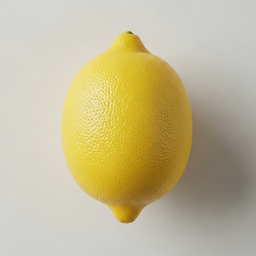 Lemon
Lemon Better iron absorption from shellfish
Technical: Shrimp contain 2mg iron per 100g, mainly as heme iron (well absorbed) plus some non-heme iron. Lemon provides 53mg vitamin C per 100g that reduces non-heme iron from Fe³⁺ to the more absorbable Fe²⁺. Additionally, citric acid promotes absorption by chelating minerals, which also improves uptake of zinc (1.6mg) and selenium (38μg) from shrimp.
What does this mean for you? Sprinkle your shrimp with lemon or lime juice. This works in cocktail sauces, ceviche, pad thai and shrimp soup. The citrus not only freshens the flavor but also increases your mineral absorption.
Shrimp 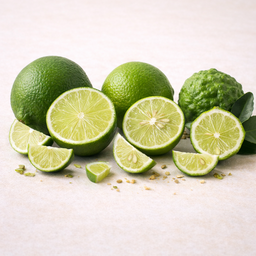 Lime
Lime Better iron absorption from shellfish
Technical: Shrimp contain 2mg iron per 100g, mainly as heme iron (well absorbed) plus some non-heme iron. Lemon provides 53mg vitamin C per 100g that reduces non-heme iron from Fe³⁺ to the more absorbable Fe²⁺. Additionally, citric acid promotes absorption by chelating minerals, which also improves uptake of zinc (1.6mg) and selenium (38μg) from shrimp.
What does this mean for you? Sprinkle your shrimp with lemon or lime juice. This works in cocktail sauces, ceviche, pad thai and shrimp soup. The citrus not only freshens the flavor but also increases your mineral absorption.
Shrimp 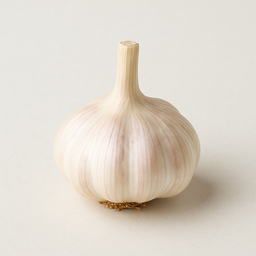 Garlic
 Astaxanthin + allicin influence lipid metabolism via complementary pathways
Technical: Shrimp contain astaxanthin (1.5-3mg per 100g) — a potent carotenoid antioxidant that neutralizes singlet oxygen. Garlic contains allicin that works through a different mechanism: it influences HMG-CoA reductase (involved in lipid metabolism). Together they offer complementary biochemical pathways: antioxidation (astaxanthin) + lipid modulation (allicin).
What does this mean for you? Gambas al ajillo (shrimp in garlic oil) isn't just a Spanish classic but also a functional combination. Use at least 4-5 cloves of garlic and don't brown them too much — allicin breaks down at high temperatures.
Recipes with Shrimp
Discover delicious recipes featuring shrimp:
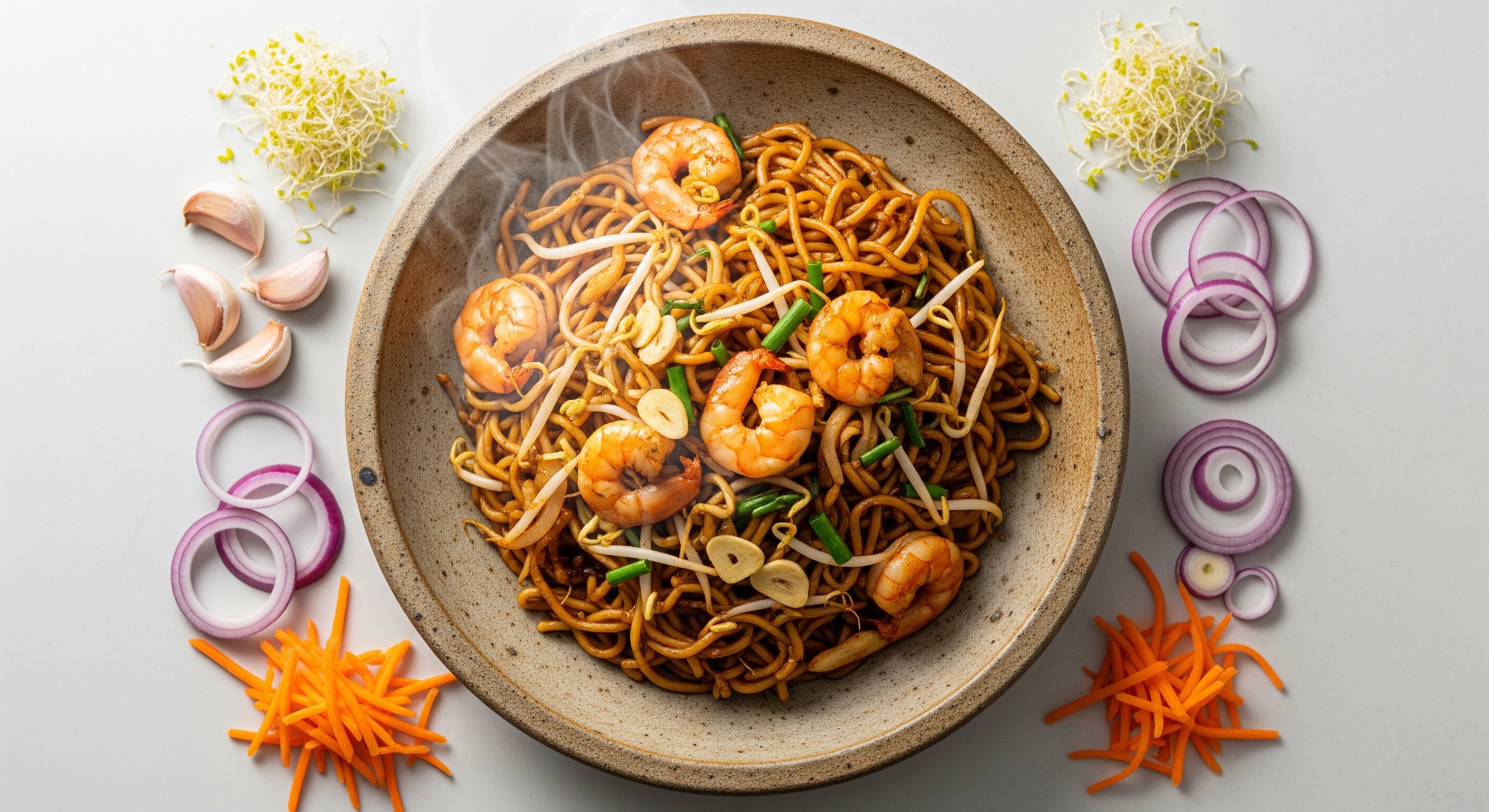 Bami Goreng with Shrimp and Bean Sprouts 30 min Indonesian stir-fry with crispy vegetables and sweet soy sauce
  630 kcal
  34g protein 2 synergies
 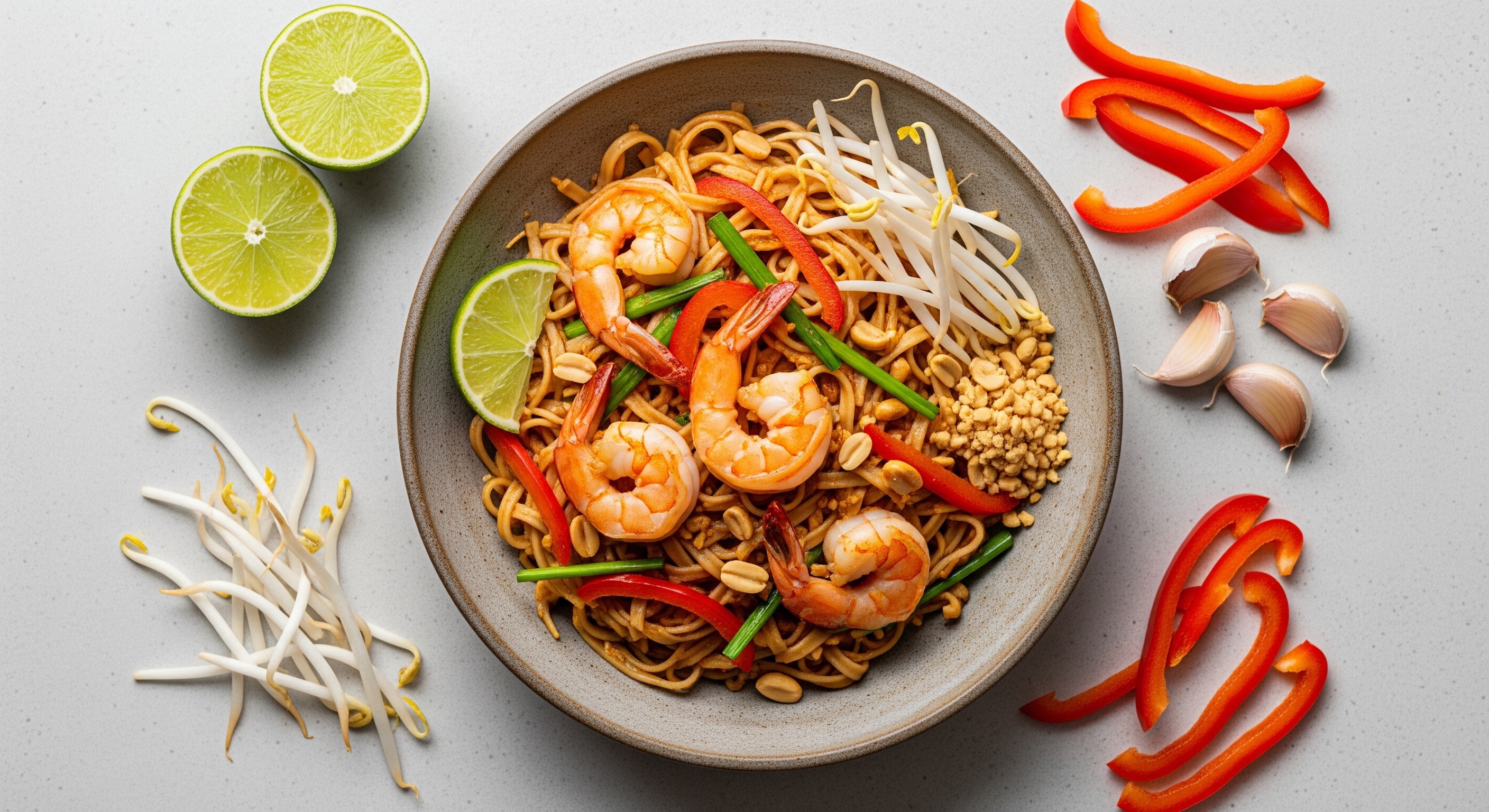 Shrimp Pad Thai with Rice Noodles 30 min Thai wok classic with tamarind, peanuts and lime 720 kcal 36g protein 2 synergies
 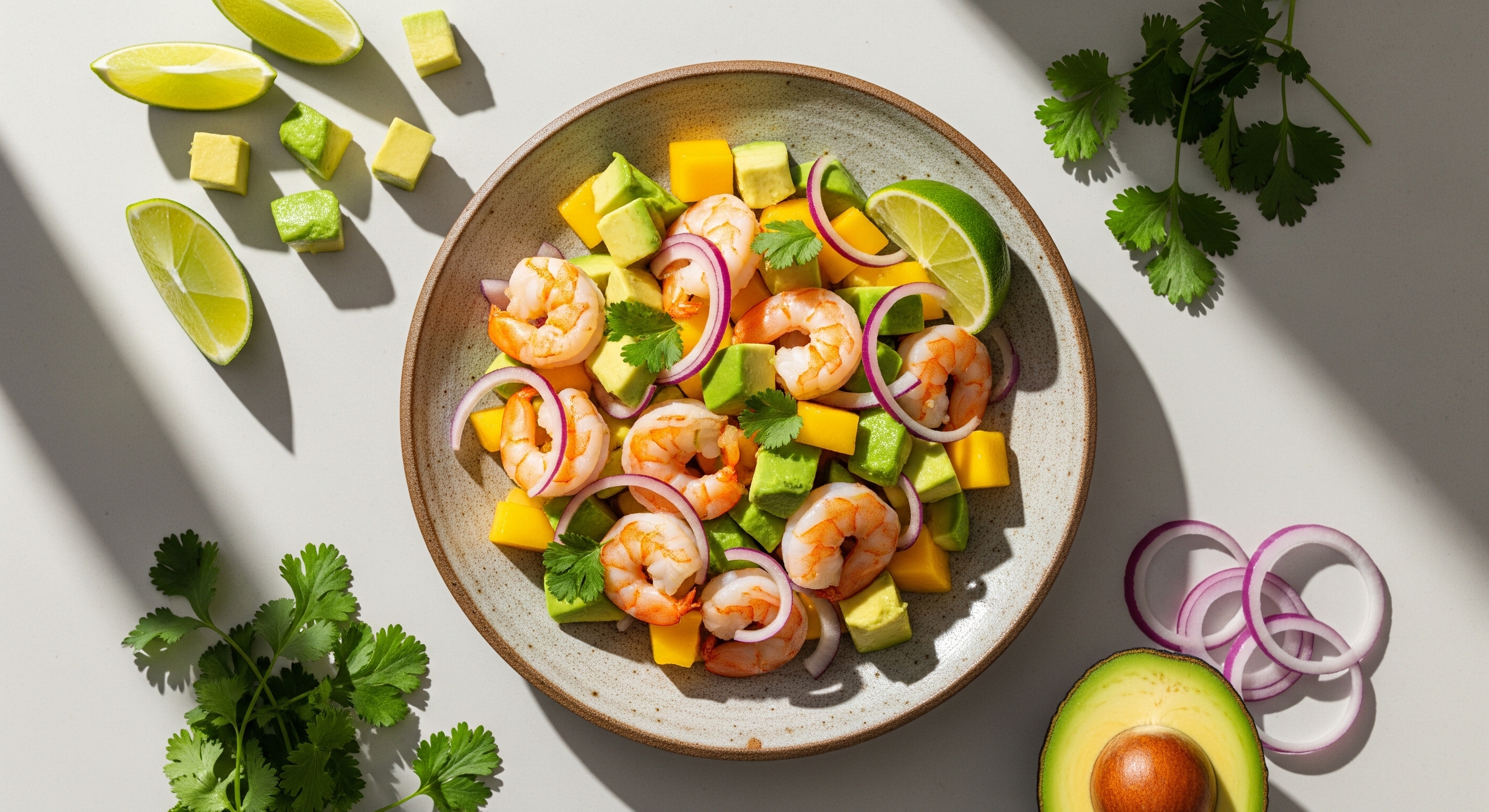 Shrimp Avocado Mango Salad with Lime 20 min Tropical salad with pan-fried shrimp, creamy avocado and sweet mango 520 kcal 28g protein 2 synergies
 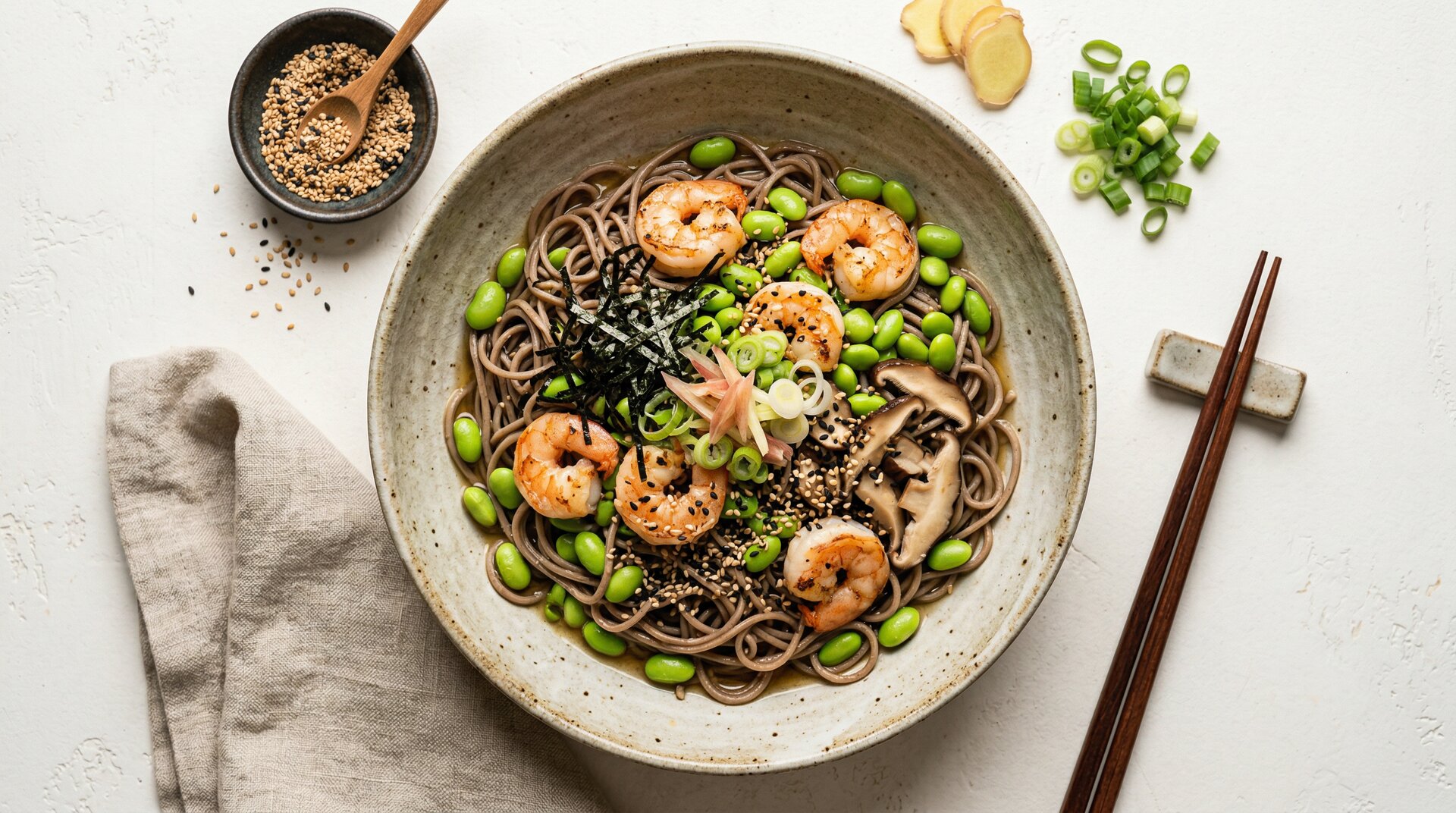 Japanese Shrimp Edamame Soba Noodles 25 min Buckwheat noodles with shrimp, edamame and an umami dressing 560 kcal 34g protein 2 synergies
 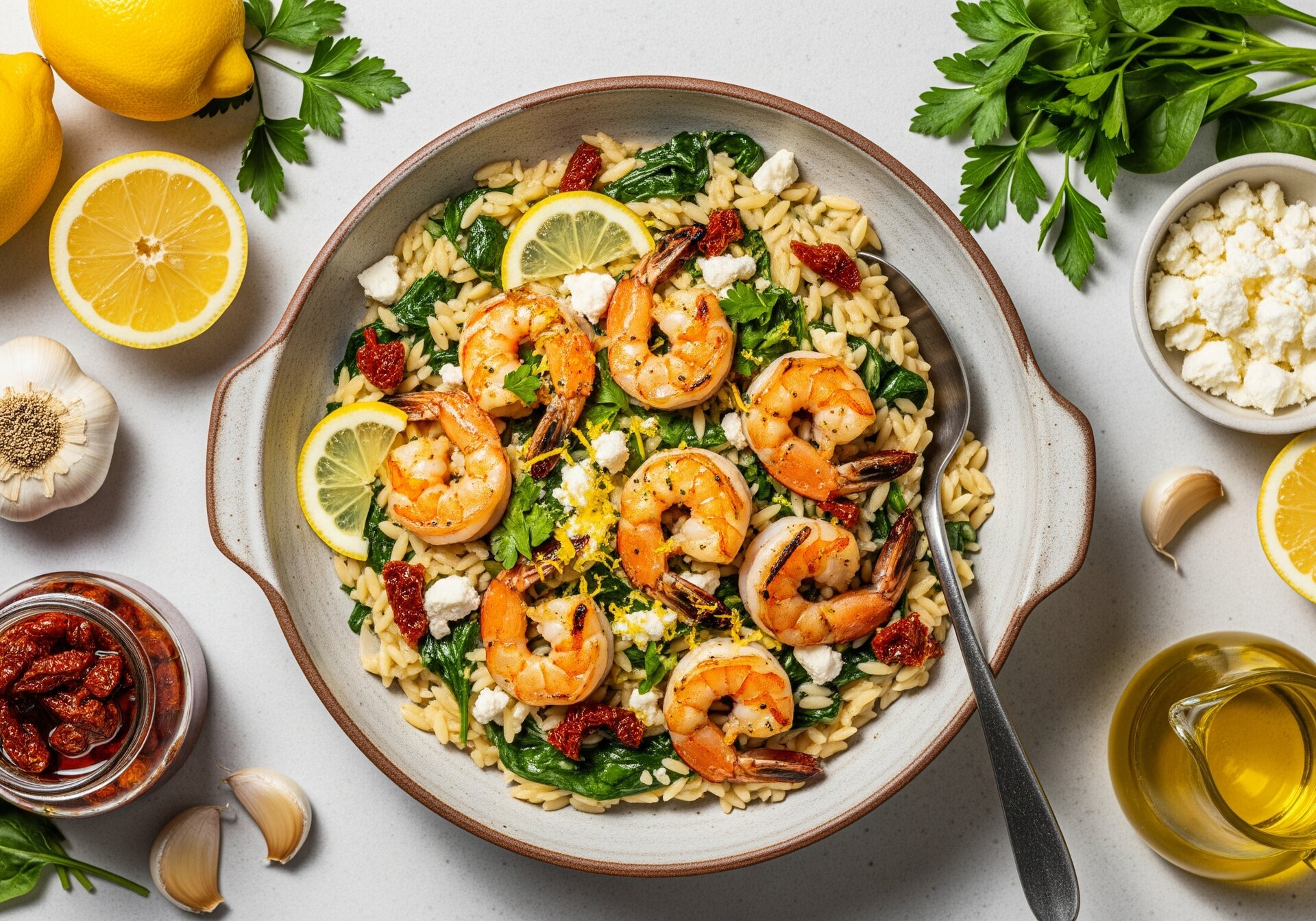 Mediterranean Orzo with Shrimp and Feta 35 min Creamy orzo with lemon, spinach and sun-dried tomato 555 kcal 34g protein 2 synergies
 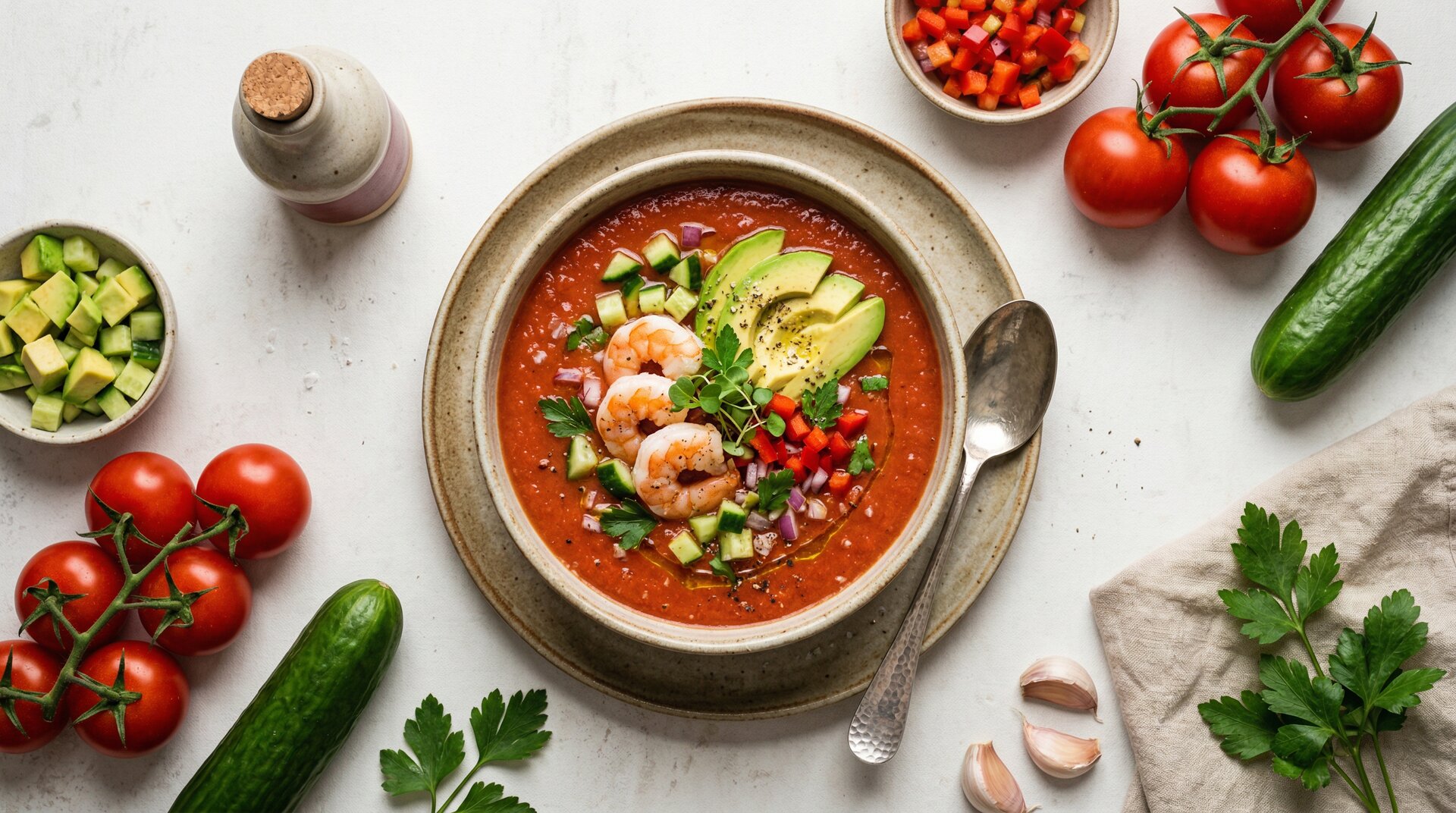 Spanish Gazpacho with Shrimp and Avocado 85 min Ice-cold Spanish tomato soup with pan-fried shrimp and creamy avocado 480 kcal 26g protein 2 synergies
  In the Kitchen
Storage
Location:Refrigerator
Shelf life:1-2 dagen vers, 6+ maanden vriezer
Keep shrimp well chilled, preferably on ice in the refrigerator. Frozen shrimp are practical because they are often frozen soon after catch. Thaw them slowly in the refrigerator, not at room temperature.
Preparation
Cook shrimp briefly until they turn pink and curl slightly, usually 2-3 minutes. Overcooking makes them tough and rubbery. Aim for a core temperature of 63°C.
Substitutes
Smart preparation
1Devein shrimp by removing the black thread along the back.
2Fry shrimp briefly over high heat, usually a maximum of 2-3 minutes per side.
Why?
Overcooking makes shrimp rubbery and tough.
3Shrimp are done when pink and curled into a C-shape.
Why?
A tight O-shape usually means they are overcooked.
Caution / Warnings
Shrimp is very safe, but there are scientific considerations:
Shellfish allergy Severe
Shrimp are among the most common food allergens and can cause severe reactions in sensitive people.
Advice:
Avoid completely with a known shellfish allergy. Also watch for cross-contamination in kitchens, restaurants and seafood counters.
Freshness and storage Moderate
Shrimp spoil quickly and can develop unwanted odor, texture changes and histamine formation when poorly stored.
Advice:
Eat fresh shrimp within 1-2 days and keep them well chilled. If they smell like ammonia or feel slimy, do not eat them. Frozen shrimp are often practical because they are frozen soon after catch.
Traditional use
Southeast Asian
Shrimp in Southeast Asian cuisines
Shrimp and shrimp paste have been important flavor bases in the cuisines of Thailand, Indonesia and Malaysia for centuries. They give broths, curries, sambals and stir-fries a deep, briny umami taste.
Traditional Chinese Medicine
Shrimp in Chinese food culture
In Chinese food culture, shrimp are often served at festive meals, stir-fries, noodle dishes and dumplings. They are appreciated for their sweet sea flavor, firm bite and festive pink color after cooking.
Summary
A lean, protein-rich seafood with little fat and a short cooking time. The pink color comes mainly from astaxanthin, a carotenoid pigment. Shrimp provide selenium, vitamin B12, phosphorus, zinc, copper and iodine. Be careful with shellfish allergy and always keep them chilled.