Lime
Fresh citrus with aromatic zest
What is this ingredient?
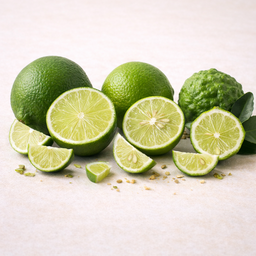
Limes are smaller, often intensely aromatic citrus fruits used in many cuisines for freshness, acidity and fragrant zest. They resemble lemons, but have their own green, herbal citrus profile.
## Citrate and citrus acids
Lime juice contains citric acid and citrate. In nutrition research, citrus acids are studied, among other topics, in relation to urine composition and mineral absorption from meals. For personal advice about kidney stones or kidney problems, medical guidance is important.
## Peel, juice and culinary use
The peel contains aromatic oils such as limonene, while the juice is mainly acidic and fresh. Use the zest of organic limes in dressings, marinades and desserts, and preferably add the juice at the end to preserve its fresh flavor.
How does it taste?
Sharply citrus-fresh and aromatic with bitter zest notes.
Pairs well with:
Pairs well with cilantrochilicoconutfish and avocado.
Varieties
Persian Lime (Tahiti)
Most sold variety, larger, seedless, dark green
Key Lime (Mexican Lime)
Smaller, more tart, more aromatic, with seeds
Kaffir Lime (Makrut)
Asian variety with bumpy peel; the leaves are often used in cooking
Did you know...?
- Limes are used more often than lemons in tropical countries because they grow better in warm climates.
- The lime probably originated in Southeast Asia as a cross between citron and papeda.
Nutritional Value & Energy
Per 100g
Lime is low in calories thanks to natural nutrients , buffered by fiber.
Per 100g
Minerals
Vitamins
Omega-3 fatty acids
More nutrients
B-Vitamins
Trace Minerals
Low GI means blood sugar doesn't spike quickly.
Low GL means minimal impact on your blood sugar per serving.
What's in a serving?
1 serving
Lime naturally contains vitamin C (32 mg per 100 g).
% of daily reference intake (DRI)
EU-approved nutrition claims
This ingredient contains nutrients for which EFSA-authorized health claims exist (at nutrient level, not ingredient-specific).
Approved health claims (EU)
Vitamin_c EU 432/2012
Vitamin C contributes to the normal function of the immune system
Contains 32mg/100g (threshold: ≥12mg/100g)
Vitamin_c EU 432/2012
Vitamin C contributes to the reduction of tiredness and fatigue
Contains 32mg/100g (threshold: ≥12mg/100g)
Vitamin_c EU 432/2012
Vitamin C contributes to normal collagen formation for the normal function of skin
Contains 32mg/100g (threshold: ≥12mg/100g)
Vitamin_c EU 432/2012
Vitamin C contributes to normal collagen formation for the normal function of blood vessels
Contains 32mg/100g (threshold: ≥12mg/100g)
Vitamin_c EU 432/2012
Vitamin C contributes to normal collagen formation for the normal function of bones
Contains 32mg/100g (threshold: ≥12mg/100g)
Vitamin_c EU 432/2012
Vitamin C contributes to normal collagen formation for the normal function of cartilage
Contains 32mg/100g (threshold: ≥12mg/100g)
Vitamin_c EU 432/2012
Vitamin C contributes to normal collagen formation for the normal function of gums
Contains 32mg/100g (threshold: ≥12mg/100g)
Vitamin_c EU 432/2012
Vitamin C contributes to normal collagen formation for the normal function of teeth
Contains 32mg/100g (threshold: ≥12mg/100g)
Vitamin_c EU 432/2012
Vitamin C contributes to normal energy-yielding metabolism
Contains 32mg/100g (threshold: ≥12mg/100g)
Vitamin_c EU 432/2012
Vitamin C contributes to normal functioning of the nervous system
Contains 32mg/100g (threshold: ≥12mg/100g)
Vitamin_c EU 432/2012
Vitamin C contributes to normal psychological function
Contains 32mg/100g (threshold: ≥12mg/100g)
Vitamin_c EU 432/2012
Vitamin C contributes to the protection of cells from oxidative stress
Contains 32mg/100g (threshold: ≥12mg/100g)
Vitamin_c EU 432/2012
Vitamin C contributes to the regeneration of the reduced form of vitamin E
Contains 32mg/100g (threshold: ≥12mg/100g)
Vitamin_c EU 432/2012
Vitamin C increases iron absorption
Contains 32mg/100g (threshold: ≥12mg/100g)
Vitamin_c EU 432/2012
Vitamin C contributes to maintain the normal function of the immune system during and after intense physical exercise
Contains 32mg/100g (threshold: ≥12mg/100g)
What's being researched?
Flavonoids and vitamin C
The combination of flavonoids and vitamin C in lime is studied in nutrition and laboratory research. Vitamin C has authorized EFSA claims, including contributing to the protection of cells from oxidative stress and increasing iron absorption.
Supported by: [3] Teucher B (2004)
Essential oils and microorganisms in laboratory research
Essential oils in lime peel are mainly studied in laboratory research in relation to microorganisms. Such findings are interesting for food technology, but they do not automatically mean a health benefit from normal consumption.
Supported by: [2] Munir H (2024)
Good Combinations (Synergy)
Combine lime smartly to enhance the effect:
Lime 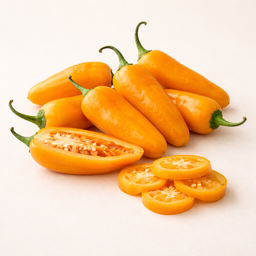 Aji Amarillo
 Vitamin C increases capsaicin bioavailability
Technical: Aji amarillo contains capsaicin and beta-carotene (the orange color). Lime provides vitamin C acting as antioxidant protecting capsaicin from oxidation and increasing beta-carotene absorption through reduction. Cilantro adds linalool with bioactive properties. Base of Peruvian ceviche sauces.
What does this mean for you? Combine aji amarillo with lime and cilantro in Peruvian dishes. The lime protects the healthy compounds in the pepper and helps you absorb them better.
Lime 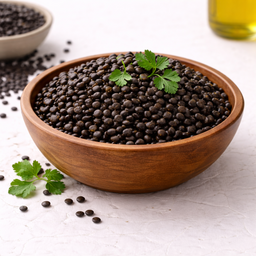 Beluga Lentils
 Citrus significantly increases iron absorption from beluga lentils
Technical: Beluga lentils contain 8mg iron per 100g (cooked), more than other lentils. Lemon (53mg vitamin C) and lime (29mg) reduce Fe³⁺ to Fe²⁺ for better absorption.
What does this mean for you? Make beluga lentil salad with lemon dressing for maximum iron absorption. Perfect for vegetarians.
Lime 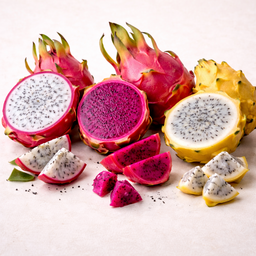 Dragon Fruit (Pitaya)
 Vitamin C from lime increases iron absorption from dragon fruit
Technical: Dragon fruit (red variety, Hylocereus costaricensis) contains 1.9mg non-heme iron per 100g — high for a fruit. This iron is in Fe³⁺ form with low bioavailability (2-10%). Vitamin C from lime (29mg per 100g) reduces Fe³⁺ to absorbable Fe²⁺ and forms chelates bypassing phytate binding. Studies show 3-6x higher absorption.
What does this mean for you? Sprinkle dragon fruit with lime juice — not just for exotic flavor but also to make the iron available. Particularly valuable for vegetarians and vegans who need plant-based iron.
Lime 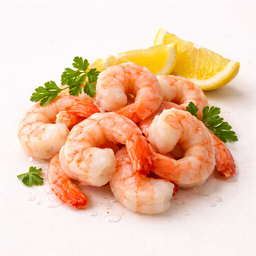 Shrimp
 Better iron absorption from shellfish
Technical: Shrimp contain 2mg iron per 100g, mainly as heme iron (well absorbed) plus some non-heme iron. Lemon provides 53mg vitamin C per 100g that reduces non-heme iron from Fe³⁺ to the more absorbable Fe²⁺. Additionally, citric acid promotes absorption by chelating minerals, which also improves uptake of zinc (1.6mg) and selenium (38μg) from shrimp.
What does this mean for you? Sprinkle your shrimp with lemon or lime juice. This works in cocktail sauces, ceviche, pad thai and shrimp soup. The citrus not only freshens the flavor but also increases your mineral absorption.
Lime 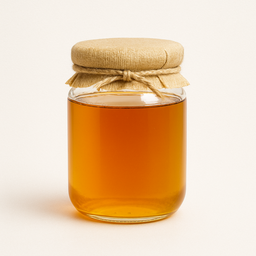 Honey
Honey Honey enzymes + vitamin C for dual immune support
Technical: Honey's glucose oxidase generates hydrogen peroxide with bioactive action. Lime's vitamin C (ascorbic acid) is a powerful antioxidant that directly supports immune cells. Together they provide both direct bioactive action and immune cell activation.
What does this mean for you? Honey-lime drink is a classic combination for good reason — it works through two different pathways for your immune support.
Lime 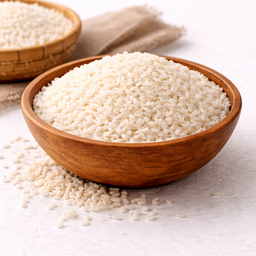 Sticky Rice
 Citrus improves mineral absorption from sticky rice
Technical: Sticky rice contains magnesium and iron but also phytates. Citric acid chelates minerals and overcomes phytate inhibition.
What does this mean for you? Sprinkle sticky rice with lime (as in Thai dishes) or serve with citrus salad.
Lime 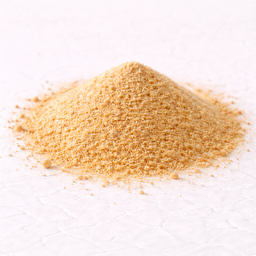 Garlic Powder
 Antioxidants from garlic and lemon
Technical: Garlic's organosulfur compounds and lemon's vitamin C (53mg/100g) work synergistically as antioxidants. Lemon provides vitamin C, which contributes to the normal function of the immune system (EFSA).
What does this mean for you? Make garlic-lemon dressing or add both to marinades for maximum flavor and antioxidant absorption.
Lime 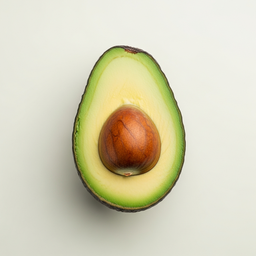 Avocado
 Lime juice prevents oxidation of avocado
Technical: Avocado's high unsaturated fat content (oleic acid, 10g per 100g) makes it vulnerable to oxidation upon air exposure. Polyphenol oxidase (PPO) oxidizes phenolic compounds into brown melanins. Lime's vitamin C (29mg per 100g) and citric acid work as double protection: vitamin C reduces quinones back, citric acid lowers pH below PPO optimum (pH 5-7), inhibiting the enzyme.
What does this mean for you? Squeeze lime over your avocado in poke bowls, guacamole or salads. The classic Mexican combination protects both color and nutritional value. Lime works slightly milder than lemon but equally effective.
Lime 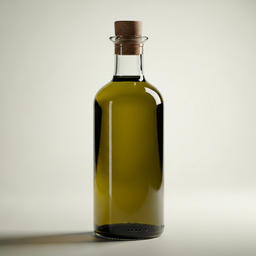 Olive Oil
 Vitamin C + olive oil fats for iron absorption and antioxidant action
Technical: Lime's vitamin C (ascorbic acid) improves absorption of non-heme iron from plant sources. Olive oil's fat-soluble polyphenols (hydroxytyrosol) are better absorbed in combination with vitamin C, which acts as an antioxidant keeping the polyphenols stable.
What does this mean for you? Lime-olive oil dressing is a classic combination that helps your body absorb more iron and antioxidants from your salad.
Lime 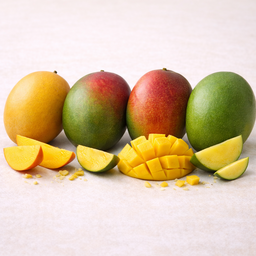 Mango
Mango Vitamin C protects beta-carotene from oxidation
Technical: Mango is rich in beta-carotene (640μg/100g) and other carotenoids that are sensitive to oxidation. Vitamin C from citrus fruits (lime: 29mg, lemon: 53mg per 100g) acts as an antioxidant and protects these carotenoids. Additionally, the acidic environment increases stability.
What does this mean for you? Sprinkle fresh mango with lime or lemon juice. This preserves not only the color but also the nutritional value. Perfect in smoothies, salsas or fruit salads.
Lime 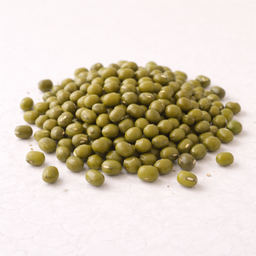 Mung Beans
 Citrus significantly increases iron absorption from mung beans
Citrus vitamin C improves iron absorption from plant sources (PMID: 2507689)
Technical: Mung beans are 'light' legumes with 1.4mg non-heme iron per 100g. Lemon (53mg vitamin C) and lime (29mg) convert the poorly absorbable Fe³⁺ to Fe²⁺. This effect is cumulative with mung beans' low glycemic index (GI 31) — you get stable energy AND better mineral absorption.
What does this mean for you? Squeeze half a lemon or lime over your mung bean dish just before serving. This works perfectly in Asian dishes where mung beans are common.
Lime 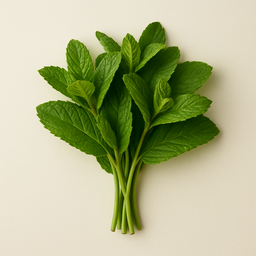 Mint
Mint Refreshing biotransformation combination
Technical: Mint promotes bile flow and digestive enzyme activity. Lemon/lime contains citric acid supporting biotransformation and vitamin C for immune function. Together they enhance biotransformation capacity.
What does this mean for you? Mint water with lemon is a simple but delicious combination. Drink it in the morning for good hydration — the mint promotes your digestion, the lemon adds vitamin C.
Lime 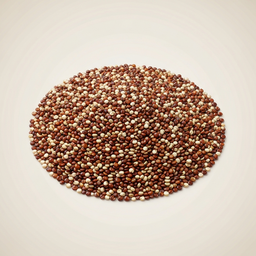 Quinoa
 Vitamin C increases iron absorption from quinoa by 3-6x
Technical: Quinoa contains 1.5mg non-heme iron per 100g cooked. Non-heme iron has low bioavailability (5-12%). Vitamin C from lemon (53mg/100g) reduces Fe³⁺ to Fe²⁺ and prevents phytate binding, increasing absorption 3-6x. This is the basis of tabbouleh-style quinoa salads.
What does this mean for you? Make quinoa tabbouleh with fresh lemon juice, parsley, tomato and cucumber. The lemon juice not only makes it fresher but also maximizes iron absorption.
Lime 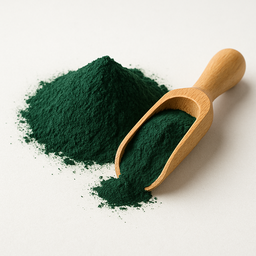 Spirulina
 Vitamin C increases iron absorption from spirulina up to 6x
Vitamin C significantly increases non-heme iron absorption (PMID: 2507689)
Technical: Spirulina is one of the richest plant-based iron sources (28mg per 100g, 158% RDI). This is non-heme iron with low bioavailability (5-12%). Vitamin C from citrus reduces Fe³⁺ to Fe²⁺ and prevents phytate binding, increasing absorption by 3-6x.
What does this mean for you? Always add lemon juice to your spirulina smoothie or mix spirulina in a citrus-based dressing. This makes the difference between 'taking spirulina' and 'actually utilizing spirulina'.
Lime 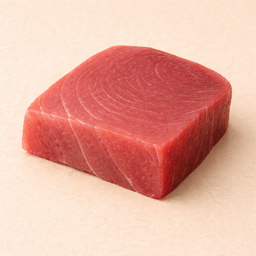 Tuna
Tuna Vitamin C improves selenium absorption and protects omega-3
Technical: Tuna contains 80μg selenium per 100g (145% RDI) — one of the richest selenium sources. Selenium is incorporated into selenoproteins (glutathione peroxidase, thioredoxin reductase). Vitamin C from lemon promotes selenium uptake and protects the omega-3 fatty acids (0.5-1.5g per 100g, depending on tuna species) from peroxidation. Vitamin C also contributes to the normal function of the immune system (EFSA-approved).
What does this mean for you? Always drizzle tuna with lemon juice. The lemon helps your body absorb more selenium and keeps omega-3 intact. Ideal in poke bowls, tataki or simple tuna salad.
Lime 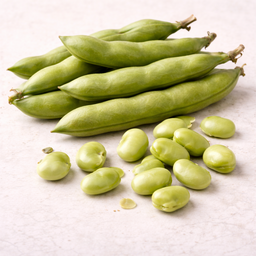 Fava Beans
 Vitamin C increases iron absorption from fava beans up to 6x
Technical: Fava beans contain 1.7mg iron per 100g (cooked). Lemon (53mg vitamin C) reduces Fe³⁺ to Fe²⁺ and forms chelates that bypass phytate inhibition.
What does this mean for you? Sprinkle fava beans with lemon juice or serve with lemon wedges. Classic in Mediterranean and Middle Eastern dishes.
Lime 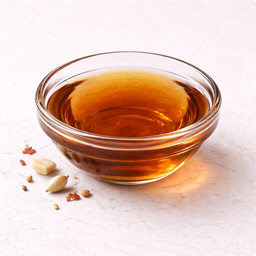 Fish Sauce
 Umami + acid for perfect Thai balance
Technical: Fish sauce contains free glutamate (umami) from prolonged fish fermentation. Lime contains citric acid that lowers pH and enhances umami flavor perception. Citric acid also stimulates saliva and gastric acid production, improving protein digestion from the dish.
What does this mean for you? Combine fish sauce with lime as base for Thai dressings and dipping sauces. The acid from lime intensifies the umami from fish sauce — the core of Thai cuisine.
Lime 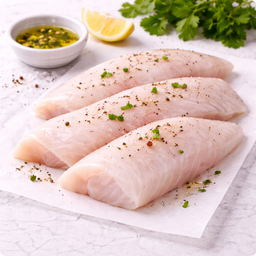 White Fish
 Increased iron absorption from lean fish
Technical: White fish (cod, haddock, tilapia) contains 0.3-1mg non-heme iron per 100g — lower than fatty fish but with 18-20g high-quality protein. Vitamin C from lemon (53mg per 100g) increases absorption of this non-heme iron through Fe³⁺ → Fe²⁺ reduction. The citric acid also activates pepsin and improves protein digestion in the stomach.
What does this mean for you? Sprinkle your white fish with lemon juice before serving. Think fish & chips with lemon, ceviche with lime, or fried plaice with lemon wedges. It makes the fish easier to digest and you absorb more iron.
Recipes with Lime
Discover delicious recipes featuring lime:
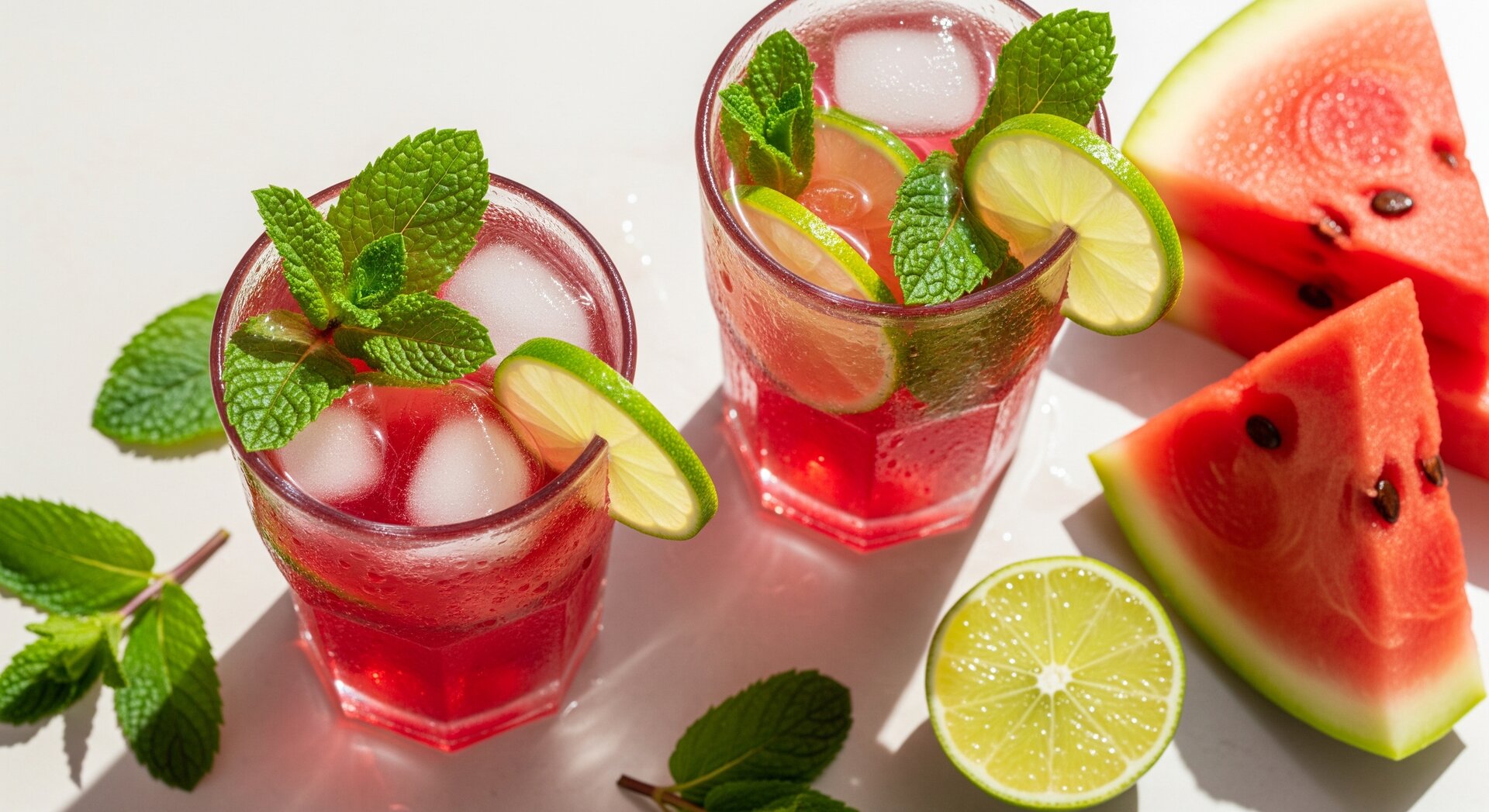 Watermelon Mint Agua Fresca 5 min Mexican refreshing fruit drink with watermelon and mint
  110 kcal
  2g protein 1 synergies
 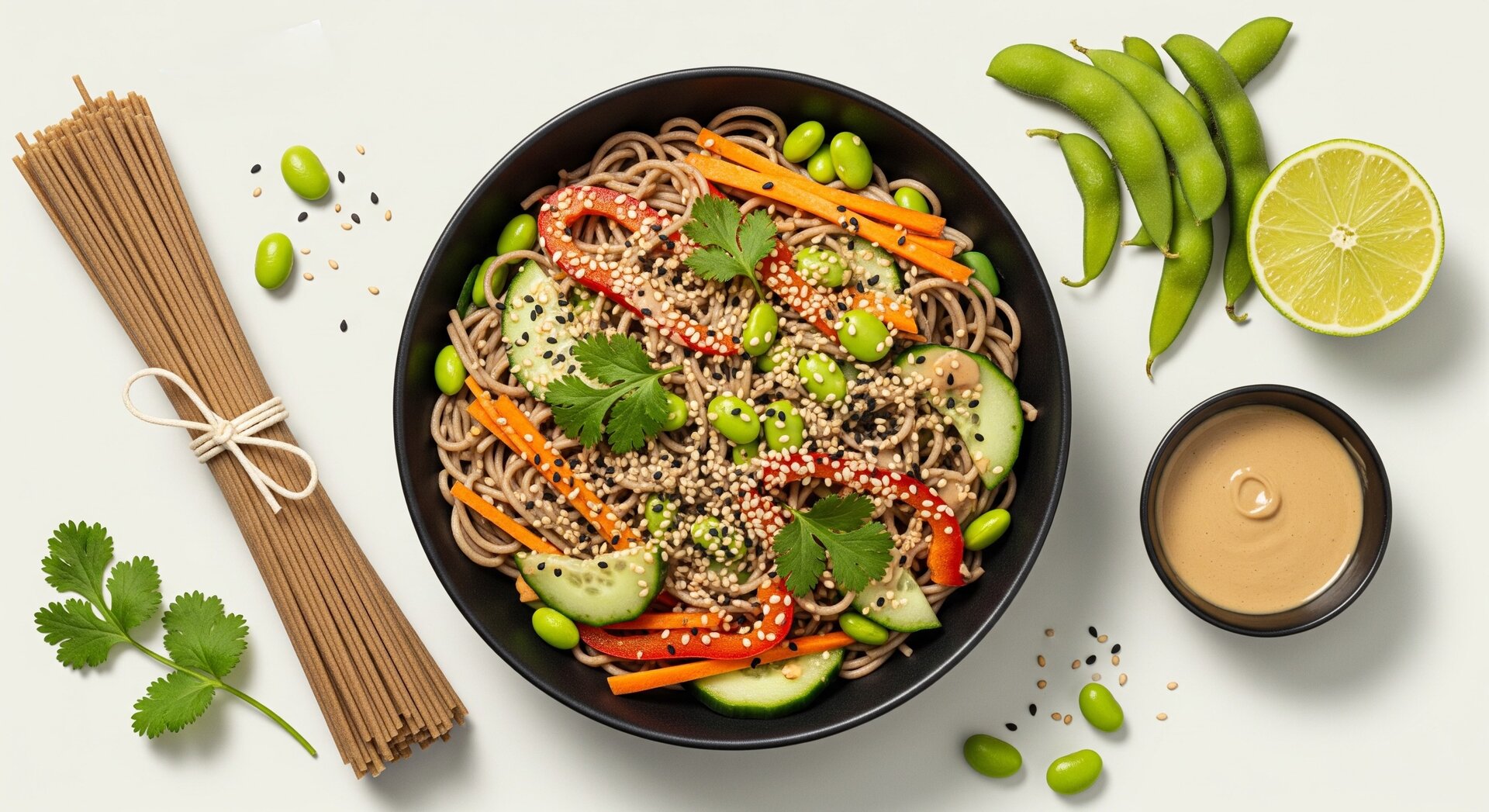 Asian Sesame-Soba Noodle Salad with Edamame 25 min Cold noodle salad with sesame dressing and edamame 751 kcal 31g protein 1 synergies
 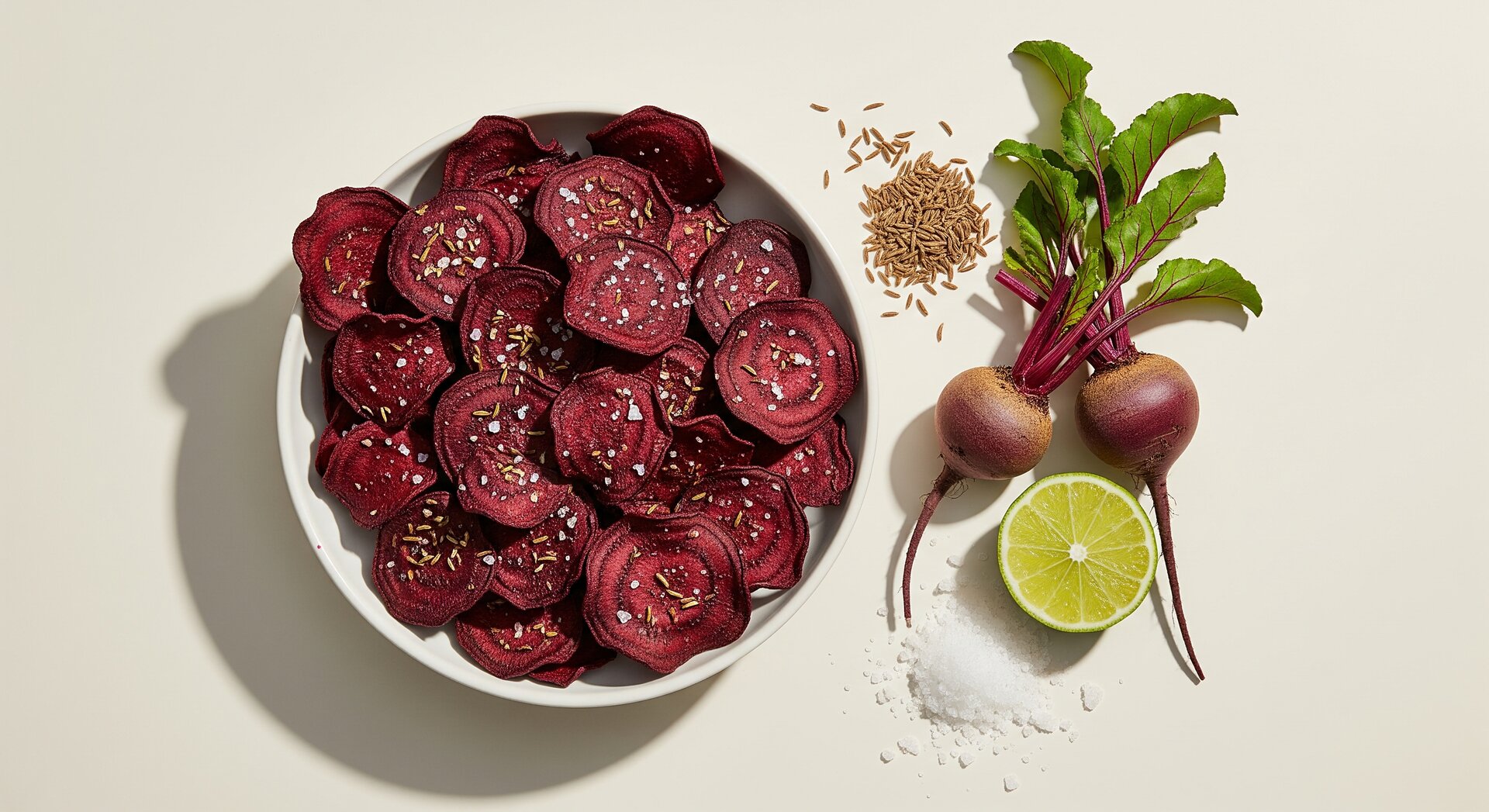 Beetroot Chips with Cumin 40 min Deep-purple oven chips of beetroot with ground cumin and lime zest 95 kcal 2g protein 2 synergies
 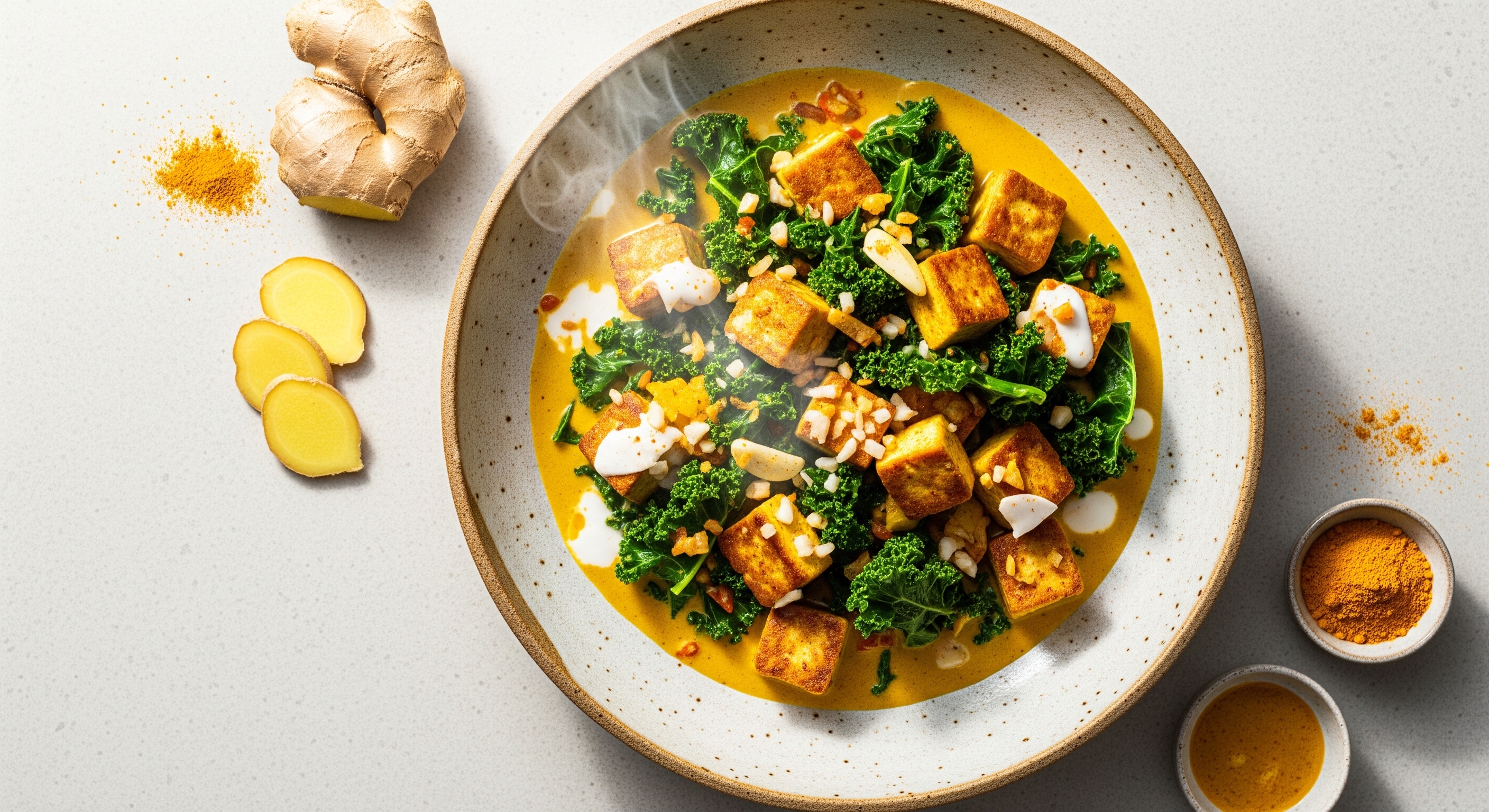 Kale Tofu Curry with Ginger 40 min Creamy curry with crisp tofu and coconut 365 kcal 16g protein 3 synergies
 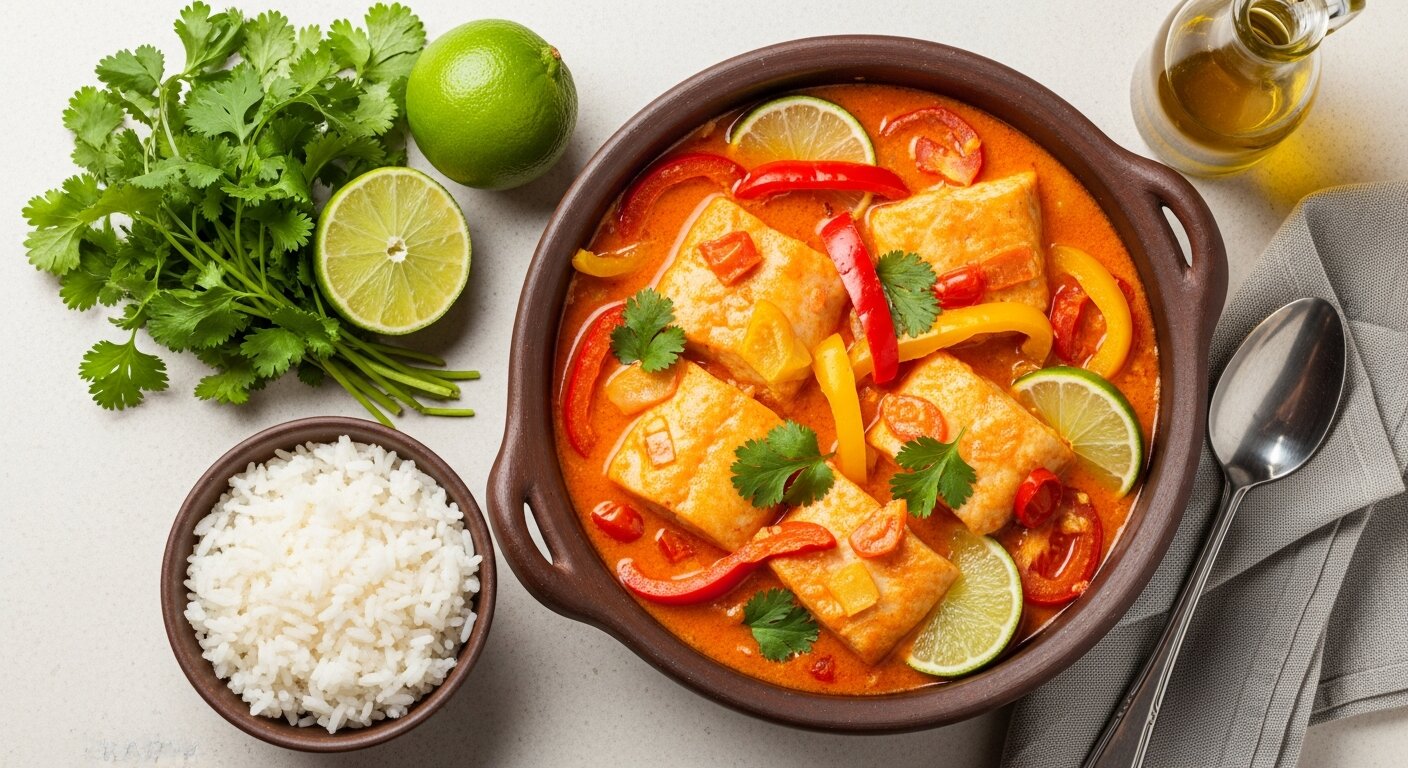 Brazilian Moqueca with White Fish 45 min Creamy coconut fish stew with bell peppers, tomato and lime 420 kcal 32g protein 2 synergies
 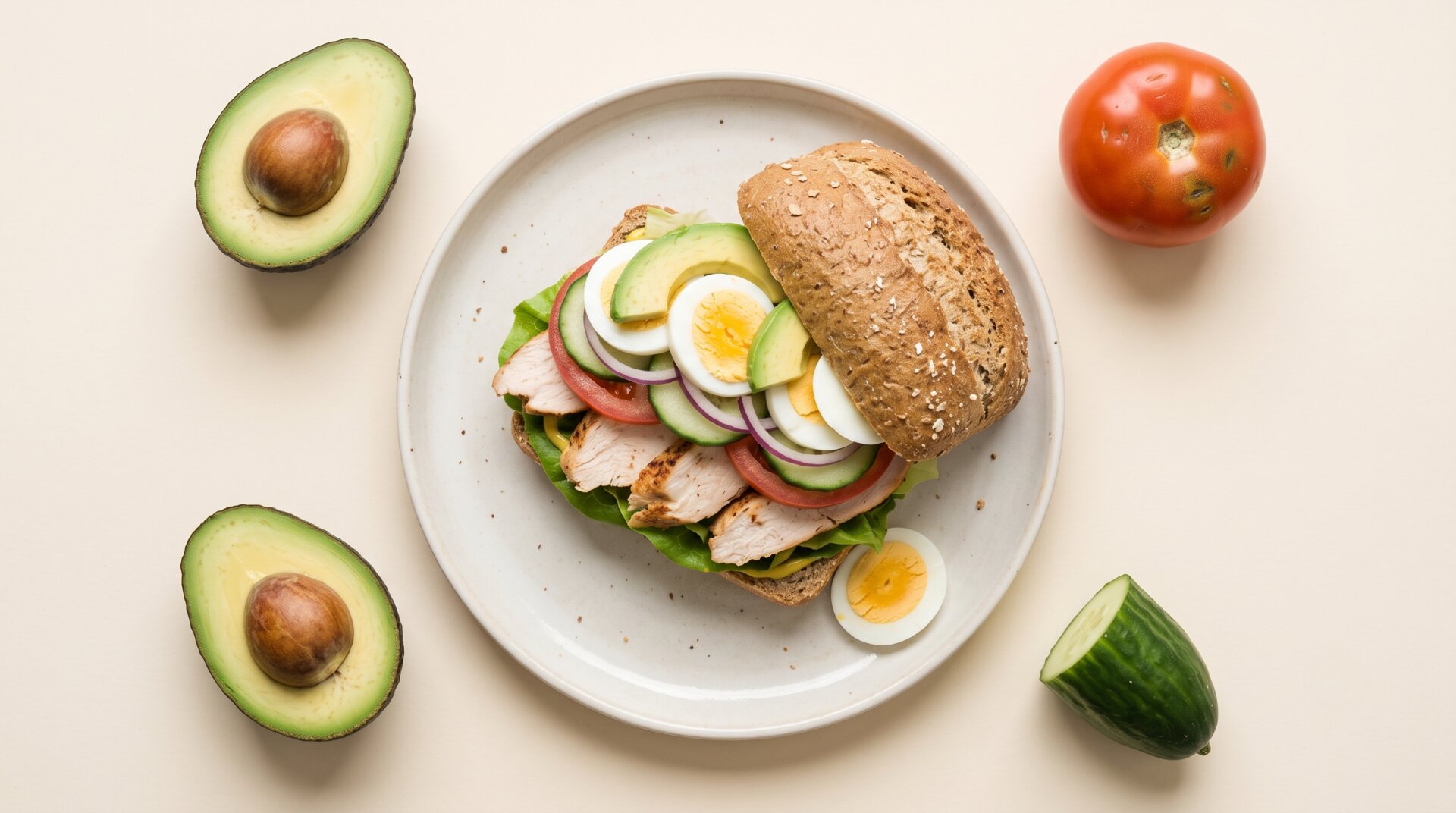 Deluxe Healthy Sandwich with Chicken and Avocado 30 min Dutch healthy sandwich with chicken, avocado and egg 764 kcal 54g protein 2 synergies
  In the Kitchen
Storage
Location:Pantry
Shelf life:1 week (kamertemperatuur), 2-3 weken (koelkast)
Limes keep longest in the refrigerator, but often yield more juice at room temperature. Roll the lime firmly on the counter before squeezing. Zest before cutting and freeze the zest if desired for later use.
Preparation
Use lime juice raw or add it only at the end for a fresh flavor. Zest from organic peel adds aroma to dressings, marinades and desserts; avoid the bitter white pith. Pair lime with plant iron sources such as legumes or leafy greens, because vitamin C increases iron absorption.
Conversions
Substitutes
Smart preparation
1Roll a lime with pressure on the counter for maximum juice.
2Zest before cutting; zesting a halved lime is difficult.
3Add lime juice only at the end to cooked dishes.
Why?
Cooking weakens the fresh flavor of lime.
Caution / Warnings
Lime is very safe, but there are scientific considerations:
Acid Reflux / GERD Moderate
The high citric acid content and low pH can worsen reflux symptoms or heartburn in sensitive individuals.
Advice:
Avoid on an empty stomach. Dilute lime juice with water. With severe GERD: avoid it or consult a doctor.
Tooth Enamel Erosion Moderate
Acidic lime juice can temporarily soften tooth enamel with frequent or prolonged contact.
Advice:
Drink diluted lime juice through a straw if useful, rinse with water afterward and wait 30-60 minutes before brushing teeth.
Photodermatitis (Lime Disease) Mild
Furanocoumarins in lime juice, especially in the peel, can make the skin more sensitive to sunlight.
Advice:
Wash hands thoroughly after cutting or squeezing lime and avoid sun exposure on skin that has touched lime juice.
Traditional use
Ayurveda
Ayurvedic culinary use
In Ayurveda, lime is traditionally used in sour, salty and spiced preparations around meals. Lime with salt and ginger appears in traditional culinary practices.
Southeast Asian
Southeast Asian culinary use
In Southeast Asia, lime has been used for centuries as a flavoring in soups, curries, salads, sauces and drinks.
Summary
Lime adds a lot of freshness with little energy and sugar. The juice contains citric acid and vitamin C; vitamin C increases iron absorption, making lime a good match for plant-based, iron-rich meals such as legumes or leafy greens. Because of its low pH, caution is sensible for tooth enamel and reflux: dilute the juice, rinse with water afterward and wait before brushing teeth.