Aji Amarillo
Fruity Peruvian chili with warm, sunny heat
What is this ingredient?
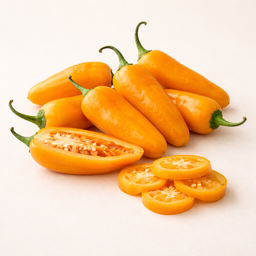
Aji amarillo (Capsicum baccatum) is the golden-orange chili that holds a central place in Peruvian cooking. It is known for its tropical-fruity aroma, warm heat and gentle sweetness, so it does more than simply add spice.
The pepper naturally contains capsaicinoids, the compounds responsible for the burning mouthfeel of chili peppers. Research on capsaicin and related compounds examines areas such as energy expenditure, satiety, sensory stimulation and the role of brown fat cells. For public nutrition content, this should be treated as research context rather than a promise of a specific health effect.
Aji amarillo is usually milder (30,000-50,000 Scoville) than habanero, but spicier than jalapeño. This makes it appealing when you want a clear chili character without letting the heat dominate the whole dish.
In practice, aji amarillo is mainly a powerful flavor builder: a small amount of paste can give soups, sauces, rice dishes, marinades, ceviche and roasted vegetables a deep yellow color, fruity warmth and Peruvian character.
How does it taste?
Fruity-spicy with a warm, slightly sweet undertone and medium heat.
Pairs well with:
Pairs well with cilantrolimegarlicavocado and seafood.
Did you know...?
- Aji amarillo means 'yellow pepper' in Spanish, but the fresh pepper is actually orange.
- This pepper has been cultivated in Peru for over 5,000 years and is a recognizable culinary symbol there.
Nutritional Value & Energy
Per 100g
Aji Amarillo is low in calories thanks to natural nutrients .
Per 100g
Minerals
Vitamins
More nutrients
B-Vitamins
Trace Minerals
What's in a serving?
Aji amarillo naturally contains vitamin C (145 mg per 100 g fresh). At typical herb or paste use (5-10 g), the contribution per serving remains modest.
Aji amarillo naturally contains vitamin C (145 mg per 100 g fresh). At typical herb or paste use (5-10 g), the contribution per serving remains modest.
Aji amarillo naturally contains vitamin B6 (0.5 mg per 100 g fresh). Because it is usually used in small amounts, it is mainly a flavor ingredient with a limited micronutrient contribution per serving.
% of daily reference intake (DRI)
EU-approved nutrition claims
This ingredient contains nutrients for which EFSA-authorized health claims exist (at nutrient level, not ingredient-specific).
Approved health claims (EU)
Vitamin_c EU 432/2012
Vitamin C contributes to the normal function of the immune system
Contains 145mg/100g (threshold: ≥12mg/100g)
Vitamin_c EU 432/2012
Vitamin C contributes to the reduction of tiredness and fatigue
Contains 145mg/100g (threshold: ≥12mg/100g)
Vitamin_c EU 432/2012
Vitamin C contributes to normal collagen formation for the normal function of skin
Contains 145mg/100g (threshold: ≥12mg/100g)
Vitamin_c EU 432/2012
Vitamin C contributes to normal collagen formation for the normal function of blood vessels
Contains 145mg/100g (threshold: ≥12mg/100g)
Vitamin_c EU 432/2012
Vitamin C contributes to normal collagen formation for the normal function of bones
Contains 145mg/100g (threshold: ≥12mg/100g)
Vitamin_c EU 432/2012
Vitamin C contributes to normal collagen formation for the normal function of cartilage
Contains 145mg/100g (threshold: ≥12mg/100g)
Vitamin_c EU 432/2012
Vitamin C contributes to normal collagen formation for the normal function of gums
Contains 145mg/100g (threshold: ≥12mg/100g)
Vitamin_c EU 432/2012
Vitamin C contributes to normal collagen formation for the normal function of teeth
Contains 145mg/100g (threshold: ≥12mg/100g)
Vitamin_c EU 432/2012
Vitamin C contributes to normal energy-yielding metabolism
Contains 145mg/100g (threshold: ≥12mg/100g)
Vitamin_c EU 432/2012
Vitamin C contributes to normal functioning of the nervous system
Contains 145mg/100g (threshold: ≥12mg/100g)
Vitamin_c EU 432/2012
Vitamin C contributes to normal psychological function
Contains 145mg/100g (threshold: ≥12mg/100g)
Vitamin_c EU 432/2012
Vitamin C contributes to the protection of cells from oxidative stress
Contains 145mg/100g (threshold: ≥12mg/100g)
Vitamin_c EU 432/2012
Vitamin C contributes to the regeneration of the reduced form of vitamin E
Contains 145mg/100g (threshold: ≥12mg/100g)
Vitamin_c EU 432/2012
Vitamin C increases iron absorption
Contains 145mg/100g (threshold: ≥12mg/100g)
Vitamin_c EU 432/2012
Vitamin C contributes to maintain the normal function of the immune system during and after intense physical exercise
Contains 145mg/100g (threshold: ≥12mg/100g)
Comparison
vssinaasappel
Aji amarillo contains about 3× more vitamin C per 100 g than orange, but you usually use much less of it per serving.
What's being researched?
Capsaicinoids and carotenoids in aji amarillo
Research on chili peppers examines capsaicinoids, carotenoids, pigments and sensory properties. For aji amarillo, the fruity heat, orange-yellow pigments and natural presence of vitamin C are especially relevant in cooking.
Supported by: [1] Ludy (2012)
Good Combinations (Synergy)
Combine aji amarillo smartly to enhance the effect:
Aji Amarillo 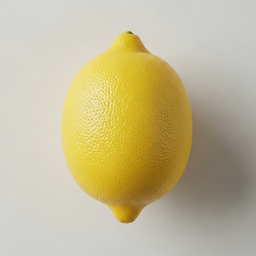 Lemon
Lemon Peruvian chili + citrus for capsaicin activation and iron
Technical: Aji amarillo contains capsaicin (30,000-50,000 SHU) plus β-carotene (hence the yellow color, 1.2mg/100g). Lemon's vitamin C (53mg) increases β-carotene absorption 2x by preventing oxidative degradation. Capsaicin also stimulates substance P release triggering endorphins. Citric acid subjectively enhances the 'heat sensation' while protecting the stomach from irritation.
What does this mean for you? Aji amarillo with lime/lemon is the base of ceviche and many Peruvian sauces. The citrus not only enhances flavor but also the absorption of antioxidants from the chili.
Aji Amarillo 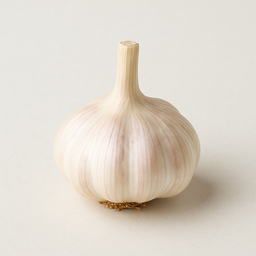 Garlic
 Capsaicin + allicin for vascular support
Technical: Aji amarillo's capsaicin stimulates TRPV1 receptors that increase NO (nitric oxide) production — a vasodilator that supports blood pressure. Garlic's allicin modulates ACE and supports cholesterol metabolism. Together they offer vascular support via two independent pathways.
What does this mean for you? Aji amarillo + garlic is the foundation of Peruvian cuisine. The capsaicin and allicin provide broader vascular support together — and it tastes fantastic in ceviche and causa.
Aji Amarillo 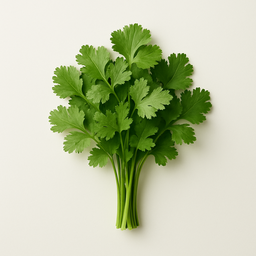 Cilantro
 Vitamin C increases capsaicin bioavailability
Technical: Aji amarillo contains capsaicin and beta-carotene (the orange color). Lime provides vitamin C acting as antioxidant protecting capsaicin from oxidation and increasing beta-carotene absorption through reduction. Cilantro adds linalool with bioactive properties. Base of Peruvian ceviche sauces.
What does this mean for you? Combine aji amarillo with lime and cilantro in Peruvian dishes. The lime protects the healthy compounds in the pepper and helps you absorb them better.
Aji Amarillo 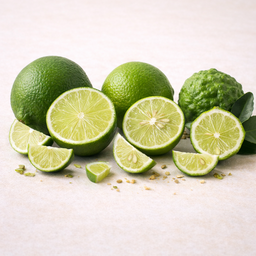 Lime
Lime Vitamin C increases capsaicin bioavailability
Technical: Aji amarillo contains capsaicin and beta-carotene (the orange color). Lime provides vitamin C acting as antioxidant protecting capsaicin from oxidation and increasing beta-carotene absorption through reduction. Cilantro adds linalool with bioactive properties. Base of Peruvian ceviche sauces.
What does this mean for you? Combine aji amarillo with lime and cilantro in Peruvian dishes. The lime protects the healthy compounds in the pepper and helps you absorb them better.
Recipes with Aji Amarillo
Discover delicious recipes featuring aji amarillo:
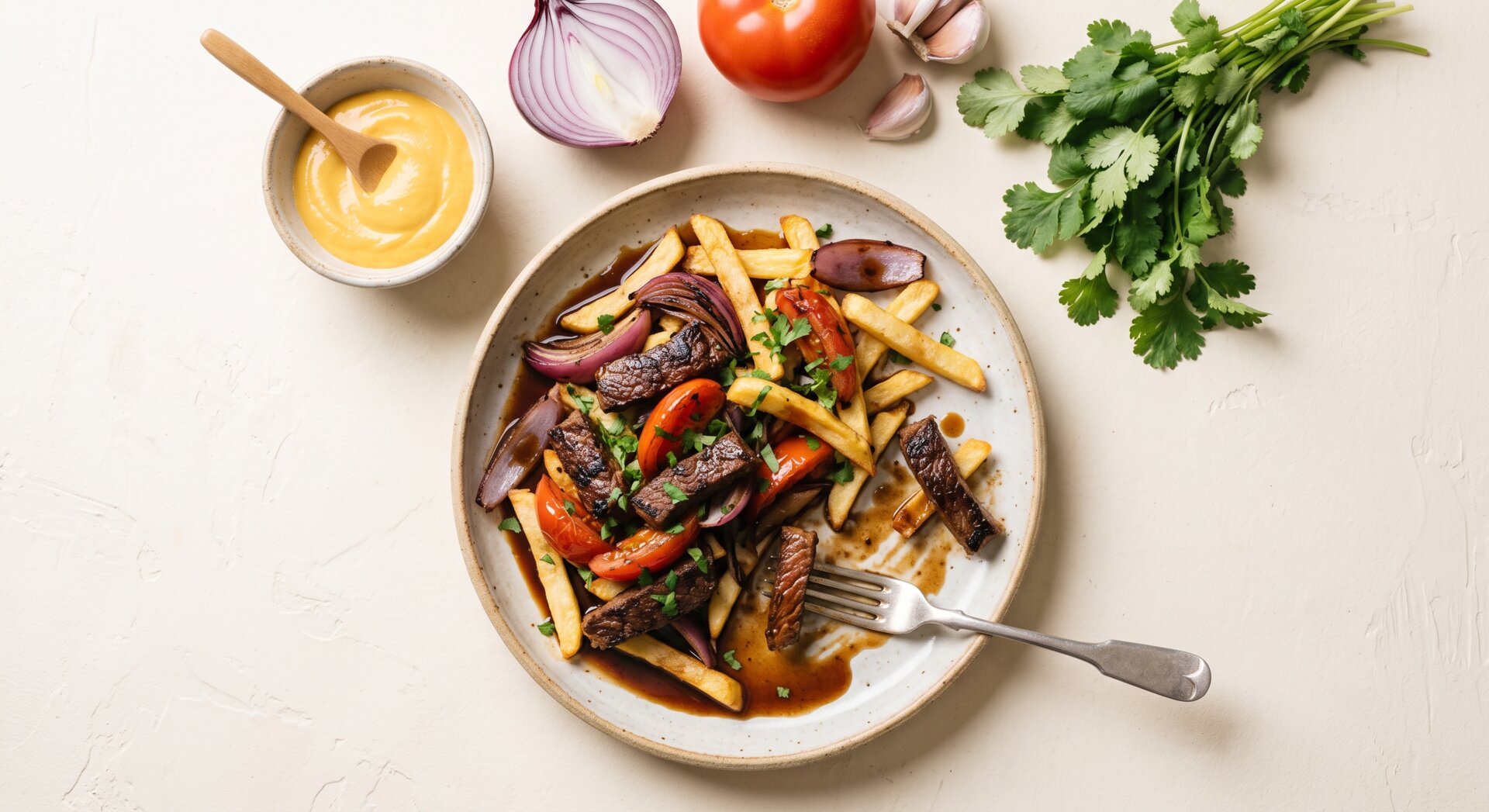 Peruvian Lomo Saltado 45 min Stir-fry with steak, tomato, red onion and crispy potato
  480 kcal
  38g protein 1 synergies
  In the Kitchen
Storage
Location:Refrigerator
Shelf life:7-14 dagen (vers), 3-6 maanden (pasta in koelkast)
Paste: use a clean spoon and keep airtight in the refrigerator. Fresh peppers can be dried or frozen; label frozen portions with date and amount.
Preparation
Briefly fry the paste in oil for a rounder, softer flavor. Use in sauces, marinades, ceviche, rice dishes and stews. Start with ½-1 teaspoon paste per dish and build to taste.
Conversions
Substitutes
Smart preparation
1Remove the seed membranes for less heat while preserving the fruity flavor.
Why?
Capsaicin is concentrated mostly in the pale inner membranes, not in the juicy flesh.
2Wear gloves when handling fresh aji amarillo and avoid touching your eyes.
3Soak dried aji amarillo in hot water for 15 minutes before use.
Why?
This softens the peppers enough to puree them into a smooth paste.
Caution / Warnings
Aji Amarillo is very safe, but there are scientific considerations:
Acid reflux (GERD) Severe
Capsaicin can intensify a burning sensation or reflux symptoms in some people. Avoid this ingredient or start with a very small amount if you are sensitive to spicy foods.
Hemorrhoids Moderate
Spicy food may increase discomfort around bowel movements in some people. Use small amounts and pay attention to your personal tolerance.
Irritable bowel syndrome (IBS) Moderate
Spicy compounds from chili may trigger digestive discomfort in sensitive people. Test a small amount first in a familiar dish.
Traditional use
Indigenous
Andean cuisine of Peru
Aji amarillo has been cultivated in the Andes since pre-Inca times and is one of the best-known peppers in Peruvian cooking. It adds color and fruity warmth to sauces, stews, potato dishes and ceviche.
Summary
Aji amarillo is a golden-orange Peruvian chili with fruity warmth, medium heat and a recognizable role in sauces, ceviche and stews. It naturally contains capsaicinoids and vitamin C. Start with ½ teaspoon paste and build gradually to taste.