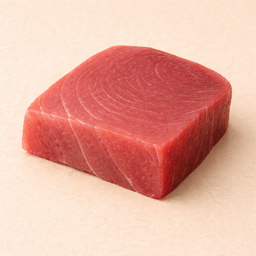
Tuna
Lean Powerhouse from the Ocean
What is this ingredient?
Tuna is among the fastest fish in the world and that athletic build is reflected in the meat: extremely protein-rich (24g per 100g) with minimal fat. Unlike salmon and mackerel, tuna is a lean fish, making it ideal for muscle building with calorie awareness. Fresh tuna contains significantly more selenium than most other fish species, a powerful antioxidant supporting thyroid function. Watch mercury content: limit consumption to 2-3 times per week.
How does it taste?
Firm, meaty and mild with a rich, almost steak-like flavor.
Pairs well with:
Pairs well with sesamesoy saucewasabiavocado and ginger.
Did you know...?
- Bluefin tuna can reach speeds of more than 70 km per hour.
- In 2019, a bluefin tuna was sold at the Tsukiji auction in Tokyo for 2.7 million euros.
Nutritional Value & Energy
Per 100g
Tuna provides energy thanks to natural nutrients .
Per 100g
Minerals
Vitamins
Omega-3 fatty acids
More nutrients
B-Vitamins
Trace Minerals
What's in a serving?
1 serving
Tuna naturally contains selenium (36.5 mcg per 100 g).
Tuna naturally contains vitamin b12 (2.1 mcg per 100 g).
Tuna naturally contains phosphorus (278 mg per 100 g).
Tuna naturally contains potassium (522 mg per 100 g).
Tuna naturally contains vitamin d (1.7 mcg per 100 g).
Tuna naturally contains vitamin b6 (0.9 mg per 100 g).
% of daily reference intake (DRI)
EU-approved nutrition claims
This ingredient contains nutrients for which EFSA-authorized health claims exist (at nutrient level, not ingredient-specific).
Approved health claims (EU)
Vitamin_b12 EU 432/2012
Vitamin B12 contributes to the normal function of the immune system
Contains 2.1mcg/100g (threshold: ≥0.375mcg/100g)
Vitamin_b12 EU 432/2012
Vitamin B12 contributes to the reduction of tiredness and fatigue
Contains 2.1mcg/100g (threshold: ≥0.375mcg/100g)
Vitamin_b12 EU 432/2012
Vitamin B12 contributes to the normal functioning of the nervous system
Contains 2.1mcg/100g (threshold: ≥0.375mcg/100g)
Vitamin_d EU 432/2012
Vitamin D contributes to the maintenance of normal bones
Contains 1.7mcg/100g (threshold: ≥0.75mcg/100g)
Vitamin_d EU 432/2012
Vitamin D contributes to the normal function of the immune system
Contains 1.7mcg/100g (threshold: ≥0.75mcg/100g)
Potassium EU 432/2012
Potassium contributes to the maintenance of normal blood pressure
Contains 522mg/100g (threshold: ≥300mg/100g)
Vitamin_b6 EU 432/2012
Vitamin B6 contributes to normal cysteine synthesis
Contains 0.9mg/100g (threshold: ≥0.21mg/100g)
Vitamin_b6 EU 432/2012
Vitamin B6 contributes to normal energy-yielding metabolism
Contains 0.9mg/100g (threshold: ≥0.21mg/100g)
Vitamin_b6 EU 432/2012
Vitamin B6 contributes to normal functioning of the nervous system
Contains 0.9mg/100g (threshold: ≥0.21mg/100g)
Vitamin_b6 EU 432/2012
Vitamin B6 contributes to normal homocysteine metabolism
Contains 0.9mg/100g (threshold: ≥0.21mg/100g)
Vitamin_b6 EU 432/2012
Vitamin B6 contributes to normal protein and glycogen metabolism
Contains 0.9mg/100g (threshold: ≥0.21mg/100g)
Vitamin_b6 EU 432/2012
Vitamin B6 contributes to normal psychological function
Contains 0.9mg/100g (threshold: ≥0.21mg/100g)
Vitamin_b6 EU 432/2012
Vitamin B6 contributes to normal red blood cell formation
Contains 0.9mg/100g (threshold: ≥0.21mg/100g)
Vitamin_b6 EU 432/2012
Vitamin B6 contributes to the normal function of the immune system
Contains 0.9mg/100g (threshold: ≥0.21mg/100g)
Vitamin_b6 EU 432/2012
Vitamin B6 contributes to the regulation of hormonal activity
Contains 0.9mg/100g (threshold: ≥0.21mg/100g)
Vitamin_b6 EU 432/2012
Vitamin B6 contributes to the reduction of tiredness and fatigue
Contains 0.9mg/100g (threshold: ≥0.21mg/100g)
Vitamin_b12 EU 432/2012
Vitamin B12 contributes to normal energy-yielding metabolism
Contains 2.1mcg/100g (threshold: ≥0.375mcg/100g)
Vitamin_b12 EU 432/2012
Vitamin B12 contributes to normal homocysteine metabolism
Contains 2.1mcg/100g (threshold: ≥0.375mcg/100g)
Vitamin_b12 EU 432/2012
Vitamin B12 contributes to normal psychological function
Contains 2.1mcg/100g (threshold: ≥0.375mcg/100g)
Vitamin_b12 EU 432/2012
Vitamin B12 contributes to normal red blood cell formation
Contains 2.1mcg/100g (threshold: ≥0.375mcg/100g)
Vitamin_b12 EU 432/2012
Vitamin B12 has a role in the process of cell division
Contains 2.1mcg/100g (threshold: ≥0.375mcg/100g)
Vitamin_d EU 432/2012
Vitamin D contributes to normal absorption/utilisation of calcium and phosphorus
Contains 1.7mcg/100g (threshold: ≥0.75mcg/100g)
Vitamin_d EU 432/2012
Vitamin D contributes to normal blood calcium levels
Contains 1.7mcg/100g (threshold: ≥0.75mcg/100g)
Vitamin_d EU 432/2012
Vitamin D contributes to the maintenance of normal muscle function
Contains 1.7mcg/100g (threshold: ≥0.75mcg/100g)
Vitamin_d EU 432/2012
Vitamin D contributes to the maintenance of normal teeth
Contains 1.7mcg/100g (threshold: ≥0.75mcg/100g)
Vitamin_d EU 432/2012
Vitamin D has a role in the process of cell division
Contains 1.7mcg/100g (threshold: ≥0.75mcg/100g)
Phosphorus EU 432/2012
Phosphorus contributes to normal energy-yielding metabolism
Contains 278mg/100g (threshold: ≥105mg/100g)
Phosphorus EU 432/2012
Phosphorus contributes to the normal function of cell membranes
Contains 278mg/100g (threshold: ≥105mg/100g)
Phosphorus EU 432/2012
Phosphorus contributes to the maintenance of normal bones
Contains 278mg/100g (threshold: ≥105mg/100g)
Phosphorus EU 432/2012
Phosphorus contributes to the maintenance of normal teeth
Contains 278mg/100g (threshold: ≥105mg/100g)
Selenium EU 432/2012
Selenium contributes to the maintenance of normal hair
Contains 36.5mcg/100g (threshold: ≥8.25mcg/100g)
Selenium EU 432/2012
Selenium contributes to the maintenance of normal nails
Contains 36.5mcg/100g (threshold: ≥8.25mcg/100g)
Selenium EU 432/2012
Selenium contributes to the normal function of the immune system
Contains 36.5mcg/100g (threshold: ≥8.25mcg/100g)
Selenium EU 432/2012
Selenium contributes to normal thyroid function
Contains 36.5mcg/100g (threshold: ≥8.25mcg/100g)
Selenium EU 432/2012
Selenium contributes to normal spermatogenesis
Contains 36.5mcg/100g (threshold: ≥8.25mcg/100g)
Selenium EU 432/2012
Selenium contributes to the protection of cells from oxidative stress
Contains 36.5mcg/100g (threshold: ≥8.25mcg/100g)
Potassium EU 432/2012
Potassium contributes to normal functioning of the nervous system
Contains 522mg/100g (threshold: ≥300mg/100g)
Potassium EU 432/2012
Potassium contributes to normal muscle function
Contains 522mg/100g (threshold: ≥300mg/100g)
What's being researched?
Tuna and omega-3 fatty acids
The omega-3 content of tuna and cardiovascular effects are widely studied. The balance between omega-3 benefits and mercury exposure (particularly in large tuna species) is an active area of research.
Supported by: [2] Mozaffarian D (2011) , [1] He (2004)
Tuna and DHA for the brain
The DHA content of tuna is being studied in relation to cognitive function and brain development. Observational studies show associations between fish consumption and reduced risk of cognitive decline.
Supported by: [1] He (2004) , [2] Mozaffarian D (2011)
Good Combinations (Synergy)
Combine tuna smartly to enhance the effect:
Tuna 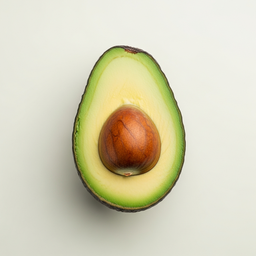 Avocado
 Avocado fat compensates tuna's leanness for optimal nutrient absorption
Technical: Tuna is one of the leanest fish (0.5g fat per 100g) but contains fat-soluble nutrients: vitamin D (1.7μg), DHA omega-3 (77mg) and selenium (36.5μg). Without an external fat source, these nutrients are suboptimally absorbed. Avocado provides 15g monounsaturated fat (oleic acid) per 100g that stimulates micelle formation in the small intestine — microscopic fat droplets that encapsulate fat-soluble nutrients for absorption through the intestinal wall. Studies show 2-3x higher carotenoid absorption with avocado as fat source.
What does this mean for you? Poke bowl with tuna and avocado is nutritionally ideal: the avocado provides the fat tuna lacks, helping your body absorb vitamin D and omega-3 better. Also works as tataki with avocado cream or in a salad. The combination also provides an ideal protein-fat balance for sustained satiety.
Tuna 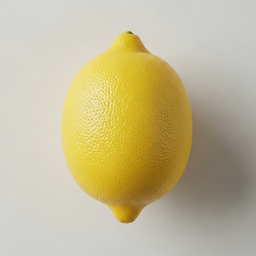 Lemon
Lemon Vitamin C improves selenium absorption and protects omega-3
Technical: Tuna contains 80μg selenium per 100g (145% RDI) — one of the richest selenium sources. Selenium is incorporated into selenoproteins (glutathione peroxidase, thioredoxin reductase). Vitamin C from lemon promotes selenium uptake and protects the omega-3 fatty acids (0.5-1.5g per 100g, depending on tuna species) from peroxidation. Vitamin C also contributes to the normal function of the immune system (EFSA-approved).
What does this mean for you? Always drizzle tuna with lemon juice. The lemon helps your body absorb more selenium and keeps omega-3 intact. Ideal in poke bowls, tataki or simple tuna salad.
Tuna 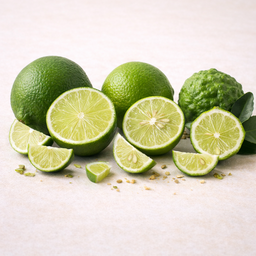 Lime
Lime Vitamin C improves selenium absorption and protects omega-3
Technical: Tuna contains 80μg selenium per 100g (145% RDI) — one of the richest selenium sources. Selenium is incorporated into selenoproteins (glutathione peroxidase, thioredoxin reductase). Vitamin C from lemon promotes selenium uptake and protects the omega-3 fatty acids (0.5-1.5g per 100g, depending on tuna species) from peroxidation. Vitamin C also contributes to the normal function of the immune system (EFSA-approved).
What does this mean for you? Always drizzle tuna with lemon juice. The lemon helps your body absorb more selenium and keeps omega-3 intact. Ideal in poke bowls, tataki or simple tuna salad.
Tuna 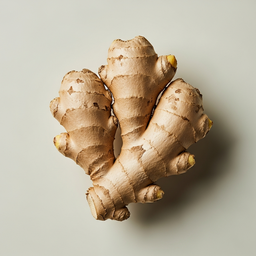 Ginger
 Gingerols protect omega-3 and influence COX/LOX enzymes
Technical: Tuna contains omega-3 fatty acids (EPA/DHA) that are sensitive to oxidation. Ginger contains 6-gingerol and 6-shogaol — bioactive phenol compounds that protect omega-3 as antioxidants. Both omega-3 and gingerols influence COX and LOX enzymes via complementary mechanisms.
What does this mean for you? Sushi with ginger (gari) is no coincidence — the ginger protects omega-3 in raw fish from oxidation. In cooked dishes, freshly grated ginger works equally well. Classic in Japanese cuisine where tuna is always paired with ginger.
Tuna 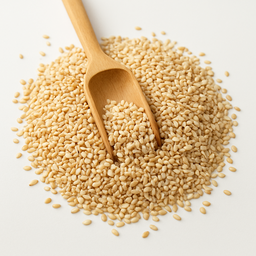 Sesame Seeds
 Complementary amino acid profile + mineral synergy
Technical: Tuna provides 24g complete protein per 100g with all essential amino acids, particularly rich in lysine (2.1g) and leucine (1.8g) — the primary mTOR-activating amino acid for muscle synthesis. Sesame seeds complement with tryptophan (0.4g per 100g), zinc (7.8mg) and copper (4.1mg). Zinc is a cofactor for >300 enzymes including those involved in protein synthesis. The combination also provides complementary minerals: tuna's selenium (36.5μg) + sesame's manganese (2.5mg) for optimal antioxidant enzyme activity (glutathione peroxidase + superoxide dismutase).
What does this mean for you? Sesame-crusted tuna steak isn't just a restaurant classic but also nutritionally optimal for muscle building. The sesame crust adds minerals and amino acids that tuna lacks. Use untoasted black or white sesame seeds for maximum nutritional value.
Tuna 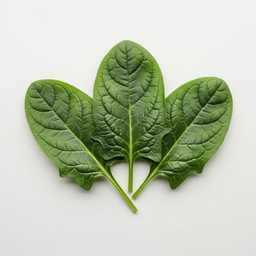 Spinach
 Iron + vitamin B12 + folate: three building blocks for red blood cells
Technical: Tuna provides vitamin B12 (9.4μg/100g, 390% RDI) and iron (1.3mg/100g). Spinach contains folate (194μg/100g) and non-heme iron (2.7mg/100g). B12, folate and iron are all three essential for erythropoiesis (red blood cell production). B12 activates methionine synthase which recycles folate, while iron is incorporated into hemoglobin. Without any one of the three, blood cell production is suboptimal.
What does this mean for you? Tuna salad with fresh spinach combines three essential building blocks for your blood cell production. Add lemon juice for extra vitamin C that increases iron absorption — then you have all four factors together.
Recipes with Tuna
Discover delicious recipes featuring tuna:
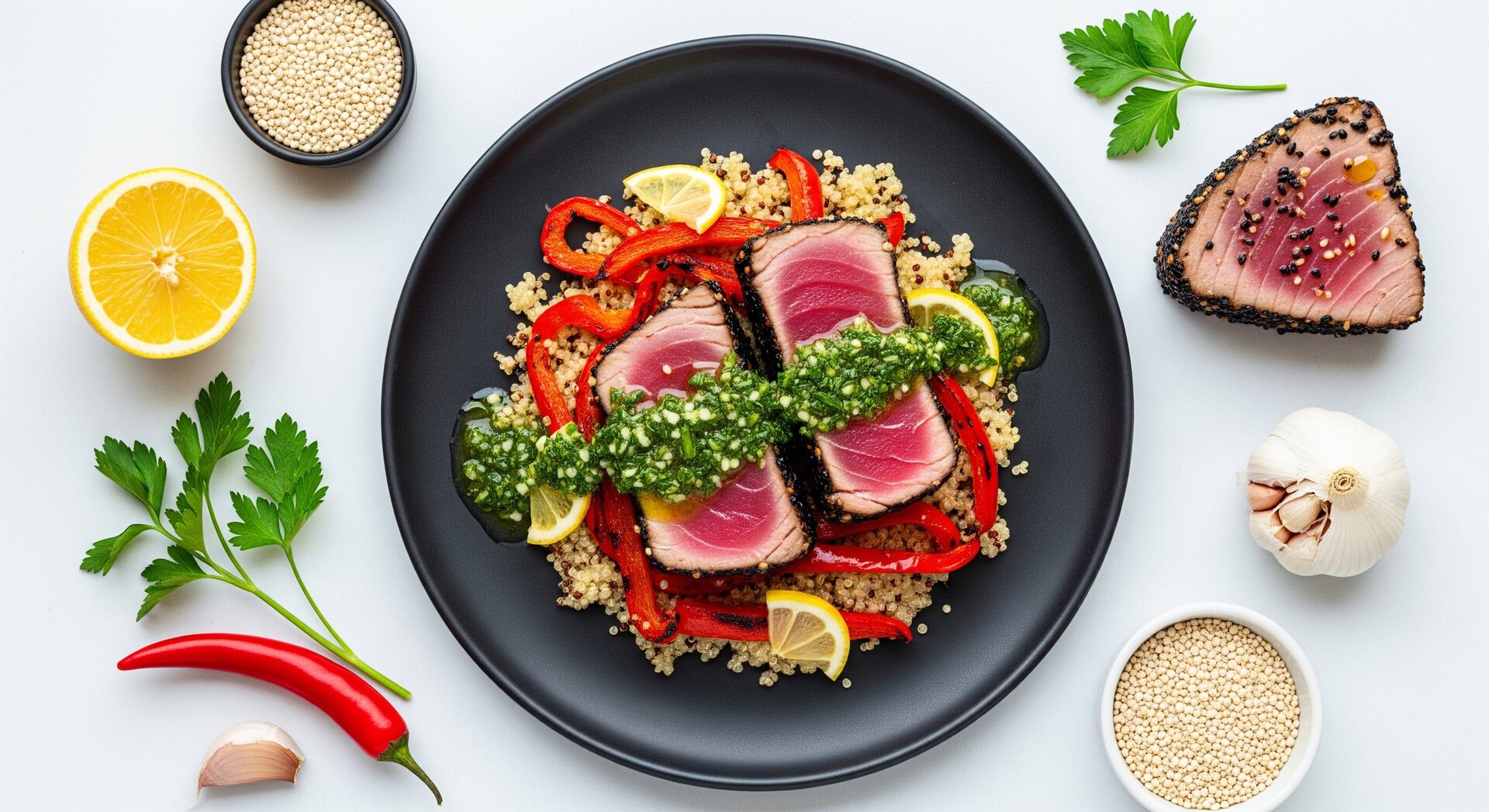 Seared Tuna with Quinoa and Chimichurri 35 min Tuna steak with quinoa and fresh parsley-lemon chimichurri
  675 kcal
  53g protein 2 synergies
 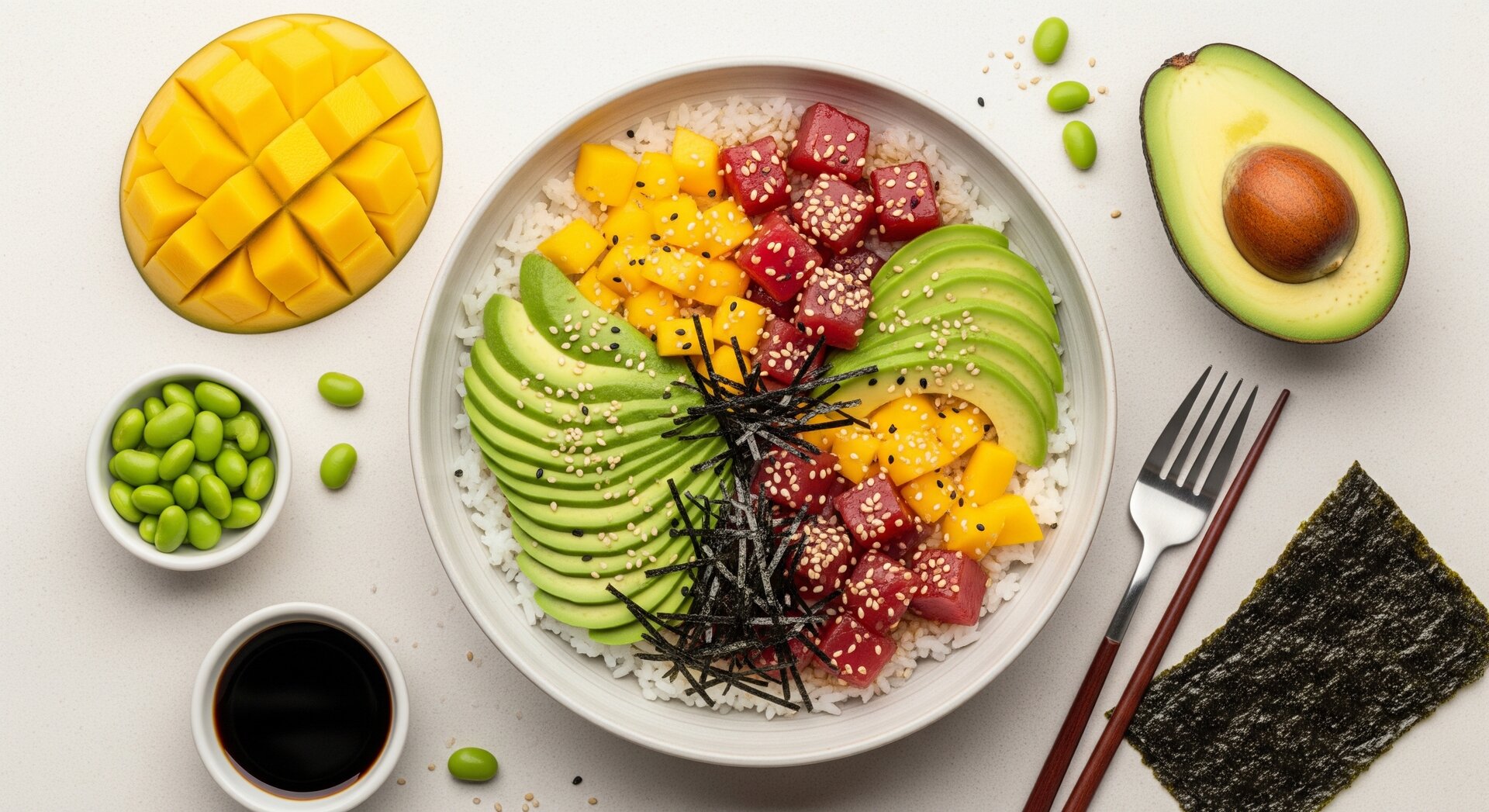 Poke Bowl with Tuna and Mango 35 min Hawaiian bowl with fresh raw tuna and tropical mango 881 kcal 53g protein 2 synergies
 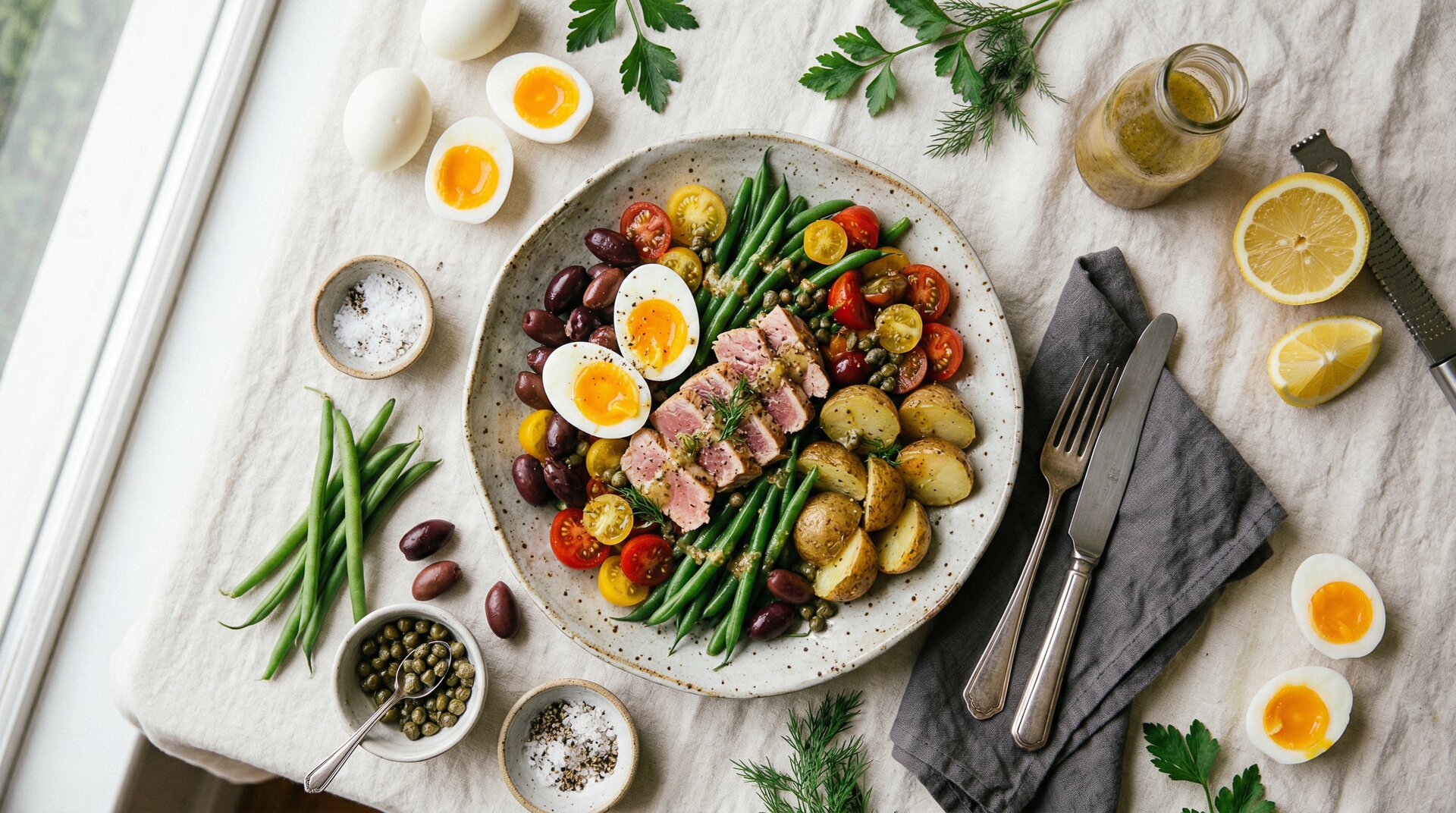 Tuna Niçoise Salad with Capers 35 min Classic French salad with tuna, egg and olives 560 kcal 40g protein 2 synergies
  In the Kitchen
Storage
Location:Refrigerator
Shelf life:1 dag vers, 3 maanden vriezer
Store sushi-grade tuna on ice. Defrost slowly in the refrigerator.
Preparation
Briefly sear (medium-rare) or serve raw. Overcooking makes tuna dry. Core temperature 52-55°C for medium-rare.
Conversions
Substitutes
Smart preparation
1Sear fresh tuna briefly: 1-2 minutes per side for medium-rare.
Why?
Well-done tuna becomes dry and loses its fine texture.
2Pat tuna dry and sprinkle with sesame seeds for a crispy crust.
3Let fresh tuna come to room temperature before cooking.
Why?
Cold tuna cooks unevenly: overdone outside, cold inside.
Caution / Warnings
Tuna is very safe, but there are scientific considerations:
Fish Allergy Severe
Fish allergy can cause severe allergic reactions
Advice:
Avoid completely with known fish allergy
Mercury Content Moderate
Tuna contains more mercury than smaller fish species
Advice:
Limit consumption to 2-3 times per week. Pregnant women: max 1 time per week
Traditional use
Mediterranean
Tuna in Mediterranean Fishing
Tuna fishing (mattanza) is an ancient tradition in Sicily and Spain, already described by Aristotle and Pliny.
Summary
Tuna is the ultimate protein source for athletes: extremely lean with 24g protein per 100g. Fresh pan-seared or raw in poke bowls. Watch mercury content with frequent consumption.