- Medium
- 35 min
- 2 serv.
- 10 synergies
- Now at its best: Potato
A hearty niçoise salad with fresh tuna, hard-boiled eggs, baby potatoes, green beans, capers and kalamata olives in a lemon-mustard dressing.
There are dishes that transport you to the Mediterranean coast, and niçoise is one of them. While baby potatoes and green beans cook, you sear the tuna briefly on both sides — browned outside, still pink inside. The lemon-mustard dressing is made in a small bowl: olive oil, lemon juice and a teaspoon of mustard, whisked into a smooth vinaigrette. Everything is arranged on a large plate: the vegetables, tuna in slices, halved eggs, olives and capers as briny accents. The dressing drizzled over, and you have a meal salad that looks like a still life from Provence.
- 20
- min prep
- 15
- min cook
- 35
- min total
Nutritional Synergies
This recipe combines ingredients that enhance each other:
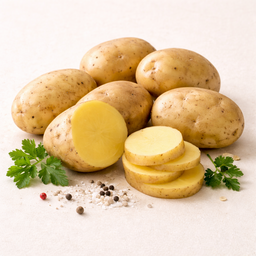 Potato
 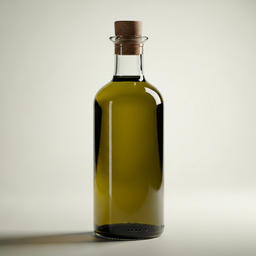 Olive Oil
 Olive oil improves carotenoid absorption from yellow potatoes
Technical: Yellow potato varieties contain up to 400μg carotenoids per 100g, including lutein and violaxanthin. These are fat-soluble and only 5-10% absorbed without fat. Olive oil's oleic acid (73%) forms mixed micelles increasing absorption up to 3x.
What does this mean for you? Roast or fry potatoes in olive oil — this significantly increases carotenoid absorption. Choose yellow varieties for maximum effect.
General WellnessSkin & Hair
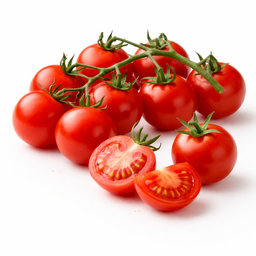 Cherry Tomatoes Olive Oil
 Olive oil increases lycopene absorption from cherry tomatoes 2-3x
Technical: Cherry tomatoes contain 2573μg lycopene per 100g. Lycopene is fat-soluble and only 2-3% absorbed without fat. Olive oil's oleic acid forms mixed micelles increasing lycopene absorption 2-3x. Cherry tomatoes contain relatively more skin (where lycopene concentrates) than regular tomatoes due to their small size.
What does this mean for you? Halve cherry tomatoes and roast in olive oil, or serve in salad with olive oil dressing. Their higher skin-to-flesh ratio means more concentrated lycopene.
HeartSkin & Hair
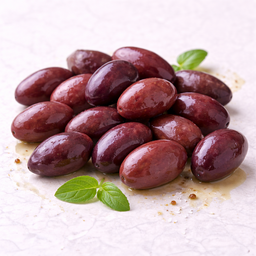 Kalamata Olives
 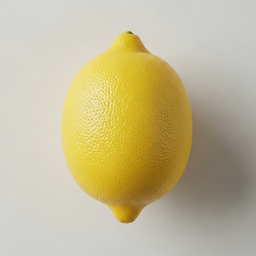 Lemon
Lemon Vitamin C protects olive polyphenols from oxidation
Technical: Hydroxytyrosol and oleuropein in Kalamata olives are susceptible to oxidative degradation. Vitamin C (ascorbic acid, 53mg/100g in lemon) acts as primary reductant keeping these polyphenols in their reduced, active form. Citric acid also chelates pro-oxidative metal ions (Fe²⁺, Cu²⁺).
What does this mean for you? Sprinkle Kalamata olives with lemon juice in salads or marinades. Vitamin C keeps polyphenols intact and adds a fresh taste balancing the olive's saltiness.
HeartAnti-inflammatory
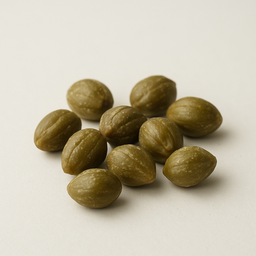 Capers Lemon
 Quercetin + vitamin C for antioxidant and capillary support
Technical: Capers contain the highest concentration of quercetin of all foods (180-230mg/100g — 10x more than onions). Quercetin is a flavonoid that inhibits LDL oxidation and stabilizes mast cells. Lemon's vitamin C regenerates oxidized quercetin back to active form. Quercetin + vitamin C work synergistically as antioxidant. The combination is the base of Mediterranean fish and salad dishes.
What does this mean for you? Capers with lemon juice over fish or salad is a top antioxidant combination in the kitchen. Capers contain 10x more quercetin than onions — a surprising source.
HeartAnti-inflammatorySkin & Hair
Capers Olive Oil Fat makes quercetin from capers absorbable
Technical: Capers contain 180mg quercetin per 100g — the highest content of all foods. Quercetin is a fat-soluble flavonoid with bioactive properties. Without fat, quercetin binds to dietary fiber and is excreted undigested. Olive oil's oleic acid forms mixed micelles that increase quercetin absorption up to 200%.
What does this mean for you? Always use capers with olive oil — in pasta puttanesca, salads or fish. Without olive oil, most quercetin is lost.
Anti-inflammatoryImmune System
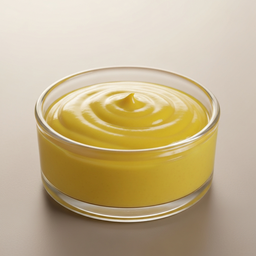 Mustard Olive Oil
 Perfect vinaigrette - mustard as emulsifier
Technical: Mustard contains mucilage (slime) acting as a natural emulsifier — it binds oil and vinegar into a stable vinaigrette. Mustard's sinigrin (glucosinolate) converts to allyl isothiocyanate with thermogenic and bioactive action. Olive oil provides oleocanthal and hydroxytyrosol.
What does this mean for you? Mustard vinaigrette is scientifically the perfect dressing. The mustard emulsifies, the olive oil provides polyphenols — and together they taste amazing.
Weight LossHeart
Olive Oil Lemon Oleic acid + citric acid: complementary pathways for glycemic response
Technical: Lemon contains citric acid that slows gastric emptying, causing carbohydrates from the meal to be absorbed more slowly. Olive oil's fats reinforce this effect by further influencing glycemic response. Together they influence the postprandial glucose response via two complementary mechanisms. Olive oil's oleocanthal and lemon's vitamin C additionally provide complementary antioxidant action.
What does this mean for you? A simple dressing of olive oil and lemon juice over your salad is one of the smartest combinations you can make. The two mechanisms (delayed gastric emptying + fat slowing) work together to influence the glucose response after your meal.
EnergyDigestion
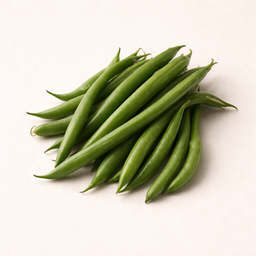 Green Beans Lemon
 Vitamin C improves iron absorption from green beans
Technical: Green beans contain 1.0mg non-heme iron per 100g and folate (33μg). Non-heme iron has low bioavailability (2-5%). Vitamin C from lemon (53mg/100g) reduces Fe³⁺ to Fe²⁺ and forms soluble chelates tripling absorption. Vitamin C also protects labile folate from oxidative degradation.
What does this mean for you? Sprinkle green beans with lemon juice for better iron and folate absorption. Simple but effective, especially for vegetarians depending on plant-based iron.
EnergyGeneral Wellness
Green Beans Olive Oil Fat essential for vitamin K absorption from green beans
Technical: Green beans contain 43μg vitamin K per 100g (36% RDI) — vitamin K contributes to normal blood clotting and the maintenance of normal bones (EFSA-approved). Vitamin K is fat-soluble and absorbed via bile salt micelles. Olive oil influences bile release and provides fats for micelle formation, increasing K absorption 3x.
What does this mean for you? Sauté green beans in olive oil or serve with dressing. Without fat you barely absorb vitamin K.
JointsGeneral Wellness
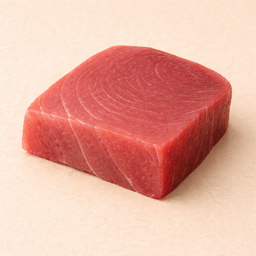 Tuna Lemon
 Vitamin C improves selenium absorption and protects omega-3
Technical: Tuna contains 80μg selenium per 100g (145% RDI) — one of the richest selenium sources. Selenium is incorporated into selenoproteins (glutathione peroxidase, thioredoxin reductase). Vitamin C from lemon promotes selenium uptake and protects the omega-3 fatty acids (0.5-1.5g per 100g, depending on tuna species) from peroxidation. Vitamin C also contributes to the normal function of the immune system (EFSA-approved).
What does this mean for you? Always drizzle tuna with lemon juice. The lemon helps your body absorb more selenium and keeps omega-3 intact. Ideal in poke bowls, tataki or simple tuna salad.
Immune SystemEnergyHormonal Balance
Instructions
- 1 Cook the baby potatoes in lightly salted water for 12-15 minutes until done. Add the green beans for the last 4 minutes. Drain and let cool.
Nutrition per serving
Indicative values per serving.
Timing & Suitability
Shelf life: 1 days in fridge
Tags & Diet
Allergens: Fish, Eggs, Mustard