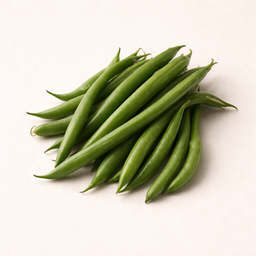
Green Beans
The Green Classic
What is this ingredient?
Green beans (also called haricots verts or string beans) are botanically legumes, but culinarily they're treated like a vegetable: light, crisp, and quick to cook. They provide fiber, folate, and vitamin K, and also contain silicon—a trace mineral involved in connective tissue (collagen) and bone matrix. Unlike dried beans, green beans are much lower in calories and (when properly cooked) typically easier to digest.
How does it taste?
Fresh, grassy and mildly sweet with a firm, crunchy bite.
Pairs well with:
Pairs well with garlicalmondlemonbacon and shallot.
Did you know...?
- Green beans originate from Central America and were cultivated 7,000 years ago.
- Green beans are called 'haricots verts' in French, which literally means 'green beans'.
Nutritional Value & Energy
Per 100g
Green Beans is low in calories thanks to natural nutrients , buffered by fiber.
Per 100g
Minerals
Vitamins
Omega-3 fatty acids
More nutrients
B-Vitamins
Trace Minerals
What's in a serving?
1 serving
Green Beans naturally contains vitamin k (43 mcg per 100 g).
Green Beans naturally contains vitamin c (12.2 mg per 100 g).
Green Beans naturally contains folate (33 mcg per 100 g).
% of daily reference intake (DRI)
EU-approved nutrition claims
This ingredient contains nutrients for which EFSA-authorized health claims exist (at nutrient level, not ingredient-specific).
Approved health claims (EU)
Vitamin_c EU 432/2012
Vitamin C contributes to the normal function of the immune system
Contains 12.2mg/100g (threshold: ≥12mg/100g)
Vitamin_c EU 432/2012
Vitamin C contributes to the reduction of tiredness and fatigue
Contains 12.2mg/100g (threshold: ≥12mg/100g)
Vitamin_c EU 432/2012
Vitamin C contributes to normal collagen formation for the normal function of skin
Contains 12.2mg/100g (threshold: ≥12mg/100g)
Folate EU 432/2012
Folate contributes to normal blood formation
Contains 33mcg/100g (threshold: ≥30mcg/100g)
Folate EU 432/2012
Folate contributes to normal amino acid synthesis
Contains 33mcg/100g (threshold: ≥30mcg/100g)
Folate EU 432/2012
Folate contributes to normal homocysteine metabolism
Contains 33mcg/100g (threshold: ≥30mcg/100g)
Folate EU 432/2012
Folate contributes to normal psychological function
Contains 33mcg/100g (threshold: ≥30mcg/100g)
Folate EU 432/2012
Folate contributes to the normal function of the immune system
Contains 33mcg/100g (threshold: ≥30mcg/100g)
Folate EU 432/2012
Folate has a role in the process of cell division
Contains 33mcg/100g (threshold: ≥30mcg/100g)
Folate EU 432/2012
Folate contributes to maternal tissue growth during pregnancy
Contains 33mcg/100g (threshold: ≥30mcg/100g)
Vitamin_c EU 432/2012
Vitamin C contributes to normal collagen formation for the normal function of blood vessels
Contains 12.2mg/100g (threshold: ≥12mg/100g)
Vitamin_c EU 432/2012
Vitamin C contributes to normal collagen formation for the normal function of bones
Contains 12.2mg/100g (threshold: ≥12mg/100g)
Vitamin_c EU 432/2012
Vitamin C contributes to normal collagen formation for the normal function of cartilage
Contains 12.2mg/100g (threshold: ≥12mg/100g)
Vitamin_c EU 432/2012
Vitamin C contributes to normal collagen formation for the normal function of gums
Contains 12.2mg/100g (threshold: ≥12mg/100g)
Vitamin_c EU 432/2012
Vitamin C contributes to normal collagen formation for the normal function of teeth
Contains 12.2mg/100g (threshold: ≥12mg/100g)
Vitamin_c EU 432/2012
Vitamin C contributes to normal energy-yielding metabolism
Contains 12.2mg/100g (threshold: ≥12mg/100g)
Vitamin_c EU 432/2012
Vitamin C contributes to normal functioning of the nervous system
Contains 12.2mg/100g (threshold: ≥12mg/100g)
Vitamin_c EU 432/2012
Vitamin C contributes to normal psychological function
Contains 12.2mg/100g (threshold: ≥12mg/100g)
Vitamin_c EU 432/2012
Vitamin C contributes to the protection of cells from oxidative stress
Contains 12.2mg/100g (threshold: ≥12mg/100g)
Vitamin_c EU 432/2012
Vitamin C contributes to the regeneration of the reduced form of vitamin E
Contains 12.2mg/100g (threshold: ≥12mg/100g)
Vitamin_c EU 432/2012
Vitamin C increases iron absorption
Contains 12.2mg/100g (threshold: ≥12mg/100g)
Vitamin_c EU 432/2012
Vitamin C contributes to maintain the normal function of the immune system during and after intense physical exercise
Contains 12.2mg/100g (threshold: ≥12mg/100g)
Vitamin_k EU 432/2012
Vitamin K contributes to normal blood clotting
Contains 43mcg/100g (threshold: ≥11.25mcg/100g)
Vitamin_k EU 432/2012
Vitamin K contributes to the maintenance of normal bones
Contains 43mcg/100g (threshold: ≥11.25mcg/100g)
What's being researched?
Fiber and blood sugar management
The combination of fiber and low glycemic index in green beans is being studied in relation to blood sugar management. Observational studies support legumes as part of a blood sugar-friendly diet.
Supported by: [2] Lima GPP (2017) , [1] Jugdaohsingh R (2007)
Vitamin K and silicon for bones
Vitamin K and silicon content in green beans are being studied in relation to bone density. Epidemiological studies suggest associations, but specific evidence for green beans is limited.
Supported by: [1] Jugdaohsingh R (2007)
Good Combinations (Synergy)
Combine green beans smartly to enhance the effect:
Green Beans 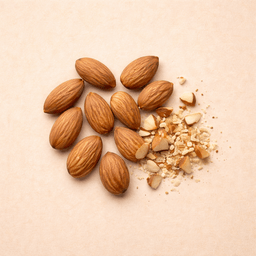 Almonds
 Better vitamin K absorption through almond fats
Technical: Green beans contain 43μg vitamin K per 100g (36% RDI) and folate (33μg). Almonds provide 50g fats per 100g (32g monounsaturated) plus 25.6mg vitamin E. The fats are essential for fat-soluble vitamin K absorption, with up to 3x higher bioavailability.
What does this mean for you? Green beans amandine (with sliced almonds) is a French classic that's also scientifically smart. The almonds make vitamin K from green beans properly absorbable.
Green Beans 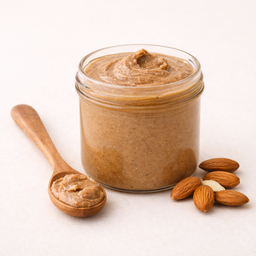 Almond butter
 Better vitamin K absorption through almond fats
Technical: Green beans contain 43μg vitamin K per 100g (36% RDI) and folate (33μg). Almonds provide 50g fats per 100g (32g monounsaturated) plus 25.6mg vitamin E. The fats are essential for fat-soluble vitamin K absorption, with up to 3x higher bioavailability.
What does this mean for you? Green beans amandine (with sliced almonds) is a French classic that's also scientifically smart. The almonds make vitamin K from green beans properly absorbable.
Green Beans 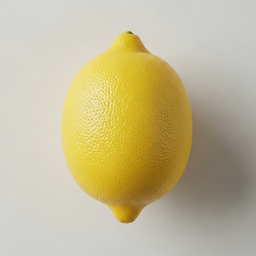 Lemon
Lemon Vitamin C improves iron absorption from green beans
Technical: Green beans contain 1.0mg non-heme iron per 100g and folate (33μg). Non-heme iron has low bioavailability (2-5%). Vitamin C from lemon (53mg/100g) reduces Fe³⁺ to Fe²⁺ and forms soluble chelates tripling absorption. Vitamin C also protects labile folate from oxidative degradation.
What does this mean for you? Sprinkle green beans with lemon juice for better iron and folate absorption. Simple but effective, especially for vegetarians depending on plant-based iron.
Green Beans 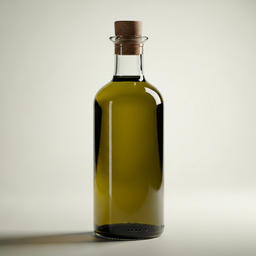 Olive Oil
 Fat essential for vitamin K absorption from green beans
Technical: Green beans contain 43μg vitamin K per 100g (36% RDI) — vitamin K contributes to normal blood clotting and the maintenance of normal bones (EFSA-approved). Vitamin K is fat-soluble and absorbed via bile salt micelles. Olive oil influences bile release and provides fats for micelle formation, increasing K absorption 3x.
What does this mean for you? Sauté green beans in olive oil or serve with dressing. Without fat you barely absorb vitamin K.
Recipes with Green Beans
Discover delicious recipes featuring green beans:
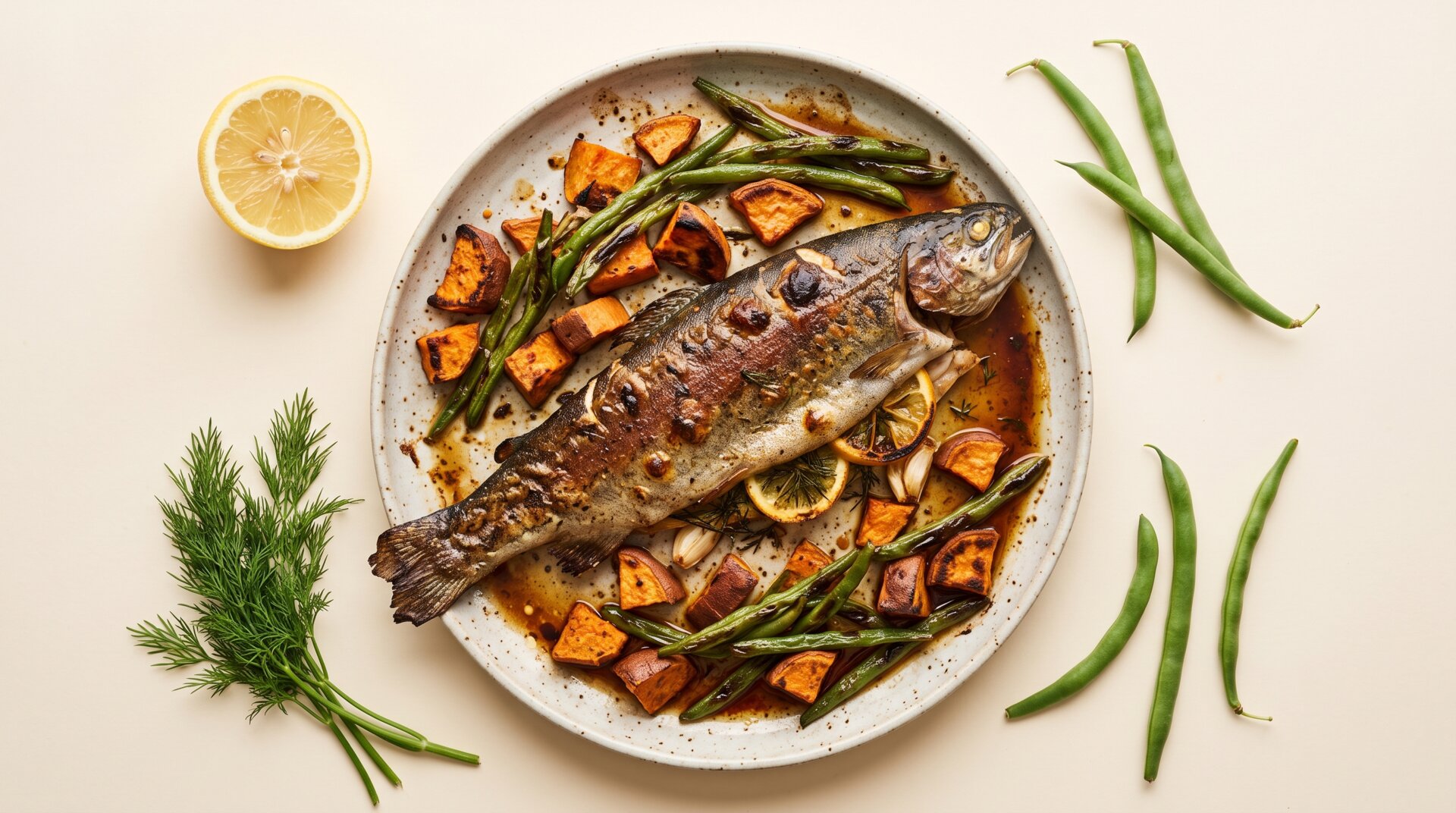 Oven-Baked Trout with Lemon, Herbs and Vegetables 35 min Whole trout with dill and sweet potato from a single roasting pan
  600 kcal
  40g protein 2 synergies
 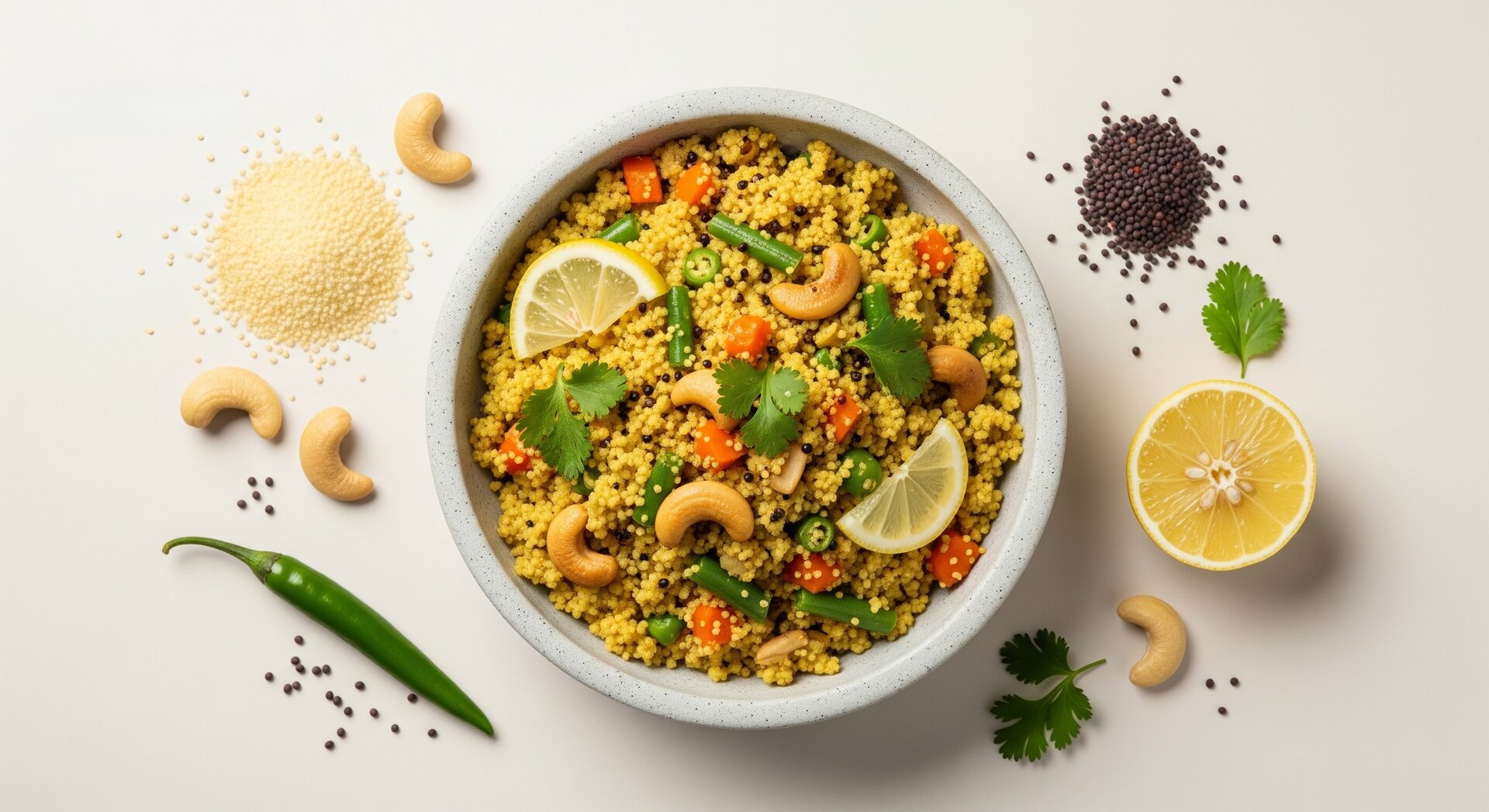 Indian Upma with Vegetables and Cashew 25 min Hearty South Indian semolina bowl with cashew nuts 529 kcal 15g protein 1 synergies
 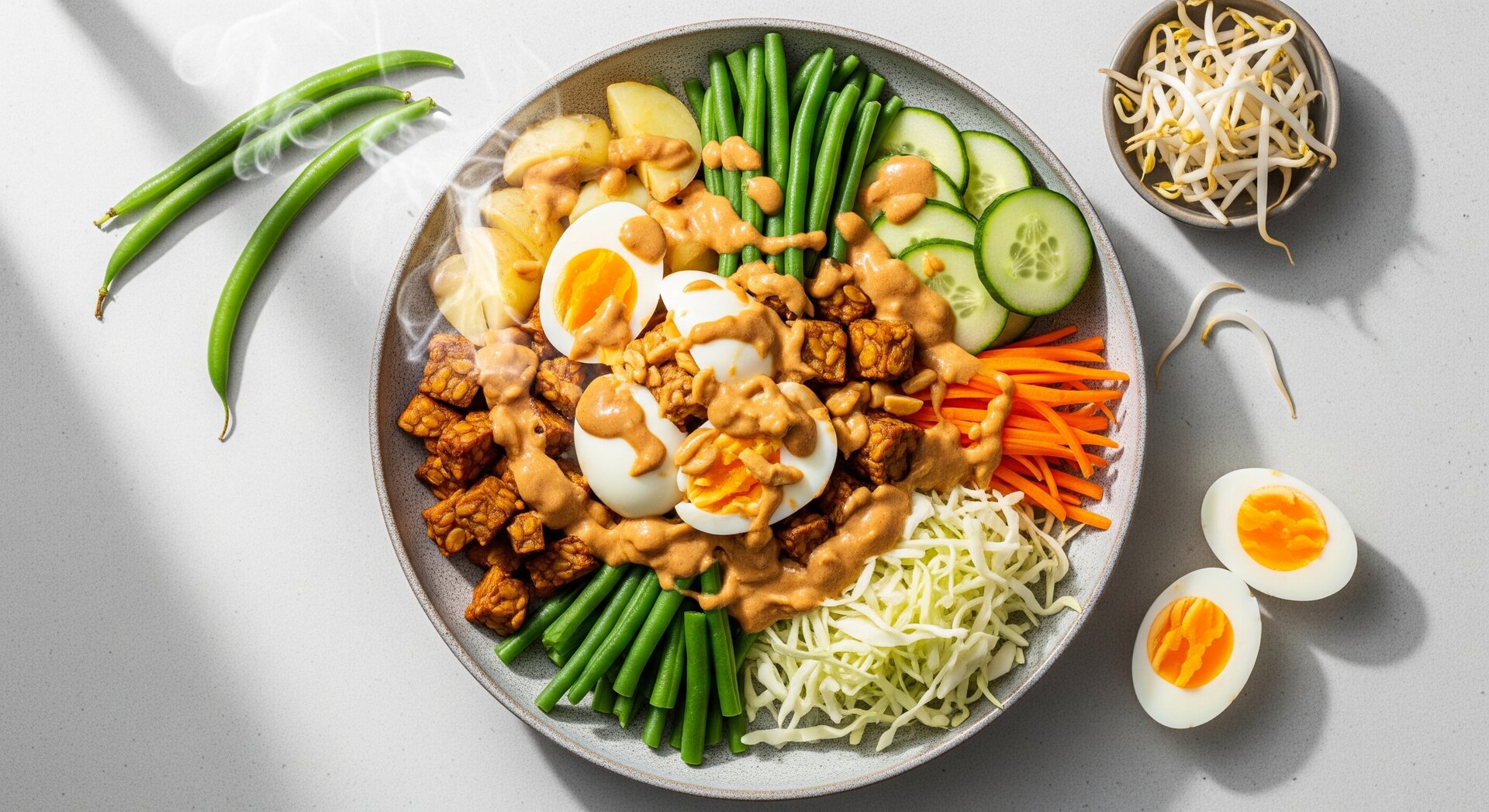 Indonesian Gado-Gado with Peanut Sauce & Tempeh 35 min Indonesian salad with fried tempeh, vegetables, egg and creamy peanut sauce 742 kcal 34g protein 2 synergies
 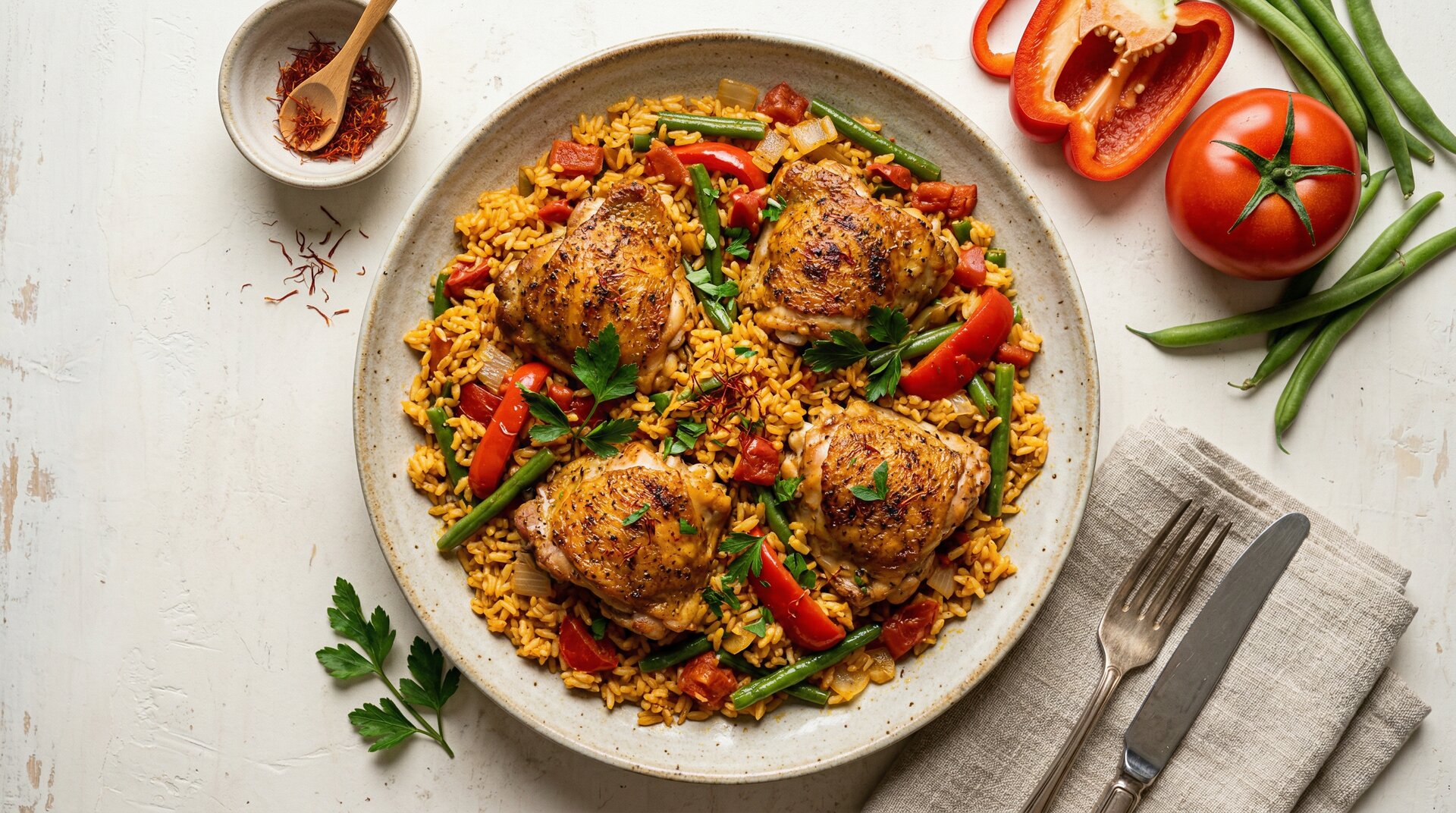 Spanish Arroz con Pollo with Vegetables and Saffron 50 min Golden one-pan rice with tender chicken, pepper, green beans and saffron 740 kcal 40g protein 2 synergies
 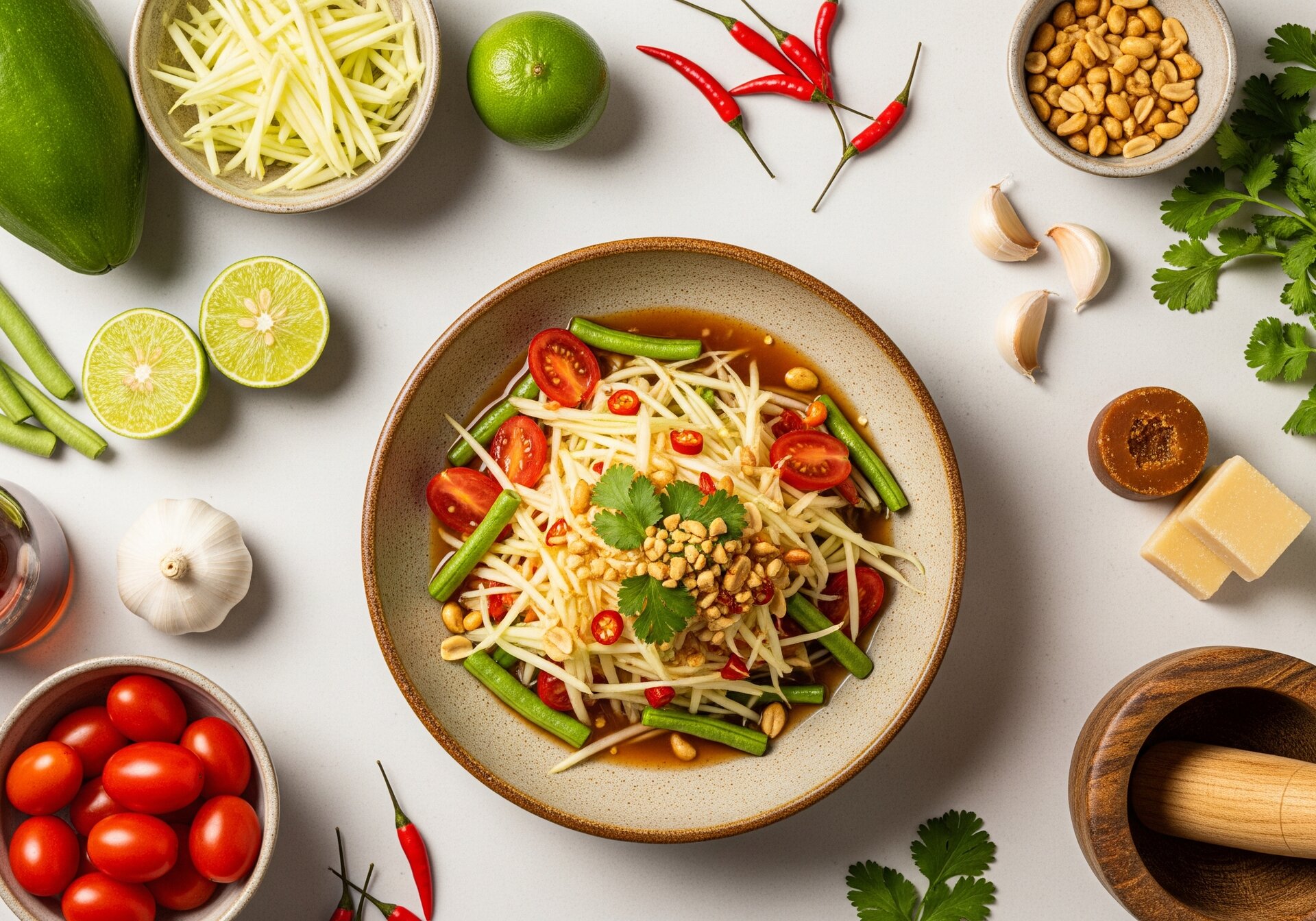 Thai Green Papaya Salad (Som Tam) 20 min Spicy Thai salad with papaya, peanuts and lime 180 kcal 6g protein 1 synergies
 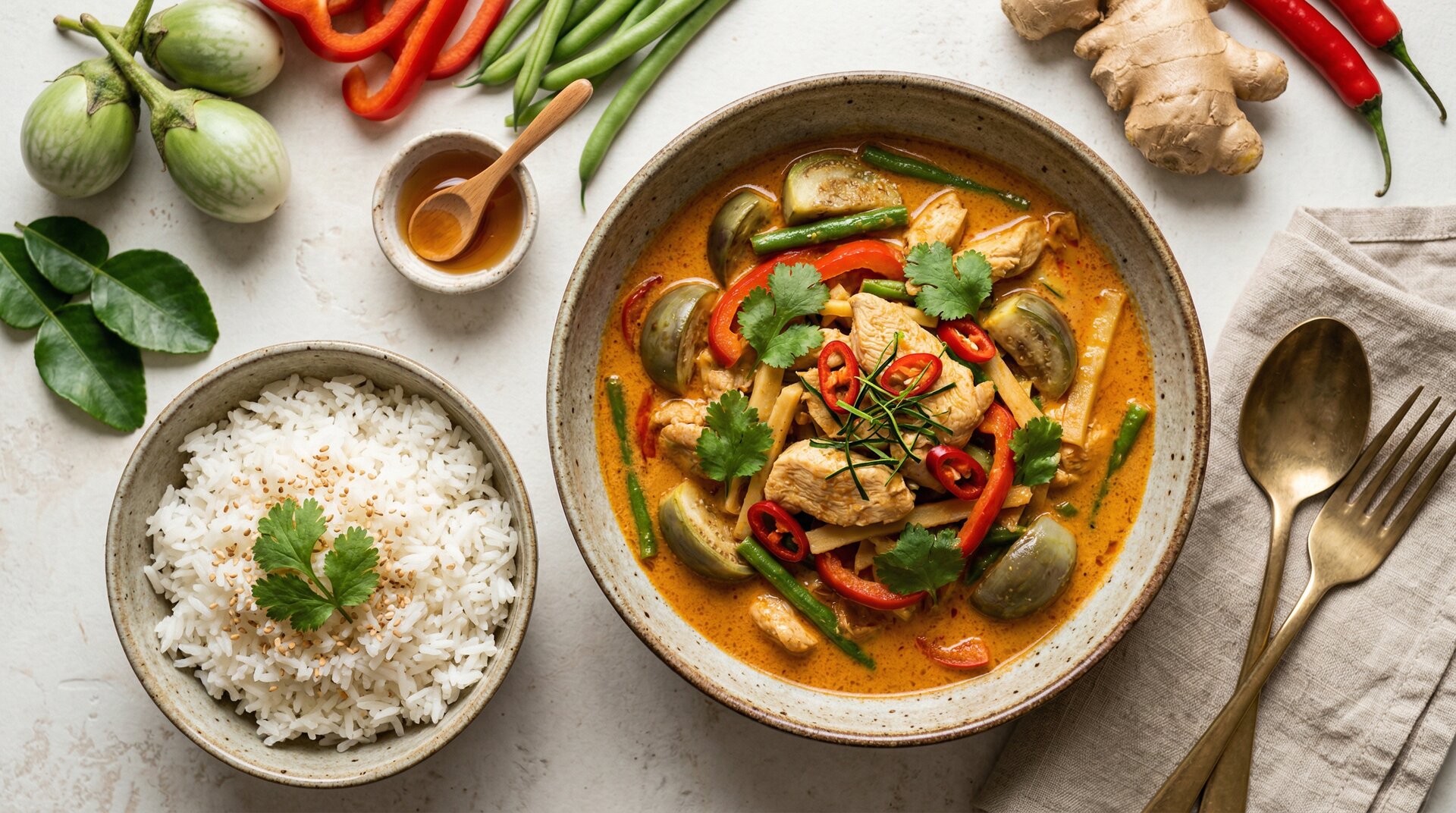 Thai Red Curry with Coconut Milk, Chicken & Jasmine Rice 45 min Creamy red curry with tender chicken, eggplant and green beans 782 kcal 38g protein 1 synergies
  In the Kitchen
Storage
Location:Refrigerator
Shelf life:3-5 dagen
Store in the crisper. Don't wash before storing. Limp beans: 10 min in ice water.
Preparation
Trim ends. Boil 6–8 min in plenty of water or steam 7–9 min. Brief cold rinse for color (optional).
Conversions
Substitutes
Smart preparation
1Snap off only the stem end; the tips don't need removing.
2Cook green beans 4-5 minutes until al dente and plunge them in ice water.
Why?
Ice water stops the cooking and preserves the bright green color.
3Stir-fry green beans on high heat with garlic for a crispy result.
Caution / Warnings
Green Beans is very safe, but there are scientific considerations:
Lectins (Phasin) Severe
Raw or undercooked can cause GI symptoms due to certain lectins
Advice:
Always cook thoroughly: boil at least 5–10 minutes or steam until tender
Traditional use
Indigenous
Native American agricultural crop
Green beans were cultivated by indigenous peoples in the Americas for thousands of years as part of the 'Three Sisters' polyculture system.
Summary
Simple, healthy, and always cook them. Keep them al dente: greener, sweeter, with better bite. Great with olive oil, lemon, and salt, or quickly stir-fried with garlic.