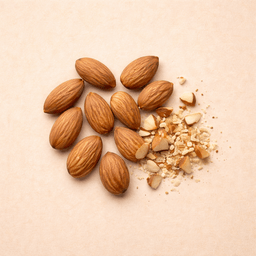
Almonds
Source of vitamin E, fibre and plant-based protein
What is this ingredient?
Almonds are botanically seeds inside the pit of the almond fruit, although in cooking they are usually used like nuts. They naturally contain a lot of vitamin E and magnesium: vitamin E contributes to the protection of cells from oxidative stress, and magnesium contributes to normal muscle function. The brown skin contains polyphenols and adds extra nutty flavour and texture, making unblanched almonds a full, aromatic choice.
How does it taste?
Nutty, lightly sweet and delicate, with a firm crunchy bite.
Pairs well with:
Pairs well with honeyapricotrosemarydark chocolate and cinnamon.
Did you know...?
- Almonds are botanically not true nuts, but the seeds of a stone fruit related to the peach.
- California produces a large share of the almonds on the global market.
Nutritional Value & Energy
Per 100g
Almonds provides energy thanks to natural nutrients , buffered by fiber.
Per 100g
Minerals
Vitamins
Omega-3 fatty acids
More nutrients
B-Vitamins
Trace Minerals
What's in a serving?
1 handful
Almonds naturally contain calcium (269 mg per 100 g).
Almonds naturally contain iron (3.71 mg per 100 g).
Almonds naturally contain magnesium (270 mg per 100 g).
Almonds naturally contain potassium (733 mg per 100 g).
Almonds naturally contain vitamin e (25.63 mg per 100 g).
Almonds naturally contain zinc (3.12 mg per 100 g).
Almonds naturally contain folate (44 mcg per 100 g).
% of daily reference intake (DRI)
EU-approved nutrition claims
This ingredient contains nutrients for which EFSA-authorized health claims exist (at nutrient level, not ingredient-specific).
Approved health claims (EU)
Magnesium EU 432/2012
Magnesium contributes to normal muscle function
Contains 270mg/100g (threshold: ≥56.25mg/100g)
Magnesium EU 432/2012
Magnesium contributes to the reduction of tiredness and fatigue
Contains 270mg/100g (threshold: ≥56.25mg/100g)
Magnesium EU 432/2012
Magnesium contributes to normal functioning of the nervous system
Contains 270mg/100g (threshold: ≥56.25mg/100g)
Zinc EU 432/2012
Zinc contributes to the normal function of the immune system
Contains 3.12mg/100g (threshold: ≥1.5mg/100g)
Zinc EU 432/2012
Zinc contributes to the maintenance of normal skin
Contains 3.12mg/100g (threshold: ≥1.5mg/100g)
Iron EU 432/2012
Iron contributes to normal energy-yielding metabolism
Contains 3.71mg/100g (threshold: ≥2.1mg/100g)
Iron EU 432/2012
Iron contributes to the reduction of tiredness and fatigue
Contains 3.71mg/100g (threshold: ≥2.1mg/100g)
Calcium EU 432/2012
Calcium is needed for the maintenance of normal bones
Contains 269mg/100g (threshold: ≥120mg/100g)
Potassium EU 432/2012
Potassium contributes to the maintenance of normal blood pressure
Contains 733mg/100g (threshold: ≥300mg/100g)
Folate EU 432/2012
Folate contributes to normal blood formation
Contains 44mcg/100g (threshold: ≥30mcg/100g)
Folate EU 432/2012
Folate contributes to normal amino acid synthesis
Contains 44mcg/100g (threshold: ≥30mcg/100g)
Folate EU 432/2012
Folate contributes to normal homocysteine metabolism
Contains 44mcg/100g (threshold: ≥30mcg/100g)
Folate EU 432/2012
Folate contributes to normal psychological function
Contains 44mcg/100g (threshold: ≥30mcg/100g)
Folate EU 432/2012
Folate contributes to the normal function of the immune system
Contains 44mcg/100g (threshold: ≥30mcg/100g)
Folate EU 432/2012
Folate has a role in the process of cell division
Contains 44mcg/100g (threshold: ≥30mcg/100g)
Folate EU 432/2012
Folate contributes to maternal tissue growth during pregnancy
Contains 44mcg/100g (threshold: ≥30mcg/100g)
Vitamin_e EU 432/2012
Vitamin E contributes to the protection of cells from oxidative stress
Contains 25.63mg/100g (threshold: ≥1.8mg/100g)
Calcium EU 432/2012
Calcium is needed for the maintenance of normal teeth
Contains 269mg/100g (threshold: ≥120mg/100g)
Calcium EU 432/2012
Calcium contributes to normal blood clotting
Contains 269mg/100g (threshold: ≥120mg/100g)
Calcium EU 432/2012
Calcium contributes to normal energy-yielding metabolism
Contains 269mg/100g (threshold: ≥120mg/100g)
Calcium EU 432/2012
Calcium contributes to normal muscle function
Contains 269mg/100g (threshold: ≥120mg/100g)
Calcium EU 432/2012
Calcium contributes to normal neurotransmission
Contains 269mg/100g (threshold: ≥120mg/100g)
Calcium EU 432/2012
Calcium contributes to the normal function of digestive enzymes
Contains 269mg/100g (threshold: ≥120mg/100g)
Calcium EU 432/2012
Calcium has a role in the process of cell division and specialisation
Contains 269mg/100g (threshold: ≥120mg/100g)
Magnesium EU 432/2012
Magnesium contributes to normal energy-yielding metabolism
Contains 270mg/100g (threshold: ≥56.25mg/100g)
Magnesium EU 432/2012
Magnesium contributes to electrolyte balance
Contains 270mg/100g (threshold: ≥56.25mg/100g)
Magnesium EU 432/2012
Magnesium contributes to normal protein synthesis
Contains 270mg/100g (threshold: ≥56.25mg/100g)
Magnesium EU 432/2012
Magnesium contributes to normal psychological function
Contains 270mg/100g (threshold: ≥56.25mg/100g)
Magnesium EU 432/2012
Magnesium contributes to the maintenance of normal bones
Contains 270mg/100g (threshold: ≥56.25mg/100g)
Magnesium EU 432/2012
Magnesium contributes to the maintenance of normal teeth
Contains 270mg/100g (threshold: ≥56.25mg/100g)
Magnesium EU 432/2012
Magnesium has a role in the process of cell division
Contains 270mg/100g (threshold: ≥56.25mg/100g)
Iron EU 432/2012
Iron contributes to normal cognitive function
Contains 3.71mg/100g (threshold: ≥2.1mg/100g)
Iron EU 432/2012
Iron contributes to normal formation of red blood cells and haemoglobin
Contains 3.71mg/100g (threshold: ≥2.1mg/100g)
Iron EU 432/2012
Iron contributes to normal oxygen transport in the body
Contains 3.71mg/100g (threshold: ≥2.1mg/100g)
Iron EU 432/2012
Iron contributes to the normal function of the immune system
Contains 3.71mg/100g (threshold: ≥2.1mg/100g)
Iron EU 432/2012
Iron has a role in the process of cell division
Contains 3.71mg/100g (threshold: ≥2.1mg/100g)
Zinc EU 432/2012
Zinc contributes to normal acid-base metabolism
Contains 3.12mg/100g (threshold: ≥1.5mg/100g)
Zinc EU 432/2012
Zinc contributes to normal carbohydrate metabolism
Contains 3.12mg/100g (threshold: ≥1.5mg/100g)
Zinc EU 432/2012
Zinc contributes to normal cognitive function
Contains 3.12mg/100g (threshold: ≥1.5mg/100g)
Zinc EU 432/2012
Zinc contributes to normal DNA synthesis
Contains 3.12mg/100g (threshold: ≥1.5mg/100g)
Zinc EU 432/2012
Zinc contributes to normal fertility and reproduction
Contains 3.12mg/100g (threshold: ≥1.5mg/100g)
Zinc EU 432/2012
Zinc contributes to normal macronutrient metabolism
Contains 3.12mg/100g (threshold: ≥1.5mg/100g)
Zinc EU 432/2012
Zinc contributes to normal metabolism of fatty acids
Contains 3.12mg/100g (threshold: ≥1.5mg/100g)
Zinc EU 432/2012
Zinc contributes to normal metabolism of vitamin A
Contains 3.12mg/100g (threshold: ≥1.5mg/100g)
Zinc EU 432/2012
Zinc contributes to normal protein synthesis
Contains 3.12mg/100g (threshold: ≥1.5mg/100g)
Zinc EU 432/2012
Zinc contributes to the maintenance of normal bones
Contains 3.12mg/100g (threshold: ≥1.5mg/100g)
Zinc EU 432/2012
Zinc contributes to the maintenance of normal hair
Contains 3.12mg/100g (threshold: ≥1.5mg/100g)
Zinc EU 432/2012
Zinc contributes to the maintenance of normal nails
Contains 3.12mg/100g (threshold: ≥1.5mg/100g)
Zinc EU 432/2012
Zinc contributes to the maintenance of normal testosterone levels in the blood
Contains 3.12mg/100g (threshold: ≥1.5mg/100g)
Zinc EU 432/2012
Zinc contributes to the maintenance of normal vision
Contains 3.12mg/100g (threshold: ≥1.5mg/100g)
Zinc EU 432/2012
Zinc contributes to the protection of cells from oxidative stress
Contains 3.12mg/100g (threshold: ≥1.5mg/100g)
Zinc EU 432/2012
Zinc has a role in the process of cell division
Contains 3.12mg/100g (threshold: ≥1.5mg/100g)
Potassium EU 432/2012
Potassium contributes to normal functioning of the nervous system
Contains 733mg/100g (threshold: ≥300mg/100g)
Potassium EU 432/2012
Potassium contributes to normal muscle function
Contains 733mg/100g (threshold: ≥300mg/100g)
Comparison
vsmelk
Almonds contain about 2× as much calcium per 100 g as milk.
vsbanaan
Almonds contain about 2× as much potassium per 100 g as banana.
What's being researched?
Almonds in cardiovascular nutrition research
Research on almonds often examines cardiovascular nutrition markers such as LDL cholesterol, total cholesterol, lipid profile and fatty-acid composition. RCTs and meta-analyses usually use daily portions of around 30–40 g within a complete dietary pattern.
Supported by: [1] Kalita S (2018)
Almonds in metabolic nutrition research
Studies examine how almonds as a snack or meal component fit into meals that contain carbohydrates. Outcomes are often described with postprandial glucose and insulin markers, alongside satiety, energy intake and the composition of the complete meal.
Supported by: [4] Madan J (2021) , [3] Wien (2003)
Good Combinations (Synergy)
Combine almonds smartly to enhance the effect:
Almonds 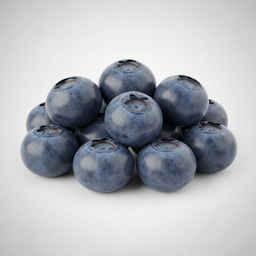 Blueberries
 Vitamin E + anthocyanins: complementary antioxidant pathways in lipid and aqueous phase
Chun OK et al. (2008) in Journal of Nutrition demonstrated synergistic action between polyphenols and vitamin E.
Technical: Almonds are the best nut source of vitamin E (26mg/100g), blocking lipid peroxidation in cell membranes. Blueberries provide anthocyanins working as antioxidants in the cell's aqueous environment. This complementary duo — fat- and water-soluble — works in both the lipid and aqueous phases of the cell.
What does this mean for you? Mix almonds into your blueberry yogurt or smoothie bowl. Two types of antioxidant protection in one bite — complementary pathways via lipid and aqueous phase.
Almonds 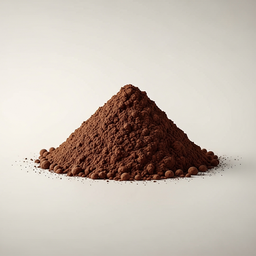 Raw cacao
 Double magnesium boost: 500mg per 100g combined
Technical: Almonds (270mg magnesium/100g) and cacao (230mg/100g) together provide 500mg magnesium - more than the daily recommendation. Magnesium is crucial for 300+ enzymes, muscle contraction and ATP energy. Cacao also adds theobromine for mild stimulation.
What does this mean for you? Make trail mix with almonds and cacao nibs, or bake chocolate-almond snacks. Ideal for muscle cramps, stress or fatigue.
Almonds 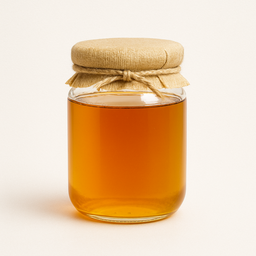 Honey
Honey Vitamin E + flavonoids for enhanced antioxidant protection
Technical: Almonds are rich in alpha-tocopherol (vitamin E), a fat-soluble antioxidant. Honey's flavonoids (chrysin, pinocembrin) are water-soluble antioxidants. Together they provide protection in both lipid and aqueous compartments of cells.
What does this mean for you? Almonds with a bit of honey is not just a classic snack, but gives your cells double antioxidant protection — in fat and water.
Almonds  Banana
 Tryptophan + magnesium for natural sleep support
Magnesium improves sleep quality and supports tryptophan metabolism (PMID: 21199787)
Technical: Banana contains tryptophan (12mg/100g), a precursor of serotonin and melatonin. Almonds are rich in magnesium (270mg/100g), which activates GABA receptors and promotes muscle relaxation. Magnesium is also needed for converting tryptophan to serotonin.
What does this mean for you? Eat a banana with a handful of almonds 1-2 hours before bed as a natural sleep aid. The combination of quick sugars and healthy fats also ensures stable blood sugar throughout the night.
Almonds 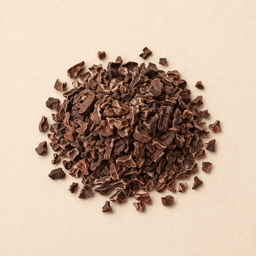 Raw Cacao Nibs
 Double magnesium for GABA activation and muscle relaxation
Technical: Cacao nibs contain ~500mg magnesium per 100g (raw beans) and almonds provide 270mg per 100g. Magnesium activates GABA receptors (the "brake" on the nervous system) and blocks NMDA receptors (excitatory receptors). This dual mechanism lowers cortisol and promotes muscle relaxation. Cacao nibs add theobromine (250mg/100g), a mild stimulant that works without cortisol spike, enhancing the "alert but calm" combination.
What does this mean for you? Mix cacao nibs and almonds as trail mix or sprinkle them on yogurt. The double magnesium dose calms your nerves and muscles, while theobromine keeps you sharp — perfect against stress.
Almonds 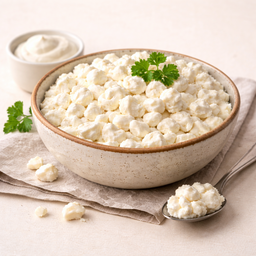 Cottage Cheese
 Slow casein + healthy fats for overnight recovery and muscle growth
Technical: Cottage cheese contains 80% casein — a protein that digests slowly over 6-8 hours continuously releasing amino acids. Nuts add healthy fats that further slow digestion, plus magnesium (270mg/100g in almonds). Magnesium contributes to the reduction of tiredness and fatigue (EFSA). This provides continuous amino acid release: your muscles are fed throughout the night.
What does this mean for you? Eat cottage cheese with a handful of almonds or walnuts before bed. The protein feeds your muscles all night, the magnesium contributes to reducing tiredness.
Almonds 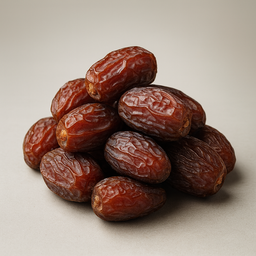 Dates
Dates Traditional iftar combination for optimal energy supply
Technical: Dates contain 63g natural sugars per 100g (glucose + fructose) for quick energy. Almonds provide 21g protein, 49g healthy fats and 270mg magnesium per 100g. Fats and proteins slow sugar absorption, magnesium supports energy metabolism.
What does this mean for you? This is the classic Ramadan iftar opening: 3 dates with a handful of almonds. Perfect for restoring blood sugar after fasting without causing a sugar spike.
Almonds 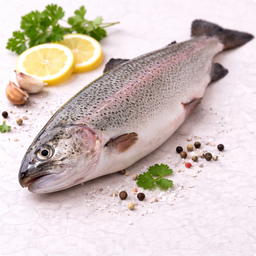 Trout
Trout Omega-3 + vitamin E: double protection against oxidation
Technical: Trout contains omega-3 fatty acids (EPA/DHA) that are sensitive to oxidation. Almonds contain 25mg vitamin E per 100g — a powerful fat-soluble antioxidant that protects omega-3. Vitamin E neutralizes free radicals before they can damage the vulnerable double bonds in omega-3.
What does this mean for you? Serve pan-fried trout with toasted almonds. This is not only a classic French combination (truite amandine), but also nutritionally optimal.
Almonds 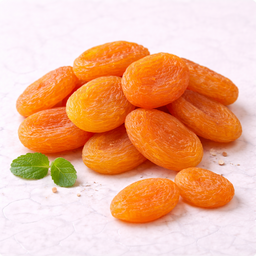 Dried Apricots
 Vitamin E + fats increase beta-carotene absorption by 400%
Technical: Dried apricots contain 1,090μg beta-carotene per 100g (concentrated by drying), converted to vitamin A via BCO1 enzyme in enterocytes. Almonds provide 25.6mg vitamin E per 100g (171% RDI) and 49g fat. Beta-carotene is fat-soluble requiring micelle formation for absorption. Studies show fat consumption (>10g per meal) increases carotene bioavailability by 300-500%. Vitamin E protects beta-carotene from gastric oxidation.
What does this mean for you? Eat 3-4 dried apricots with a handful of almonds as snack. You absorb 4x more beta-carotene (provitamin A) for eyes, skin and immune system.
Almonds 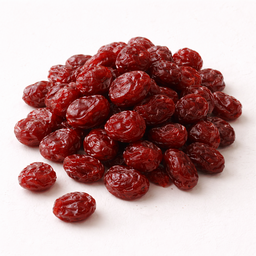 Dried cherries
 Melatonin + magnesium: the ultimate sleep snack
Melatonin + magnesium improve sleep quality synergistically (PMID: 21669584)
Technical: Dried cherries are a concentrated source of melatonin (13.5ng/g). Almonds contain 270mg magnesium per 100g that activates GABA receptors and promotes muscle relaxation. Magnesium also supports the conversion of tryptophan to serotonin/melatonin.
What does this mean for you? Mix dried cherries with almonds as an evening snack 1-2 hours before bed. This is a scientifically-backed sleep formula that works better than either ingredient alone.
Almonds 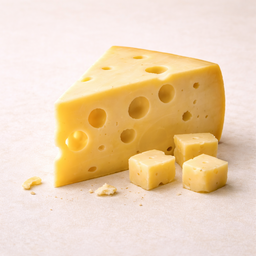 Cheese (general)
 Calcium + magnesium for optimal bone and muscle function
Technical: Cheese provides 500-720mg calcium per 100g (40-57% RDI) plus vitamin K2 (menaquinone-7) from bacterial aging. Walnuts and almonds provide magnesium: almonds 270mg/100g (72% RDI), walnuts 158mg/100g (42% RDI). Calcium and magnesium work complementarily in neuromuscular function — calcium activates contraction via troponin C, magnesium relaxes via SERCA pump. The optimal 2:1 ratio (Ca:Mg) is achieved. K2 activates osteocalcin directing calcium to bone tissue instead of soft tissues.
What does this mean for you? A cheese platter with nuts is more than a snack — calcium contributes to the maintenance of normal bones and magnesium contributes to normal muscle function (both EFSA). The ideal calcium-magnesium balance in one snack.
Almonds 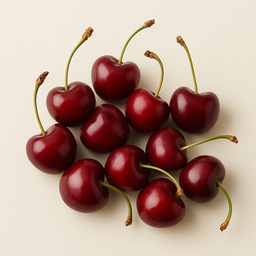 Cherries
 Natural melatonin + magnesium for nighttime rest
Technical: Cherries (especially tart cherries) contain natural melatonin (up to 13.5ng per gram) — a bioactive compound that influences circadian rhythms. Almonds contain 270mg magnesium per 100g (68% RDI) that activates GABA receptors. Magnesium contributes to the normal functioning of the nervous system (EFSA). The combination offers two complementary pathways: melatonin for circadian signaling, magnesium for neuromuscular relaxation.
What does this mean for you? A handful of almonds with dried cherries as evening snack. The combination provides both melatonin and magnesium — two nutrients supporting nighttime rest. The sweet-crunchy combination easily replaces a less healthy evening snack.
Almonds 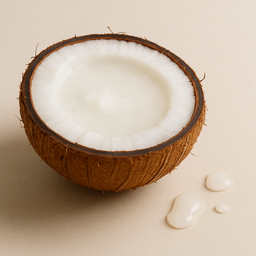 Coconut Oil
 MCTs improve vitamin E absorption from almonds
Technical: Almonds contain 25mg vitamin E per 100g (167% RDI). Vitamin E is fat-soluble and better absorbed with MCTs that quickly pass the gut wall. Coconut oil contains 60% MCTs serving as transport.
What does this mean for you? Coat almonds with coconut oil and lightly roast for a crunchy snack with improved vitamin E absorption.
Almonds 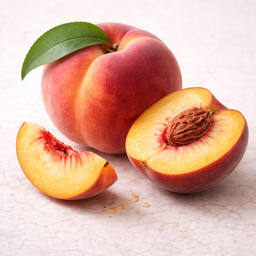 Peach
Peach Vitamin E + fat increase beta-cryptoxanthin absorption by 350%
Technical: Peach contains 67μg beta-cryptoxanthin per 100g — a provitamin A carotenoid with 2x higher bioavailability than beta-carotene. Almonds provide 25.6mg vitamin E (171% RDI) and 49g fat dissolving carotenoids into micelles. Vitamin E protects beta-cryptoxanthin from gastric oxidation (unstable at low pH). Studies show 250-400% higher plasma carotenoids when consumed with nuts.
What does this mean for you? Eat a peach with a handful of almonds as summer snack. The vitamin E and fat from almonds ensure you absorb 3.5x more beta-cryptoxanthin. Simple and effective.
Almonds  Dark Chocolate (>70%)
 Flavonoids + vitamin E for antioxidant support
Technical: Dark chocolate provides flavonoids (epicatechin) that stimulate NO production and support endothelial function. Almonds contain 26mg vitamin E per 100g that blocks LDL oxidation. Together they provide antioxidant support via two routes: endothelial support (chocolate) + LDL protection (almonds).
What does this mean for you? Dark chocolate with almonds is a snack with dual antioxidant action. The flavonoids from chocolate + the vitamin E from almonds — two complementary routes.
Almonds 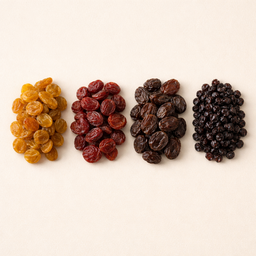 Raisins
 Quick + sustained energy for balanced fuel
Technical: Raisins contain 59g concentrated sugars per 100g (glucose + fructose) available as glycogen within 15-30 minutes. Nuts provide slow fuels: fats (49-65g per 100g), proteins (15-25g) and fiber providing 2-4 hours of energy. The fats slow absorption of raisin sugars, flattening the glycemic response. Nuts also contain magnesium (150-270mg) for energy metabolism.
What does this mean for you? Trail mix is scientifically sound: raisins for immediate energy, nuts for sustained fuel. Ideal as pre-workout, hiking snack or emergency rations. Choose a mix of walnuts, almonds and cashews for the broadest nutritional profile.
Almonds 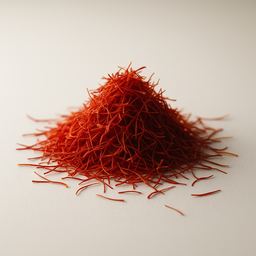 Saffron
 Fats increase absorption of saffron's carotenoids up to 5x
Technical: Crocin and other carotenoids in saffron are fat-soluble. Almonds contain 50g healthy fats per 100g that stimulate micelle formation in the gut. This increases bioavailability of crocin by 3-5x. Traditional in Persian and Indian desserts.
What does this mean for you? Combine saffron with almonds in rice pudding, halwa or golden almond milk. The nuts not only increase nutrient absorption but also complement the delicate flavor.
Almonds 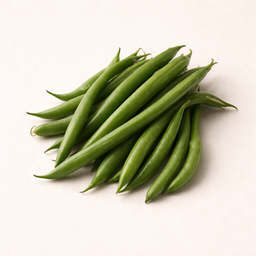 Green Beans
 Better vitamin K absorption through almond fats
Technical: Green beans contain 43μg vitamin K per 100g (36% RDI) and folate (33μg). Almonds provide 50g fats per 100g (32g monounsaturated) plus 25.6mg vitamin E. The fats are essential for fat-soluble vitamin K absorption, with up to 3x higher bioavailability.
What does this mean for you? Green beans amandine (with sliced almonds) is a French classic that's also scientifically smart. The almonds make vitamin K from green beans properly absorbable.
Almonds 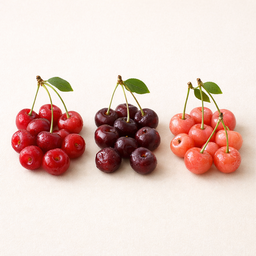 Tart cherries (Montmorency)
 Melatonin from cherries + magnesium from almonds for better sleep
Melatonin + magnesium improve sleep quality (PMID: 21669584)
Technical: Tart cherries (Montmorency) contain 13.5ng melatonin per gram — 6x more than sweet cherries. Almonds provide 270mg magnesium per 100g (68% RDI) that activates GABA-A receptors and stimulates melatonin secretion by the pineal gland. Studies show the combination can extend total sleep time by 84 minutes and reduce sleep onset by 15-30 minutes.
What does this mean for you? Eat a handful of almonds with dried tart cherries as an evening snack 1-2 hours before bed. This combination is clinically tested as a sleep improver. Tart cherries contain more melatonin than sweet cherries due to higher melatonin content.
Recipes with Almonds
Discover delicious recipes featuring almonds:
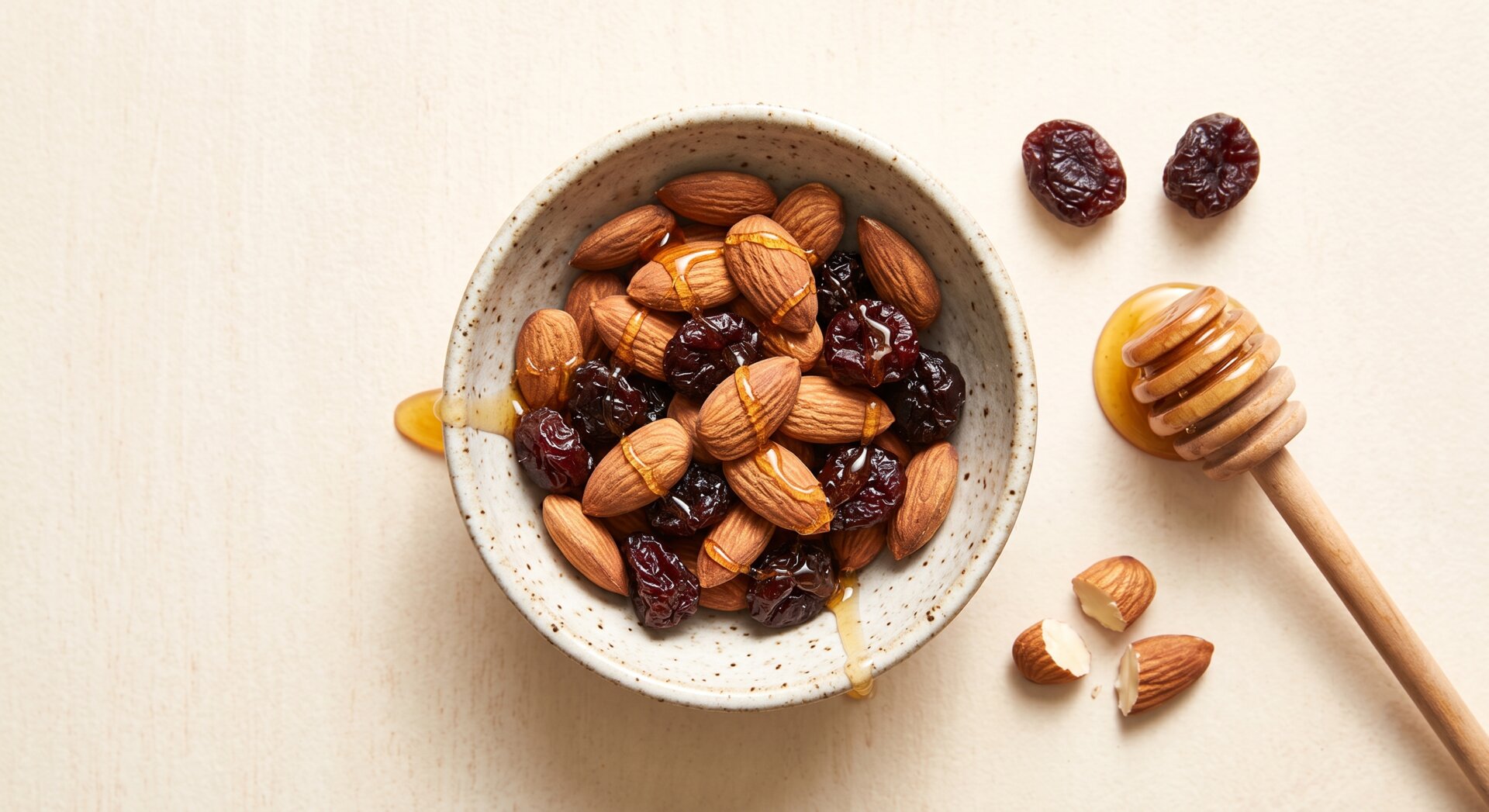 Almond Cherry Snack with Honey 2 min Sweet, nutty and ready in two minutes
  215 kcal
  6g protein 1 synergies
 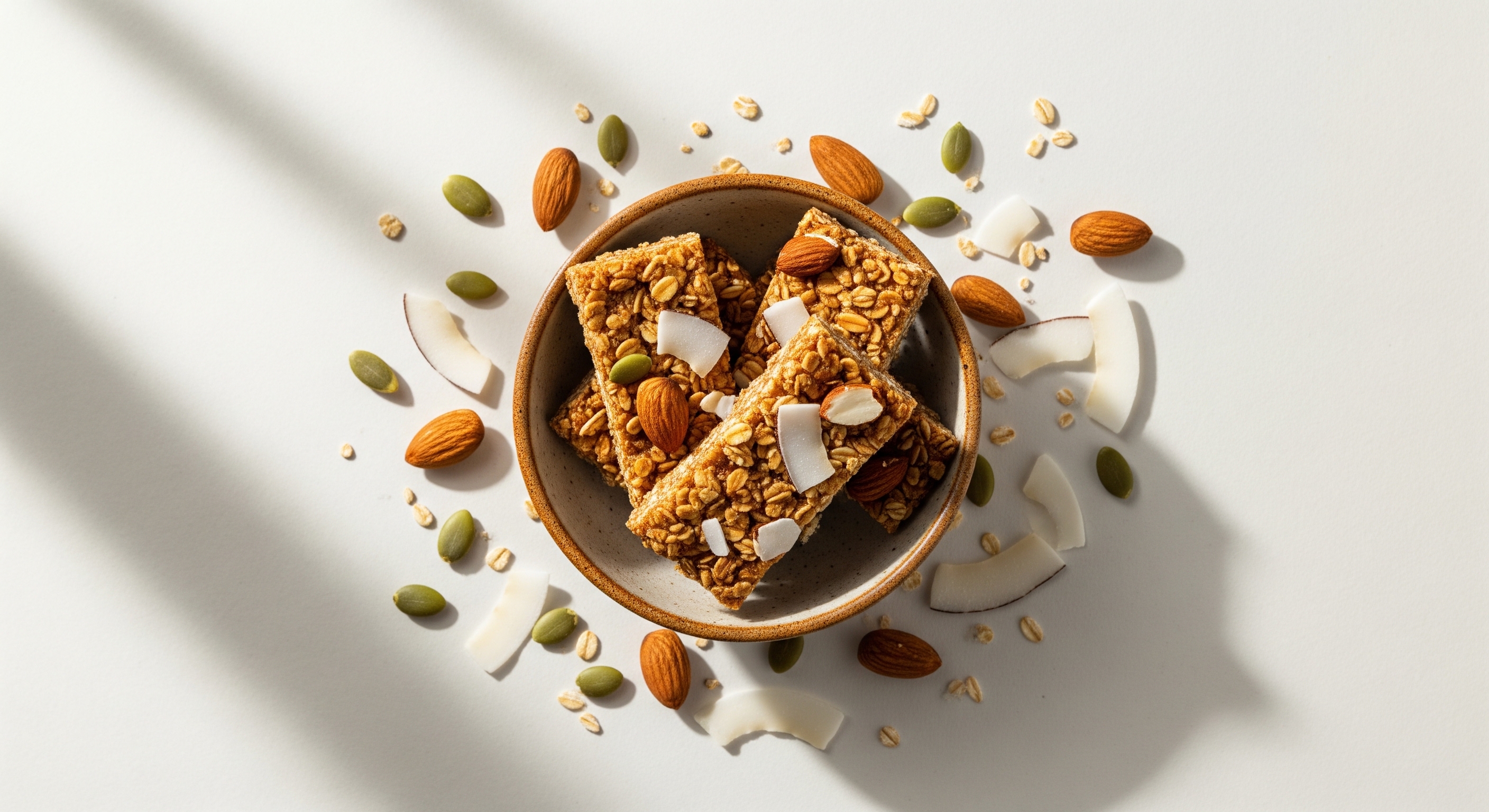 Almond-Coconut Granola Bars 40 min Crunchy, nutty and sweet from honey and apricots 412 kcal 10g protein 2 synergies
 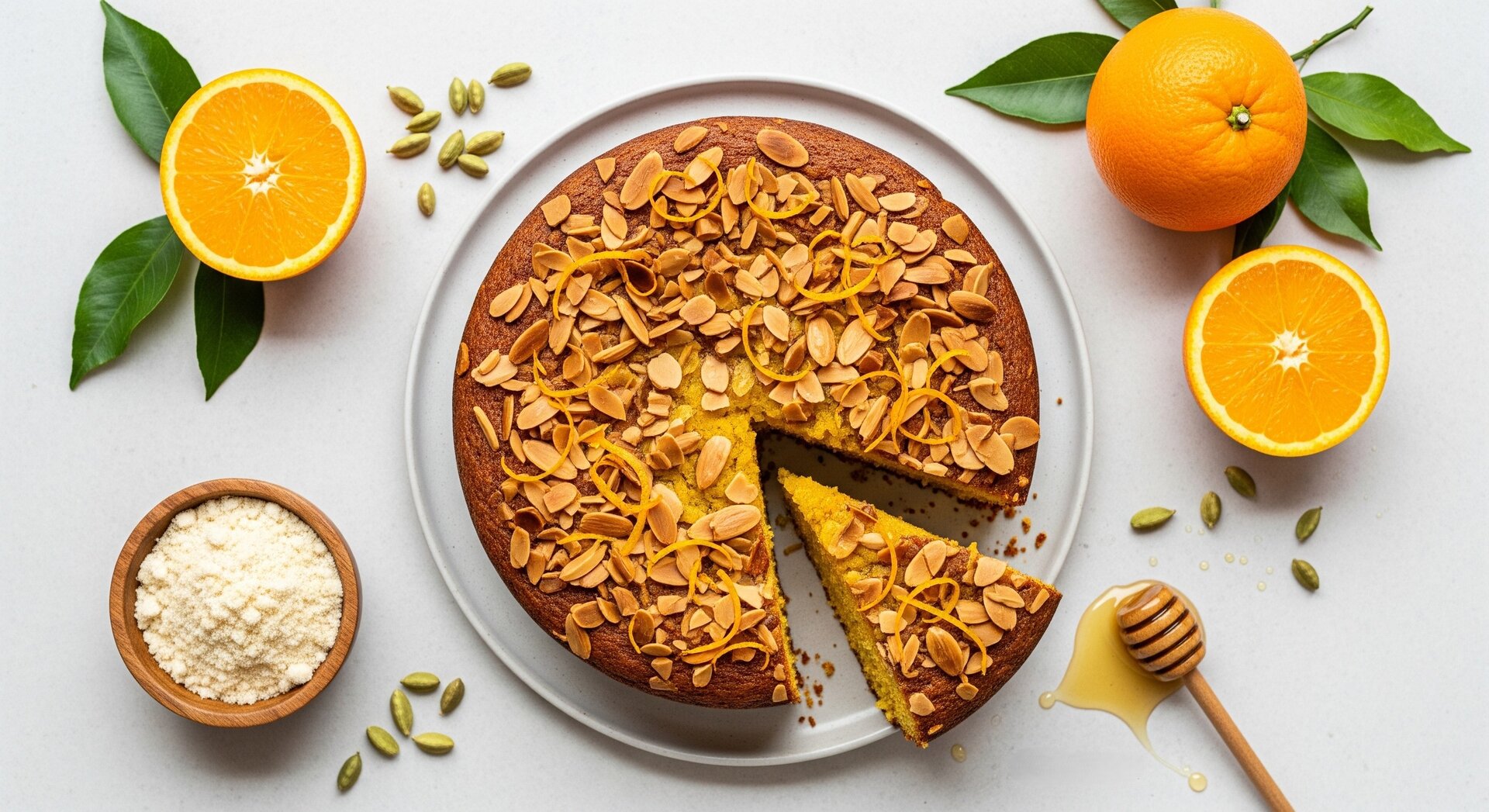 Almond Flour Orange Cake with Cardamom 55 min Fluffy gluten-free cake with fresh orange and aromatic cardamom 241 kcal 7g protein 1 synergies
 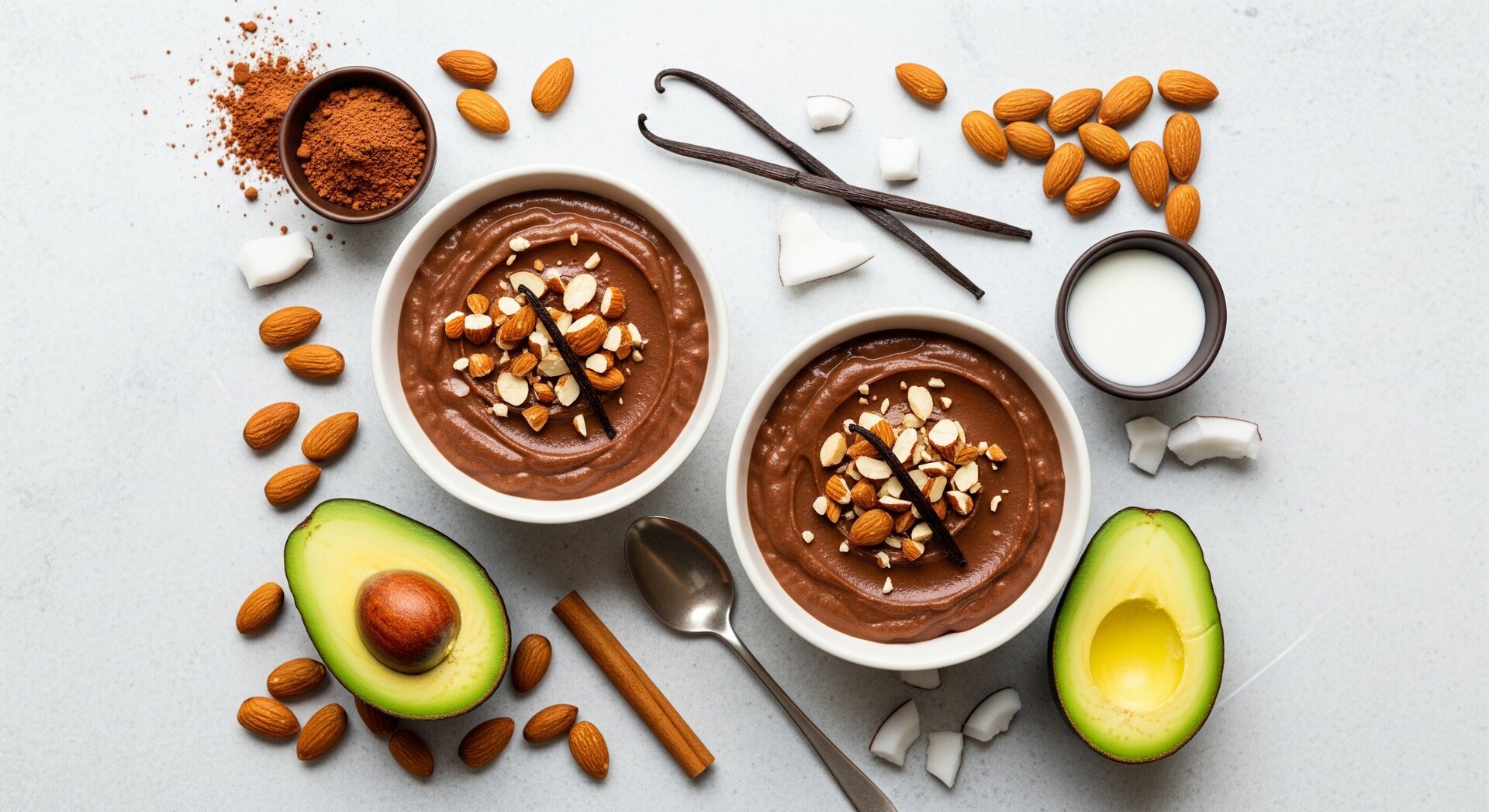 Avocado Cacao Pudding with Almonds 40 min Velvety with deep cacao notes 285 kcal 6g protein 2 synergies
 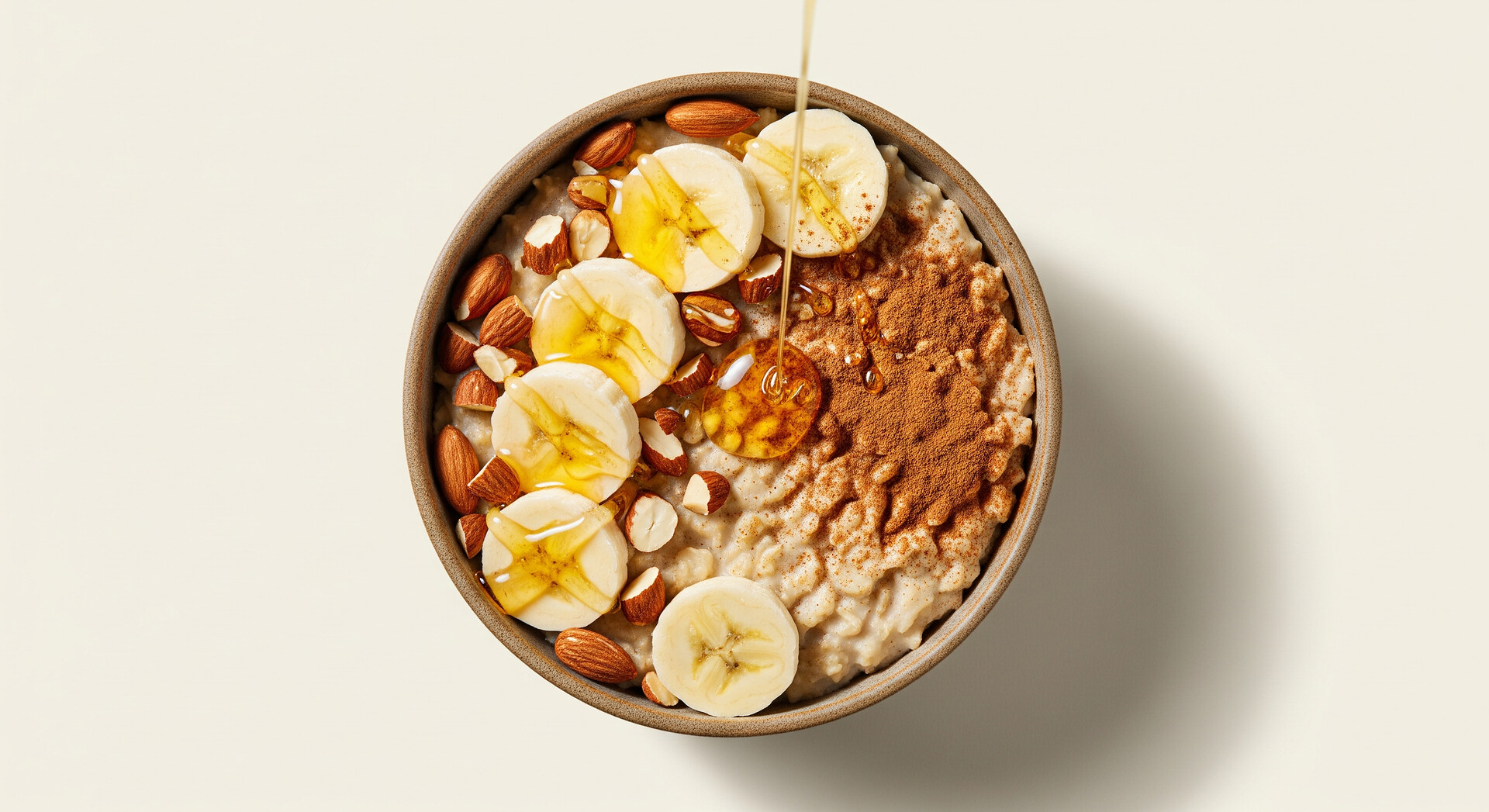 Banana Oatmeal Bowl 12 min Warm oatmeal with banana, almonds, honey and cinnamon 420 kcal 14g protein 3 synergies
  Frozen Banana with Chocolate Dip 135 min Frozen banana halves on a stick, dipped in dark chocolate with a spoonful of coconut oil and finished with coconut flakes and almonds — without refined sugar 155 kcal 2g protein 2 synergies
  In the Kitchen
Storage
Location:Refrigerator
Shelf life:6 maanden kamertemperatuur, 1 jaar koelkast, 2 jaar vriezer
Store almonds in an airtight container in a cool, dark place. Because of their high fat content, they stay fresh longer in the refrigerator or freezer, especially after opening.
Preparation
Eat almonds raw for their pure, mild flavour. Roasting makes them deeper and nuttier, but keep it brief and use low to medium heat. Grind them into flour for gluten-free baking or soak them for a few hours when you want a softer texture for sauces, milk drinks or almond paste.
Conversions
Substitutes
Smart preparation
1Blanch almonds for 1 minute in boiling water to remove the skin more easily.
2Toast almonds in a dry pan over low heat and shake the pan regularly.
Why?
Nuts and seeds colour quickly; regular shaking helps them toast evenly.
3Store almonds in an airtight jar in a cool, dark place.
Why?
Light and heat accelerate the oils going rancid.
Caution / Warnings
Almonds is very safe, but there are scientific considerations:
Tree nut allergy Severe
Almonds can cause severe allergic reactions in people with tree nut allergies, including anaphylaxis.
Advice:
Completely avoid almonds with a tree nut allergy. Also watch for cross-contamination in mixed nuts, bakery products and snacks.
Kidney problems Mild
Almonds contain oxalates that may promote kidney stones in sensitive individuals.
Advice:
If you have a history of kidney stones, keep the portion limited and drink enough water. Ask a doctor or dietitian for personal advice if you follow an oxalate-restricted diet.
Traditional use
Ayurveda
Almonds in Ayurveda
In Ayurveda, soaked almonds without their skin are traditionally regarded as sattvic food. They often appear in milk drinks, sweet pastes and simple morning routines.
Islamic tradition
Almonds in Arab and Persian cuisines
Almonds have a long tradition in Arab and Persian cuisines, where they are used in sweets, milk drinks, rice dishes and festive preparations.
Mediterranean
Almonds in the Mediterranean
Almonds were already cultivated in ancient Egypt and Greece. In Mediterranean cuisines, they appear in pastries, sauces, marzipan-like preparations and savoury dishes.
Summary
Almonds are crunchy, aromatic seeds that are used like nuts in cooking. Per 100 g, they provide 25.63 mg vitamin E; vitamin E contributes to the protection of cells from oxidative stress. Choose unblanched almonds when you want to keep the brown skin, extra texture and polyphenols. A handful of about 30 g is a practical portion for snacks, smoothies, breakfast bowls or homemade almond butter.