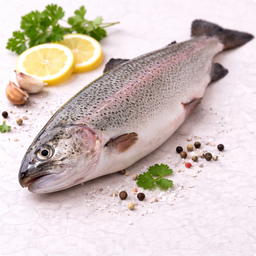
Trout
Omega-3-rich freshwater fish with a tender, delicate texture
What is this ingredient?
Trout (Oncorhynchus mykiss for rainbow trout or Salmo trutta for brown trout) is a freshwater fish from the Salmonidae family, closely related to salmon. It is known for its tender texture, mild flavor and natural combination of protein, vitamin D, vitamin B12, selenium and the omega-3 fatty acids EPA and DHA.
## Omega-3 Fatty Acids
Trout contains an average of 760 mg omega-3 fatty acids (EPA + DHA) per 100 grams, an amount that can be comparable to other oily fish. Research on fish intake, including the work of Mozaffarian & Rimm (2006), discusses the nutritional balance between nutrients such as EPA/DHA and possible contaminants within overall dietary patterns.
## Vitamin D Source
With 15.2 mcg vitamin D per 100 grams, trout makes a clear contribution to vitamin D intake. Vitamin D contributes to normal absorption and utilisation of calcium and phosphorus, to the maintenance of normal bones and to the normal function of the immune system.
## Tryptophan and Amino Acids
Trout contains tryptophan, an essential amino acid that can act in the body as a building block for serotonin and melatonin. In nutrition research, tryptophan is often discussed in relation to meal composition, protein sources and carbohydrates, without making trout a specific sleep aid.
## Sustainability and Kitchen Use
Farmed rainbow trout scores favorably in many sustainability assessments compared with heavier animal protein sources. In the kitchen, trout is at its best with short cooking: crisping the skin in a pan, gentle grilling, steaming or baking with lemon, dill and a little butter or olive oil.
How does it taste?
Delicate, lightly sweet and nutty with a fine, tender texture.
Pairs well with:
Pairs well with almondslemonbutterdill and capers.
Did you know...?
- Trout can perceive the polarization of light, which helps them find food underwater.
- Franz Schubert composed his famous 'Trout Quintet' in 1819, inspired by the fish.
Nutritional Value & Energy
Per 100g
Trout provides energy thanks to natural nutrients .
Per 100g
Minerals
Vitamins
Omega-3 fatty acids
More nutrients
B-Vitamins
Trace Minerals
What's in a serving?
1 serving
Trout naturally contains potassium (481 mg per 100 g).
Trout naturally contains phosphorus (245 mg per 100 g).
Trout naturally contains selenium (12.6 mcg per 100 g).
Trout naturally contains vitamin b6 (0.4 mg per 100 g).
Trout naturally contains vitamin b12 (4.5 mcg per 100 g).
Trout naturally contains vitamin d (15.2 mcg per 100 g).
% of daily reference intake (DRI)
EU-approved nutrition claims
This ingredient contains nutrients for which EFSA-authorized health claims exist (at nutrient level, not ingredient-specific).
Approved health claims (EU)
Vitamin_b12 EU 432/2012
Vitamin B12 contributes to the normal function of the immune system
Contains 4.5mcg/100g (threshold: ≥0.375mcg/100g)
Vitamin_b12 EU 432/2012
Vitamin B12 contributes to the reduction of tiredness and fatigue
Contains 4.5mcg/100g (threshold: ≥0.375mcg/100g)
Vitamin_b12 EU 432/2012
Vitamin B12 contributes to the normal functioning of the nervous system
Contains 4.5mcg/100g (threshold: ≥0.375mcg/100g)
Vitamin_d EU 432/2012
Vitamin D contributes to the maintenance of normal bones
Contains 15.2mcg/100g (threshold: ≥0.75mcg/100g)
Vitamin_d EU 432/2012
Vitamin D contributes to the normal function of the immune system
Contains 15.2mcg/100g (threshold: ≥0.75mcg/100g)
Potassium EU 432/2012
Potassium contributes to the maintenance of normal blood pressure
Contains 481mg/100g (threshold: ≥300mg/100g)
Niacin EU 432/2012
Niacin contributes to normal energy-yielding metabolism
Contains 5.4mg/100g (threshold: ≥2.4mg/100g)
Niacin EU 432/2012
Niacin contributes to normal functioning of the nervous system
Contains 5.4mg/100g (threshold: ≥2.4mg/100g)
Niacin EU 432/2012
Niacin contributes to normal psychological function
Contains 5.4mg/100g (threshold: ≥2.4mg/100g)
Niacin EU 432/2012
Niacin contributes to the maintenance of normal mucous membranes
Contains 5.4mg/100g (threshold: ≥2.4mg/100g)
Niacin EU 432/2012
Niacin contributes to the maintenance of normal skin
Contains 5.4mg/100g (threshold: ≥2.4mg/100g)
Niacin EU 432/2012
Niacin contributes to the reduction of tiredness and fatigue
Contains 5.4mg/100g (threshold: ≥2.4mg/100g)
Vitamin_b6 EU 432/2012
Vitamin B6 contributes to normal cysteine synthesis
Contains 0.4mg/100g (threshold: ≥0.21mg/100g)
Vitamin_b6 EU 432/2012
Vitamin B6 contributes to normal energy-yielding metabolism
Contains 0.4mg/100g (threshold: ≥0.21mg/100g)
Vitamin_b6 EU 432/2012
Vitamin B6 contributes to normal functioning of the nervous system
Contains 0.4mg/100g (threshold: ≥0.21mg/100g)
Vitamin_b6 EU 432/2012
Vitamin B6 contributes to normal homocysteine metabolism
Contains 0.4mg/100g (threshold: ≥0.21mg/100g)
Vitamin_b6 EU 432/2012
Vitamin B6 contributes to normal protein and glycogen metabolism
Contains 0.4mg/100g (threshold: ≥0.21mg/100g)
Vitamin_b6 EU 432/2012
Vitamin B6 contributes to normal psychological function
Contains 0.4mg/100g (threshold: ≥0.21mg/100g)
Vitamin_b6 EU 432/2012
Vitamin B6 contributes to normal red blood cell formation
Contains 0.4mg/100g (threshold: ≥0.21mg/100g)
Vitamin_b6 EU 432/2012
Vitamin B6 contributes to the normal function of the immune system
Contains 0.4mg/100g (threshold: ≥0.21mg/100g)
Vitamin_b6 EU 432/2012
Vitamin B6 contributes to the regulation of hormonal activity
Contains 0.4mg/100g (threshold: ≥0.21mg/100g)
Vitamin_b6 EU 432/2012
Vitamin B6 contributes to the reduction of tiredness and fatigue
Contains 0.4mg/100g (threshold: ≥0.21mg/100g)
Vitamin_b12 EU 432/2012
Vitamin B12 contributes to normal energy-yielding metabolism
Contains 4.5mcg/100g (threshold: ≥0.375mcg/100g)
Vitamin_b12 EU 432/2012
Vitamin B12 contributes to normal homocysteine metabolism
Contains 4.5mcg/100g (threshold: ≥0.375mcg/100g)
Vitamin_b12 EU 432/2012
Vitamin B12 contributes to normal psychological function
Contains 4.5mcg/100g (threshold: ≥0.375mcg/100g)
Vitamin_b12 EU 432/2012
Vitamin B12 contributes to normal red blood cell formation
Contains 4.5mcg/100g (threshold: ≥0.375mcg/100g)
Vitamin_b12 EU 432/2012
Vitamin B12 has a role in the process of cell division
Contains 4.5mcg/100g (threshold: ≥0.375mcg/100g)
Vitamin_d EU 432/2012
Vitamin D contributes to normal absorption/utilisation of calcium and phosphorus
Contains 15.2mcg/100g (threshold: ≥0.75mcg/100g)
Vitamin_d EU 432/2012
Vitamin D contributes to normal blood calcium levels
Contains 15.2mcg/100g (threshold: ≥0.75mcg/100g)
Vitamin_d EU 432/2012
Vitamin D contributes to the maintenance of normal muscle function
Contains 15.2mcg/100g (threshold: ≥0.75mcg/100g)
Vitamin_d EU 432/2012
Vitamin D contributes to the maintenance of normal teeth
Contains 15.2mcg/100g (threshold: ≥0.75mcg/100g)
Vitamin_d EU 432/2012
Vitamin D has a role in the process of cell division
Contains 15.2mcg/100g (threshold: ≥0.75mcg/100g)
Phosphorus EU 432/2012
Phosphorus contributes to normal energy-yielding metabolism
Contains 245mg/100g (threshold: ≥105mg/100g)
Phosphorus EU 432/2012
Phosphorus contributes to the normal function of cell membranes
Contains 245mg/100g (threshold: ≥105mg/100g)
Phosphorus EU 432/2012
Phosphorus contributes to the maintenance of normal bones
Contains 245mg/100g (threshold: ≥105mg/100g)
Phosphorus EU 432/2012
Phosphorus contributes to the maintenance of normal teeth
Contains 245mg/100g (threshold: ≥105mg/100g)
Selenium EU 432/2012
Selenium contributes to the maintenance of normal hair
Contains 12.6mcg/100g (threshold: ≥8.25mcg/100g)
Selenium EU 432/2012
Selenium contributes to the maintenance of normal nails
Contains 12.6mcg/100g (threshold: ≥8.25mcg/100g)
Selenium EU 432/2012
Selenium contributes to the normal function of the immune system
Contains 12.6mcg/100g (threshold: ≥8.25mcg/100g)
Selenium EU 432/2012
Selenium contributes to normal thyroid function
Contains 12.6mcg/100g (threshold: ≥8.25mcg/100g)
Selenium EU 432/2012
Selenium contributes to normal spermatogenesis
Contains 12.6mcg/100g (threshold: ≥8.25mcg/100g)
Selenium EU 432/2012
Selenium contributes to the protection of cells from oxidative stress
Contains 12.6mcg/100g (threshold: ≥8.25mcg/100g)
Potassium EU 432/2012
Potassium contributes to normal functioning of the nervous system
Contains 481mg/100g (threshold: ≥300mg/100g)
Potassium EU 432/2012
Potassium contributes to normal muscle function
Contains 481mg/100g (threshold: ≥300mg/100g)
What's being researched?
Trout and omega-3 fatty acids
The omega-3 fatty acid content (EPA/DHA) of trout is studied within cardiovascular nutrition science and general fish consumption. Trout provides substantial omega-3 amounts, depending on farming method, feed, season and wild-caught origin.
Supported by: [5] Swanson D (2012) , [1] Mozaffarian D (2006)
Good Combinations (Synergy)
Combine trout smartly to enhance the effect:
Trout 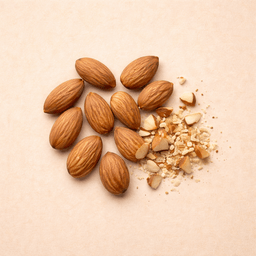 Almonds
 Omega-3 + vitamin E: double protection against oxidation
Technical: Trout contains omega-3 fatty acids (EPA/DHA) that are sensitive to oxidation. Almonds contain 25mg vitamin E per 100g — a powerful fat-soluble antioxidant that protects omega-3. Vitamin E neutralizes free radicals before they can damage the vulnerable double bonds in omega-3.
What does this mean for you? Serve pan-fried trout with toasted almonds. This is not only a classic French combination (truite amandine), but also nutritionally optimal.
Trout 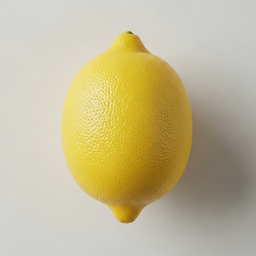 Lemon
Lemon Vitamin C protects omega-3 fatty acids from oxidation
Technical: Trout contains 1.2g EPA/DHA omega-3 per 100g — polyunsaturated fatty acids with double bonds that are extremely sensitive to lipid peroxidation (rancidity). Vitamin C from lemon (53mg per 100g) acts as a water-soluble antioxidant that neutralizes free radicals before they reach the omega-3. This protective effect also extends the action of vitamin E, the primary fat-soluble antioxidant.
What does this mean for you? Always serve trout with lemon juice — this is why fish worldwide is served with lemon. It's not a flavor tradition but an antioxidant tradition: the lemon juice literally protects the valuable omega-3 fatty acids in the fish.
Recipes with Trout
Discover delicious recipes featuring trout:
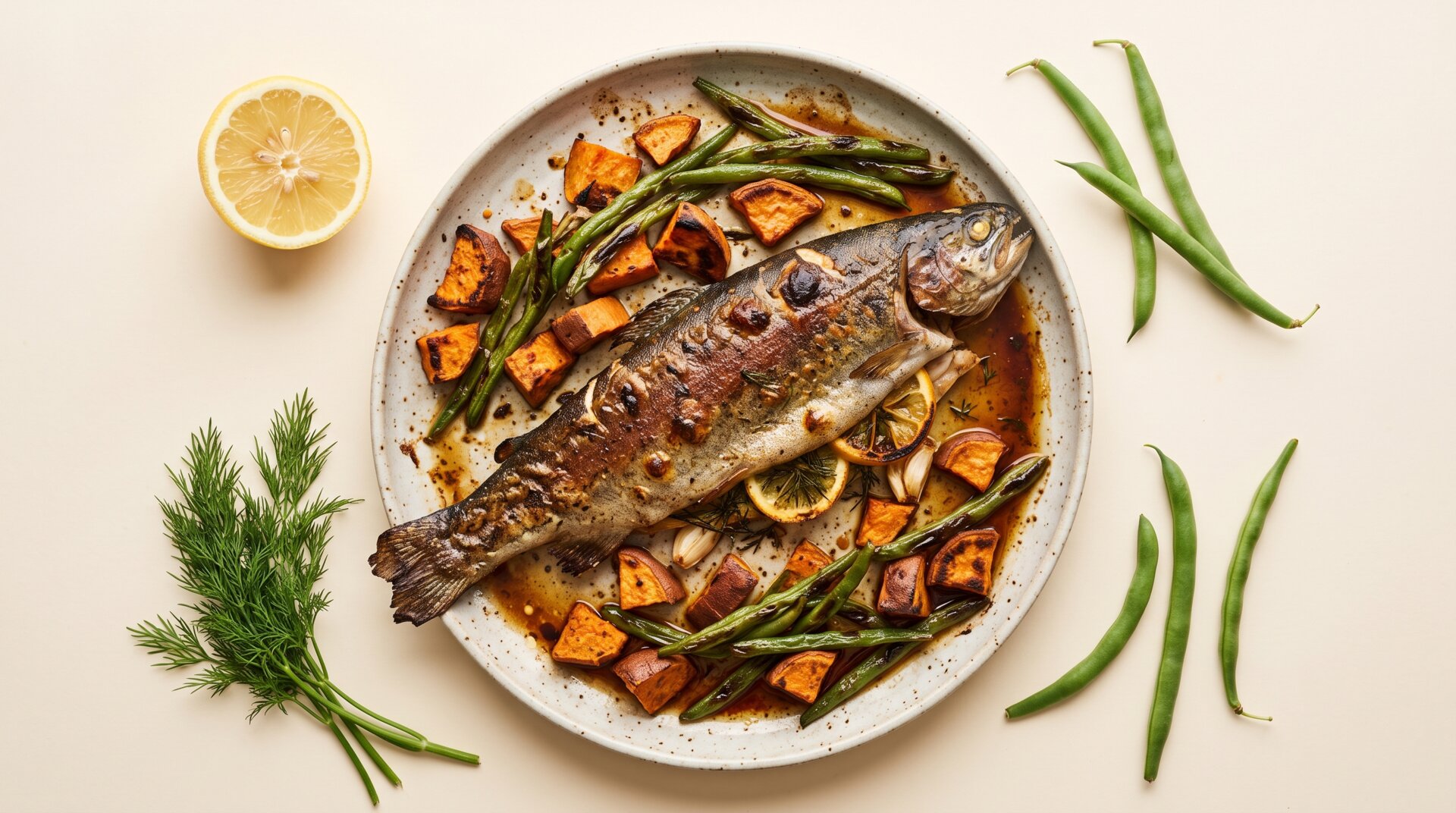 Oven-Baked Trout with Lemon, Herbs and Vegetables 35 min Whole trout with dill and sweet potato from a single roasting pan
  600 kcal
  40g protein 2 synergies
 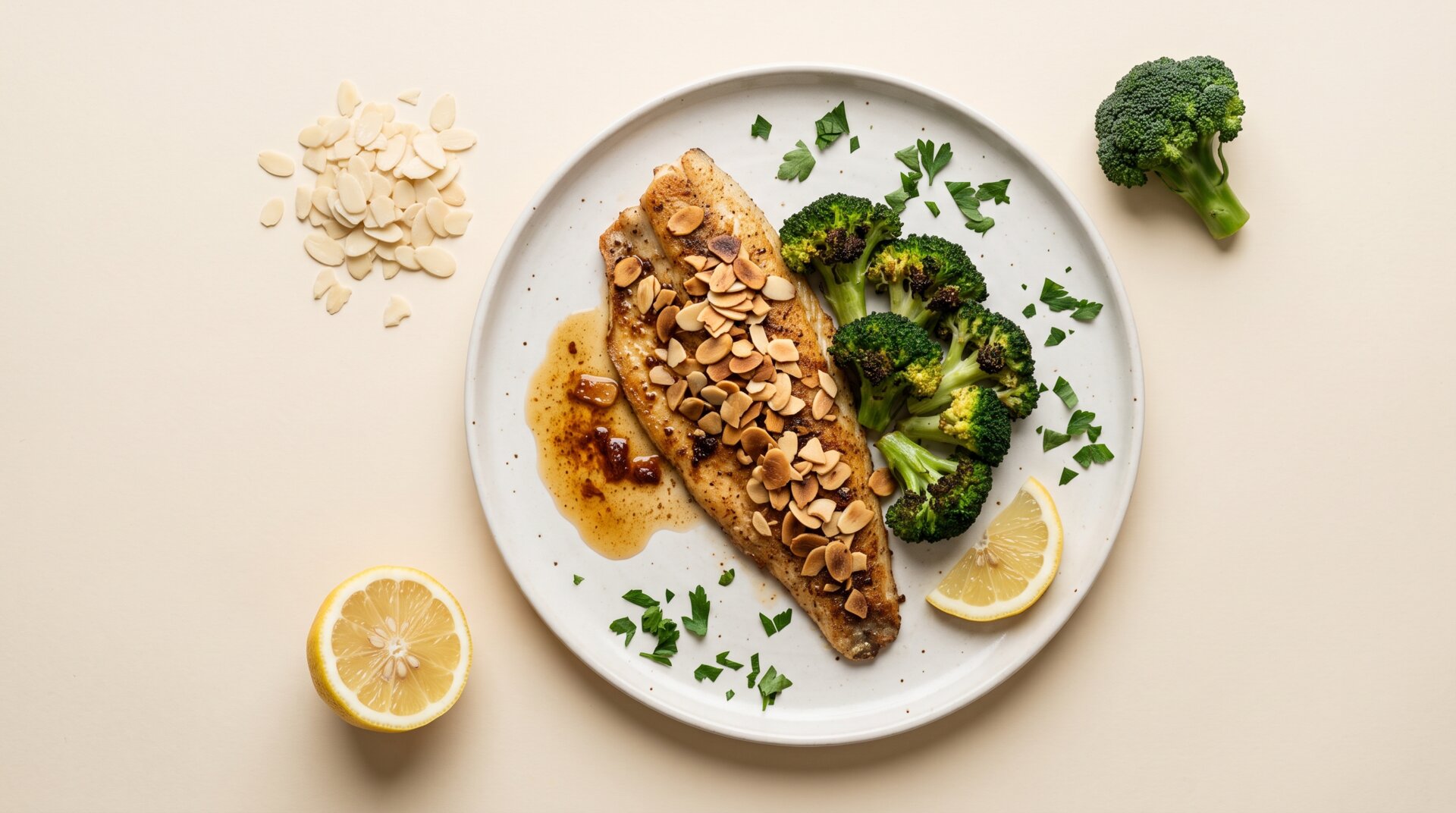 Pan-Fried Trout with Almonds and Broccoli 30 min Classic French fish dish with almond butter 520 kcal 45g protein 2 synergies
  In the Kitchen
Storage
Location:Refrigerator
Shelf life:1-2 dagen vers, 3 maanden ingevroren
Preparation
Pan-fry, grill or steam. Keep the cooking short and gentle so the fillets stay juicy and the delicate flavor is preserved.
Conversions
Substitutes
Smart preparation
1Make diagonal incisions in the skin of whole trout.
Why?
This helps heat penetrate evenly.
2Fry trout skin-side down in a hot pan until crispy.
3Season trout inside with salt and fill with lemon and herbs.
Caution / Warnings
Trout is very safe, but there are scientific considerations:
Fish allergy Severe
Trout contains parvalbumin, a major fish allergen that can trigger reactions in people with a fish allergy.
Pregnancy and mercury guidance Mild
Trout is known as a lower-mercury fish; during pregnancy, follow local guidance on portion size and frequency.
Traditional use
Mediterranean
Trout in European culinary traditions
Trout was an important fasting food in medieval Europe and was already farmed by the Romans in ponds for culinary use.
Summary
Trout is a tender freshwater fish with plenty of protein, the omega-3 fatty acids EPA/DHA, vitamin D and vitamin B12. It cooks quickly and pairs well with lemon, dill, almonds, capers and simple pan, oven or steamed preparations.