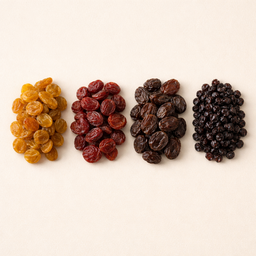
Raisins
Dried grapes with fibre and potassium
What is this ingredient?
Raisins are dried grapes and are among the oldest ways to preserve fruit. During drying, much of the water leaves the grape, concentrating the flavour, natural sugars and several nutrients.
## From grape to raisin
The result is a small, sweet fruit with a firm, sticky texture. Because raisins contain concentrated natural sugars, they are best used deliberately: as a topping, in a baking recipe or as part of a meal rather than as an unlimited snack.
## Fibre, potassium and boron
Raisins contain fibre and potassium. Potassium has EU-authorised nutrient-level claims, including for normal muscle function, normal functioning of the nervous system and the maintenance of normal blood pressure. Raisins also naturally contain boron, a trace element studied in nutrition research, but there is no ingredient-specific health claim for raisins.
## Polyphenols from grapes
Like grapes, raisins contain various polyphenols from the skin. These compounds contribute to the colour and flavour profile and are often studied in nutrition science. Eat raisins as part of a varied diet, not as a replacement for fresh fruit.
## Culinary uses
Raisins add sweetness, chewiness and depth to oatmeal, couscous, rice dishes, bread, cookies and salads. Briefly soaking them in warm water, tea or juice makes them softer and helps them distribute more evenly through dough or batter.
How does it taste?
Concentrated sweet with warm caramel and honey tones.
Pairs well with:
Pairs well with cinnamonwalnutoatmealcouscous and curry.
Varieties
Thompson Seedless (sultana raisins)
Light golden, seedless, sweet and widely used.
Flame Seedless (red raisins)
Reddish, seedless, slightly tart and with more tannins.
Muscat (muscatel raisins)
Large, dark, often with seeds, very sweet and aromatic.
Corinth (currants)
Very small, dark and intense in flavour.
Did you know...?
- Drying grapes into raisins strongly concentrates the natural sugars.
- Raisins were already made in ancient Egypt and were valuable as long-lasting travel food.
Nutritional Value & Energy
Per 100g
Raisins provides energy thanks to natural nutrients , buffered by fiber.
Per 100g
Minerals
Vitamins
Omega-3 fatty acids
More nutrients
B-Vitamins
Trace Minerals
What's in a serving?
1 serving
Raisins naturally contain potassium (749 mg per 100 g).
% of daily reference intake (DRI)
EU-approved nutrition claims
This ingredient contains nutrients for which EFSA-authorized health claims exist (at nutrient level, not ingredient-specific).
Approved health claims (EU)
Potassium EU 432/2012
Potassium contributes to the maintenance of normal blood pressure
Contains 749mg/100g (threshold: ≥300mg/100g)
Potassium EU 432/2012
Potassium contributes to normal functioning of the nervous system
Contains 749mg/100g (threshold: ≥300mg/100g)
Potassium EU 432/2012
Potassium contributes to normal muscle function
Contains 749mg/100g (threshold: ≥300mg/100g)
Comparison
vsbanaan
Raisins contain about 2× more potassium per 100 g than banana.
What's being researched?
Potassium and normal blood pressure
The concentrated potassium content in raisins is being studied in relation to cardiovascular markers. Potassium has EU-authorised nutrient-level claims, including the maintenance of normal blood pressure.
Supported by: [4] Anderson JW (2013)
Phenolic acids and concentrated polyphenols
Phenolic acids in raisins are concentrated by the drying process and studied for their role in the overall polyphenol profile. The absorption and relevance of these compounds in normal diets are still being studied.
Supported by: [5] Williamson (2010)
Good Combinations (Synergy)
Combine raisins smartly to enhance the effect:
Raisins 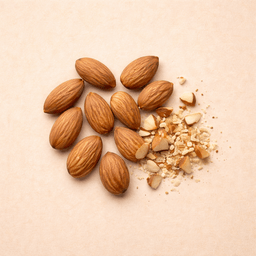 Almonds
 Quick + sustained energy for balanced fuel
Technical: Raisins contain 59g concentrated sugars per 100g (glucose + fructose) available as glycogen within 15-30 minutes. Nuts provide slow fuels: fats (49-65g per 100g), proteins (15-25g) and fiber providing 2-4 hours of energy. The fats slow absorption of raisin sugars, flattening the glycemic response. Nuts also contain magnesium (150-270mg) for energy metabolism.
What does this mean for you? Trail mix is scientifically sound: raisins for immediate energy, nuts for sustained fuel. Ideal as pre-workout, hiking snack or emergency rations. Choose a mix of walnuts, almonds and cashews for the broadest nutritional profile.
Raisins 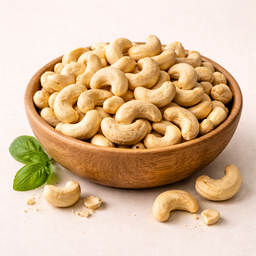 Cashew nuts
 Quick + sustained energy for balanced fuel
Technical: Raisins contain 59g concentrated sugars per 100g (glucose + fructose) available as glycogen within 15-30 minutes. Nuts provide slow fuels: fats (49-65g per 100g), proteins (15-25g) and fiber providing 2-4 hours of energy. The fats slow absorption of raisin sugars, flattening the glycemic response. Nuts also contain magnesium (150-270mg) for energy metabolism.
What does this mean for you? Trail mix is scientifically sound: raisins for immediate energy, nuts for sustained fuel. Ideal as pre-workout, hiking snack or emergency rations. Choose a mix of walnuts, almonds and cashews for the broadest nutritional profile.
Raisins 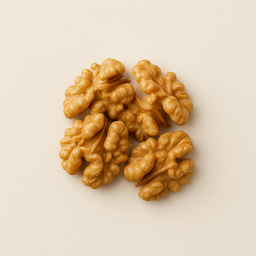 Walnuts
 Quick + sustained energy for balanced fuel
Technical: Raisins contain 59g concentrated sugars per 100g (glucose + fructose) available as glycogen within 15-30 minutes. Nuts provide slow fuels: fats (49-65g per 100g), proteins (15-25g) and fiber providing 2-4 hours of energy. The fats slow absorption of raisin sugars, flattening the glycemic response. Nuts also contain magnesium (150-270mg) for energy metabolism.
What does this mean for you? Trail mix is scientifically sound: raisins for immediate energy, nuts for sustained fuel. Ideal as pre-workout, hiking snack or emergency rations. Choose a mix of walnuts, almonds and cashews for the broadest nutritional profile.
Raisins 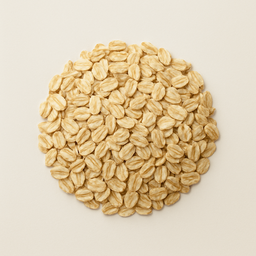 Oatmeal
 Iron + beta-glucans for energy and lipid metabolism
Technical: Raisins contain 1.88mg iron per 100g (10% RDI) plus 749mg potassium and concentrated polyphenols (procyanidins, catechins). Oatmeal provides 4g beta-glucans per 100g — soluble fibers that bind bile acids. Beta-glucans contribute to the maintenance of normal blood cholesterol levels (EFSA-approved claim at 3g/day). Beta-glucans also slow glucose absorption (GI of raisins drops from 64 to ~50 with oatmeal). Iron from raisins is better absorbed due to organic acids (citric acid, tartaric acid) in the raisins themselves.
What does this mean for you? Oatmeal porridge with raisins is a proven effective combination for stable energy. The raisins provide natural sweetness without refined sugar.
Raisins 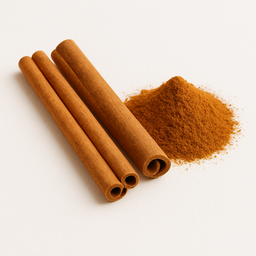 Cinnamon
 Procyanidins + cinnamaldehyde for glycemic balance
Technical: Raisins contain procyanidins and catechins that inhibit alpha-amylase by 30-50%, slowing starch breakdown. Cinnamon's cinnamaldehyde (65-80% of essential oil) stimulates GLUT4 translocation to cell membrane, accelerating glucose uptake. Methylhydroxychalcone polymer (MHCP, 5mg/100g) amplifies this effect. Together: double glycemic dampening — raisins slow absorption, cinnamon accelerates glucose clearance from the blood. The glucose peak is dampened by cinnamon. Ideal for those monitoring glycemic response.
What does this mean for you? Mix raisins with cinnamon into oatmeal or rice pudding. The raisins provide natural sweetness and the cinnamon dampens the glycemic response. A simple addition with significant biochemical effect.
Recipes with Raisins
Discover delicious recipes featuring raisins:
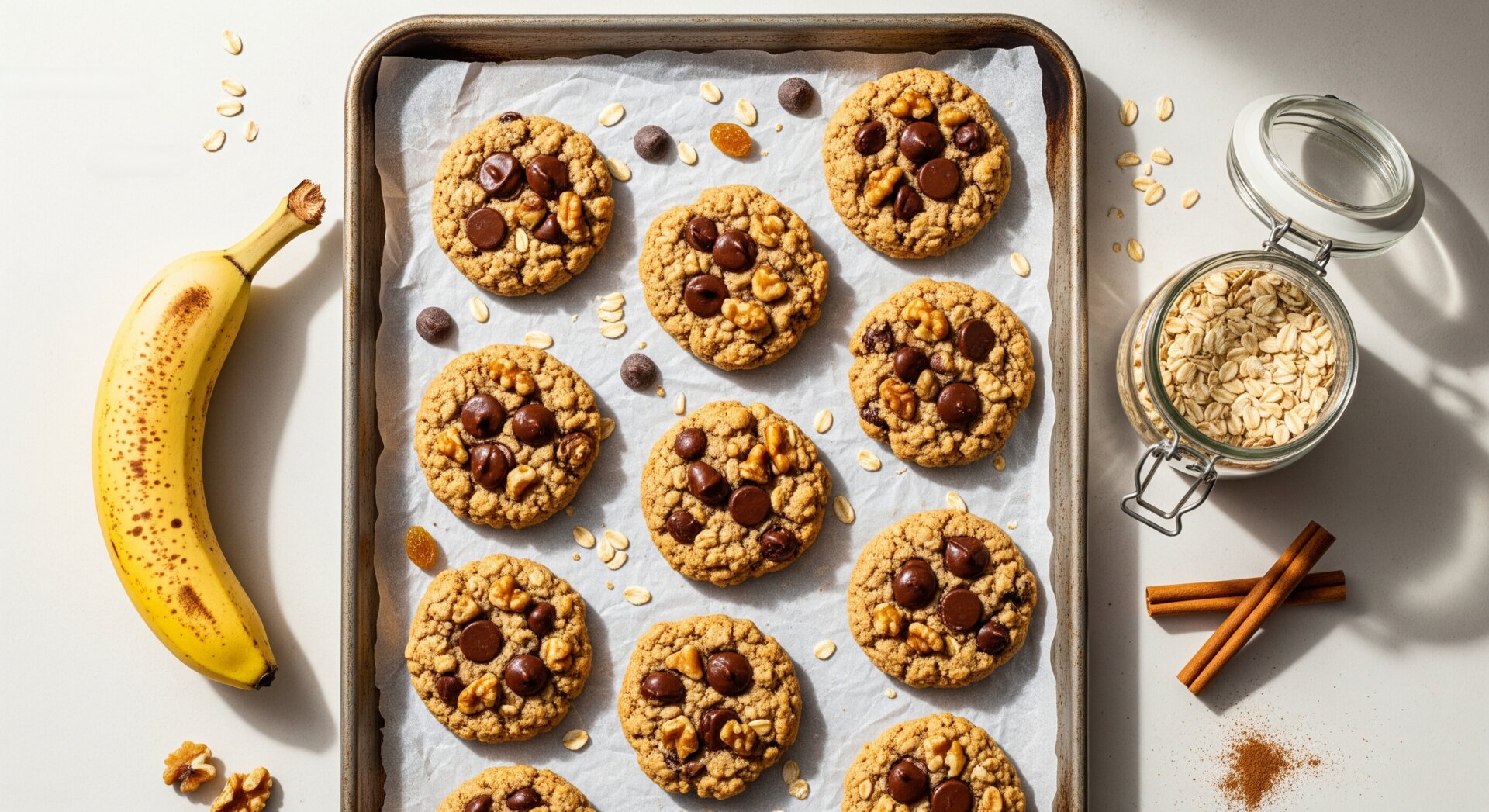 Banana Oatmeal Cookies 28 min Cookies based on two ingredients: ripe banana and oats
  110 kcal
  3g protein 1 synergies
 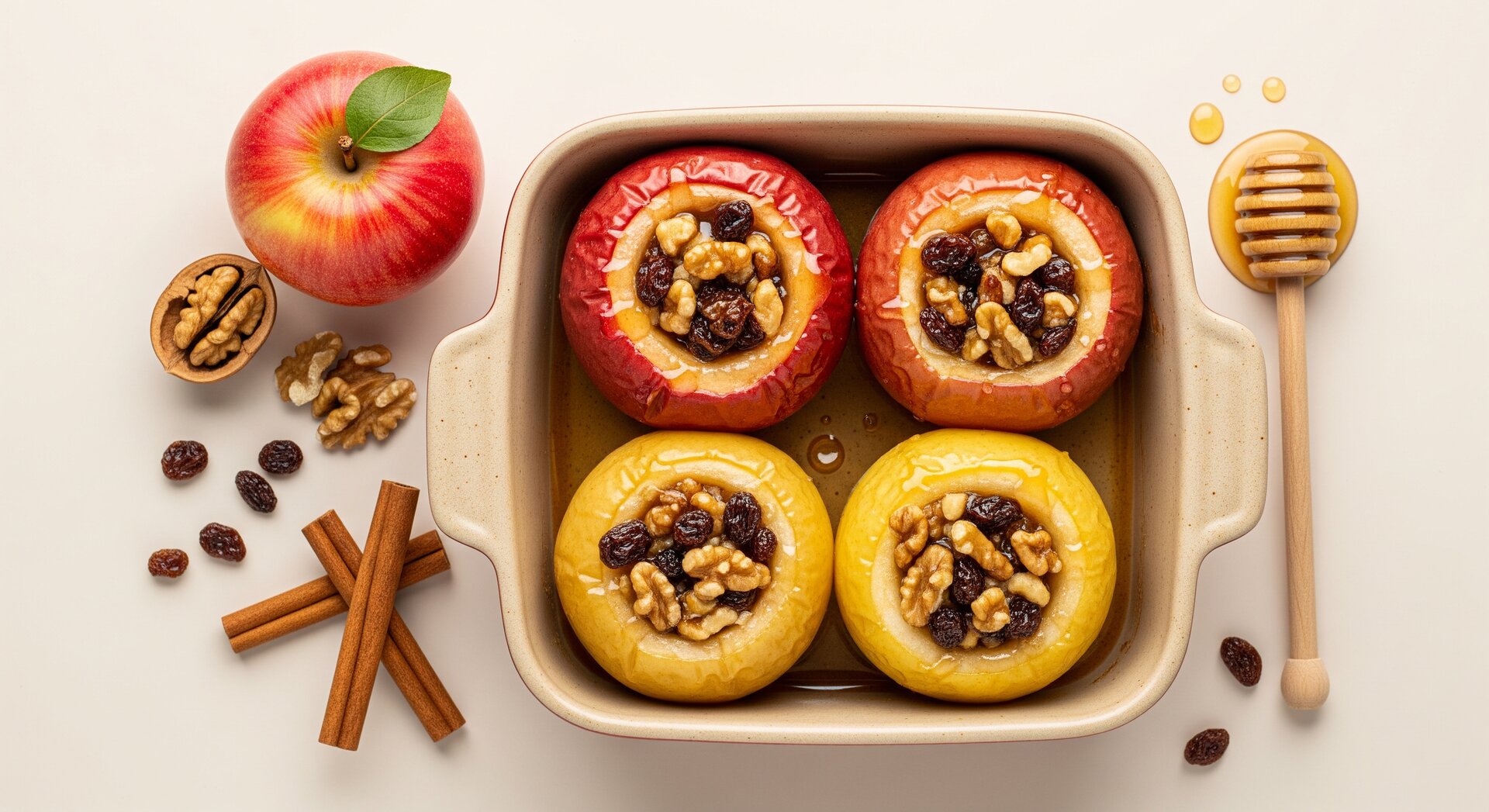 Baked Apples with Cinnamon and Nuts 60 min Warm baked apples filled with nuts, honey and cinnamon 280 kcal 4g protein 2 synergies
 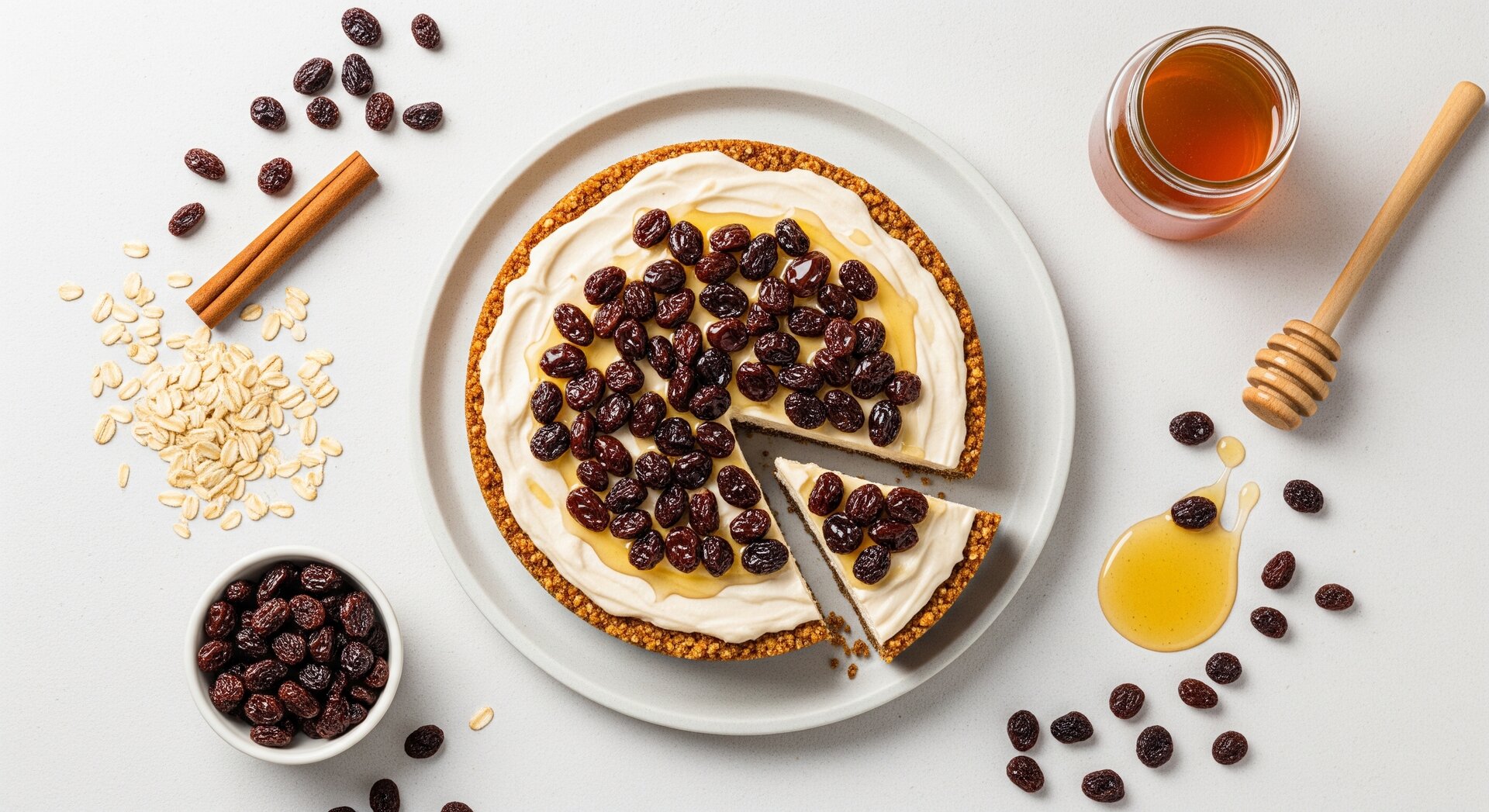 No-Bake Quark Cheesecake with Raisins and Oat Base 267 min Creamy no-bake cheesecake with raisins, cinnamon and honey 199 kcal 11g protein 1 synergies
 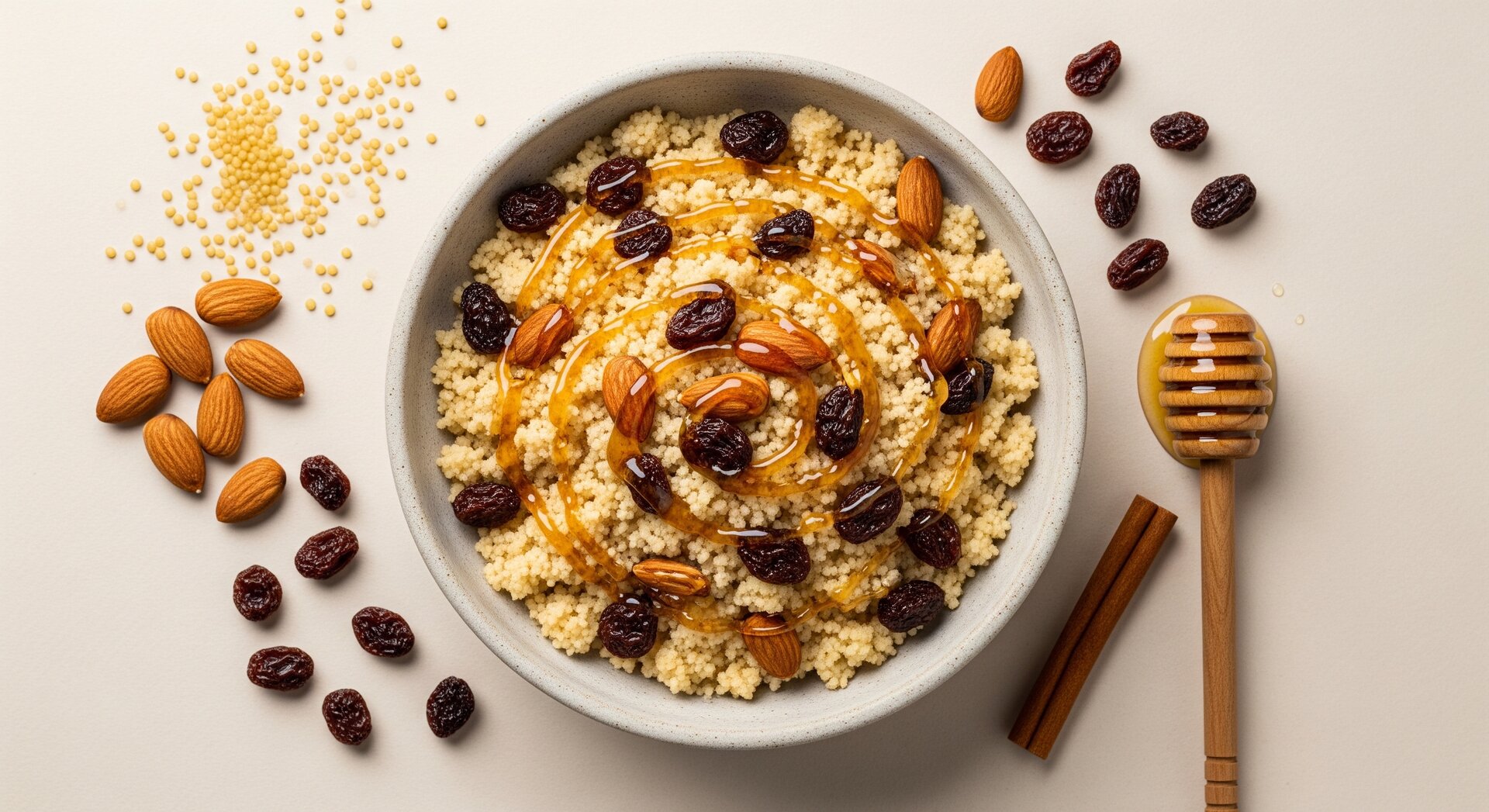 Moroccan Couscous with Raisins and Almonds 20 min Fluffy couscous with cinnamon, honey, sweet raisins and toasted almonds 340 kcal 10g protein 1 synergies
 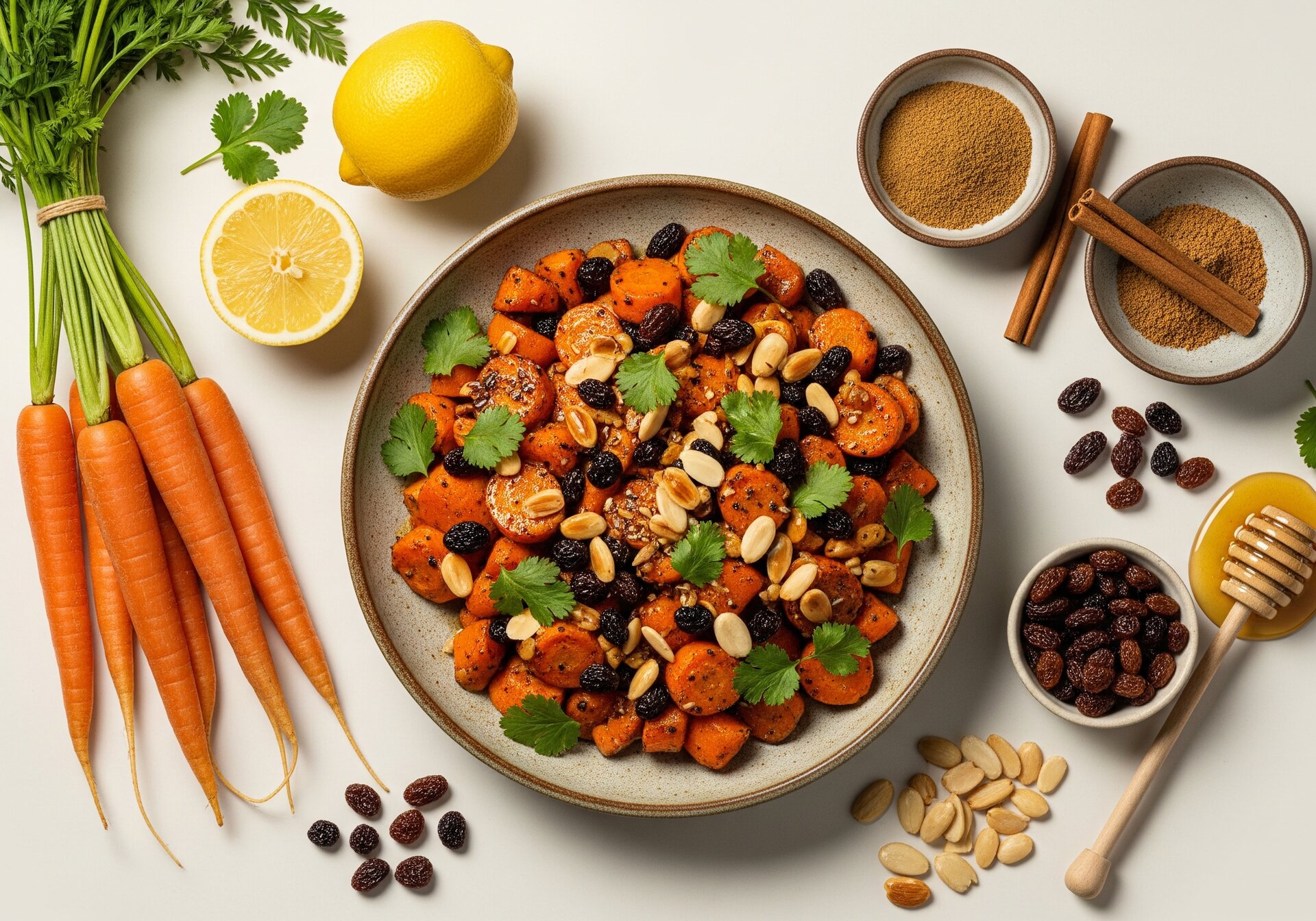 Moroccan Carrot Salad 50 min Roasted carrots with cumin, cilantro and honey 280 kcal 5g protein 1 synergies
 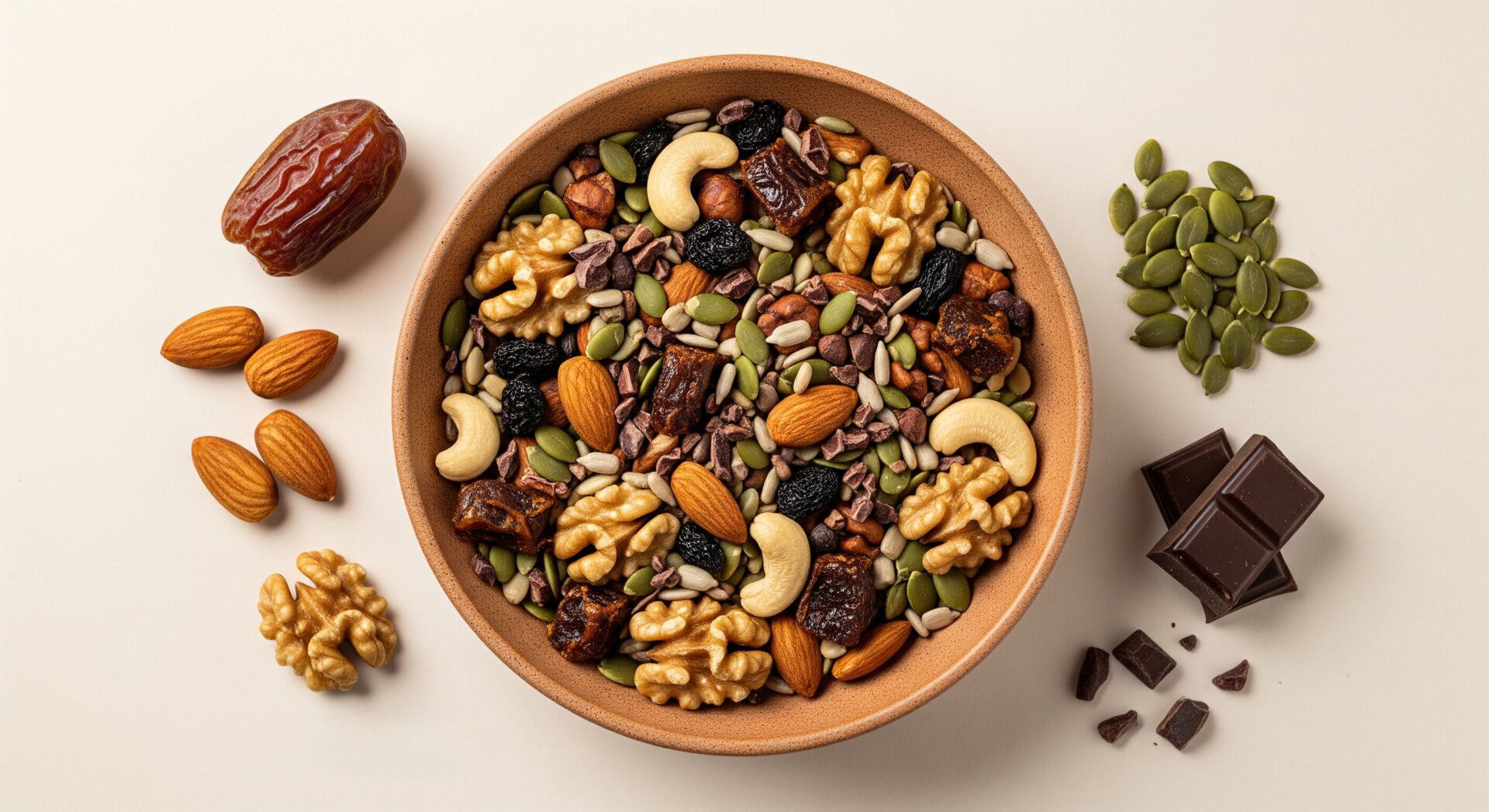 Nut Mix with Dates and Chocolate 15 min Roasted nuts and seeds with dates and dark chocolate 240 kcal 7g protein 1 synergies
  In the Kitchen
Storage
Location:Pantry
Shelf life:6 maanden (koele, droge omgeving), 12 maanden (koelkast, luchtdicht)
Store raisins airtight in a cool, dry and dark place. If they have hardened, soak them for 10 minutes in warm water, tea or juice. Avoid moisture, as it can encourage mould. Prefer unsweetened raisins without unnecessary additions.
Preparation
Use raisins raw as a topping for oatmeal, yogurt, salads or couscous, or bake them into bread, cookies and cakes. For a softer texture, soak them briefly. Combine them with nuts, seeds or yogurt for more balance in flavour and texture.
Conversions
Substitutes
Smart preparation
1Soak raisins in warm water or tea before adding them to baked goods.
Why?
Soaked raisins stay juicier during baking.
2Marinate raisins in rum, tea or orange juice for extra flavour in desserts.
3Store raisins in an airtight jar to prevent them from drying out.
Caution / Warnings
Raisins is very safe, but there are scientific considerations:
Diabetes or blood sugar management Severe
Raisins contain a lot of concentrated natural sugars. Large portions can raise blood glucose quickly.
Advice:
Keep the portion small, for example 1 tablespoon, and combine with a meal or with nuts, yogurt or cheese. Discuss personal portions with a doctor or dietitian if you use diabetes medication.
Weight management Moderate
Because of drying, raisins are energy-dense in a small volume. This makes it easy to eat more than intended.
Advice:
Pre-portion them, for example 20-30 g, and use raisins more as a topping than as a loose snack from the package.
Dental care Moderate
Raisins are sticky and can cling to teeth. Because of the combination of sugar and prolonged contact, good oral hygiene is important.
Advice:
Eat raisins with a meal, rinse your mouth with water afterwards and brush according to your usual routine.
Traditional use
Islamic tradition
Islamic food culture
Raisins appear in various Islamic and Middle Eastern food traditions, often as a sweet addition to drinks, rice dishes or desserts.
Mediterranean
Mediterranean preserved fruit
Drying grapes into raisins dates back to ancient Egypt and Persia, over 3000 years ago. They were valued as a trade good and as shelf-stable food for travellers.
Summary
Raisins are dried grapes with concentrated sweetness, fibre and potassium. They work well in oatmeal, couscous, baking and snack mixes. Because of their high sugar and energy content, small portions are sensible, especially with diabetes or when limiting energy intake.