Cinnamon
The Sweet Warming Spice
What is this ingredient?
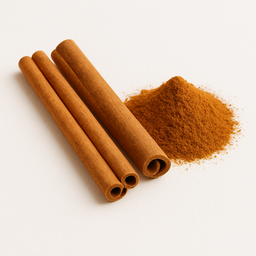
Cinnamon is a spice made from the inner bark of trees in the Cinnamomum genus. The bark is harvested, dried, and then naturally curls into the familiar quills. In the kitchen, the distinction between two main types matters most: Cassia cinnamon, the darker, harder, often cheaper variety commonly found in supermarkets, and Ceylon cinnamon, the lighter, softer variety with a more refined, milder flavor. This difference is also practically relevant because of the natural coumarin content: Cassia generally contains more coumarin, while Ceylon cinnamon contains much less. For frequent culinary use, Ceylon is therefore often the more suitable choice.
How does it taste?
Warm and sweet with woody depth, gentle spice and a slightly sharp aftertaste.
Pairs well with:
Pairs well with applehoneycardamomchocolatecoffeeoats and walnut.
Sunnah
Cinnamon was a precious spice and aromatic ingredient in the classical Arab world. In culinary and historical texts, it is described as a warming, fragrant bark used in drinks, perfumes and spice blends.
Tibb an-Nabawi #Historisch gebruik
Varieties
Ceylon Cinnamon
The 'true' cinnamon: lighter in color, softer in texture and more delicate in flavor. Naturally contains much less coumarin than Cassia.
Cassia Cinnamon
The darker, harder supermarket variety with a strong, spicy flavor. Usually contains more coumarin than Ceylon; use moderately, especially with frequent use.
Did you know...?
- True cinnamon (Ceylon) comes from the inner bark of the Cinnamomum verum tree.
- In antiquity, cinnamon was so valuable that it was given as a gift to kings.
- The Netherlands dominated the cinnamon trade from Sri Lanka in the 17th and 18th centuries.
Nutritional Value & Energy
Per 100g
Cinnamon provides energy thanks to natural nutrients , buffered by fiber.
Per 100g
Minerals
Vitamins
Omega-3 fatty acids
More nutrients
B-Vitamins
Trace Minerals
What's in a serving?
Cinnamon naturally contains calcium (1002 mg per 100 g dried powder). At typical spice usage (3–9 g), the contribution is limited.
Cinnamon naturally contains iron (8.32 mg per 100 g dried powder). At typical spice usage (3–9 g), the contribution is limited.
Cinnamon naturally contains calcium (1002 mg per 100 g dried powder). At typical spice usage (3–9 g), the contribution is limited.
Cinnamon naturally contains vitamin K (31.2 mcg per 100 g dried powder). At typical spice usage (3–9 g), the contribution is limited.
% of daily reference intake (DRI)
EU-approved nutrition claims
There are currently no EFSA-authorized health claims specific to cinnamon. Various applications for herbs and spices have been submitted but not yet assessed (botanical 'on hold' list).
Comparison
vsmelk
Cinnamon contains about 8× more calcium per 100g than milk — but you use much less cinnamon per serving.
vsspinazie
Cinnamon contains about 3× more iron per 100g than spinach — but you use much less cinnamon per serving.
What's being researched?
Cinnamon and metabolic research
Cinnamon is studied in connection with insulin sensitivity and glucose metabolism. Meta-analyses describe varied observations in clinical studies, with differences in dosage, cinnamon type and study duration.
Supported by: [4] Allen (2013) , [3] Khan (2003) , [1] Rao (2014) , [2] Shan (2005)
Cinnamaldehyde in microbiological research
Cinnamaldehyde is studied in laboratory research in relation to bacteria, fungi and food aromas. In-vitro studies describe interactions with microorganisms.
Supported by: [5] Peterson (2009) , [4] Allen (2013)
Good Combinations (Synergy)
Combine cinnamon smartly to enhance the effect:
Cinnamon 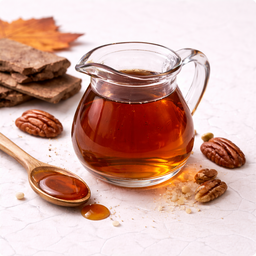 Maple Syrup
 Cinnamon dampens glycemic impact of sugars
Technical: Maple syrup has a GI of 54 (lower than honey or sugar). Cinnamon's MHCP (methylhydroxy chalcone polymers) improve insulin signaling and cinnamaldehyde slows gastric emptying. Together this results in a flatter blood sugar curve: maple syrup already peaks less than sugar, cinnamon flattens that peak further.
What does this mean for you? Add cinnamon whenever you use maple syrup — on pancakes, in oatmeal or when baking. The cinnamon helps keep your blood sugar more stable.
Cinnamon 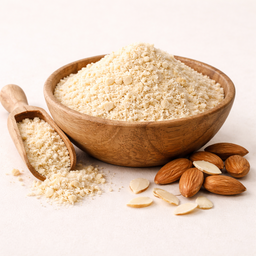 Almond Flour
 Magnesium + chromium for glycemic balance
Technical: Almond flour contains 270mg magnesium per 100g that activates insulin receptors. Cinnamon provides chromium and MHCP polymers that increase insulin sensitivity. Together they stabilize blood sugar levels more effectively than either alone.
What does this mean for you? Use almond flour with cinnamon in pancakes, muffins or smoothies for stable energy without sugar spikes. Perfect for diabetics or weight loss.
Cinnamon 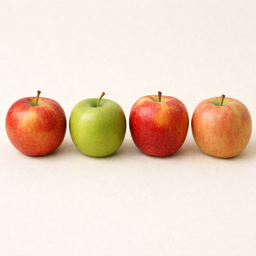 Apple
Apple Cinnamon stabilizes blood sugar levels after apple consumption
Studies show 18-29% lower postprandial glucose with cinnamon (PMID: 20854384)
Technical: Apples contain 10-12g fructose per fruit and quercetin (4-13mg per 100g in the peel). Cinnamon contains methylhydroxychalcone polymers (MHCP) that activate insulin receptors and stimulate GLUT4 transporters, reducing blood sugar spike by 18-29%. Cinnamon also slows gastric emptying, further dampening the glycemic peak.
What does this mean for you? Sprinkle cinnamon over your apple — as snack, in oatmeal or applesauce. The cinnamon compensates for the sugar spike and makes it a more stable energy source. Use Ceylon cinnamon for best effect.
Cinnamon 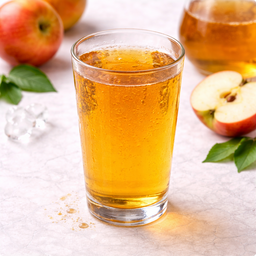 Apple Juice
 Quercetin + cinnamaldehyde for blood sugar and antioxidant
Technical: Apple juice contains quercetin and chlorogenic acid from apples, but also fructose (6g/100ml) that can raise blood sugar. Cinnamon's cinnamaldehyde activates AMPK and supports insulin signaling, tempering the fructose impact. Cinnamon also inhibits alpha-glucosidase slowing carbohydrate breakdown.
What does this mean for you? Add a cinnamon stick to your apple juice or smoothie. The cinnamon tempers the glycemic effect of the fructose in the apple juice.
Cinnamon 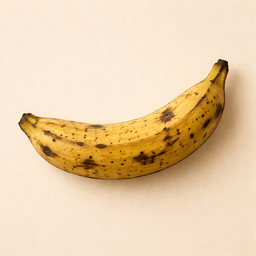 Plantain
 Resistant starch + cinnamaldehyde: double glycemic modulation
Resistant starch lowers glycemic response, cinnamaldehyde improves insulin signaling
Technical: Resistant starch from plantain mechanically delays glucose absorption (forms gel in stomach). Cinnamaldehyde from cinnamon modulates GLUT4 translocation. Together they influence glycemic response via two complementary routes: mechanical delay and GLUT4 modulation.
What does this mean for you? Fried plantain with cinnamon combines two pathways influencing glycemic response. The resistant starch delays mechanically, cinnamon modulates via GLUT4. A smart combination for those mindful of carbohydrate processing.
Cinnamon 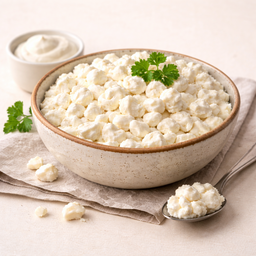 Cottage Cheese
 Casein protein + cinnamaldehyde for stable blood sugar and satiety
Technical: Cottage cheese's casein is a slow-digesting protein that gradually releases amino acids. Cinnamon's cinnamaldehyde activates AMPK and influences insulin signaling. Together they modulate glycemic response via protein delay and AMPK activation.
What does this mean for you? Cottage cheese with cinnamon for breakfast keeps you satisfied for hours and your blood sugar stable — a smart combination for a balanced start to the day.
Cinnamon 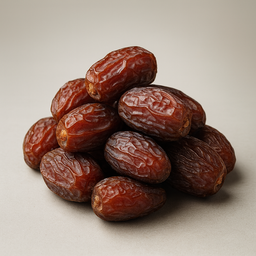 Dates
Dates Cinnamon dampens the glycemic response of dates
Cinnamon improves glucose metabolism (PMID: 20854384)
Technical: Dates have a high GI (42-55 depending on variety). Cinnamon contains methylhydroxychalcone polymers (MHCP) that activate insulin receptors and stimulate GLUT4 transporters, accelerating glucose uptake into cells. Cinnamon also slows gastric emptying, further dampening the glycemic peak. Together: cinnamon compensates the sugar spike of dates via receptor activation and delayed gastric passage.
What does this mean for you? Fill dates with cinnamon-almond paste, or sprinkle cinnamon on dates as a snack. The cinnamon turns these natural sweets into a more stable energy source. Use Ceylon cinnamon for the best result.
Cinnamon  Filo Pastry
 Cinnamon's glycemic regulation tempers fast carbs from pastry
Technical: Filo dough is made from refined flour with high GI (75-85). Cinnamon's cinnamaldehyde activates AMPK (AMP-activated protein kinase) that stimulates glucose uptake in muscles without insulin. MHCP (methylhydroxychalcone polymer) improves insulin receptor signaling by 20x. With filo pastry, 1g cinnamon reduces the glycemic peak by 15-25%.
What does this mean for you? Sprinkle generous cinnamon over filo pastries like börek or strudel. The cinnamon doesn't just make it tastier but also tempers the blood sugar spike that white dough normally causes.
Cinnamon 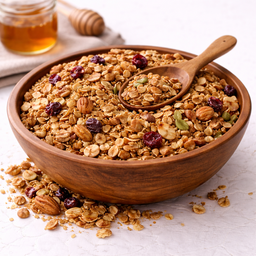 Granola
 β-glucan + cinnamaldehyde for blood sugar and cholesterol
Technical: Granola's oat flakes contain beta-glucan (4g/100g) — a soluble fiber that binds bile acids in the gut and slows gastric emptying. Cinnamon's cinnamaldehyde activates AMPK for insulin-independent glucose uptake. Together they work on two levels: beta-glucan physically slows carbohydrate breakdown (gel formation), cinnamon biochemically supports cellular glucose uptake.
What does this mean for you? Sprinkle generous cinnamon over your granola. The beta-glucan binds bile acids, the cinnamon supports glycemic balance — two complementary mechanisms in one breakfast.
Cinnamon 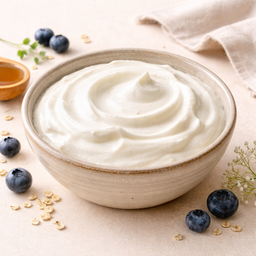 Greek Yogurt
 Probiotics + AMPK activation for metabolic balance
Cinnamon improves insulin sensitivity (PMID: 20854384)
Technical: Greek yogurt has a low GI (11-14) and contains probiotics that influence insulin sensitivity via the gut-pancreas axis. Cinnamon contains MHCP (methylhydroxy chalcone polymers) that activate AMPK and sensitize insulin receptors. Together they modulate postprandial glycemic response.
What does this mean for you? Add a teaspoon of cinnamon to your Greek yogurt. The cinnamon contains bioactive polyphenols that activate AMPK, the yogurt keeps your blood sugar low anyway — together they keep your energy level stable.
Cinnamon 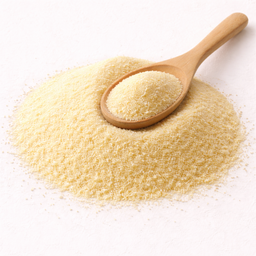 Semolina
 Fast carbs tempered by cinnamaldehyde glycemic regulation
Technical: Semolina (durum wheat) has a relatively high GI (65-70) from rapidly available starch. Cinnamon contains cinnamaldehyde (65-80% of oil) that activates AMPK and improves insulin receptor sensitivity by 20-30%. Methylhydroxychalcone polymer (MHCP) in cinnamon mimics insulin. Studies show 1-6g cinnamon per day lowers fasting blood sugar by 10-29%. With semolina, this tempers the rapid glucose spike.
What does this mean for you? Always add cinnamon to semolina porridge or pudding. The cinnamon lowers the blood sugar spike that semolina normally causes — a simple trick that makes a real difference.
Cinnamon 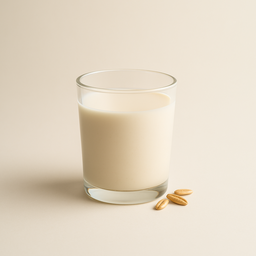 Oat Milk
 Double glycemic balance
Technical: Oat milk contains beta-glucans (soluble fiber) that form a gel in the gut and slow carbohydrate absorption by 20-30%. Cinnamon contains methylhydroxychalcone polymers (MHCP) that activate insulin receptors and stimulate GLUT4 transporters. Two different mechanisms, same glycemic goal.
What does this mean for you? Oat milk with cinnamon is a smart combination for smoothies, oat milk latte or porridge. The dual glycemic support means longer energy after breakfast without peaks and valleys.
Cinnamon 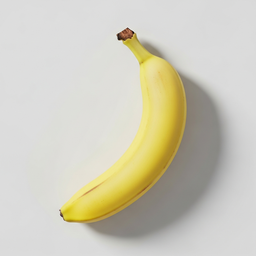 Banana
 Cinnamon with banana: warm spiced combination
Technical: Banana contains 12g sugars per 100g (GI 51). Cinnamaldehyde from cinnamon slows gastric emptying and modulates insulin signaling via AMPK activation and MHCP. Studies report a flatter postprandial glucose curve. Sugars are absorbed more gradually instead of as a sharp spike.
What does this mean for you? Sprinkle banana slices with cinnamon as a snack or in your oatmeal. The cinnamon flattens the banana's sugar spike, keeping your energy stable longer.
Cinnamon 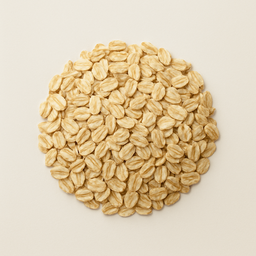 Oatmeal
 Flattens the sugar spike after carbohydrate-rich meals
Technical: Oatmeal contains complex carbohydrates that raise blood sugar. Cinnamon's MHCP (methylhydroxy chalcone polymers) increase insulin activity up to 20x and cinnamaldehyde activates AMPK, improving glucose transport to cells. This lowers postprandial glucose peak by 18-29% and extends satiety.
What does this mean for you? Always add cinnamon to your oatmeal, apple or banana bread. The cinnamon helps keep your blood sugar more stable after these carb-rich meals.
Cinnamon 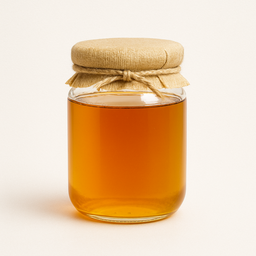 Honey
Honey Traditional warm combination of cinnamon and honey
Technical: Cinnamon contains cinnamaldehyde and proanthocyanidins with bioactive action via cell wall disruption. Honey's glucose oxidase produces hydrogen peroxide with bioactive action, while honey's high viscosity forms a physical barrier. Two independent bioactive mechanisms that work more broadly together.
What does this mean for you? Cinnamon + honey in warm tea — a classic combination. Both have bioactive action via different pathways — broader together than alone.
Cinnamon 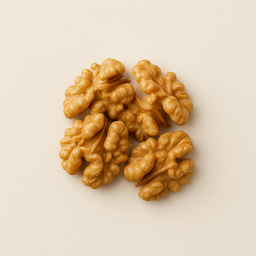 Walnuts
 Cinnamon's insulin sensitivity + walnut omega-3 for metabolic health
Technical: Cinnamaldehyde activates AMPK and improves insulin signaling, while walnuts' ALA (alpha-linolenic acid) and ellagitannins regulate fat metabolism via PPARγ activation. Together they improve glucose metabolism via two complementary pathways.
What does this mean for you? Sprinkle walnuts with cinnamon as a snack or in your oatmeal — a delicious combination that supports your blood sugar and fat metabolism.
Cinnamon 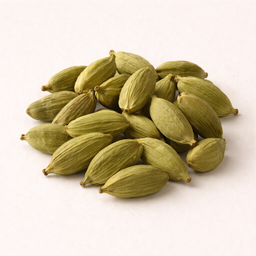 Cardamom
 Glycemic support through spice mix
Technical: Cinnamon's MHCP increases insulin activity up to 20x by sensitizing insulin receptors. Cardamom's 1,8-cineole supports glucose tolerance via an independent mechanism (pancreatic beta-cell function). Together they support the glycemic response via two pathways.
What does this mean for you? Cinnamon + cardamom in oatmeal or chai provides dual glycemic support. Both spices support the glycemic response — together via two independent pathways.
Cinnamon 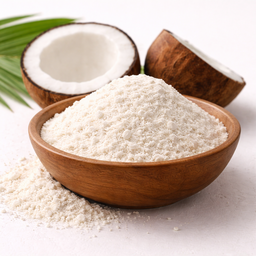 Coconut Flour
 Fiber + cinnamaldehyde for glycemic balance
Technical: Coconut flour contains 39g fiber per 100g (highest of all flours) that slow carbohydrate absorption. Cinnamon's cinnamaldehyde activates AMPK and stimulates GLUT4 transporters. Together they provide glycemic support via two independent pathways: fiber delay + GLUT4 activation.
What does this mean for you? Coconut flour with cinnamon is ideal for low-carb pancakes or muffins. The extreme fiber richness of coconut flour + the AMPK activation of cinnamon work together.
Cinnamon 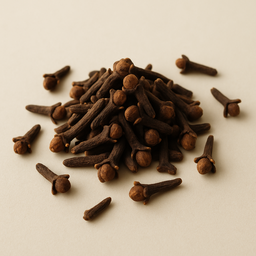 Cloves
 Eugenol + cinnamaldehyde for blood sugar and oral health
Technical: Clove contains eugenol (72-90% of oil) that inhibits α-glucosidase and α-amylase — enzymes that break down carbohydrates. Cinnamon's cinnamaldehyde activates AMPK for insulin-independent glucose uptake. Together they inhibit carbohydrate breakdown (clove) and improve glucose uptake in cells (cinnamon). Eugenol is also a particularly potent natural bioactive compound for the oral cavity (toothache remedy). Studies show clove + cinnamon lowers fasting glucose by 15-25%.
What does this mean for you? Add clove and cinnamon together to chai, poached pears or breakfast porridge. The combination is traditional in speculaas spices and significantly lowers the blood sugar spike of sweet dishes.
Cinnamon 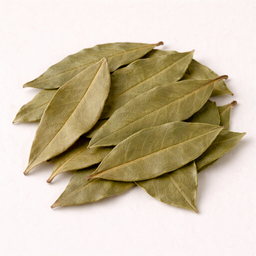 Bay Leaf
 Glycemic supporting herbs for stews
Technical: Bay leaf contains 1,8-cineole and linalool that support the glycemic response via delayed carbohydrate digestion. Cinnamon's MHCP supports insulin signaling. Both herbs contain polyphenols with antioxidant action.
What does this mean for you? Bay leaf + cinnamon stick in stews — the herbs support your glycemic response and their compounds slowly leach into the cooking liquid.
Cinnamon 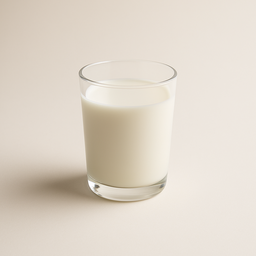 Milk
Milk Milk calcium + cinnamon polyphenols for bone and blood sugar balance
Technical: Milk's calcium and vitamin D support bone metabolism — calcium contributes to the maintenance of normal bones (EFSA). Cinnamon's polyphenols and cinnamaldehyde activate AMPK and influence insulin signaling. Milk's casein slows absorption, extending cinnamon's effect on glycemic response.
What does this mean for you? Warm milk with cinnamon (as in talbina) is a traditional drink combining both calcium for your bones and bioactive polyphenols.
Cinnamon 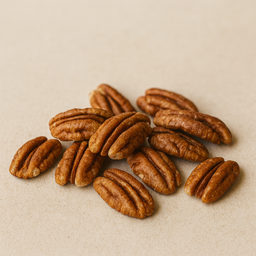 Pecans
 Double antioxidant boost for apple crumble
Technical: Pecans have the highest antioxidant content of all nuts (ORAC 17,940 per 100g) thanks to ellagic acid and gamma-tocopherol. Cinnamon contains cinnamaldehyde and proanthocyanidins (ORAC 131,420). Apple adds quercetin. Together they achieve an exceptionally high total ORAC value, with polyphenols neutralizing free radicals via different mechanisms.
What does this mean for you? Make apple crumble with pecans and cinnamon. This classic dessert is an antioxidant bomb — the pecans, cinnamon and apple reinforce each other as protection against cell damage.
Cinnamon 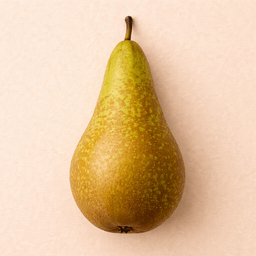 Pear
Pear Pectin + cinnamon polyphenols dampen the glycemic response
Technical: Pear contains 3.1g pectin per 100g, a soluble fiber that slows gastric emptying and dampens glycemic response. Cinnamon contains methylhydroxychalcone polymer (MHCP) that activates insulin receptors and increases glucose uptake in cells. The combination provides a dual mechanism: pectin slows carbohydrate absorption, cinnamon accelerates glucose uptake — two complementary pathways for glycemic balance.
What does this mean for you? Sprinkle cinnamon on pear slices as snack or dessert. The pear provides fiber and sweetness, the cinnamon adds warmth and dampens the sugar peak. Use Ceylon cinnamon for the best result.
Cinnamon 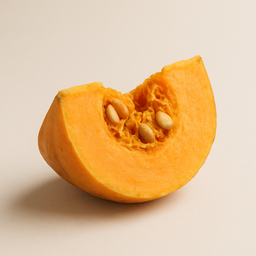 Pumpkin
 Beta-carotene + cinnamaldehyde: provitamin A and GLUT4 modulation
Technical: Pumpkin contains 3100μg beta-carotene per 100g — provitamin A contributing to normal immune system function (EFSA-approved) — and resistant fibers. Cinnamon's cinnamaldehyde modulates GLUT4 translocation and influences glycemic response. Together they provide provitamin A and glycemic modulation.
What does this mean for you? Pumpkin soup with cinnamon is an autumn classic. Cinnamon influences the glycemic response of pumpkin's carbohydrates. Add olive oil for beta-carotene absorption — it's fat-soluble.
Cinnamon 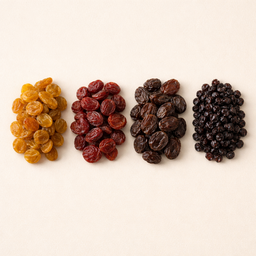 Raisins
 Procyanidins + cinnamaldehyde for glycemic balance
Technical: Raisins contain procyanidins and catechins that inhibit alpha-amylase by 30-50%, slowing starch breakdown. Cinnamon's cinnamaldehyde (65-80% of essential oil) stimulates GLUT4 translocation to cell membrane, accelerating glucose uptake. Methylhydroxychalcone polymer (MHCP, 5mg/100g) amplifies this effect. Together: double glycemic dampening — raisins slow absorption, cinnamon accelerates glucose clearance from the blood. The glucose peak is dampened by cinnamon. Ideal for those monitoring glycemic response.
What does this mean for you? Mix raisins with cinnamon into oatmeal or rice pudding. The raisins provide natural sweetness and the cinnamon dampens the glycemic response. A simple addition with significant biochemical effect.
Cinnamon 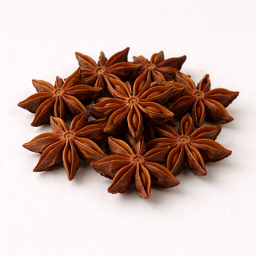 Star Anise
 Anethole + cinnamaldehyde for blood sugar and bioactive action
Technical: Star anise contains anethole (80-90% of essential oil) that inhibits α-glucosidase — the enzyme that breaks down carbohydrates in the gut. Cinnamon's cinnamaldehyde activates AMPK for insulin-independent glucose uptake. Together they inhibit carbohydrate digestion (star anise) and improve glucose uptake in cells (cinnamon). Both also contain bioactive phenolic compounds traditionally valued in food preservation: star anise effective against E. coli, cinnamon against Candida.
What does this mean for you? Add star anise and cinnamon together to stews, chai or compote. The combination is traditional in Chinese five-spice and lowers the blood sugar impact of sweet dishes.
Cinnamon 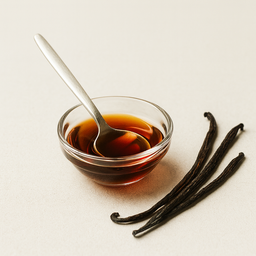 Vanilla Extract
 Vanillin + cinnamaldehyde reduce sugar craving
Technical: Vanillin activates sweet receptors (T1R2/T1R3) without providing calories, increasing perceived sweetness of dishes by 30-40%. Cinnamon's cinnamaldehyde activates AMPK and supports glucose uptake in cells, biochemically reducing sugar cravings. Together they lower the need for added sugar: vanilla makes sweeter (sensory), cinnamon supports glucose balance (metabolic).
What does this mean for you? Add vanilla extract + cinnamon to your coffee, oatmeal or yogurt instead of sugar. Your brain experiences sweetness but your glucose balance stays stable — the smartest way to eat less sugar.
Cinnamon 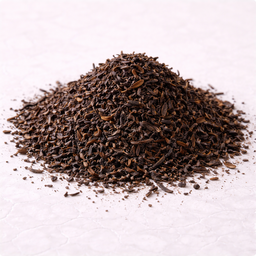 Black Tea
 Theaflavins + cinnamaldehyde for blood sugar and focus
Technical: Black tea's theaflavins mildly inhibit alpha-glucosidase (carbohydrate-digesting enzyme). Cinnamon's cinnamaldehyde activates AMPK and supports glucose uptake in cells. Together they dampen glycemic response to snacks eaten with tea. Caffeine (40-60mg) + L-theanine (25mg) from tea offer calm alertness; cinnamon supports cerebral blood flow.
What does this mean for you? Add a cinnamon stick to your black tea (masala chai style). The cinnamon dampens the blood sugar spike from cookies or cake with tea, and supports your concentration.
Recipes with Cinnamon
Discover delicious recipes featuring cinnamon:
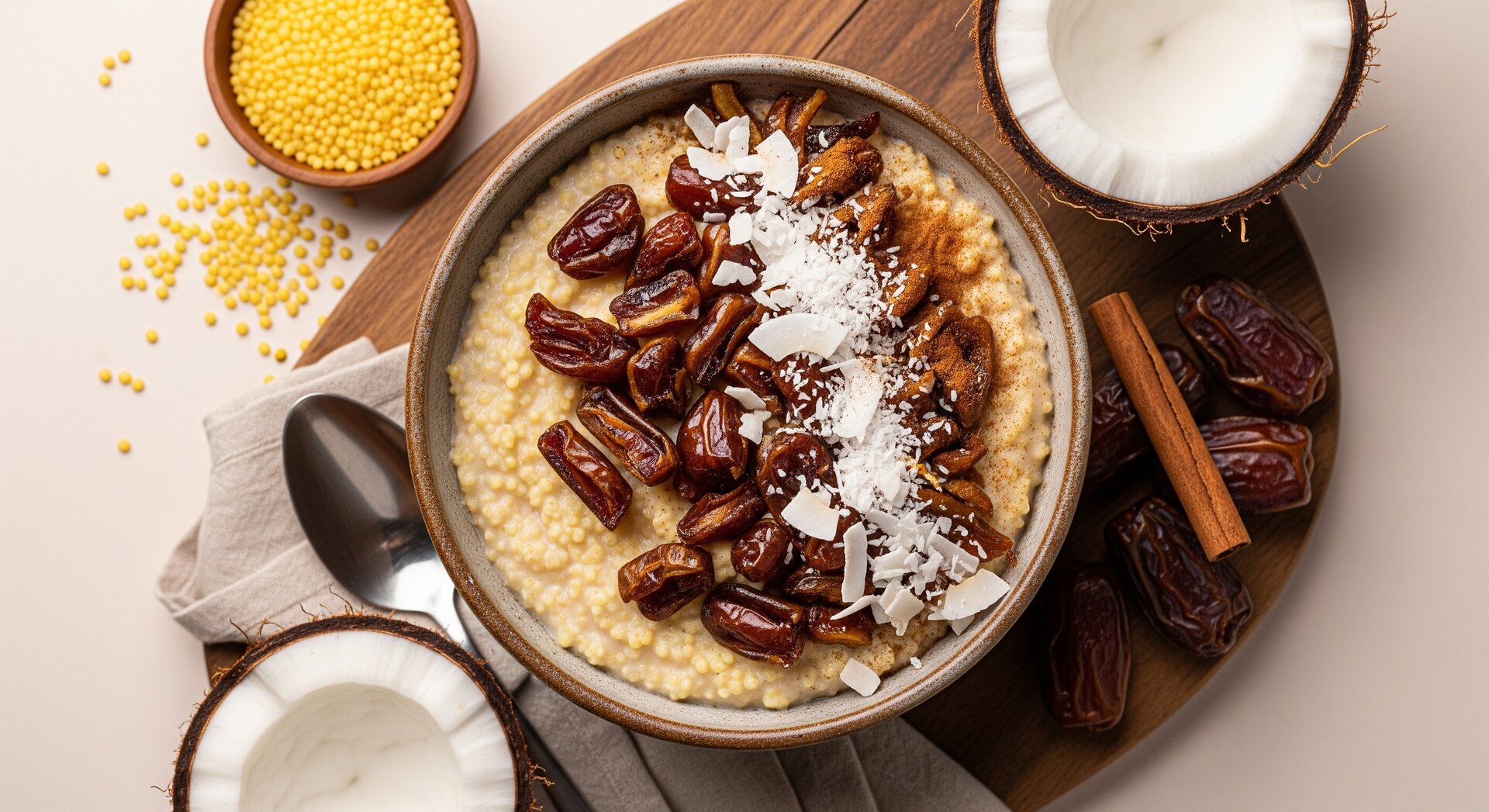 African Millet Porridge with Coconut and Dates 30 min Gluten-free porridge with coconut milk, Medjool dates and cinnamon
  828 kcal
  14g protein 1 synergies
 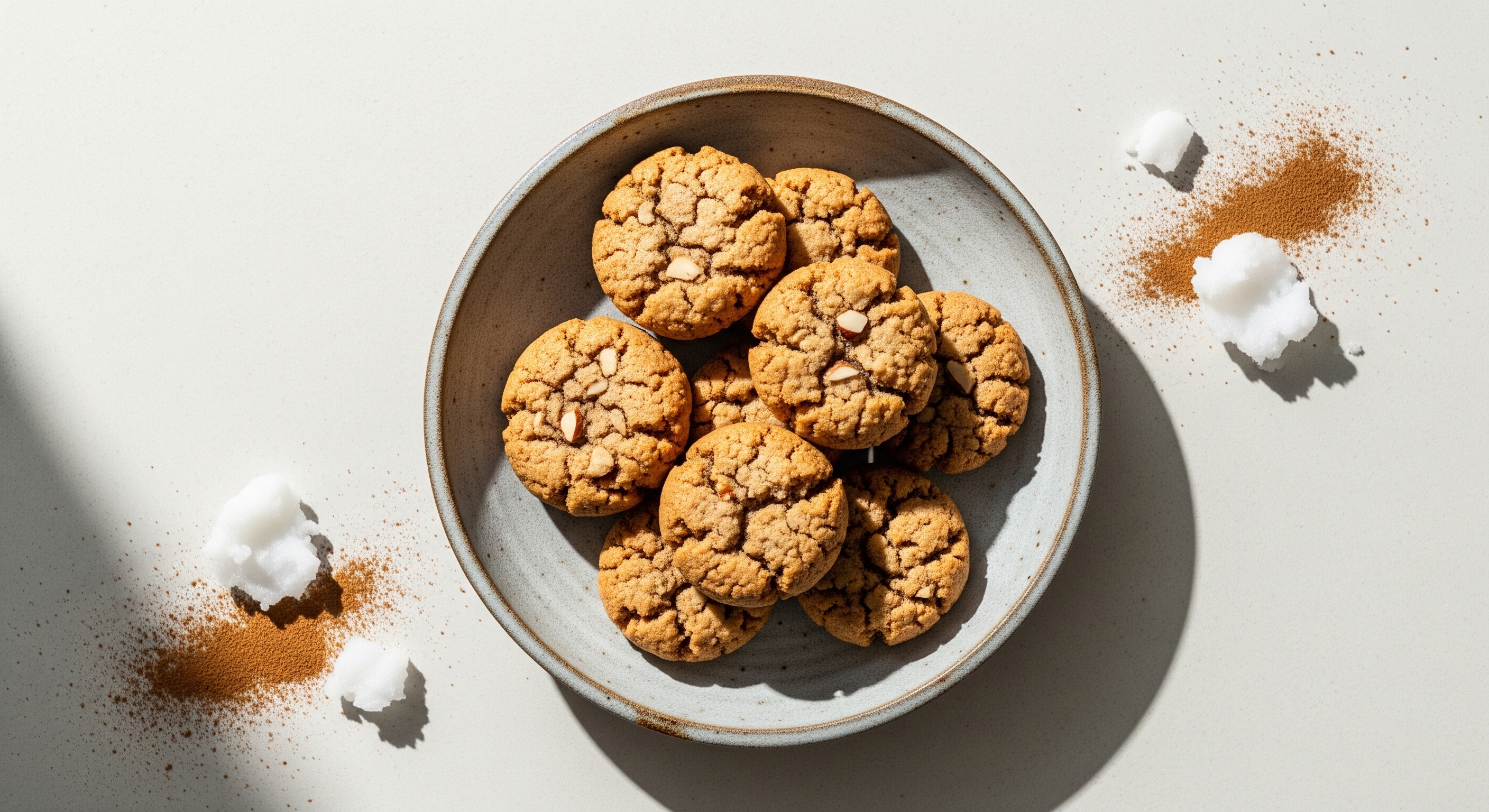 Almond Cinnamon Cookies (Keto) 22 min Crispy cookies with almond flour and warm cinnamon, ready in 20 minutes 120 kcal 4g protein 1 synergies
 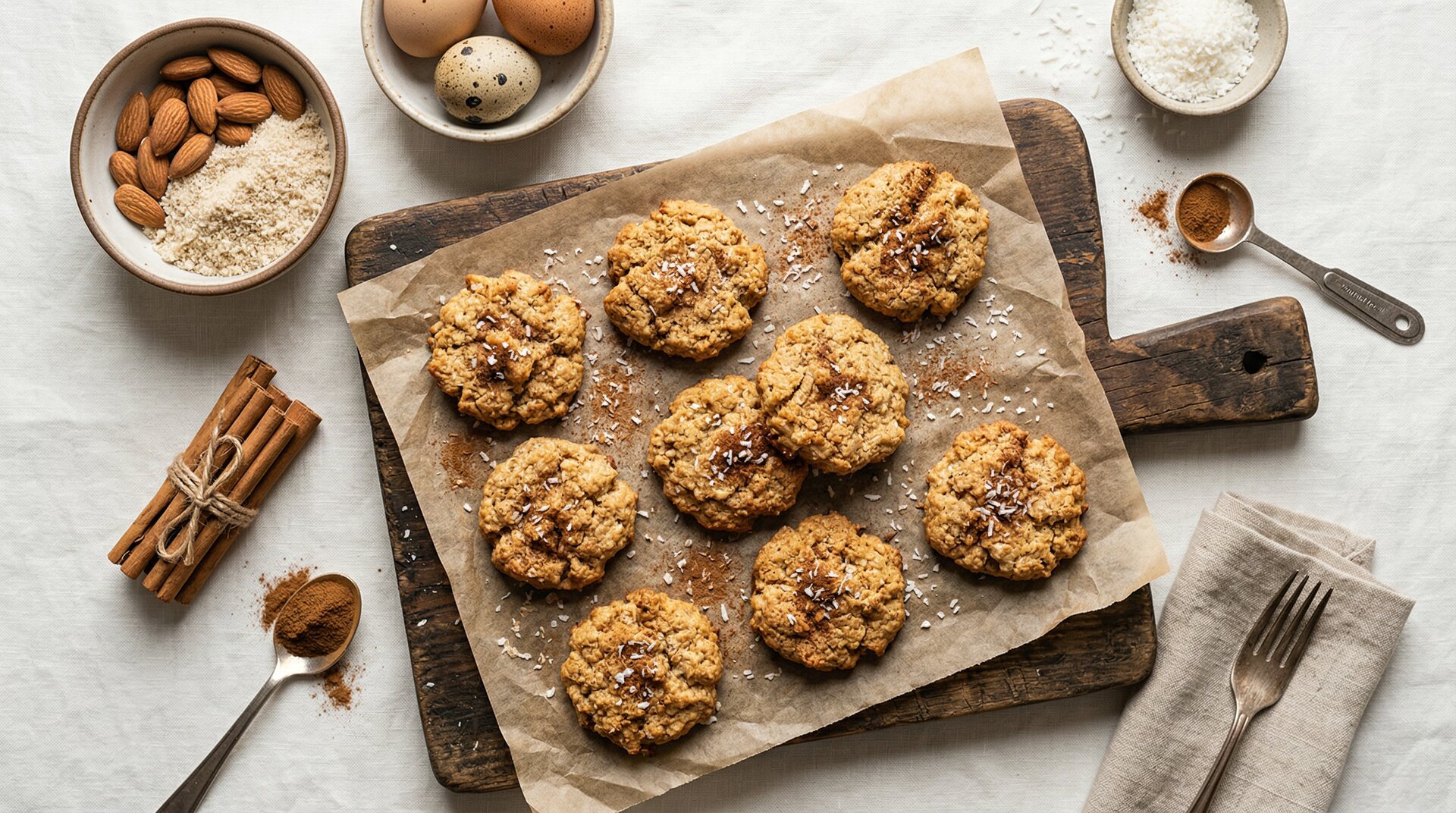 Almond Cinnamon Cookies with Coconut 22 min Crisp at the edges, soft inside 165 kcal 5g protein 2 synergies
 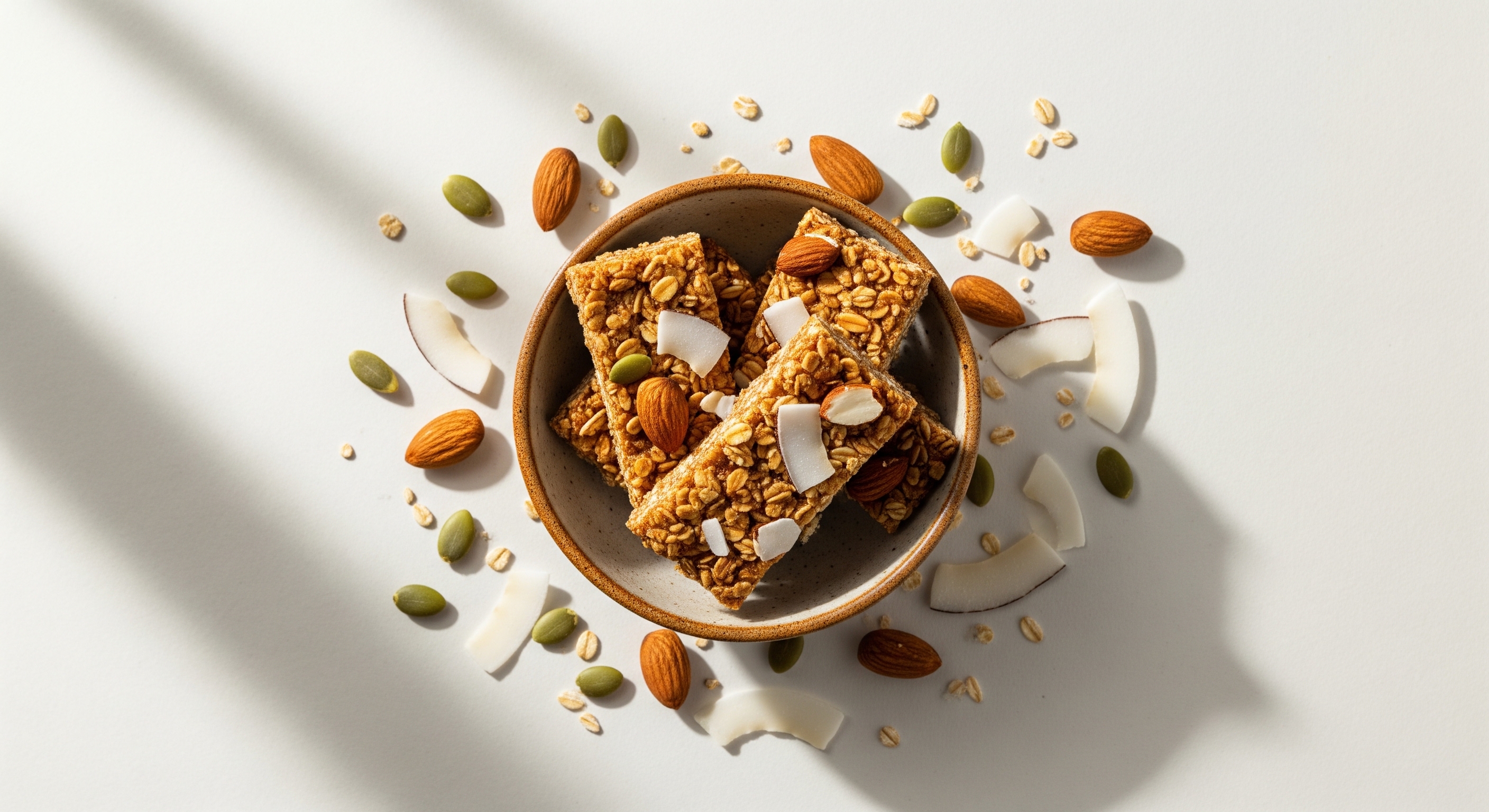 Almond-Coconut Granola Bars 40 min Crunchy, nutty and sweet from honey and apricots 412 kcal 10g protein 2 synergies
 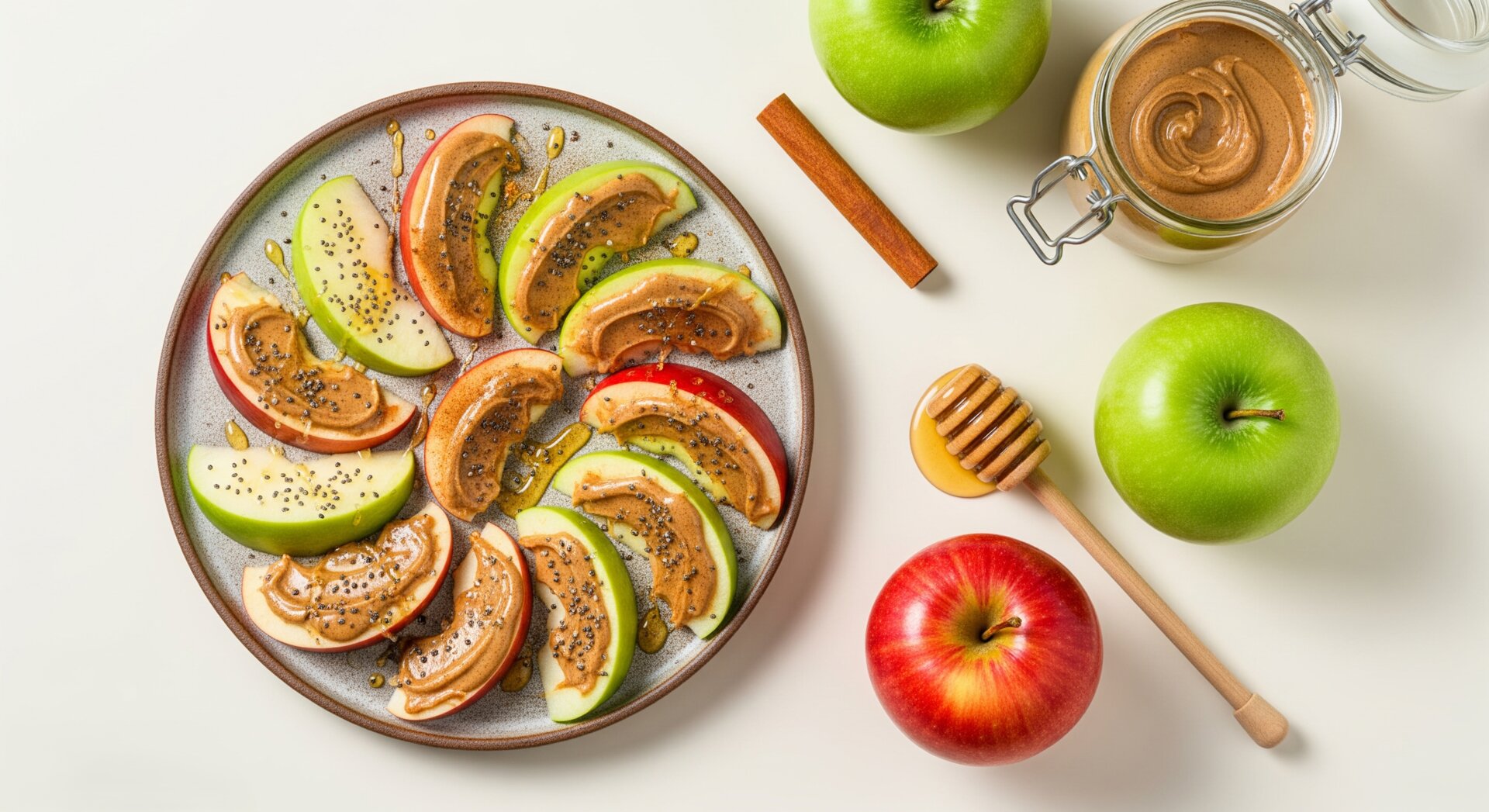 Apple Wedges with Almond Butter 5 min Crunchy, creamy and sprinkled with chia seeds 260 kcal 7g protein 1 synergies
 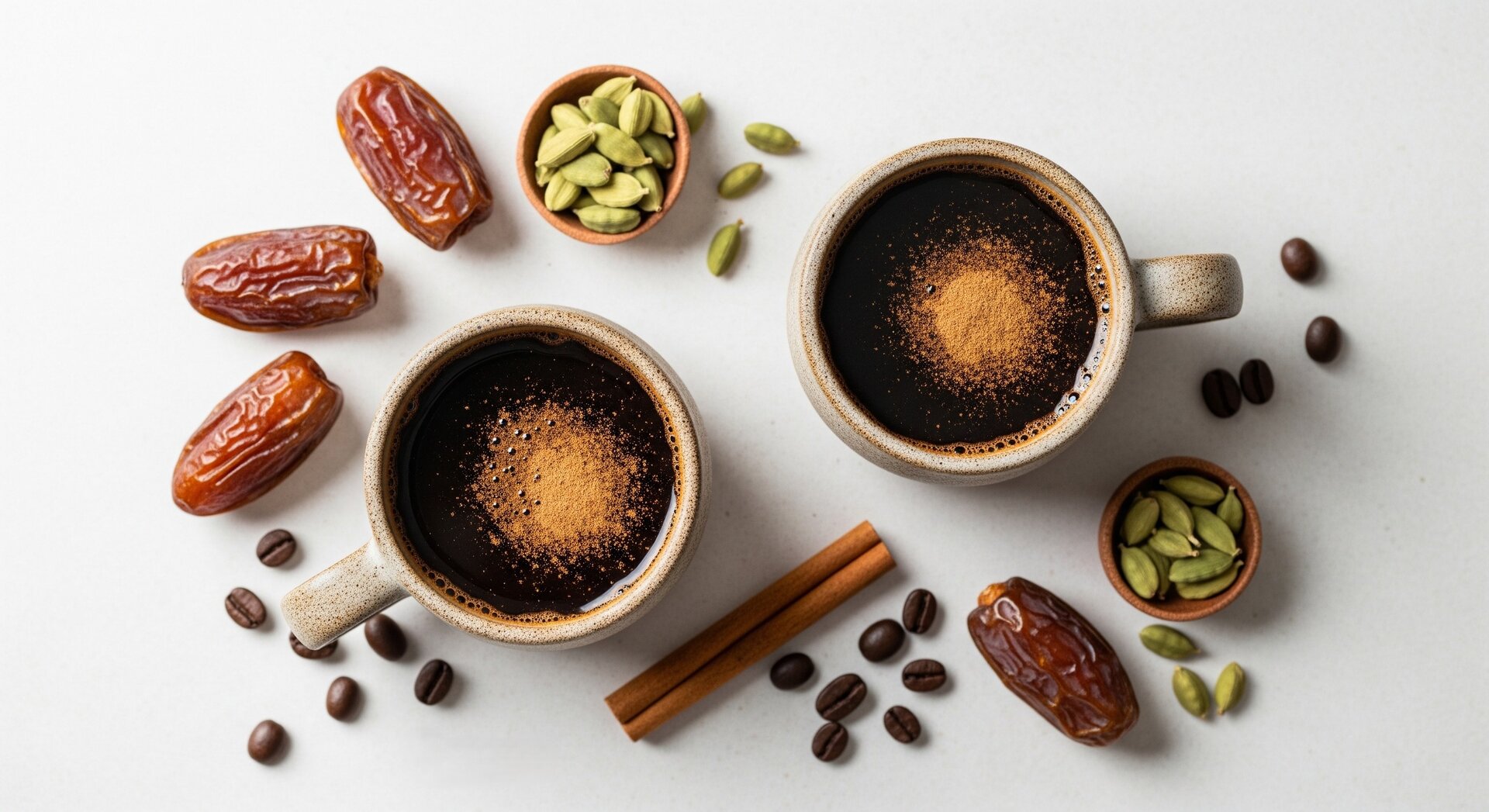 Arabic Cardamom Date Coffee 10 min Traditional Arabic coffee with cardamom and dates 142 kcal 1g protein 1 synergies
  In the Kitchen
Storage
Location:Pantry
Shelf life:2-3 jaar (stokjes), 6-12 maanden (poeder)
Store in airtight container, away from light and heat. Whole sticks retain aroma longer.
Preparation
Simmer sticks in stews/tea (remove before serving). Add powder at end of cooking or sprinkle over dishes.
Conversions
Substitutes
Smart preparation
1Use Ceylon cinnamon for sweet dishes and cassia for savory.
Why?
Ceylon is subtler and sweeter; cassia is stronger and spicier.
2Dry-toast cinnamon sticks in a pan to enhance the aroma.
3Grate cinnamon fresh with a grater for the most intense flavor.
Caution / Warnings
Cinnamon is very safe, but there are scientific considerations:
Coumarin (Cassia Cinnamon) Severe
Cassia cinnamon contains clearly more coumarin than Ceylon cinnamon. With high or very frequent intake, moderation is therefore important.
Advice:
For regular culinary use, preferably choose Ceylon cinnamon and use Cassia in smaller amounts.
Diabetes Medication Moderate
When using diabetes medication, extra caution is needed because cinnamon is studied in relation to metabolic biomarkers.
Advice:
Do not use cinnamon as a substitute for medication and consult a doctor or dietitian for therapeutic or very frequent use.
Mouth Irritation Mild
Cinnamaldehyde can trigger mouth irritation or canker sores in some people, especially with concentrated flavorings.
Advice:
Pay particular attention with frequent use of cinnamon gum, cinnamon candy or toothpaste with cinnamon flavoring.
Traditional use
Ayurveda
Twak in Ayurveda
Cinnamon (twak) has been valued in Ayurvedic culinary traditions for thousands of years as a warming, fragrant spice and is often combined with honey, milk, rice dishes and spiced drinks.
Traditional Chinese Medicine
Rou gui in Chinese herbal tradition
In Chinese herbal traditions, cinnamon bark is known as rou gui. Historical texts describe it as a warm, aromatic bark used in spiced preparations, broths and classical blends.
Islamic tradition
Cinnamon in prophetic tradition
Cinnamon was a precious spice in medieval Arab trade and appears in historical cookbooks, fragrance traditions and spice blends from the Islamic world.
Summary
Cinnamon is a versatile spice with a warm, sweet and woody aroma. It pairs well with apple, honey, cardamom, chocolate and warm drinks. Pay particular attention to the type: Ceylon cinnamon is milder and contains much less coumarin, while Cassia tastes stronger and is best used moderately when consumed regularly.