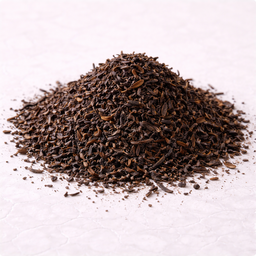
Black Tea
Fully oxidized tea with malty depth
What is this ingredient?
Black tea comes from the same plant as green and oolong tea, but the leaves are fully oxidized after rolling. This process deepens the color, rounds out the flavor and forms characteristic tea polyphenols such as theaflavins and thearubigins. As a result, black tea often shows notes of malt, honey, dried fruit, wood, cocoa or earth, depending on origin, leaf quality and brewing method.
A cup of black tea naturally contains caffeine and small amounts of L-theanine. The amount varies widely by variety, dosage, water temperature and steeping time; finely broken leaves usually create a strong infusion faster than whole leaves. In the kitchen, black tea can also be used as a base for iced tea, chai, marinades, braising liquid, syrups and desserts with citrus, milk, spices or dried fruit.
How does it taste?
Robust and mildly bitter, with malty, tannin-rich depth and warm notes.
Pairs well with:
Pairs well with milkhoneylemoncinnamoncardamomcloves and baked goods.
Did you know...?
- In China, black tea is often called ‘red tea’ (hong cha), after the reddish-brown color of the infusion.
- Black tea became popular in international trade because the fully oxidized leaves kept their flavor well during long journeys.
Nutritional Value & Energy
Per 100ml
Black Tea is low in calories thanks to natural nutrients .
Per 100g
Minerals
Vitamins
Omega-3 fatty acids
More nutrients
B-Vitamins
Trace Minerals
What's in a serving?
1 serving
Black tea naturally contains manganese (0.5 mg per 100 g).
% of daily reference intake (DRI)
EU-approved nutrition claims
This ingredient contains nutrients for which EFSA-authorized health claims exist at nutrient level, not specifically for black tea as an ingredient.
Approved health claims (EU)
Manganese EU 432/2012
Manganese contributes to normal energy-yielding metabolism
Contains 0.5mg/100g (threshold: ≥0.3mg/100g)
Manganese EU 432/2012
Manganese contributes to the maintenance of normal bones
Contains 0.5mg/100g (threshold: ≥0.3mg/100g)
Manganese EU 432/2012
Manganese contributes to the normal formation of connective tissue
Contains 0.5mg/100g (threshold: ≥0.3mg/100g)
Manganese EU 432/2012
Manganese contributes to the protection of cells from oxidative stress
Contains 0.5mg/100g (threshold: ≥0.3mg/100g)
What's being researched?
Theaflavins and black tea polyphenols
Theaflavins and thearubigins are polyphenols formed during oxidation and help define the color, structure and flavor of black tea. Research mainly examines black tea consumption within broader dietary patterns and uses tea extracts in varied study designs.
Supported by: [2] Leung (2001) , [1] Zhao (2015)
Caffeine, L-theanine and sensory experience
Black tea contains caffeine and small amounts of L-theanine, compounds that contribute to the character of the drink. Studies compare brewing strength, caffeine content, tea type and timing of use, but results depend strongly on serving size, steeping time and individual sensitivity.
Supported by: [1] Zhao (2015) , [2] Leung (2001)
Good Combinations (Synergy)
Combine black tea smartly to enhance the effect:
Black Tea 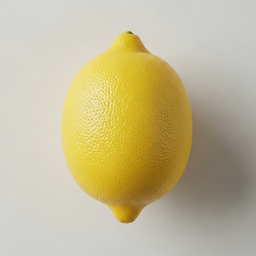 Lemon
Lemon Better catechin absorption through vitamin C
Technical: Black tea contains theaflavins and thearubigins — oxidized polyphenols with antioxidant action. Vitamin C from lemon protects these polyphenols from further oxidation in the stomach and stabilizes them for better absorption. Additionally, vitamin C inhibits binding of theaflavins to casein (if you were to add milk).
What does this mean for you? Drink black tea with lemon instead of milk. The lemon protects the antioxidants — milk binds them and renders them ineffective.
Black Tea 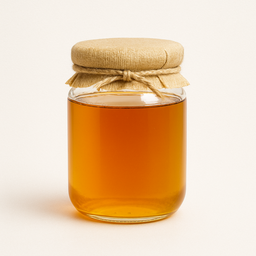 Honey
Honey Caffeine + honey enzymes for gradual energy release
Technical: Black tea contains caffeine (40-60mg per cup) and L-theanine (25mg) that together provide alertness without jitters. Honey provides fructose (38%) and glucose (31%) that release slower than sucrose (table sugar). L-theanine modulates caffeine's effect by stimulating α-brain waves (calm alertness). Honey's fructose is converted by the liver into glycogen that gradually releases glucose. The combination offers stable energy: caffeine + L-theanine + slow-release sugars.
What does this mean for you? Black tea with honey gives calmer energy than coffee with sugar. The L-theanine calms, the honey delivers gradual fuel — no spike-and-crash effect.
Black Tea 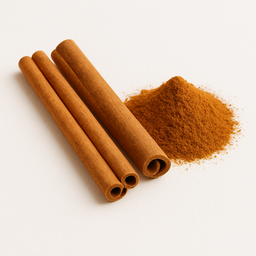 Cinnamon
 Theaflavins + cinnamaldehyde for blood sugar and focus
Technical: Black tea's theaflavins mildly inhibit alpha-glucosidase (carbohydrate-digesting enzyme). Cinnamon's cinnamaldehyde activates AMPK and supports glucose uptake in cells. Together they dampen glycemic response to snacks eaten with tea. Caffeine (40-60mg) + L-theanine (25mg) from tea offer calm alertness; cinnamon supports cerebral blood flow.
What does this mean for you? Add a cinnamon stick to your black tea (masala chai style). The cinnamon dampens the blood sugar spike from cookies or cake with tea, and supports your concentration.
Recipes with Black Tea
Discover delicious recipes featuring black tea:
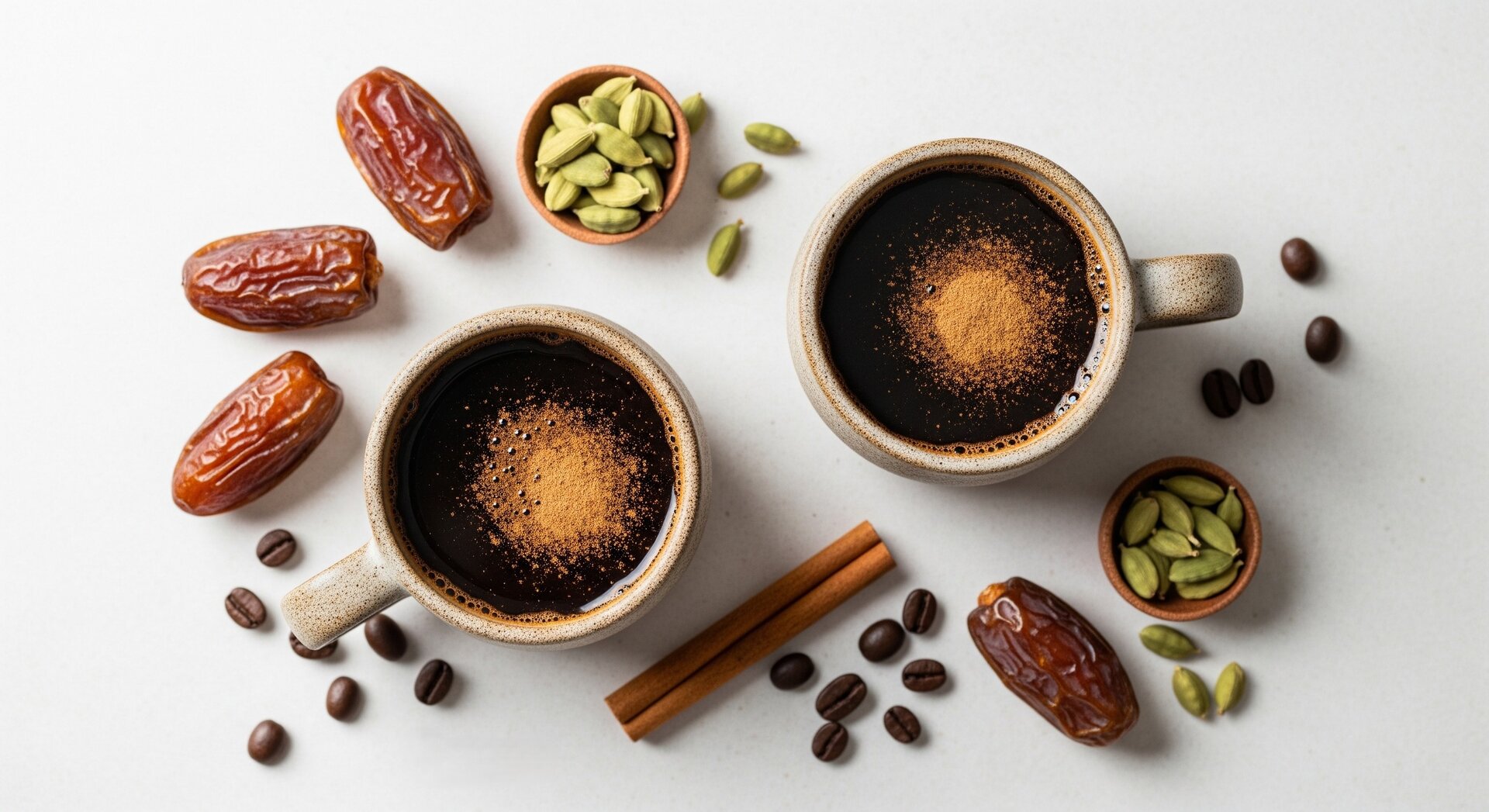 Arabic Cardamom Date Coffee 10 min Traditional Arabic coffee with cardamom and dates
  142 kcal
  1g protein 1 synergies
 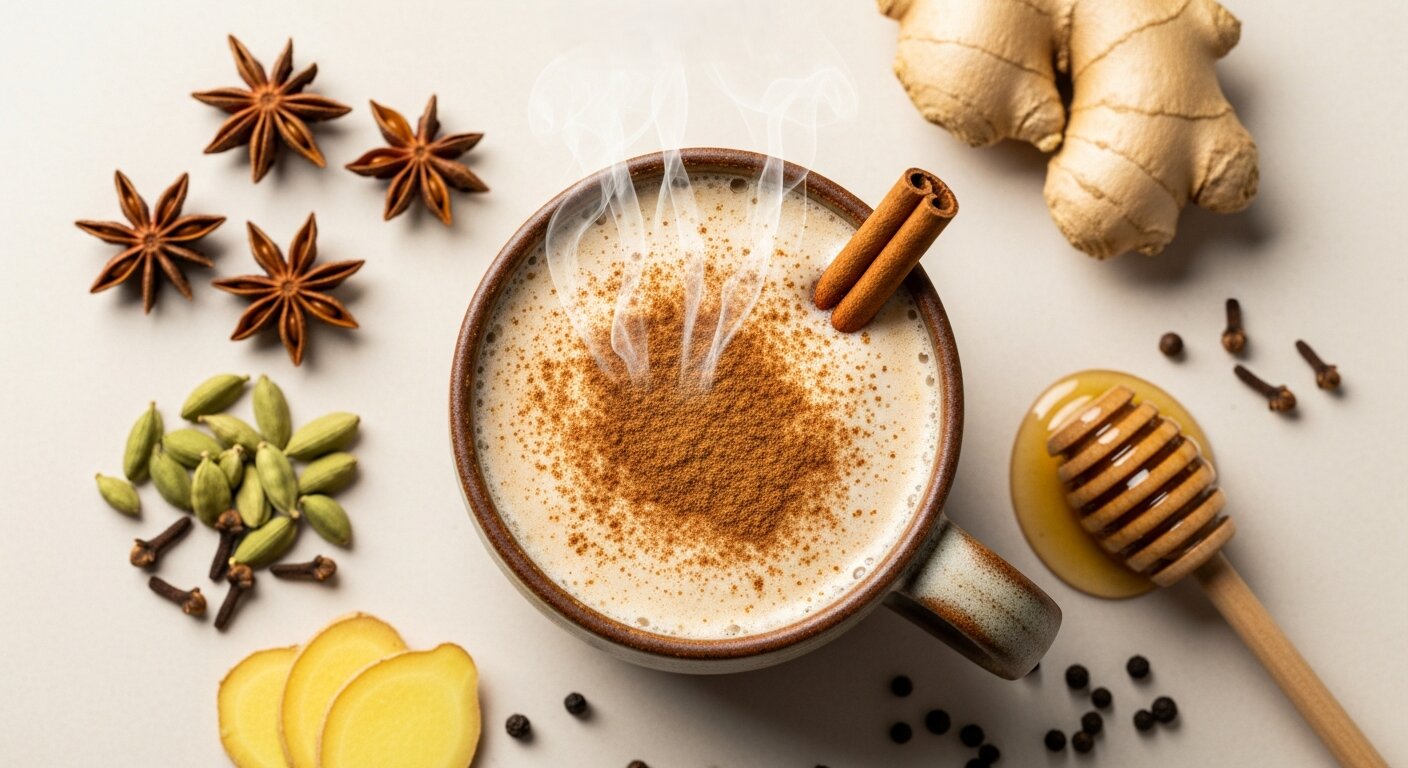 Spiced Chai Latte 20 min Indian spiced tea with black tea and warming spices 120 kcal 2g protein 2 synergies
 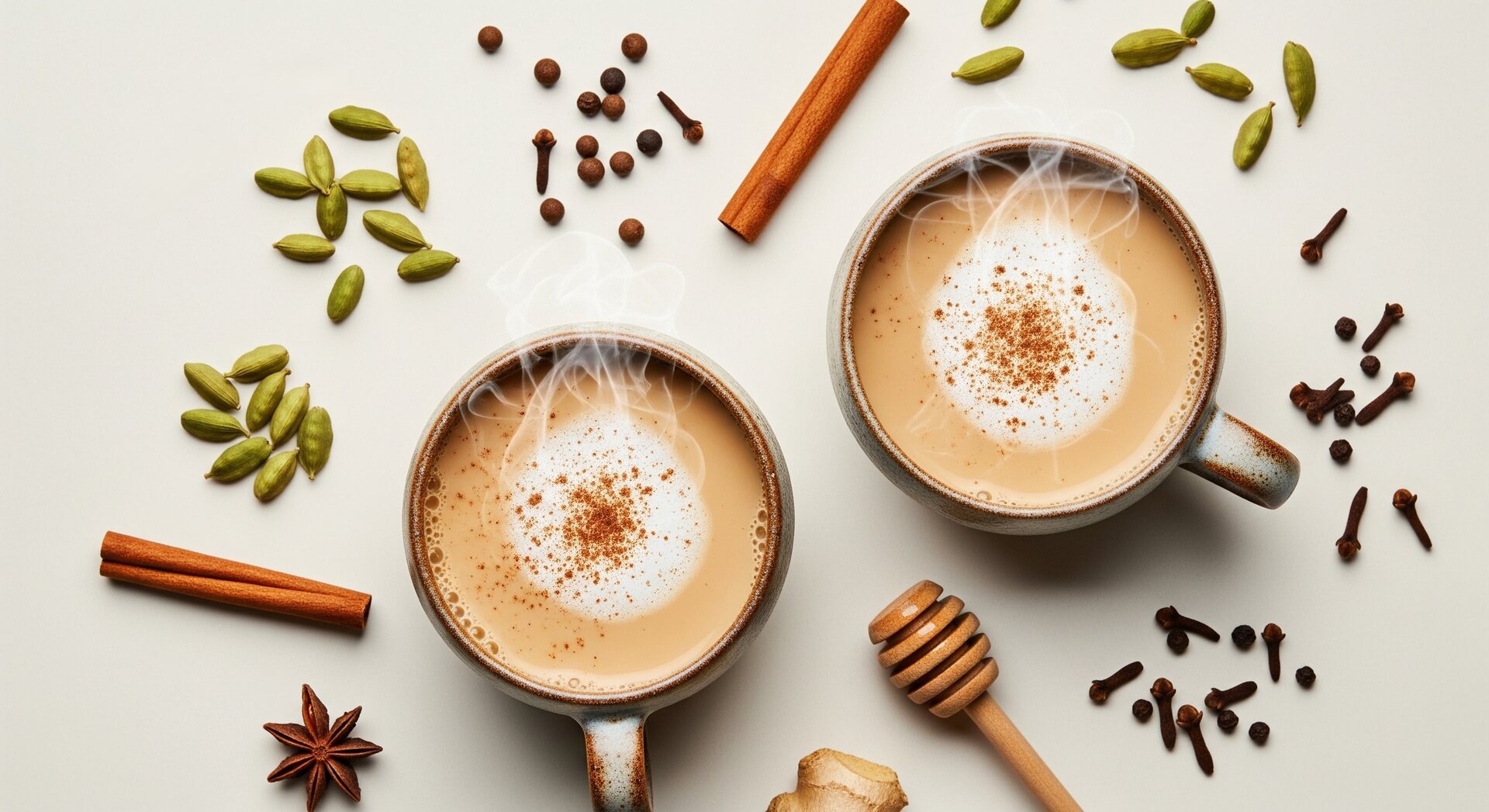 Indian Masala Chai with Coconut Milk 15 min Vegan chai latte with black tea, warm spices and coconut milk 264 kcal 3g protein 1 synergies
 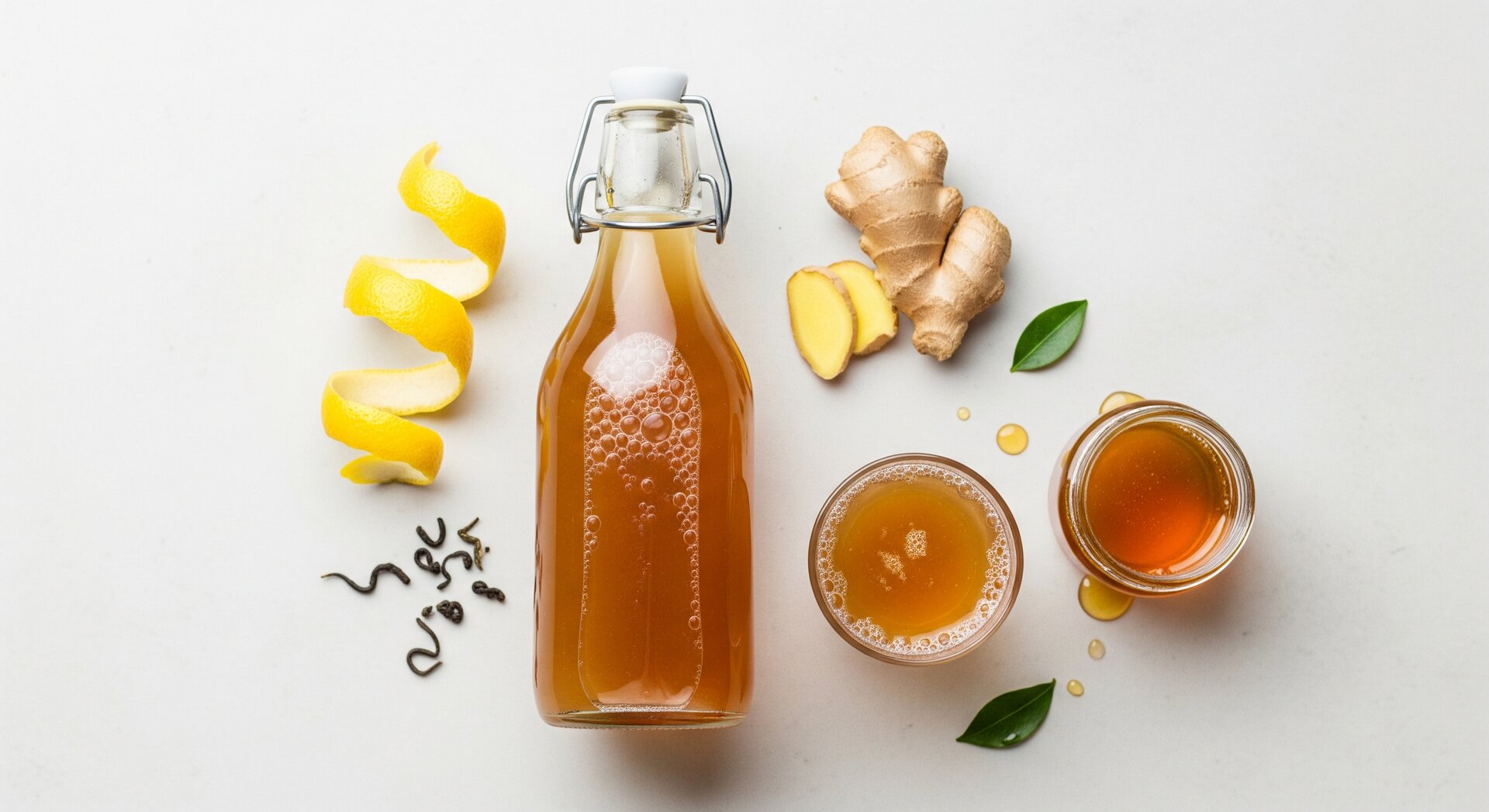 Homemade Kombucha with Ginger and Lemon 10080 min Fermented tea with a fresh, gently sparkling finish 68 kcal 1g protein 1 synergies
  In the Kitchen
Storage
Location:Pantry
Shelf life:1-2 jaar
Store black tea airtight, dry and dark, away from coffee, spices and cleaning products. Tea leaves absorb odors quickly.
Preparation
Use water at 95–100°C and steep for 3–5 minutes. A shorter steep gives a rounder cup; a longer steep makes the flavor more tannic and bitter. For chai, black tea can be briefly simmered with milk or spices.
Substitutes
Smart preparation
1Use fresh water that has just boiled, around 95–100°C.
Why?
Black tea is fully oxidized and releases its robust flavors well at high temperature.
2Steep black tea for 3–5 minutes and taste before leaving it longer.
Why?
Longer steeping releases more tannins and makes the cup drier and more bitter.
3Briefly preheat the teapot or mug with hot water for a more even infusion.
Caution / Warnings
Black Tea is very safe, but there are scientific considerations:
Iron Deficiency / Iron Supplements Moderate
Tannins and other polyphenols in tea can bind to non-heme iron from plant-based meals.
Advice:
Prefer drinking black tea between meals or wait 1–2 hours around iron supplements.
Caffeine Sensitivity Mild
Black tea contains caffeine; sensitive people may notice restlessness, palpitations or poorer sleep after caffeinated drinks.
Advice:
Choose a shorter steep, smaller servings or caffeine-free tea in the evening.
Traditional use
Traditional Chinese Medicine
Black tea in Chinese tea culture
Black tea, often called hong cha or ‘red tea’ in China, was developed in Fujian in the 17th century as a fully oxidized tea with a dark infusion and good keeping quality for trade and transport.
Other
Black tea in British tea culture
From the 17th century onward, black tea became an important part of British tea culture. Later, rituals such as afternoon tea developed, often with strong black tea, milk, lemon, sandwiches and sweet baked goods.
Summary
Black tea is a classic morning and afternoon tea with a strong, malty flavor. It naturally contains caffeine, pairs well with milk, lemon and spices, and works well as a base for iced tea or chai. Prefer not to drink it right around iron supplements.