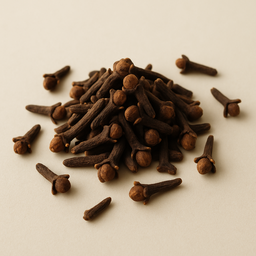
Cloves
Warm flower bud with an intense eugenol aroma
What is this ingredient?
Cloves (Syzygium aromaticum) are the dried, unopened flower buds of a tropical tree from Indonesia. The small buds have a remarkably concentrated aroma: warm, sweet, peppery and slightly bitter at the same time.
The main aromatic component is eugenol, a phenolic compound also found in smaller amounts in basil, cinnamon leaf and nutmeg. Eugenol gives cloves their recognizable scent, spicy sharpness and lightly tingling mouthfeel.
In cooking, cloves are usually used whole in stews, broths, rice, red cabbage, apple dishes and warm drinks. Because the flavor can quickly dominate, a few whole cloves are often enough for an entire preparation; remove them before serving when possible.
How does it taste?
Intensely warm, sweet and spicy, with peppery woody notes and a lightly tingling mouthfeel.
Pairs well with:
Pairs well with cinnamonnutmegapplehamorange and red wine.
Did you know...?
- Cloves are actually unopened flower buds of the Syzygium aromaticum tree.
- In the Chinese Han dynasty, court officials chewed cloves for fresh breath during audiences.
Nutritional Value & Energy
Per 100g
Cloves provides energy thanks to natural nutrients , buffered by fiber.
Per 100g
Minerals
Vitamins
Omega-3 fatty acids
More nutrients
Trace Minerals
What's in a serving?
Cloves naturally contain iron (11.83 mg per 100 g dried powder). At typical spice usage (3–9 g), the contribution is limited.
Cloves naturally contain vitamin K (141.8 mcg per 100 g dried powder). At typical spice usage (3–9 g), the contribution is limited.
Cloves naturally contain calcium (632 mg per 100 g dried powder). At typical spice usage (3–9 g), the contribution is limited.
Cloves naturally contain iron (11.83 mg per 100 g dried powder). At typical spice usage (3–9 g), the contribution is limited.
Cloves naturally contain magnesium (259 mg per 100 g dried powder). At typical spice usage (3–9 g), the contribution is limited.
Cloves naturally contain potassium (1020 mg per 100 g dried powder). At typical spice usage (3–9 g), the contribution is limited.
Cloves naturally contain vitamin K (141.8 mcg per 100 g dried powder). At typical spice usage (3–9 g), the contribution is limited.
% of daily reference intake (DRI)
EU-approved nutrition claims
This ingredient contains nutrients for which EFSA-authorized health claims exist at nutrient level, not specifically for cloves as an ingredient.
Approved health claims (EU)
Vitamin_k EU 432/2012
Vitamin K contributes to normal blood clotting
Contains 141.8mcg/100g (threshold: ≥11.25mcg/100g)
Vitamin_k EU 432/2012
Vitamin K contributes to the maintenance of normal bones
Contains 141.8mcg/100g (threshold: ≥11.25mcg/100g)
Comparison
vsmelk
Cloves contain about 5× more calcium per 100 g than milk — but you use much less cloves per serving.
vsspinazie
Cloves contain about 4× more iron per 100 g than spinach — but you use much less cloves per serving.
vsbanaan
Cloves contain about 3× more potassium per 100 g than banana — but you use much less cloves per serving.
What's being researched?
Eugenol in cloves
Eugenol, the main aromatic component of clove extract, is studied in laboratory research and in dental materials. Most data relate to extracts or oil, not normal culinary use.
Supported by: [3] Zych S (2024) , [2] Kamatou (2012)
Cloves and polyphenols
Cloves contain polyphenols such as eugenol and are often included in analyses of antioxidant capacity in spices. Such values describe laboratory measurements and do not translate one-to-one to a normal dish.
Supported by: [1] Chohan M (2008)
Good Combinations (Synergy)
Combine cloves smartly to enhance the effect:
Cloves 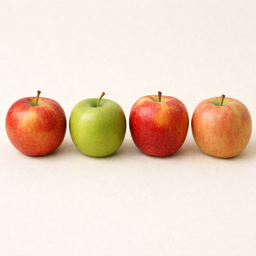 Apple
Apple Eugenol absorption 4x increased with fats
Technical: Cloves contain 80-90% eugenol in their essential oil — one of the particularly potent natural antioxidants (ORAC 290,283 per 100g). Eugenol is fat-soluble and poorly absorbed without fat. Olive oil dissolves eugenol and increases bioavailability up to 4x. Apple's pectin delays release for longer action.
What does this mean for you? Use cloves in combination with olive oil or in apple dishes. The fat or pectin helps your body absorb more eugenol from the cloves.
Cloves 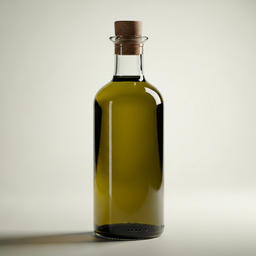 Olive Oil
 Eugenol absorption 4x increased with fats
Technical: Cloves contain 80-90% eugenol in their essential oil — one of the particularly potent natural antioxidants (ORAC 290,283 per 100g). Eugenol is fat-soluble and poorly absorbed without fat. Olive oil dissolves eugenol and increases bioavailability up to 4x. Apple's pectin delays release for longer action.
What does this mean for you? Use cloves in combination with olive oil or in apple dishes. The fat or pectin helps your body absorb more eugenol from the cloves.
Cloves 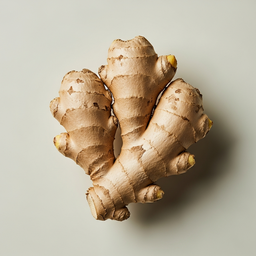 Ginger
 Eugenol + gingerols for dual gastrointestinal support
Technical: Clove's eugenol stimulates production of protective gastric mucus (gastroprotective) and inhibits H. pylori growth. Ginger's gingerols accelerate gastric emptying via 5-HT4 agonism. Clove-ginger tea is a traditional herbal drink for digestive support.
What does this mean for you? Clove-ginger tea is a traditional herbal drink. The clove protects your gastric lining, the ginger accelerates gastric emptying — together a complete duo for your digestion.
Cloves 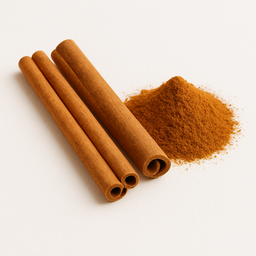 Cinnamon
 Eugenol + cinnamaldehyde for blood sugar and oral health
Technical: Clove contains eugenol (72-90% of oil) that inhibits α-glucosidase and α-amylase — enzymes that break down carbohydrates. Cinnamon's cinnamaldehyde activates AMPK for insulin-independent glucose uptake. Together they inhibit carbohydrate breakdown (clove) and improve glucose uptake in cells (cinnamon). Eugenol is also a particularly potent natural bioactive compound for the oral cavity (toothache remedy). Studies show clove + cinnamon lowers fasting glucose by 15-25%.
What does this mean for you? Add clove and cinnamon together to chai, poached pears or breakfast porridge. The combination is traditional in speculaas spices and significantly lowers the blood sugar spike of sweet dishes.
Recipes with Cloves
Discover delicious recipes featuring cloves:
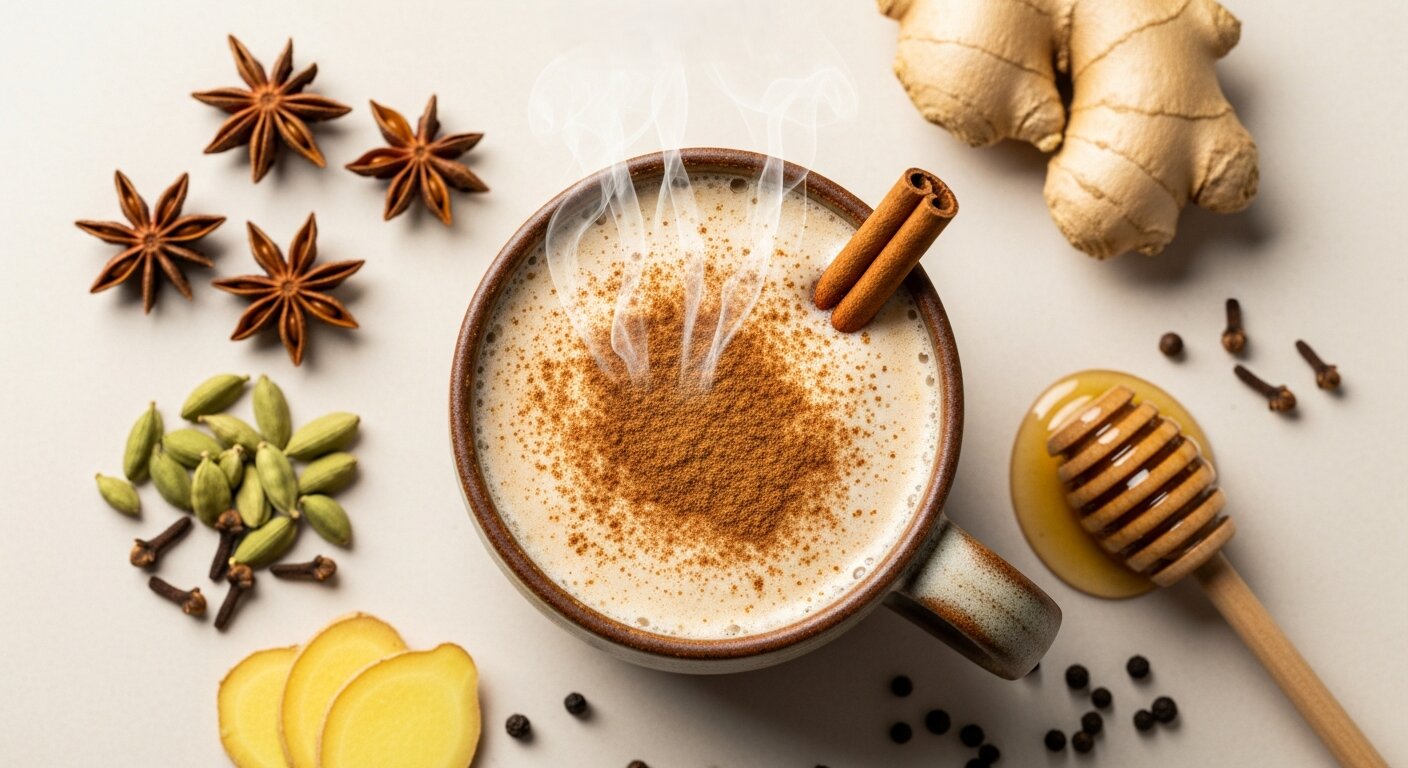 Spiced Chai Latte 20 min Indian spiced tea with black tea and warming spices
  120 kcal
  2g protein 2 synergies
 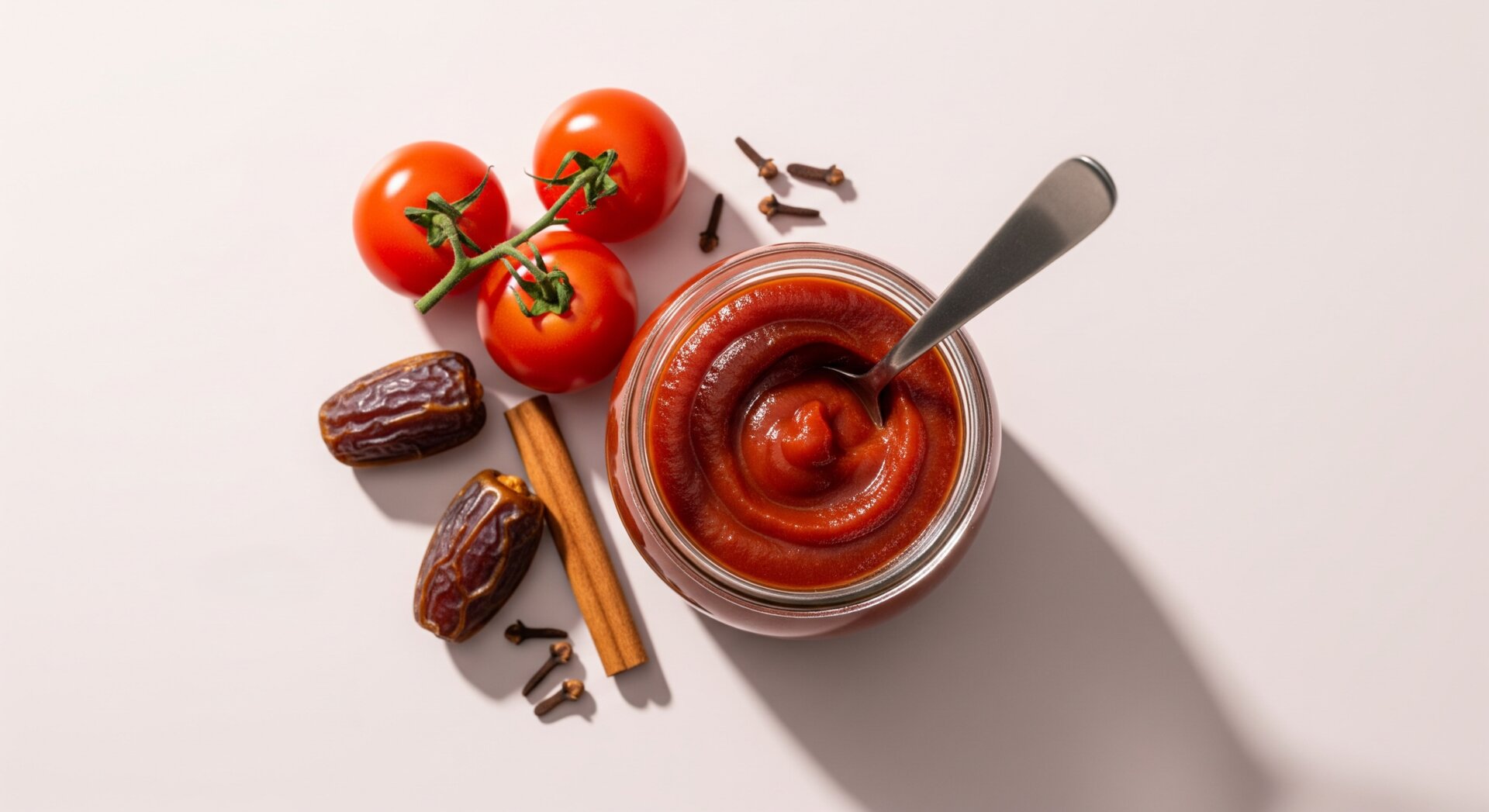 Homemade Ketchup 30 min With dates, spices and real tomato 25 kcal 0g protein 1 synergies
 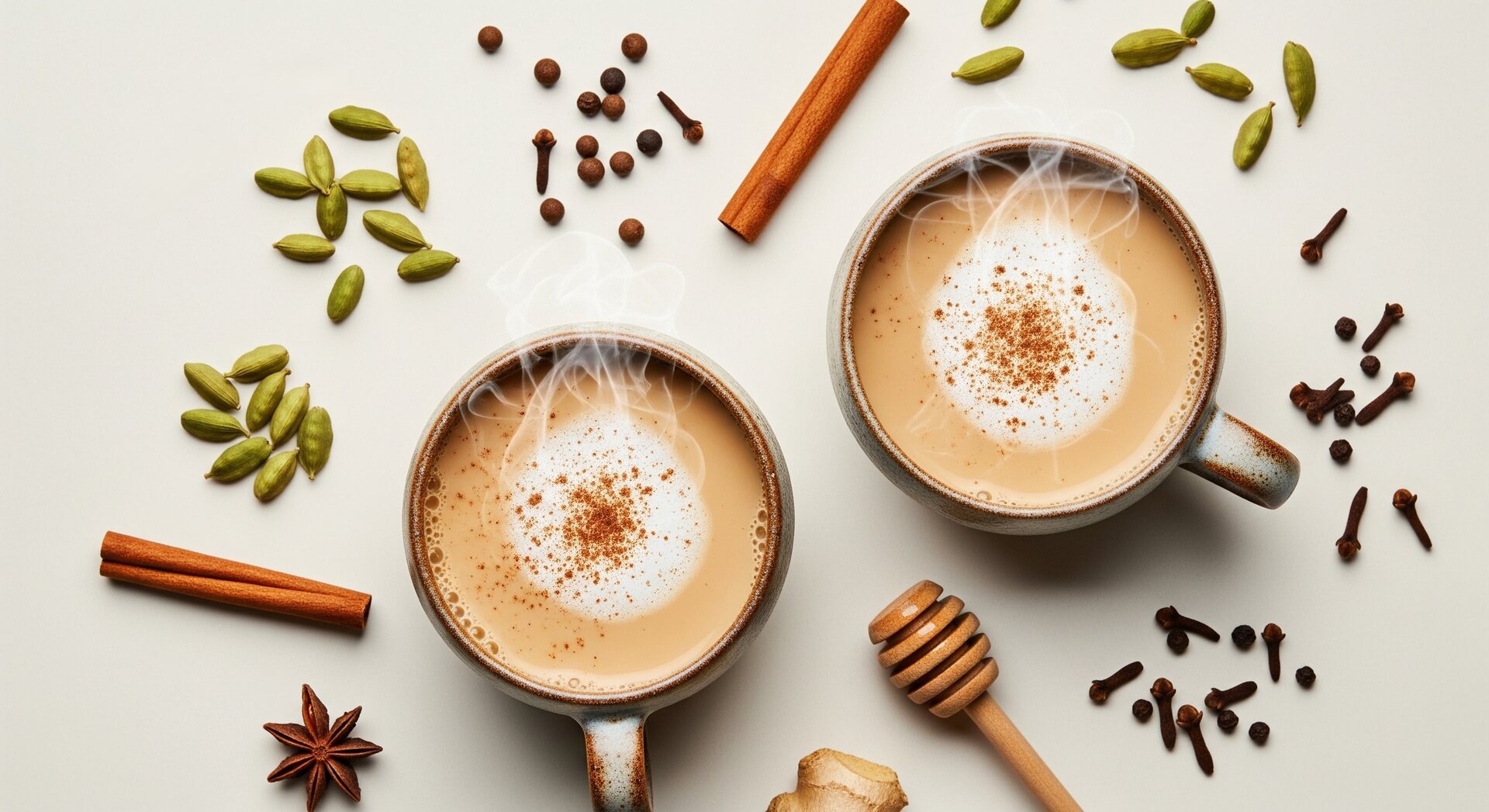 Indian Masala Chai with Coconut Milk 15 min Vegan chai latte with black tea, warm spices and coconut milk 264 kcal 3g protein 1 synergies
 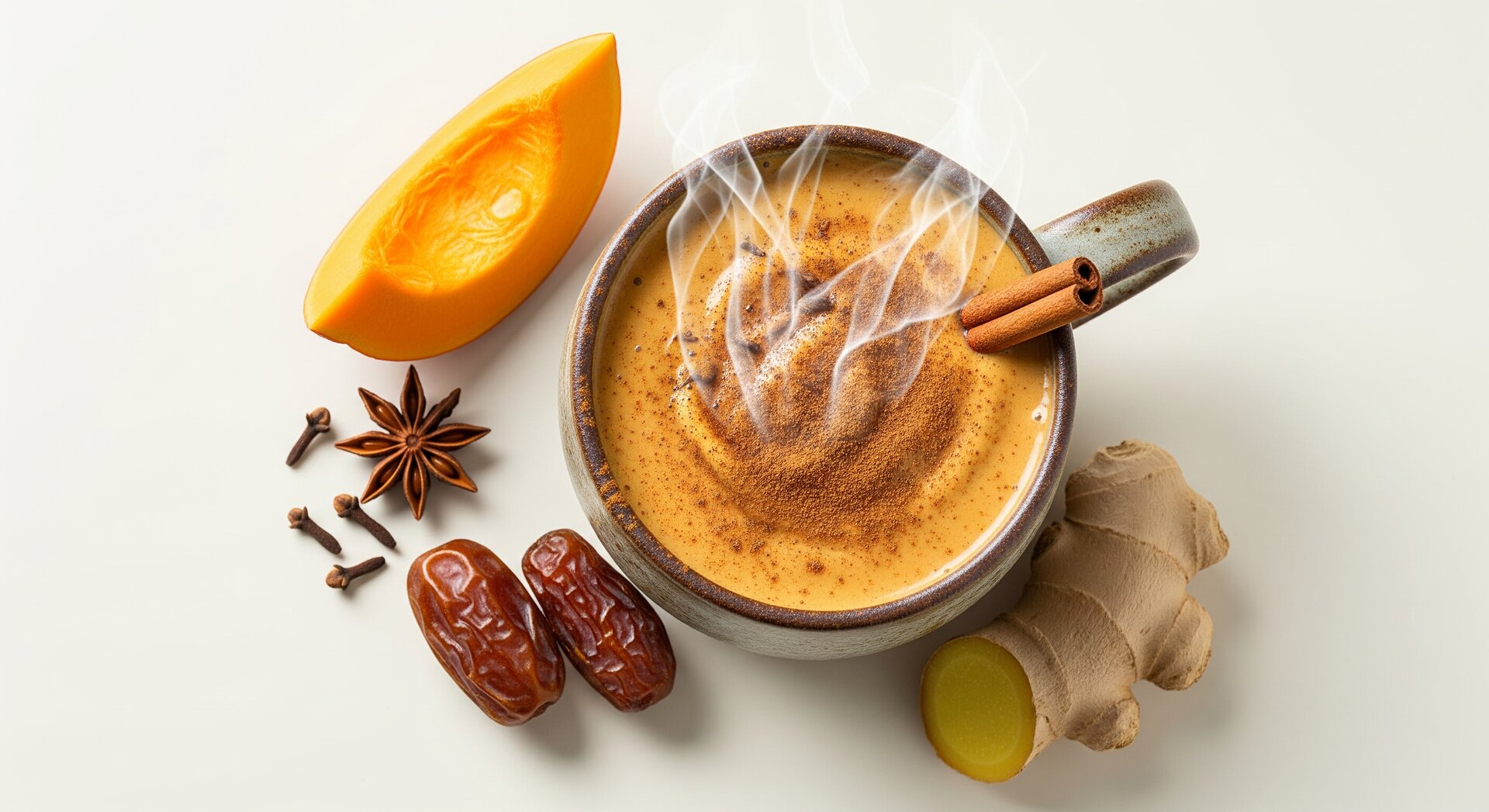 Pumpkin Chai Smoothie 5 min Autumnal smoothie with pumpkin, chai spices and dates 310 kcal 6g protein 2 synergies
 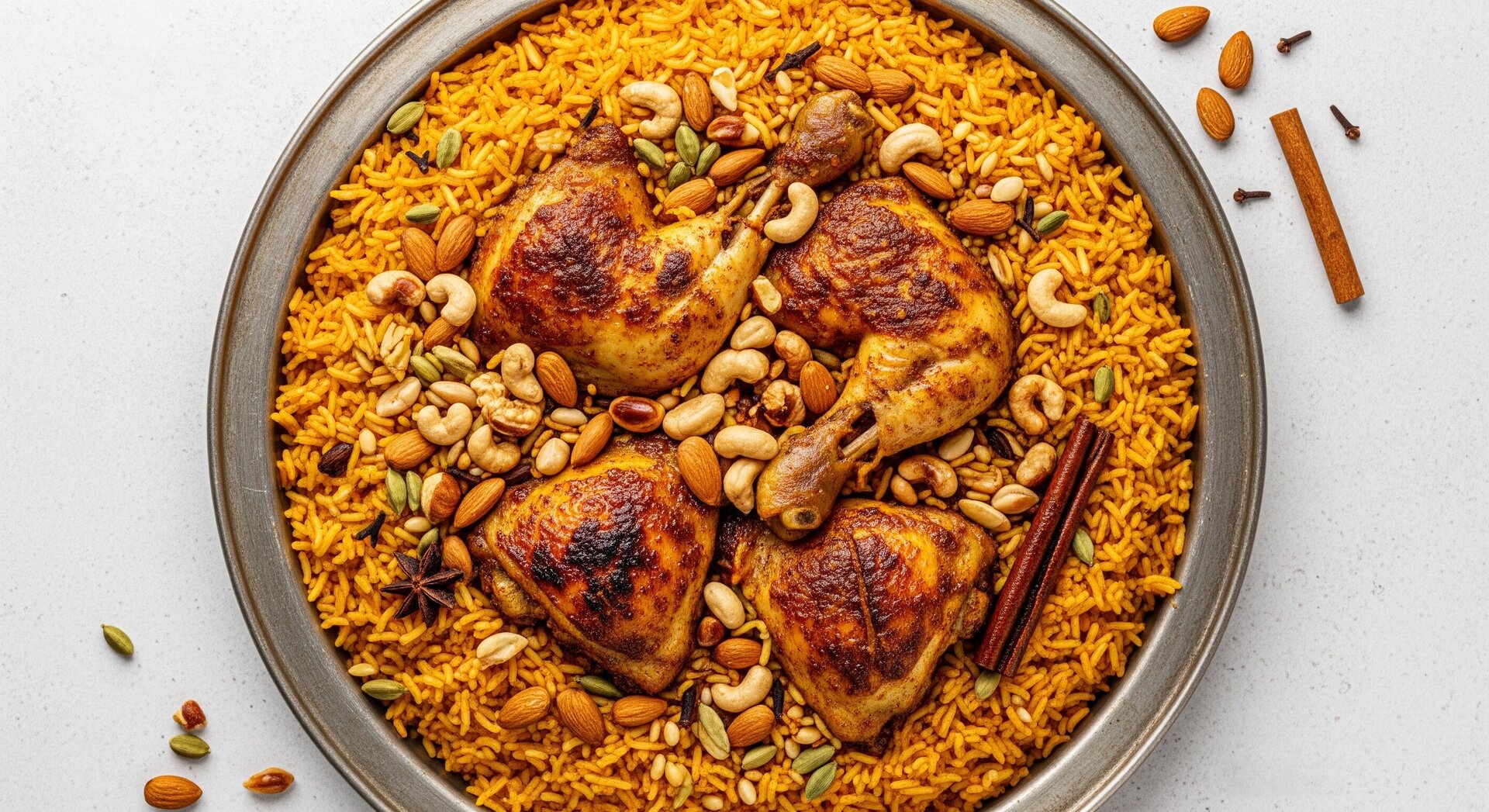 Saudi Kabsa with Chicken and Nuts 65 min Fragrant rice dish with chicken, cardamom, cinnamon and toasted nuts 690 kcal 36g protein 3 synergies
 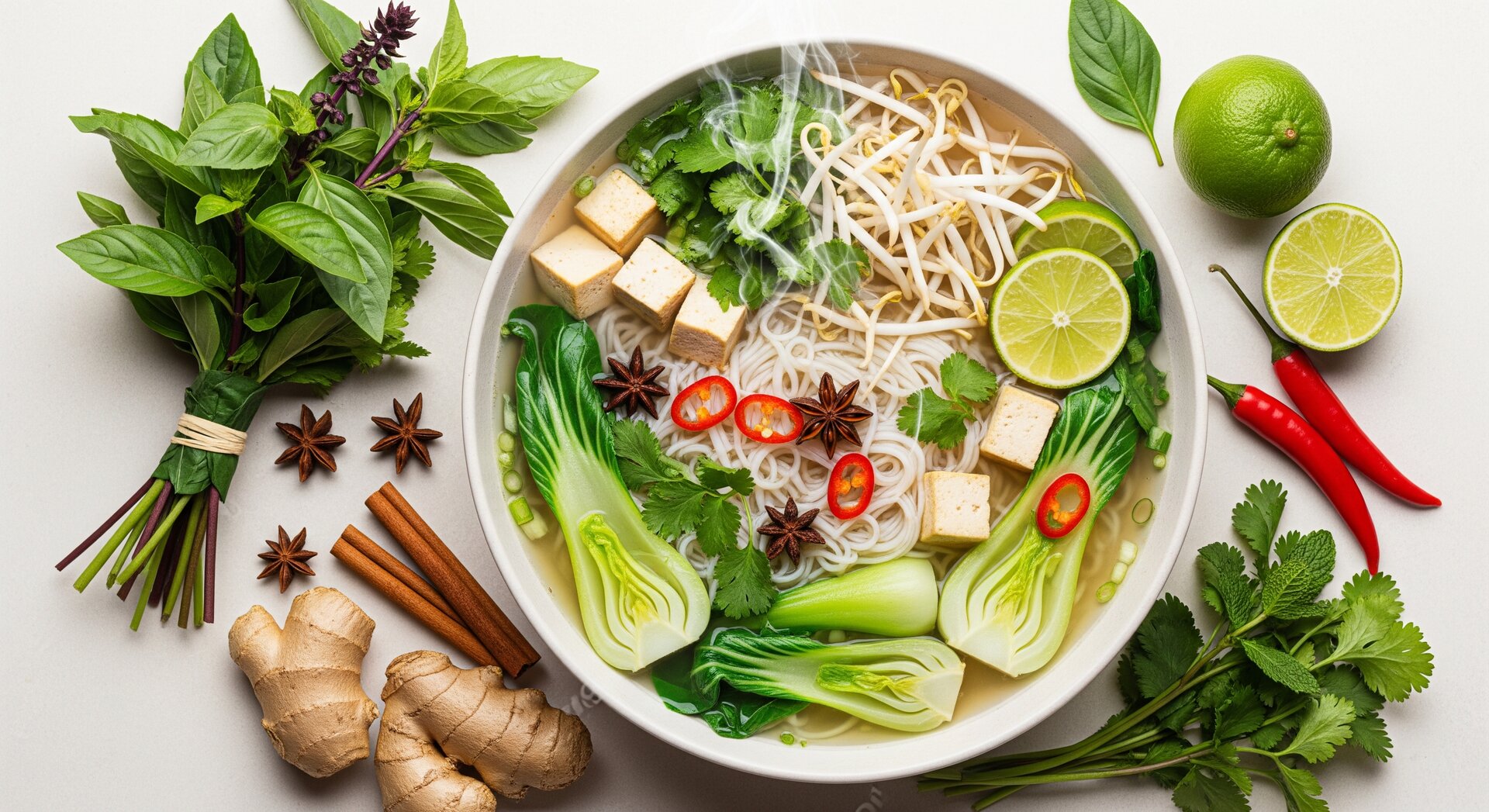 Vietnamese Pho with Tofu and Fresh Herbs 45 min Clear noodle soup with spiced broth, bok choy, lime and bean sprouts 320 kcal 14g protein 2 synergies
  In the Kitchen
Storage
Location:Pantry
Shelf life:2-3 jaar heel, 6 maanden gemalen
Store whole cloves dark, dry and airtight. Whole buds keep their aroma much longer than ground cloves; grind just before use.
Preparation
Use cloves whole in stews, broths, rice, red cabbage and warm drinks, and remove them before serving. Less is more: 2–4 cloves are often enough. Classic combination: apple, cloves and cinnamon for winter dishes.
Conversions
Substitutes
Smart preparation
1Use cloves sparingly: 2–3 pieces are often enough for a whole dish.
Why?
Cloves have a very intense flavor that quickly dominates.
2Stud an onion with cloves for broth and remove the onion before serving.
3Grind cloves fresh; pre-ground cloves quickly lose aroma.
Caution / Warnings
Cloves is very safe, but there are scientific considerations:
Blood thinners Moderate
Large amounts of cloves or concentrated clove oil may be relevant when using anticoagulant medication.
Advice:
Use culinary amounts and avoid concentrated clove oil without professional advice.
Liver problems Moderate
Concentrated clove oil contains a lot of eugenol and is not the same as normal use in food.
Advice:
Culinary amounts are usually limited. Avoid supplements or oil concentrates with liver conditions unless advised by a doctor.
Young children Moderate
Concentrated clove oil can irritate skin and mucous membranes, especially in young children.
Advice:
Do not use concentrated clove oil for children under 6. Keep whole cloves out of reach of young children.
Traditional use
Traditional Chinese Medicine
Ding xiang in Chinese food culture
Clove (ding xiang) has been known in China for centuries and was valued for its warm, spicy aroma. At the imperial court, officials are said to have chewed cloves for fresh breath during audiences.
Ayurveda
Lavanga in South Asian culinary traditions
In South Asia, clove is known as lavanga and is used in masalas, rice dishes, tea, sweets and festive spice blends for its warm and penetrating aroma.
Southeast Asian
Moluccan spice trade
Clove originates from the Moluccas in Indonesia, where the flower buds have been harvested for over 2,000 years. The spice later played a central role in historical trade between Southeast Asia, the Middle East and Europe.
Summary
Cloves are small, highly aromatic spices with warm notes of eugenol, pepper, wood and sweetness. Use them sparingly: 2–3 whole cloves can clearly perfume a stew, apple dish, mulled drink or broth. They pair classically with apple, cinnamon, orange and nutmeg.