- Medium
- 65 min
- 2 serv.
- 14 synergies
- Now at its best: Tomato
A classic kabsa with spiced rice, tender chicken thighs, tomato, carrot, warming spices and a topping of toasted almonds and pine nuts.
Kabsa is the kind of dish whose aroma announces itself before it reaches the table: cardamom, cinnamon, cloves, bay leaf and tomato simmer together into a deep, spiced broth. The chicken cooks first in that base, then the rice absorbs the same flavourful liquid until every grain becomes aromatic. Toasted almonds and pine nuts finish the dish with crunch and gentle nutty richness. The result feels festive yet homely: warm, fragrant and generous without becoming complicated.
- 15
- min prep
- 50
- min cook
- 65
- min total
Nutritional Synergies
This recipe combines ingredients that enhance each other:
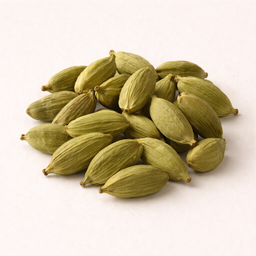 Cardamom pods
 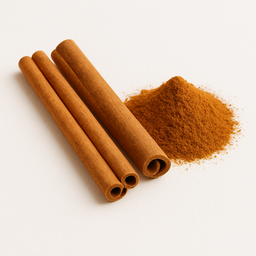 Cinnamon stick
 Glycemic support through spice mix
Technical: Cinnamon's MHCP increases insulin activity up to 20x by sensitizing insulin receptors. Cardamom's 1,8-cineole supports glucose tolerance via an independent mechanism (pancreatic beta-cell function). Together they support the glycemic response via two pathways.
What does this mean for you? Cinnamon + cardamom in oatmeal or chai provides dual glycemic support. Both spices support the glycemic response — together via two independent pathways.
Blood SugarEnergy
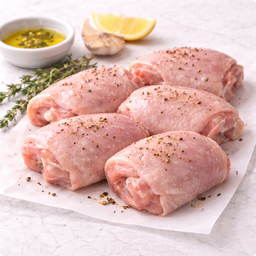 Boneless chicken thighs
 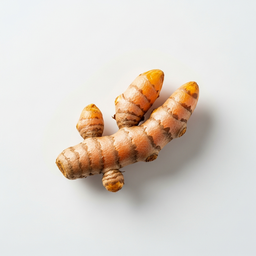 Turmeric
 Thigh fat increases curcumin absorption for joint and bioactive support
Technical: Chicken thighs contain 10-14g fat per 100g (more than breast: 3g), of which 30% MUFA and 20% PUFA. This higher fat content creates superior micelles for curcumin absorption compared to lean meat. Curcumin (diferuloylmethane) is studied in research in connection with NF-κB and COX-2 signaling (IC50 1-5μM). The iron in chicken thighs (1.3mg/100g heme iron) is protected from oxidation by curcumin's iron-chelating properties.
What does this mean for you? Chicken thighs with turmeric (yellow braised) works better than chicken breast with turmeric — the extra fat from the thighs dissolves more curcumin. Perfect for a curry or roasted chicken thighs with turmeric paste.
Anti-inflammatoryJointsImmune System
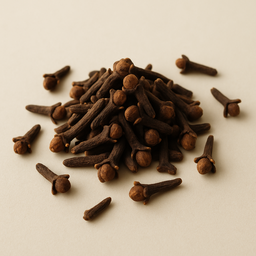 Cloves
 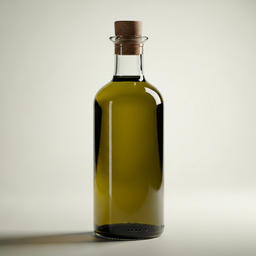 Olive oil
 Eugenol absorption 4x increased with fats
Technical: Cloves contain 80-90% eugenol in their essential oil — one of the particularly potent natural antioxidants (ORAC 290,283 per 100g). Eugenol is fat-soluble and poorly absorbed without fat. Olive oil dissolves eugenol and increases bioavailability up to 4x. Apple's pectin delays release for longer action.
What does this mean for you? Use cloves in combination with olive oil or in apple dishes. The fat or pectin helps your body absorb more eugenol from the cloves.
Anti-inflammatoryImmune System
Cloves Cinnamon stick Eugenol + cinnamaldehyde for blood sugar and oral health
Technical: Clove contains eugenol (72-90% of oil) that inhibits α-glucosidase and α-amylase — enzymes that break down carbohydrates. Cinnamon's cinnamaldehyde activates AMPK for insulin-independent glucose uptake. Together they inhibit carbohydrate breakdown (clove) and improve glucose uptake in cells (cinnamon). Eugenol is also a particularly potent natural bioactive compound for the oral cavity (toothache remedy). Studies show clove + cinnamon lowers fasting glucose by 15-25%.
What does this mean for you? Add clove and cinnamon together to chai, poached pears or breakfast porridge. The combination is traditional in speculaas spices and significantly lowers the blood sugar spike of sweet dishes.
Blood SugarImmune System
Turmeric 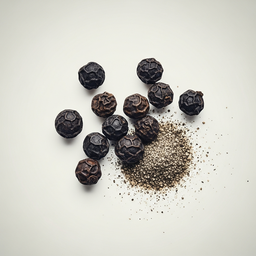 Black pepper
 Increases curcumin absorption by 2000%
Technical: Curcumin from turmeric has bioavailability below 1% due to rapid glucuronidation in the liver. Piperine from black pepper inhibits UGT (UDP-glucuronosyltransferase) and CYP3A4, preventing curcumin breakdown. This increases bioavailability by 2000% (20x). Use ratio ¼ teaspoon pepper to 1 teaspoon turmeric.
What does this mean for you? ALWAYS add black pepper when using turmeric. Without pepper your body absorbs virtually nothing — with pepper 20x more. This is the most important food synergy there is.
Anti-inflammatoryJointsFocus
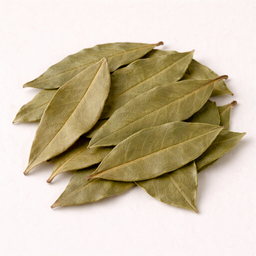 Bay leaf Cinnamon stick
 Glycemic supporting herbs for stews
Technical: Bay leaf contains 1,8-cineole and linalool that support the glycemic response via delayed carbohydrate digestion. Cinnamon's MHCP supports insulin signaling. Both herbs contain polyphenols with antioxidant action.
What does this mean for you? Bay leaf + cinnamon stick in stews — the herbs support your glycemic response and their compounds slowly leach into the cooking liquid.
Blood SugarDigestion
Bay leaf 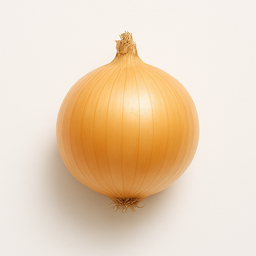 Onion
Onion Cineole + quercetin: aromatic broth base
Technical: Bay leaf contains 1,8-cineole (eucalyptol, 50% of oil), an aromatic compound. Onion's quercetin (20mg/100g) is a flavonoid. Bay leaf also contains parthenolide, studied in research in relation to COX signaling. The combination is the base of broth and stews in every Mediterranean cuisine.
What does this mean for you? Always add bay leaves together with onions as the base of your broth or stew. The combination gives a warm, aromatic base to any dish.
Immune SystemAnti-inflammatory
Olive oil 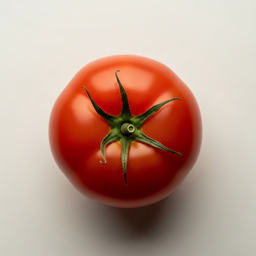 Tomato
 Mediterranean golden rule: fat increases lycopene absorption 4x
Fat significantly increases lycopene bioavailability (PMID: 15927929)
Technical: Tomatoes contain lycopene (3-7mg per 100g), a carotenoid with strong antioxidant action. Lycopene is fat-soluble with only 10-15% absorption without fat. Olive oil increases this to 40-60% (2.5-4x improvement). Cooking further increases lycopene bioavailability.
What does this mean for you? Always add olive oil to tomato dishes — sauces, salads, bruschetta. This is why Mediterranean cuisine is so healthy. Cooked tomatoes with olive oil = maximum lycopene.
HeartSkin & Hair
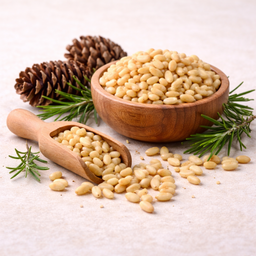 Pine nuts Olive oil
 Pinolenic acid + oleic acid for extreme appetite suppression
Technical: Pine nuts contain 14-19% pinolenic acid that increases CCK (cholecystokinin, satiety hormone) release by 60%. Olive oil's oleic acid stimulates OEA (oleoylethanolamide) production triggering a satiety signal via PPARα. Two independent satiety pathways that together strongly suppress appetite.
What does this mean for you? Eat pesto (pine nuts + olive oil) with your meal. The two ingredients each activate a different satiety hormone, making you feel full faster and longer.
Weight LossDigestion
Onion Tomato Quercetin + lycopene: synergistic polyphenol-carotenoid combination
Technical: Quercetin from onion (20-40mg/100g) and lycopene from tomato (2573μg/100g) work through different mechanisms. Quercetin chelates metal ions and modulates lipid peroxidation, lycopene quenches singlet oxygen. Combined polyphenols and carotenoids work synergistically — the combination works through complementary mechanisms.
What does this mean for you? Tomato sauce with onion is the base of nearly every Mediterranean cuisine — and rightly so. Quercetin and lycopene enhance each other's action through complementary biochemical pathways. Cooking in olive oil makes carotenoids more absorbable.
HeartAnti-inflammatory
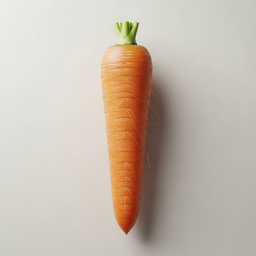 Carrot Olive oil
 Up to 5x more beta-carotene absorption
Technical: Carrot contains 8285μg beta-carotene per 100g, but bioavailability from raw carrot is only 3-4%. Heating + olive oil increases this to 20-25%. Oleic acid (73% of olive oil) forms mixed micelles that efficiently transport beta-carotene to enterocytes for absorption.
What does this mean for you? Roast carrots with olive oil or eat them in a salad with dressing. Without fat you absorb only 3% of beta-carotene — with olive oil up to 5x more.
Skin & HairFocusImmune System
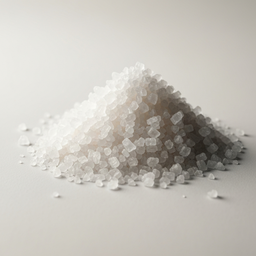 Sea salt Tomato
 Minerals improve flavor perception and electrolyte balance
Technical: Sea salt contains trace minerals (magnesium, potassium, calcium) besides sodium. Tomato is rich in potassium (237mg/100g) and lycopene. Avocado adds magnesium (29mg) and potassium (485mg). Together they form a broad electrolyte profile: sodium (salt) + potassium (tomato/avocado) + magnesium (avocado) — essential for fluid balance and nerve function.
What does this mean for you? Sprinkle tomato and avocado with a pinch of sea salt. This is more than flavor — the minerals complement each other for a complete electrolyte balance.
HeartEnergy
Sea salt Olive oil Minerals + polyphenols for cellular balance
Technical: Sea salt's sodium is essential for the sodium-potassium pump (Na+/K+-ATPase) that regulates every body cell. Olive oil's oleuropein and hydroxytyrosol provide antioxidant protection for cell membranes. The combination supports cell integrity: sea salt regulates ion balance, olive oil protects the membrane. In Mediterranean cuisine, coarse sea salt + olive oil is the most basic flavor profile.
What does this mean for you? Freshly ground sea salt with extra virgin olive oil is the simplest and most nutritious finishing of any dish. The combination provides the basic needs of your cells: minerals for function, polyphenols for protection.
HeartGeneral Wellness
Black pepper Olive oil Fat increases piperine absorption and enhances polyphenols
Technical: Piperine is fat-soluble and absorbed 2-3x better with dietary fat. Olive oil's oleocanthal and piperine both modulate COX signal transduction through different mechanisms, providing additive bioactive effect.
What does this mean for you? Grind fresh pepper over salads with olive oil dressing. The combination enhances both pepper absorption and bioactive action.
Anti-inflammatoryHeartDigestion
Ingredients (16)
- Boneless chicken thighs — 300 g cut into large pieces
-
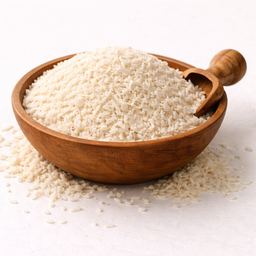 Basmati rice — 140 g weighed dry, rinsed well
 - Tomato — 200 g finely chopped
- Onion — 150 g diced
Instructions
- 1 Rinse the rice 3 times until the water is almost clear. Let it drain while you prepare the chicken.
- 2 Season the chicken with turmeric, black pepper and half the salt. Heat 10 ml olive oil in a heavy pot and brown the chicken for 5 minutes on all sides. Remove from the pot.
Nutrition per serving
Indicative values per serving.
Timing & Suitability
Shelf life: 3 days in fridge
Tags & Diet
Allergens: Nuts