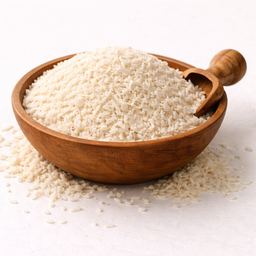
Rice
the staple food of half the world
What is this ingredient?
Rice has been cultivated for over 10,000 years and is the foundation of countless cuisines, from Asia to South America. White rice is polished: the bran layer and germ are removed, making it less nutritious than brown rice but longer-lasting. An interesting phenomenon is 'resistant starch': when you cook rice, let it cool, and reheat it, some of the starch converts to a fiber-like form that feeds your gut bacteria and reduces the blood sugar spike.
How does it taste?
Neutral and mild with a soft texture. Versatile base for any dish.
Pairs well with:
Pairs well with soy saucebutterherbsvegetables and legumes.
Did you know...?
- Rice is the staple food for more than half of the world's population.
- In many Asian languages, the word for 'rice' is the same as the word for 'food' or 'meal'.
Nutritional Value & Energy
Per 100g
Rice provides energy thanks to natural nutrients .
Per 100g
Minerals
Vitamins
Omega-3 fatty acids
More nutrients
B-Vitamins
Trace Minerals
What's in a serving?
1 serving (dry)
Rice naturally contains manganese (1.09 mg per 100 g).
Rice naturally contains selenium (15.1 mcg per 100 g).
Rice naturally contains phosphorus (115 mg per 100 g).
Rice naturally contains copper (0.22 mg per 100 g).
% of daily reference intake (DRI)
EU-approved nutrition claims
This ingredient contains nutrients for which EFSA-authorized health claims exist (at nutrient level, not ingredient-specific).
Approved health claims (EU)
Phosphorus EU 432/2012
Phosphorus contributes to normal energy-yielding metabolism
Contains 115mg/100g (threshold: ≥105mg/100g)
Phosphorus EU 432/2012
Phosphorus contributes to the normal function of cell membranes
Contains 115mg/100g (threshold: ≥105mg/100g)
Phosphorus EU 432/2012
Phosphorus contributes to the maintenance of normal bones
Contains 115mg/100g (threshold: ≥105mg/100g)
Phosphorus EU 432/2012
Phosphorus contributes to the maintenance of normal teeth
Contains 115mg/100g (threshold: ≥105mg/100g)
Copper EU 432/2012
Copper contributes to the maintenance of normal connective tissues
Contains 0.22mg/100g (threshold: ≥0.15mg/100g)
Copper EU 432/2012
Copper contributes to normal energy-yielding metabolism
Contains 0.22mg/100g (threshold: ≥0.15mg/100g)
Copper EU 432/2012
Copper contributes to normal functioning of the nervous system
Contains 0.22mg/100g (threshold: ≥0.15mg/100g)
Copper EU 432/2012
Copper contributes to normal hair pigmentation
Contains 0.22mg/100g (threshold: ≥0.15mg/100g)
Copper EU 432/2012
Copper contributes to normal iron transport in the body
Contains 0.22mg/100g (threshold: ≥0.15mg/100g)
Copper EU 432/2012
Copper contributes to normal skin pigmentation
Contains 0.22mg/100g (threshold: ≥0.15mg/100g)
Copper EU 432/2012
Copper contributes to the normal function of the immune system
Contains 0.22mg/100g (threshold: ≥0.15mg/100g)
Copper EU 432/2012
Copper contributes to the protection of cells from oxidative stress
Contains 0.22mg/100g (threshold: ≥0.15mg/100g)
Manganese EU 432/2012
Manganese contributes to normal energy-yielding metabolism
Contains 1.09mg/100g (threshold: ≥0.3mg/100g)
Manganese EU 432/2012
Manganese contributes to the maintenance of normal bones
Contains 1.09mg/100g (threshold: ≥0.3mg/100g)
Manganese EU 432/2012
Manganese contributes to the normal formation of connective tissue
Contains 1.09mg/100g (threshold: ≥0.3mg/100g)
Manganese EU 432/2012
Manganese contributes to the protection of cells from oxidative stress
Contains 1.09mg/100g (threshold: ≥0.3mg/100g)
Selenium EU 432/2012
Selenium contributes to the maintenance of normal hair
Contains 15.1mcg/100g (threshold: ≥8.25mcg/100g)
Selenium EU 432/2012
Selenium contributes to the maintenance of normal nails
Contains 15.1mcg/100g (threshold: ≥8.25mcg/100g)
Selenium EU 432/2012
Selenium contributes to the normal function of the immune system
Contains 15.1mcg/100g (threshold: ≥8.25mcg/100g)
Selenium EU 432/2012
Selenium contributes to normal thyroid function
Contains 15.1mcg/100g (threshold: ≥8.25mcg/100g)
Selenium EU 432/2012
Selenium contributes to normal spermatogenesis
Contains 15.1mcg/100g (threshold: ≥8.25mcg/100g)
Selenium EU 432/2012
Selenium contributes to the protection of cells from oxidative stress
Contains 15.1mcg/100g (threshold: ≥8.25mcg/100g)
What's being researched?
Rice consumption and metabolic health
The relationship between rice consumption and type 2 diabetes risk is studied globally. Meta-analyses show geographic variation, with stronger associations in Asian populations with high consumption.
Supported by: [2] Hu (2012) , [1] Higgins (2004)
Good Combinations (Synergy)
Combine rice smartly to enhance the effect:
Rice 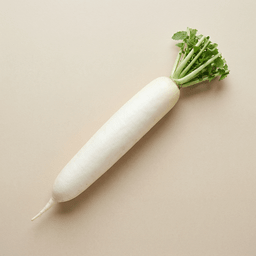 Daikon (Japanese Radish)
 Digestive enzymes improve starch digestion of rice
Daikon amylase and diastase support enzymatic starch digestion
Technical: Daikon contains natural amylase and diastase enzymes that break down starch into maltose and glucose. This supports rice digestion, especially for people with weak digestion. Traditional Japanese combination where daikon is served with rice meals.
What does this mean for you? The Japanese habit of eating grated daikon with rice is scientifically sound. It helps digest rice better and reduces bloating.
Rice 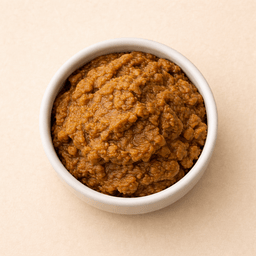 Doenjang (Korean soybean paste)
 Fermentation enzymes increase isoflavone bioavailability
β-glucosidase in doenjang increases aglycone isoflavones with better absorption (PMID: 30035387)
Technical: Doenjang contains β-glucosidase enzymes from fermentation converting isoflavone glycosides to bioactive aglycones (genistein, daidzein). Rice as traditional carrier slows gastric emptying, allowing longer enzymatic action and improving absorption.
What does this mean for you? Doenjang jjigae with rice is traditional Korean comfort food that is scientifically sound. The rice helps absorb the bioactive isoflavones better.
Rice 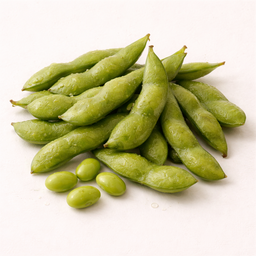 Edamame
 Complete protein combination (legume + grain)
Technical: Edamame (immature soybeans) contains 11g protein per 100g with high lysine content (0.9g) but relatively low methionine. Rice provides methionine and cysteine but lacks lysine. Together they reach a PDCAAS (protein quality score) close to 1.0 — comparable to animal protein. This is the biochemical basis of the Japanese bento.
What does this mean for you? Serve edamame alongside sushi rice or regular rice — this is why it's served as a side dish in every Japanese restaurant. You get complete proteins without meat.
Rice 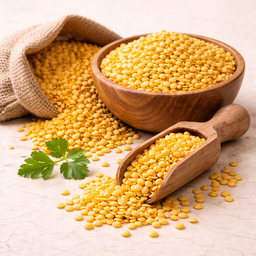 Yellow lentils
 Lentils + rice together form a complete protein profile
Technical: Yellow lentils are rich in lysine but low in methionine, while rice contains plenty of methionine but little lysine. Together they provide all essential amino acids in proper ratios — comparable to animal protein.
What does this mean for you? Dal with rice (khichdi) has been a staple meal in India for thousands of years — and rightly so. It's a complete protein without meat.
Rice 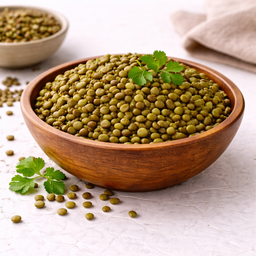 Green Lentils
 Complete protein combination in classic mujadara
Technical: Green lentils contain 9g protein per 100g (cooked) with high lysine content but low methionine. Bulgur (cracked wheat) provides methionine and cysteine. The combination forms a complete amino acid profile. Additionally, lentils provide soluble fiber, while bulgur contributes insoluble fiber for intestinal transit. This is the basis of Mujadara, an ancient Middle Eastern dish.
What does this mean for you? Cook green lentils with bulgur and caramelized onions for authentic Mujadara. This dish provides complete proteins and is one of the cheapest, most nutritious meals in the world — a Biblical and Quranic dish for good reason.
Rice 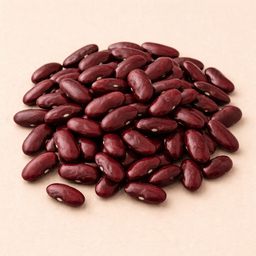 Kidney beans
 Complete protein combination — red beans + rice
Technical: Kidney beans contain 8.7g protein per 100g (cooked) with high lysine but low methionine. Rice provides methionine and cysteine but lacks lysine. Together they reach a PDCAAS close to 1.0. This is the biochemical basis of "red beans and rice" — a dish independently developed in Caribbean, Latin American and African cuisines. The 6.4g fiber from kidney beans slows starch digestion from rice.
What does this mean for you? Red beans with rice is one of the most efficient plant-based protein combinations in the world. No coincidence that so many cultures independently discovered this — it's biochemically optimal.
Rice 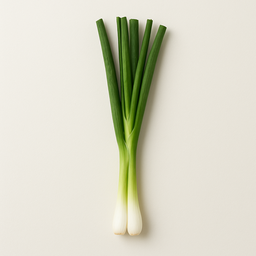 Spring Onion
 Allyl sulfides slow glycemic response of rice
Technical: Green onion's allyl sulfides and quercetin inhibit α-glucosidase and slow carbohydrate breakdown. This reduces the postprandial glycemic peak after rice consumption by 15-20%. Green onion also contains chromium (1.1μg/100g) involved in GLUT4 translocation.
What does this mean for you? Always garnish rice dishes with green onion — this slows the glycemic response. Classic in Asian cuisine, especially for those mindful of carbohydrate processing.
Rice 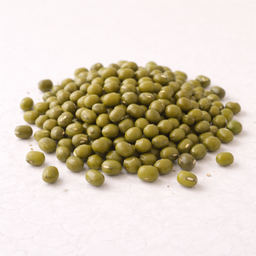 Mung Beans
 Complete protein combination with low glycemic index
Technical: Mung beans are rich in lysine but low in methionine; rice is the opposite. Together they form a complete protein with all 9 essential amino acids. The low GI of mung beans (31) combined with rice results in a lower total glycemic response than rice alone. This is the basis of khichdi, a traditional Indian comfort food.
What does this mean for you? Combine mung beans with rice for a complete protein meal without meat. You get all the amino acids you need. Perfect for vegetarians, athletes, or just as a healthy meal base.
Rice 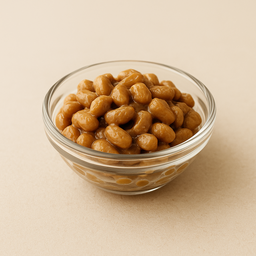 Natto
Natto Traditional Japanese breakfast: K2 + complete proteins
Technical: Natto is the richest K2 source (1100μg per 100g) and contains nattokinase (a fibrinolytic enzyme). Rice complements the amino acids (natto low in methionine, rice provides this). The slimy texture of natto is balanced by rice. This is the standard Japanese breakfast.
What does this mean for you? Eat natto over warm rice with a little soy sauce and mustard. The texture grows on you quickly and the nutritional value is impressive: 1100μg vitamin K2 per 100g natto, plus complete protein through the rice combination.
Rice 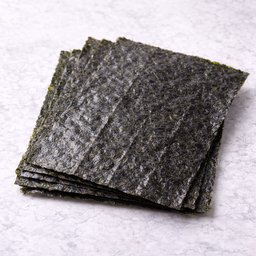 Nori
Nori Complete amino acids through seaweed + grain combination
Technical: Nori is exceptionally rich in iodine (16-43μg per sheet), vitamin B12 (rare in plant sources), and contains all essential amino acids but in small amounts. Rice provides carbohydrates for energy and methionine (an amino acid nori is low in). Together they form a more complete amino acid profile and deliver both quick energy and essential micronutrients.
What does this mean for you? Sushi (nori + rice) isn't just tasty — it's one of the oldest and smartest food combinations in the world. The Japanese tradition of nori around rice is scientifically a perfect match.
Rice 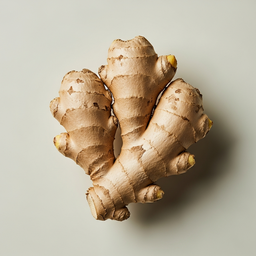 Ginger
 Ginger lowers glycemic response of rice by 10-15%
Technical: Rice has a moderate to high GI (56-89 depending on variety). Ginger contains gingerols that modulate amylase activity and influence gastric emptying, reducing the glycemic peak by 10-15%. This has been demonstrated for jasmine rice but applies to all rice varieties.
What does this mean for you? Cook ginger slices in your rice or serve rice with ginger dishes. A simple addition with measurable effect on your blood sugar.
Rice 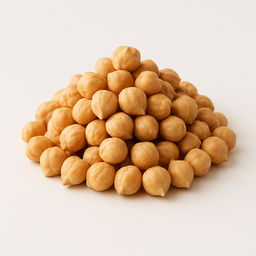 Chickpeas
 Complete proteins through amino acid complementation
Technical: Rice is low in lysine but rich in methionine and cysteine. Chickpeas are exactly the opposite. Together they form a complete protein profile with all 9 essential amino acids, comparable to meat. This is the basis of Indian 'rajma chawal' and Middle Eastern rice dishes.
What does this mean for you? Serve rice with chickpea curry or hummus. You don't need to eat them in the same meal — within 24 hours is sufficient for complementation.
Rice 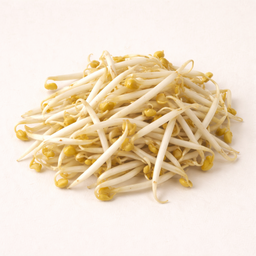 Bean Sprouts (Mung)
 Amylase enzymes from sprouts improve starch digestion
Technical: Bean sprouts (sprouted mung beans) contain active α-amylase and other hydrolytic enzymes activated during germination. These break starch chains (amylose and amylopectin) into maltose and glucose. This lowers the glycemic index of rice by 15-20% and slows the postprandial glycemic response.
What does this mean for you? Add bean sprouts to your rice dish (nasi goreng, fried rice). Sprout enzymes help break down rice starch, slowing the glycemic response. A classic Asian combination with nutritional backing.
Rice 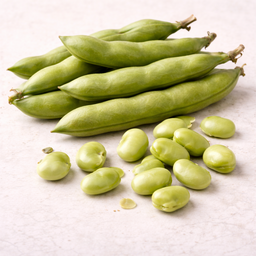 Fava Beans
 Complete protein source through amino acid complementation
Technical: Fava beans are rich in lysine but low in methionine. Rice is the opposite. Together they form complete protein with all 9 essential amino acids.
What does this mean for you? Serve fava beans with rice (classic in Persian and Egyptian cuisine). Vegetarian complete protein source.
Rice 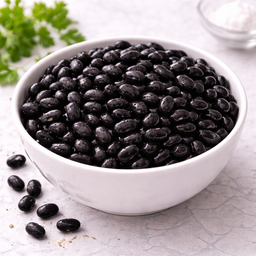 Black Beans
 Complete protein combination in frijoles negros
Technical: Black beans are rich in lysine (1.5g per 100g) but low in methionine — the limiting amino acid in legumes. Rice provides methionine and cysteine but lacks lysine. Together they reach a PDCAAS of ~0.9, comparable to egg. Black beans also contain anthocyanins (same antioxidants as blueberries).
What does this mean for you? Black beans with rice (frijoles negros con arroz) is the national dish of Cuba, Brazil and all of Latin America. This isn't just tradition but also optimal nutrition — complete protein, fiber, antioxidants and slow energy. Add cilantro and lime for extra vitamin C.
Recipes with Rice
Discover delicious recipes featuring rice:
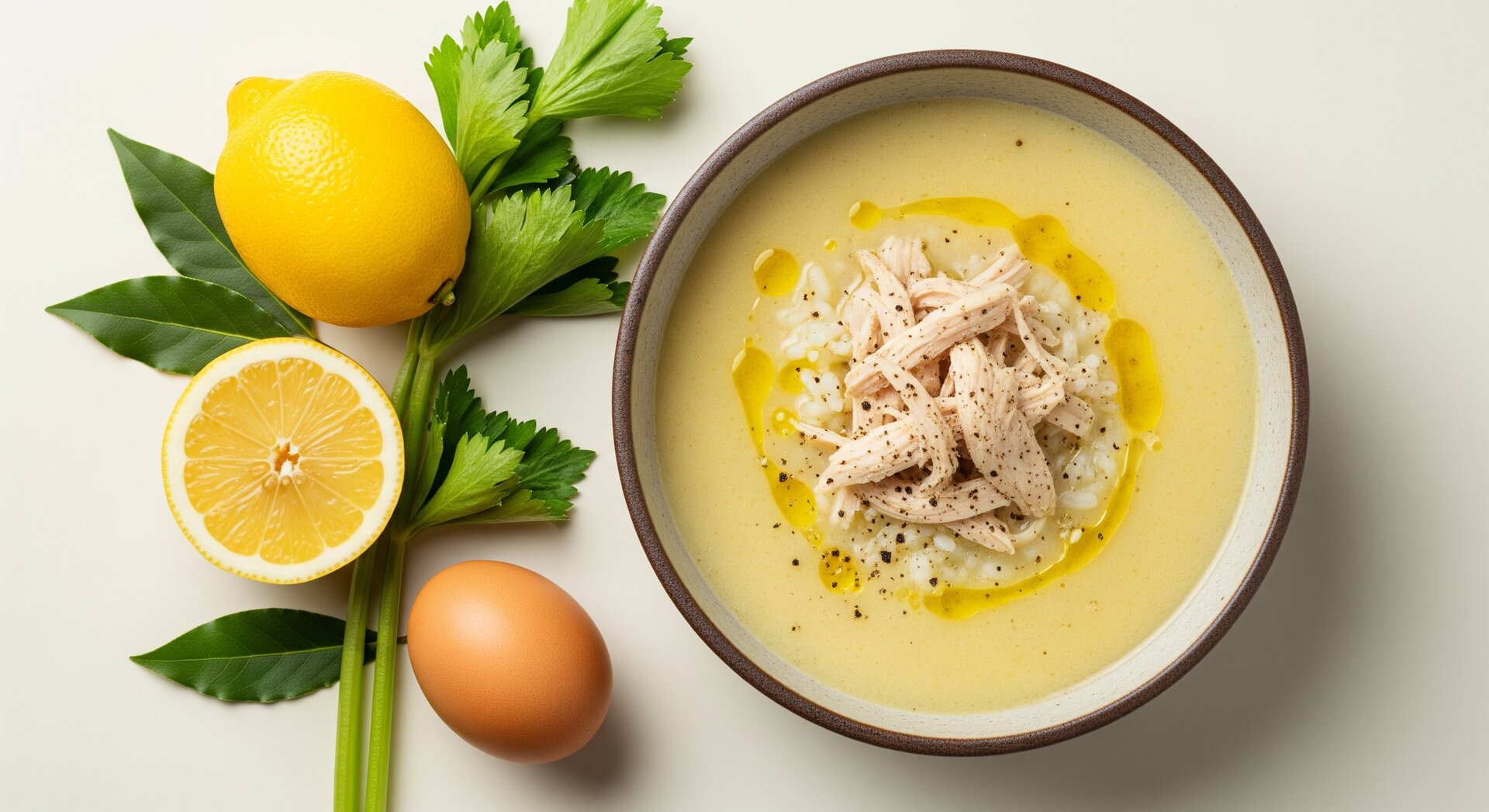 Avgolemono - Greek Lemon-Egg Soup with Chicken 40 min Velvety Greek soup with chicken, rice, lemon and egg
  410 kcal
  34g protein 3 synergies
 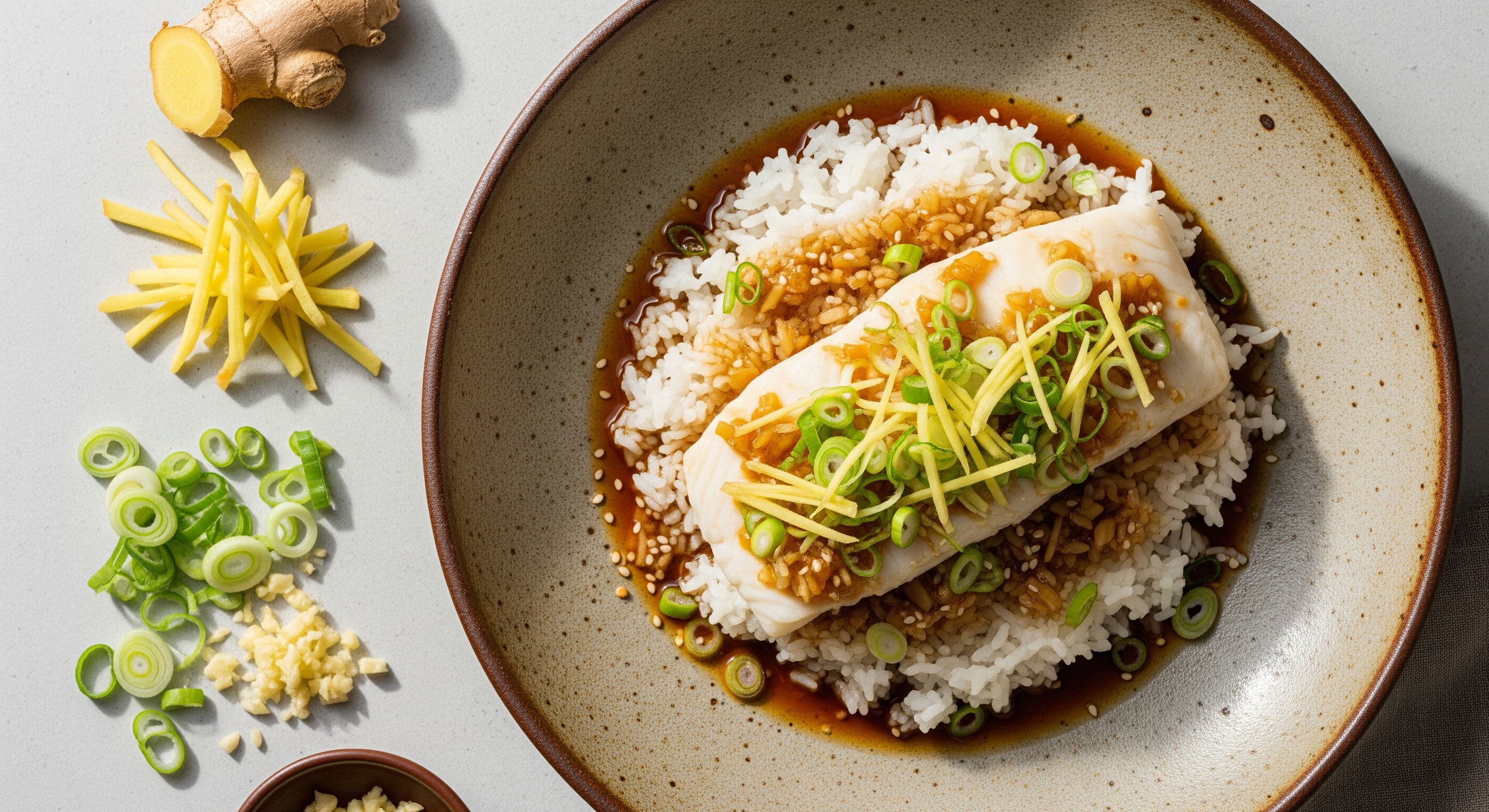 Steamed Fish with Ginger and Soy Sauce on Rice 25 min Light Cantonese classic with fresh ginger, soy sauce and sesame oil 580 kcal 36g protein 2 synergies
 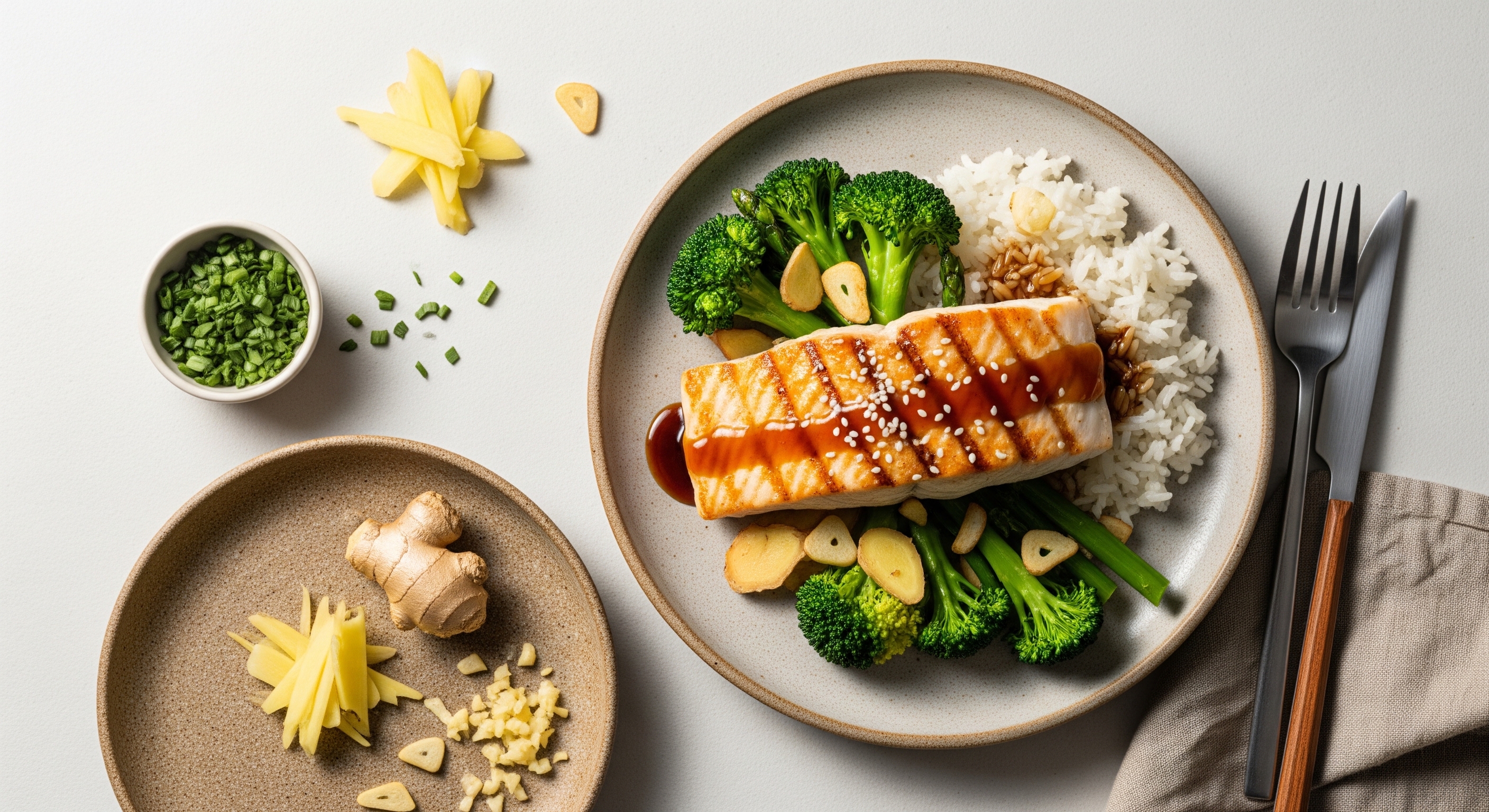 Halibut Teriyaki Bowl with Vegetables 35 min Japanese bowl with crispy pan-fried halibut and vegetables in teriyaki glaze 580 kcal 38g protein 2 synergies
 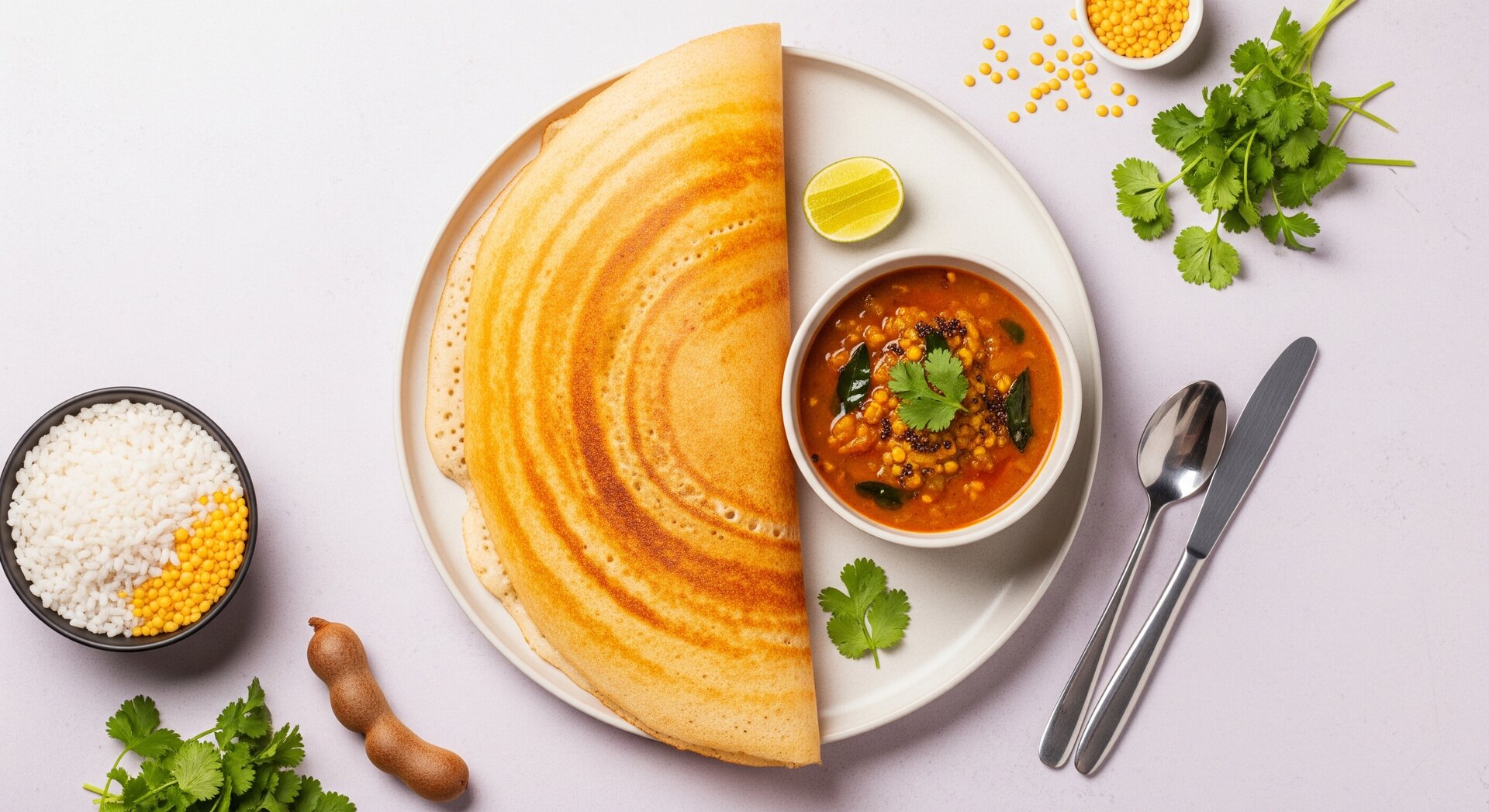 Indian Dosa with Sambar 45 min Crispy rice-lentil pancake with spicy vegetable stew 591 kcal 22g protein 1 synergies
 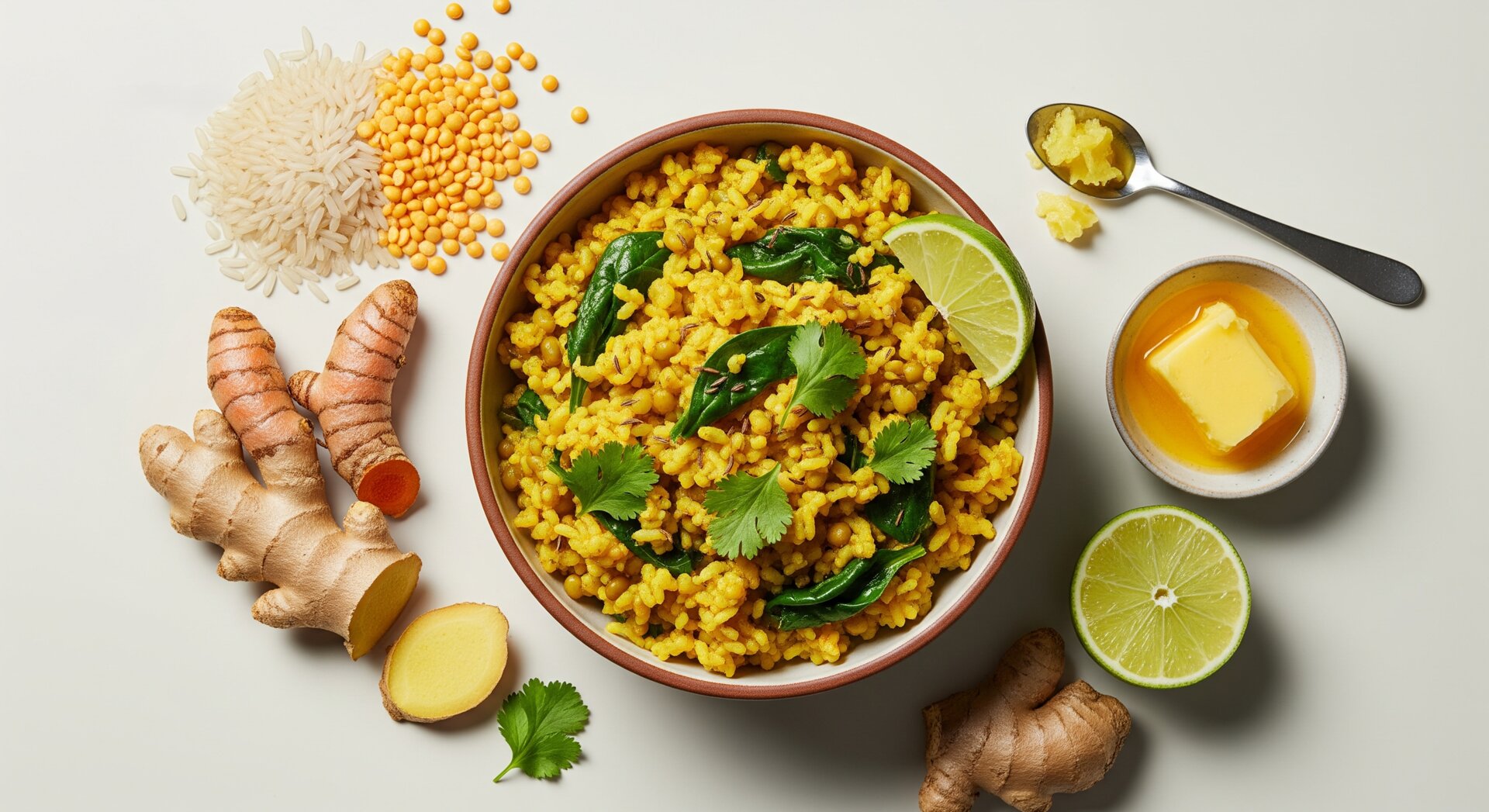 Indian Kitchari 45 min Ayurvedic rice and mung bean dish with warm spices 320 kcal 10g protein 2 synergies
 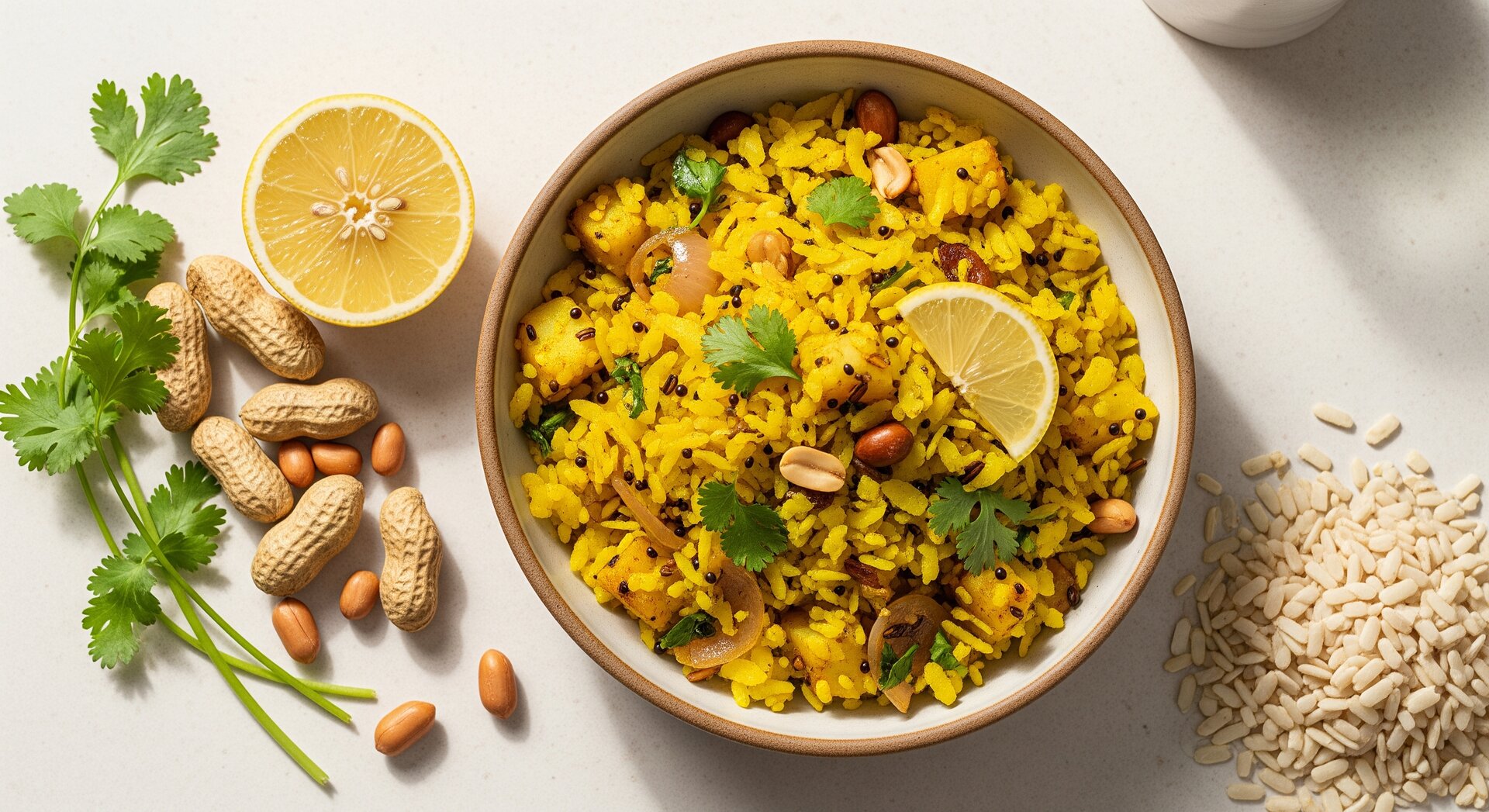 Indian Poha 25 min Light and spicy breakfast of flattened rice 340 kcal 8g protein 1 synergies
  In the Kitchen
Storage
Location:Pantry
Shelf life:Droog: 2+ jaar. Gekookt: 3-4 dagen koelkast
Dry rice keeps almost indefinitely. Cool cooked rice quickly and eat within 4 days.
Preparation
Absorption method: rinse rice, add water, bring to boil, cover, simmer 15 min, rest 5 min.
Conversions
Substitutes
Smart preparation
1Wash rice until the water is clear to remove starch.
2Let rice rest for 10 minutes with the lid on after cooking.
Why?
Resting distributes moisture evenly through the grains.
3Fluff rice with a fork, not with a spoon.
Why?
A spoon compresses the grains and makes the rice sticky.
Caution / Warnings
Rice is very safe, but there are scientific considerations:
Type 2 Diabetes Moderate
White rice has a high glycemic index (GI 73) and can cause blood sugar spikes
Advice:
Choose basmati or brown rice (lower GI). Combine with proteins and vegetables to lower the GI.
Arsenic in Rice Mild
Rice can contain more arsenic than other grains due to water cultivation method
Advice:
Rinse rice thoroughly and cook with lots of water (10:1). Vary with other grains.
Traditional use
Traditional Chinese Medicine
Chinese qi-nourishing staple
Rice has been cultivated in China for over 9000 years. In Chinese food culture, rice congee (zhou) is a beloved, easily digestible dish traditionally eaten during recovery.
Ayurveda
Ayurvedic sattvic grain
In Ayurveda, rice is one of the most sattvic (pure) foods. It is considered easily digestible and suitable for all body types.
Summary
Rice is one of the most eaten foods in the world. It's gluten-free and provides quick energy. Tip: let rice cool and reheat – this creates 'resistant starch' that feeds your gut and reduces the blood sugar spike.