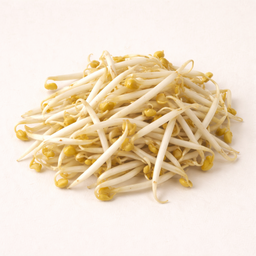
Bean Sprouts (Mung)
The Living Energy
What is this ingredient?
Bean sprouts are literally ‘living’ food: sprouting activates enzymes, partially reduces some anti-nutrients (like phytic acid), and shifts the micronutrient profile. Sprouts can contain more vitamin C than the dry bean they come from, but the exact increase depends heavily on sprout time, temperature, and storage. Because sprouts grow in warm, humid conditions, they’re also more susceptible to bacterial contamination—so brief heating (blanching or stir-frying) is the safest default, especially for vulnerable groups.
How does it taste?
Mild, fresh and crunchy with a subtle grassy aroma and watery texture.
Pairs well with:
Pairs well with soy saucesesame oilgingergarlic and stir-fry vegetables.
Did you know...?
- Bean sprouts are traditionally grown from mung beans and are ready to harvest within 3-5 days.
- In Asian cuisine, bean sprouts have been used as an ingredient for over 3,000 years.
Nutritional Value & Energy
Per 100g
Bean Sprouts (Mung) is low in calories thanks to natural nutrients .
Per 100g
Minerals
Vitamins
Omega-3 fatty acids
More nutrients
B-Vitamins
Trace Minerals
What's in a serving?
1 serving
Bean Sprouts (Mung) naturally contains vitamin c (13.2 mg per 100 g).
Bean Sprouts (Mung) naturally contains vitamin k (33 mcg per 100 g).
Bean Sprouts (Mung) naturally contains folate (61 mcg per 100 g).
Bean Sprouts (Mung) naturally contains copper (0.2 mg per 100 g).
% of daily reference intake (DRI)
EU-approved nutrition claims
This ingredient contains nutrients for which EFSA-authorized health claims exist (at nutrient level, not ingredient-specific).
Approved health claims (EU)
Vitamin_c EU 432/2012
Vitamin C contributes to the normal function of the immune system
Contains 13.2mg/100g (threshold: ≥12mg/100g)
Vitamin_c EU 432/2012
Vitamin C contributes to the reduction of tiredness and fatigue
Contains 13.2mg/100g (threshold: ≥12mg/100g)
Vitamin_c EU 432/2012
Vitamin C contributes to normal collagen formation for the normal function of skin
Contains 13.2mg/100g (threshold: ≥12mg/100g)
Folate EU 432/2012
Folate contributes to normal blood formation
Contains 61mcg/100g (threshold: ≥30mcg/100g)
Folate EU 432/2012
Folate contributes to normal amino acid synthesis
Contains 61mcg/100g (threshold: ≥30mcg/100g)
Folate EU 432/2012
Folate contributes to normal homocysteine metabolism
Contains 61mcg/100g (threshold: ≥30mcg/100g)
Folate EU 432/2012
Folate contributes to normal psychological function
Contains 61mcg/100g (threshold: ≥30mcg/100g)
Folate EU 432/2012
Folate contributes to the normal function of the immune system
Contains 61mcg/100g (threshold: ≥30mcg/100g)
Folate EU 432/2012
Folate has a role in the process of cell division
Contains 61mcg/100g (threshold: ≥30mcg/100g)
Folate EU 432/2012
Folate contributes to maternal tissue growth during pregnancy
Contains 61mcg/100g (threshold: ≥30mcg/100g)
Vitamin_c EU 432/2012
Vitamin C contributes to normal collagen formation for the normal function of blood vessels
Contains 13.2mg/100g (threshold: ≥12mg/100g)
Vitamin_c EU 432/2012
Vitamin C contributes to normal collagen formation for the normal function of bones
Contains 13.2mg/100g (threshold: ≥12mg/100g)
Vitamin_c EU 432/2012
Vitamin C contributes to normal collagen formation for the normal function of cartilage
Contains 13.2mg/100g (threshold: ≥12mg/100g)
Vitamin_c EU 432/2012
Vitamin C contributes to normal collagen formation for the normal function of gums
Contains 13.2mg/100g (threshold: ≥12mg/100g)
Vitamin_c EU 432/2012
Vitamin C contributes to normal collagen formation for the normal function of teeth
Contains 13.2mg/100g (threshold: ≥12mg/100g)
Vitamin_c EU 432/2012
Vitamin C contributes to normal energy-yielding metabolism
Contains 13.2mg/100g (threshold: ≥12mg/100g)
Vitamin_c EU 432/2012
Vitamin C contributes to normal functioning of the nervous system
Contains 13.2mg/100g (threshold: ≥12mg/100g)
Vitamin_c EU 432/2012
Vitamin C contributes to normal psychological function
Contains 13.2mg/100g (threshold: ≥12mg/100g)
Vitamin_c EU 432/2012
Vitamin C contributes to the protection of cells from oxidative stress
Contains 13.2mg/100g (threshold: ≥12mg/100g)
Vitamin_c EU 432/2012
Vitamin C contributes to the regeneration of the reduced form of vitamin E
Contains 13.2mg/100g (threshold: ≥12mg/100g)
Vitamin_c EU 432/2012
Vitamin C increases iron absorption
Contains 13.2mg/100g (threshold: ≥12mg/100g)
Vitamin_c EU 432/2012
Vitamin C contributes to maintain the normal function of the immune system during and after intense physical exercise
Contains 13.2mg/100g (threshold: ≥12mg/100g)
Vitamin_k EU 432/2012
Vitamin K contributes to normal blood clotting
Contains 33mcg/100g (threshold: ≥11.25mcg/100g)
Vitamin_k EU 432/2012
Vitamin K contributes to the maintenance of normal bones
Contains 33mcg/100g (threshold: ≥11.25mcg/100g)
Copper EU 432/2012
Copper contributes to the maintenance of normal connective tissues
Contains 0.2mg/100g (threshold: ≥0.15mg/100g)
Copper EU 432/2012
Copper contributes to normal energy-yielding metabolism
Contains 0.2mg/100g (threshold: ≥0.15mg/100g)
Copper EU 432/2012
Copper contributes to normal functioning of the nervous system
Contains 0.2mg/100g (threshold: ≥0.15mg/100g)
Copper EU 432/2012
Copper contributes to normal hair pigmentation
Contains 0.2mg/100g (threshold: ≥0.15mg/100g)
Copper EU 432/2012
Copper contributes to normal iron transport in the body
Contains 0.2mg/100g (threshold: ≥0.15mg/100g)
Copper EU 432/2012
Copper contributes to normal skin pigmentation
Contains 0.2mg/100g (threshold: ≥0.15mg/100g)
Copper EU 432/2012
Copper contributes to the normal function of the immune system
Contains 0.2mg/100g (threshold: ≥0.15mg/100g)
Copper EU 432/2012
Copper contributes to the protection of cells from oxidative stress
Contains 0.2mg/100g (threshold: ≥0.15mg/100g)
What's being researched?
Food safety of sprouted vegetables
Sprouted vegetables like bean sprouts are studied for microbiological risks. The warm, moist sprouting conditions can promote bacterial growth, making production hygiene an active area of research.
Supported by: [2] Yoon S (2025) , [1] Perchuk IN (2023)
Good Combinations (Synergy)
Combine bean sprouts (mung) smartly to enhance the effect:
Bean Sprouts (Mung) 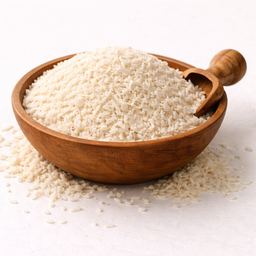 Rice
Rice Amylase enzymes from sprouts improve starch digestion
Technical: Bean sprouts (sprouted mung beans) contain active α-amylase and other hydrolytic enzymes activated during germination. These break starch chains (amylose and amylopectin) into maltose and glucose. This lowers the glycemic index of rice by 15-20% and slows the postprandial glycemic response.
What does this mean for you? Add bean sprouts to your rice dish (nasi goreng, fried rice). Sprout enzymes help break down rice starch, slowing the glycemic response. A classic Asian combination with nutritional backing.
Bean Sprouts (Mung) 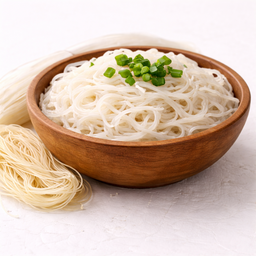 Rice Noodles
 Amylase enzymes from sprouts improve starch digestion
Technical: Bean sprouts (sprouted mung beans) contain active α-amylase and other hydrolytic enzymes activated during germination. These break starch chains (amylose and amylopectin) into maltose and glucose. This lowers the glycemic index of rice by 15-20% and slows the postprandial glycemic response.
What does this mean for you? Add bean sprouts to your rice dish (nasi goreng, fried rice). Sprout enzymes help break down rice starch, slowing the glycemic response. A classic Asian combination with nutritional backing.
Bean Sprouts (Mung) 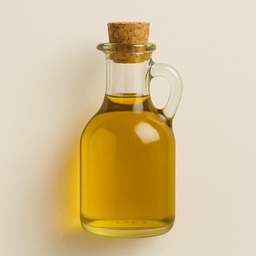 Sesame Oil
 Sesame oil improves vitamin absorption from bean sprouts
Technical: Bean sprouts (sprouted mung beans) contain 13μg vitamin K and 162μg folate per 100g. Sprouts also have elevated tocopherol (vitamin E family) levels. Sesame oil (42% oleic, 40% linoleic acid) forms micelles absorbing fat-soluble vitamins. Sesamin in sesame oil also inhibits PUFA oxidation.
What does this mean for you? Stir-fry bean sprouts with a splash of sesame oil — the classic Asian method. Sesame oil makes fat-soluble vitamins absorbable and adds a nutty flavor.
Bean Sprouts (Mung) 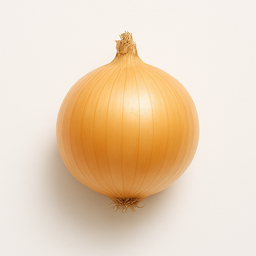 Onion
Onion Sprout enzymes + quercetin for digestion and cell support
Technical: Bean sprout's active enzymes (amylase, protease) are activated during germination and support starch and protein digestion. Onion contains quercetin (20-40mg/100g) — a flavonoid intensively studied in science. Onion's fructo-oligosaccharides also feed Bifidobacterium. Together they optimize digestion and provide a broad spectrum of bioactive compounds.
What does this mean for you? Bean sprouts with onion in stir-fry or fried rice is a classic Asian combination. Sprout enzymes support digestion, onion's quercetin adds an extra bioactive dimension.
Recipes with Bean Sprouts (Mung)
Discover delicious recipes featuring bean sprouts (mung):
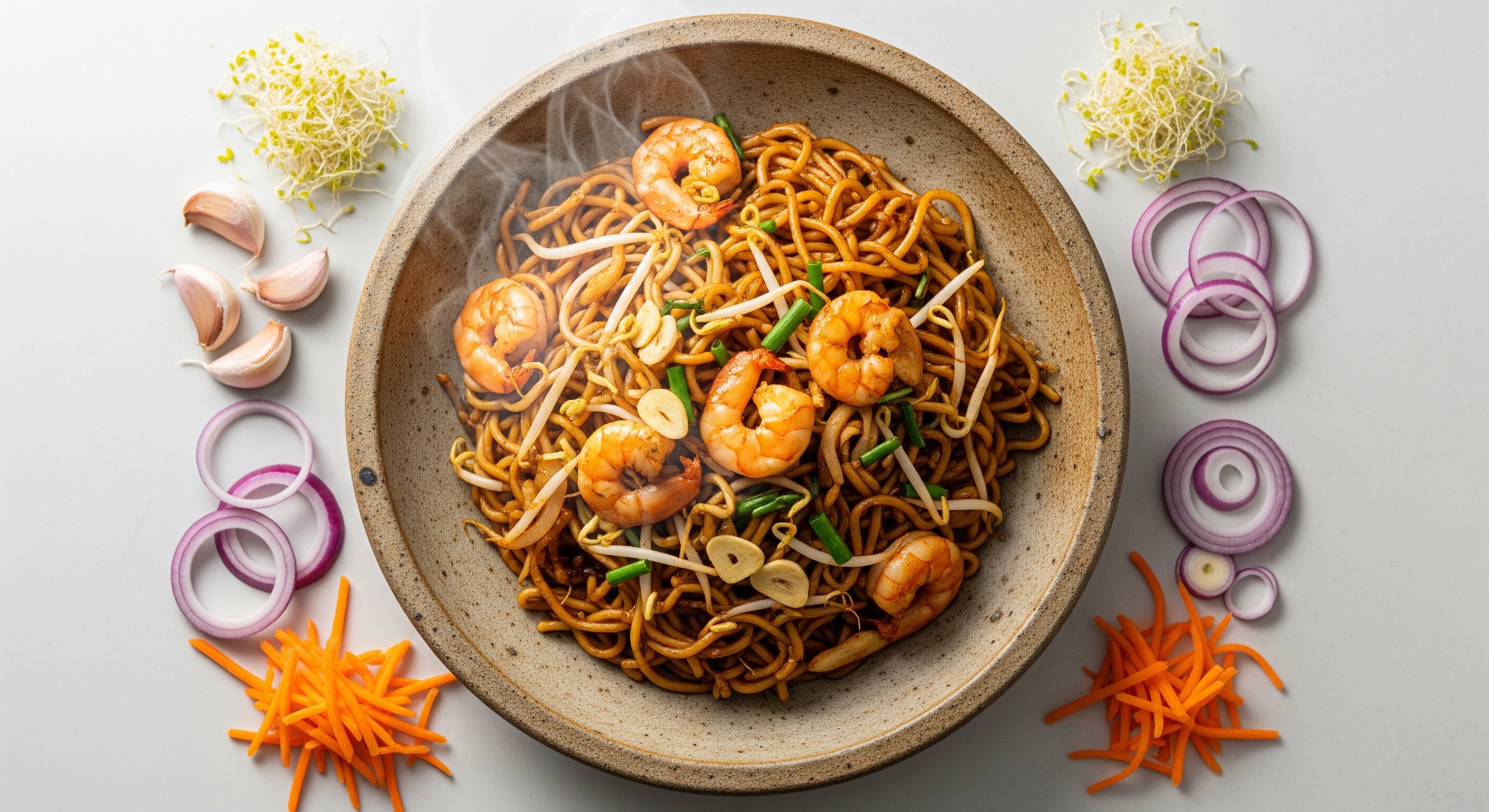 Bami Goreng with Shrimp and Bean Sprouts 30 min Indonesian stir-fry with crispy vegetables and sweet soy sauce
  630 kcal
  34g protein 2 synergies
 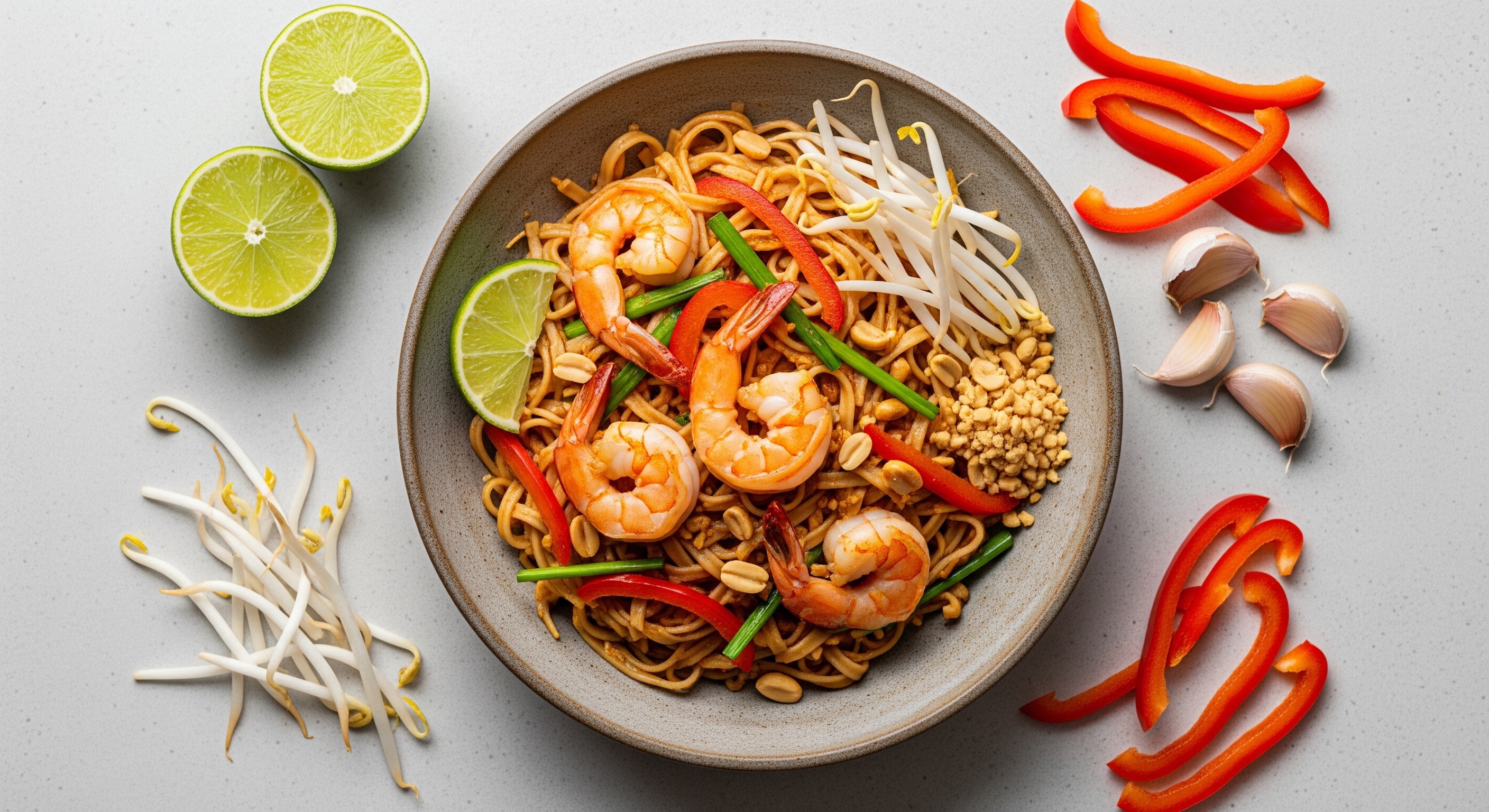 Shrimp Pad Thai with Rice Noodles 30 min Thai wok classic with tamarind, peanuts and lime 720 kcal 36g protein 2 synergies
 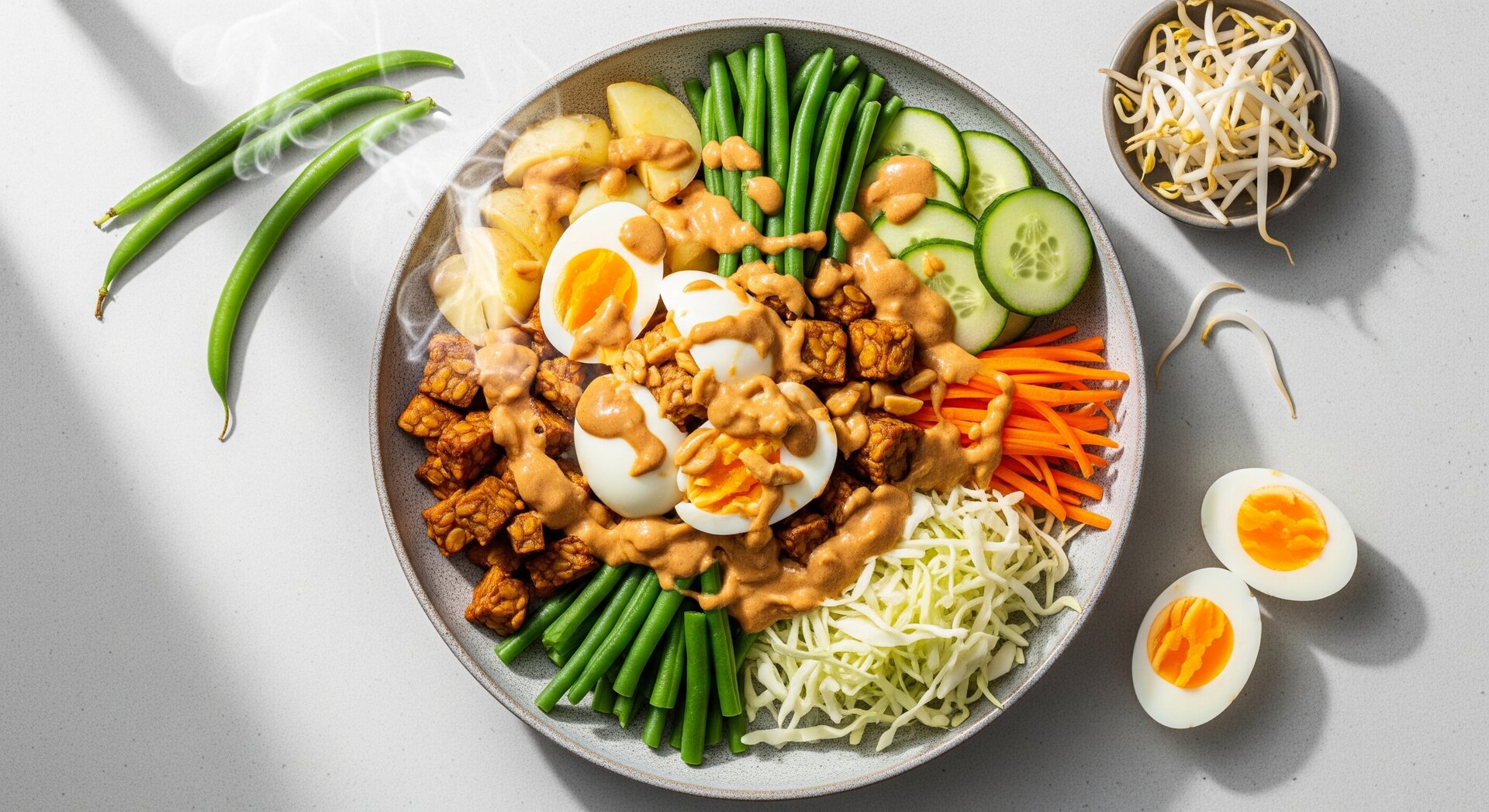 Indonesian Gado-Gado with Peanut Sauce & Tempeh 35 min Indonesian salad with fried tempeh, vegetables, egg and creamy peanut sauce 742 kcal 34g protein 2 synergies
 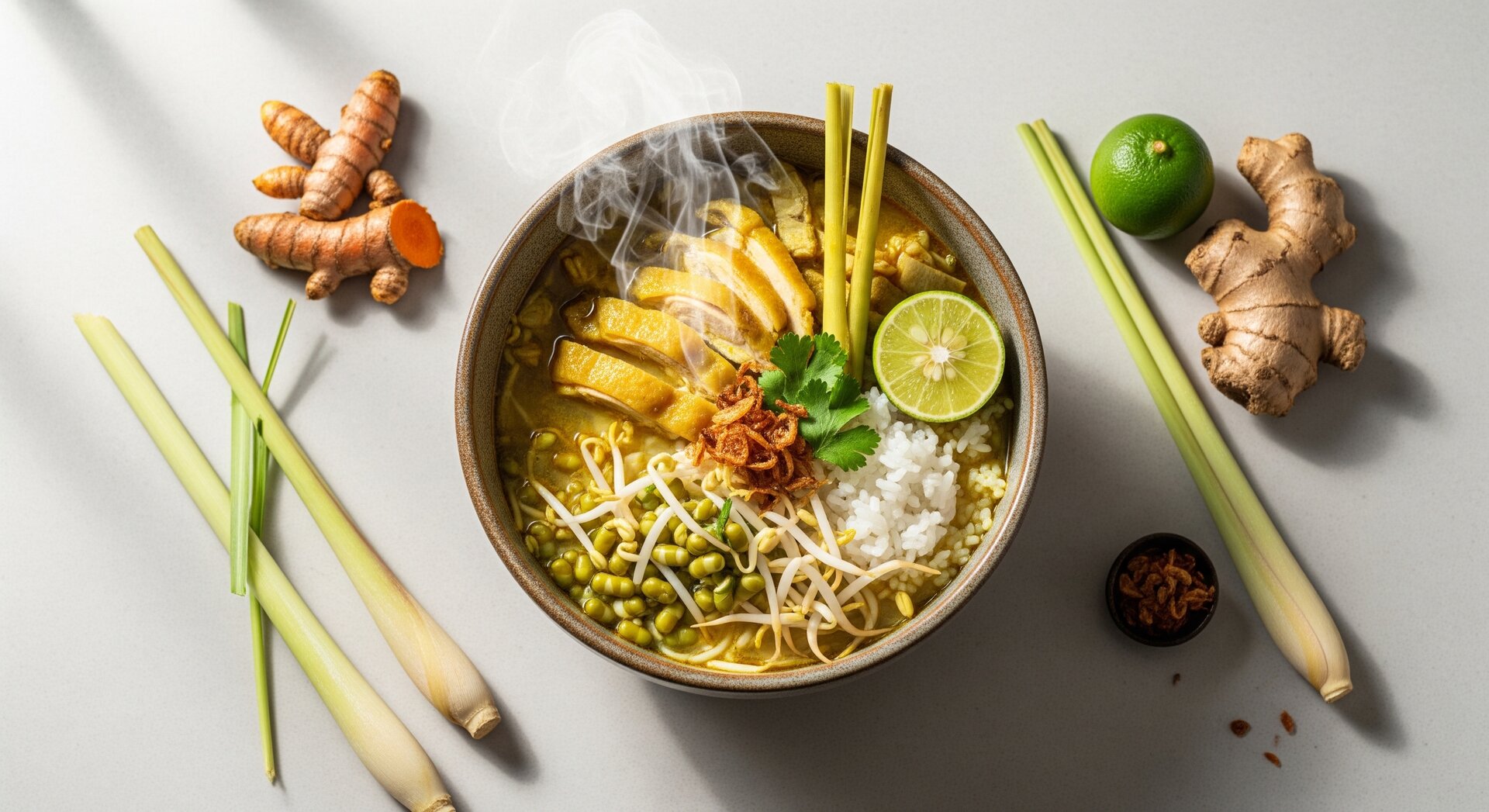 Indonesian Soto Ayam with Turmeric and Lemongrass 45 min Golden Indonesian chicken soup with lemongrass, ginger and bean sprouts 520 kcal 36g protein 2 synergies
 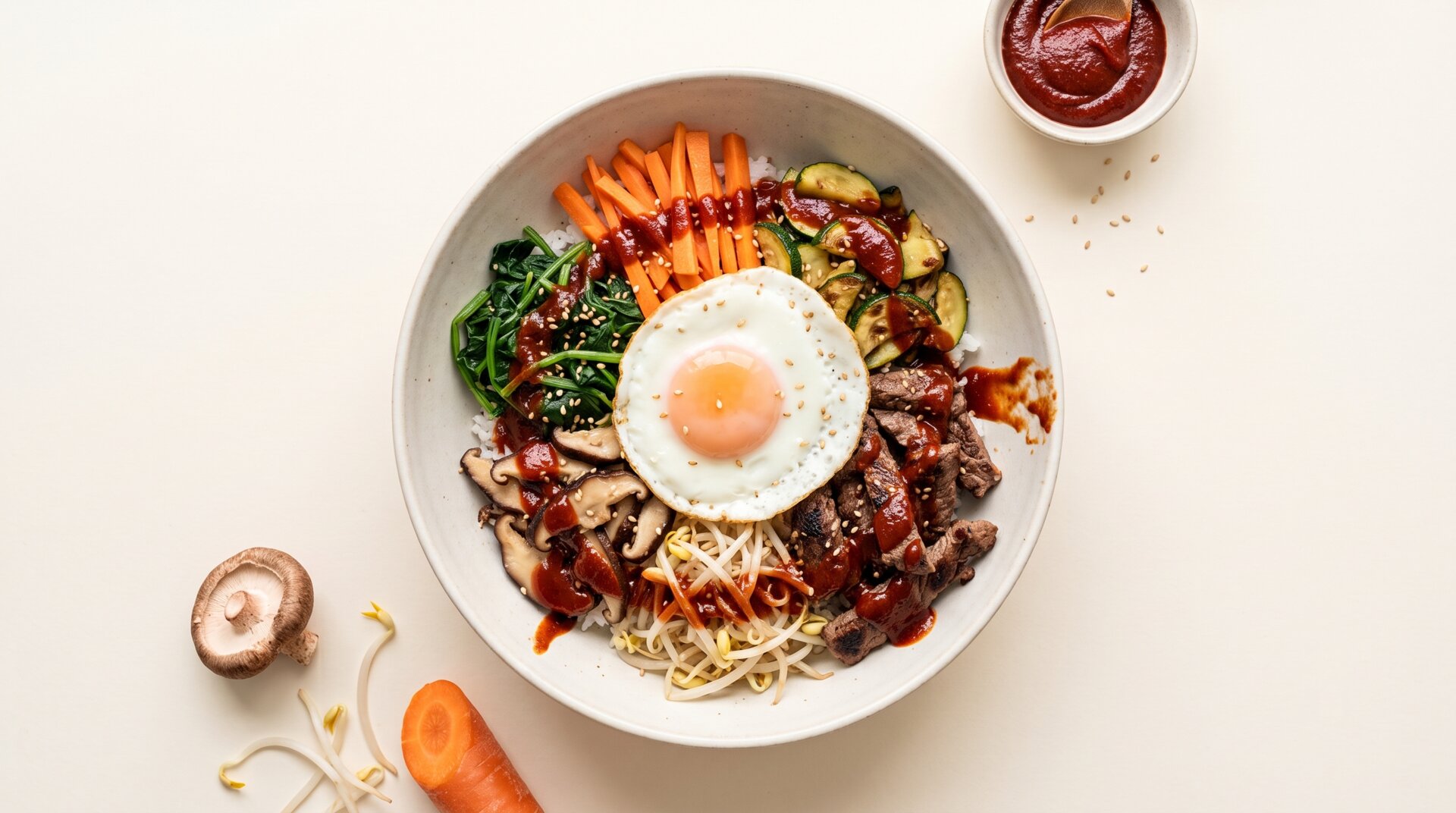 Korean Bibimbap 55 min Colorful rice bowl with vegetables, egg and gochujang 580 kcal 32g protein 1 synergies
 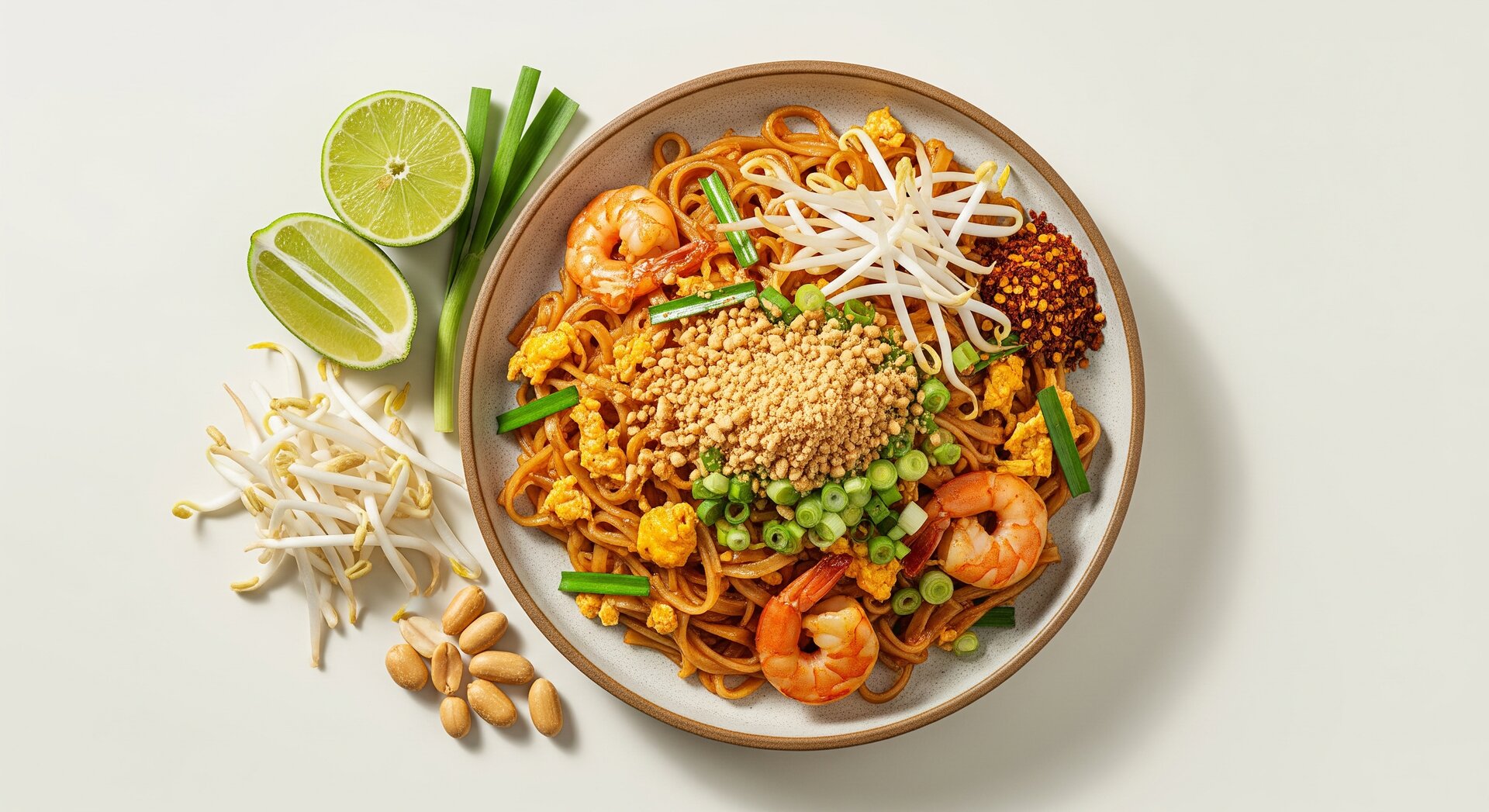 Thai Pad Thai with Shrimp 60 min Wok noodles with tamarind sauce, egg and crunchy peanuts 545 kcal 28g protein 1 synergies
  In the Kitchen
Storage
Location:Refrigerator
Shelf life:2-3 dagen
Keep cold and dry in a breathable container or with paper towel. Avoid sealing them wet and airtight.
Preparation
Rinse briefly under cold water. Stir-fry 30–60 sec on high heat or blanch 10–20 sec; keep them crunchy. Optionally remove brown tails.
Conversions
Substitutes
Smart preparation
1Wash bean sprouts thoroughly and remove any brown or wilted ones.
2Add bean sprouts only at the very last moment to a stir-fry.
Why?
This keeps them crunchy and prevents them from going limp.
3Store bean sprouts in a container of cold water in the fridge.
Why?
Extends shelf life by a few days.
Caution / Warnings
Bean Sprouts (Mung) is very safe, but there are scientific considerations:
Bacterial Contamination (Sprouts) Severe
Sprouts can be contaminated with Salmonella or STEC/E. coli due to warm, humid growing conditions
Advice:
For pregnant people, elderly, young children, and immunocompromised: always heat (blanch/stir-fry).
Traditional use
Traditional Chinese Medicine
Chinese sprouting food
In China, beans have been sprouted for over 3000 years. Bean sprouts were used in Chinese medicine to dispel heat and promote digestion.
Summary
Super crunchy and fresh—perfect in stir-fries, spring rolls, or gado-gado. Prefer brief heating for safety, especially if you’re in a risk group. Buy as fresh as possible and use within 2–3 days.