- Medium
- 60 min
- 2 serv.
- 12 synergies
- Now at its best: Honey
The most famous Thai street food — wok noodles with the perfect balance of sweet, sour, salty and umami. With shrimp, scrambled egg, bean sprouts and chopped peanuts, finished with lime.
Few dishes are as universally loved as pad thai. That tamarind sauce — sticky, dark, simultaneously sweet and sour — is the backbone. You make it in a small bowl while the noodles soak: tamarind paste, fish sauce, honey and a pinch of cayenne, stir and done. The shrimp go into the smoking hot wok first, two minutes, no longer, until they curl pink. Then the eggs, stirring until golden yellow streaks run through. Noodles in, sauce over, and then that sound — the sizzle of liquid evaporating against glowing metal. Bean sprouts go in only at the end, together with green onion, just long enough to warm through but stay crunchy. On the plate: a heap of chopped peanuts over, a lime quarter to squeeze. Eat immediately.
- 15
- min prep
- 15
- min cook
- 60
- min total
Nutritional Synergies
This recipe combines ingredients that enhance each other:
 Eggs
Eggs 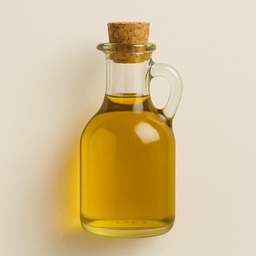 Sesame Oil
 Choline + sesamol for brain and liver support
Technical: Eggs contain 147mg choline per egg (27% RDI), essential as precursor for the neurotransmitter acetylcholine and for liver metabolism. Sesame oil contains sesamol and sesamin — bioactive lignan antioxidants with membrane-stabilizing properties. The fats in sesame oil also help absorb fat-soluble vitamins from eggs.
What does this mean for you? Fry your eggs in sesame oil for Asian dishes like tamagoyaki. The nutty flavor combines perfectly and the bioactive compounds complement each other.
FocusAntioxidantsAnti-inflammatory
 Shrimp
  Lime
Lime Better iron absorption from shellfish
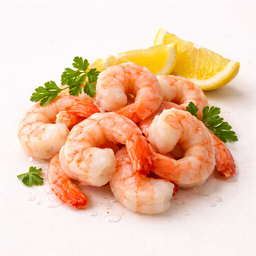
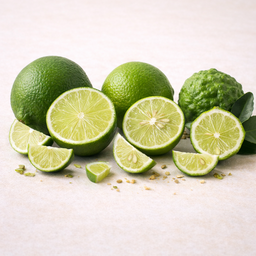
Technical: Shrimp contain 2mg iron per 100g, mainly as heme iron (well absorbed) plus some non-heme iron. Lemon provides 53mg vitamin C per 100g that reduces non-heme iron from Fe³⁺ to the more absorbable Fe²⁺. Additionally, citric acid promotes absorption by chelating minerals, which also improves uptake of zinc (1.6mg) and selenium (38μg) from shrimp.
What does this mean for you? Sprinkle your shrimp with lemon or lime juice. This works in cocktail sauces, ceviche, pad thai and shrimp soup. The citrus not only freshens the flavor but also increases your mineral absorption.
EnergyImmune System
Shrimp 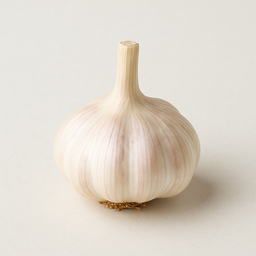 Garlic
 Astaxanthin + allicin influence lipid metabolism via complementary pathways
Technical: Shrimp contain astaxanthin (1.5-3mg per 100g) — a potent carotenoid antioxidant that neutralizes singlet oxygen. Garlic contains allicin that works through a different mechanism: it influences HMG-CoA reductase (involved in lipid metabolism). Together they offer complementary biochemical pathways: antioxidation (astaxanthin) + lipid modulation (allicin).
What does this mean for you? Gambas al ajillo (shrimp in garlic oil) isn't just a Spanish classic but also a functional combination. Use at least 4-5 cloves of garlic and don't brown them too much — allicin breaks down at high temperatures.
HeartAnti-inflammatory
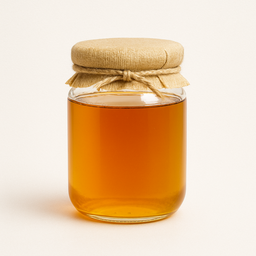 Honey Lime
 Honey enzymes + vitamin C for dual immune support
Technical: Honey's glucose oxidase generates hydrogen peroxide with bioactive action. Lime's vitamin C (ascorbic acid) is a powerful antioxidant that directly supports immune cells. Together they provide both direct bioactive action and immune cell activation.
What does this mean for you? Honey-lime drink is a classic combination for good reason — it works through two different pathways for your immune support.
Immune SystemEnergyAnti-inflammatory
Garlic Honey Fermented: allicin + bee defensin in traditional condiment
Technical: Raw garlic contains alliin converted by alliinase to allicin — an organosulfur compound with bioactive properties — when cut. Raw honey contains hydrogen peroxide, bee defensin-1 and methylglyoxal. Fermenting garlic in honey increases bioavailability of S-allylcysteine (SAC), a more stable bioactive metabolite.
What does this mean for you? Submerge raw garlic cloves in raw honey and ferment for 2-4 weeks. You get a traditional condiment with concentrated bioactive compounds — an ancient fermentation technique that increases bioavailability.
Immune System
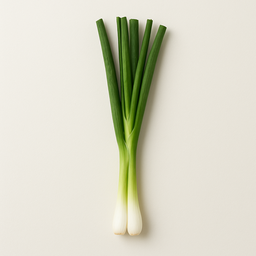 Spring Onion Eggs
 Allyl sulfides + cysteine for glutathione production
Technical: Green onion contains allyl sulfides that induce glutathione S-transferase. Eggs provide 272mg cysteine per 100g — the rate-limiting precursor for glutathione (GSH) synthesis. Together they increase both production and utilization of glutathione, the body's main intracellular antioxidant.
What does this mean for you? Scrambled eggs or omelet with green onion is an ideal breakfast. Sulfur compounds from green onion activate glutathione S-transferase, while cysteine from eggs provides the building block for glutathione. Two ingredients, one biochemical system.
AntioxidantsImmune System
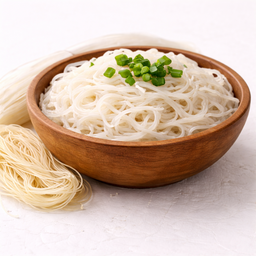 Rice noodles (flat) Sesame Oil
 Sesame + soy = complete amino acids + fats
Technical: Rice noodles (rice flour) are low in lysine — the limiting amino acid in rice protein. Soy sauce (fermented soybeans) is rich in lysine and provides free glutamate for umami. Sesame oil contains methionine (complementary amino acid) plus sesamin and sesamol — unique lignans with antioxidant action. Together they form an amino acid-complete profile.
What does this mean for you? Stir-fry rice noodles with sesame oil and soy sauce — this is the foundation of countless Asian dishes. The three together provide complete proteins, healthy fats AND intense umami flavor. Add vegetables for a complete meal.
Muscle GainGeneral Wellness
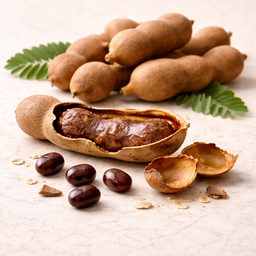 Tamarind paste
 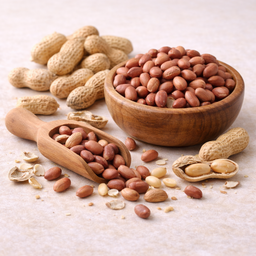 Peanuts
 Acid + fat + protein for satay sauce perfection
Technical: Tamarind contains tartaric acid that lowers stomach pH and promotes pepsinogen (protein digestion enzyme) activity. Peanut provides 25g protein and healthy fats. Coconut milk's MCTs improve absorption of fat-soluble compounds. The acid + protein + fat trio optimizes nutrient absorption from the entire dish.
What does this mean for you? Make satay sauce with tamarind, peanut and coconut milk. The acid from tamarind helps better digest proteins from peanut — traditional Indonesian nutritional wisdom.
DigestionMuscle Gain
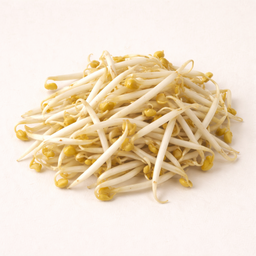 Bean sprouts Rice noodles (flat)
 Amylase enzymes from sprouts improve starch digestion
Technical: Bean sprouts (sprouted mung beans) contain active α-amylase and other hydrolytic enzymes activated during germination. These break starch chains (amylose and amylopectin) into maltose and glucose. This lowers the glycemic index of rice by 15-20% and slows the postprandial glycemic response.
What does this mean for you? Add bean sprouts to your rice dish (nasi goreng, fried rice). Sprout enzymes help break down rice starch, slowing the glycemic response. A classic Asian combination with nutritional backing.
DigestionBlood Sugar
Bean sprouts Sesame Oil Sesame oil improves vitamin absorption from bean sprouts
Technical: Bean sprouts (sprouted mung beans) contain 13μg vitamin K and 162μg folate per 100g. Sprouts also have elevated tocopherol (vitamin E family) levels. Sesame oil (42% oleic, 40% linoleic acid) forms micelles absorbing fat-soluble vitamins. Sesamin in sesame oil also inhibits PUFA oxidation.
What does this mean for you? Stir-fry bean sprouts with a splash of sesame oil — the classic Asian method. Sesame oil makes fat-soluble vitamins absorbable and adds a nutty flavor.
General WellnessEnergy
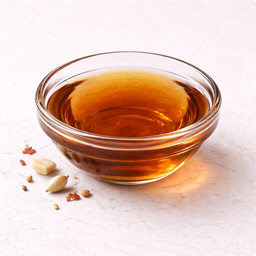 Fish sauce Garlic
 Fermented umami + allicin for immunity and flavor
Technical: Fish sauce contains fermented amino acids (glutamate, histidine) and bioactive peptides from long fermentation. Garlic's allicin offers bioactive action. The fermented compounds support the gut microbiome while allicin provides a complementary bioactive profile.
What does this mean for you? Combine fish sauce and garlic as base for Asian stir-fries, marinades and dressings. This is the fundamental flavor base of Thai and Vietnamese cuisine.
Immune SystemDigestion
Fish sauce Lime Umami + acid for perfect Thai balance
Technical: Fish sauce contains free glutamate (umami) from prolonged fish fermentation. Lime contains citric acid that lowers pH and enhances umami flavor perception. Citric acid also stimulates saliva and gastric acid production, improving protein digestion from the dish.
What does this mean for you? Combine fish sauce with lime as base for Thai dressings and dipping sauces. The acid from lime intensifies the umami from fish sauce — the core of Thai cuisine.
Digestion
Ingredients (13)
+10 more ingredientsInstructions
- 1 Soak the rice noodles for 30 minutes in lukewarm water until pliable but still firm. Drain well — wet noodles splatter in the wok.
- 2 Mix the tamarind paste, fish sauce, honey and cayenne pepper in a small bowl until a smooth sauce. Taste — it should be distinctly sour-sweet with a slightly tingling background.
Nutrition per serving
Indicative values per serving.
Timing & Suitability
Shelf life: 2 days in fridge
Tags & Diet
Allergens: Shellfish, Fish, Eggs, Peanuts