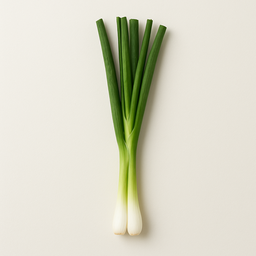
Spring Onion
Vitamin K Champion
What is this ingredient?
Spring onion (also called scallion or green onion) belongs to the Allium genus, along with garlic, onion and leek. The green part is exceptionally rich in vitamin K - more than 200% of RDI per 100g. This vitamin is crucial for blood clotting AND bone health. The white part contains more allicin (the bioactive compound from garlic), a sulfur compound being studied in laboratory research. As a garnish in Asian cuisine, spring onion is indispensable.
How does it taste?
Mildly onion-like and fresh with a gentle sharpness. The green part is milder.
Pairs well with:
Pairs well with gingersoy saucesesamerice and cilantro.
Did you know...?
- The spring onion is actually a young harvested onion that has not yet formed a bulb.
- In China, spring onions have been used as a flavoring and culinary staple for over 2,000 years.
Nutritional Value & Energy
Per 100g
Spring Onion is low in calories thanks to natural nutrients , buffered by fiber.
Per 100g
Minerals
Vitamins
Omega-3 fatty acids
More nutrients
B-Vitamins
Trace Minerals
What's in a serving?
1 serving
Spring Onion naturally contains folate (64 mcg per 100 g).
Spring Onion naturally contains vitamin c (31 mg per 100 g).
Spring Onion naturally contains vitamin k (207 mcg per 100 g).
% of daily reference intake (DRI)
EU-approved nutrition claims
This ingredient contains nutrients for which EFSA-authorized health claims exist (at nutrient level, not ingredient-specific).
Approved health claims (EU)
Vitamin_c EU 432/2012
Vitamin C contributes to the normal function of the immune system
Contains 31mg/100g (threshold: ≥12mg/100g)
Vitamin_c EU 432/2012
Vitamin C contributes to the reduction of tiredness and fatigue
Contains 31mg/100g (threshold: ≥12mg/100g)
Vitamin_c EU 432/2012
Vitamin C contributes to normal collagen formation for the normal function of skin
Contains 31mg/100g (threshold: ≥12mg/100g)
Folate EU 432/2012
Folate contributes to normal blood formation
Contains 64mcg/100g (threshold: ≥30mcg/100g)
Folate EU 432/2012
Folate contributes to normal amino acid synthesis
Contains 64mcg/100g (threshold: ≥30mcg/100g)
Folate EU 432/2012
Folate contributes to normal homocysteine metabolism
Contains 64mcg/100g (threshold: ≥30mcg/100g)
Folate EU 432/2012
Folate contributes to normal psychological function
Contains 64mcg/100g (threshold: ≥30mcg/100g)
Folate EU 432/2012
Folate contributes to the normal function of the immune system
Contains 64mcg/100g (threshold: ≥30mcg/100g)
Folate EU 432/2012
Folate has a role in the process of cell division
Contains 64mcg/100g (threshold: ≥30mcg/100g)
Folate EU 432/2012
Folate contributes to maternal tissue growth during pregnancy
Contains 64mcg/100g (threshold: ≥30mcg/100g)
Vitamin_c EU 432/2012
Vitamin C contributes to normal collagen formation for the normal function of blood vessels
Contains 31mg/100g (threshold: ≥12mg/100g)
Vitamin_c EU 432/2012
Vitamin C contributes to normal collagen formation for the normal function of bones
Contains 31mg/100g (threshold: ≥12mg/100g)
Vitamin_c EU 432/2012
Vitamin C contributes to normal collagen formation for the normal function of cartilage
Contains 31mg/100g (threshold: ≥12mg/100g)
Vitamin_c EU 432/2012
Vitamin C contributes to normal collagen formation for the normal function of gums
Contains 31mg/100g (threshold: ≥12mg/100g)
Vitamin_c EU 432/2012
Vitamin C contributes to normal collagen formation for the normal function of teeth
Contains 31mg/100g (threshold: ≥12mg/100g)
Vitamin_c EU 432/2012
Vitamin C contributes to normal energy-yielding metabolism
Contains 31mg/100g (threshold: ≥12mg/100g)
Vitamin_c EU 432/2012
Vitamin C contributes to normal functioning of the nervous system
Contains 31mg/100g (threshold: ≥12mg/100g)
Vitamin_c EU 432/2012
Vitamin C contributes to normal psychological function
Contains 31mg/100g (threshold: ≥12mg/100g)
Vitamin_c EU 432/2012
Vitamin C contributes to the protection of cells from oxidative stress
Contains 31mg/100g (threshold: ≥12mg/100g)
Vitamin_c EU 432/2012
Vitamin C contributes to the regeneration of the reduced form of vitamin E
Contains 31mg/100g (threshold: ≥12mg/100g)
Vitamin_c EU 432/2012
Vitamin C increases iron absorption
Contains 31mg/100g (threshold: ≥12mg/100g)
Vitamin_c EU 432/2012
Vitamin C contributes to maintain the normal function of the immune system during and after intense physical exercise
Contains 31mg/100g (threshold: ≥12mg/100g)
Vitamin_k EU 432/2012
Vitamin K contributes to normal blood clotting
Contains 207mcg/100g (threshold: ≥11.25mcg/100g)
Vitamin_k EU 432/2012
Vitamin K contributes to the maintenance of normal bones
Contains 207mcg/100g (threshold: ≥11.25mcg/100g)
What's being researched?
Flavonoids and vascular health
Flavonoids in spring onion are being studied for potential protective effects on blood vessels. Laboratory studies suggest effects on blood vessels that are being studied in preclinical research, but human studies are limited.
Supported by: [4] Chen (1999)
Allyl sulfides and bioactive sulfur compounds in laboratory research
Allyl sulfides in spring onion are being studied for bioactive properties in laboratory studies. In-vitro studies show activity against various microorganisms.
Supported by: [2] Borlinghaus (2014)
Good Combinations (Synergy)
Combine spring onion smartly to enhance the effect:
Spring Onion  Eggs
Eggs Allyl sulfides + cysteine for glutathione production
Technical: Green onion contains allyl sulfides that induce glutathione S-transferase. Eggs provide 272mg cysteine per 100g — the rate-limiting precursor for glutathione (GSH) synthesis. Together they increase both production and utilization of glutathione, the body's main intracellular antioxidant.
What does this mean for you? Scrambled eggs or omelet with green onion is an ideal breakfast. Sulfur compounds from green onion activate glutathione S-transferase, while cysteine from eggs provides the building block for glutathione. Two ingredients, one biochemical system.
Spring Onion 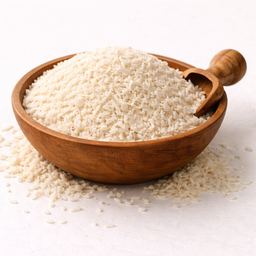 Rice
Rice Allyl sulfides slow glycemic response of rice
Technical: Green onion's allyl sulfides and quercetin inhibit α-glucosidase and slow carbohydrate breakdown. This reduces the postprandial glycemic peak after rice consumption by 15-20%. Green onion also contains chromium (1.1μg/100g) involved in GLUT4 translocation.
What does this mean for you? Always garnish rice dishes with green onion — this slows the glycemic response. Classic in Asian cuisine, especially for those mindful of carbohydrate processing.
Spring Onion 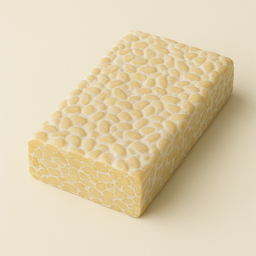 Tempeh
 Allicin improves iron absorption from plant sources
Technical: Tofu contains 5.4mg non-heme iron per 100g, but also phytate (inositol hexaphosphate) that binds iron. Green onion's sulfur compounds (allyl sulfides) reduce phytate binding through pH lowering in the gut. Vitamin C in green onion (18.8mg/100g) reduces Fe³⁺ to Fe²⁺ for better absorption via DMT-1 transport proteins.
What does this mean for you? Always garnish tofu with green onion — the sulfur compounds free iron that would otherwise remain bound to phytate. Essential for vegetarians and vegans relying on plant-based iron.
Spring Onion 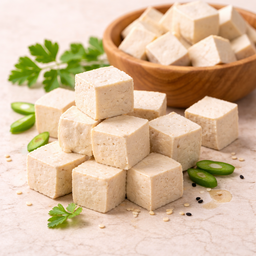 Tofu
Tofu Allicin improves iron absorption from plant sources
Technical: Tofu contains 5.4mg non-heme iron per 100g, but also phytate (inositol hexaphosphate) that binds iron. Green onion's sulfur compounds (allyl sulfides) reduce phytate binding through pH lowering in the gut. Vitamin C in green onion (18.8mg/100g) reduces Fe³⁺ to Fe²⁺ for better absorption via DMT-1 transport proteins.
What does this mean for you? Always garnish tofu with green onion — the sulfur compounds free iron that would otherwise remain bound to phytate. Essential for vegetarians and vegans relying on plant-based iron.
Spring Onion 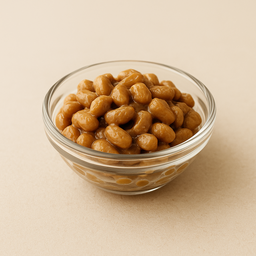 Natto
Natto Nattokinase + allyl sulfides for blood circulation
Technical: Natto contains nattokinase — a fibrinolytic enzyme dissolving blood clots by activating plasminogen. Green onion's allyl sulfides affect platelet aggregation via cyclooxygenase modulation. Together they offer two complementary pathways supporting blood circulation.
What does this mean for you? Natto with green onion is a traditional Japanese breakfast supporting blood circulation two ways. Green onion also masks natto's strong taste for beginners.
Recipes with Spring Onion
Discover delicious recipes featuring spring onion:
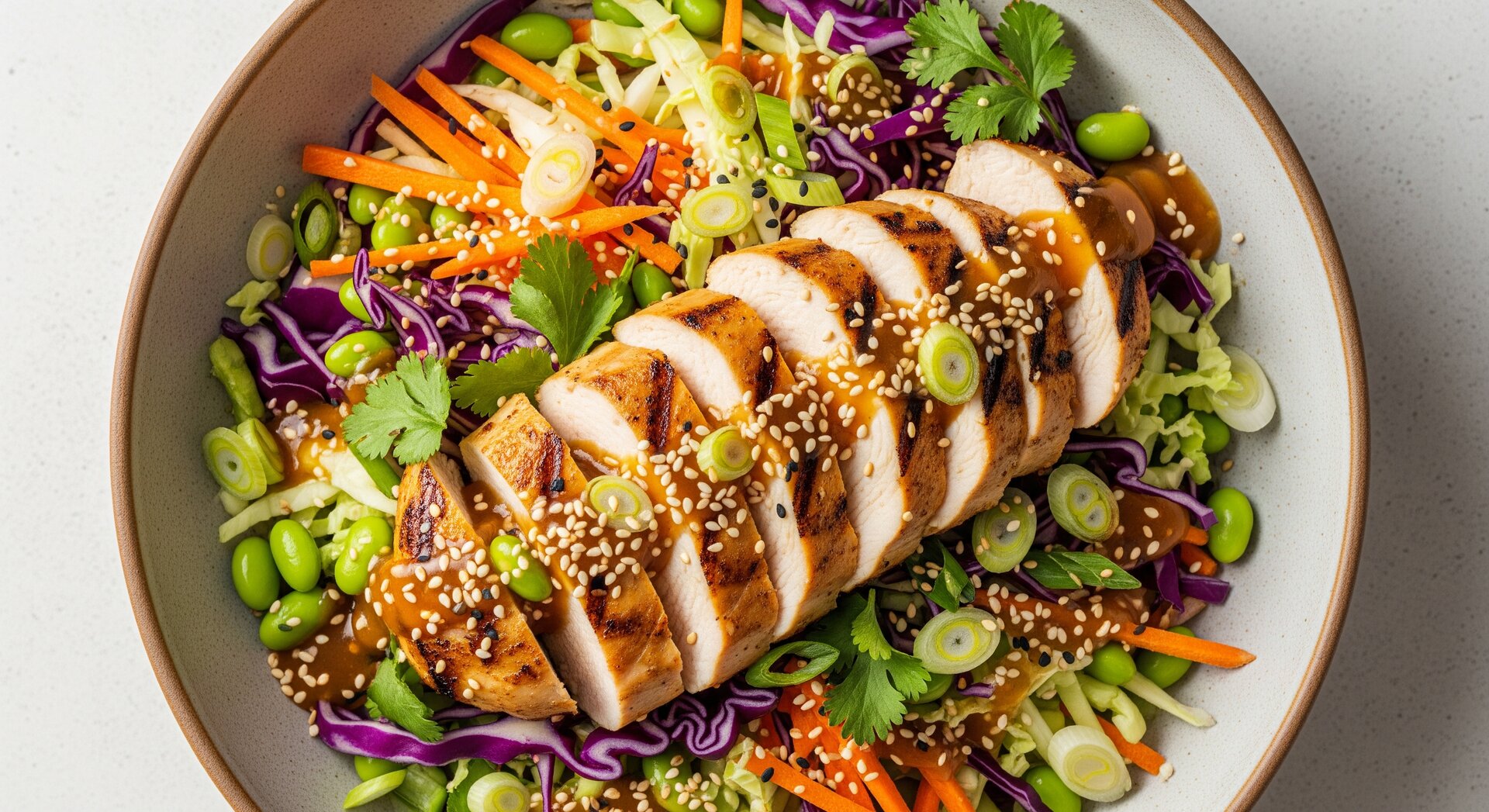 Asian Sesame Chicken Salad 25 min Crispy salad with grilled chicken and ginger-sesame dressing
  320 kcal
  28g protein 1 synergies
 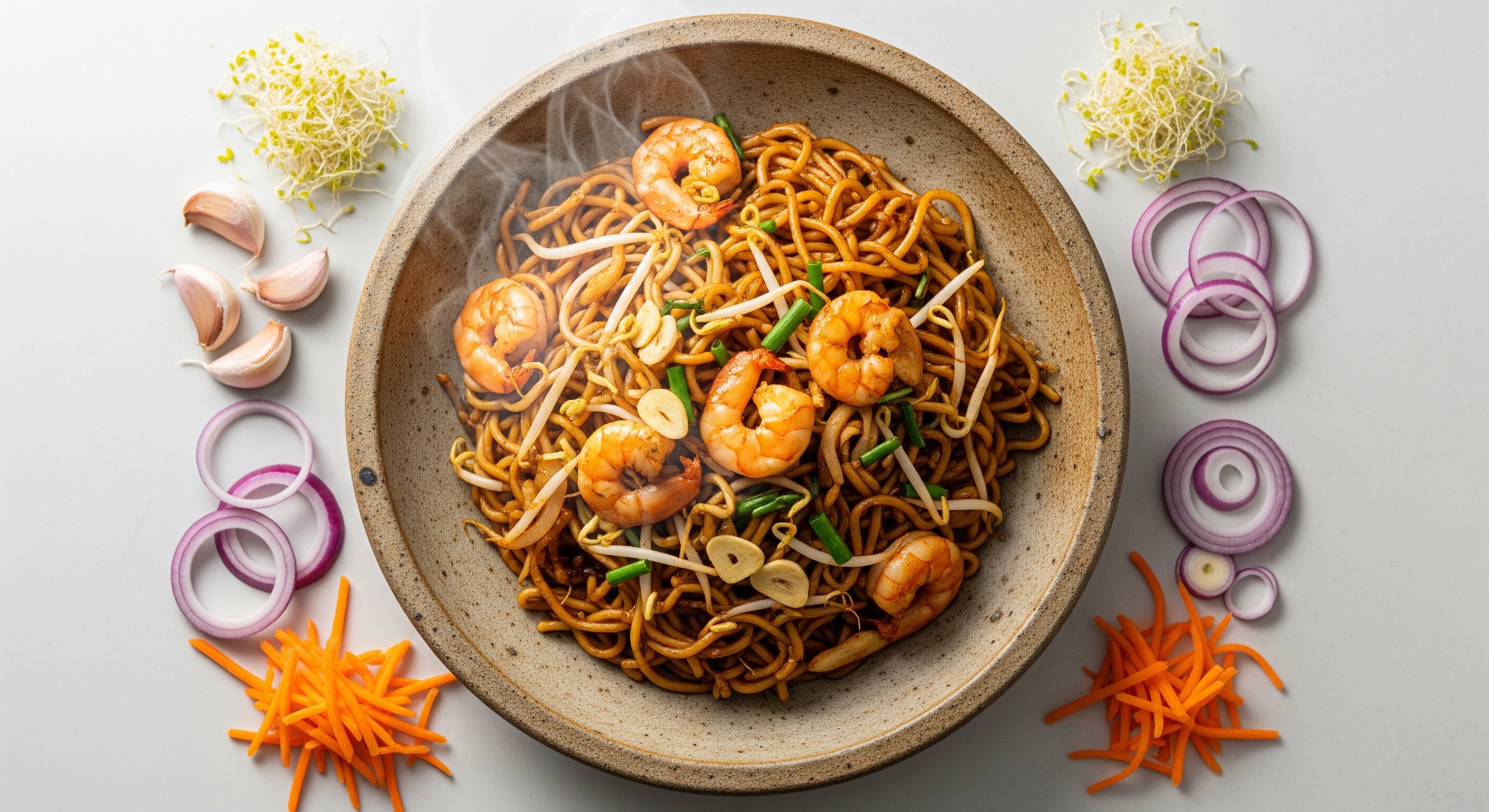 Bami Goreng with Shrimp and Bean Sprouts 30 min Indonesian stir-fry with crispy vegetables and sweet soy sauce 630 kcal 34g protein 2 synergies
 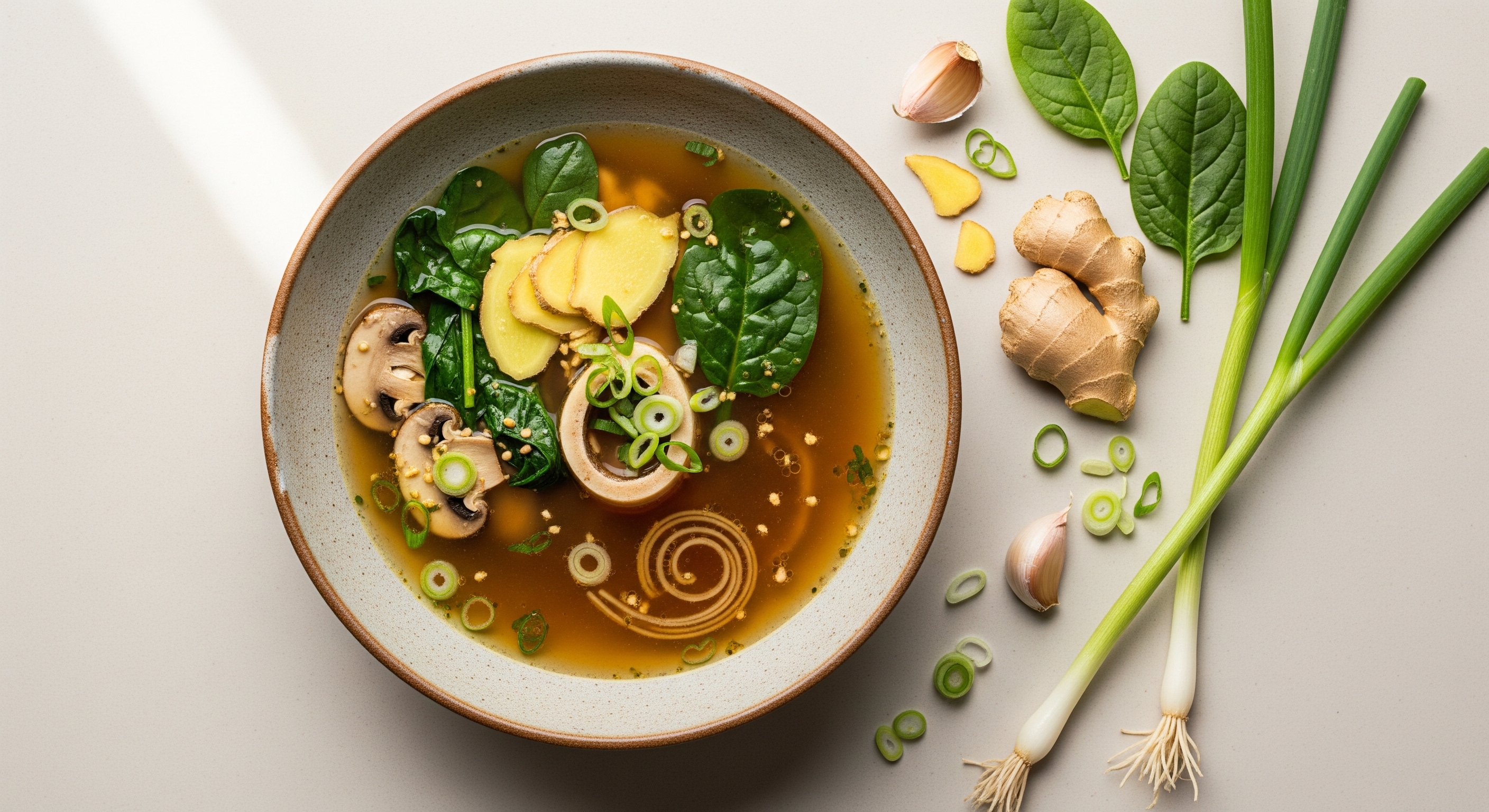 Bone Broth Soup with Ginger, Mushrooms and Spinach 22 min Light, savoury and gently warming 108 kcal 9g protein 2 synergies
 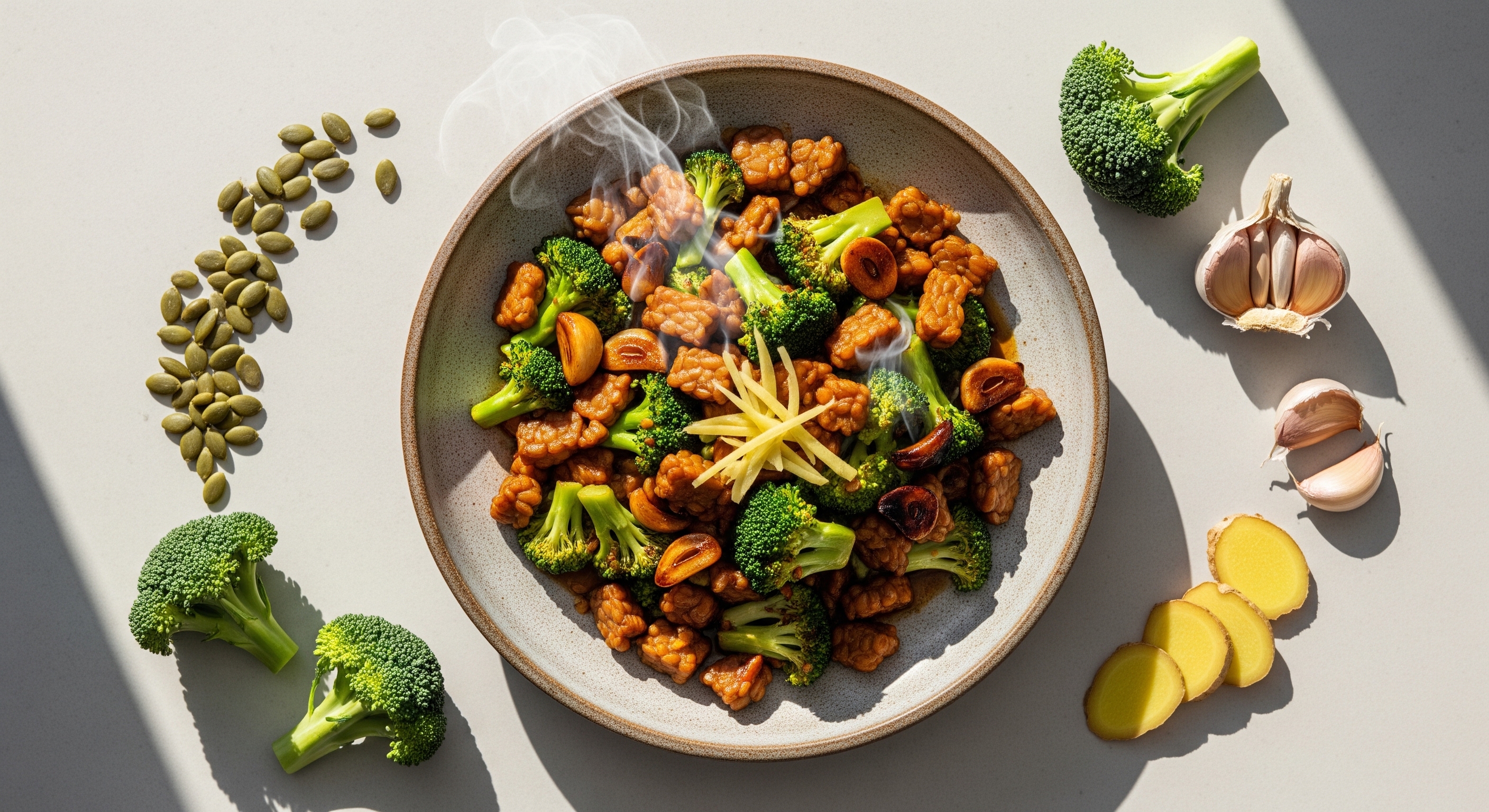 Broccoli Tempeh Stir-Fry with Sesame 30 min Savory, nutty and crisp from the wok 365 kcal 26g protein 2 synergies
 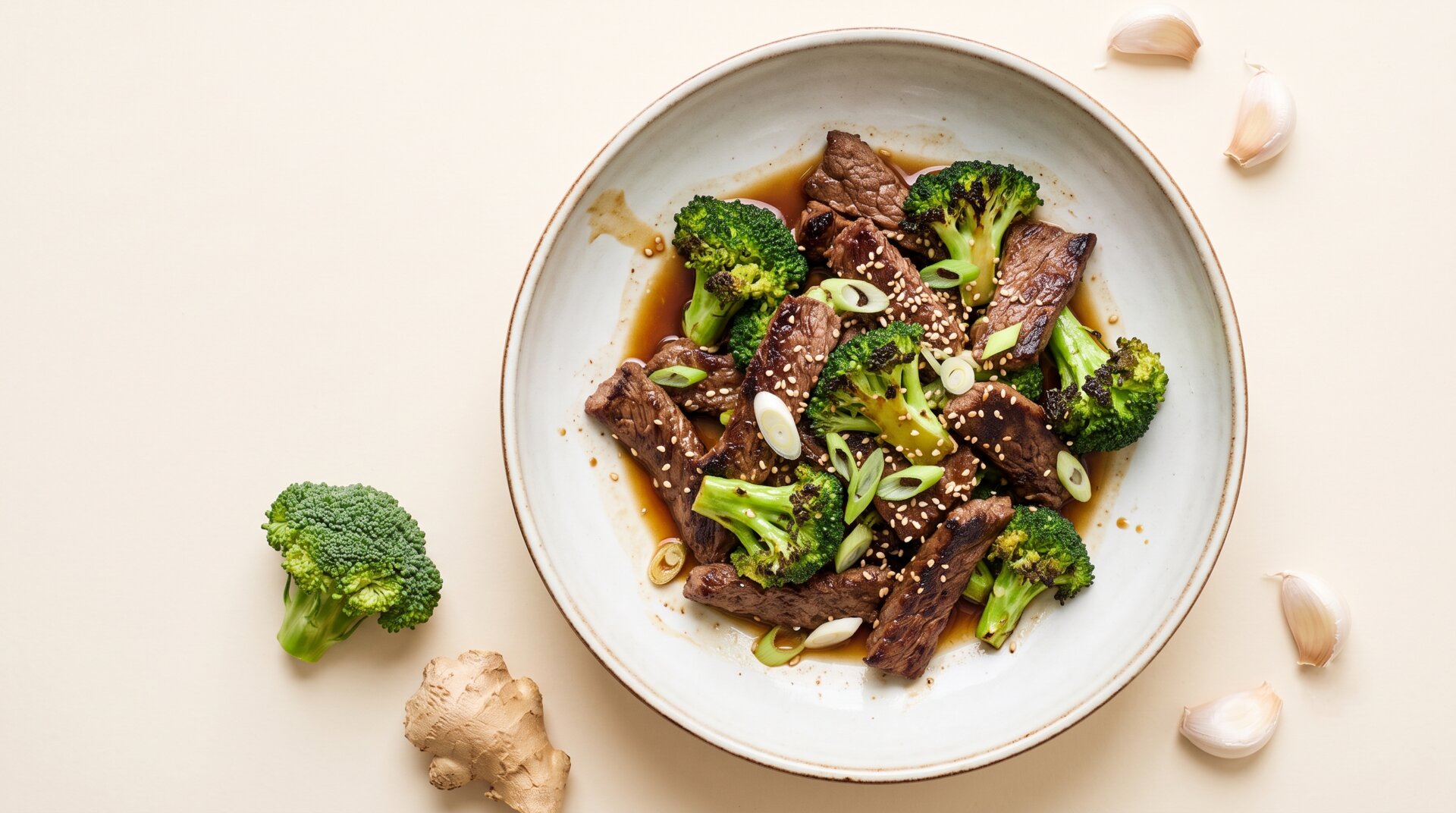 Chinese Beef & Broccoli 30 min Tender beef strips with crispy broccoli in oyster sauce 380 kcal 36g protein 1 synergies
 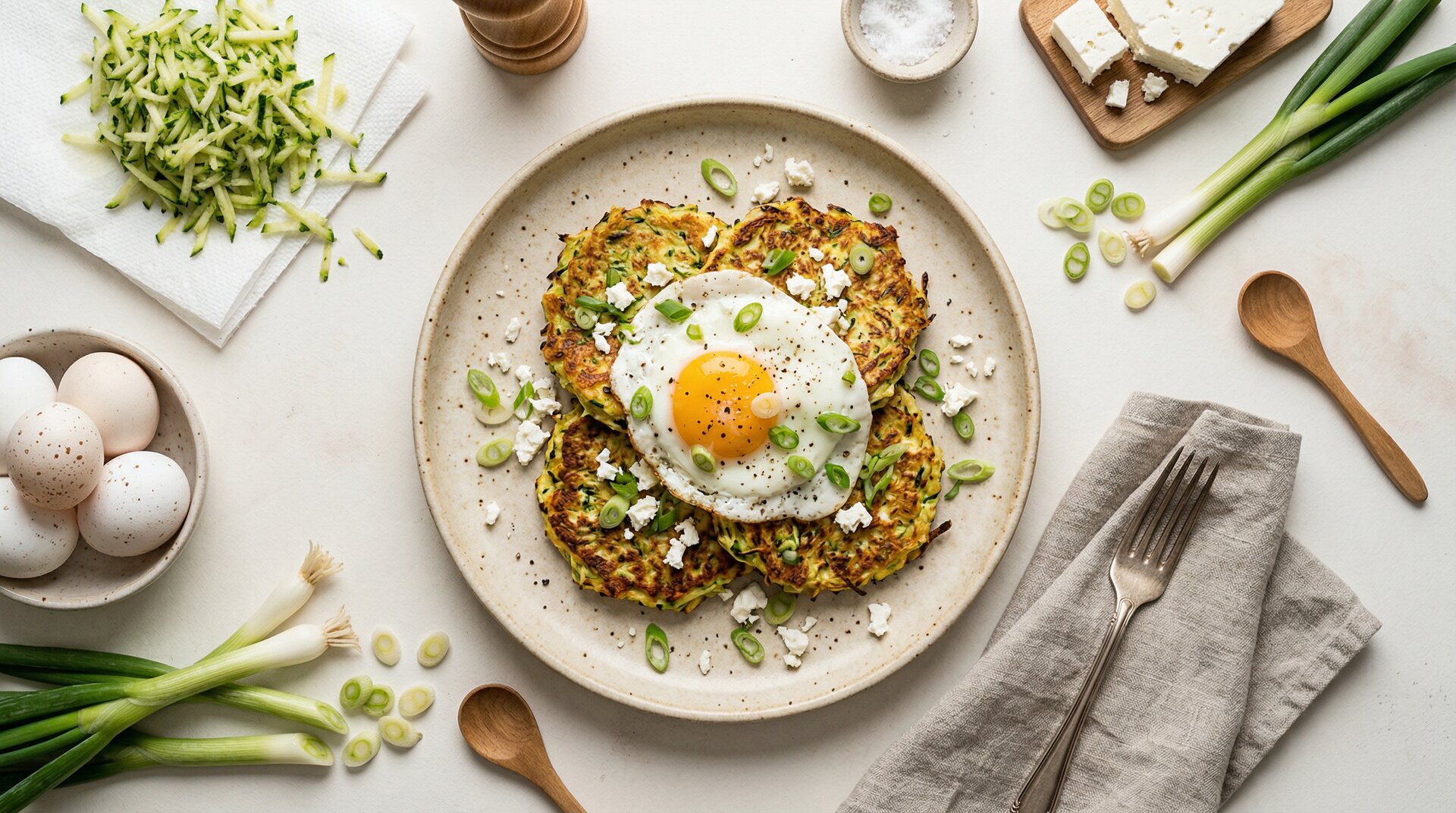 Zucchini Pancakes with Feta and Spring Onion 20 min Golden-fried with crumbly feta and fresh spring onion 225 kcal 15g protein 2 synergies
  In the Kitchen
Storage
Location:Refrigerator
Shelf life:1 week
Store in a glass of water (like a bouquet) in the fridge, or wrap in damp paper towel and store in a plastic bag.
Preparation
The white part can be cooked along, the green part best added at the end or raw as garnish. Cut into rings or diagonally for presentation.
Conversions
Substitutes
Smart preparation
1Use the white part for cooking and the green part as garnish.
Why?
The white part has a stronger flavor that mellows with heating.
2Cut scallions diagonally for a nicer presentation.
3Place cut scallions in ice water for curling garnish.
Caution / Warnings
Spring Onion is very safe, but there are scientific considerations:
Blood Thinners (Warfarin) Severe
Very high vitamin K content (207% RDI) can strongly affect warfarin effectiveness
Advice:
Maintain consistent intake. Large variations in consumption can destabilize INR values. Consult your doctor.
Onion Allergy Moderate
People allergic to onion or garlic may react to spring onion
Advice:
With known Allium allergy, avoid spring onion
Traditional use
Traditional Chinese Medicine
Chinese traditional use
In Chinese food culture, spring onion (cong bai) has been valued for centuries and plays a steady role in traditional dishes.
Summary
Spring onion is a vitamin K superstar - the green part contains more than 200% of your daily needs per 100g! This makes it a powerful friend for your bones AND blood vessels. The white part adds allicin, a bioactive sulfur compound being studied in laboratory research. Use both: white for flavor, green for nutrition. Be careful with blood thinners!