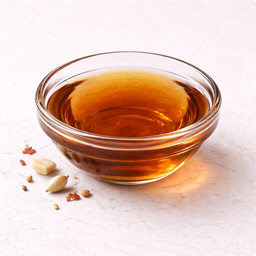
Fish Sauce
Liquid umami from fermented fish
What is this ingredient?
Fish sauce is the ‘salt’ of Southeast Asia. During fermentation, fish proteins break down into free amino acids, including glutamate, which creates the pronounced umami taste. Because sodium is high, it is usually used in small amounts: a few drops, a teaspoon or a small splash can be enough to give curries, noodle dishes, marinades and dipping sauces more depth. Composition, aroma and salt levels can vary widely by brand and style, such as Thai nam pla or Vietnamese nuoc mam.
How does it taste?
Intensely salty and umami-rich, with a fermented, fishy punch that becomes softer and more savory in dishes.
Pairs well with:
Pairs well with limechiligarlicsugarcilantrorice vinegarnoodlescurries and grilled vegetables.
Did you know...?
- Fish sauce is often seen as a modern relative of garum, the Roman condiment made from fermented fish.
- Thailand and Vietnam are among the best-known producers of fish sauce, with styles that differ in aroma, saltiness and maturation.
Nutritional Value & Energy
Per 100ml
Fish Sauce is low in calories thanks to natural nutrients .
Per 100g
Minerals
Vitamins
Omega-3 fatty acids
More nutrients
Trace Minerals
What's in a serving?
1 small serving
Fish sauce naturally contains iron (2.1 mg per 100 g).
Fish sauce naturally contains selenium (15 mcg per 100 g).
Fish sauce naturally contains vitamin B12 (0.5 mcg per 100 g).
% of daily reference intake (DRI)
EU-approved nutrition claims
This ingredient contains nutrients for which EFSA-authorized health claims exist, assessed at nutrient level rather than as an ingredient-specific claim.
Approved health claims (EU)
Vitamin_b12 EU 432/2012
Vitamin B12 contributes to the normal function of the immune system
Contains 0.5mcg/100g (threshold: ≥0.375mcg/100g)
Vitamin_b12 EU 432/2012
Vitamin B12 contributes to the reduction of tiredness and fatigue
Contains 0.5mcg/100g (threshold: ≥0.375mcg/100g)
Vitamin_b12 EU 432/2012
Vitamin B12 contributes to the normal functioning of the nervous system
Contains 0.5mcg/100g (threshold: ≥0.375mcg/100g)
Iron EU 432/2012
Iron contributes to normal energy-yielding metabolism
Contains 2.1mg/100g (threshold: ≥2.1mg/100g)
Iron EU 432/2012
Iron contributes to the reduction of tiredness and fatigue
Contains 2.1mg/100g (threshold: ≥2.1mg/100g)
Vitamin_b12 EU 432/2012
Vitamin B12 contributes to normal energy-yielding metabolism
Contains 0.5mcg/100g (threshold: ≥0.375mcg/100g)
Vitamin_b12 EU 432/2012
Vitamin B12 contributes to normal homocysteine metabolism
Contains 0.5mcg/100g (threshold: ≥0.375mcg/100g)
Vitamin_b12 EU 432/2012
Vitamin B12 contributes to normal psychological function
Contains 0.5mcg/100g (threshold: ≥0.375mcg/100g)
Vitamin_b12 EU 432/2012
Vitamin B12 contributes to normal red blood cell formation
Contains 0.5mcg/100g (threshold: ≥0.375mcg/100g)
Vitamin_b12 EU 432/2012
Vitamin B12 has a role in the process of cell division
Contains 0.5mcg/100g (threshold: ≥0.375mcg/100g)
Iron EU 432/2012
Iron contributes to normal cognitive function
Contains 2.1mg/100g (threshold: ≥2.1mg/100g)
Iron EU 432/2012
Iron contributes to normal formation of red blood cells and haemoglobin
Contains 2.1mg/100g (threshold: ≥2.1mg/100g)
Iron EU 432/2012
Iron contributes to normal oxygen transport in the body
Contains 2.1mg/100g (threshold: ≥2.1mg/100g)
Iron EU 432/2012
Iron contributes to the normal function of the immune system
Contains 2.1mg/100g (threshold: ≥2.1mg/100g)
Iron EU 432/2012
Iron has a role in the process of cell division
Contains 2.1mg/100g (threshold: ≥2.1mg/100g)
Selenium EU 432/2012
Selenium contributes to the maintenance of normal hair
Contains 15mcg/100g (threshold: ≥8.25mcg/100g)
Selenium EU 432/2012
Selenium contributes to the maintenance of normal nails
Contains 15mcg/100g (threshold: ≥8.25mcg/100g)
Selenium EU 432/2012
Selenium contributes to the normal function of the immune system
Contains 15mcg/100g (threshold: ≥8.25mcg/100g)
Selenium EU 432/2012
Selenium contributes to normal thyroid function
Contains 15mcg/100g (threshold: ≥8.25mcg/100g)
Selenium EU 432/2012
Selenium contributes to normal spermatogenesis
Contains 15mcg/100g (threshold: ≥8.25mcg/100g)
Selenium EU 432/2012
Selenium contributes to the protection of cells from oxidative stress
Contains 15mcg/100g (threshold: ≥8.25mcg/100g)
What's being researched?
Amino acids and umami in fish sauce
The fermentation process of fish sauce produces free amino acids and peptide fragments that contribute to its pronounced umami taste. The nutritional context remains limited in research; because sodium is high, serving size matters.
Supported by: [1] Russo GL (2020)
Good Combinations (Synergy)
Combine fish sauce smartly to enhance the effect:
Fish Sauce  Lemon
Lemon Fermented umami + vitamin C for flavor and iron absorption
Technical: Fish sauce (nam pla) is fermented fish with the highest free glutamate content of all sauces (1300-1400mg/100ml), plus IMP nucleotides. It also contains iron (2.5mg/100ml) from the fish. Lemon's vitamin C increases iron absorption 3-6x and enhances umami perception by lowering pH. Citric acid also prevents biogenic amine buildup in fermented products. The combination is the base of Thai salad dressing (yam style).
What does this mean for you? Fish sauce + lime juice is the base of every Thai salad and som tam. The citrus not only freshens but also increases iron absorption from the fish sauce.
Fish Sauce  Garlic
 Fermented umami + allicin for immunity and flavor
Technical: Fish sauce contains fermented amino acids (glutamate, histidine) and bioactive peptides from long fermentation. Garlic's allicin offers bioactive action. The fermented compounds support the gut microbiome while allicin provides a complementary bioactive profile.
What does this mean for you? Combine fish sauce and garlic as base for Asian stir-fries, marinades and dressings. This is the fundamental flavor base of Thai and Vietnamese cuisine.
Fish Sauce 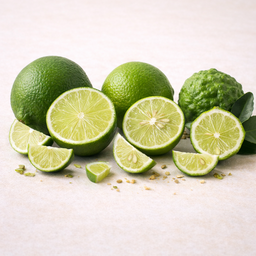 Lime
Lime Umami + acid for perfect Thai balance
Technical: Fish sauce contains free glutamate (umami) from prolonged fish fermentation. Lime contains citric acid that lowers pH and enhances umami flavor perception. Citric acid also stimulates saliva and gastric acid production, improving protein digestion from the dish.
What does this mean for you? Combine fish sauce with lime as base for Thai dressings and dipping sauces. The acid from lime intensifies the umami from fish sauce — the core of Thai cuisine.
Recipes with Fish Sauce
Discover delicious recipes featuring fish sauce:
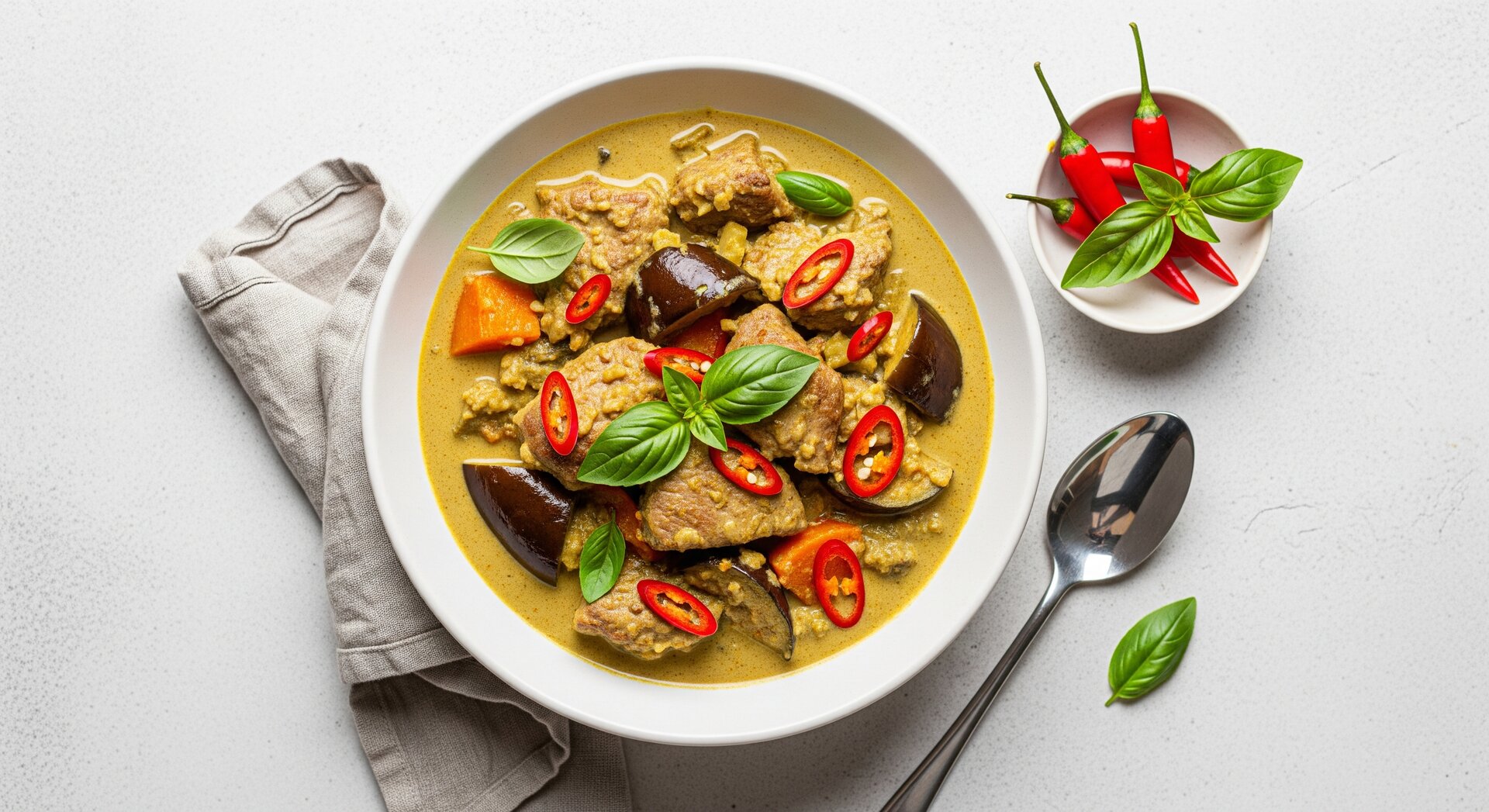 Thai Green Curry with Chicken 35 min Creamy coconut curry with fresh vegetables
  520 kcal
  32g protein 1 synergies
 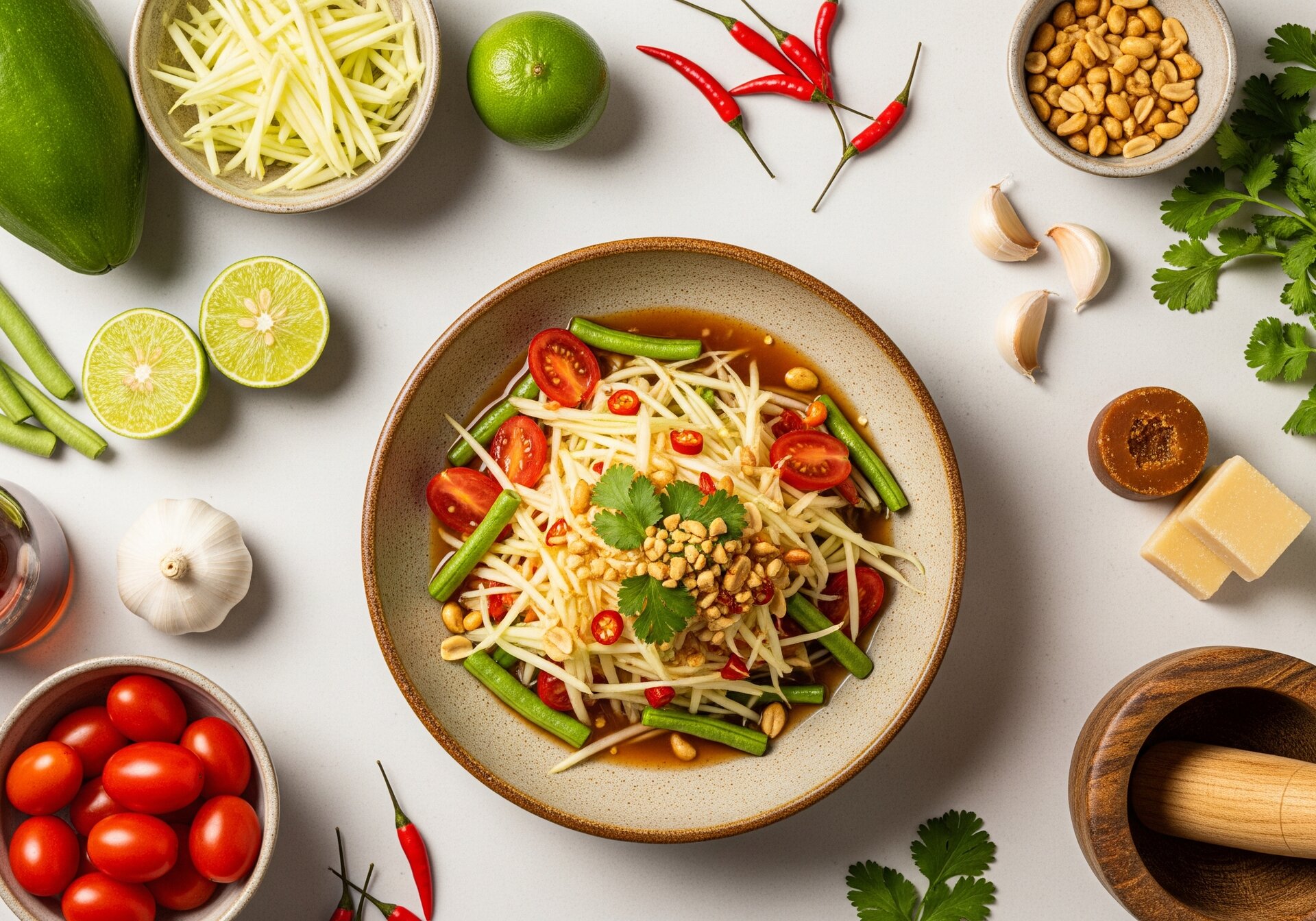 Thai Green Papaya Salad (Som Tam) 20 min Spicy Thai salad with papaya, peanuts and lime 180 kcal 6g protein 1 synergies
 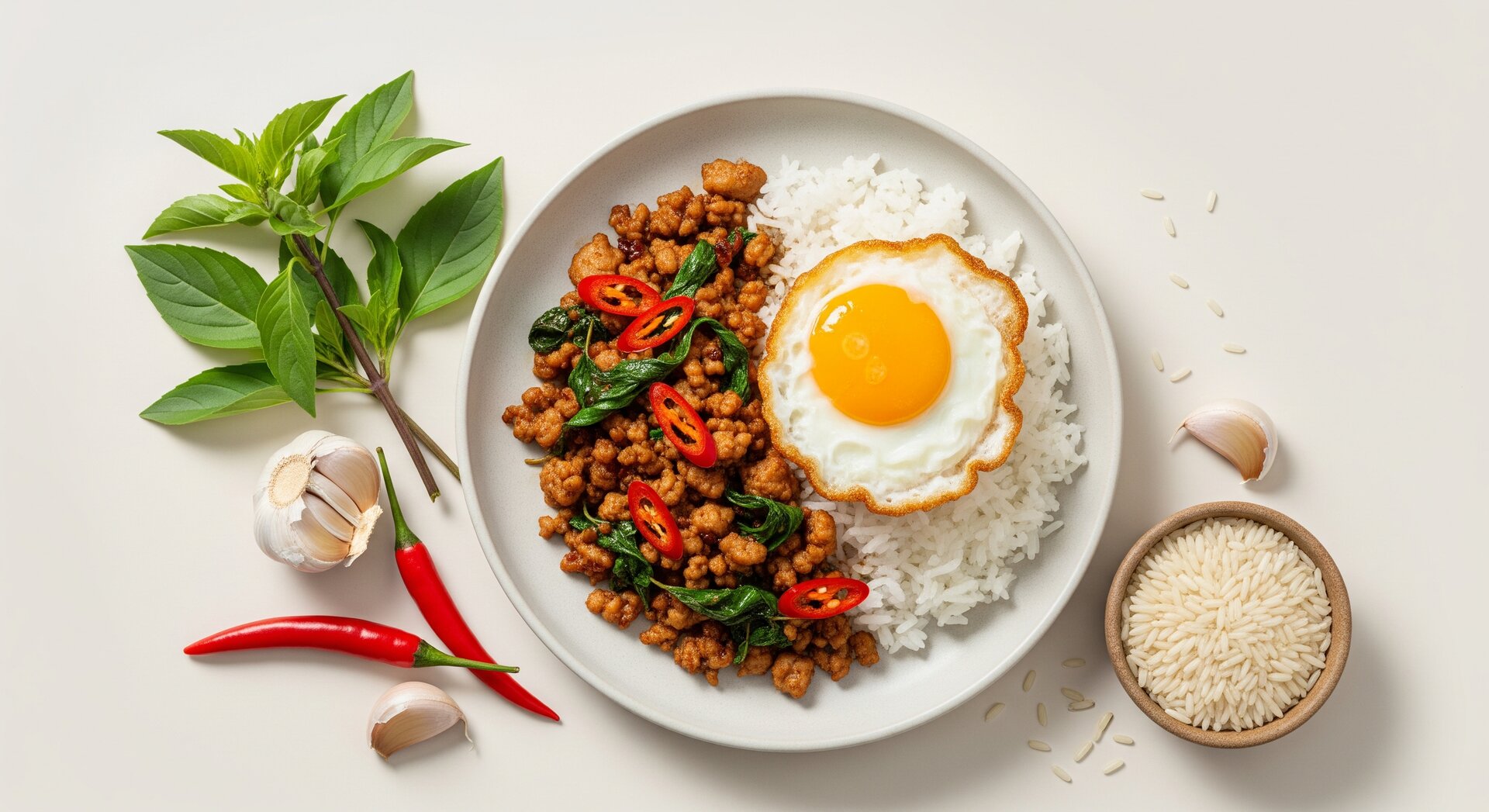 Thai Holy Basil Stir-Fry 25 min Authentic Pad Krapao with minced chicken and tulsi 520 kcal 38g protein 2 synergies
 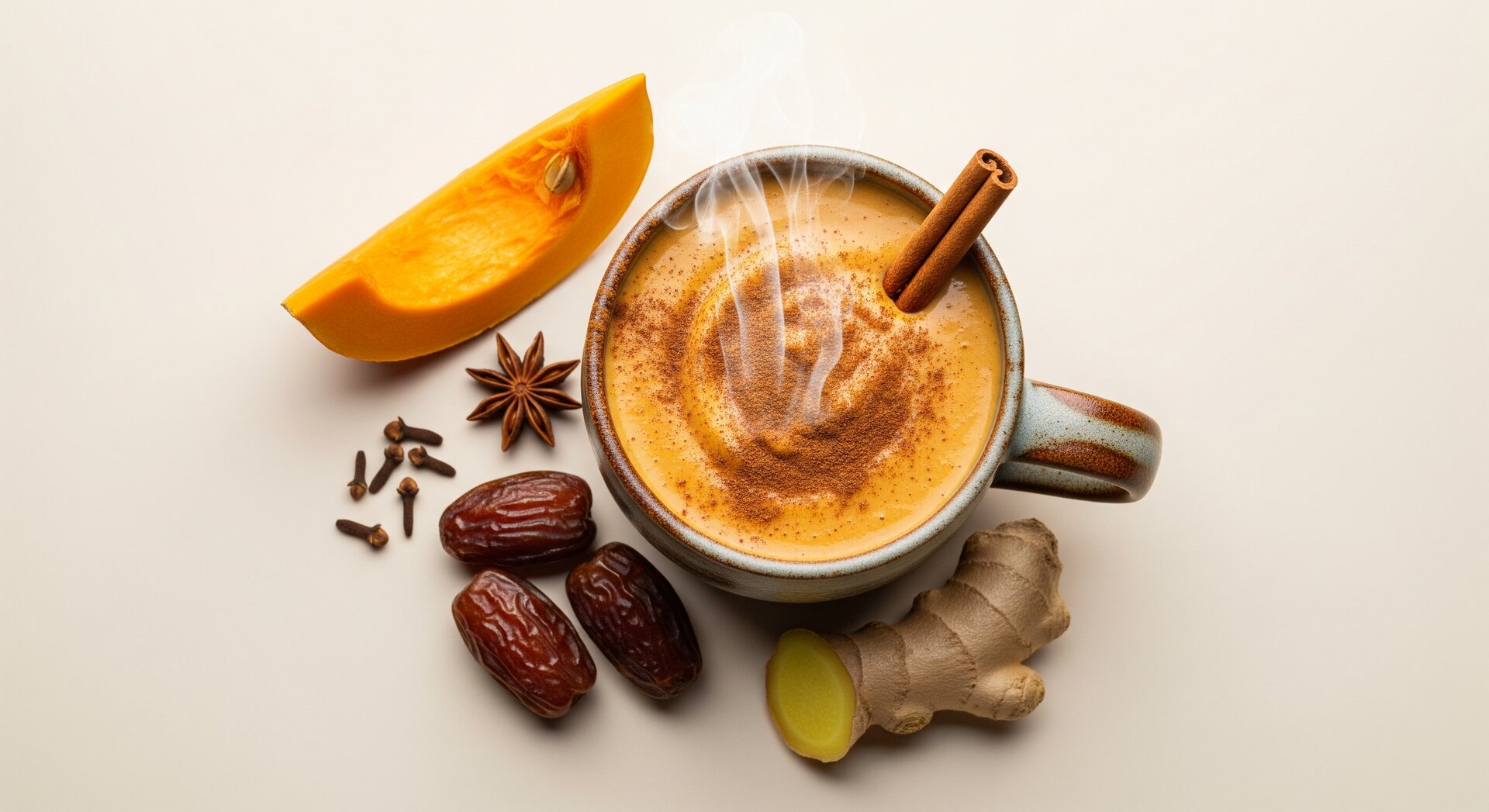 Thai Coconut Curry Soup 45 min Creamy coconut soup with red curry, chicken, mushrooms and lime 540 kcal 22g protein 2 synergies
 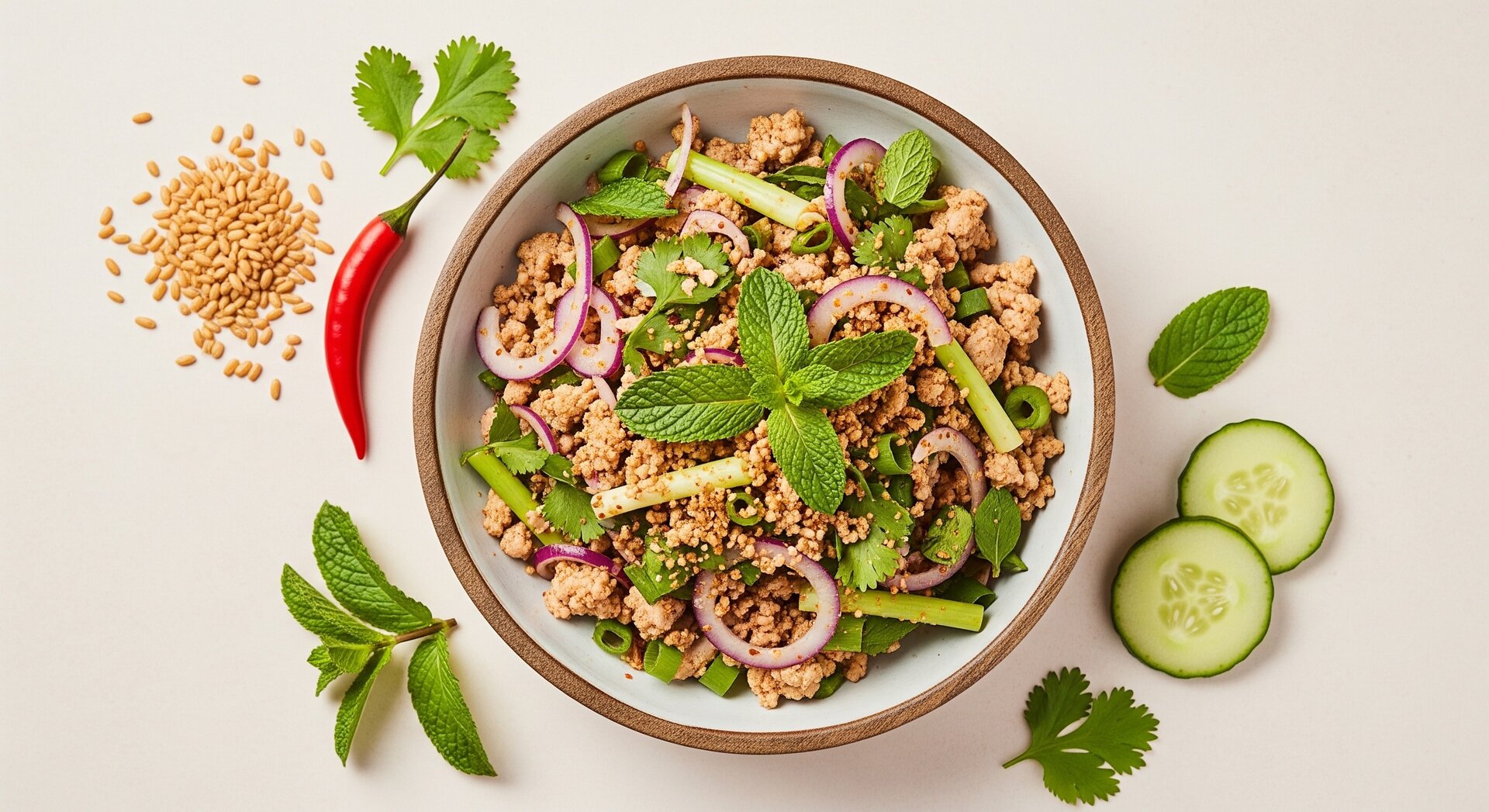 Thai Larb Gai - Spicy Chicken Salad with Lime 30 min Northern Thai chicken salad with toasted rice powder and fresh herbs 421 kcal 54g protein 2 synergies
 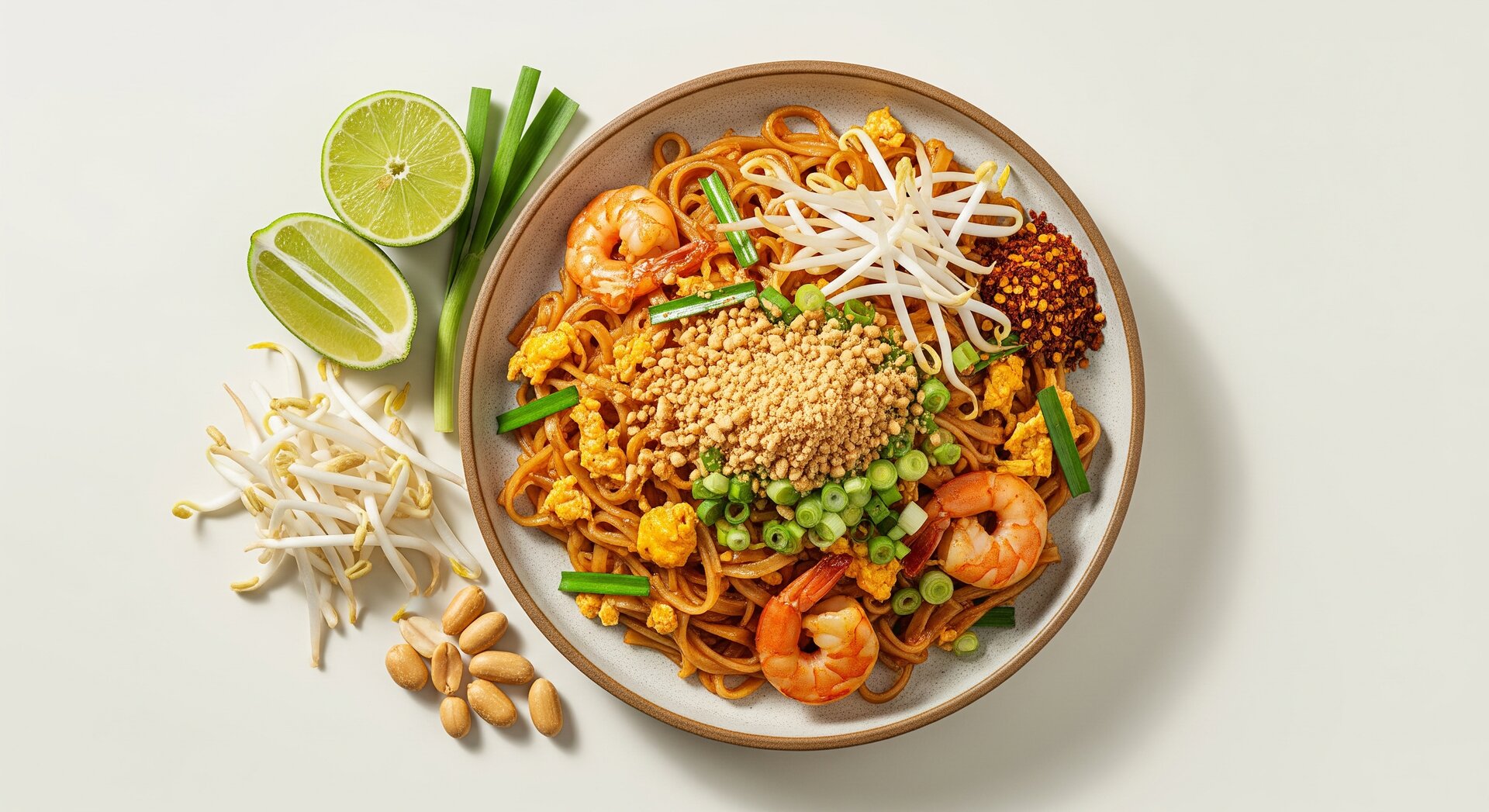 Thai Pad Thai with Shrimp 60 min Wok noodles with tamarind sauce, egg and crunchy peanuts 545 kcal 28g protein 1 synergies
  In the Kitchen
Storage
Location:Pantry
Shelf life:1-2 jaar (na openen)
Preparation
Add to curries, stir-fries, dressings such as nuoc cham, or marinades. Use it as a salty seasoning in place of part of the salt, and dose carefully because the flavor is concentrated.
Substitutes
Smart preparation
1Use fish sauce sparingly; both the flavor and the salt level are very concentrated.
2Add fish sauce as an extra umami layer, even in non-Asian dishes such as tomato sauce, stews or vinaigrette.
Why?
Small amounts deepen savory flavor without making the dish taste distinctly fishy.
3Balance fish sauce in dressings with sugar, lime or vinegar for a rounded combination of salty, sour and sweet.
Caution / Warnings
Fish Sauce is very safe, but there are scientific considerations:
High blood pressure or salt restriction Severe
Fish sauce is very high in sodium. With a salt-restricted eating pattern or advice to reduce sodium, this ingredient only fits in small amounts.
Advice:
Use sparingly, consider a lower-sodium version, and add extra freshness with lime, lemon, herbs or vinegar.
Vegetarian or vegan Severe
Fish sauce is made from fish, so it does not fit a vegetarian or vegan eating pattern.
Advice:
Use a vegan alternative based on seaweed or soy, or choose soy sauce when saltiness and umami are the main goal.
Traditional use
Southeast Asian
Fish sauce in Southeast Asian culinary tradition
Fish sauce, known as nam pla in Thailand and nuoc mam in Vietnam, has been a fundamental seasoning for centuries in curries, noodle dishes, dipping sauces, marinades and table condiments across Southeast Asian cuisine.
Mediterranean
Fish sauce in Roman culinary tradition
Roman garum was a fermented fish sauce with an important place in Roman cuisine. It was produced in workshops along parts of the Mediterranean coast and used as a salty, savory seasoning.
Summary
Don’t be put off by the smell from the bottle: in a dish, fish sauce mainly becomes deep savoriness. Use a few drops or a teaspoon and your curry, stir-fry, marinade or dressing tastes fuller and more ‘complete’.